
Reviewed · TRAIN EXPERIENCES
Full Day Hiroshima and Miyajima Tour by Bullet Train from Kyoto
A 13-hour day with huge emotional weight. This Kyoto-to-Hiroshima tour pairs the pretty UNESCO sights of Miyajima with the solemn Peace Memorial stops, all tied together by a high-speed Shinkansen schedule and an English-speaking guide for the Hiroshima portion. You’ll get a smooth, pre-arranged route instead of spending your limited daylight figuring out trains, ferries, and museum timing.
I especially like how the plan combines two very different moods: shrine-and-tide views on Miyajima, then the Atomic Bomb Dome and Peace Memorial Museum in Hiroshima. Second, I love the fact that the tour does the heavy lifting for you on transport and major admissions, including Hiroshima segment guidance and key tickets.
One drawback to keep in mind: it is a long day. If you want to linger in the museum or shop a lot on Miyajima, the timing can feel tight, and at least one past participant reported audio trouble inside the Peace Memorial area.
In This Review
- Key things I’d bookmark before you go
- Kyoto to Hiroshima by Shinkansen: a long ride done the easy way
- Miyajima and Itsukushima Shrine: Sacred Island views with a real rhythm
- Your Miyajima lunch is on you, so plan for fast and local
- Atomic Bomb Dome stop: the site you cannot really rush
- Hiroshima Peace Memorial Park and Museum: guidance helps, but time is tight
- What you actually get for about $400: value in the tickets and the train
- Guide and group experience: the day can feel fun, even when it is not
- Timing and pacing: where the tour gives you choices and where it does not
- Who should book this Hiroshima and Miyajima bullet train tour?
- Should you book this tour?
- FAQ
- What time does the Hiroshima and Miyajima tour start from Kyoto?
- How long is the tour from Kyoto?
- Is lunch included on Miyajima?
- Does the tour include admission tickets?
- Will I have a guide in English?
- Is the Shinkansen seating guaranteed?
Key things I’d bookmark before you go
- Shinkansen day trip structure: Kyoto pickup, round-trip rail, and timed transfers so you don’t waste hours in transit.
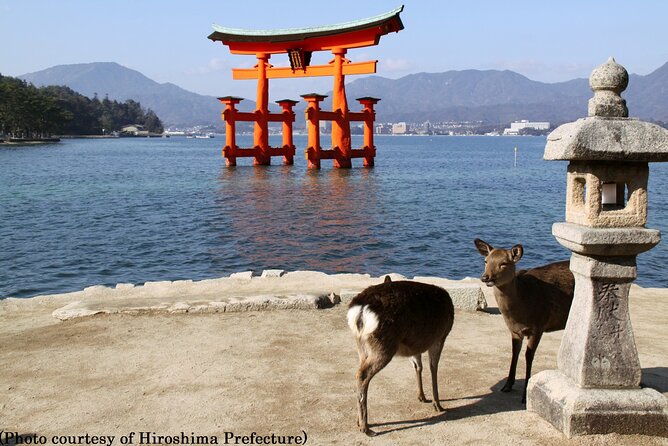
- Itsukushima Shrine first-class scenery: the torii-and-water look and a quick intro to the shrine’s history and architecture.
- Miyajima time is for eating and wandering: lunch is on your own, and you’ll want a simple plan for what to eat fast.
- Atomic Bomb Dome is short but unforgettable: you see the preserved structure and nearby memorials tied to the Aug. 6 bombing.
- Peace Memorial Museum has a strict pace: you get guided help plus limited time, so focus on what matters to you.
- Guide quality really matters: most feedback is very positive about humor and organization, but one or two people struggled with audio and guide engagement.
Kyoto to Hiroshima by Shinkansen: a long ride done the easy way
You start early, with a meet-up at the JTB Sunrise Tours Desk inside Avanti (Avanti B1F), across from Kyoto Station’s Hachijo Exit. The tour begins at 7:30am, and you return to Kyoto Station around 9:00pm, with no hotel drop-off. That means this is truly a full-day commitment, but it also means you get a lot of destinations packed into one organized plan.
The core convenience is the round-trip Shinkansen. You ride to Hiroshima Station by high-speed train (about two hours one way in the tour overview), and you return with the same rail structure. The pacing is designed to use the train time efficiently, so you are not burning half your day on complicated connections.
This is also a group tour capped at 40 people. That size is small enough to feel human, while still large enough that you likely won’t be standing around alone. Also, it’s a mobile-ticket tour, which is a practical win when you’re moving fast between station areas.
Miyajima and Itsukushima Shrine: Sacred Island views with a real rhythm
Once you arrive in Hiroshima, you continue to Miyajimaguchi, then transfer to a boat for the short crossing to Miyajima. Miyajima is often called the Sacred Island, and the emotional tone shifts immediately. You trade the city for water travel, then for shrine views.
Itsukushima Shrine is the star, and you’re there for about an hour. The tour explains that the shrine dates back to the 6th century and is famous for the Shinden-zukuri style, along with the iconic look of the torii gate appearing to float at high tide. Even if you do not time it exactly for the tide effect, the shrine setting is still visually special.
You might also spot tame deer roaming freely on the island. It’s a small detail, but it adds to why Miyajima feels different from other day trips. The tour gives you a guided introduction and then hands you time to explore and take photos.
A quieter way to spend a day in Kyoto
- From Osaka: Sagano Train Ride and Kyoto Guided Day Tour
★ 4.3 · 180 reviews - Kyoto: Arashiyama Day Tour with Train, Boat, and Onsen
★ 4.9 · 48 reviews - Kyoto Railway Museum Admission Ticket
★ 4.3 · 23 reviews - Kyoto Bus Tour: Sagano Railway & Hozugawa River Boat Ride
★ 4.0 · 21 reviews
Your Miyajima lunch is on you, so plan for fast and local
Here’s the practical part: lunch is not included, and the tour expects you to eat on your own during the Miyajima window. The tour overview calls out common island eats like oysters, Hiroshima-style okonomiyaki, and conger eel rice bowls, and you’ll find them around the shopping streets.
Because the scheduled island time is limited, I recommend going in with a simple plan: pick one or two dishes you actually want, then commit quickly once you see a place that looks efficient. If you stand in line for too long, you’ll eat your way into stress, not vacation.
One more consideration if you have dietary needs: one participant specifically noted that vegetarian options were limited on Miyajima. That does not mean there is nothing to eat, but it does mean you should think ahead if your options are narrow.
Atomic Bomb Dome stop: the site you cannot really rush
After Miyajima, the tour returns to Hiroshima and shifts to the memorial sites. One key stop is the Atomic Bomb Dome, also called the Genbaku Dome or Hiroshima Peace Memorial. You get about 40 minutes there, and this is not just sightseeing. The whole point of the stop is context and recognition.
This building is preserved as it was after the bombing and has become a symbol of the disaster and the call for peace. The tour also points you toward nearby memorials, including the Children’s Peace Monument, draped with thousands of origami cranes made by children.
Another detail you’ll learn matters: the Atomic Bomb Memorial Mound contains the ashes of 70,000 victims, with many people unidentified or with no surviving relatives to claim the ashes. That kind of specificity is exactly why the dome stop feels heavier than a typical photo stop. It is the kind of place where even a short visit can land with meaning.
Hiroshima Peace Memorial Park and Museum: guidance helps, but time is tight
Next comes the Hiroshima Peace Memorial Park and the Peace Memorial Museum, a UNESCO World Heritage site. You’re given guided help through the exhibits, including the history leading up to Aug. 6, 1945, and what happened to Hiroshima, followed by the city’s recovery after World War II.
The museum time on the itinerary is about one hour. One hour can be enough if you treat it like a focused mission, not a casual walk-through. Pick what you want most, such as personal stories, the bombing context, or the recovery angle, and then let the guide help you sort the signal from the noise.
There’s also a realistic caution for family travel. One participant noted that photos of injuries and the dead can be disturbing for younger kids. If you’re traveling with children, I’d make a quick family check-in before you enter, so you all agree on what you can handle.
One logistical warning from past experience is worth knowing: at least one guest reported audio issues in the Hiroshima Peace Memorial Park area, with receivers not working properly. You cannot control that on your end, but if you are sensitive to hearing details through a group system, it’s smart to keep your phone notes ready and ask questions when you can.
What you actually get for about $400: value in the tickets and the train
The price listed is $399.71 per person, and that’s not a bargain price. But it is also not random either. The tour includes the Shinkansen round trip, key admissions, and transportation costs, plus a national government licensed English guide interpreter during the Hiroshima segment. Miyajima visitor tax is included too.
The real value question for you is whether you would do all of this efficiently on your own. If you’re trying to coordinate Kyoto-to-Hiroshima rail, transfers to Miyajimaguchi, the ferry, shrine admission, and then the Peace Memorial Museum, you could spend money plus planning time. This tour trades some flexibility for convenience and a structured flow.
What is not included is lunch. That extra cost might be manageable, but you should factor it in. Also, seats may not be designated, so your comfort will depend on how busy the trains are when you board.
If you’re a solo traveler with strong rail skills and you want to move at your own pace, you might find cheaper DIY options. But for most people, the bundled rail and admissions plus a guided Hiroshima portion is the reason this trip feels less stressful.
A day of temples goes further with something to break it up.
Guide and group experience: the day can feel fun, even when it is not
In Hiroshima, the guide is a major part of whether the day feels informative or overwhelming. Many guides described in feedback were funny, organized, and good at explaining what you’re seeing. Names that came up include Angela, Angela/other guides like Masako, Azusa, Takeshi, Akiko, Sato-san, and Marie, plus at least one example of Taeko Watanabe.
The reason I’m bringing this up is simple: Hiroshima is not the place for a detached narration. The best guides connect facts to what you’re standing in front of, and they help your group keep moving without feeling rushed in a careless way.
That said, guide quality is not guaranteed, and there are a couple of negative reports about engagement and audio. The practical takeaway is to be open, respectful, and ready to follow instructions while also asking questions if something feels unclear.
Also, note the tour duration is long. Even a great guide cannot stop fatigue. If you’re prone to getting cranky when you are tired, pack a small buffer: water, simple snacks if allowed, and comfortable shoes.
Timing and pacing: where the tour gives you choices and where it does not
This itinerary is built around a long Shinkansen day, so there is limited slack. Miyajima gets about an hour on the island, with lunch included in that window but paid by you. Hiroshima’s key sites are split between the Atomic Bomb Dome and then the Peace Memorial Park plus museum.
For your planning mindset, think of it like this:
- Miyajima is for the big sights and a quick food win.
- Hiroshima is for meaning, guided context, and a shorter museum visit.
One participant suggested that the museum time can feel rushed if you want extra reading time. They also noted that, in some cases, you can sign out and stay longer, but you would need to change your return Shinkansen ticket. That tells me the tour is structured, but there is sometimes room for flexibility if you’re willing to handle train changes yourself.
If that sounds like you, great. If not, then commit to making the guided parts the focus, then do a personal second pass later in your own pace in the future.
Who should book this Hiroshima and Miyajima bullet train tour?
This tour is a strong pick if:
- You want one full day that covers Miyajima’s UNESCO shrine stop and Hiroshima’s most important memorial sites.
- You are traveling from Kyoto and want to avoid complex transport planning.
- You appreciate guided context, especially for Hiroshima’s history and recovery story.
- You prefer a group structure that keeps everything timed together.
I’d think twice if:
- You want hours inside the museum, not about one hour.
- You want lots of shopping time on Miyajima.
- You need lots of dietary flexibility and want to be sure options will match your preferences fast.
Should you book this tour?
If you’re choosing between planning it yourself and letting the schedule carry you, I’d lean toward booking if your priority is efficiency plus guidance. The combination of the Shinkansen round trip, Itsukushima Shrine visit, Atomic Bomb Dome viewing, and the Peace Memorial Museum with an English guide interpreter makes it a practical way to see two UNESCO-heavy days in one sweep.
Just go in with the right expectations: it is a long day, Miyajima time is limited, and the museum is paced. Bring comfortable shoes, decide your lunch goal quickly on Miyajima, and treat Hiroshima as the main event of the day, not a side stop.
FAQ
What time does the Hiroshima and Miyajima tour start from Kyoto?
The tour starts at 7:30am. You’ll meet at the JTB Sunrise Tours Desk inside Avanti B1F near Kyoto Station, and the tour ends back at Kyoto Station around 9:00pm.
How long is the tour from Kyoto?
The total duration is approximately 13 hours 20 minutes. The itinerary is structured as a full day with round-trip travel and timed sightseeing stops.
Is lunch included on Miyajima?
No. Lunch is not included, and you’re expected to eat on your own during the Miyajima portion.
Does the tour include admission tickets?
Yes. The tour includes admission fees and transportation costs listed in the package, including key site admissions such as Itsukushima Shrine and the Hiroshima Peace Memorial Museum.
Will I have a guide in English?
An English guide interpreter is included during the Hiroshima segment. The guide leads the Hiroshima Peace Memorial Park and Museum portion.
Is the Shinkansen seating guaranteed?
Seats may not be designated. The tour does include Shinkansen travel, but the exact seat assignment is not guaranteed based on the provided information.
New This Season
- Koyasan Day Trip by Private Car from Kyoto
- Old Port Town and Ultimate Sake Tasting Private Tour From Kyoto
- Kyoto’s Timeless Charm: 3hr Exploration of History and Peace
- Kyoto: 5 Types of Sushi Making
- Sacred Peak & Ancient Paths: Kurama-Kibune Hiking Experience
- Kyoto: Exclusive ZEN practice at Manpukuji temple in Uji
- Kyoto: Private Seasonal Aroma Yoga Class
- Traversing Kyoto’s Scenic West – Arashiyama to Kinkakuji
Train Experiences, compared.
Arashiyama Day Tour with Train, Boat, and Onsen
Read our review →
Kyoto Bus Tour: Sagano Railway & Hozugawa River Boat Ride
Read our review →
Arashiyama Tour with optional Sagano Romantic Train
Read our review →
Kyoto Hozugawa River Boat Sagano Romantic Train Tour
Read our review →
Kyoto Sagano Romantic Train in Arashiyama Bus Tour
Read our review →
Arashiyama Walking Tour with Optional Sagano Romantic Train Ride
Read our review →Also filed under