
Reviewed · HISTORICAL TOURS
Kyoto’s Timeless Charm: 3hr Exploration of History and Peace
Kyoto has a way of making time slow down. This 3-hour route is built around Kiyomizu-dera’s famous wooden stage and the quieter lanes that follow, so you get big views and calm pockets without a full-day slog. I especially like the mix of standout landmarks plus peaceful walking paths, and you’ll likely appreciate the private group pacing that feels easier than squeezing into a crowd. One possible drawback: it is a walk-and-stand kind of tour, so if your legs are touchy, you’ll want to prepare for uneven stone and temple steps.
You’ll start at your hotel or a nearby meetup point in Kyoto, then move through old neighborhoods and gardens with an English or Japanese live guide. Expect a schedule that balances sight time with short breaks, including a stop for a local café. If you’re hoping for lots of free time to wander completely on your own, you may feel slightly guided the whole way, because the itinerary is tightly shaped.
In This Review
- Key highlights at a glance
- A 3-hour Kyoto loop that feels calm, not rushed
- Kiyomizu-dera: UNESCO views, Otowa Waterfall, and Jishu Shrine
- Ninen-zaka and Sannen-zaka: stone lanes, teahouses, and an optional café break
- Kōdaiji Temple: Zen gardens for a real reset
- Nene-no-Michi: a quieter path named after Toyotomi Hideyoshi’s wife
- Price and value: what $135 covers, and what can add up
- How the guide experience stays strong on a short schedule
- Timing, walking comfort, and how to prep like a pro
- Who this Kyoto history and peace tour fits best
- Should you book this Kiyomizu-dera to Nene-no-Michi tour?
- FAQ
- How long is this Kyoto tour?
- What is the meeting and pickup process?
- What stops are included in the itinerary?
- Are entrance fees included?
- Is transportation included for you and the guide?
- Is lunch or dinner included?
- What languages are available for the guide?
- Is this tour wheelchair accessible?
- How many people is this tour for?
- How is the guide fee priced for larger groups?
Key highlights at a glance
- Kiyomizu-dera’s dramatic wooden stage with panoramic views over Kyoto
- Historic stone-paved lanes of Ninen-zaka and Sannen-zaka with traditional shops and teahouses
- Kōdaiji Temple’s serene Zen gardens and standout architecture
- Nene-no-Michi, a quiet path named after Toyotomi Hideyoshi’s wife
- Hotel pickup within Kyoto plus an English or Japanese guide for a smooth flow
A 3-hour Kyoto loop that feels calm, not rushed
This tour is short on purpose. Kyoto can eat your day, mostly because the walking between neighborhoods adds up and the big sights draw lines. Here, you’re not trying to cover everything. You’re covering the kinds of places that make Kyoto feel like Kyoto, then you stop before you feel fried.
The route is also smart in how it changes moods. You start at a UNESCO-listed temple built for wide views, then you shift into old Kyoto streets with shops and teahouses. After that, you trade street energy for garden quiet at Kōdaiji, and finish with a calmer, more residential walking path. That rhythm matters. It helps you remember more than just architecture, because you experience different tones of the city.
The tour is private group, so the pace can be steadier for your group size and interests. The guide also handles the “what am I looking at?” part. That is especially useful at temples where details matter, like where to find a shrine connection or how the grounds are laid out.
Kiyomizu-dera: UNESCO views, Otowa Waterfall, and Jishu Shrine
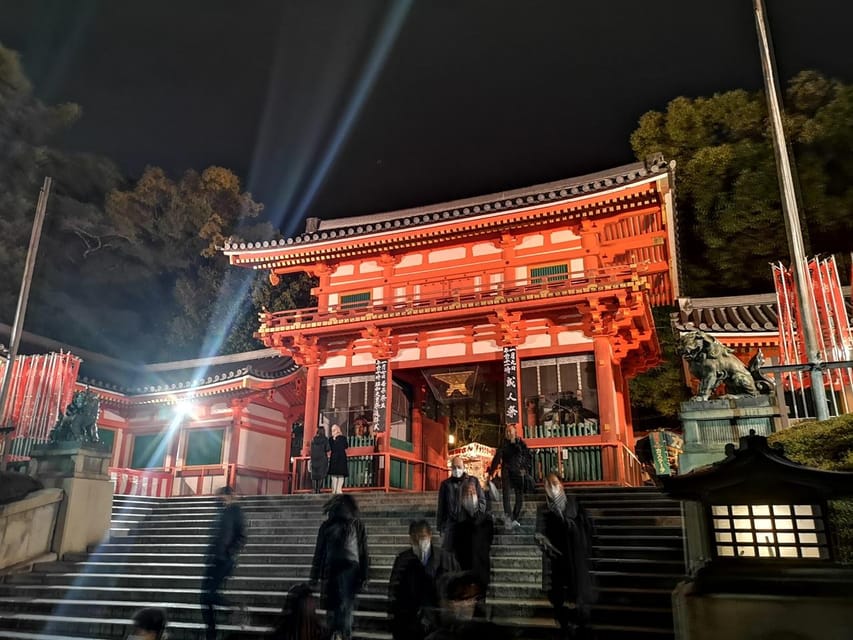
Kiyomizu-dera is the headline stop for a reason. It is a UNESCO World Heritage site, and you’ll spend about an hour here. The most famous feature is the dramatic wooden stage with panoramic views of Kyoto, the kind of scene that makes the city look both old and oddly familiar.
While you’re on the temple grounds, you’ll also explore stops that deepen the experience beyond photos:
- Otowa Waterfall, a signature part of the visit
- Jishu Shrine, another named highlight within the area
A practical note: this area is temple terrain. Expect to stand, look around, and walk pathways inside the grounds. If you want the views without rushing, plan to move slowly and pause often. The stage is the moment people remember, but the surrounding grounds are where you start to understand how the temple fits into the hillside.
Why this stop is so valuable for a short tour: it gives you a “Kyoto panorama” you can connect the rest of the day to. After you see the city from the stage, the streets and neighborhoods you walk through next feel more legible, like you’re moving through layers of the same landscape.
More of Kyoto's centuries, explained
- Kyoto Gion: 2-Hour Geisha Culture & History Walking Tour
★ 5.0 · 1,186 reviews - Kyoto Gion Historical Walking Tour
★ 5.0 · 188 reviews - Historical Kyoto E-Bike Tour
★ 5.0 · 181 reviews - Kyoto: Nijo Castle World Heritage Guided Tour with Admission
★ 5.0 · 128 reviews
Ninen-zaka and Sannen-zaka: stone lanes, teahouses, and an optional café break
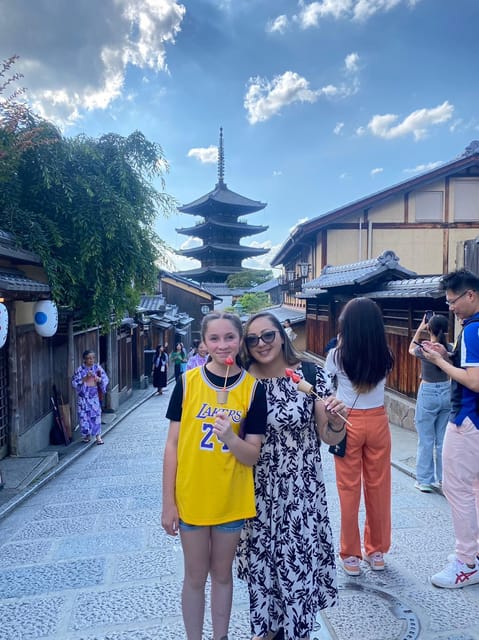
After Kiyomizu-dera, you transition into the classic old-streets experience: Ninen-zaka and Sannen-zaka. These are picturesque, stone-paved lanes designed to preserve that old Kyoto atmosphere, lined with traditional shops, cafés, and teahouses.
This is where the tour becomes more than temples and views. It becomes everyday Kyoto culture, the kind you can feel in the architecture and shopfront rhythm even if you only have a short window. You’re not just passing through. You’re walking the lanes with time to notice what is there.
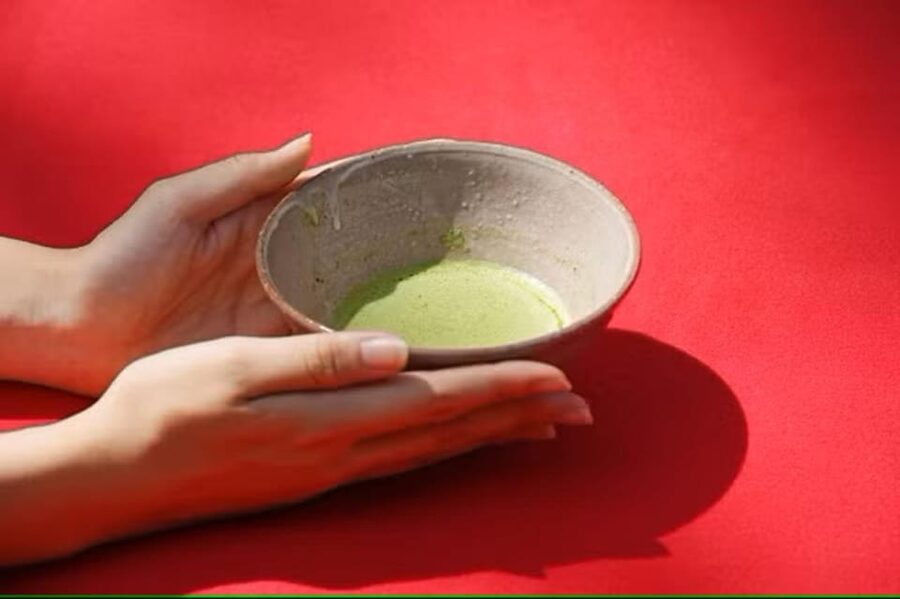
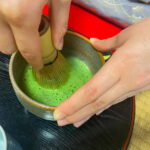
You might also want to take a break at MACCHA HOUSE café for refreshments. Even if you skip a specific brand, the point of this café interlude is simple: it keeps the energy steady. With only three hours total, these small pauses matter. They keep you from treating the day like a checklist.
A small consideration: old streets can mean more foot traffic and tighter walking paths. It’s still enjoyable, but you’ll have more fun if you go in with comfortable shoes and a flexible pace, not a zoom-zoom “I must see everything” mindset.
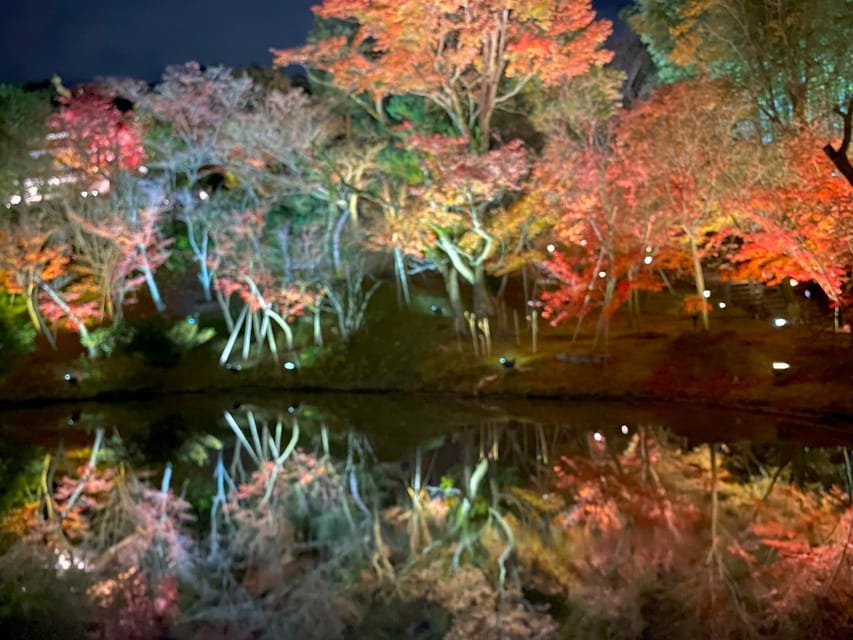
Kōdaiji Temple: Zen gardens for a real reset
Next up is Kōdaiji Temple, with about 30 minutes here. This is the calm contrast to the earlier lanes. Kōdaiji is known for serene Zen gardens and stunning architecture, and it’s the part of the route that often feels like the most “Kyoto quiet,” even while you’re still in the city.
If you only visit one temple garden in a day, this is a strong choice. Gardens are not just scenery. They’re a way to slow your eyes down. You’ll get time to appreciate the peaceful ambiance and the historical significance of the temple.
In practical terms, this stop is good for two kinds of travelers:
- If you enjoy the visual side of Zen design, you’ll have enough time to look without feeling rushed.
- If you’re exhausted from earlier walking, the garden pacing gives your body a chance to rest while your mind stays engaged.
The main drawback of garden time is simple: it can encourage you to stand still, which may not feel like a “fast sightseeing win.” But that is exactly why it works in a short tour. It balances the day so you leave feeling like you experienced Kyoto, not just toured it.
Nene-no-Michi: a quieter path named after Toyotomi Hideyoshi’s wife
To finish, you’ll walk along Nene-no-Michi, a quiet and atmospheric path. It’s named after Toyotomi Hideyoshi’s wife, and the setting is part of the charm: you get lovely views of traditional Kyoto homes and gardens as you stroll.
This is one of those places that makes you feel like you’re seeing Kyoto through a more human lens. Temples can be grand and formal. Streets can be photogenic and crowded. Nene-no-Michi sits between those worlds, a calmer walkway where residential character shows up in the details.
You’ll have about 30 minutes for this guided walk. That’s enough time to take it slow and still have energy left for your ending plans.
As with any residential path, keep your pace respectful. You’re not in a theme park. People live nearby and the atmosphere is part of the point.
Price and value: what $135 covers, and what can add up
At $135 per person for a 3-hour experience, the value depends on what you compare it to. You’re not just paying for a guide. You’re paying for someone to compress decisions, route you through the best parts of this zone, and tell you what matters at each stop.
Here is what is included based on the provided details:
- Guide fee
- Hotel pickup within Kyoto
And here is what is not included:
- Transportation fare for you and the guide
- Hotel pickup and drop-off
- Lunch, dinner, or dessert
- Entrance fee
- Any experience fee
That means you should mentally budget for the things that usually cost money in temple neighborhoods, especially entrance fees. You may also want to pay for your own café refreshment, since the tour lists a local café sightseeing stop and mentions a specific café option rather than stating meals are included.
One more value angle: it is a private group. The hourly guide fee varies based on guest count. The basic hourly rate per guide is listed as ¥7,000/h, and the number of guides changes once you get past certain group sizes. The pricing shown on the page is based on the basic hourly rate, and adjustments apply if there are more than three guests, following the stated formula. If you’re traveling as a small group, this matters. You’ll typically get better value when the per-person cost is split across more people.
A day of temples goes further with something to break it up.

How the guide experience stays strong on a short schedule
A short tour lives or dies by the guide. Here, you get a live tour guide in English or Japanese, and the plan is built to make the most of the limited time.
One practical advantage is the way the route is staged. You start with the big visual anchor, Kiyomizu-dera, then you move through the old stone streets, and then you shift into gardens and a quieter path. That structure is easier to follow when someone is guiding you, especially if you are trying to avoid wasting time figuring out where to go next.
There is also a reported highlight about the guide style: in one recent booking, the guide was praised for confirming details beforehand and sharing historical insights at every stop. That matches what you want on this kind of itinerary. You’re not just watching sights pass by. You want someone to connect the dots so your 3 hours feel meaningful.
Language flexibility is another real benefit. If you’re traveling with someone more comfortable in Japanese, the guide being able to work in English or Japanese helps everyone stay included.
Timing, walking comfort, and how to prep like a pro
Because the experience is only 3 hours, your preparation pays off quickly. You’ll be walking between several distinct areas, including stone-paved streets and temple pathways.
Here’s how I’d prep to make it smooth:
- Wear comfortable shoes with traction, especially for stone surfaces and temple steps.
- Bring a small water bottle. You may not have a long lunch break, and you’ll be standing and walking.
- Think about your photo strategy. You’ll see the stage at Kiyomizu-dera, then you’ll have street and garden scenes. If you try to photograph everything at once, you may miss the calmer details.
Also, the tour includes a stop at a local café for sightseeing around 30 minutes. That helps with stamina, but treat it as a reset, not a full meal.
Starting early can be a big deal for a short Kyoto tour. If you can choose an earlier starting time when you book, you’re likely to feel less rushed and more able to enjoy the stops at a human pace.
Who this Kyoto history and peace tour fits best
This is an ideal fit if you want:
- Major Kyoto highlights without committing to a full day
- A route that balances dramatic views with quieter, more reflective spaces
- A guided experience that helps you understand what you’re seeing as you go
It also works well for groups that benefit from structure. Private group tours are often a smart choice when you don’t want to split your focus between navigation and sightseeing.
If you love photography, you’ll appreciate the wooden stage panoramas and the old street atmosphere. If you prefer calmer scenery, the Zen gardens at Kōdaiji and the walk on Nene-no-Michi give your eyes room to breathe.
One caution: if you have very limited mobility or need frequent breaks, you’ll still want to consider that this is a walking itinerary. The tour is listed as wheelchair accessible, but the route includes temple grounds and stone-paved streets. That combination may still be demanding depending on your needs, so it’s worth planning around it.
Should you book this Kiyomizu-dera to Nene-no-Michi tour?
If your goal is a focused taste of Kyoto in 3 hours, I think this is a strong option. It puts UNESCO Kiyomizu-dera up front, then keeps you moving through recognizable old Kyoto lanes (Ninen-zaka and Sannen-zaka), before shifting to garden peace (Kōdaiji Temple) and a quieter, atmospheric ending (Nene-no-Michi).
Book it if:
- You want a tight route that still feels varied
- You like learning something at each stop, not just taking photos
- You’d rather pay for guidance than spend your energy figuring out the order of sights
Consider skipping it or choosing another format if:
- You want a long, unstructured afternoon where you roam without any schedule
- You need a tour with a lot of built-in time for long meals or shopping breaks
If you do book, show up with comfortable shoes and a water plan. This tour rewards a relaxed pace. You’ll leave with the kind of Kyoto mix that is hard to recreate on your own in just three hours.
FAQ
How long is this Kyoto tour?
The tour duration is 3 hours.
What is the meeting and pickup process?
You meet at your hotel lobby or a designated meeting point in Kyoto. Hotel pickup is within Kyoto.
What stops are included in the itinerary?
You visit Kiyomizu-dera, walk through Ninen-zaka and Sannen-zaka, visit Kōdaiji Temple, and take a guided walk along Nene-no-Michi. There is also a local café stop for sightseeing.
Are entrance fees included?
No. Entrance fees are not included.
Is transportation included for you and the guide?
No. Transportation fare for you and the guide is not included.
Is lunch or dinner included?
No. Lunch, dinner, or dessert is not included.
What languages are available for the guide?
The live tour guide is available in English and Japanese.
Is this tour wheelchair accessible?
Yes, the tour is listed as wheelchair accessible.
How many people is this tour for?
It is a private group tour. The guide capacity is described as one guide can handle up to 7 guests, and additional guides are added for larger groups.
How is the guide fee priced for larger groups?
The basic hourly rate per guide is ¥7,000/h. If your group size requires more than one guide, extra guides are added. The provided info also states an additional fee of ¥1,500/h per guest if one guide handles more than 3 guests, and the price on the tour page is based on the basic hourly rate with adjustments for larger group sizes.
New This Season
- Koyasan Day Trip by Private Car from Kyoto
- Old Port Town and Ultimate Sake Tasting Private Tour From Kyoto
- Kyoto: 5 Types of Sushi Making
- Sacred Peak & Ancient Paths: Kurama-Kibune Hiking Experience
- Kyoto: Exclusive ZEN practice at Manpukuji temple in Uji
- Kyoto: Private Seasonal Aroma Yoga Class
- Traversing Kyoto’s Scenic West – Arashiyama to Kinkakuji
- From Kyoto:Day Tour to Kifune Shrine+Kuruma+Sanzen-in Temple
Historical Tours, compared.
Kyoto Gion: 2-Hour Geisha Culture & History Walking Tour
Read our review →
Nijo Castle World Heritage Guided Tour with Admission
Read our review →
Nara History Guided Half Day Bus Tour with Lunch
Read our review →
Private car tour Let’s uncover secrets of majestic Kyoto history
Read our review →Also filed under