
Reviewed · TEMPLE & SHRINE VISITS
Kyoto: Exclusive ZEN practice at Manpukuji temple in Uji
Zen in Uji feels intensely practical. This one-day Kyoto experience at Obakusan Manpukuji in Uji is built around repeated zazen practice, plus hands-on temple rituals. I love how structured it is, you get guided instruction, then you sit. I also love the texture of the day, from strict monk-style meals to quiet training. One potential drawback: you’re asked to follow temple rules closely and the schedule can start early, with an overnight stay included.
What makes Manpukuji special is that it sits in a real Zen training rhythm, not a staged show. You’ll wear a practice uniform, join morning service, and learn manners the same way monks do. If you want a Zen day that feels calm and grounded, this is it. If you’re looking for long sightseeing or flexible breaks, you may find the focus a bit intense.
In This Review
- Key Zen Practice Highlights at Ōbakusan Manpuku-ji Temple, Uji
- Zen Practice at Obakusan Manpukuji: What This Day Really Feels Like
- Meeting at Sanmon Gate in Uji, Then Into the Temple Routine
- Zazen Sessions You Can Actually Follow (Not Just Sit Through)
- Morning Service, Kayuza Porridge Breakfast, and Yakushseki Dinner
- Samu Cleaning Practice: How Temple Chores Become Mind Training
- Dharma Talk With President Masaaki Araki, Plus Zen Questions and Answers
- Shakyo Sutra Copying: Brush Pens, Japanese Paper, and Slow Focus
- Tea Ceremony With the Obakubaisa School Master in the Temple Setting
- Fucha Cuisine, Saiza Lunch, and What You Actually Eat
- The Price of $354: Is It Good Value for a Zen Retreat Style Day?
- Who This Kyoto Zen Experience Is Perfect For
- Practical Tips Before You Go (So You Can Focus on Practice)
- Should You Book Ōbakusan Manpukuji Zen Practice in Uji?
- FAQ
- Where do I meet the guide?
- How long is the experience, and when does it run?
- What should I bring?
- What is included besides meditation?
- What is shakyo?
- Is the tea ceremony part of the program, and who performs it?
- Is it wheelchair accessible?
Key Zen Practice Highlights at Ōbakusan Manpuku-ji Temple, Uji
- Repeated zazen sessions with basics taught, plus practical guidance on how to sit
- Samu temple cleaning that doubles as a mind-body practice, not just chores
- Shakyo sutra copying using a brush pen on Japanese paper
- Dharma talk by President Masaaki Araki, plus calligraphy by the president
- Tea ceremony by the Obakubaisa school master, tied to the temple’s tradition
- Fucha cuisine and monk-style meals, including porridge breakfast and dinner routines
Zen Practice at Obakusan Manpukuji: What This Day Really Feels Like
This experience is for people who want Zen to be more than a concept. Manpukuji in Uji is a working temple with a long line of training, founded in 1661 by the Chinese Zen master Ingen Ryuki. Here, the day is shaped by repetition: sit, move carefully, eat simply, and return to questions of attention.
I like that the program makes Zen feel learnable. You don’t just show up and sit in silence, you get taught how to do zazen, then you practice it multiple times during your stay. I also like the way the temple integrates everyday actions into training, especially samu (cleaning) and meal manners.
The tone is strict but not cold. Think quiet, focused, and respectful. You’ll follow routines, speak minimally, and learn how to be present in small moments.
Meeting at Sanmon Gate in Uji, Then Into the Temple Routine
Your day begins at a very specific place: the Sanmon gate. A guide waits for you there, so your first job is simple, show up on time and find the gate.
After meeting, you’ll get into the practice uniform. That matters more than you might think. It signals the shift from tourist mode into training mode, and it helps the group move through the temple without distractions. You should also bring change of clothes, because temple overnight time is part of the schedule.
Then the rhythm starts. You’ll be guided into the order of activities, from early service to meditation blocks, with meals built around the same monk-style manners. In a private group, the pace stays steady and you get more one-on-one support when questions come up.
More rooftops worth a detour
- Kyoto: Tea Ceremony Ju-An at Jotokuji Temple
★ 4.9 · 3,207 reviews - Arashiyama Bamboo, Temple, Monkeys, or Secret Sake Brewery
★ 4.8 · 886 reviews - Kyoto: Arashiyama Bamboo Forest, Monkeys, Matcha & Temple Tour
★ 5.0 · 759 reviews - Osaka/Kyoto: Arashiyama, Nara & Fushimi Inari Shrine w/Lunch
★ 4.4 · 754 reviews
Zazen Sessions You Can Actually Follow (Not Just Sit Through)
Zazen is the core skill here, and it’s practiced several times. The program includes instruction in the basics, then multiple chances to apply what you learn. If you’ve meditated for years, you’ll still likely notice a difference in posture cues and the way the guide frames attention.
What I find valuable is that instruction connects to practice, not theory. You’re not asked to guess. You’re taught how to sit, then you repeat. Repetition is basically Zen training in a sentence.
Between sessions, the schedule keeps you from drifting into a performance. Instead of rushing, the day stays calm and sequential. That makes it easier to settle your body and stop thinking of meditation as something you have to force.
Morning Service, Kayuza Porridge Breakfast, and Yakushseki Dinner
The day doesn’t start whenever you feel like it. Morning service begins at 5:00 a.m., with sutra chanting performed by the monks of Manpukuji Temple. Even if you don’t understand every detail, you’ll feel the structure, because chanting sets the tempo.
After that comes kayuza, the porridge breakfast. This is a simple base meal with porridge and soup, eaten using the same manners as monks. It’s not flashy. That’s the point. A meal like this trains you to eat with attention instead of multitasking your way through.
In the evening, you’ll have yakushseki dinner. The dinner is based on one soup and vegetables, again following monk-style manners. It’s not a restaurant dinner. It’s training through restraint and clarity.
A practical tip: if you’re sensitive to early mornings, plan for it. This experience is calm, but it is not casual about time.
Samu Cleaning Practice: How Temple Chores Become Mind Training
Samu (cleaning) is one of those activities that sounds plain until you try it with intention. Here, it’s presented as a practice that appeals to both mind and body. You’re not just tidying, you’re learning to move carefully, with awareness.
This part works well if you’re the kind of person who can’t sit still all day. Cleaning gives you a physical task that still asks for presence. You’re using your attention in a quieter, more focused way than typical sightseeing walking.
If you worry you might feel awkward sweeping or carrying items, don’t. The day is designed for newcomers, and the temple routine keeps you from guessing. You’ll be shown what to do, then you follow.
Dharma Talk With President Masaaki Araki, Plus Zen Questions and Answers
A major highlight is the Dharma talk by Mr. Masaaki Araki, president of Obakusan Manpukuji Temple. The talk includes Zen questions and answers, so it’s not only a lecture.
This is where the day can shift from technique to meaning. Meditation is bodily and procedural, but the Dharma talk gives it a frame: how Zen questions get asked and how practice answers them through experience. Even if you only catch parts, the structure helps your mind stop wandering.
You can also expect calligraphy connected to the president. The program includes calligraphy by the president, which turns the abstract into something you can see and hold in your hands, at least in the way you experience the gesture and the form.
A day of temples goes further with something to break it up.
Shakyo Sutra Copying: Brush Pens, Japanese Paper, and Slow Focus
Shakyo is hands-on, and it’s one of the best ways to slow your thinking down. You’ll copy sutras onto Japanese paper using a brush pen. This is a learning experience, not a test of artistry.
What makes shakyo feel like Zen is the pace. Brushwork requires attention to pressure, timing, and breath. You can’t rush. You can’t multitask. You’re drawn into the motion.
It’s also a nice counterbalance to zazen. If sitting feels too abstract, calligraphy and sutra copying give you a different channel for focus.
Tea Ceremony With the Obakubaisa School Master in the Temple Setting
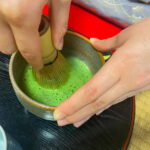
Tea ceremony is included, prepared by a master of the Obakubaisa school. The temple tradition links to the origins of Japanese tea ceremony, which gives the ritual an extra layer of context while still feeling practical.
Tea ceremony here is not an extra add-on. It sits alongside meditation and manners, because it’s another way of practicing attention. You’ll watch and experience the steps in a quiet environment, where the ritual matters more than the novelty.
If you love food and culture, you’ll appreciate how the tea ceremony and the vegetarian meals reinforce the same theme: care, restraint, and awareness.
Fucha Cuisine, Saiza Lunch, and What You Actually Eat
Your lunch includes Fucha cuisine, also described as a vegetarian cuisine introduced in China by Ingen Ryuki. It’s served as a saiza lunch, and it’s health-focused, cooked with vegetables.
One reader described it as kaiseki-like: beautiful, thoughtful, and delicious. The key idea is that it still feels like temple food, not a Westernized vegetarian plate. It’s built to be eaten slowly and respectfully.
You may also notice small seasonal touches. In one recent experience, a monk served peach juice harvested at the temple the previous May, and special cakes for luck were included. Those details may vary by season and group, but it’s a good sign that the temple adds meaningful touches rather than defaulting to generic catering.
And don’t forget the other meals. Dinner is monk-style yakushseki, and breakfast is porridge and soup. The repetition across meals is part of the training.
The Price of $354: Is It Good Value for a Zen Retreat Style Day?
At $354 per person for a full-day program with an overnight at the temple, the value depends on what you want from Japan.
If your goal is a quick sightseeing hit, it’s pricey. If your goal is structured ZEN practice with instruction, meals, and multiple rituals in a real temple environment, it starts to look more fair. You’re not just paying for access. You’re paying for teaching, guided meditation, Dharma talk time, calligraphy, shakyo materials, and monk-style food.
The experience also includes a lot of practical essentials, like the practice uniform, a toothbrush, and a towel. Amenities like shampoo and body soap are not included, so bring your own if that matters to you.
This is also a private group, which usually makes the guidance more personal. For many people, that alone is worth it.
Who This Kyoto Zen Experience Is Perfect For
This works best if you:
- want real training in zazen, not just a temple visit
- like structured cultural experiences where manners and quiet rules are part of the point
- enjoy vegetarian food and simple temple-style meals
- can handle early mornings and follow a set daily flow
It may not be ideal if you:
- want free time to wander at your own pace
- dislike early 5:00 a.m. starts
- need a highly accessible physical setup, since the info provided says not suitable for some conditions
Practical Tips Before You Go (So You Can Focus on Practice)
Here’s how to prepare without overthinking it.
Pack lightly and plan for temple rules. You’ll need a change of clothes. There’s no mention of specific footwear guidance, but you should expect walking inside temple spaces and staying attentive during activities.
Bring patience, not performance energy. Temple activities run on quiet discipline. Audio recording is not allowed, and chewing gum is also not allowed, so keep that in mind.
If you have a nut allergy, the info says it may not be suitable. If you have vertigo, altitude sickness concerns, or visual impairment needs, check your fit carefully before booking.
Also note the age guidance: the experience is not suitable for people under 20.
Should You Book Ōbakusan Manpukuji Zen Practice in Uji?
Book it if you want a day that teaches Zen through repetition. Zazen sessions multiple times, morning service, sutra copying, calligraphy, and tea ceremony all reinforce the same theme: attention as a skill.
Skip it if you want a flexible tourist day or if the temple schedule will stress you out. The early morning start and the overnight at the temple are real factors, even though the atmosphere is calm.
If you’re specifically drawn to mindfulness and meditation, this is one of the more direct ways to experience Zen in Japan, because you do the practices, you don’t just watch them.
FAQ
Where do I meet the guide?
You meet at the Sanmon gate at the temple. The guide waits for you there.
How long is the experience, and when does it run?
The program is 1 day, and it starts at 15:00 and finishes at 14:00 the next day. Morning service is at 5:00 a.m.
What should I bring?
Bring a change of clothes. Amenities like shampoo, conditioner, and body soap are not included.
What is included besides meditation?
Included activities and support cover zazen, the Dharma talk, morning service, kayuza porridge breakfast, dinner (yakushseki), samu cleaning, shakyo sutra copying, tea ceremony, and saiza lunch (Fucha cuisine). The uniform, toothbrush, and towel are also included.
What is shakyo?
Shakyo is copying sutras onto Japanese paper using a brush pen.
Is the tea ceremony part of the program, and who performs it?
Yes, there is a tea ceremony experience. A master of the Obakubaisa school prepares tea for you.
Is it wheelchair accessible?
The activity information says wheelchair accessible, but there is also a note that it is not suitable for wheelchair users. If mobility is a concern, check with the provider before booking.
New This Season
- Koyasan Day Trip by Private Car from Kyoto
- Old Port Town and Ultimate Sake Tasting Private Tour From Kyoto
- Kyoto’s Timeless Charm: 3hr Exploration of History and Peace
- Kyoto: 5 Types of Sushi Making
- Sacred Peak & Ancient Paths: Kurama-Kibune Hiking Experience
- Kyoto: Private Seasonal Aroma Yoga Class
- Traversing Kyoto’s Scenic West – Arashiyama to Kinkakuji
- From Kyoto:Day Tour to Kifune Shrine+Kuruma+Sanzen-in Temple
Temple & Shrine Visits, compared.
Arashiyama Bamboo, Temple, Monkeys, or Secret Sake Brewery
Read our review →
Arashiyama Bamboo Forest, Monkeys, Matcha & Temple Tour
Read our review →
Arashiyama, Nara & Fushimi Inari Shrine w/Lunch
Read our review →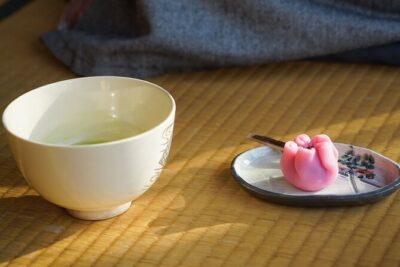
Kyoto Zen Meditation & Garden Tour at a Zen Temple with Lunch
Read our review →
KYOTO Tea Ceremony with kimono near by Imamiya Jinjya Shrine
Read our review →Arashiyama Bamboo, Matcha, Monkeys & Temple Tour
Read our review →Also filed under