
Reviewed · KURAMA & KIBUNE TOURS
Sacred Peak & Ancient Paths: Kurama-Kibune Hiking Experience
One mountain day in Kyoto, and it feels like a reset. I love how this route blends temple time with real hiking, not just photo stops. I also love that the guide handles the train connections, so you spend your energy on the trail, not on figuring out transfers.
The main thing to consider is the terrain. Parts of the hike have steep stairs and uneven ground, and the tour is not recommended if you have limited mobility.
In This Review
- Key highlights you will actually feel
- A Kurama to Kibune day that feels quieter than central Kyoto
- Starbucks at Kyoto Tower Sando, then northbound by public transit
- Kurama-dera Temple: sacred views, guardian statues, and Reiki lore
- The cedar-forest hike: 4 km that includes stairs and uneven ground
- Kifune Shrine and the water-goddess atmosphere at the lantern stairs
- The Eizan Railway ride: the scenery part you do not have to work for
- Price and value: what $170 gives you in real terms
- What to pack, and how weather changes your day fast
- Who this Kurama-Kibune hike suits best, and who should skip it
- Should you book Sacred Peak and Ancient Paths?
- FAQ
- Where is the meeting point for this tour?
- How long is the tour, and how much hiking is involved?
- Is lunch included in the price?
- Is public transportation included?
- What should I bring for the hike?
- Is this tour suitable for people with limited mobility?
Key highlights you will actually feel
- Kurama-dera Temple with steep-slope views, guardian statues, and a spiritual link to Reiki healing
- A guided hike through cedar forest where stories and legends make the climbs easier
- Kifune-jinja’s iconic lantern stairway plus a chance to draw an omikuji and read it with the sacred spring water
- Eizan Railway scenery on the way back, the kind of train ride you remember later
- Small group size (up to 15), so you can keep up without feeling rushed
A Kurama to Kibune day that feels quieter than central Kyoto
Kyoto has plenty of crowds, but the north mountain side has a different rhythm. You start the day close to Kyoto Station, then quickly trade city noise for a forested route that feels more old-world than tourist-world.
What makes this hike special is the mix. You are not only walking for exercise, you are walking for meaning. Kurama brings the spiritual mountain atmosphere, and Kibune brings the water-goddess vibe, with temples and shrines woven into the route.
You also get a practical benefit: the itinerary is designed so you can do a “real day outdoors” without renting a car, and without spending your time solving public transit puzzles.
Starbucks at Kyoto Tower Sando, then northbound by public transit
Your day starts at Starbucks Coffee – Kyoto Tower Sando, on the north side of Kyoto Station, just outside Kyoto Tower. The meeting spot matters here because the rest of the day depends on catching the right local trains. Look for the familiar green logo and a Snow Monkey Resorts sign.
The first train segments are short, then you transition into the mountain area. Because this is a guided tour with public transportation included, you do not have to guess which line to take or how long transfers will really take.
Tip that will save you hassle: arrive a bit early. Kyoto trains are efficient, but you still want time to find the group and get comfortable with the pace before you start climbing.
A quiet valley north of the city
- Kyoto Hiking Tour: The Nature and Legends of Kurama and Kibune
★ 5.0 · 75 reviews - Kyoto: Kifune Shrine and the Sacred Kifune Valley Day Trip
★ 4.4 · 4 reviews - Hike and explore the Kurama and Kibune ancient Paths
★ 5.0 · 3 reviews - Kyoto: Kurama Temple and Mountain Legends Guided Hike
★ 5.0 · 2 reviews
Kurama-dera Temple: sacred views, guardian statues, and Reiki lore
Kurama-dera is the kind of place you notice as soon as you arrive, because it is high up on the mountain slopes. Even if you are not a super temple person, this one has a way of getting your attention fast.
On the temple visit, you get:
- Sweeping views from the mountain setting
- Ancient guardian statues that frame the path into the complex
- A sacred tradition where pilgrims have left locks of hair as offerings for centuries
And yes, there is a Reiki connection. The mountain is said to be closely tied to Reiki healing practices, with a reputation for powerful spiritual energy. You will probably hear the guide explain how that spiritual reputation shapes the way people treat the place, like it is more than a sightseeing stop.
One reason I like this temple first is mood. Starting at Kurama-dera sets a calm tone before the hike. When you later walk through cedar forest and small shrine corners, it feels like part of one story instead of separate activities.
The cedar-forest hike: 4 km that includes stairs and uneven ground
The hike is about 4 km, and the walking portion takes around 2 hours, though your time on the mountain area is longer once you add stops and viewing. Expect a moderate route that still asks something of you, especially if you are used to flat sightseeing days.
What you should be ready for:
- Steep stairs in places
- Uneven paths
- Hidden shrines along the way
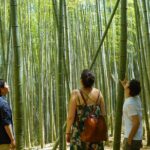
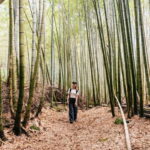
- Dense cedar forest that changes the feel of the air as you climb
Your guide keeps things manageable by setting a comfortable pace and telling local legends tied to the landscape. I also appreciate that this is not presented like a fitness boot camp. The goal is steady progress, not speed.
What can be a challenge is simple: if you show up in sandals or shoes with little grip, you will notice it on the stairs and rocky bits. Bring good walking shoes, and plan on taking your time where the trail gets rough.
Kifune Shrine and the water-goddess atmosphere at the lantern stairs
After Kurama, you descend into Kibune, a quieter village feel, and then you focus on Kifune-jinja. This shrine is known for the goddess of water, and that theme shows up in how serene the setting feels.
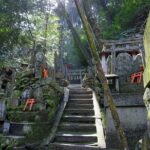
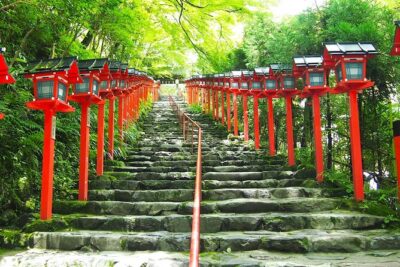
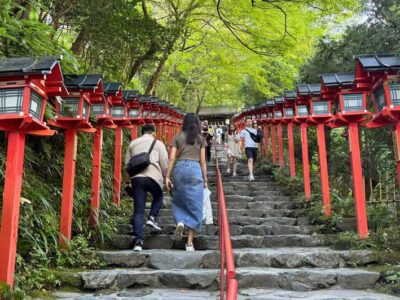
The signature sight is the red lantern-lined stone stairway. It is scenic in a very specific way: the stairs guide your eyes upward, and the lanterns add a rhythm to your photos that looks good even without fancy camera skills.
At Kifune-jinja, you also get to do something interactive. You can draw a special omikuji, then reveal your fortune by dipping the paper into the shrine’s sacred spring water. It is a small ritual, but it breaks the day up nicely. Instead of just looking, you are participating in how people connect with the shrine.
The practical upside: this stop is guided, and you get the flow of what to do and when, so you do not wander in a way that makes you feel awkward or lost.
The Eizan Railway ride: the scenery part you do not have to work for
Once the shrine time wraps up, you head back to Kyoto by local trains, including a ride on the Eizan Railway. The highlight is that it is one of Kyoto’s most picturesque train lines.
This matters because it is the kind of payoff you want after a hike. You get to relax your legs while still seeing mountains and changing scenery from the window. It also turns the day into a true loop: up into the spiritual mountain zone, down into the shrine village, then back through a scenic route.
One nice detail is how it balances the effort. By the time you are on the train, you are not thinking about how much distance you still need. The itinerary has already done the planning for you.
More trails into the hills above the city
Price and value: what $170 gives you in real terms
At $170 per person for a 6-hour small-group tour, you should look at value in what is included, not just the sticker price.
You get:
- An English-speaking guide
- Public transportation during the tour
- Entry fees at all tour locations
Also, your time is used efficiently. The route is built around getting you to Kurama-dera, guiding you through the hike, and then bringing you to Kifune-jinja with the omikuji moment, plus the scenic return train ride.
Where this price makes sense:
- If you want the spiritual context and legends explained, not just the basic locations
- If you prefer not to build the transit plan yourself
- If you like small-group pacing, up to 15 people
Where you might pause:
- If you already know how to navigate public transit in northern Kyoto and you are the type who likes hiking independently, you could potentially DIY parts of this route for less
- If you want a lighter day with minimal walking, the stairs and uneven ground will reduce your comfort
For me, the best value angle is the guided explanation. One review I saw singled out Justin’s guidance and the fact that the day included things you likely would not find on your own, plus stress-free transportation planning. That is exactly the kind of value you pay for on a day like this.
What to pack, and how weather changes your day fast
This tour asks you to show up ready for the outdoors. The essentials are simple and not optional if you want a smooth day.
Bring:
- Comfortable walking or hiking shoes
- Layered clothing
- A backpack
- Water
- Snacks
- Insect repellent
Also consider:
- An umbrella or raincoat if rain is possible
Weather notes you should actually take seriously:
- In summer, highs around 35 C (95 F) and extreme humidity are common. Wear light, airy clothing and protect yourself from sunburn and heatstroke. A parasol is highly encouraged.
- In winter, temperatures average 0 C to 10 C (32 F to 50 F). Warm clothing and footwear suitable for cold conditions are a must.
If you are thinking, I can just wing it with whatever shoes I brought, resist that urge. On a route with steep stairs, your shoes decide whether the day feels fun or annoying.
Who this Kurama-Kibune hike suits best, and who should skip it
This is best for people who want a walk with meaning. You will likely enjoy it if you:
- Like Kyoto beyond the busiest neighborhoods
- Enjoy temples and shrines, especially when the guide explains traditions
- Are comfortable with a moderate hike and can handle uneven stairs and ground
You should skip it if you have limited mobility. The tour is not recommended for mobility impairments due to the nature of the trail.
It is also a good choice if you like small groups. With a maximum of 15 participants, the tour feels more human, and you can ask questions without feeling like you are shouting over a crowd.
And if you like practical travel, you will appreciate how the guide handles public transportation and keeps the day moving.
Should you book Sacred Peak and Ancient Paths?
Book it if you want a Kyoto day that mixes Kurama-dera, a real forest hike, and Kifune-jinja, then finishes with an Eizan Railway ride that lets your legs rest. The price is not cheap, but the combination of guide-led context, included transit, entry fees, and small-group pace is what you are paying for.
Skip it if your ideal day is low-effort strolling on flat ground, or if you cannot comfortably handle steep stairs and uneven paths.
If you do book, do one thing that makes the day easier: wear shoes you trust. In the north Kyoto mountains, your feet set the tone for everything else.
FAQ
Where is the meeting point for this tour?
The tour starts at Starbucks Coffee – Kyoto Tower Sando, on the north side of Kyoto Station just outside Kyoto Tower. Look for the green logo and a Snow Monkey Resorts sign.
How long is the tour, and how much hiking is involved?
The tour lasts about 6 hours. The hike covers approximately 4 km and takes about 2 hours, with additional time for temple and shrine visits.
Is lunch included in the price?
No, lunch is not included.
Is public transportation included?
Yes. Public transportation during the tour is included, and you travel using local trains.
What should I bring for the hike?
Bring comfortable walking or hiking shoes, layered clothing, a backpack, water, snacks, and insect repellent. If rain is possible, bring an umbrella or raincoat.
Is this tour suitable for people with limited mobility?
No. It is not recommended for people with limited mobility due to the hike and trail conditions.
New This Season
- Koyasan Day Trip by Private Car from Kyoto
- Old Port Town and Ultimate Sake Tasting Private Tour From Kyoto
- Kyoto’s Timeless Charm: 3hr Exploration of History and Peace
- Kyoto: 5 Types of Sushi Making
- Kyoto: Exclusive ZEN practice at Manpukuji temple in Uji
- Kyoto: Private Seasonal Aroma Yoga Class
- Traversing Kyoto’s Scenic West – Arashiyama to Kinkakuji
- From Kyoto:Day Tour to Kifune Shrine+Kuruma+Sanzen-in Temple
Kurama & Kibune Tours, compared.
Kyoto Hiking Tour: The Nature and Legends of Kurama and Kibune
Read our review →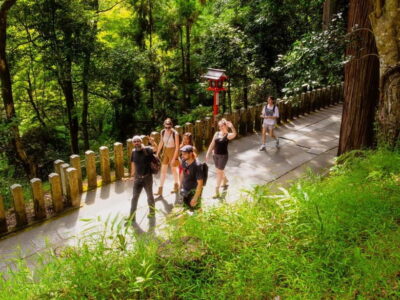
Kifune Shrine and the Sacred Kifune Valley Day Trip
Read our review →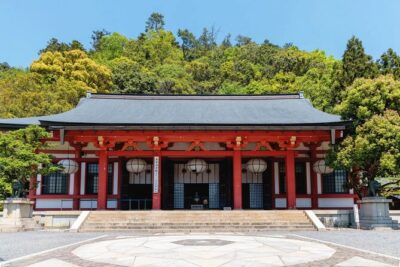
Hike and explore the Kurama and Kibune ancient Paths
Read our review →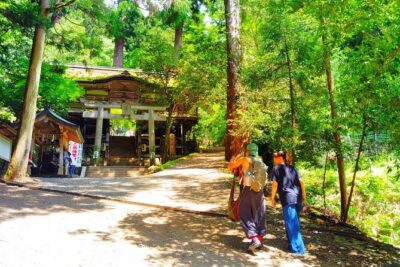
Kurama Temple and Mountain Legends Guided Hike
Read our review →
Day Tour to Kifune Shrine+Kuruma+Sanzen-in Temple
Read our review →Also filed under