Reviewed · KURAMA & KIBUNE TOURS
Kyoto: Kurama Temple and Mountain Legends Guided Hike
Mount Kurama feels like a living shrine. This guided walk blends temples, mountain worship, and a legend tied to the mighty Tengu.
I like that the tour starts with a clear visual hook, the Great Tengu statue at Kurama Station, then turns it into context once you’re on the grounds. I also like the guide focus, you get English and Japanese live interpretation, and guides can be both organized and fun, like Johnnie, without rushing you through the spiritual stops.
One consideration: this is a mountain trail experience, so you’ll want comfortable shoes and you should dress for the weather even if Kyoto looks mild.
In This Review
- Key points to know before you go
- Entering The Great Tengu World At Kurama Station
- Meeting Your Guide, English or Japanese, and a Smooth Start
- Kurama Temple: Where Buddhism, Shinto, and Mountain Worship Meet
- A practical note on atmosphere
- The Tengu Legend and the Samurai Who Trained Here
- Walking the Mountain Trails: Time, Pace, and How to Prepare
- Drop-Off Options: Kurama and Kibune Shrine in One Day
- Price and Value: What $111 Buys You in Kyoto
- Who This Tour Is Best For
- Should You Book This Kurama Temple and Mountain Legends Hike?
- FAQ
- Where does the tour meet?
- How long is the experience?
- What languages are available?
- Is this a private group?
- What is included in the price?
- What is not included?
- What should I bring?
Key points to know before you go
- Great Tengu statue meet-up: your tour begins at the red-faced, long-nosed guardian spirit at Kurama Station.
- A real spiritual blend: Buddhism, Shinto, and mountain worship show up together at Kurama.
- Sword-samurai legend: you’ll hear how a Tengu-trained swordsman is part of the mountain’s story.
- 3.5 hours in the core area: most of your time is spent exploring Kurama on foot with a guide.
- End near Kibune Shrine: you’ll get drop-offs at Kurama and at 貴船神社, so you’re not just walking back.
- Worth the effort if you like stories with meaning: the energy you hear about is tied to how the place is arranged and walked.
Entering The Great Tengu World At Kurama Station
The fastest way to understand Kurama is to start where the mountain announces itself. Your guide meets you in front of the Great Tengu statue at Kurama Station, on the Eizan Railway line. The statue is a red-faced, long-nosed creature that can look like a demon at first glance. On Kurama, it’s not a scare tactic. It’s a guardian spirit, and the tour treats it as the key to everything you’ll see next.
I like this approach because it stops the whole experience from feeling like random temple sightseeing. You begin with one strong symbol, then you build the meaning as you move deeper. You’ll notice the presence of Tengu imagery through the temple grounds, and the guide helps you connect those details to the mountain’s spiritual character.
The timing matters too. This is a short tour, about 4 hours total, but the schedule is built to get you from “where is this?” into “I get it” quickly. If you have limited time in Kyoto, this is a tight, focused outing that doesn’t waste hours on aimless transfers.
Meeting Your Guide, English or Japanese, and a Smooth Start
Your guide will be waiting with a yellow sign that says DeepExperience. The tour is a live guided experience in English and Japanese, and it runs as a private group. Even if you’re used to big-city tours, a private setup changes the vibe. You can ask practical questions, pause for photos, and listen without feeling like you’re being herded.
I also appreciate the guide style described for this experience. One guide named Johnnie is mentioned as energetic and organized. Another guide is described as very helpful, flexible with the tour, and hilarious to talk with. That combination matters on a mountain walk. You want someone who can keep things efficient, but also someone who can explain legends clearly and keep the mood light.
Since your meeting point is in front of the Great Tengu statue, you don’t have to guess where the tour begins. You can walk in with confidence, get your bearings fast, and then focus on the place instead of logistics.
A quiet valley north of the city
- Kyoto Hiking Tour: The Nature and Legends of Kurama and Kibune
★ 5.0 · 75 reviews - Kyoto: Kifune Shrine and the Sacred Kifune Valley Day Trip
★ 4.4 · 4 reviews - Hike and explore the Kurama and Kibune ancient Paths
★ 5.0 · 3 reviews - Kyoto: Kurama Temple and Mountain Legends Guided Hike
★ 5.0 · 2 reviews
Kurama Temple: Where Buddhism, Shinto, and Mountain Worship Meet
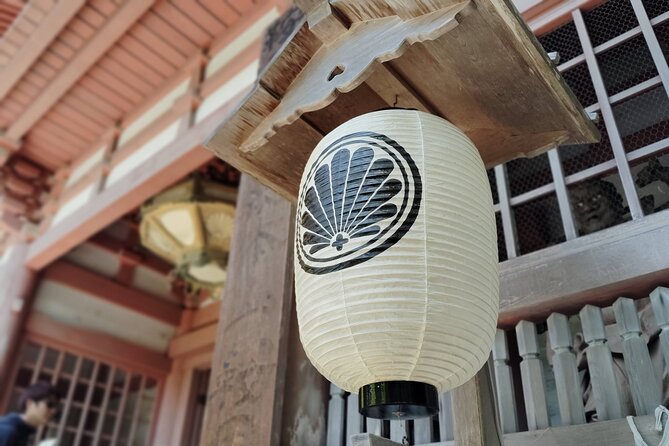
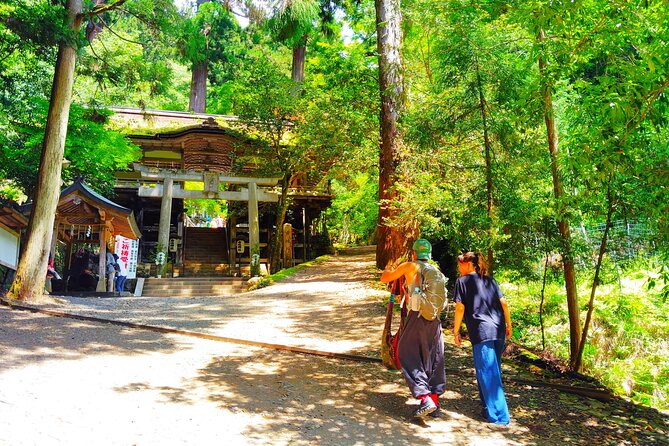
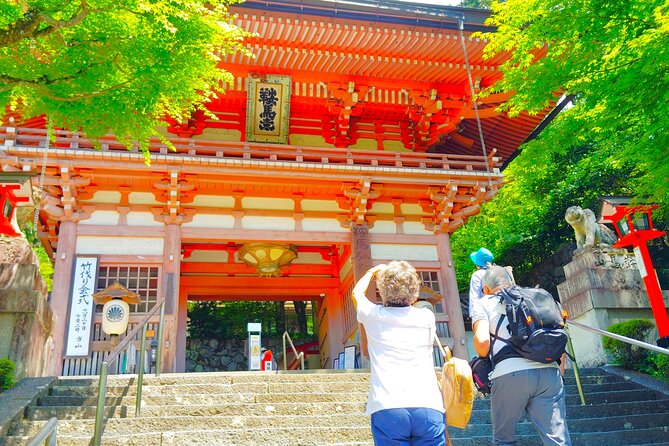
Once you’re with the guide, Kurama Temple becomes more than a stop. It’s a place where multiple belief systems overlap in a way you can actually see while walking.
The tour highlights a unique mix: Buddhism, Shinto, and mountain worship. That matters because it explains why Kurama doesn’t feel like one-note religious tourism. Instead, you’ll experience it as a living tradition, shaped by the mountain itself as much as by any single temple doctrine.
You’ll learn how Kurama has long been seen as a center of spiritual power. The idea is that ancient visitors came for more than sightseeing. They came seeking healing, energy, and a connection to something beyond the physical world. Even if you don’t read Japanese religious history fluently, the way the tour frames the space helps the stories land.
It also helps that your guide ties the spiritual message to the physical layout. You’re not just told beliefs. You’re walking through the setting where those beliefs have been practiced for centuries, and you’re being pointed toward the symbols that make the mountain feel sacred.
A practical note on atmosphere
The area is considered sacred, so the best way to honor it is simple: slow down, listen to the guide, and keep your voice and pace respectful. If you’re used to taking temples at a sprint, this will feel different in a good way.
The Tengu Legend and the Samurai Who Trained Here
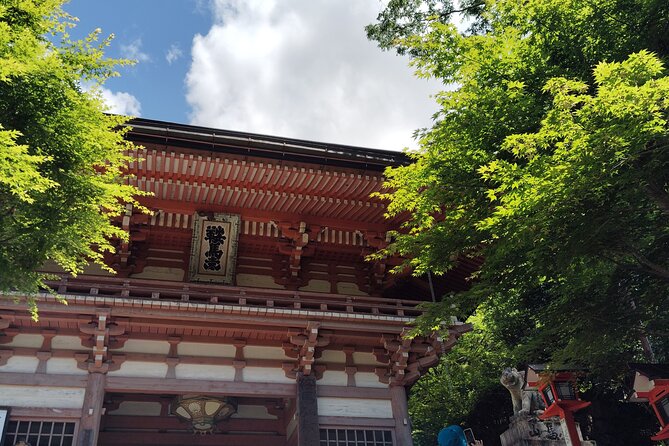
The legend part is one of the most compelling reasons to do this hike with a guide. Kurama’s most famous spiritual character is the Tengu. You’ll start with its statue, but the tour builds the story from there.
You’ll hear the legend that around a thousand years ago, a legendary samurai learned swordsmanship from the Tengu in these very mountains. That isn’t just a fun fantasy detail. It’s a clue to how Kurama links spiritual power to training, discipline, and transformation.
The tour’s framing is especially effective because it treats the Tengu not as a random monster, but as a guardian spirit tied to the mountain’s raw force. The guide explains how some people interpret the Tengu as embodying the power of nature itself. As you move deeper into the forest, that idea starts to make sense in your body. The air changes. The sounds change. The pace changes.
If you like travel stories that feel connected to place, you’ll likely enjoy this part the most. You’re not collecting facts about Japan. You’re getting a mountain myth that explains what locals believe they’re stepping into when they come here.
Walking the Mountain Trails: Time, Pace, and How to Prepare
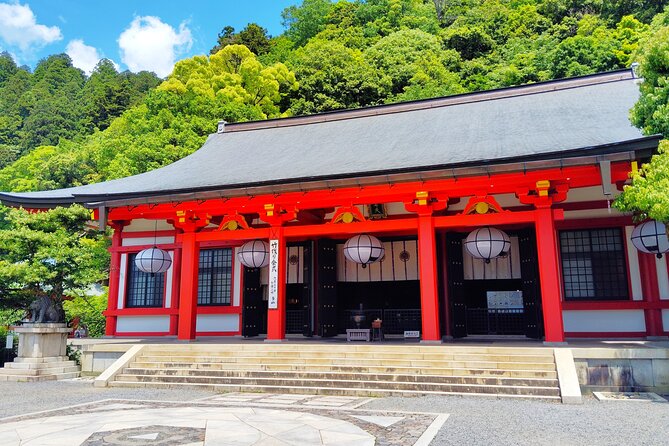
You’ll spend about 3.5 hours visiting and walking in the Kurama area. That’s a meaningful chunk of time for a half-day outing. The good news is that your guide is there to pace you and keep the experience coherent. You don’t have to decide which paths matter most. You’re there for the spiritual sequence, the symbols, and the legends tied to what you’re walking past.
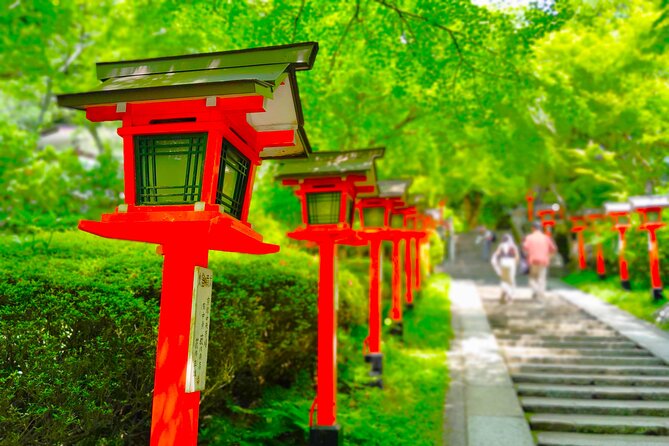
Still, this is walking on mountain trails. Plan for uneven ground and shifts in temperature. Bring water and comfortable shoes. Weather-appropriate clothing is not optional here, even in seasons where Kyoto seems mild at street level.
Here’s how I’d approach it if I were planning my day:
- If you’re visiting Kyoto in peak humidity or rainy conditions, pack extra layers so you don’t get cold after damp air and shade.
- If you’re traveling with camera gear, keep it accessible. Kurama’s atmosphere changes as you go, and you’ll want to capture the moment without stopping too long.
Also, remember that the hike is part of the meaning. This is one of those experiences where the mountain does some of the storytelling for you. The deeper forest feeling is described as the power of nature becoming impossible to ignore. Whether you take that literally or just feel it as a mood shift, it’s the part of Kurama that people remember.
More rooftops worth a detour

Drop-Off Options: Kurama and Kibune Shrine in One Day
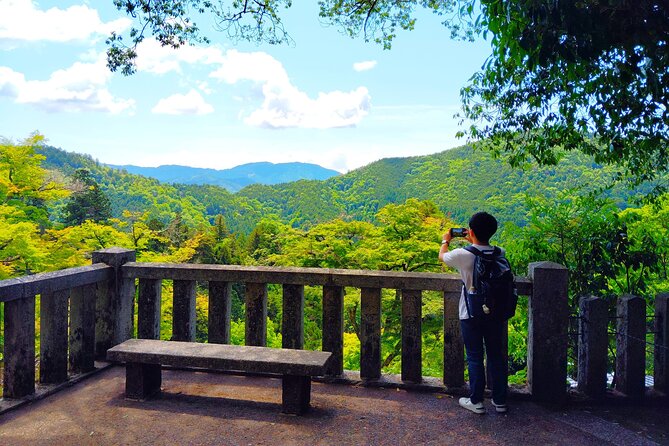
The itinerary includes two drop-off locations: 鞍馬山大天狗 and 貴船神社 (Kibune Shrine). That’s a smart design if you want flexibility after the hike.
Instead of thinking, I have to return the same way I came, you get a route that can help you keep moving through the area. Kibune Shrine, in particular, is a common continuation stop for many Kyoto itineraries because it’s another well-known name tied to the region’s mountain geography.
One practical caution: build time in your next plan. You’ll likely end the experience feeling like you walked more than you expected, because temple walks can turn into real trail time quickly. Even if the schedule is four hours total, include a buffer for your next transport, especially if you’re planning dinner reservations.
Price and Value: What $111 Buys You in Kyoto
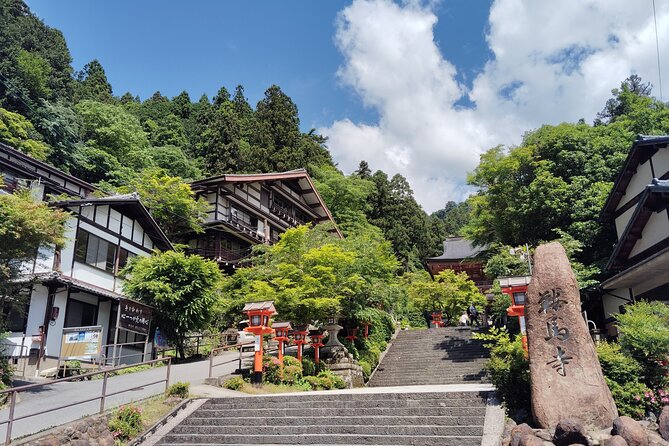
The tour price is listed at $111 per person, lasting about 4 hours. On paper, that’s not a bargain compared to bus-based sightseeing. But for Kurama, the value comes from three things you would otherwise struggle to replicate.
First, you’re paying for a guide who can interpret the Tengu symbolism and the blend of Buddhism and Shinto mountain worship in a way that matches what you’re seeing. Kurama gets better when you understand what the symbols mean, and a self-guided visit often leaves you staring at icons without the connecting thread.
Second, the tour includes the Kurama entrance fee. That removes one annoying cost item and reduces friction when you get to the gates.
Third, the tour is set up to move efficiently in a sacred area. You’re not spending your short Kyoto window figuring out meeting points and the best route among mountain paths. You’re also not relying on your own ability to translate legends on the fly.
What’s not included is transportation to and from Kurama. That’s normal for guided day activities. If you already know how you’ll reach the Eizan Railway line and return later, the total experience time becomes a clean half-day block.
Who This Tour Is Best For
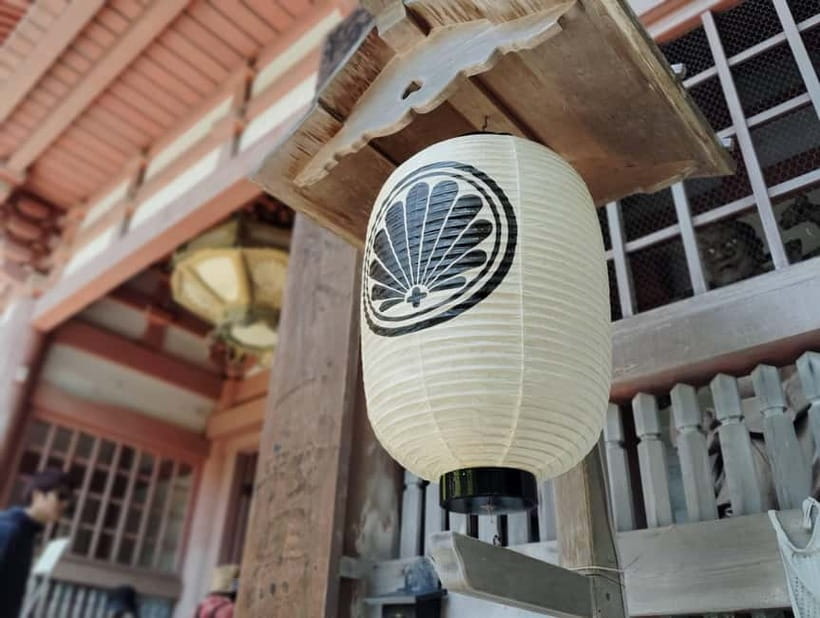
This is a great fit if you want more meaning than checklists. You’ll probably enjoy it if you like:
- religious sites explained through symbols you can actually see
- mountain legends that connect to walking through the terrain
- guides who tell stories while keeping the pace organized
It may be less ideal if you hate walking on trails or you want a purely urban, low-effort day. This is not a sit-and-stare temple visit. It’s a mountain visit, with walking as a core part of the experience.
If you’re traveling as a couple or in a small private group, the private format is a big plus. You get a more personal explanation and more flexibility in how you handle pauses and questions.
Should You Book This Kurama Temple and Mountain Legends Hike?
I’d book it if Kurama is on your Kyoto list and you want the mountain legends and spiritual context to feel real, not vague. The strongest reasons are the Tengu-focused start at Kurama Station, the careful explanation of the Buddhism, Shinto, and mountain worship blend, and the guided walking that makes the nature part feel tied to the stories.
If you’re short on time in Kyoto, the 4-hour structure is a practical way to see something outside the most crowded highlights. And if you’re the type who cares about “why this place matters,” the legend of the samurai trained by the Tengu is exactly the kind of detail that turns a hike into a memory.
One last thought: pack for the walk, keep your pace steady, and let the mountain do some of the work. Kurama rewards calm attention.
FAQ
Where does the tour meet?
You meet in front of the Great Tengu statue at Kurama Station (Eizan Railway). Your guide will be holding a yellow sign that says DeepExperience.
How long is the experience?
The tour duration is 4 hours, with about 3.5 hours spent on the Kurama mountain visit, guided tour, sightseeing, and walking.
What languages are available?
The live tour guide is available in English and Japanese.
Is this a private group?
Yes, this is listed as a private group.
What is included in the price?
Included items are the 4-hour guided tour, an experienced local guide, and the Kurama entrance fee.
What is not included?
Transportation to and from Kurama is not included.
What should I bring?
Bring comfortable shoes, water, and weather-appropriate clothing since the route includes walking through mountain trails.
Hiking Around Kyoto
New This Season
- Koyasan Day Trip by Private Car from Kyoto
- Old Port Town and Ultimate Sake Tasting Private Tour From Kyoto
- Kyoto’s Timeless Charm: 3hr Exploration of History and Peace
- Kyoto: 5 Types of Sushi Making
- Sacred Peak & Ancient Paths: Kurama-Kibune Hiking Experience
- Kyoto: Exclusive ZEN practice at Manpukuji temple in Uji
- Kyoto: Private Seasonal Aroma Yoga Class
- Traversing Kyoto’s Scenic West – Arashiyama to Kinkakuji
Kurama & Kibune Tours, compared.
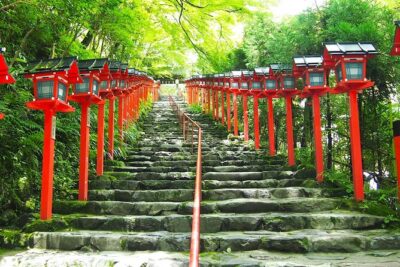
Kyoto Hiking Tour: The Nature and Legends of Kurama and Kibune
Read our review →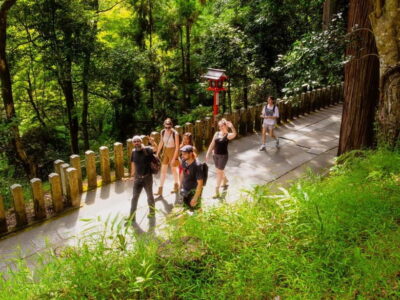
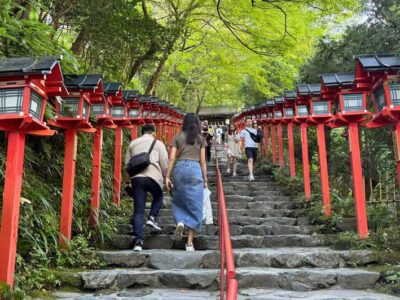
Kifune Shrine and the Sacred Kifune Valley Day Trip
Read our review →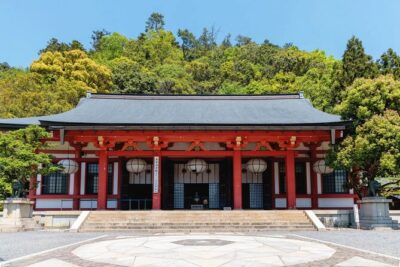
Hike and explore the Kurama and Kibune ancient Paths
Read our review →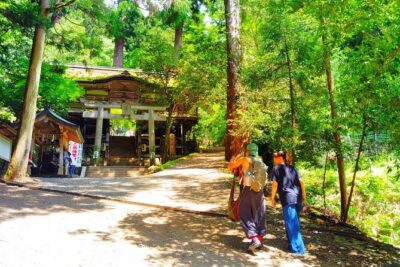
Kurama Temple and Mountain Legends Guided Hike
Read our review →Sacred Peak & Ancient Paths: Kurama-Kibune Hiking Experience
Read our review →