
Reviewed · KURAMA & KIBUNE TOURS
Kyoto Hiking Tour: The Nature and Legends of Kurama and Kibune
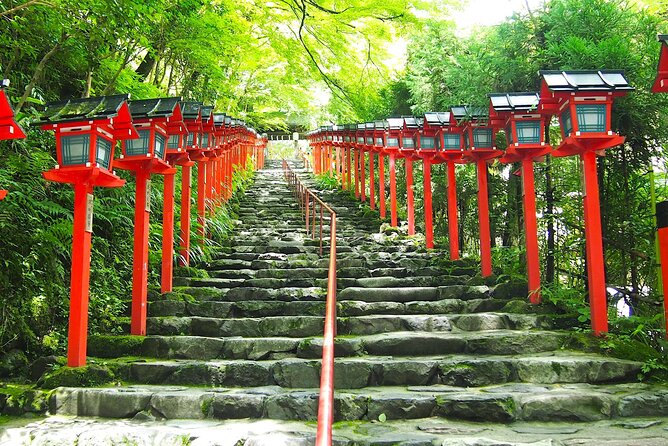
Kurama and Kibune feel like another Kyoto. This 8-hour hike with a private guide traces the birthplace of Reiki on Mount Kurama and ties it to shrine and temple legends tucked into the woods. You get a guided route that helps you connect the dots fast, from sacred trees to water deities.
I like the door-to-door hotel transfers because you start at 9:00 am without wrestling with transfers and timing. I also like that key temple and shrine admission is handled for you, including entry at Kuramadera, so your day stays focused on walking, stories, and views.
One possible drawback is effort. The hike involves a lot of stairs, up and down steps, and uneven ground, and the experience really depends on having good weather.
In This Review
- Key points to know before you go
- Why Kurama and Kibune Feel Like a Kyoto Reset
- Door-to-Door Pickup Means You Can Start Hiking Fast
- Yuki Shrine: Relocated in 940, Guarded by an 800-Year Cedar
- Mount Kurama and Reiki: The 21-Day Meditation Stop
- Kuramadera Forest Walk: Shrines, Steps, and Temple Calm
- Okunoin Maoden: A Short Visit With Demon Legends
- Kifune Shrine for Water, Rain, and the Sailor Prayer
- Fitness and Weather Reality Check for This Mountain Route
- Price and Value Around $191.60, What You Get
- How Your Guide Makes or Breaks the Day
- Should You Book This Kyoto Hiking Tour of Kurama and Kibune?
- FAQ
- How long is the Kyoto Hiking Tour: The Nature and Legends of Kurama and Kibune?
- What time does the tour start?
- Is hotel pickup and drop-off included?
- Is lunch included?
- What admissions or fees are included?
- What physical fitness level do I need?
- What if the weather is bad?
Key points to know before you go
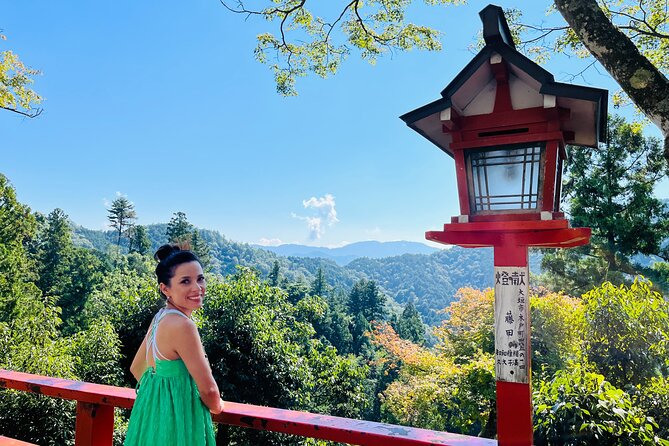
- Reiki origins on Mount Kurama, linked to Mikao Usui’s 21-day meditation story
- Yuki Shrine moved in 940, a protection tale connected to a forest shrine and an 800-year-old cedar
- Kuramadera’s forest approach, a 25-minute walk that sets the tone before the main stop
- Okunoin Maoden’s demon legend, a short stop with a darker, more mysterious vibe
- Kifune Shrine and water faith, including sailor prayers and the legend of a boat from Osaka
Why Kurama and Kibune Feel Like a Kyoto Reset
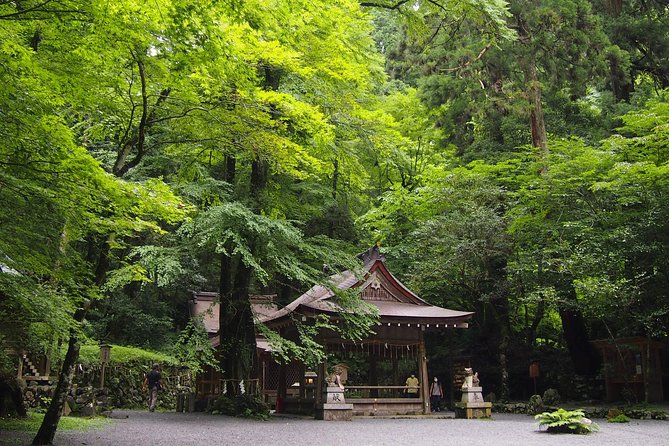
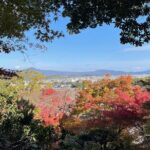
Kyoto is often about crowds, buses, and temple lines. This day aims for the opposite. You move through mountain air, older cedar trees, and shrine paths where the stories actually shape what you notice.
The best part is the way spirituality and nature get braided together. You are not just looking at buildings, you are walking the same kind of route that pilgrims and locals have used to experience Kurama and Kibune’s legends, from healing lore to water gods.
If you like your Kyoto with fewer crowds and more quiet effort, this is the style of tour that fits.
Door-to-Door Pickup Means You Can Start Hiking Fast
The tour runs about 8 hours and starts at 9:00 am. Pickup and drop-off are offered from Kyoto urban areas and also from the Kurama area, which matters because the mountain side is not the easiest place to reach on your own at the right time.
Because it is a private tour, it is built around your group and your pace, not a rigid mass schedule. That is a real value if you want time for questions, more photo stops, or a slower rhythm for the stairs.
You also get an English speaking guide, plus photos of tour participants. That last detail sounds small, but it saves you from juggling your camera while you are climbing.
A quiet valley north of the city
- Kyoto: Kifune Shrine and the Sacred Kifune Valley Day Trip
★ 4.4 · 4 reviews - Hike and explore the Kurama and Kibune ancient Paths
★ 5.0 · 3 reviews - Kyoto: Kurama Temple and Mountain Legends Guided Hike
★ 5.0 · 2 reviews - Kyoto: Kurama Temple and Mountain Legends Guided Hike
★ 5.0 · 2 reviews
Yuki Shrine: Relocated in 940, Guarded by an 800-Year Cedar
You begin at Yuki Shrine for about 20 minutes, and it comes with a neat plot twist. The shrine was originally built in central Kyoto, then moved in 940 AD to Kurama to protect the area from mysterious evil.
The highlight here is an 800-year-old cedar tree. Even if you are not the type to stop for trees, this one gives the whole day a physical anchor. You get a sense of why people treat this place as more than a viewpoint.
Practical note: this start is short. You get into the mountain mood quickly, but you still have to be ready to walk soon after.
Mount Kurama and Reiki: The 21-Day Meditation Stop
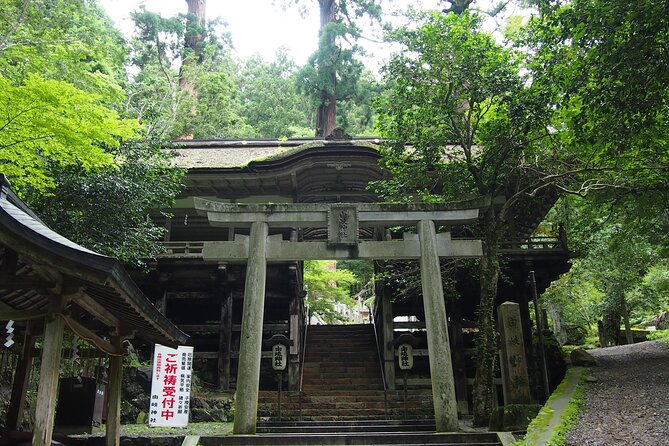
Next is Mount Kurama for about 1 hour. This is the heart of the theme: it is described as the birthplace of Reiki, connected to Mikao Usui’s meditation for 21 days in the early 1900s.
This stop is not just a legend recap. With a private guide, you tend to hear the story in a way that helps you understand the spiritual language of the area, why certain spots feel significant, and why locals keep returning to the same mountain paths.
Admission here is listed as free, which is nice because it means you are not stacking costs onto your day while you are already paying for the guide and route.
Kuramadera Forest Walk: Shrines, Steps, and Temple Calm
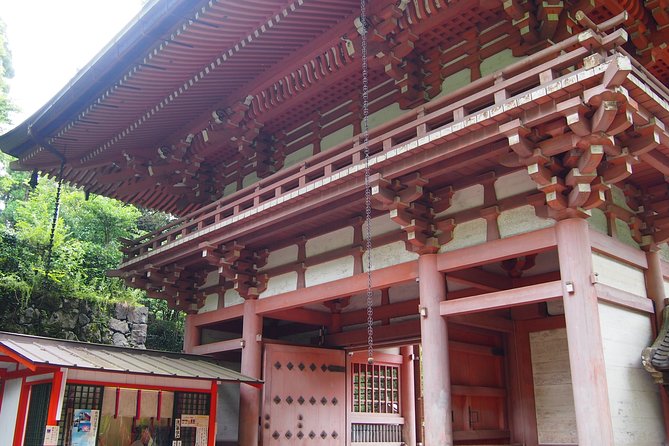
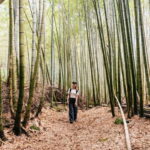
After Yuki Shrine, you take a pleasant 25-minute walk through the forest to Kuramadera. This is about 45 minutes total at this stop, and it is one of the most satisfying parts of the whole day because it feels like you are transitioning from legend into atmosphere.
Kuramadera is described as a major shrine of the area, founded in the 8th century. That age matters. You will feel it less through dates and more through the feeling of a well-trodden sacred path.
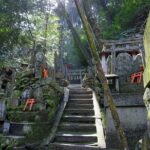
You will also find steps. Some guides keep breaks frequent, which makes this more doable than it sounds on paper. Still, this is not a flat stroll. It is an active temple walk.
Okunoin Maoden: A Short Visit With Demon Legends
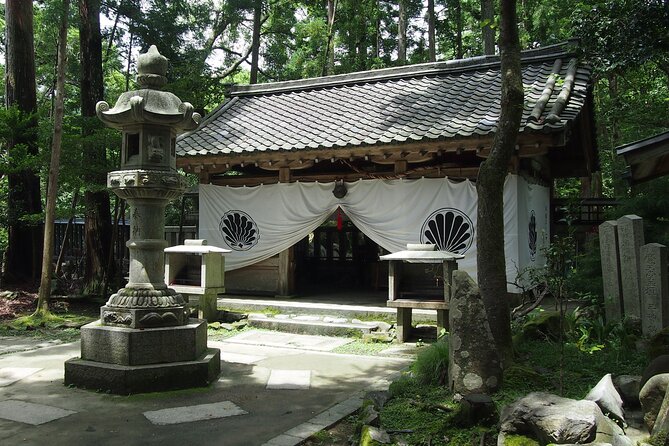
Okunoin Maoden is brief, about 10 minutes. But it carries a distinct mood shift.
It is said to be the place where demons reign, and that is exactly why it lands well in a day like this. You get contrast, from healing lore to darker folklore, and the mountain setting makes the story feel more immediate.
If you want a day that mixes beauty with mystery, this is the kind of stop that adds spice without eating up hours.
More trails into the hills above the city
Kifune Shrine for Water, Rain, and the Sailor Prayer
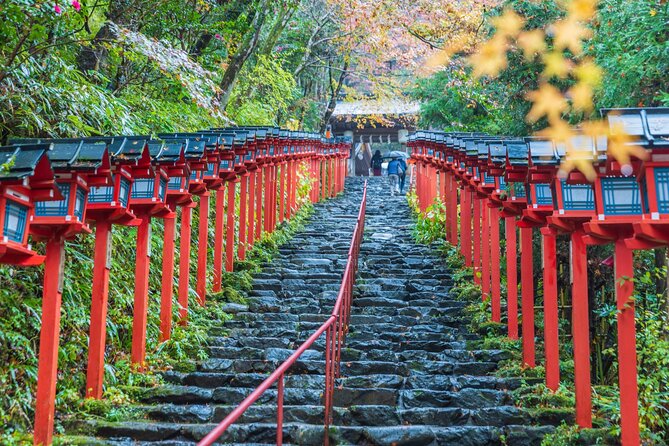
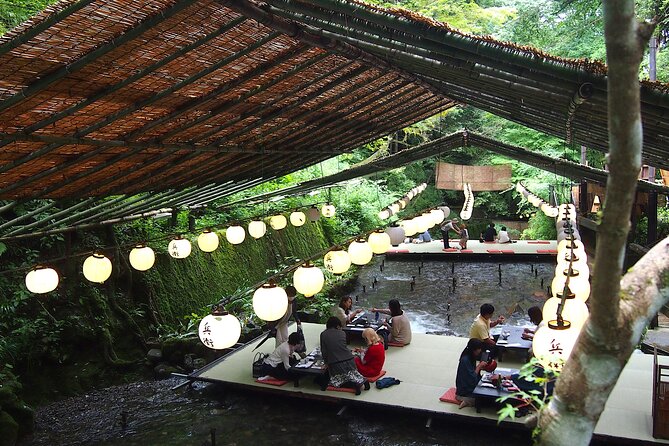
Then you move to Kifune Shrine, around 30 minutes, and the focus turns toward water and rain. Kifune is associated with the God of water and rain, and it is also described as a prayer place for sailors who want luck on voyages.
One small detail I love here is the mention of pure mountain water you can drink fresh. It is a practical reward at the end of walking, and it also fits the shrine’s theme. Food and drink are part of the sacred day, even when you are just on foot.
You also visit the inner shrine for about 25 minutes. The legend goes that a goddess traveled by boat from Osaka up the river into these mountains, and the inner shrine houses the boat she rode.
Together, these two Kifune segments give you a full arc. You start with cedar and Reiki, move through temple calm, pass through a demon legend stop, and end with water faith and a river journey story.
Fitness and Weather Reality Check for This Mountain Route
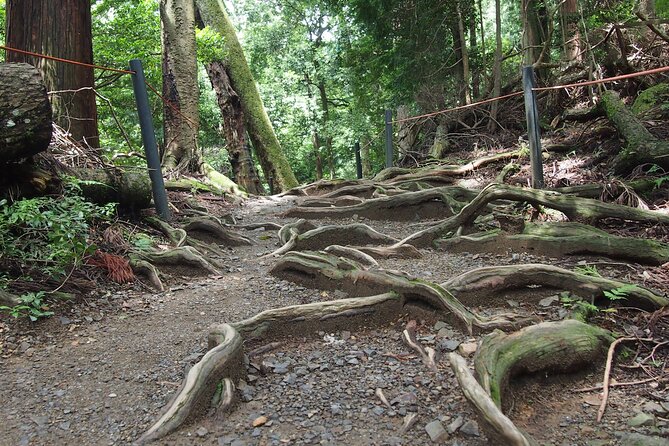
Let’s be honest about the effort. Even though the day is not long on the clock, it is demanding underfoot.
This route involves lots of stairs, up and down steps, and uneven surfaces. If you have any leg issues, shorten your expectations and speak up early to your guide. The guides in this style of tour have shown they will adjust pacing and keep people safe.
Weather is the other factor. The experience requires good weather, and if rain hits hard, you should expect the plan to change for safety. One guide experience included swapping to shrines with easier access when heavy rainfall disrupted the forest segment, plus the guide offering small towels to deal with wet conditions.
So treat this as a nature-and-legend hike that needs cooperation from the sky.
Price and Value Around $191.60, What You Get
At $191.60 per person for an 8-hour private tour, you are paying for a bundle, not just walking.
Here is what you get built into the price:
- Hotel pickup and drop-off (from Kyoto urban area and Kurama area)
- An English speaking guide guiding the route and explaining the context
- All fees and taxes
- Included admissions, including Kuramadera Temple, plus entrance coverage for stops where listed
- Photos of tour participants
- A mobile ticket, which simplifies day-of logistics
If you tried to do Kurama and Kibune on your own, you would still need to solve transfers, timing, and ticketing while navigating a mountain route where getting lost costs time. The value here is that the guide does the navigation and connects the dots to the spiritual stories, so you spend your energy on the hike itself.
The tour is also typically booked about 60 days in advance on average, which hints that it sells out around good slots. If Kurama and Kibune are a top priority in your Kyoto week, reserve early.
How Your Guide Makes or Breaks the Day
This kind of tour lives and dies on the guide, and the feedback you have here is strongly consistent: the best days happen when your guide keeps things human, adjusts to your group, and tells stories that feel relevant.
You can see that pattern in named examples. Mariko is described as friendly, easy to talk to, and strong on local context. Ryoma is singled out for history of Mount Kurama and making the pace work for the group. Yoji is praised for excellent English and professional handling of the route, including pace adjustment for someone who was less fit.
Etsuka Nakaba and Miyo are both praised for being sweet, kind, and patient, which matters when you are climbing stairs. Akira gets credit for thoughtful pacing and safety focus, making sure everyone reached the top.
Then there is the real-life adaptability: Michiko Murayama handled heavy rainfall by changing parts of the walk and arranging efficient transportation to maintain a pleasant experience. Another guide scenario involved communication ahead of time to adjust plans when someone had an injury. That kind of flexibility is worth something, because mountains do not care about itineraries.
My takeaway: this is not a silent, check-the-box tour. It is a guide-led day where conversation and pacing are part of the product.
Should You Book This Kyoto Hiking Tour of Kurama and Kibune?
Book it if you want a Kyoto day that feels meaningful and less crowded, and you like your sightseeing tied to stories you can actually walk through. The Reiki connection, the cedar-tree shrine start, the Kuramadera forest walk, and the Kifune water legends make the day coherent. Plus, door-to-door pickup and included admissions keep friction low.
Skip it if you need an easy, low-stairs walk, or if you cannot be flexible about weather. This tour expects you to handle steps and uneven ground, and it depends on conditions staying safe enough for the mountain trails.
If Kurama and Kibune are on your Kyoto list, this is one of the more structured ways to experience them. You will spend the day walking with context, not just following a path.
FAQ
How long is the Kyoto Hiking Tour: The Nature and Legends of Kurama and Kibune?
The tour lasts about 8 hours.
What time does the tour start?
The start time is 9:00 am.
Is hotel pickup and drop-off included?
Yes. Pickup and drop-off are included from Kyoto urban area and Kurama area.
Is lunch included?
No, lunch is not included.
What admissions or fees are included?
All fees and taxes are included. Kuramadera Temple entrance fees are included, and other listed shrine temple admissions on the route are marked as included as well.
What physical fitness level do I need?
You should have a moderate physical fitness level. The route involves stairs, up and down walking, and uneven surfaces.
What if the weather is bad?
This experience requires good weather. If it is canceled due to poor weather, you will be offered a different date or a full refund.
New This Season
- Koyasan Day Trip by Private Car from Kyoto
- Old Port Town and Ultimate Sake Tasting Private Tour From Kyoto
- Kyoto’s Timeless Charm: 3hr Exploration of History and Peace
- Kyoto: 5 Types of Sushi Making
- Sacred Peak & Ancient Paths: Kurama-Kibune Hiking Experience
- Kyoto: Exclusive ZEN practice at Manpukuji temple in Uji
- Traversing Kyoto’s Scenic West – Arashiyama to Kinkakuji
- Kyoto: Private Seasonal Aroma Yoga Class
Kurama & Kibune Tours, compared.
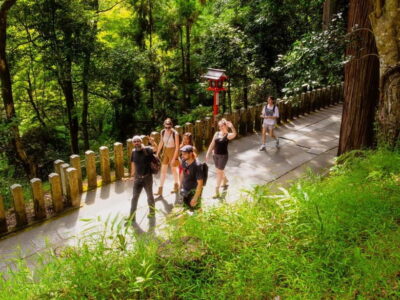
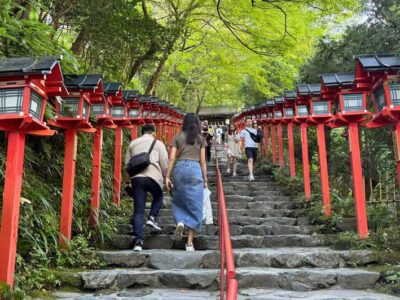
Kifune Shrine and the Sacred Kifune Valley Day Trip
Read our review →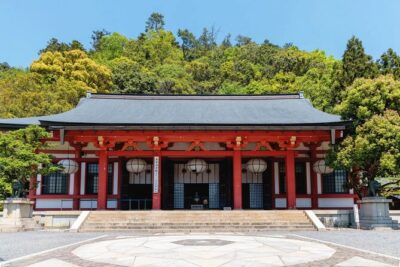
Hike and explore the Kurama and Kibune ancient Paths
Read our review →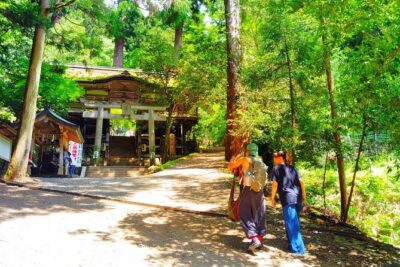
Kurama Temple and Mountain Legends Guided Hike
Read our review →Sacred Peak & Ancient Paths: Kurama-Kibune Hiking Experience
Read our review →
Day Tour to Kifune Shrine+Kuruma+Sanzen-in Temple
Read our review →Also filed under