
Reviewed · SUSHI-MAKING WORKSHOPS
Kyoto: 5 Types of Sushi Making
Five kinds of sushi, one short class. You’ll learn the shapes and the rice technique behind each style in a small Kyoto kitchen, then you walk out with the confidence to host your own sushi party.
I especially like the hands-on focus: you make nigiri and maki yourself, not just watch. I also like that the instructor keeps things beginner-friendly and practical, even when you’re new to sushi. One possible drawback: since it’s 90 minutes, you’ll master fundamentals, not become a lightning-fast sushi chef.
What makes this class feel genuinely useful is the flexibility. You can request gluten-free, vegan, halal-friendly, and allergy-conscious ingredients, and they’ll adjust the supplies if you tell them when you book. It’s also easy to reach, within a 10 minute walk from Shijo Station or Karasuma Station, with the meeting point instructions posted as an elevator ride to the third floor and doorbell 302.
In This Review
- Key sushi-making highlights in Kyoto
- Five Sushi Styles in 90 Minutes, Close to Shijo
- How the class is structured: rice, fillings, and five shapes
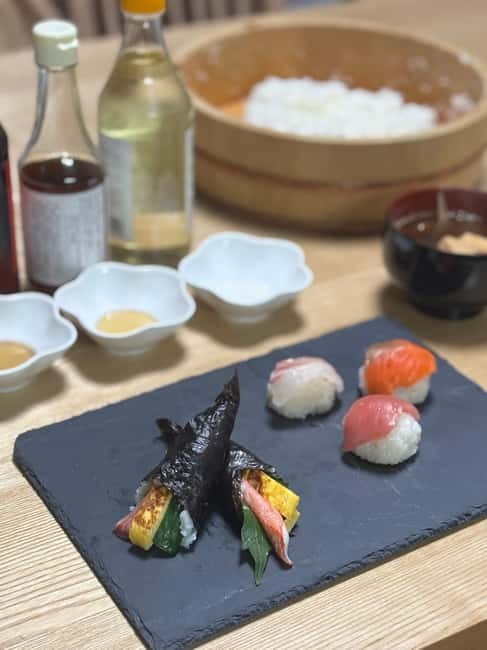
- Nigiri, Maki, Temaki, Temari, Edomae: what you actually make
- Nigiri-sushi, the hand-pressed baseline
- Maki-sushi, where rolling is the skill
- Temaki-sushi, hand rolls with a different shape goal
- Temari-sushi, decorative and fun to perfect
- Edomae-sushi, the rice technique that changes everything
- Edomae sushi origins, and why vinegared red rice is a big deal
- Beginner-friendly teaching that actually helps you cook
- Dietary flexibility in Kyoto: gluten-free, vegan, halal-friendly, and allergy-conscious
- Where to meet near Shijo or Karasuma, and how to plan your day
- Value at $67 per person: what you get for the money
- Who this Kyoto sushi workshop suits best
- Book it or skip it: my practical recommendation
- FAQ
- How long is the Kyoto: 5 Types of Sushi Making workshop?
- How much does it cost?
- What sushi styles will I learn to make?
- Is the class beginner-friendly and offered in English?
- Can you accommodate gluten-free, vegan, halal-friendly, or allergy needs?
- Where do I meet for the workshop?
- What is included in the price?
- What is the cancellation and payment policy?
Key sushi-making highlights in Kyoto
- Five sushi styles in one session: Nigiri, Maki, Temaki, Temari, and Edomae
- Edomae uses vinegared red rice for a distinctive Tokyo-style taste
- Beginner-first instruction with step-by-step guidance (English supported)
- Dietary needs are supported when you notify them ahead of time
- Small group size (up to 6) so you get real help while shaping sushi
Five Sushi Styles in 90 Minutes, Close to Shijo
This is a hands-on cooking workshop in Kyoto designed for people who want a real skill, not just a quick photo stop. The class centers on making five distinct sushi styles, each one teaching a different technique for shaping rice and fillings.
I like that the workshop keeps the scope tight but varied. You’re not stuck with one format for the whole session, so you get to compare textures and shapes quickly and learn what works for you.
The setting is also practical. You’re close to transit, and the class duration is short enough to fit into a busy Kyoto day without stress.
How the class is structured: rice, fillings, and five shapes
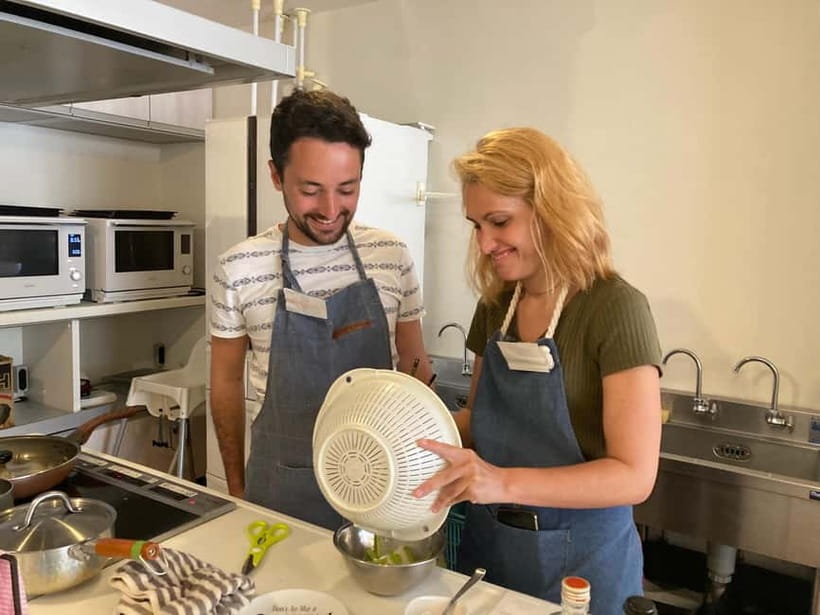
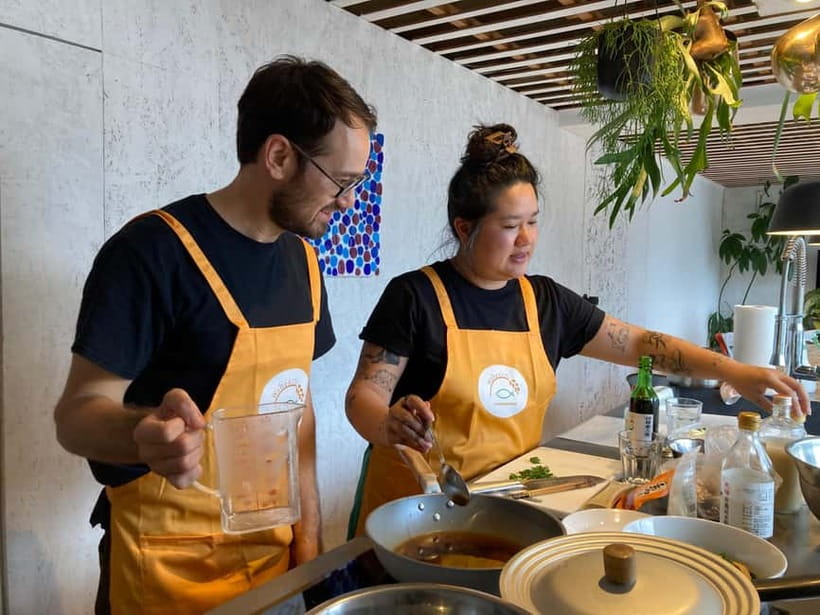
Think of the workshop as a sequence of skills, all taught with step-by-step support. You’ll wear an apron, then you’ll help with core prep like rice and fillings, so the experience stays grounded in what you can repeat later at home.
From there, the session shifts through the five sushi styles one by one:
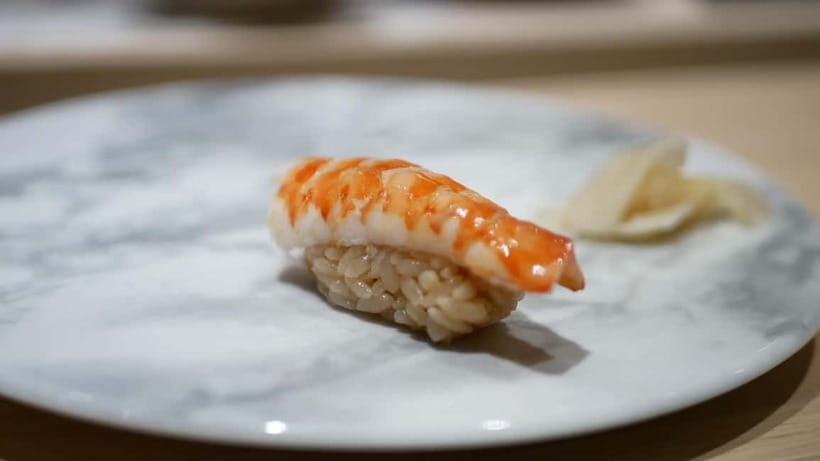
- You form Nigiri-sushi using a hand-pressed approach.
- You make Maki-sushi using a rolled format.
- You shape Temaki-sushi as hand rolls.
- You create Temari-sushi as ball-shaped, decorative pieces.
- You make Edomae-sushi, focusing on its traditional Tokyo-style vinegared red rice.
Because the class is limited to a small group of up to 6, the instructor can correct common mistakes as you go. That matters, since sushi fails in predictable ways, and you want feedback before you build bad habits.
Learn to roll your own sushi
- Sushi Making in Kyoto! Same-day bookings welcome!
★ 5.0 · 713 reviews - The Original Small-Group Sushi Making Class in Kyoto
★ 5.0 · 436 reviews - Kyoto: Small-Group Authentic Sushi Making Workshop
★ 5.0 · 137 reviews - Sushi – Authentic Japanese Cooking Class – the best souvenir from Kyoto!
★ 5.0 · 93 reviews
Nigiri, Maki, Temaki, Temari, Edomae: what you actually make
Here’s how the five styles differ, using the definitions the class emphasizes. The goal is to understand the shape technique first, then connect that back to how the rice behaves.
Nigiri-sushi, the hand-pressed baseline
Nigiri is all about how you handle rice with your hands. In this class, you’ll practice the hand-pressed method, which is the foundation for many other sushi-making styles. Learning this first is smart because it teaches rice handling at the start, before you move into rolling and shaping.
Maki-sushi, where rolling is the skill
Maki is introduced as the rolled sushi style. The takeaway I’d give you here is that rolling is more than a motion, it’s a way to portion evenly and keep structure stable. You’ll practice this technique so you can see how thickness and pressure affect the final result.
Temaki-sushi, hand rolls with a different shape goal
Temaki is taught as hand rolls. This style helps you practice forming sushi that holds its shape without being tightly wrapped like a typical roll. It’s a good middle step between hand-pressed nigiri and longer rolled pieces.
A day of temples goes further with something to break it up.


Temari-sushi, decorative and fun to perfect
Temari is taught as ball-shaped sushi with a decorative look. I love this part because it’s the least intimidating format for beginners. Even if your first pieces look imperfect, the “ball” shape is forgiving, and you still get to focus on portioning and presentation.
Edomae-sushi, the rice technique that changes everything
Edomae is the traditional Tokyo-style sushi taught here with vinegared red rice. This is the style that gives the workshop its special twist. Even if your shaping skills are still new, the rice flavor and color change the experience in a way you can immediately taste and remember.
Edomae sushi origins, and why vinegared red rice is a big deal
Edomae sushi is not just another category on a menu. It’s a particular approach to rice and preservation that reflects how sushi developed in Japan.
In Edo-era Tokyo, fish preservation was crucial because refrigeration didn’t exist. Ingredients like gizzard shad and conger eel were marinated or simmered for safety and flavor. The class ties this background to the modern version you learn today, which uses rice seasoned with aged red vinegar.
That vinegared red rice is what you’re really learning with Edomae. The color and flavor come from that vinegar, and it’s the kind of detail that makes your homemade sushi taste more like a tradition than a copycat meal.
If you want something more than basic sushi shapes, this is where the workshop becomes memorable. You’re not only making food, you’re learning what makes a style distinct, so you can recreate it with intention later.
Beginner-friendly teaching that actually helps you cook
A lot of cooking classes are loud, fast, and vague. This one leans the other way, with step-by-step guidance in English and Japanese. The instructor guides you through the process, including prepping rice and fillings, so you’re not guessing your way through sushi.
The approach is also described as being based on culinary science, meaning they aim to explain the why behind each step. That’s valuable for beginners because it turns sushi from a set of tricks into a set of repeatable principles. You’re more likely to get consistent results at home when you understand what the technique is supposed to do.
One small detail that signals good teaching: the class is designed to work for couples, families, solo travelers, and groups. That usually means the pace and support are built for mixed experience levels, not only for people who already know their way around rice.
And in one verified booking, Sydney said the instructor Marie was very kind and helpful with instructions, and the group had a lot of fun. That lines up with what you want from sushi practice, reassurance plus corrections when needed.
Dietary flexibility in Kyoto: gluten-free, vegan, halal-friendly, and allergy-conscious
Food rules can make travel feel stressful. Here, they explicitly offer diet options including gluten-free, vegan, halal-friendly, and allergy-conscious choices, as long as you let them know when you apply.
What that means for you in plain terms: you should feel comfortable booking even if you don’t eat the standard ingredients. It also means you won’t have to spend the workshop watching everyone else enjoy something you cannot.
Keep this in mind while planning. Sushi is ingredient-sensitive, so communication matters. If you have allergies, tell them clearly at booking so they can prepare the ingredients accordingly.
If you’re traveling with kids, vegan eaters, or a group with mixed dietary needs, this is one of those classes that can keep everyone involved. You’re all making sushi, not hunting for separate meals.
Where to meet near Shijo or Karasuma, and how to plan your day
The kitchen location is easy to access. It’s within a 10 minute walk from Shijo Station or Karasuma Station, and about a 15 minute walk from Nishiki Market.
That’s great for planning because you can slot the class between sightseeing blocks. You do not need a complex route or long commute to reach it, which matters when Kyoto days already have plenty of walking.
Meet-up is specific: take the elevator to the third floor, then press the doorbell for 302. Do yourself a favor and arrive a little early. Sushi prep is calm, but you don’t want to start tense.
Value at $67 per person: what you get for the money
At $67 per person for 90 minutes, this workshop is priced like a real activity, not just a tasting. You’re paying for instruction, ingredients, and the rental equipment like aprons and cooking utensils.
The value reason I’d highlight is the number of techniques you cover. Five distinct styles in a single session is hard to replicate with a casual meal. After one class, you’ll know how to shape multiple forms and understand what makes each type different.
Also, you get an ingredient portion meant for lunch or dinner food. Even if you don’t plan to treat this as a full meal replacement, it’s useful to know the class is built around eating the results, or at least having enough food components to count it as part of your day.
The workshop format is especially good when you want a Kyoto experience that’s interactive. Kyoto is full of good food, but this one is a skill you carry home.
Who this Kyoto sushi workshop suits best
This is a strong fit for:
- Beginners who want clear instruction and a low-stress path to making sushi
- Families, since the class is designed to be easy enough for children and novices
- Couples looking for a shared activity with a satisfying payoff
- Solo travelers who want a small group and hands-on fun
- Groups with mixed dietary needs who need gluten-free, vegan, halal-friendly, or allergy-conscious options
It might be less ideal if you want a broad sightseeing tour. This experience is focused on cooking and sushi technique, so plan it as your food activity, not your temple-hopping day.
Book it or skip it: my practical recommendation
If you want a Kyoto activity that’s hands-on, flexible with food restrictions, and built for beginners, I think this is a straightforward booking. The best argument is the structure: five sushi styles in 90 minutes, taught step-by-step in a small group of up to 6.
I’d only hesitate if you’re short on time and already know you only want to eat sushi, not make it. In that case, you might prefer a meal. But if you want the kind of souvenir that you can recreate at home, this class gives you the recipes and confidence to do it.
FAQ
How long is the Kyoto: 5 Types of Sushi Making workshop?
The experience is 90 minutes.
How much does it cost?
The price is $67 per person.
What sushi styles will I learn to make?
You’ll make Nigiri-sushi, Maki-sushi, Temaki-sushi, Temari-sushi, and Edomae-sushi.
Is the class beginner-friendly and offered in English?
Yes. The instructor provides step-by-step guidance, and the class supports English (along with Japanese).
Can you accommodate gluten-free, vegan, halal-friendly, or allergy needs?
Yes. You should let them know when you apply, and they will prepare the ingredients accordingly.
Where do I meet for the workshop?
Go to the third floor by elevator and press the doorbell for 302.
What is included in the price?
The experience cost, ingredients (lunch or dinner food), and aprons and cooking utensils (rental) are included. Round-trip transportation is not included.
What is the cancellation and payment policy?
The listing offers free cancellation up to 24 hours in advance for a full refund, and it also offers reserve now & pay later so you can book without paying today.
New This Season
- Koyasan Day Trip by Private Car from Kyoto
- Old Port Town and Ultimate Sake Tasting Private Tour From Kyoto
- Kyoto’s Timeless Charm: 3hr Exploration of History and Peace
- Sacred Peak & Ancient Paths: Kurama-Kibune Hiking Experience
- Kyoto: Exclusive ZEN practice at Manpukuji temple in Uji
- Kyoto: Private Seasonal Aroma Yoga Class
- Traversing Kyoto’s Scenic West – Arashiyama to Kinkakuji
- From Kyoto:Day Tour to Kifune Shrine+Kuruma+Sanzen-in Temple
Sushi-Making Workshops, compared.
Sushi Making in Kyoto! Same-day bookings welcome!
Read our review →
The Original Small-Group Sushi Making Class in Kyoto
Read our review →
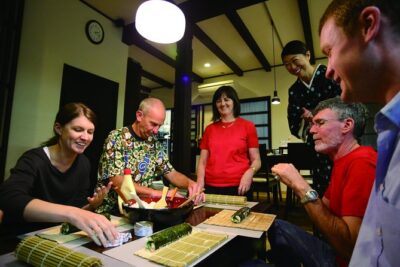
Sushi – Authentic Japanese Cooking Class – the best souvenir from Kyoto!
Read our review →
Private Kyoto Sushi Cooking Class & Tea Ceremony with Emika
Read our review →
Enjoy Sushi & Market Tour! Best for Family & Couple!
Read our review →
Sushi or Traditional Japanese Cuisine in a Kyoto Home with Emika
Read our review →Also filed under