
Reviewed · SUSHI-MAKING WORKSHOPS
Sushi – Authentic Japanese Cooking Class – the best souvenir from Kyoto!
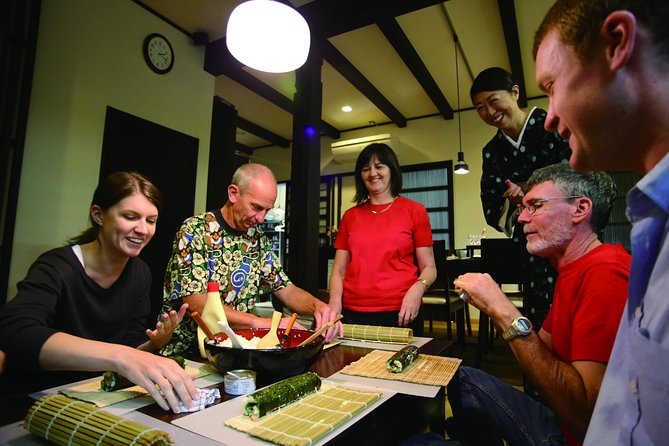
Sushi lessons in Kyoto beat museum stuff. In Kaori’s home kitchen at Japanese Cooking Class Roujiya, you make sushi, learn key table manners, and eat what you produce in about two hours.
I really like two things here: the small, relaxed group size, and the practical take-home guide that covers both techniques and Japanese food manners. You get English instruction, plus recipes you can actually follow later.
One thing to consider is that Kyoto navigation can be tricky, and the class does not include hotel pickup. If you rely on address alone, you can waste time, so use the exact meeting point info they provide.
In This Review
- Key Highlights You Will Feel Immediately
- Why This Kyoto Sushi Class Feels Like a Real Skill
- Kaori at Roujiya: A Kyoto Home Kitchen, Not a Factory
- What You Cook in About Two Hours at 11:30 am
- Start with Japanese soup, then build the base flavors
- Make sushi rice the way it is meant to be handled
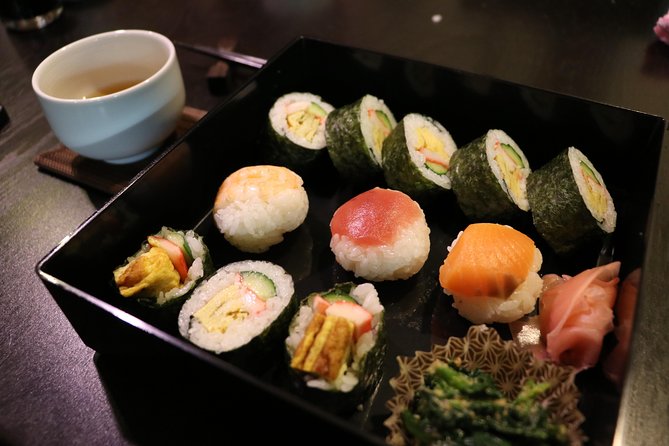
- Pickled ginger and multiple sushi items
- English instruction plus recipes you can reuse
- Japanese Table Manners and Sushi Etiquette You Can Use Immediately
- Eating What You Made: Tea, Aperitif, and Optional Drinks
- Price and Value: Is $72.67 Worth It?
- Who This Class Suits Best (and Who Might Want Something Else)
- Logistics That Affect Your Day in Kyoto
- Should You Book Japanese Cooking Class Roujiya?
- FAQ
- What is the duration of the sushi cooking class in Kyoto?
- How much does the Kyoto sushi class cost?
- What time does the class start?
- Where does the class meet?
- Does the price include food and drinks?
- Is there an English-speaking instructor?
- What do I learn how to make?
- Are recipes included?
- Is hotel pickup included?
- Can I bring dietary requirements?
Key Highlights You Will Feel Immediately
- A home-kitchen setting with real coaching, led by Kaori at Roujiya
- Sushi etiquette lessons, not just how to roll
- Hands-on cooking of sushi rice, dashi soup, and pickled ginger
- English-speaking instruction plus a take-home recipe guide
- Aperitif and Japanese green tea included, with optional alcohol sometimes available after
- Small group format that keeps it calm and easy to ask questions
Why This Kyoto Sushi Class Feels Like a Real Skill
Kyoto is full of things to look at. This experience adds something you can keep. When you learn sushi properly, you stop treating sushi as a restaurant event and start treating it like a craft.
What makes it a standout souvenir is the combination of technique and etiquette. Many cooking classes focus on the food only. Here, you also learn how Japanese table manners apply to sushi dining, so you know what you are doing and why it is done that way. That changes how you order sushi back home, and how you handle chopsticks, timing, and flavors.
You also come away with a more useful understanding of taste. You build flavor from basics like umami and dashi, then you apply that knowledge to sushi. That is the difference between copying a roll and actually understanding what makes it work.
Kaori at Roujiya: A Kyoto Home Kitchen, Not a Factory
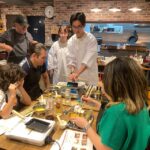
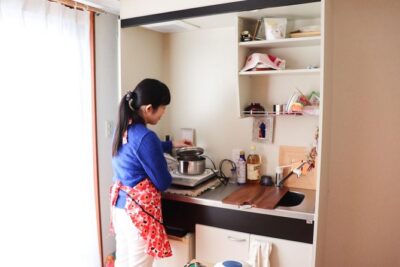
This class happens at Japanese Cooking Class Roujiya, in Kaori’s own kitchen. That matters. A home setup usually means fewer distractions, a cleaner flow, and a more personal pace. You are not crammed into a big room where you watch and hope you remember.
The group stays small. The class is described as a relaxed small group, with limits stated as up to eight in the overview and a maximum of 12 travelers in the details. Either way, the payoff is similar: you get enough attention to correct hand positions, rice handling, and your questions come up naturally.
Kaori is the key. Students consistently mention her English, her patience, and how clearly she walks you through each stage. You also tend to get more than just cooking facts, including cultural context around food, which makes the whole meal feel grounded rather than random.
Learn to roll your own sushi
- Sushi Making in Kyoto! Same-day bookings welcome!
★ 5.0 · 713 reviews - The Original Small-Group Sushi Making Class in Kyoto
★ 5.0 · 436 reviews - Kyoto: Small-Group Authentic Sushi Making Workshop
★ 5.0 · 137 reviews - Private Kyoto Sushi Cooking Class & Tea Ceremony with Emika
★ 5.0 · 66 reviews
What You Cook in About Two Hours at 11:30 am
The session runs about two hours and starts at 11:30 am. You get a mix of viewing and doing, with the hands-on part building step-by-step.
Here is the core cooking flow you can expect:
Start with Japanese soup, then build the base flavors
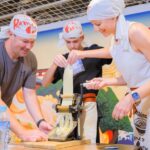
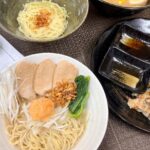
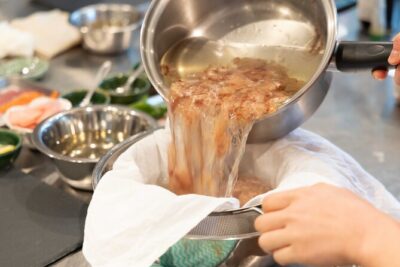
You begin with Japanese soup, tied to dashi. Dashi is one of those flavors that sounds simple until you realize it is the foundation for so much Japanese cooking. In class, you learn how to make it, including the key pieces like seaweed and bonito flakes, and what makes it taste like what you think of as Japanese.
Make sushi rice the way it is meant to be handled
Then you work on sushi rice, including how it should feel and behave. One practical detail people highlight is the reason for fanning sushi rice. It is not just a ritual, it is part of getting the right texture so the rice supports the toppings instead of fighting them.
You also get guidance on how the rice is seasoned and handled, which is where most home attempts go wrong. This is also where having someone correct your process saves you from the usual sticky-rice disasters.
Pickled ginger and multiple sushi items
You also make pickled ginger. It is not only a side. In Japanese dining, it refreshes your palate and changes how you experience each bite.
On top of that, you make several types of sushi, so you get variety, not just one roll. Students describe the challenge as satisfying because you learn a sequence, rather than just assembling one final product.
A quieter way to spend a day in Kyoto
English instruction plus recipes you can reuse
You cook in English. You also receive recipes to take home, including ingredients and steps. One student mentioned receiving a multi-page guide that covers Japanese manners and the recipes for sushi rice, soup, and pickled ginger. That is exactly the kind of souvenir that keeps paying off after your trip.
Japanese Table Manners and Sushi Etiquette You Can Use Immediately
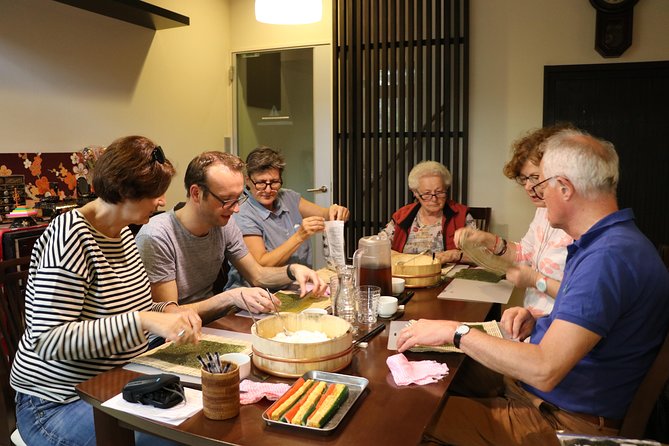
This is not only about rolling sushi. It is about dining it correctly. A big theme in class is learning how to navigate Japanese table manners, in a way that actually helps when you are eating.
You may cover things like:
- how to behave with chopsticks
- how sushi is meant to be eaten (timing and bite logic)
- how ingredients and seasonings relate to flavor balance
You also learn cultural context as you eat. Some memorable details people mention include lessons on umami, why certain chopsticks are shorter than those in other countries, and how this connects to Japanese food habits. Even if you forget every fact, the practical takeaway stays: you learn how Japanese cuisine thinks about taste and presentation.
If you have ever felt awkward in sushi restaurants, this component is a big reason the class gets such strong ratings. You are not just making food, you are learning the rules that come with the food.
Eating What You Made: Tea, Aperitif, and Optional Drinks
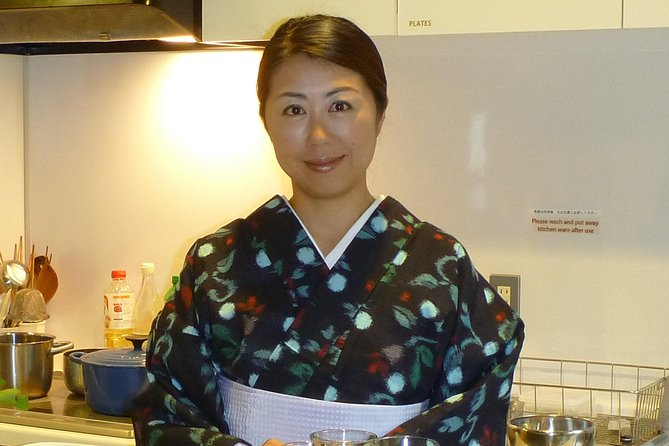
Part of the magic is eating your creations while the instructions are still fresh in your mind. You start with Japanese green tea and an aperitif as part of the included experience, and then you enjoy what you cooked.
Alcohol details are worth knowing. The core inclusions are meal plus Japanese green tea and an aperitif. Some class accounts mention that sake and beer can be offered after sushi is made, but as an extra expense. So plan on tea as the steady included drink, and treat alcohol as optional if you choose it.
Practical tip: go hungry. This class is about learning and making, so your appetite helps you enjoy the finished meal instead of just being focused on getting through steps.
Price and Value: Is $72.67 Worth It?
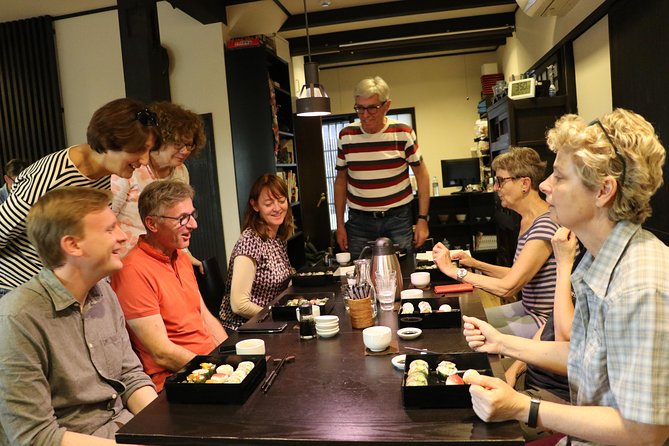
At $72.67 per person, this is not a cheap activity. The value comes from what is bundled.
You are paying for:
- an English-speaking instructor
- ingredients and a meal
- recipes to take home
- hands-on cooking of multiple items (sushi rice, soup, pickled ginger, plus several sushi types)
- Japanese green tea and an aperitif included
If you only compared this to buying sushi in Kyoto, it might feel pricey. But you are not paying for food alone. You are paying for the coaching and the chance to practice a skill you can repeat later. For many people, the ability to make sushi at home is exactly what turns the class into a real souvenir.
It also helps that the class format is small and relaxed. A large factory-style cooking class costs less sometimes, but you lose correction and personal attention. Here, the pace seems designed for learning.
Who This Class Suits Best (and Who Might Want Something Else)
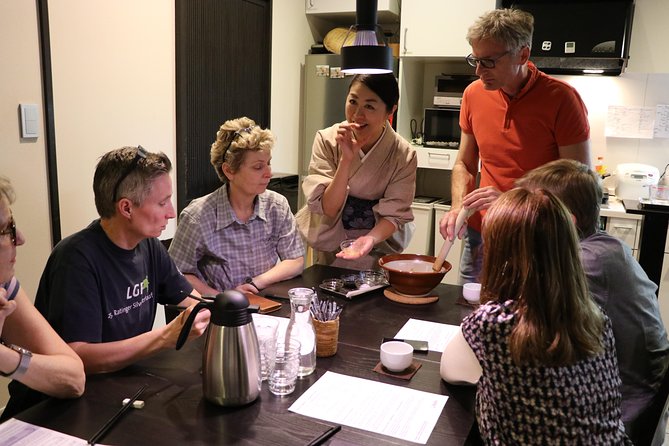
You will likely enjoy this most if you:
- love sushi and want to understand how it is made, not just eaten
- enjoy hands-on experiences more than passive sightseeing
- want etiquette guidance, especially if sushi dining feels intimidating
- want a skill-based souvenir you can use after your trip
This can also work well for families. One account describes the class as family friendly, including adults and younger children who could follow instructions, leaving with full stomachs. Another account mentions gluten-friendly, so if that matters to you, ask during booking.
It may be less ideal if your goal is purely to taste lots of local Kyoto food without cooking. This is effort time. You will learn faster if you treat it as practice, not a show.
Logistics That Affect Your Day in Kyoto
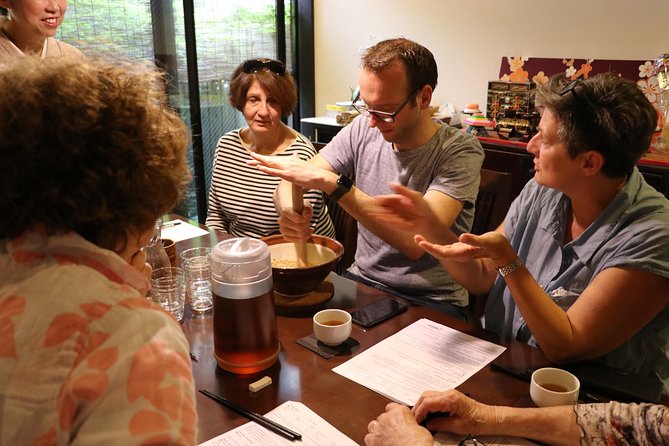
A few details are worth planning around because they influence stress level.
- No hotel pickup or drop-off is included. You will make your own way to Roujiya.
- The meeting point is Roujiya, 22-58 Nishinokyo Ikenouchicho, Nakagyo Ward, Kyoto, 604-8375, Japan.
- It is near public transportation, so you can use transit and walk the last bit.
- You get a mobile ticket.
- Confirmation is received within 48 hours of booking, subject to availability.
- If you have specific dietary requirements, you should advise at the time of booking.
Kyoto addresses can be difficult to find, especially for ride-hail drivers. My advice: use the exact pin or meeting-point instructions provided to you, and message early if you are running late. When you wait until the last minute, it is harder for anyone to adjust.
Should You Book Japanese Cooking Class Roujiya?
Yes, I would book it if you want a Kyoto experience that turns into a real skill. The mix of sushi making, dashi soup know-how, pickled ginger, and etiquette is the kind of combination that restaurants cannot teach you.
Book it especially if you:
- care about doing sushi right, not just doing sushi
- want a small-group vibe in a home kitchen
- value take-home recipes you can actually use
Skip it if you hate hands-on work, or if you are looking for a purely observational activity with no cooking.
If you want one practical souvenir from Kyoto, sushi you can make and manners you can use, this is a strong choice.
FAQ
What is the duration of the sushi cooking class in Kyoto?
The class runs for about 2 hours.
How much does the Kyoto sushi class cost?
The price is $72.67 per person.
What time does the class start?
The class starts at 11:30 am.
Where does the class meet?
The meeting point is Roujiya, 22-58 Nishinokyo Ikenouchicho, Nakagyo Ward, Kyoto, 604-8375, Japan.
Does the price include food and drinks?
Yes. The class includes a meal, all ingredients for cooking, an aperitif, and Japanese green tea.
Is there an English-speaking instructor?
Yes. The cooking instructor is English-speaking.
What do I learn how to make?
You make sushi, plus Japanese soup and pickled ginger. You also learn sushi rice and can make several types of sushi.
Are recipes included?
Yes. Recipes are included, so you can try again at home.
Is hotel pickup included?
No. Hotel pickup and drop-off are not included.
Can I bring dietary requirements?
You should advise any specific dietary requirements at time of booking.
More Workshops in Kyoto
New This Season
- Koyasan Day Trip by Private Car from Kyoto
- Old Port Town and Ultimate Sake Tasting Private Tour From Kyoto
- Kyoto’s Timeless Charm: 3hr Exploration of History and Peace
- Kyoto: 5 Types of Sushi Making
- Sacred Peak & Ancient Paths: Kurama-Kibune Hiking Experience
- Kyoto: Exclusive ZEN practice at Manpukuji temple in Uji
- Kyoto: Private Seasonal Aroma Yoga Class
- Traversing Kyoto’s Scenic West – Arashiyama to Kinkakuji
Sushi-Making Workshops, compared.
Sushi Making in Kyoto! Same-day bookings welcome!
Read our review →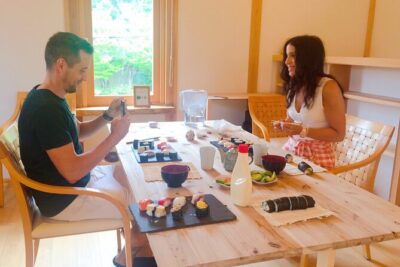
The Original Small-Group Sushi Making Class in Kyoto
Read our review →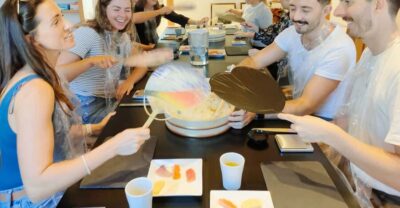
Private Kyoto Sushi Cooking Class & Tea Ceremony with Emika
Read our review →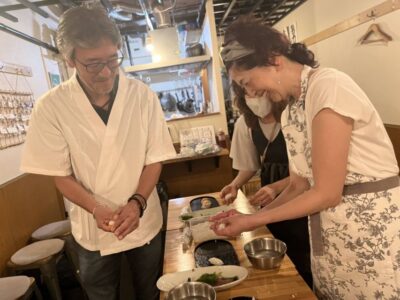
Enjoy Sushi & Market Tour! Best for Family & Couple!
Read our review →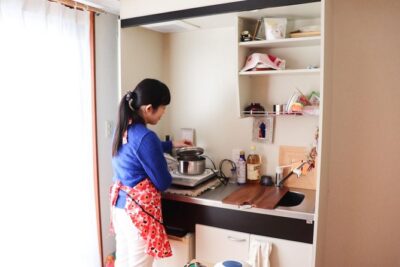
Sushi or Traditional Japanese Cuisine in a Kyoto Home with Emika
Read our review →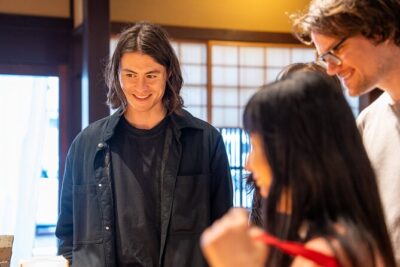
Kyoto Sushi Making Experience with a Professional Sushi Chef
Read our review →Also filed under