
Reviewed · SUSHI-MAKING WORKSHOPS
Kyoto: Small-Group Authentic Sushi Making Workshop
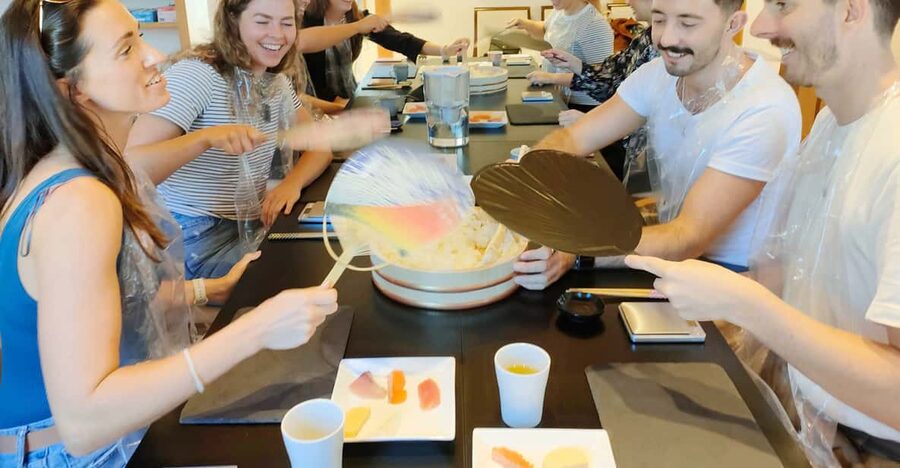
Make sushi calmly in Kyoto, not in a factory. This hands-on workshop happens in a restored Kyoto townhouse, with just 8 spots and English help from hosts like Kana, Karim, and others, so you get real attention while you work.
I love the small-group pacing. It stays unhurried, and you can ask questions while you’re actually shaping nigiri and rolling maki, not just watching someone else do it.
One catch to consider: it is not suitable for vegetarians or wheelchair users, and there is no hotel pickup. If either of those is an issue, you will want to plan a different activity.
In This Review
- Key points to know before you go
- Getting There Fast: Kyoto Wand near Kiyomizu-Gojō
- What You Actually Do in 90 Minutes, From Rice to Lunch
- Sushi Rice Is the Real Secret, and You Learn It Here
- Nigiri Technique With Kana and the Team
- Rolling Maki Without Stress: Hands-On Instruction That Sticks
- Lunch Built In: The Best Part Is Eating Your Own Sushi
- The Quality Edge: Fish From Kyoto and Rice With a Personal Story
- What You Take Home: Tools and a Recipe Card
- Price and Value: Is $60 Fair in Kyoto?
- Who This Workshop Suits Best (And Who Should Skip)
- Before You Book: Quick Things to Decide
- Should You Book This Kyoto Sushi Workshop?
- FAQ
- How long is the Kyoto sushi-making workshop?
- Is the class taught in English?
- How large is the small group?
- What should I expect to eat during the workshop?
- Do they provide hotel pickup and drop-off?
- Where is the meeting point?
Key points to know before you go
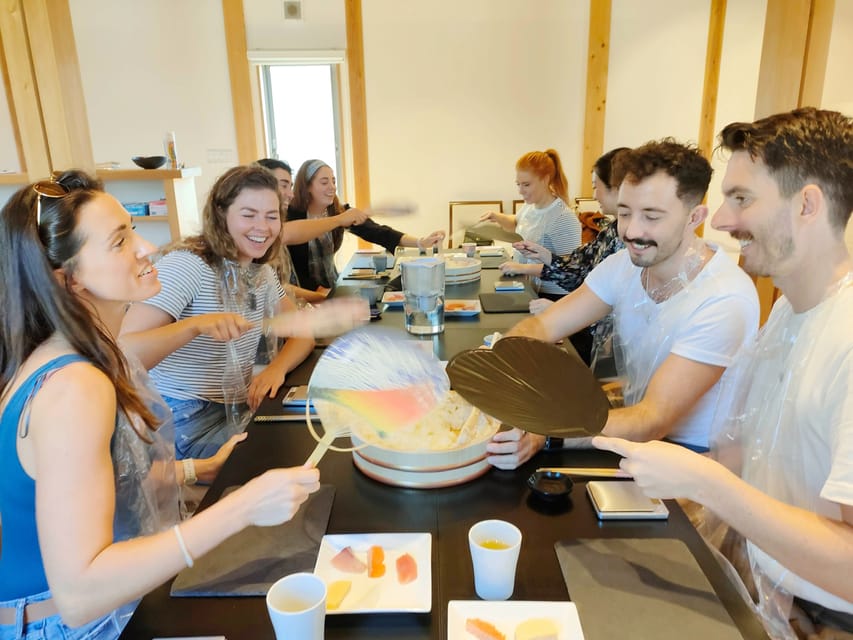
- Up to 8 people means lots of hands-on coaching, even if it is your first time with sushi rice.
- English instruction with hosts who also answer food and culture questions.
- Fresh local fish and locally sourced rice make the class taste as good as it teaches.
- 90 minutes, calm and structured: rice, nigiri, maki, then the lunch you made yourself.
- Take-home tools (rolling mat, chopsticks, recipe card) help you practice after Kyoto.
- No hotel pickup and a venue that is not wheelchair accessible, so plan your walk or train stop.
Getting There Fast: Kyoto Wand near Kiyomizu-Gojō
This class is easy to fit into a sightseeing day because the location is central. You are walking distance from major Kyoto neighborhoods like Kiyomizu-dera and Gion, so you do not feel trapped in some faraway industrial zone.
The workshop takes place in the Kyoto Wand building, minutes on foot from Kiyomizu-Gojō Station on the Keihan Main Line. If you are already doing the east-side circuit (temples, old streets, riverside strolls), this is a smart add-on. You can arrive, check in, and still have energy left for the rest of your afternoon.
What You Actually Do in 90 Minutes, From Rice to Lunch
This is not a lecture-style cooking class. It is a hands-on sushi workshop designed around the core steps of making sushi at home.
Here is the practical flow you can expect:
1) Arrive and get set up in a traditional space
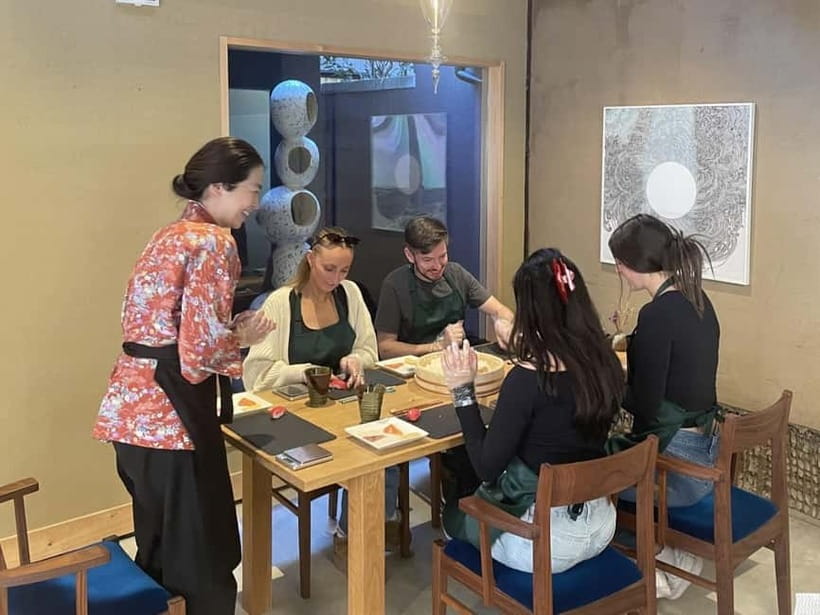
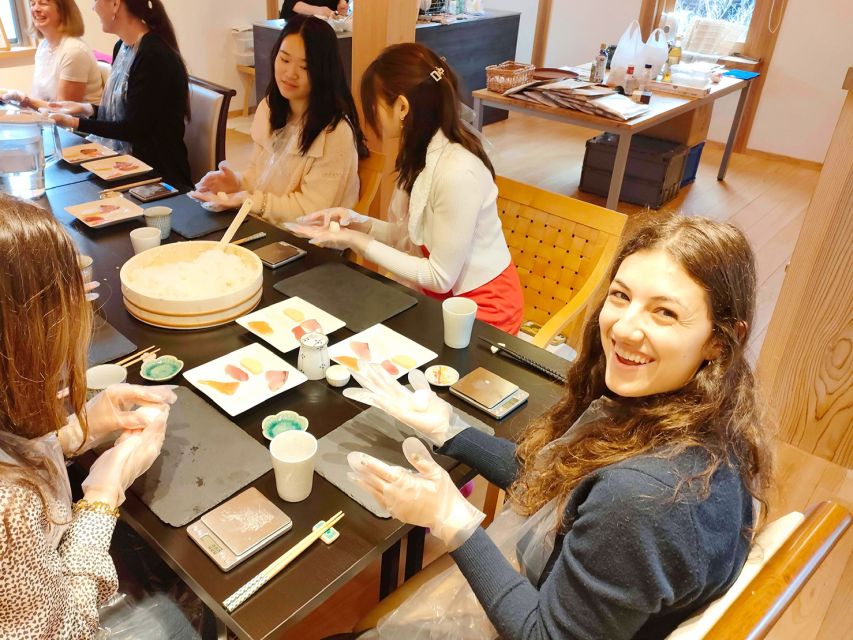
You start in a calm, beautifully restored townhouse setting. Hosts walk you through what will happen, and they guide you as you begin.
2) Season sushi rice
Sushi starts with the rice, and this class treats that seriously. You learn how to season properly cooked rice so it has the right balance, and you work at the pace of the group rather than feeling rushed.
3) Make nigiri
You create nigiri by shaping the sushi rice and pairing it with fish. Multiple instructors support you, so you can correct technique while you’re doing it.
4) Make maki rolls (and additional styles depending on the class)
You also learn maki rolling. Some sessions include a range of sushi types, so you might see more than just one format, but the through-line is that you are rolling and assembling yourself.
5) Eat what you made in a peaceful setting
After cooking comes lunch. You eat the sushi you crafted, and it is served with miso soup.
The biggest benefit of this structure is how it builds confidence. By the time you sit down to eat, you are not just consuming food. You understand what makes it work.
Learn to roll your own sushi
- Sushi Making in Kyoto! Same-day bookings welcome!
★ 5.0 · 713 reviews - The Original Small-Group Sushi Making Class in Kyoto
★ 5.0 · 436 reviews - Sushi – Authentic Japanese Cooking Class – the best souvenir from Kyoto!
★ 5.0 · 93 reviews - Private Kyoto Sushi Cooking Class & Tea Ceremony with Emika
★ 5.0 · 66 reviews
Sushi Rice Is the Real Secret, and You Learn It Here
If sushi feels complicated, it is usually the rice that makes it seem hard. The rice has to be cooked well and seasoned in a way that supports the fish, not fights it.
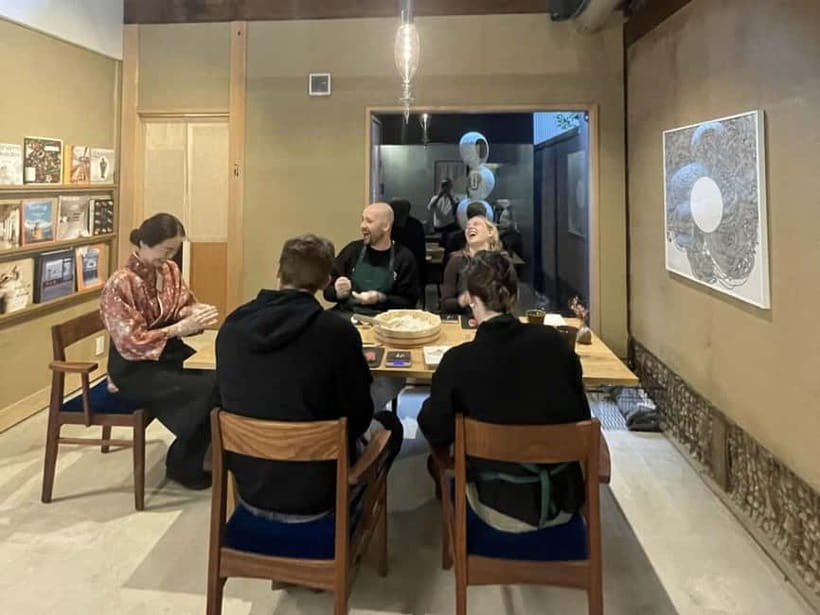
In this workshop, you learn the basics of seasoning the rice and handling it properly during assembly. The instructors spend time walking you through steps, which matters because small details add up. You are not expected to be a sushi robot, and beginners are genuinely supported.
From the way the class is taught, you can also tell why it is valued: you leave with a repeatable skill. That matters if you want to make sushi back home and not just remember a good meal.
Nigiri Technique With Kana and the Team
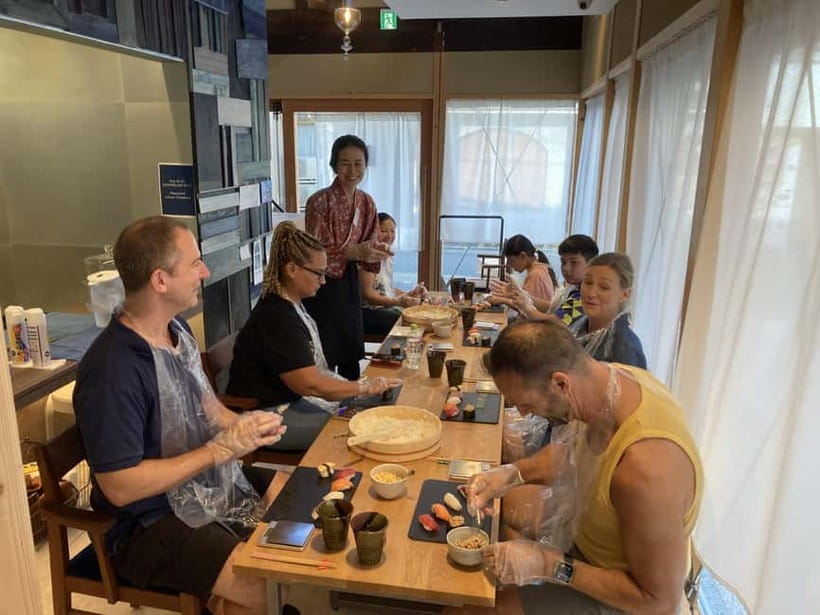
Kana is a key presence in this workshop. Multiple instructors are involved across different sessions, including Kana plus helpful support from family members and assistants such as Karim and Kenneth in some groups. The pattern is consistent: you get close, friendly supervision while you learn the shaping and pairing.
Nigiri can look simple, but it is not just stacking. The class emphasizes precision in technique, like how to portion and how to form rice so it sits correctly with the topping. Because the group stays small, you can get corrections while you are still mid-process.
I especially like the way the hosts turn learning into conversation. You might be asked where you are from, and the teaching often spills into Japanese culture and food history. One person even mentioned Kana sharing passions about Japanese history, and that kind of context makes the whole class feel less like a transaction and more like spending time with people who care.
Rolling Maki Without Stress: Hands-On Instruction That Sticks
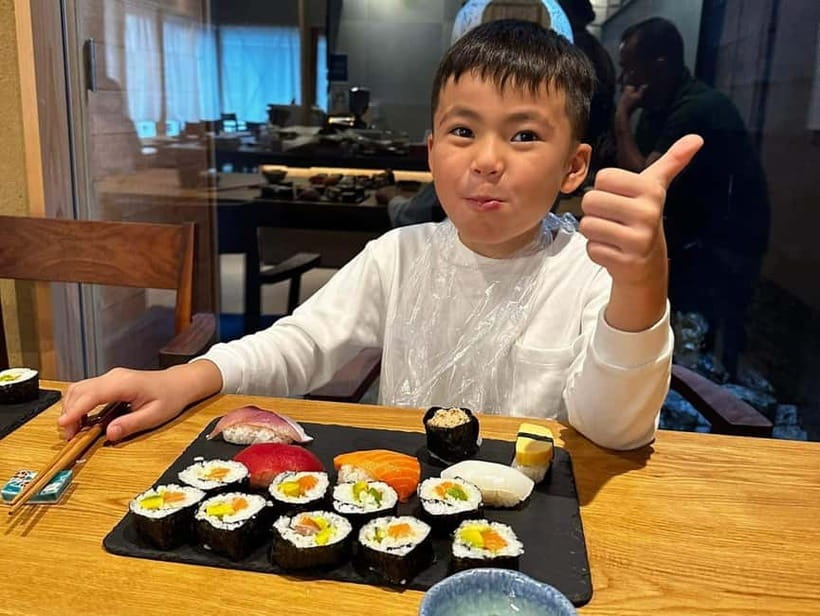
Maki rolling is where many people get nervous, mostly because it looks messy until someone shows you the rhythm. Here, you are given a sushi rolling mat as part of the gift bag, so you are not just rolling in class on a one-time setup.
In practice, the rolling portion is taught step-by-step, and you get help when your roll needs adjusting. The classroom tools plus the small group size make it much easier to improve quickly. You do not feel stuck trying to figure it out alone.
Some sessions also cover additional styles beyond the basics, such as gunkan-style sushi and other combinations. Even if you end up making a slightly different set of items depending on the day, the key takeaway stays the same: you learn the mechanics of rolling and assembling sushi, not just the finished look.
Lunch Built In: The Best Part Is Eating Your Own Sushi
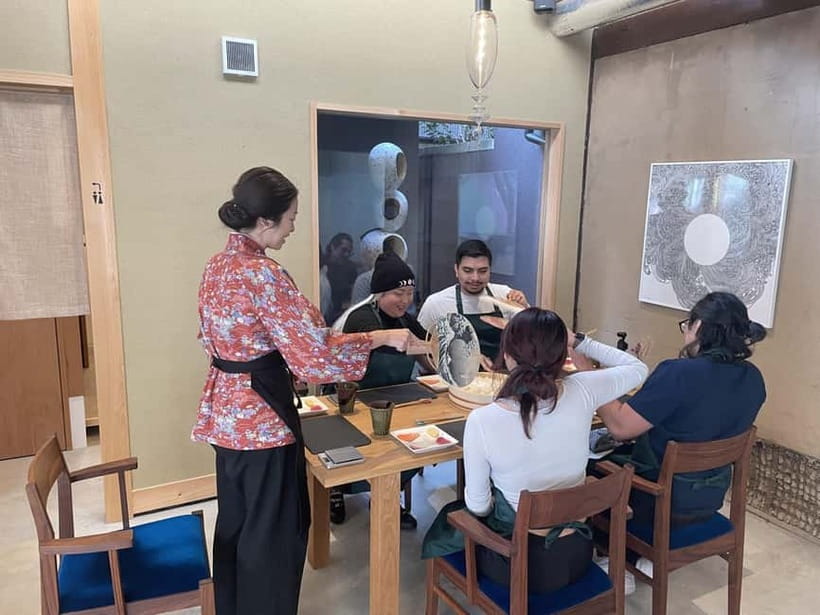
This is one of those rare cooking experiences where the meal is fully part of the activity. You eat the sushi you make, and the class includes miso soup as well.
Several people note that the amount of sushi is generous. That’s practical advice: come with an appetite. Plan to eat mostly at the workshop and keep dinner light afterward.
Condiments like soy sauce, wasabi, and ginger are mentioned in some sessions, and that fits the hands-on spirit. You get to taste how your sushi works as intended, rather than guessing at the balance.
And because it happens in a peaceful, traditional setting, lunch feels like part of the Kyoto experience, not a hurried rest stop between errands.
A quieter way to spend a day in Kyoto
The Quality Edge: Fish From Kyoto and Rice With a Personal Story
At $60 a person, the class is not just about getting a fun memory. The quality is part of the price.
Here is what stands out:
- Local fish sourced in Kyoto
One review specifically mentioned fish from Nishiki Market, and the workshop consistently emphasizes fresh, high-quality fish and local ingredients.
- Rice with local provenance
One guest described the rice as being grown by Kana’s family. Even if you do not get every provenance detail in every session, the class clearly treats rice as something worth knowing, not just a filler ingredient.
Why this matters for you: when ingredients are genuinely good, sushi-making stops feeling like a chore. The fish tastes clean and fresh. The rice seasoning tastes balanced. You can focus on technique because the base ingredients are already working.
What You Take Home: Tools and a Recipe Card
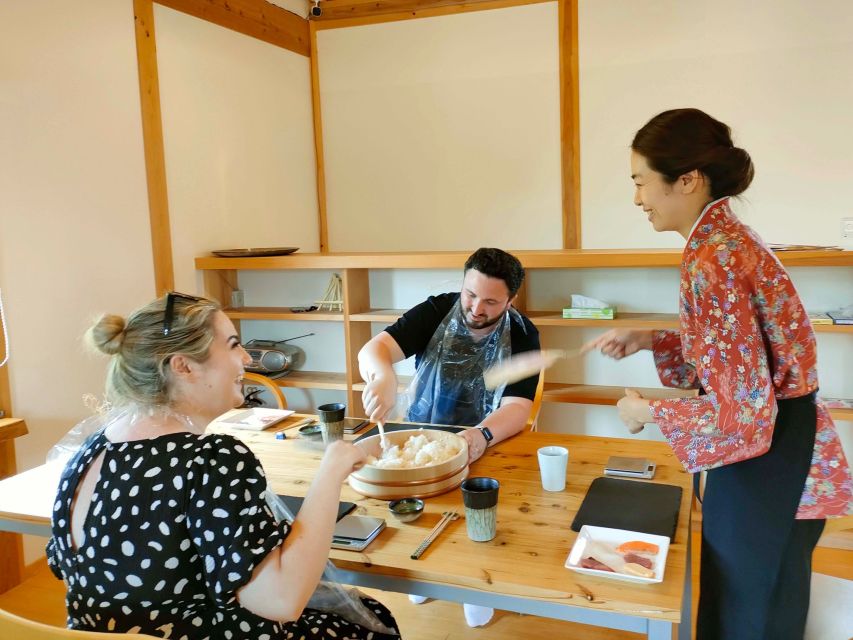
You do not leave empty-handed. The workshop includes a gift bag with:
- a sushi rolling mat
- chopsticks
- a recipe card
That is more than a souvenir. It gives you the basics to repeat what you learned. The recipe card also helps you remember the order of steps and the seasoning approach, which is usually what gets lost after a vacation.
During the class, you use disposable gloves and an apron, which keeps things tidy and practical.
Price and Value: Is $60 Fair in Kyoto?
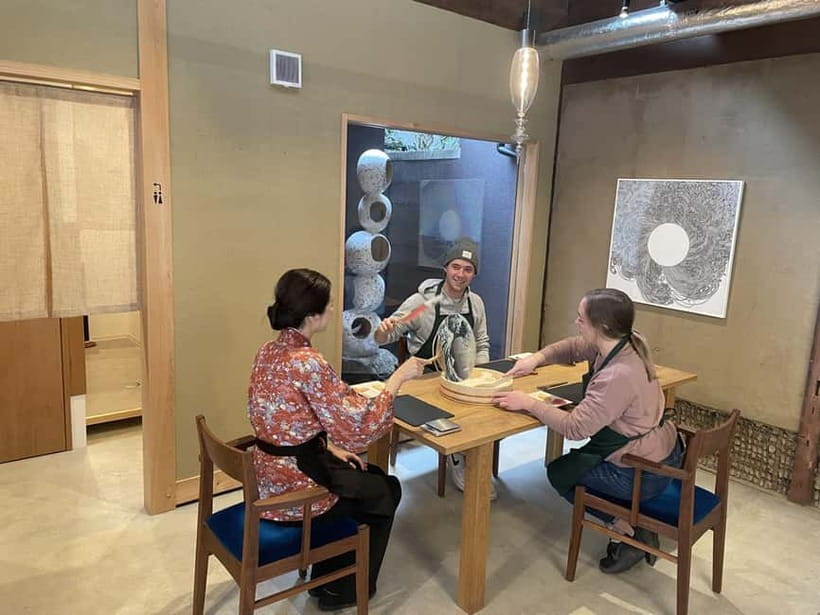
$60 may sound like a “food tour premium,” but in a small-group hands-on class, the math often makes sense.
You are paying for several things at once:
- a 90-minute instructor-led workshop
- ingredients and lunch, including the sushi you make plus miso soup
- a small group limit of 8, which lowers the teacher-to-student ratio
- take-home tools (rolling mat, chopsticks) and a recipe card
Also, you do not need to factor in hotel transfers because pickup is not included. That is a practical tradeoff. It can save money if you are already near central areas, and it keeps the schedule more straightforward.
My take: if you want to bring home a real skill, not just eat well, this is a strong use of time in Kyoto.
Who This Workshop Suits Best (And Who Should Skip)
This class is a good match if you fall into one of these groups:
- Beginners who want step-by-step help without feeling embarrassed
- Food lovers who care about ingredient quality and want local context
- Families with kids (reviews mention a 10-year-old and a family of seven, with everyone participating)
- People who prefer English instruction and a smaller, quieter experience
If you are a vegetarian, this likely will not work. The activity is explicitly not suitable for vegetarians. It is also not suitable for wheelchair users, so plan accordingly for mobility needs.
If you are worried about eating raw fish, the class structure can help. You are learning with fresh ingredients and guidance, which makes the experience feel safer and more intentional than ordering sushi when you are unsure what you are getting.
Before You Book: Quick Things to Decide
One practical tip: if you have allergies or dietary restrictions, you should advise the team when booking. The class is built around specific ingredients, so being clear upfront helps them plan for you.
Also, schedule it at a time when you can focus. It is a relaxed class, but you will get more out of it if you are not rushing from one attraction to the next.
If you like flexibility, the experience offers reserve now and pay later and free cancellation up to 24 hours in advance (as listed). That is helpful when you are juggling Kyoto weather and a crowded itinerary.
Should You Book This Kyoto Sushi Workshop?
If you want one Kyoto food experience that feels hands-on, personal, and skill-based, this is an easy yes. The small-group limit, the calm traditional setting, and the focus on fundamentals like sushi rice and nigiri technique make it more useful than many tastings.
You should probably book if:
- you like learning by doing
- you want to eat fresh sushi that you helped create
- you want to chat with hosts about Japanese food culture (Kana and others are very open to questions)
Skip it if:
- you are vegetarian
- you need wheelchair accessibility
- you want a quick grab-and-go activity, because this is built for a slower, hands-on pace
If you can handle a short walk to Kiyomizu-Gojō and you come hungry, this workshop is exactly the kind of Kyoto experience that turns into a repeatable memory, not just a photo.
FAQ
How long is the Kyoto sushi-making workshop?
The workshop lasts 90 minutes.
Is the class taught in English?
Yes. The instructor and host are English-speaking.
How large is the small group?
The class is limited to 8 participants.
What should I expect to eat during the workshop?
You will eat the sushi you make for your lunch, plus miso soup.
Do they provide hotel pickup and drop-off?
No, hotel pickup and drop-off are not included.
Where is the meeting point?
The workshop is in the Kyoto Wand building, minutes on foot from Kiyomizu-Gojō Station on the Keihan Main Line. It is also within walking distance of Kiyomizu-dera Temple and Gion. The plus code is XQVC+J7 Kyoto.
New This Season
- Koyasan Day Trip by Private Car from Kyoto
- Old Port Town and Ultimate Sake Tasting Private Tour From Kyoto
- Kyoto’s Timeless Charm: 3hr Exploration of History and Peace
- Kyoto: 5 Types of Sushi Making
- Sacred Peak & Ancient Paths: Kurama-Kibune Hiking Experience
- Kyoto: Exclusive ZEN practice at Manpukuji temple in Uji
- Kyoto: Private Seasonal Aroma Yoga Class
- Traversing Kyoto’s Scenic West – Arashiyama to Kinkakuji
Sushi-Making Workshops, compared.
Sushi Making in Kyoto! Same-day bookings welcome!
Read our review →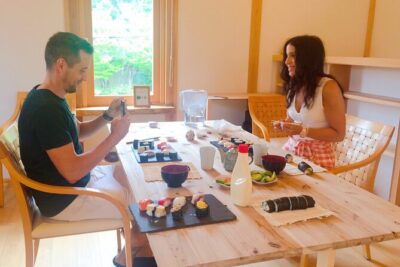
The Original Small-Group Sushi Making Class in Kyoto
Read our review →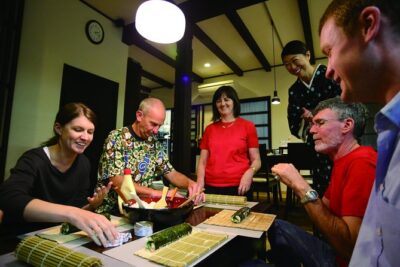
Sushi – Authentic Japanese Cooking Class – the best souvenir from Kyoto!
Read our review →
Private Kyoto Sushi Cooking Class & Tea Ceremony with Emika
Read our review →
Enjoy Sushi & Market Tour! Best for Family & Couple!
Read our review →
Sushi or Traditional Japanese Cuisine in a Kyoto Home with Emika
Read our review →
Kyoto Sushi Making Experience with a Professional Sushi Chef
Read our review →Also filed under