
Reviewed · SUSHI-MAKING WORKSHOPS
Kyoto Sushi Making Experience with a Professional Sushi Chef
Sushi class in Kyoto, but with real chefs. This one is built around a professional Taisho chef and a small group, so you get real instruction instead of watching from the sidelines. You also get to taste your way through the meal, with tempura, sake, and sweets all tied into the lesson.
What I like most is how hands-on it stays. You’ll form 9 nigiri plus roll sushi yourself, then eat what you make on the spot. On top of that, you get a structured sake session with pairing tips, not just a sip-and-go moment.
One thing to consider is time and budgeting. At about 3 hours 30 minutes, it’s a committed block in your day, and the experience includes drinks and sake tasting as part of the program.
In This Review
- Key highlights you will care about
- Why this Kyoto sushi class feels like the real thing
- The sweets stop that sets up the rest of your meal
- Inside the restaurant: meet the Taisho chef and learn nigiri basics
- Rolling sushi yourself, not just your first bite
- Tempura and the tasting table, made to help you learn
- Sake pairing tips you can actually use at home
- Matcha in a garden: the calm finish that ties it all together
- Price and value: is $163.30 worth it?
- Group size, timing, and meeting point details that affect your day
- Who this Kyoto sushi experience is best for
- Practical tips so you get more from the class
- Should you book this Kyoto sushi making experience?
- FAQ
- How long is the Kyoto sushi making experience?
- What time does the experience start?
- Where does the experience meet, and where does it end?
- What is included in the course?
- Is the class hands-on, or mostly watching?
- How many people are in the group?
- Do I need to know any Japanese to join?
- Is this experience suitable for families and kids?
- Can I cancel for a full refund?
Key highlights you will care about
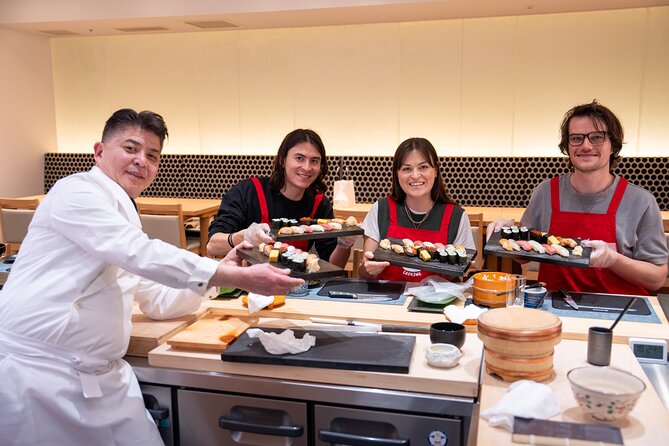
- Taisho chef instruction focused on precise sushi craft
- 9 nigiri plus roll sushi so you practice more than one item
- Fresh tempura cooked by the chef as part of your meal
- Sake tastings with pairing tips you can reuse later
- Matcha whisking in a Kyoto-style garden to end the class
- Maximum 8 travelers for easier questions and better flow
Why this Kyoto sushi class feels like the real thing
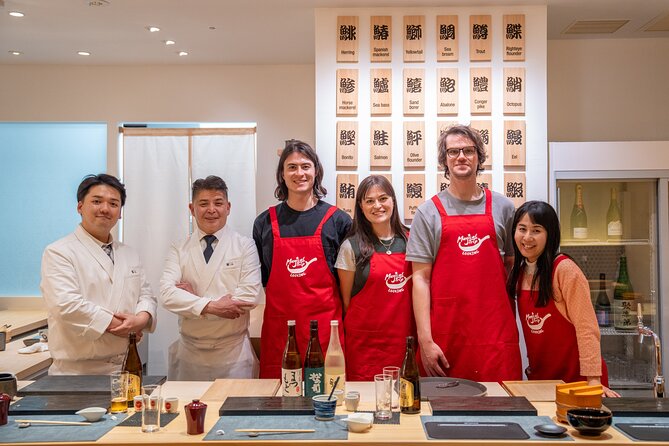
Kyoto sushi lessons work best when they teach you why people do things the way they do. This experience is set up like that, with a professional chef leading the key steps and you doing the hands-on work for the food you eat.
The small group size matters more than it sounds. When you have fewer people, the chef and guide can slow down for your questions, and you are more likely to get feedback on your shaping and rolling. You also get a steadier pace, which helps when you are learning rice handling and sushi assembly.
The sweets stop that sets up the rest of your meal
Before you get to the sushi counter, you visit a local shop for traditional Japanese sweets. It sounds simple, but it helps you shift gears into the way Kyoto treats food as a full experience, not just a single dish.
This stop also matters later because the sweets you pick are used in the finish. After the sushi and tempura, you will return for a matcha moment where you whisk your own matcha and pair it with the sweets you selected. That connection makes the sweets feel intentional, not tacked on.
If you are the type who likes to understand culture through food, this part is your warm-up. You learn how Kyoto sweets fit into the broader rhythm of tea, rice, and seasonal flavors.
Learn to roll your own sushi
- Sushi Making in Kyoto! Same-day bookings welcome!
★ 5.0 · 713 reviews - The Original Small-Group Sushi Making Class in Kyoto
★ 5.0 · 436 reviews - Kyoto: Small-Group Authentic Sushi Making Workshop
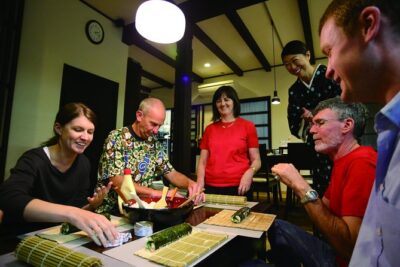
★ 5.0 · 137 reviews - Sushi – Authentic Japanese Cooking Class – the best souvenir from Kyoto!
★ 5.0 · 93 reviews
Inside the restaurant: meet the Taisho chef and learn nigiri basics
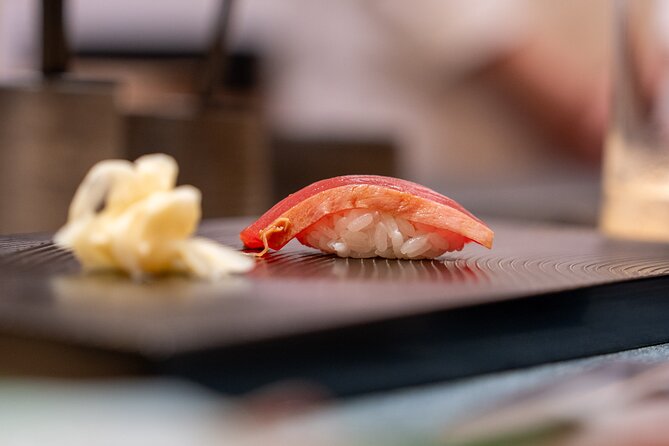
Once you step into the sushi restaurant, the tone changes to craft. You meet a Taisho chef who demonstrates the exact, careful hand movements that make nigiri look effortless.
You will watch the chef showcase his knife work and the technique behind shaping nigiri. The key point for you is that the experience is designed so you are not wrestling with sharp knives. The chef handles the slicing, while you focus on the parts you can learn safely and confidently.
Then you move from watching to doing. You are guided to make 9 nigiri, learning how sushi rice and toppings come together. Even if you have never handled sushi rice before, the structure is straightforward: you practice, you adjust, and you eat what you make.
One practical plus: when you build multiple pieces, you get a chance to correct small mistakes. Your first nigiri is rarely perfect, and that is normal. The class gives you time to improve across the set.
Rolling sushi yourself, not just your first bite
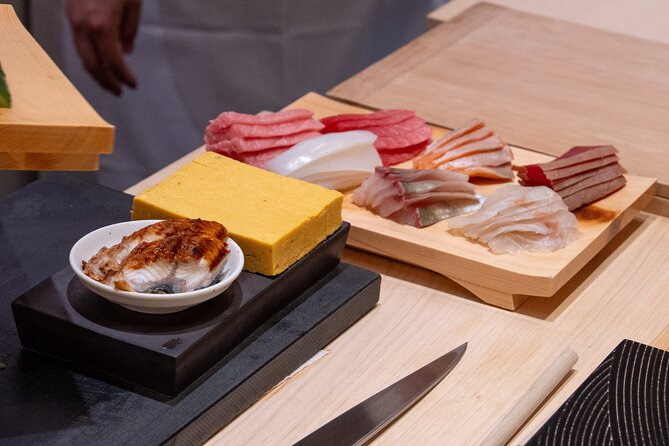
After nigiri practice, you also make roll sushi. Rolling adds a different skill set than nigiri, because the challenge is consistency: even pressure, steady shaping, and a clean finish.
This is where the small group approach really pays off. With fewer people, the guide and chef can step in with quick, useful corrections. You are not stuck figuring it out alone.
If your home background includes cooking, you will feel the logic here. It is like learning dough technique or pastry shaping. The method is repeatable, and once your hands understand what the roll should feel like, it gets easier fast.
Tempura and the tasting table, made to help you learn
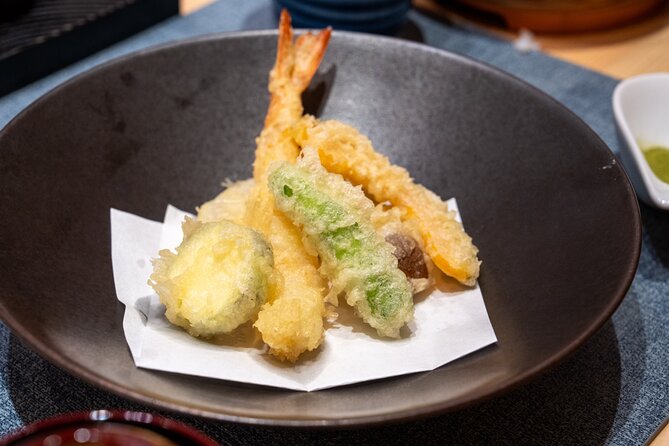
Sushi is the star, but the meal is balanced so you taste across Japanese flavors. You get a tempura set, and the tempura is made fresh by the chef.
Fresh tempura changes how you perceive everything else. When the batter is light and the hot oil does its job, you taste crisp texture and delicate flavors in a way that feels connected to the rest of the meal. It also helps you reset between seafood-focused pieces and tea sweets at the end.
You also get to drink during the experience, and there is a dedicated sake tasting session. This part is not just about drinking. The program includes pairing tips, so you are learning how different sake styles can complement sushi and tempura. That makes the tasting more useful than a generic sample lineup.
Sake pairing tips you can actually use at home
Sake pairing is often where food classes either get vague or get surprisingly helpful. Here, you get a structured tasting where you learn how to match sake with what you are eating.
You will sample different types of sake, and the pairing guidance helps you understand the logic. For example, when you notice that one sake feels lighter or more refreshing with sushi, you can map that feeling to what you will choose later at home.
This also makes the meal more social and engaging. You are not just assembling food in silence. You are tasting with a purpose, guided by an English-speaking professional who keeps the pacing clear.
And yes, you will have something to take with you beyond the memory of the class. Once you learn your own taste preferences during the tasting, it becomes easier to pick sake that fits your style rather than guessing.
A day of temples goes further with something to break it up.


Matcha in a garden: the calm finish that ties it all together
The last act is a Kyoto-style garden, and it is a smart ending. After the energy of sushi shaping and tasting, the garden gives your senses a breather.
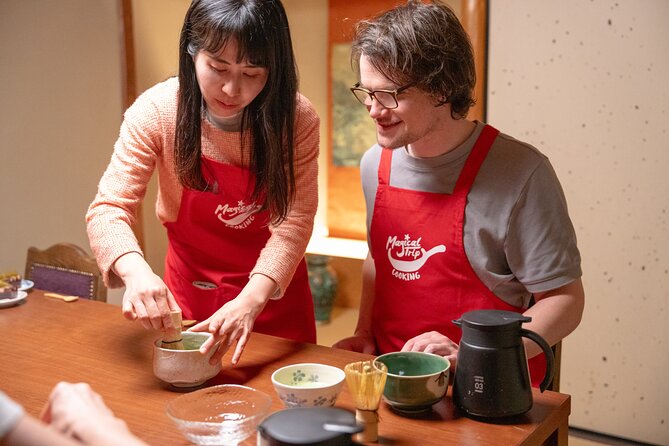
Here you whisk your own matcha, which is one of those skills that feels simple but teaches you something about texture and control. You also enjoy matcha with the traditional Japanese sweets you picked earlier at the sweets shop.
That loop matters. Because the sweets are already part of the plan, you get a real pairing moment instead of eating sweets as a random dessert. You are tasting the sweets as they are meant to be experienced, with tea as the companion.
If you like travel moments that feel quiet but still hands-on, this portion is a strong finish. It feels reflective without being boring.
Price and value: is $163.30 worth it?
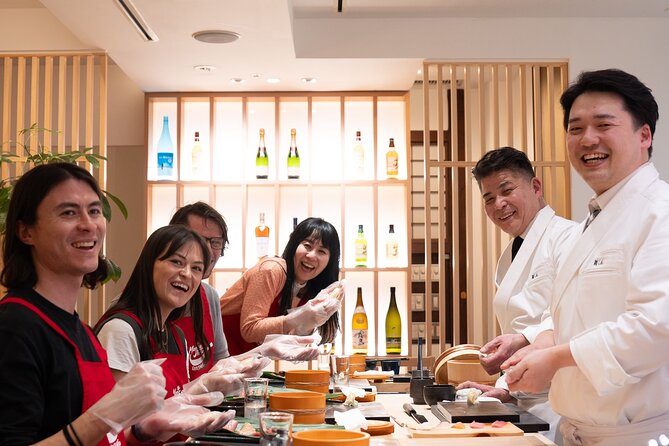
At $163.30 per person for about 3 hours 30 minutes, you are paying for more than a cooking demonstration. You are paying for guided practice with a professional sushi chef, plus an included meal experience with tempura, sake tastings, matcha, and Japanese sweets.
Here is how I think about value in classes like this:
- You get multiple skills in one sitting, not just nigiri, not just rolling.
- You eat what you make, so the food cost is part of the value.
- You get a guided sake session with pairing tips, which adds real learning.
- You get a capped group size, which often means better attention.
Compared with classes that focus on a single dish, this program justifies the price by giving you more completed items and more guided tasting moments. It is the type of experience where you leave with techniques you can repeat, not only photos.
Group size, timing, and meeting point details that affect your day
This experience runs for about 3 hours 30 minutes, starting at 3:30 pm. It ends back at the same meeting point, so you do not need to plan an awkward next transfer on top of the class.
The meeting point is Diesel604 Banochō, Nakagyo Ward, Kyoto, 604-8172, Japan. Since it is near public transportation, you should be able to slot it into your Kyoto routing without too much pain.
The maximum group size is 8 travelers. That limit is meaningful because it keeps the pacing smoother during hands-on practice and tastings. You are not stuck waiting while someone else gets attention.
Also, it is a mobile ticket. That is convenient for day-of arrival, especially when you are moving through Kyoto neighborhoods.
Who this Kyoto sushi experience is best for
This class suits foodies who want to learn technique, not just eat well. If you have always been curious about nigiri, rolling, sake, or matcha, the structure gives you multiple entry points.
Families are welcome, including kids 4+. The program is designed to reduce stress around tools, since the chef handles the sharp cutting. Your family can focus on shaping, rolling, and tasting rather than worrying about safety.
Solo travelers also do well here because the guide provides an English-speaking flow, and the small group setup makes it easier to ask questions without feeling lost.
If you already know sushi basics and want advanced knife work, this may not feel like a full technical workshop. But if your goal is to learn how to make real nigiri and rolls while eating a complete Japanese menu, it is a strong fit.
Practical tips so you get more from the class
Start with hunger. You are going to make multiple sushi pieces, eat tempura, and taste sake. Even if you snack earlier, keep space for the meal so you can enjoy everything properly.
Wear comfortable clothes and be ready to sit and work with your hands. Sushi shaping can be a little messier than you expect at first, even when everything is taught cleanly.
Come with curiosity, not perfection. Your first nigiri will be your first attempt, and the goal is to learn the method and improve as you go.
Finally, keep your questions simple and focused. Ask things like how to think about rice pressure or what makes a roll feel right. The flow of the class supports that kind of targeted learning.
Should you book this Kyoto sushi making experience?
I think you should book it if you want a real, guided sushi practice with a professional Taisho chef, plus a full Japanese food sequence that includes tempura, sake tastings, and matcha. The small group size and the hands-on shaping make it more satisfying than a watch-only cooking show.
Skip it if you are on a tight schedule and cannot spare a 3 hours 30 minutes block in the afternoon, or if you prefer a food experience without any sake tasting included.
If you do book, you are making a smart choice for an authentic Kyoto meal day, one where you leave knowing how sushi pieces come together, not just tasting them.
FAQ
How long is the Kyoto sushi making experience?
It runs for about 3 hours 30 minutes.
What time does the experience start?
The start time is 3:30 pm.
Where does the experience meet, and where does it end?
It meets at Diesel604 Banochō, Nakagyo Ward, Kyoto, 604-8172, Japan, and it ends back at the meeting point.
What is included in the course?
You make 9 nigiri and roll sushi, enjoy a tempura set, get two drinks, have sake tastings, whisk matcha, and enjoy Japanese sweets.
Is the class hands-on, or mostly watching?
It is hands-on. You learn to roll and shape sushi, and you make nigiri during the session. The chef handles the slicing.
How many people are in the group?
The group is capped at a maximum of 8 travelers.
Do I need to know any Japanese to join?
No. There is an English-speaking guide, so you do not need Japanese skills.
Is this experience suitable for families and kids?
Yes, families are welcome, including kids 4+.
Can I cancel for a full refund?
Yes, free cancellation is available. You can cancel up to 24 hours before the start time for a full refund.
New This Season
- Koyasan Day Trip by Private Car from Kyoto
- Old Port Town and Ultimate Sake Tasting Private Tour From Kyoto
- Kyoto’s Timeless Charm: 3hr Exploration of History and Peace
- Kyoto: 5 Types of Sushi Making
- Sacred Peak & Ancient Paths: Kurama-Kibune Hiking Experience
- Kyoto: Exclusive ZEN practice at Manpukuji temple in Uji
- Kyoto: Private Seasonal Aroma Yoga Class
- Traversing Kyoto’s Scenic West – Arashiyama to Kinkakuji
Sushi-Making Workshops, compared.
Sushi Making in Kyoto! Same-day bookings welcome!
Read our review →
The Original Small-Group Sushi Making Class in Kyoto
Read our review →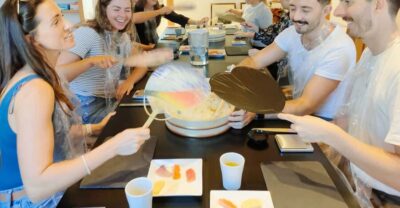
Sushi – Authentic Japanese Cooking Class – the best souvenir from Kyoto!
Read our review →
Private Kyoto Sushi Cooking Class & Tea Ceremony with Emika
Read our review →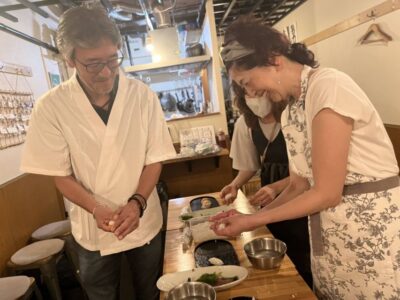
Enjoy Sushi & Market Tour! Best for Family & Couple!
Read our review →
Sushi or Traditional Japanese Cuisine in a Kyoto Home with Emika
Read our review →Also filed under