
Reviewed · GION GEISHA QUARTER WALKS
Kyoto Geisha Walking Tour: Gion District & Hidden Gems
Gion feels like a time machine. This Kyoto Geisha Walking Tour takes you through the Gion district at a calm, human pace, with chances to spot Geiko and Maiko heading to appointments and learn how geisha culture shaped Kyoto. I love how the guide connects what you see on the street to the bigger story behind the traditions.
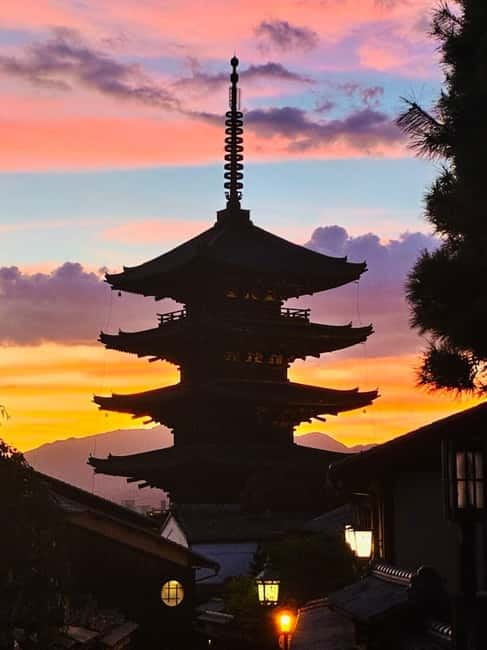
I also like the mix of famous and quieter stops, including Hokan-ji Pagoda and the peaceful feeling inside Kennin-ji Temple. One drawback to plan for: it is not suitable for mobility impairments or wheelchair users, and it is a walking tour with lots of moving time.
In This Review
- Key things you will notice on this Gion walk
- Why a Gion Geisha Walk Makes Sense for First-Time Kyoto Days
- Meeting Point Clarity, So You Do Not Waste Time Wandering
- The Geiko and Maiko Part: How to Spot Them Respectfully
- Hokan-ji Pagoda and Kennin-ji Temple: The Stops That Add Meaning
- Chion-in Temple: The One People Often Skip
- Machiya Townhouses, Teahouses, and the Gion Details You Miss Alone
- Lantern-Lit Gion: Timing That Changes the Mood
- Photo Stops and How Your Guide Improves Your Pictures
- The Guide Factor: Why This Tour Feels Personal
- Price, Value, and What $25 Actually Buys You
- Practical Tips for Making the Most of Your Walk
- How the Tour Recommendations Pay Off After You Leave Gion
- Should You Book This Kyoto Geisha Walking Tour?
- FAQ
- How long is the Kyoto Geisha Walking Tour?
- Where is the meeting point?
- What language is the tour guide?
- Is it possible to see geiko and maiko during the tour?
- What temples and landmarks are included?
- Is the tour suitable for wheelchair users or people with mobility impairments?
- What is the price, and can I cancel for a refund?
Key things you will notice on this Gion walk
- Geiko and Maiko sightings built into the route, timed around real neighborhood life in Gion
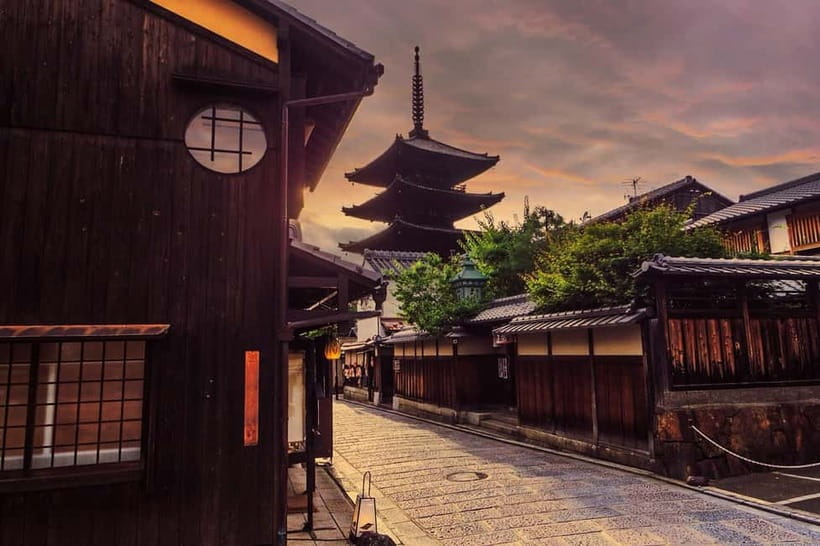
- Hidden corners and preserved machiya townhouses that you would likely miss on your own
- Temple stops that add context fast, including Kennin-ji (the oldest Zen temple in Kyoto)
- Chion-in Temple with national treasures on site, not a quick photo stop in passing
- Guide-led photo moments at off-the-beaten-path spots for better pictures without the guesswork
- Practical local recommendations after the tour, including restaurants, bars, shops, and more
Why a Gion Geisha Walk Makes Sense for First-Time Kyoto Days
If this is your first Kyoto visit, you want orientation fast. This tour gives you that, because it places geisha culture inside the actual streets where it lives, rather than treating it like a separate show you watch from a distance.
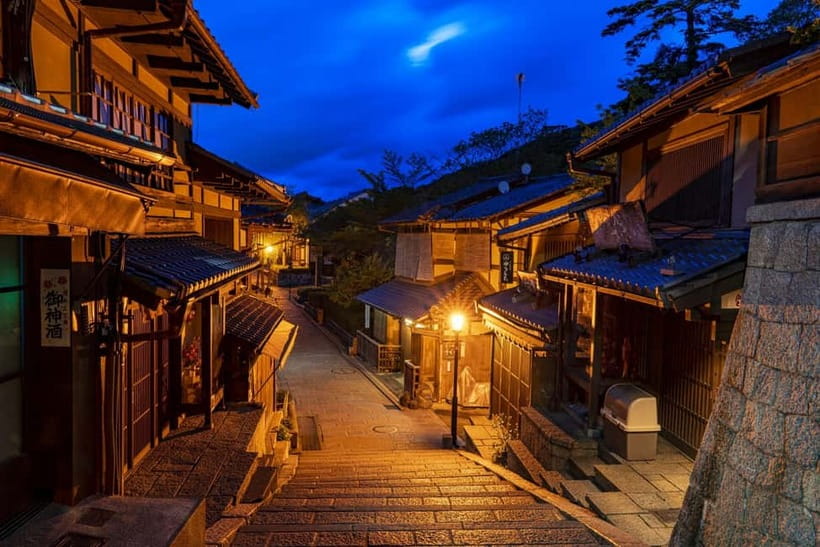
You get a 2-hour loop that focuses on Gion’s vibe: cobblestone lanes, teahouses, and the feeling that you’ve stepped into an older Kyoto layer. As evening comes on, the lantern-lit streets are where the atmosphere really clicks.
And yes, you’re there for the main spectacle, the chance to see Geiko and Maiko as they head to appointments. I like that the tour frames this as culture, not just a photo mission.
Meeting Point Clarity, So You Do Not Waste Time Wandering
The meeting point is on a side street next to Hotel Alza Kyoto. Look for the red parasol umbrellas with marble seats underneath, and you’ll spot your group quickly.
This matters more than it sounds. In Gion, a few wrong turns can cost you time, and on a short 2-hour tour, that time adds up fast. I suggest arriving a few minutes early so you can settle in without rushing.
Also, plan to wear shoes you feel good in. Even when the pace stays comfortable, Gion is still a walking district.
Lantern-lit streets of the geisha quarter
- Kyoto: Gion Magical Night Walking Tour with Geisha Trivia
★ 4.9 · 2,393 reviews - Kyoto: Gion Geisha District Walking Tour – Stories of Geisha
★ 4.7 · 2,187 reviews - Best of Kyoto: Gion, Geisha, Pagodas & Cobblestones
★ 4.9 · 2,058 reviews - Night Walk in Gion: Kyoto’s Geisha District
★ 4.5 · 2,003 reviews
The Geiko and Maiko Part: How to Spot Them Respectfully
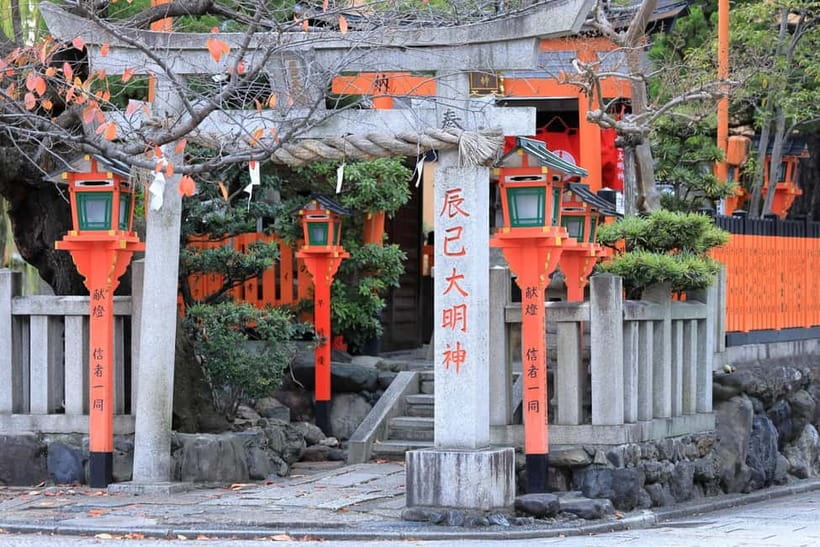
One of the biggest reasons this tour is so popular is simple: it gives you structured chances to see Geiko and Maiko going about their day. You’ll learn what you are looking at, where and why it shows up in Gion, and how appointments tie to the rhythm of the neighborhood.
A practical note I always give on street-watching tours: you do not control sightings. Even with the best timing, you might or might not see geiko and maiko in motion during your exact slot. The tour gives you opportunities, not a guarantee.
What you can control is your behavior. Keep your distance, stay quiet, and let the guide lead where to look and when. You’ll get better moments, and you’ll do it the right way.
Hokan-ji Pagoda and Kennin-ji Temple: The Stops That Add Meaning
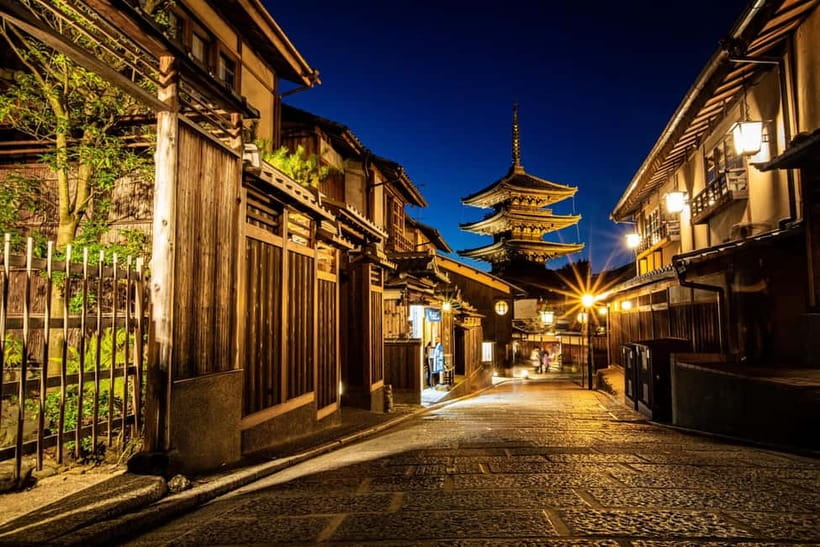
You are not just strolling past scenery. The route is built around landmarks that help you read Gion like a story.
Hokan-ji Pagoda is called out as a symbol of Kyoto’s cultural heritage. Even if you only catch it for a minute or two, it gives you a visual anchor, a point your brain can use to place the neighborhood’s identity.
Then comes Kennin-ji Temple, described as the oldest Zen temple in the city. That detail matters because it shifts your experience. Instead of treating Gion as only teahouses and photo streets, you also understand how temples and tradition shaped Kyoto’s public life.
Inside stops like this, I like the effect a good guide creates. You don’t just see buildings, you get the sense of why these places exist and what they mean in Kyoto today.
Chion-in Temple: The One People Often Skip
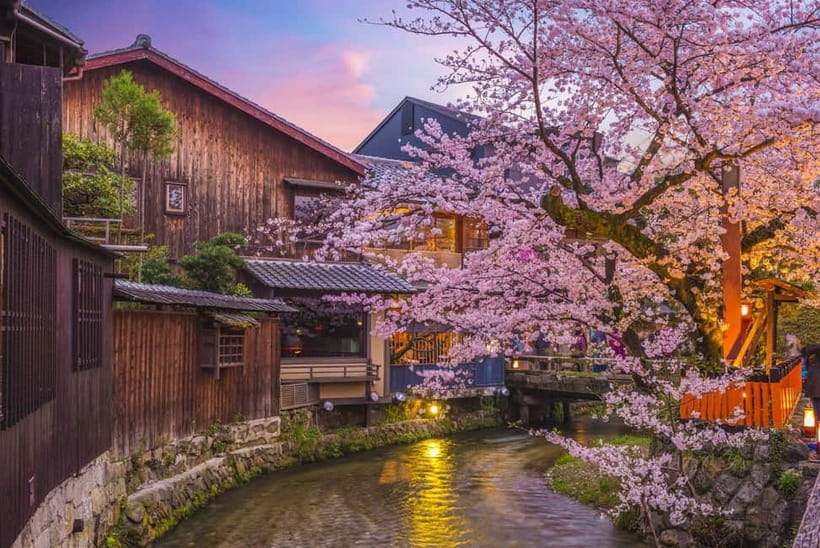
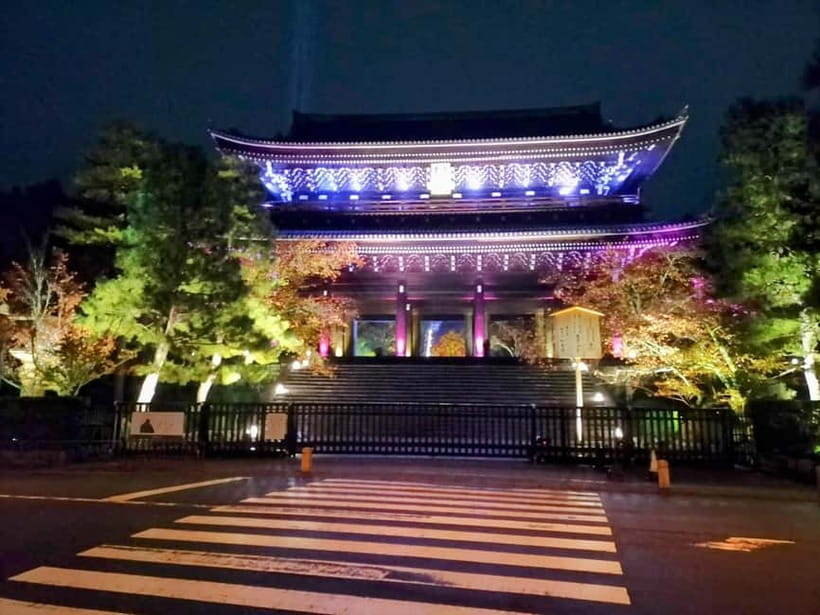
The tour also includes Chion In Temple, presented as an often overlooked hidden gem, with three designated national treasures within the large temple grounds. That alone is reason to take this walk with a guide, because you might not know where to focus once you arrive.
The way this stop is described emphasizes space and scenery, not just ticking off a landmark. In practice, that means you get time for atmosphere, and time for the guide to point out what is worth noticing.
If you like your Kyoto days balanced, this is one of the better add-ons. You get a “wow” factor that still feels grounded in history and place.
Machiya Townhouses, Teahouses, and the Gion Details You Miss Alone
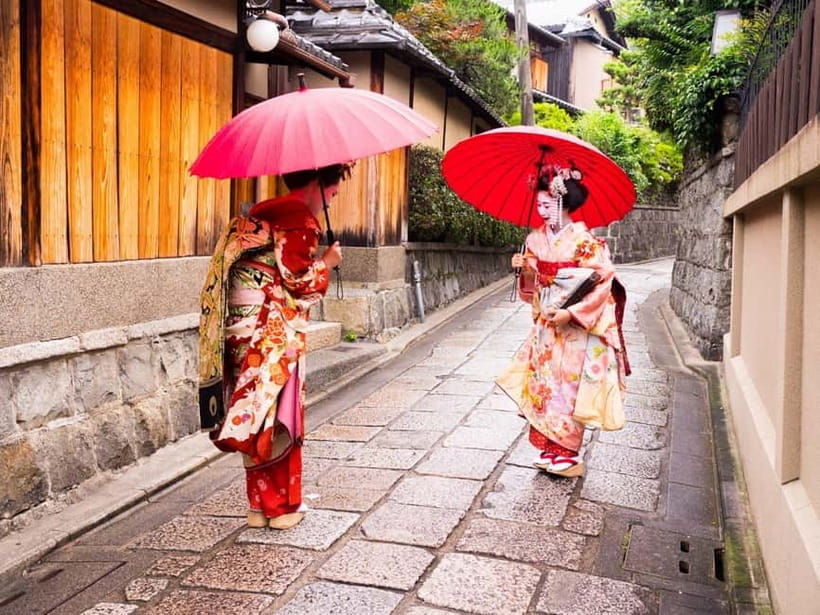
Some of the best value in a guided walk comes from tiny street-level understanding. This tour leans hard into that.
Along the way, you’ll see preserved machiya townhouses and pass charming tea house areas. You’ll also learn about the way private performances work, including that geisha made exclusive private performances for wealthy clientele. The point is not to hunt for a show. It’s to understand why these buildings, lanes, and teahouse traditions fit together.
You’ll also notice the shopping side of Gion without turning it into a mall run. The walk includes boutique-style souvenir shops, which is a nice change from the usual “same-store-everywhere” feeling.
And because the tour includes off-the-beaten-path photo moments, you’re more likely to come home with images that look like you found them, not like you followed the same crowd route.
A quieter way to spend a day in Kyoto




Lantern-Lit Gion: Timing That Changes the Mood
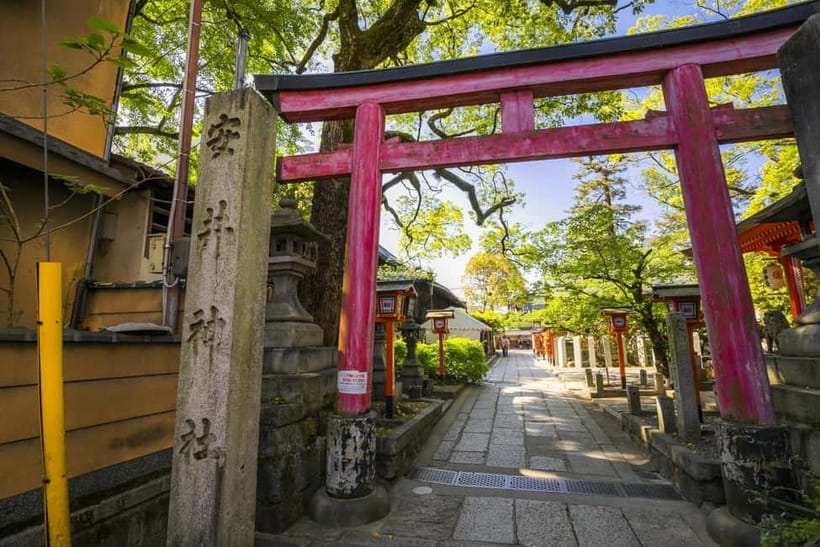
Gion changes as the light fades. Toward the end of the tour, it becomes a different place, with streets described as lantern-lit and more magical.
If you have a choice in your schedule, I’d think about what you want from Kyoto that day. Want atmosphere and mood, pick a time that lets you catch that shift. Want fewer crowds and a calmer feel, choose earlier slots if they’re available.
Either way, the tour does a good job of treating the neighborhood as a living space, not a museum hallway.
Photo Stops and How Your Guide Improves Your Pictures
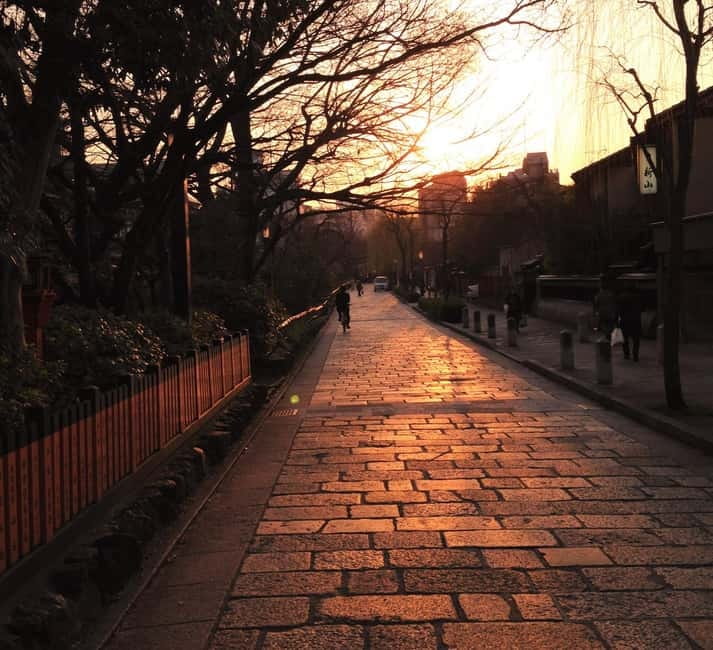
The tour promises that you’ll leave with stunning photos, and it specifically sets aside opportunities to take pictures at off-the-beaten path spots.
In my experience, the difference between decent and great travel photos is often one thing: knowing where to stand and what angle makes the street look deeper. Your guide’s role here is practical. They point you toward spots that work, then you’re free to enjoy the moment instead of scrambling with your phone.
If you care about photography, this is a big part of the value. A free-standing temple ticket gets you one type of photo. A guided street route gets you context and composition together.
The Guide Factor: Why This Tour Feels Personal
The reviews put a clear spotlight on one thing: the guides bring the stories to life in a way that is easy to follow.
Names that show up again and again include Michael (mentioned most often), and also Yuri, Anton, and Ikuro. Different guides, same pattern: friendly, engaging, and strong on explaining history and cultural significance in plain language.
I also like that the pace is described as comfortable and not rushed. On a walk like this, rushing kills the whole point. You want time to see doorways, absorb the setting, and ask questions when they come up.
One more pattern I noticed in the feedback: when group size is small, the tour can feel more tailored. That can mean you get answers to your specific interests instead of a one-size-fits-all lecture.
Price, Value, and What $25 Actually Buys You
At $25 per person for 2 hours, this is priced like a budget-friendly orientation walk. You’re not paying for a museum ticket. You’re paying for guided direction, storytelling, and access to a route that ties together Gion streets, multiple temple stops, and practical recommendations.
Here is what makes that price feel fair:
- You cover several meaningful locations in one go
- Your guide helps you understand what you are seeing, not just where to stand
- You get help with what to do next in Kyoto, including food and shopping ideas
If you like DIY exploring, you could try piecing this together yourself. But you’d lose two things: the cultural context and the “what should I do next” clarity.
For many people, that clarity is worth more than the sightseeing itself.
Practical Tips for Making the Most of Your Walk
This tour is designed for strolling, and the terrain can be uneven. If you have any mobility limitations, it is explicitly not suitable for wheelchair users. Even for fully mobile travelers, I’d plan for plenty of time on your feet.
Weather matters too. One review mentions it can get freezing cold, which tells me you should dress for winter or early evenings depending on the season. Bring layers and plan for wind, especially when evening brings you deeper into lantern-lit lanes.
Finally, if you care about seeing geiko and maiko, keep your expectations realistic. Go for respect, timing, and the opportunity your guide creates. That mindset makes the experience better even if you do not catch a perfect sighting.
How the Tour Recommendations Pay Off After You Leave Gion
Near the end, the guide shares a full list of tried-and-trusted recommendations, including restaurants, bars, shops, and places to visit for the rest of your trip.
This is not just a generic handout. In reviews, people highlight how helpful the tips feel for the rest of their stay, especially for food planning. I like this approach because it turns the tour into a starting point, not a standalone activity.
A simple strategy: do this tour earlier in your Kyoto days. You’ll be better set up to choose where to eat, where to wander next, and which sights actually fit your travel rhythm.
Should You Book This Kyoto Geisha Walking Tour?
Book it if you want a smart, street-level introduction to Gion that connects geisha culture to the actual places you see: cobblestones, teahouses, machiya townhouses, and temple grounds.
I’d skip it or think twice if you need wheelchair access or have limited mobility, since the tour is not suitable for wheelchair users. I’d also weigh the tour if you hate walking or need lots of seating breaks, since it is built as a walking experience.
If you do book, wear comfortable shoes, keep your tone respectful for street sightings, and use the guide’s final recommendations right away. This is one of those tours where the real win is not only the sights, it is the way you understand Kyoto for the rest of the trip.
FAQ
How long is the Kyoto Geisha Walking Tour?
The tour lasts 2 hours.
Where is the meeting point?
Meet on a side street next to Hotel Alza Kyoto. Look for the red parasol umbrellas with marble seats underneath.
What language is the tour guide?
The tour is led by a live guide in English.
Is it possible to see geiko and maiko during the tour?
The tour offers an opportunity to spot Geiko and Maiko as they make their way to appointments, though sightings can still depend on what is happening that day.
What temples and landmarks are included?
The walk includes stops such as Hokan-ji Pagoda, Kennin-ji Temple (the oldest Zen temple in Kyoto), and Chion In Temple (with three designated national treasures).
Is the tour suitable for wheelchair users or people with mobility impairments?
No. It is not suitable for people with mobility impairments, including wheelchair users.
What is the price, and can I cancel for a refund?
The price is $25 per person. Free cancellation is available up to 24 hours in advance for a full refund.
New This Season
- Koyasan Day Trip by Private Car from Kyoto
- Old Port Town and Ultimate Sake Tasting Private Tour From Kyoto
- Kyoto’s Timeless Charm: 3hr Exploration of History and Peace
- Kyoto: 5 Types of Sushi Making
- Sacred Peak & Ancient Paths: Kurama-Kibune Hiking Experience
- Kyoto: Exclusive ZEN practice at Manpukuji temple in Uji
- Kyoto: Private Seasonal Aroma Yoga Class
- Traversing Kyoto’s Scenic West – Arashiyama to Kinkakuji
Gion Geisha Quarter Walks, compared.
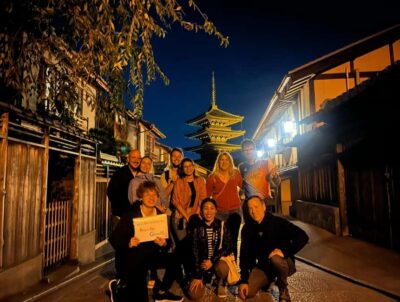
Gion Magical Night Walking Tour with Geisha Trivia
Read our review →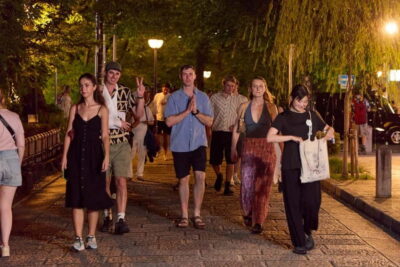
Gion Geisha District Walking Tour – Stories of Geisha
Read our review →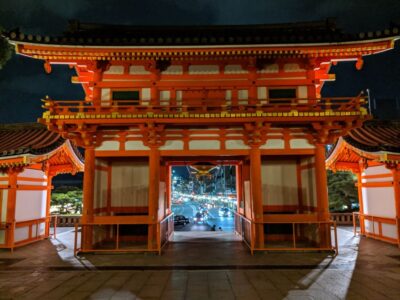
Best of Kyoto: Gion, Geisha, Pagodas & Cobblestones
Read our review →

Kyoto Night Foodie Tour in Gion (9+ dishes + 6 Sake tastings)
Read our review →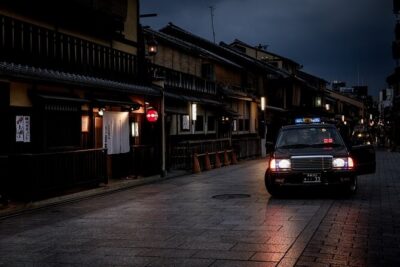
Kyoto Gion Geisha District Walking Tour – The Stories of Geisha
Read our review →
Kyoto Gion: 2-Hour Geisha Culture & History Walking Tour
Read our review →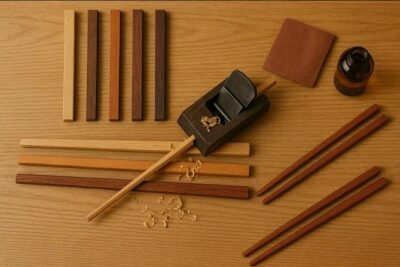
Chopsticks Making Workshop in Gion with Engraving Option
Read our review →Also filed under