
Reviewed · WORKSHOPS
Kyoto: Private Seasonal Aroma Yoga Class
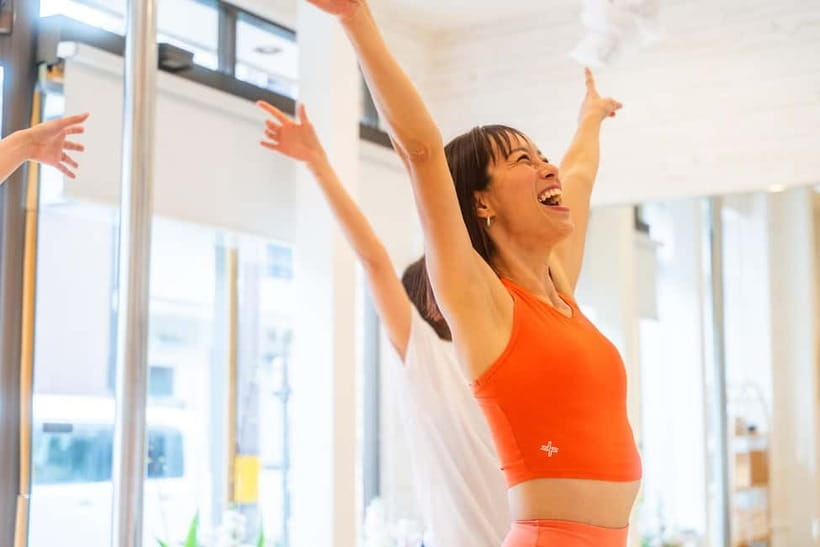
Kyoto has a way of slowing your day down, fast. This private yoga session pairs seasonal aroma with floor yoga, then adds Traditional Chinese Medicine (TCM) so your breathing has a reason.
I like the gentle, calming logic of using scent to support your nervous system and help you settle into the practice. I also like that the instructor teaches in clear English, which makes the whole TCM part easier to follow.
One consideration: the class uses essential oils, and it is not suitable if you have respiratory issues or sensitivity to smells.
In This Review
- What You Actually Do In This Kyoto Aroma Yoga (One Hour, Private, Floor-Based)
- Key Points I’d Plan Around Before You Go
- Finding Sunny You Yoga Studio Near Omuro-Ninnaji
- Inside The 1-Hour Aroma Yoga Session: What the Flow Feels Like
- Seasonal Essential Oils: Why The Scent Matters (And When It Won’t)
- The TCM Part: Five Organs, Emotions, and Breathing With a Purpose
- Autumn Example: Lung-Focused Breathing and Chest Opening
- Philosophy Moment: Tenjin Gōitsu and Kyoto’s Slow Rhythm
- Who This Is For (And Who Should Skip It)
- Price and Value: Is $61 Reasonable for 1 Hour?
- Practical Tips So You Feel Good During the Class
- What I Like Most, Based on the Real Feedback You’ll Care About
- Should You Book Kyoto: Private Seasonal Aroma Yoga Class?
- FAQ
- How long is the Kyoto private seasonal aroma yoga class?
- Where is the meeting point?
- Is the class private or group-based?
- Is the instruction available in English?
- What is included in the session?
- What should I bring?
- Are strong fragrances allowed?
- Is this class suitable for people with respiratory issues?
- Is there a cancellation option?
What You Actually Do In This Kyoto Aroma Yoga (One Hour, Private, Floor-Based)
This is a simple idea executed carefully: you get a 1-hour yoga session on the floor, guided by an instructor, with seasonal essential oils added for scent and mood support. The practice is designed around breathing and mindful movement, with the aromatics intended to help your body shift toward relaxation and focus.
Because it is private, the pace can match you. You are not fighting for space with a big group, and you can ask questions about what you are feeling without the awkward, rushed vibe that sometimes shows up in group classes. The setting is also small and studio-like, not a big event.
The TCM layer is what makes it more than a regular stretch-and-breathe. Instead of yoga being only about muscles, you get a framework tied to the changing seasons and the Five Organs: liver, heart, spleen, lungs, and kidneys. In TCM thinking, those organs connect to emotions and seasonal discomforts, so your practice becomes seasonal support, not random movement.
Key Points I’d Plan Around Before You Go
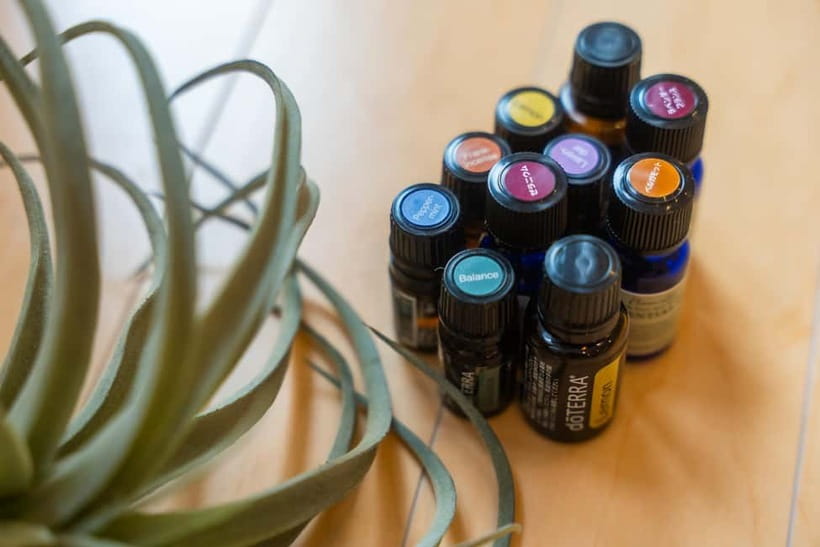
- Seasonal essential oils are part of the session, not an optional add-on.
- TCM Five Organs connects yoga poses and breathing to spring, summer, autumn, and winter themes.
- Floor yoga keeps things grounded, which often feels easier than standing balance work.
- English instruction is a big strength, so the TCM explanations land clearly.
- The philosophy of Tenjin Gōitsu (unity of nature and humans) gives the whole practice a coherent theme.
Finding Sunny You Yoga Studio Near Omuro-Ninnaji
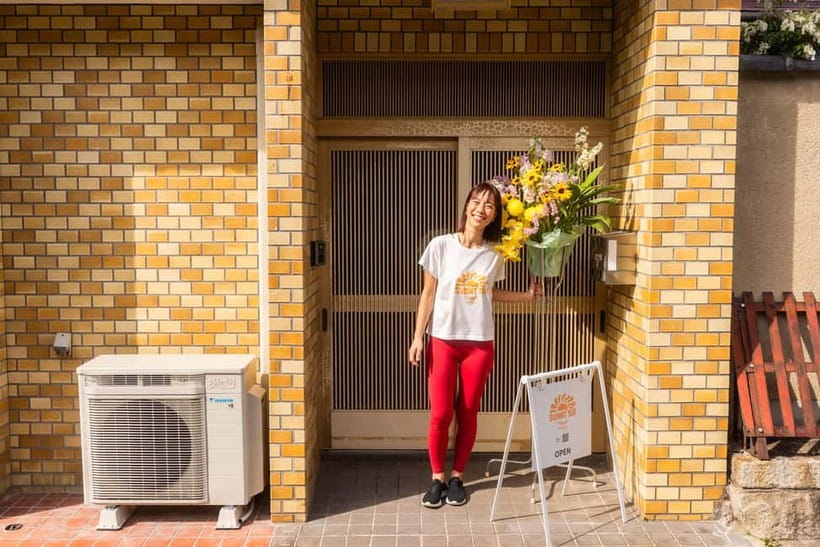
The meeting point is easy to spot once you know what to look for. It is a small yoga studio with a yellow brick-style exterior, and the sign out front reads Sunny You Yoga Studio.
Location-wise, you are looking at a short walk:
- About a 3-minute walk from Randen Omuro-Ninnaji Station
- About a 5-minute walk from the City Bus Omuro-Ninnaji stop
If you are using a taxi, do not expect to linger at the curb. The street in front of the studio is one-way, so you’ll want to hop out quickly in front of the studio and walk the last steps.
This matters because timing is everything with a 1-hour experience. You do not want to arrive flustered, especially with a class that’s built around slow breathing.
A quieter way to spend a day in Kyoto
- Kyoto: 45-Minute Tea Ceremony Lesson Experience
★ 4.3 · 2,378 reviews - Ramen Cooking Class at Ramen Factory in Kyoto
★ 5.0 · 1,937 reviews - Kyoto : Chopsticks Making Workshop in Gion with Engraving Option
★ 5.0 · 958 reviews - Kyoto: Samurai Sword Class by Experts in Traditional Arts
★ 4.9 · 657 reviews
Inside The 1-Hour Aroma Yoga Session: What the Flow Feels Like

You should expect a guided floor-based yoga flow with an aromatherapy component. The session is structured so your breathing stays comfortable and your movements stay mindful, not athletic.
Here is the practical rhythm you are likely to experience:
- Settle in and breathe while the essential oils are present.
- Move through floor yoga postures that match a seasonal theme.
- Use slow, deep breathing as part of the healing logic, not as an afterthought.
- Finish with a calmer moment so you leave feeling reset, not wired.
The aromatherapy goal is nervous system support. The idea is that scent can help you relax and concentrate, and that it may even support immune function. That last part is presented as part of the aromatherapy intention, so I’d treat it as a gentle wellness boost rather than a medical promise.
If you tend to hold tension in your shoulders or ribs, floor yoga is often a relief. You can focus on breath mechanics, rib expansion, and posture without constantly worrying about balance.
Seasonal Essential Oils: Why The Scent Matters (And When It Won’t)

The oils are seasonal, which is key. Instead of smelling the same thing all year, you get an aroma theme tied to the time of year. The experience also mentions support for seasonal discomforts like hay fever, fatigue from summer heat, or sensitivity to cold.
You may use Sweet Orange, described as having a fresh, uplifting scent that clears away heaviness and brings brightness, especially during cooler seasons. Citrus scents often make it easier to feel awake and clear, even if your body starts off a bit sluggish.
Two important notes for your comfort:
- The class does not allow strong fragrances. That is because multiple scents at once can mess with your breathing and the overall effect.
- If you are scent-sensitive, treat this as a real variable. You are bringing your nose into the practice.
Also, because this is aromatherapy, the studio environment matters. Go in calm, breathe through your nose if you can, and tell the instructor if anything feels too intense. The class is built around being gentle.
The TCM Part: Five Organs, Emotions, and Breathing With a Purpose

This is the most different piece of the whole experience. Traditional Chinese Medicine frames the body through the “Five Organs”: liver, heart, spleen, lungs, and kidneys. Each season influences different organs and emotions, so your yoga session targets a seasonal body state.
The seasons connect like this in the TCM logic:
- Spring relates to the liver, often linked with irritability
- Summer relates to the heart, linked with joy
- Autumn relates to the lungs, linked with sadness
- Winter relates to the kidneys, linked with fear
Instead of trying to force emotions to change, the practice uses yoga and breathing to support balance. The session encourages you to feel your breath more fully and to move in ways that match the seasonal theme.
Why this is valuable for you:
- It gives your practice a storyline, which makes it easier to stay present.
- It can help you notice what your body is already doing seasonally, like shallow breathing, tightness, or heaviness.
- It turns yoga from a generic workout into something more personal and reflective.
And since it is taught in English, you are not left guessing what the instructor means by the organ-breath connection.
Autumn Example: Lung-Focused Breathing and Chest Opening

The experience specifically gives an example of what might happen in autumn. In that season, the focus is on the lungs and large intestine, which are deeply linked with breathing, immunity, and sadness in the TCM framework.
The recommended approach includes yoga poses that open the chest and invite deeper breathing. That is not random. In practice terms, chest-opening work can help you:
- feel less constricted when you inhale
- get better rib expansion
- notice how your breath changes your mood
From a wellness perspective, that makes sense. When your breath gets deeper, your body often relaxes. When your breath stays shallow, stress cues tend to hang around. The TCM lens just adds a seasonal, organ-based explanation to that same basic physiology.
So if autumn in Kyoto has you feeling a bit heavy or you notice your breathing getting tighter, this is the kind of session that might help you regain space in your body.
A day of temples goes further with something to break it up.
Philosophy Moment: Tenjin Gōitsu and Kyoto’s Slow Rhythm
Beyond technique, the class is rooted in an Eastern philosophy called Tenjin Gōitsu, the unity of nature and humans. The theme is that you are part of nature, and your wellbeing improves when your body and habits align with the natural rhythm around you.
That matters on a trip. Kyoto can be intense even when it looks calm. You walk, you plan, you take photos, you squeeze in temples, and your body becomes a logistics machine. A practice like this asks you to stop running your day long enough to feel what your body needs right now.
It is also why the class is seasonal. Your experience changes with the time of year, which is a good reminder that wellness is not one-size-fits-all.
Who This Is For (And Who Should Skip It)
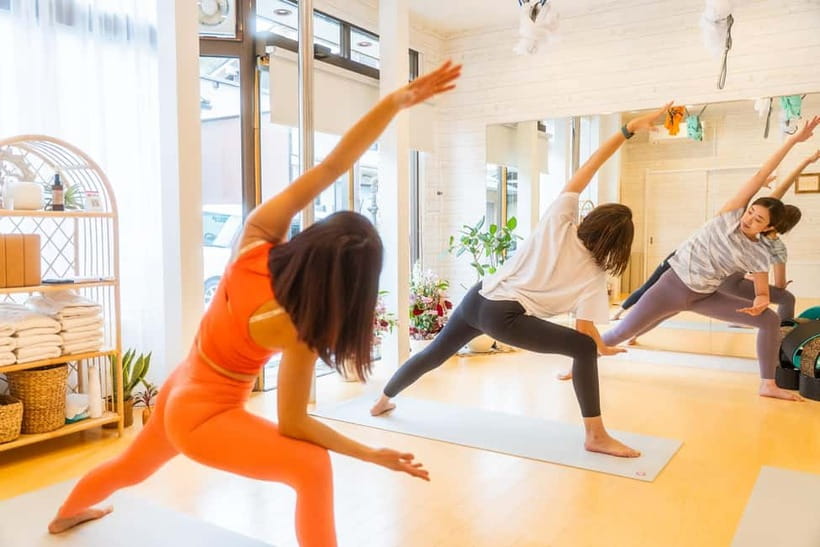
This experience is a strong match if you want something restorative and different from the typical sightseeing routine. It is especially good if:
- you like calm, breath-centered practices
- you are curious about TCM ideas like the Five Organs and seasonal emotions
- you prefer a private setting where you can move at your pace
- you want aromatherapy integrated with yoga, not separate
It may not be the right choice if:
- you have respiratory issues, since the experience is not suitable for that
- you are strongly sensitive to smells
- you want a high-intensity workout
Also, because it’s floor yoga, bring comfortable flexibility expectations. You do not need to be a contortionist. The goal is mindful movement, not showing off range of motion.
Price and Value: Is $61 Reasonable for 1 Hour?
At $61 per person for a 1-hour private session, you are paying for more than yoga. You are paying for:
- a private, English-guided instructor
- seasonal essential oils included in the experience
- the TCM teaching component (Five Organs, season-emotion mapping)
- a floor-based practice that focuses on breath and nervous system support
Is it a budget activity? Not really. But for what you get, it can be good value, especially compared with doing yoga on your own in a foreign language setting and trying to piece together the TCM logic yourself.
If you are traveling with a small private group, the value can feel even better because you share the private instructor time. If you are solo, it is still reasonable if you see it as a reset during a busy Kyoto schedule.
Practical Tips So You Feel Good During the Class
Bring water. Wear comfortable clothes you can move in comfortably on the floor. You do not need special gear listed beyond that.
Also keep these in mind:
- Avoid strong fragrances beforehand. The session does not allow them, and it helps everyone breathe easier.
- Arrive a little early so you can settle and breathe before the oils and movements begin.
- If you know you get hay fever or seasonal congestion, come prepared to breathe comfortably. The class is designed to ease seasonal discomforts, but your personal comfort comes first.
- Treat it as a quiet activity. The most benefit usually comes when you do not race into it with a tight schedule.
What I Like Most, Based on the Real Feedback You’ll Care About
One verified review highlighted the instructor as very good and noted excellent English. That is a big deal here, because the class includes TCM explanations that you will actually want to understand.
If the teaching is clear, you can focus on the practice instead of mentally translating everything. That’s how this type of class becomes more than a novelty. It becomes a real wellness session you can connect to your own body.
Should You Book Kyoto: Private Seasonal Aroma Yoga Class?
Book it if you want a calm, sensory reset that connects yoga to the seasons through TCM and aromatherapy. It’s ideal for travelers who feel tired from walking, stress from planning, or seasonal discomfort creeping in, and who would enjoy breathing work on the floor in a private setting.
Skip it if you have respiratory issues or strong scent sensitivity, or if you want a sweaty, cardio-style workout.
If you like thoughtful wellness and you want something genuinely Kyoto, this is the kind of class that can make your day feel slower and more personal, not just longer.
FAQ
How long is the Kyoto private seasonal aroma yoga class?
It lasts 1 hour.
Where is the meeting point?
The meeting point is a small yoga studio called Sunny You Yoga Studio, with a yellow brick-style exterior.
Is the class private or group-based?
It is a private group.
Is the instruction available in English?
Yes, the instructor speaks English.
What is included in the session?
You get seasonal essential oils, a floor yoga session, and guidance on Traditional Chinese Medicine principles.
What should I bring?
Bring water and wear comfortable clothes.
Are strong fragrances allowed?
No, strong fragrances are not allowed.
Is this class suitable for people with respiratory issues?
No, it is not suitable for people with respiratory issues.
Is there a cancellation option?
Yes, you can cancel up to 24 hours in advance for a full refund.
New This Season
- Koyasan Day Trip by Private Car from Kyoto
- Old Port Town and Ultimate Sake Tasting Private Tour From Kyoto
- Kyoto’s Timeless Charm: 3hr Exploration of History and Peace
- Kyoto: 5 Types of Sushi Making
- Sacred Peak & Ancient Paths: Kurama-Kibune Hiking Experience
- Kyoto: Exclusive ZEN practice at Manpukuji temple in Uji
- Traversing Kyoto’s Scenic West – Arashiyama to Kinkakuji
- From Kyoto:Day Tour to Kifune Shrine+Kuruma+Sanzen-in Temple
Workshops, compared.
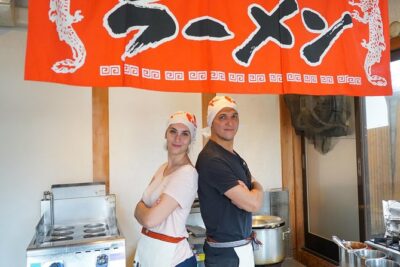
Ramen Cooking Class at Ramen Factory in Kyoto
Read our review →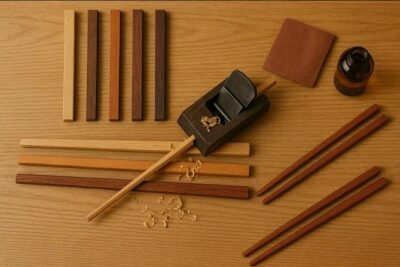
Chopsticks Making Workshop in Gion with Engraving Option
Read our review →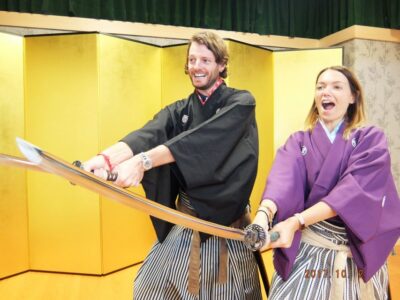
Samurai Sword Class by Experts in Traditional Arts
Read our review →
Ramen Cooking Class at a Ramen Factory with Souvenir
Read our review →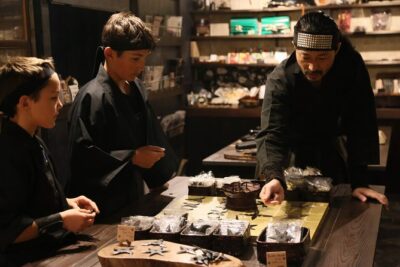
Ninja 1-hour Hands-on Lesson by Japanese master in Kyoto -Entry
Read our review →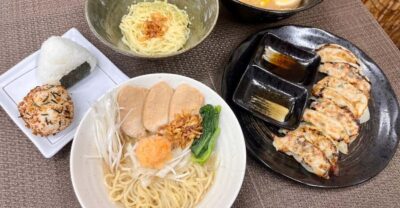
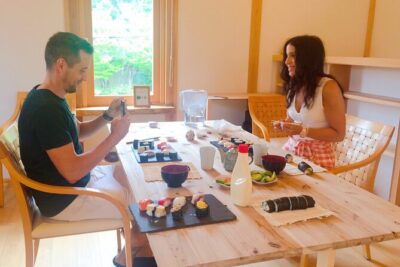
The Original Small-Group Sushi Making Class in Kyoto
Read our review →Also filed under