
Reviewed · COOKING CLASSES
Kyoto: Ramen Cooking Class at a Ramen Factory with Souvenir
Ramen school, not a cookbook. This Kyoto Ramen Factory class is interesting because you make noodles from flour and then customize the bowl with miso, salt, and soy flavors while learning the behind-the-scenes process that makes ramen taste so layered. I especially love that the class is hands-on all the way from dough work to the final bowl you eat. I also like that you leave with the full recipe sent by email, not just a memory. One consideration: drinks are not included, so you may want to plan ahead if you get thirsty.
Logistics are pretty simple once you know what to look for: the meeting point is a short walk from Demachiyanagi (Keihan-line), and the classroom is in the basement. The course runs 90 minutes, led by an English and Japanese instructor, and it is built for beginners, not just food pros.
This isn’t a long excursion or a maze of stops. It’s a focused, single-location workshop where you do the real ramen steps: season chicken, make noodles, choose your soup base and oils, build your toppings, then sit down to enjoy what you made.
In This Review
- Key Things I’d Prioritize in This Kyoto Ramen Class
- Why This Kyoto Ramen Factory Class Feels Different
- Finding the Basement Room Near Demachiyanagi Station
- The 90-Minute Flow: From Chicken Seasoning to Your Final Bowl
- Welcome setup, video overview, and your prep station
- Flavoring the chicken, then starting the noodle work
- Choosing your soup base, oils, and sauce combo
- Assembling toppings, egg, and condiments your way
- Customization Made Simple: Miso, Salt, and Soy in One Class
- What You’ll Take Home: Emailed Recipe and a Souvenir Choice
- Price and Value: What $127 Buys in Real Ramen Skill
- Who This Class Is Best For (And Who Should Think Twice)
- Should You Book This Kyoto Ramen Cooking Class?
- FAQ
- What is the duration of the Kyoto ramen cooking class?
- Where is the meeting point?
- What does the class include?
- Are drinks included?
- Will I get a recipe to cook ramen at home?
- What languages are used by the instructor?
- Can I request a dietary option?
- Is there a cancellation policy?
- Will I be photographed or filmed during the class?
Key Things I’d Prioritize in This Kyoto Ramen Class
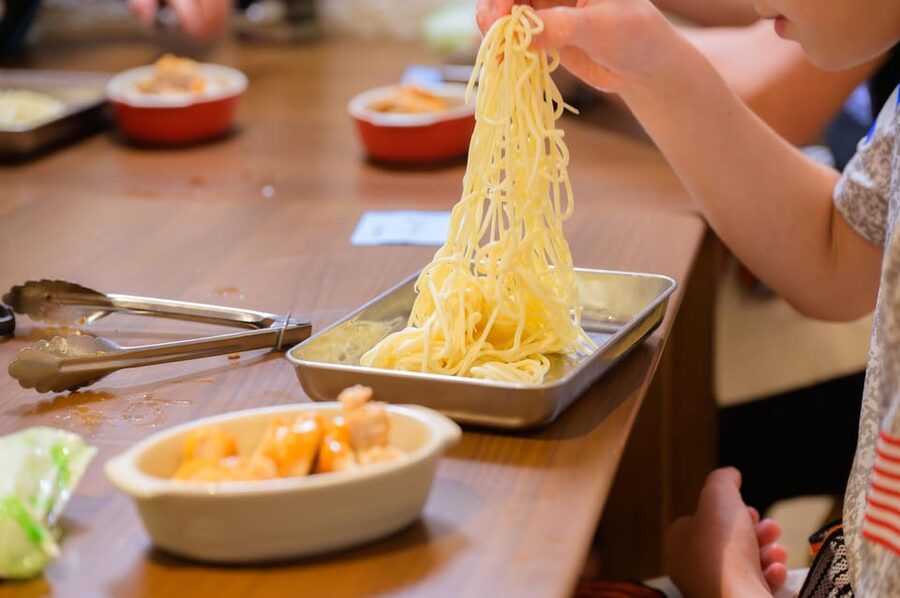
- Noodles made from flour instead of starting with pre-made strands
- Sauce mixing with miso, salt, and soy as part of your own bowl
- A full recipe emailed to you for cooking again at home
- Soup base and oil choices so your ramen is actually personalized
- A 90-minute chef course that feels like a real skill-building workshop
- A souvenir selection included after you finish your bowl
Why This Kyoto Ramen Factory Class Feels Different
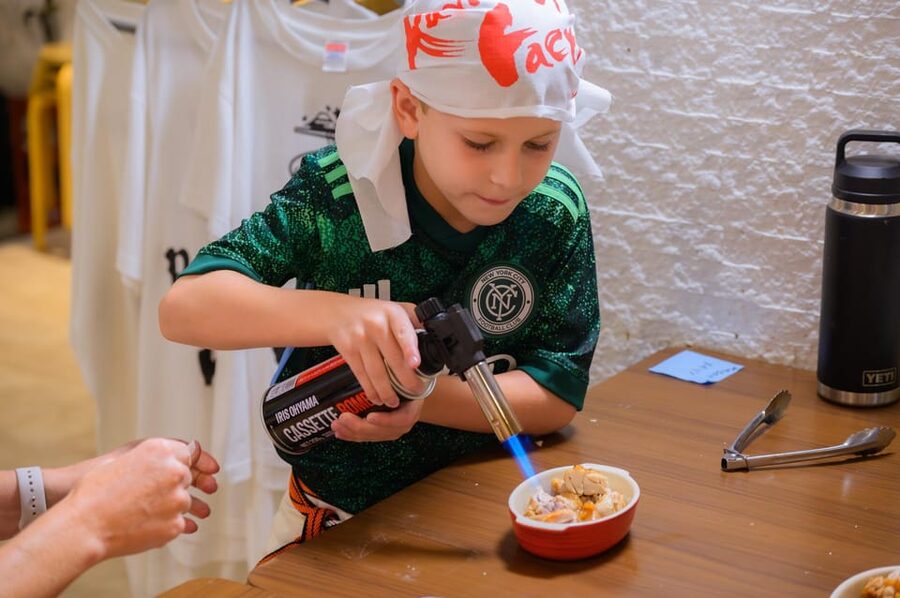
If you’ve eaten your way through Kyoto already, this class gives you a different payoff: you go from ramen fan to ramen maker. The format matters. You’re not just watching someone else cook. You are doing the dough work, mixing flavors, and assembling a bowl that reflects your own taste.
I also like that the teaching emphasizes small but important decisions. For example, you get to pick a soup and sauce combination, plus you choose the oils that finish the bowl. Those choices are exactly the kind of detail that gets lost when you only eat ramen in restaurants. Here, you get to taste how different elements change the final result.
The other thing that makes this class feel worth it is the structure. The 90-minute time window is long enough to go step by step, but short enough that you can still fit it into a day of temples and gardens. If you want a fun break that fills you up without turning into a whole travel saga, this hits the sweet spot.
Finding the Basement Room Near Demachiyanagi Station
This is one of those activities that’s easy once you arrive, and annoying only once if you trust the wrong entrance. Your meeting point is about a five-minute walk from Demachiyanagi Station on the Keihan-line. From there, you head to the basement level.
Here’s the practical part I’d plan for: when you get there, take the staircase to the right of the supermarket, then go down to the basement floor. Some first-timers note that the entrance can be different from what map apps show, so I’d recommend using the “stairs right of the supermarket” instruction as your anchor.
Also, remember this is a basement setting. That means you’ll want comfortable shoes for stairs, and you might want to arrive a few minutes early so you can settle in before class starts.
More bowls worth the wait
- Ramen Cooking Class at Ramen Factory in Kyoto
★ 5.0 · 1,937 reviews - Kyoto: Ramen, Gyoza, and Onigiri Cooking Class
★ 5.0 · 445 reviews - Kyoto Ramen and Gyoza Cooking Class with Professional Chefs
★ 5.0 · 282 reviews - Home style Ramen and Homemade Gyoza in Kyoto
★ 5.0 · 152 reviews
The 90-Minute Flow: From Chicken Seasoning to Your Final Bowl
The class is built around a clear sequence, and that’s a big reason it works for beginners. You’ll move through each stage, and the instructors guide you in English and Japanese.
Welcome setup, video overview, and your prep station
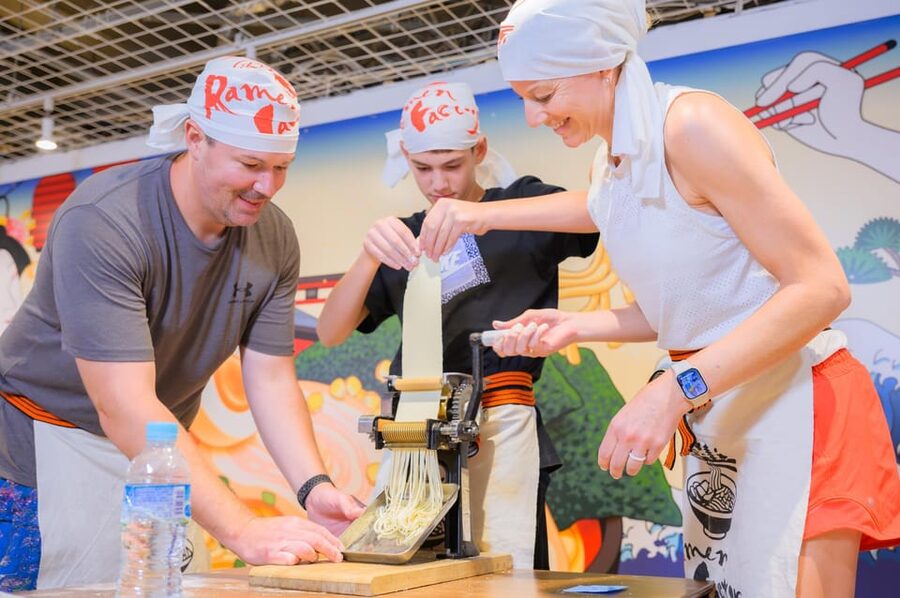
You start by wearing the ramen apron and headscarf. There’s also an overview video about the process, which is helpful if you are new to ramen terminology. Then you move into the hands-on part with a workstation setup that keeps things efficient.
Flavoring the chicken, then starting the noodle work
One of the early steps is seasoning the chicken with provided seasonings. After that, you shift focus to the noodles.
The noodle part is the star of the show. You learn the meticulous process, including folding the noodle dough over 100 times. That detail matters because it’s not just busywork. It’s part of how the dough develops the right texture so the final noodles feel springy and pleasant rather than flat.
Then you get hands-on with the mechanical steps: mix, punch, knead, drain, and shake. The class walks you through the progression from flour to dough to finished noodles, and you finish this stage while still having time to build your bowl.
Choosing your soup base, oils, and sauce combo
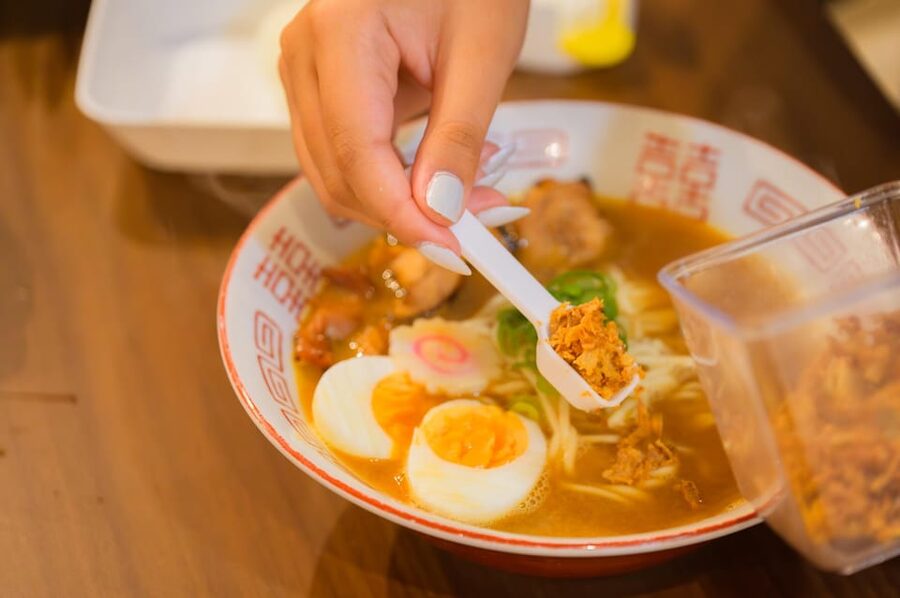
Next comes the flavor customization. You choose the soup base and oils, and you also choose a ramen sauce combination for your bowl. A highlight of this class is mixing three featured sauces: miso, salt, and soy.
Even if you think you already know what you like, I’d treat this step as a tasting lesson. In ramen, small changes in the sauce and fat balance can shift the whole character of the bowl. Here you get to mix and match and then eat the result.
A quieter way to spend a day in Kyoto

Assembling toppings, egg, and condiments your way
Once the noodles and broth are set, you display your ramen bowl with the toppings, egg, and condiments according to your taste. This is where you stop thinking like a student and start thinking like a chef.
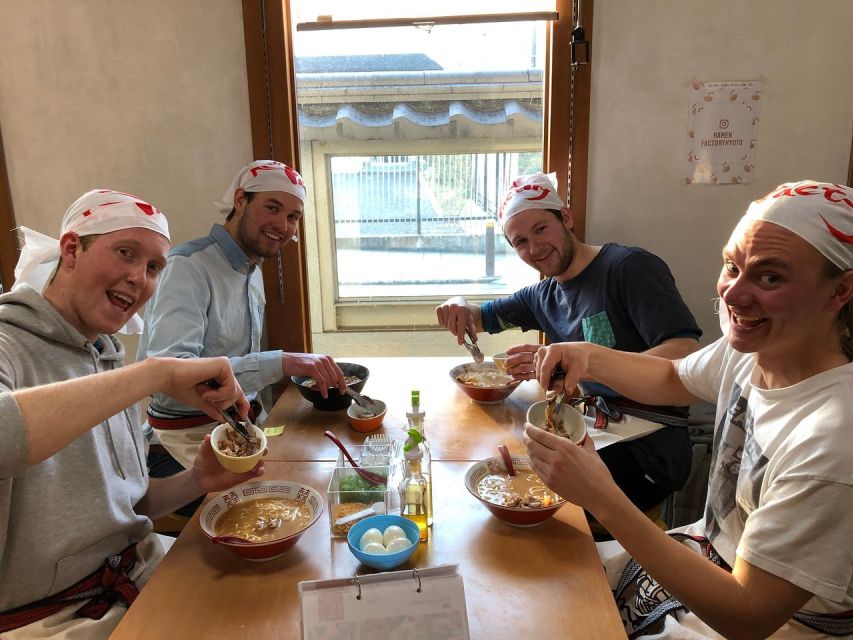
Then you enjoy the ramen you made while looking back at the experience. The payoff is real: you can connect each step you did earlier to what you’re tasting now.
Customization Made Simple: Miso, Salt, and Soy in One Class
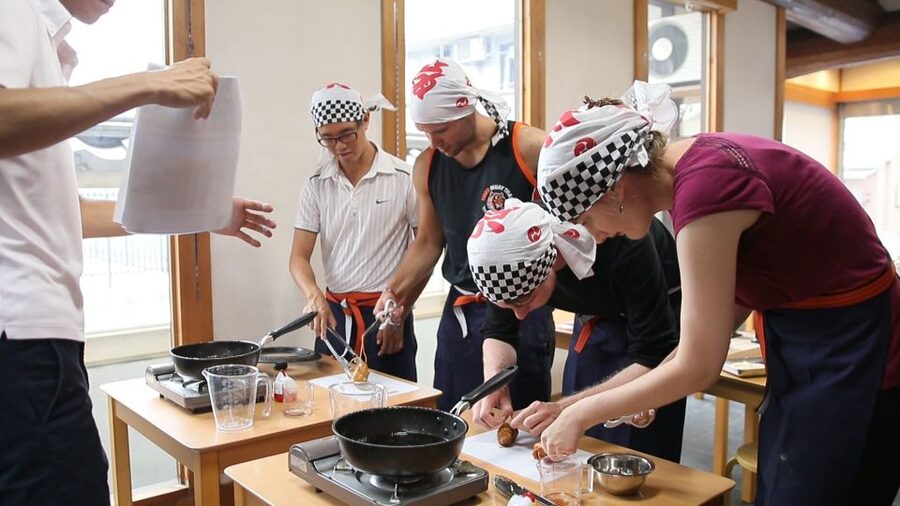
The strongest signal that this class is designed for value is how it teaches personalization without overwhelming you. You’re not stuck with one fixed ramen template.
You do three key taste actions:
- You mix featured sauces: miso, salt, and soy
- You choose a soup and oil combination
- You adjust your toppings and condiments at the end
So instead of leaving with one flavor profile, you leave understanding the moving parts. If you like rich and savory bowls, miso often points you that way. If you want a lighter feel, salt can be the direction. Soy tends to land in the familiar umami zone. You’re learning these links directly, because you taste your final bowl right after building it.
I also appreciate the way the class frames the process as choices. For many cooking classes, customization is just a quick garnish moment. Here, sauce and broth decisions happen before the final assembly, so your customization actually changes the ramen.
What You’ll Take Home: Emailed Recipe and a Souvenir Choice
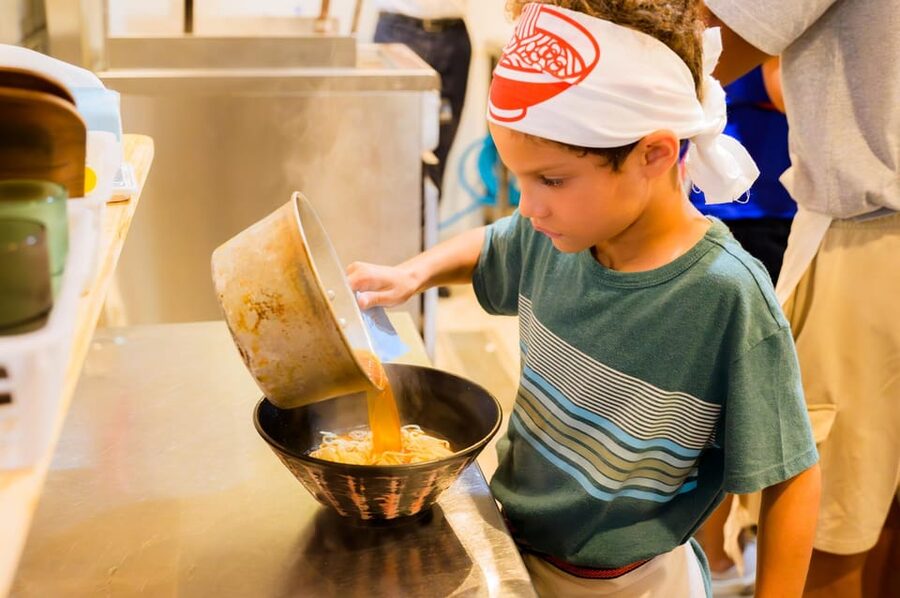
This is one of the best parts for practical travelers. You don’t just leave full. You leave informed.
You get the full recipe sent via email so you can cook ramen at home. That matters because ramen is not a two-minute dish. Even if the ingredients are similar, the technique and timing are what you want to repeat. Having the recipe after you’ve tasted your own bowl is much more useful than trying to copy notes from memory.
You also get a souvenir. The class includes a selective souvenir, and you can choose from four different types of souvenirs. That gives you control, and it makes the end of the class feel like more than just a final photo moment.
One more practical note: staff help with photos and videos. If you want your hands-on work documented, they are used to capturing the process.
Price and Value: What $127 Buys in Real Ramen Skill

At $127 per person for a 90-minute chef course, this is not the cheapest thing on a Kyoto day plan. But it also is not overpriced in a typical way. Here’s the value math you can feel immediately when you compare what you get.
You’re paying for:
- From-scratch noodles made from flour, including the folding work
- Hands-on steps through dough, noodle finishing, and bowl assembly
- Custom ramen choices (soup base, oils, and sauce mixing with miso, salt, soy)
- A full recipe emailed to you for cooking again later
- A souvenir selection included
What you do not get is drinks, and transportation is also not included. That’s normal for a cooking class, but it’s a real cost if you are the type who wants a beverage with every meal. I’d treat that as the main extra you may need to budget for.
If you’re the kind of traveler who values learning a technique you’ll use again at home, the emailed recipe plus the “do it yourself” noodle process makes the price feel more justified than a standard meal. If you mainly want a photo and a quick bite, you might find other ramen tastings simpler. But if you want a skill plus a lunch, this one checks a lot of boxes.
Who This Class Is Best For (And Who Should Think Twice)
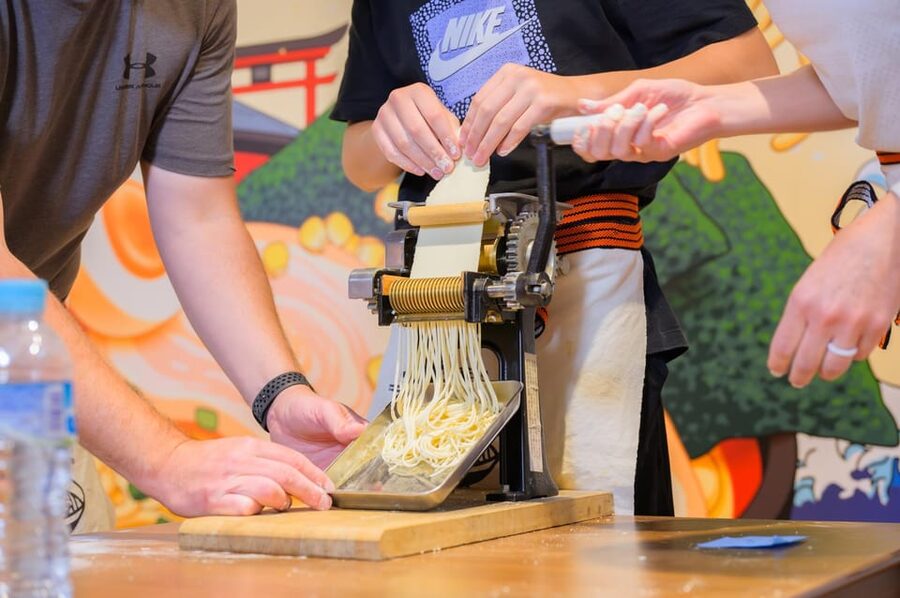
This class is a strong fit for:
- Families who want a hands-on activity that ends with food
- Food lovers who want to understand ramen beyond restaurant ordering
- Anyone who likes interactive workshops with clear step-by-step guidance
- Beginners, since the process is taught and the end bowl still turns out well
It may not be ideal if:
- You hate stairs or don’t want basement logistics as part of your day
- You expect drinks to be included
- You want a private one-on-one cooking session every time, since the format is taught as a class
Dietary needs are handled, but you must plan ahead. If you want a dietary option, you need to contact the local supplier after booking. If you have allergies or strict preferences, do that early so adjustments can be made.
Should You Book This Kyoto Ramen Cooking Class?
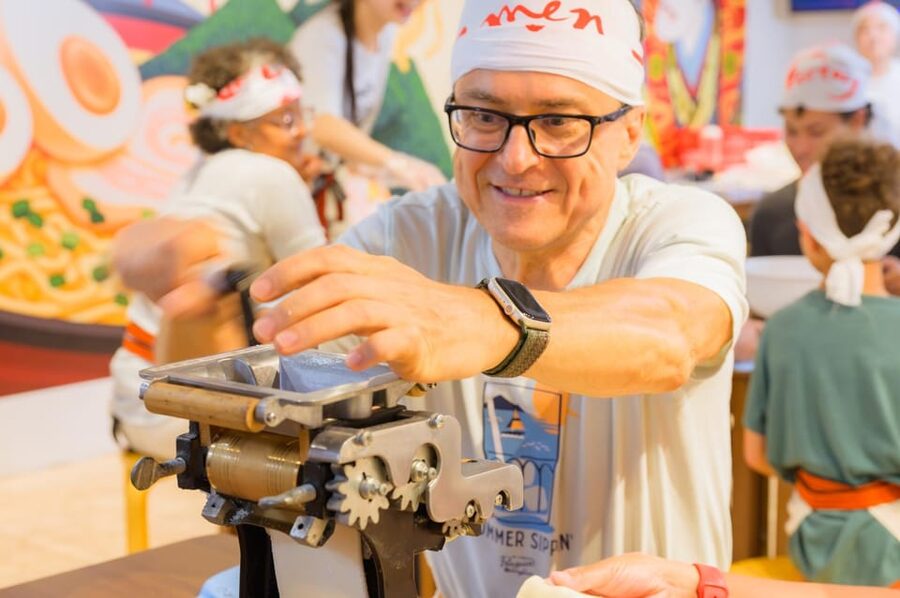
I’d book this class if you want a memorable Kyoto meal that teaches you how ramen is built. The combination of noodles from flour, sauce and oil choices, and an emailed recipe makes it more useful than a standard eating experience.
Skip it if you are short on time and only want a quick ramen fix, or if you’d rather avoid any basement meeting point and stair navigation. Otherwise, this is one of those Kyoto activities that leaves you with both full stomach energy and a practical skill you can repeat.
FAQ
What is the duration of the Kyoto ramen cooking class?
The class lasts 90 minutes.
Where is the meeting point?
The location is a five-minute walk from Demachiyanagi Station on the Keihan-line. The classroom is on the basement floor. Take the staircase to the right of the supermarket, then go down to the basement.
What does the class include?
It includes the 90-minute chef course ramen making and a selective souvenir.
Are drinks included?
No, drinks are not included.
Will I get a recipe to cook ramen at home?
Yes. You get the full recipe sent via email.
What languages are used by the instructor?
The instructor can teach in English and Japanese.
Can I request a dietary option?
You can request a dietary option, but you need to contact the local supplier after booking.
Is there a cancellation policy?
Yes. You can cancel up to 24 hours in advance for a full refund.
Will I be photographed or filmed during the class?
You may be filmed or photographed as part of professional video or photo productions, including 360-degree camera recordings.
More Workshops in Kyoto


New This Season
- Koyasan Day Trip by Private Car from Kyoto
- Old Port Town and Ultimate Sake Tasting Private Tour From Kyoto
- Kyoto’s Timeless Charm: 3hr Exploration of History and Peace
- Kyoto: 5 Types of Sushi Making
- Sacred Peak & Ancient Paths: Kurama-Kibune Hiking Experience
- Kyoto: Exclusive ZEN practice at Manpukuji temple in Uji
- Kyoto: Private Seasonal Aroma Yoga Class
- Traversing Kyoto’s Scenic West – Arashiyama to Kinkakuji
Cooking Classes, compared.

Ramen Cooking Class at Ramen Factory in Kyoto
Read our review →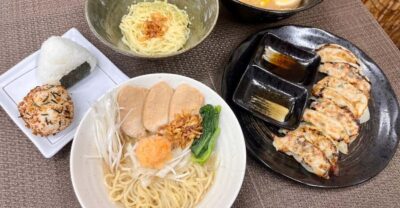
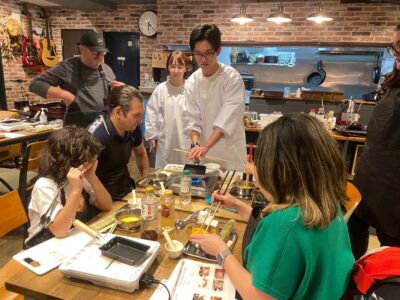
Japanese Washoku Bento Small Group Cooking Class
Read our review →
Japanese Traditional Sweets Making and Tea Ceremony
Read our review →
Kyoto Ramen and Gyoza Cooking Class with Professional Chefs
Read our review →
Gyoza Cooking Class in Kyoto: Traditional Japanese Dumplings
Read our review →Also filed under