
Reviewed · COOKING CLASSES
Kyoto: Afternoon Japanese Izakaya Cooking Class
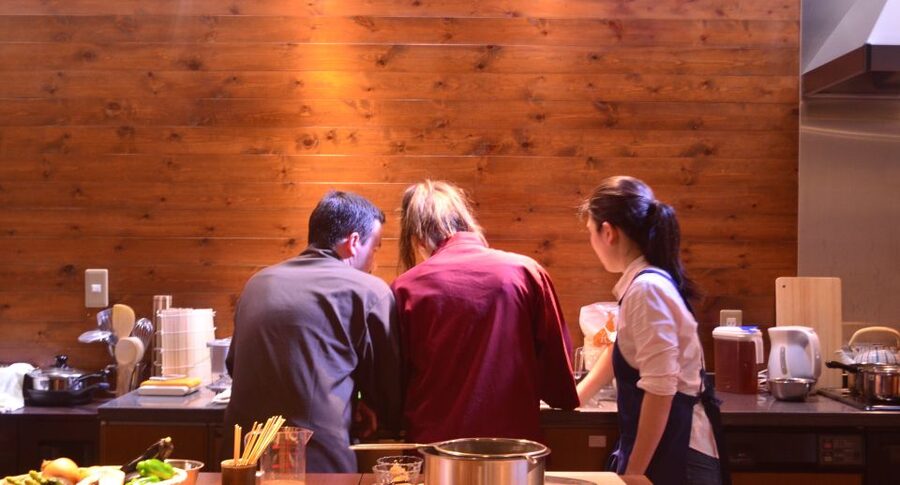
Kyoto tastes are easier to learn than you think. This afternoon cooking class at Cooking Sun has you cooking Japanese home-style dishes, then eating in that busy, over-the-counter izakaya rhythm. I love the hands-on pace, and I love that you’re talking with the chef while you cook. The one catch is the class moves quickly, so you’ll want to focus on process over perfection.
One reason this works so well is the way the teaching is handled. In reviews, instructors like Yumi and Yumiko are singled out for clear, patient guidance, and you come away with a recipe set you can actually follow later. That combo, cooking plus take-home instructions, turns the experience from fun to useful.
Plan on a tight 3-hour flow built around two cooking stages. You cook, eat, then cook again and eat once more, so it stays energetic and you get to taste your progress.
In This Review
- Key things to know before you go
- A Three-Hour Izakaya Lesson in Shimogyo Ward, Kyoto
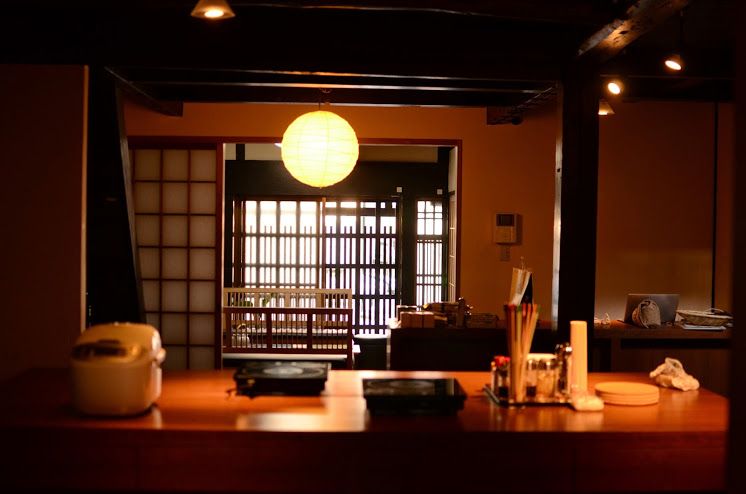
- Where Cooking Sun Is and What the Kitchen Setup Means
- The Class Flow: Two Cooking Waves and Two Chances to Eat
- Part one: cook together, then eat immediately
- Part two: cook again, then eat again
- What You’ll Cook: Japanese Home Comfort with Real Technique
- The Instruction Style That Makes It Click in English
- Value at $67: Why This Class Feels Like More Than One Meal
- Pace, Participation, and One Fair Warning
- Who This Izakaya Cooking Class Is Best For
- Practical Tips So Your Afternoon Runs Smoothly
- Should You Book This Kyoto Izakaya Cooking Class?
- FAQ
- Where is the meeting point for this class?
- How long is the Kyoto Izakaya Cooking Class?
- Is the cooking instruction available in English?
- How many dishes will we cook?
- What is included in the price?
- Do I need to prepare any special cooking tools?
- Are dietary restrictions accommodated?
- Is it possible to cancel after booking?
- Can I book without paying right away?
- Is the class wheelchair accessible?
Key things to know before you go
- Two cooking waves: You cook a few dishes first, eat them, then cook another round and eat again.
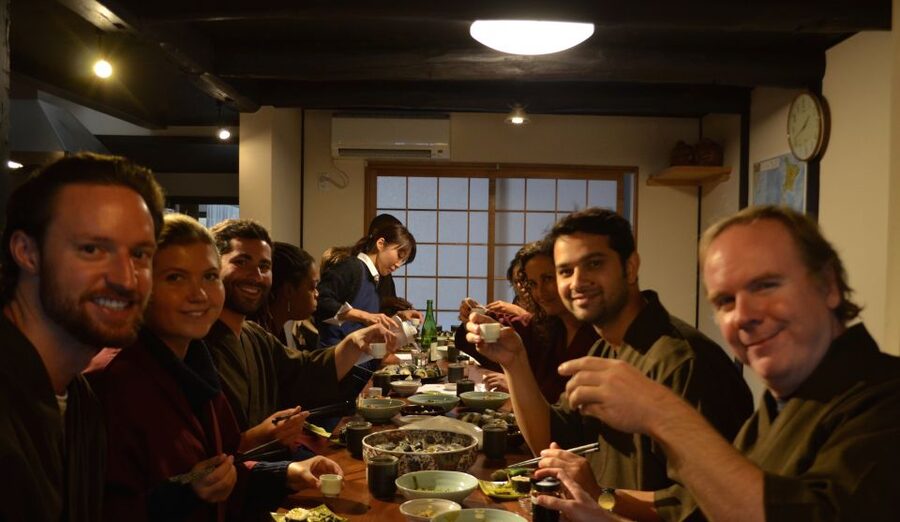
- Izakaya style conversation: Expect to chat with the chef while cooking and eating, not just listen.
- English instruction: The instructor guides you in English, with step-by-step attention.
- Tasty, home-focused menu: You’re aiming at everyday Japanese dishes, not just restaurant showpieces.
- Take-home recipes: Reviews mention a documented recipe set so you can recreate the dishes later.
- Beginner-friendly execution: Many people describe tasks as straightforward, with guidance that helps you succeed.
A Three-Hour Izakaya Lesson in Shimogyo Ward, Kyoto
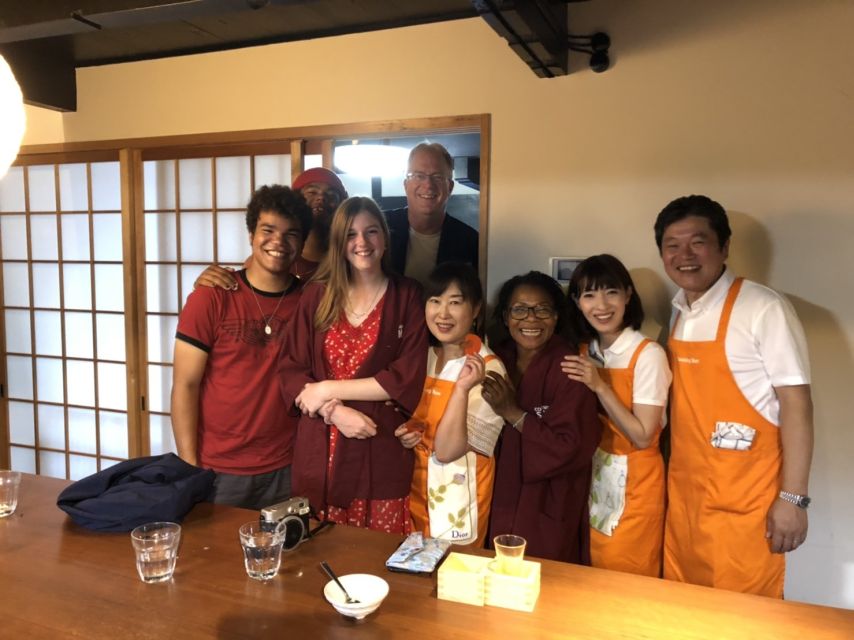
This is the kind of Kyoto experience that fits nicely between sightseeing plans. At $67 per person for a 3-hour class, you’re paying for a full, guided meal plus real technique practice, not just a demonstration.
You’ll be in Honshu, in central Kyoto’s Shimogyo Ward, meeting at Cooking Sun (Funayacho, Shimogyo Ward, Kyoto 600-8466). That matters because it keeps the experience practical. You’re not racing all over Kyoto for tiny tastes. You’re in one place, in one kitchen, learning how Japanese dishes come together the way families and local restaurants do.
The izakaya theme is more than a label. An izakaya is about food, talk, and eating at a lively pace. Here, you get that spirit built into the schedule: cook, eat, then cook and eat again. It’s less formal than a “classroom cooking demo,” and more like you’re joining an active kitchen table for the afternoon.
Where Cooking Sun Is and What the Kitchen Setup Means
The meeting point is straightforward: Cooking Sun, Cooking Sun, Funayacho, Shimogyo Ward, Kyoto, Kyoto 600-8466. Since the class is only 3 hours, arriving on time really helps. When a session is that short, delays eat into instruction.
You’re also told you’ll be provided with an apron and utensils, plus ingredients for the dishes you cook. In plain terms, you don’t need to show up with tools or worry about finding the right cookware during a vacation. Your job is to follow the flow, chop and stir when it’s your turn, and ask questions when you’re unsure.
A lot of people pick up the same message from reviews: everything is organized so you can focus on learning. One review even notes an individual setup where each person gets their own equipment, which makes it easier if you’re traveling with mixed experience levels (someone who cooks a lot, plus someone who mostly watches).
And if you’re working around mobility needs, the activity is listed as wheelchair accessible, so it’s good to know before you plan your afternoon.
A quieter way to spend a day in Kyoto
- Kyoto Night Foodie Tour in Gion (9+ dishes + 6 Sake tastings)
★ 5.0 · 1,762 reviews - 3-Hour Kyoto Insider Sake Brewery Tour with Tastings & Pairings
★ 5.0 · 917 reviews - Arashiyama Bamboo, Temple, Monkeys, or Secret Sake Brewery
★ 4.8 · 886 reviews - Kyoto: Izakaya Bars Guided Walking Tour
★ 4.9 · 815 reviews
The Class Flow: Two Cooking Waves and Two Chances to Eat
This class is built in two parts, and the structure is one of its smartest features.
Part one: cook together, then eat immediately
First, you cook 2 or 3 dishes with your chef. Then you head back to eat what you’ve made. That immediate taste is key. You’re not waiting until the end to find out whether your seasoning worked. You learn by doing, then confirming your results on the spot.
This is also where the izakaya vibe shows up most. Reviews describe the experience as interactive, and the description says you should be ready to talk with your chef while cooking and eating at the same time. Translation: this isn’t silent studio cooking. It’s social kitchen energy.
Part two: cook again, then eat again
After eating, you return to the kitchen for 2 or 3 more dishes. Then you eat once more. The second cooking wave keeps the class from feeling repetitive. It also gives you a chance to apply what you learned earlier, like sauce consistency, ingredient order, or timing.
One practical note for your expectations: the total duration is 3 hours. So while you’ll be making multiple dishes, the class is not a slow simmer of one recipe. It’s a well-paced sprint through Japanese home cooking.
What You’ll Cook: Japanese Home Comfort with Real Technique
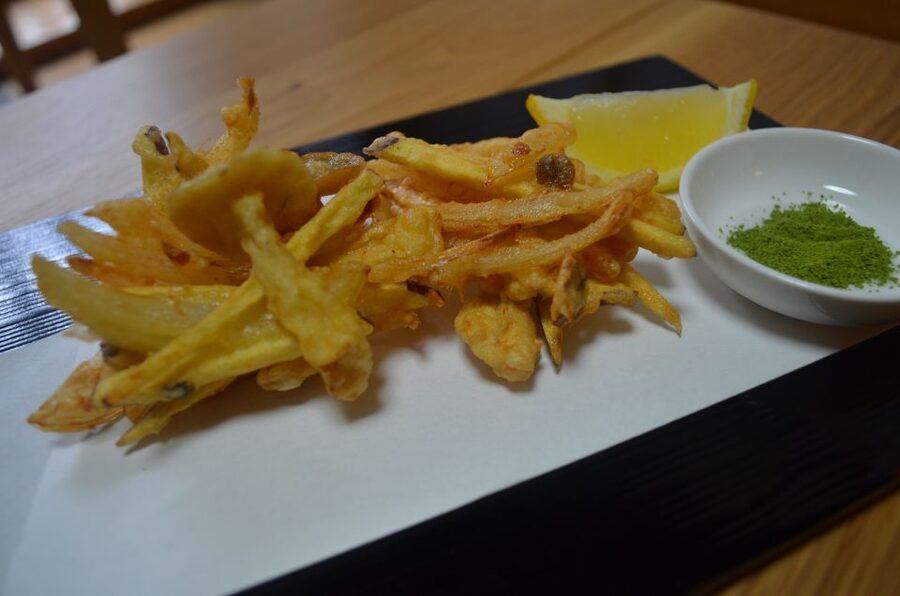
The menu focuses on Japanese home dishes and local restaurant cooking. You can think of it as practical Japanese cooking you can reproduce. Many people choose cooking classes hoping to learn food they can make later, and this one is designed for that.
Even without a fixed dish list shown here, reviews give strong hints about what kinds of flavors and techniques you’re likely to touch:
- Dashi shows up as a foundational flavor, including making your own basic dashing broth.
- Mirin and seasoning balance come up, which is important because Japanese flavor is often more about layering than heavy spices.
- Some reviews mention okonomiyaki, suggesting you may cook comfort foods with classic Japanese ingredient logic.
What I like about this approach for you is the transfer value. If you learn why a broth tastes right, you can build more dishes around that knowledge at home. If you learn how to handle a savory batter or sauce, you’re not stuck repeating one recipe forever.
Also, the class is described as catering to different dietary requirements if you let the supplier know when booking. That’s meaningful because Japanese cooking often includes ingredients like dashi and soy-based flavoring. Having a heads-up helps the kitchen plan.
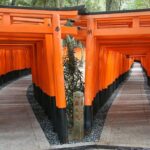
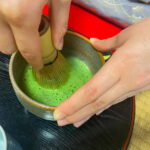
A day of temples goes further with something to break it up.


The Instruction Style That Makes It Click in English
A big selling point here is English instruction, and reviews back up that it’s clear and supportive. People specifically call out the instructors for being patient, friendly, and encouraging. You’re not left guessing what to do next.
The teaching style matters because Japanese cooking depends on small details. Things like how ingredients are added, how heat is managed, and how sauce texture is judged are hard to learn from a recipe card alone. In this class, those steps get explained while you’re actively working.
If you’ve ever tried a Japanese recipe at home and felt like the flavors were almost there but not quite, this is the kind of course that can correct that. You get the technique rhythm, not just the ingredient list.
Value at $67: Why This Class Feels Like More Than One Meal
$67 can sound like a lot for an afternoon. But in this case, it’s not just the food cost. You’re paying for:
- Multiple dishes cooked with you, not just sampled
- Ingredients plus an apron and utensils provided
- An English-speaking instructor guiding technique
- A take-home recipe set mentioned in many reviews
- Two built-in eating moments during the 3-hour window
So you’re not paying for a lecture. You’re paying for time, ingredients, instruction, and a meal experience that ends with food you made yourself.
I also think this is good value compared with doing a similar meal by yourself in Kyoto. A great izakaya meal is memorable, but it doesn’t automatically teach you how to recreate it. Here, you’re buying both satisfaction now and capability later.
Pace, Participation, and One Fair Warning
This is hands-on cooking, and the class is short. That means it can feel fast paced. Reviews echo that the session is timed well, with clear instructions so you can keep up.
So here’s the consideration to keep in mind: if you’re the type who needs lots of extra time to get comfortable, you might feel slightly rushed. The good news is that instructors are described as helpful and organized, and the tasks are presented so beginners can manage.
My advice is simple. Don’t spend your energy trying to perfect every cut. Focus on doing the steps as explained, tasting along the way, and asking questions when something feels off.
Who This Izakaya Cooking Class Is Best For
This class is a strong fit if you want a break from Kyoto’s crowds and still get something authentic.
It’s also great for:
- Food lovers who want to understand flavors beyond tasting
- People who cook at home and want a Japanese skill upgrade
- Families or mixed-experience groups, because the instruction is described as beginner-friendly
- Travelers who want a rainy-day option or an indoor cultural activity
If you are completely uninterested in cooking, you may still enjoy the meal. But the real payoff is when you’re willing to chop, stir, and participate.
Practical Tips So Your Afternoon Runs Smoothly
Based on how the class is described, these are the most useful habits:
- Tell them your dietary needs when booking. It’s explicitly noted, and it helps the supplier plan.
- Expect to work and eat during the class, so keep your phone away and stay present.
- Ask questions while cooking. The format encourages talking with the chef, so use that to clear up any confusion fast.
- Go in with a calm mindset. You don’t need advanced skills. You just need attention and willingness.
Also, consider buying extra ingredients later if you want to recreate the dishes. Reviews mention people getting frustrated in a good way, like needing items such as mirin and dashi back home. That’s usually a sign the course taught you something worth repeating.
Should You Book This Kyoto Izakaya Cooking Class?
If you want a Kyoto food experience that teaches you how to cook, not just what to eat, this is an easy yes. The class structure, two cooking waves with two meals, keeps the afternoon engaging. English instruction plus organized kitchen setups make it work even if you’re not a confident cook.
Book it if:
- You enjoy hands-on activities more than passive tours
- You want a recipe set you can use later
- You want a cultural look at Japanese dining through izakaya-style cooking
Skip it if:
- You want a long, slow cooking experience with lots of downtime
- You dislike participating in a fast-paced group kitchen environment
Bottom line: for $67 and 3 hours, you get real technique practice, a lively izakaya-style atmosphere, and meals you helped make. That combo is exactly why this class earns such a high rating.
FAQ
Where is the meeting point for this class?
You’ll meet at Cooking Sun, Funayacho, Shimogyo Ward, Kyoto, Kyoto 600-8466.
How long is the Kyoto Izakaya Cooking Class?
The duration is 3 hours. Starting times depend on availability.
Is the cooking instruction available in English?
Yes. The instructor is listed as English.
How many dishes will we cook?
The experience is described as two parts. First you cook 2 or 3 dishes, then you cook another 2 or 3 dishes before the final meal.
What is included in the price?
The class includes the cooking session, ingredients, apron and utensils, and you cook and eat 2-3 dishes as part of the experience.
Do I need to prepare any special cooking tools?
No. The class provides an apron and utensils, and the ingredients are included.
Are dietary restrictions accommodated?
If you have any dietary requirements, you need to let the local supplier know upon booking.
Is it possible to cancel after booking?
Free cancellation is available up to 24 hours in advance for a full refund.
Can I book without paying right away?
Yes. It offers reserve now & pay later, so you can book your spot and pay nothing today.
Is the class wheelchair accessible?
Yes, the activity is listed as wheelchair accessible.
More Workshops in Kyoto

New This Season
- Koyasan Day Trip by Private Car from Kyoto
- Old Port Town and Ultimate Sake Tasting Private Tour From Kyoto
- Kyoto’s Timeless Charm: 3hr Exploration of History and Peace
- Kyoto: 5 Types of Sushi Making
- Sacred Peak & Ancient Paths: Kurama-Kibune Hiking Experience
- Kyoto: Exclusive ZEN practice at Manpukuji temple in Uji
- Kyoto: Private Seasonal Aroma Yoga Class
- Traversing Kyoto’s Scenic West – Arashiyama to Kinkakuji
Cooking Classes, compared.
Ramen Cooking Class at Ramen Factory in Kyoto
Read our review →
Ramen Cooking Class at a Ramen Factory with Souvenir
Read our review →
Japanese Washoku Bento Small Group Cooking Class
Read our review →
Japanese Traditional Sweets Making and Tea Ceremony
Read our review →
Kyoto Ramen and Gyoza Cooking Class with Professional Chefs
Read our review →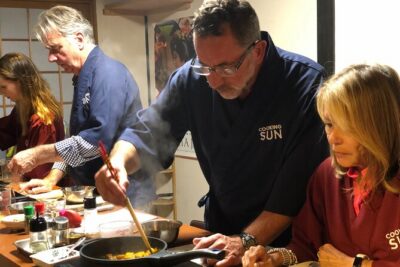
Gyoza Cooking Class in Kyoto: Traditional Japanese Dumplings
Read our review →Also filed under