
Reviewed · COOKING CLASSES
Gyoza Cooking Class in Kyoto: Traditional Japanese Dumplings
Kyoto turns gyoza into a hands-on evening lesson. In a traditional townhouse, you make Japanese dumplings from scratch and finish with optional samurai-armor photos.
I especially like that you are not just assembling dumplings, you are learning the full workflow, from choosing a filling to making wrappers and perfecting the wrap. I also like the small-group feel, plus the English-speaking instructors (I saw strong praise for Hama, Maya, and Ryo in the class experience).
One consideration: at $118.19 per person, it is not a cheap meal, and you are responsible for getting to the meeting point on your own (no private transportation included).
In This Review
- Key things to know before you go
- Inside a Kyoto townhouse kitchen, where you actually make dinner
- What you make: gyoza wrappers, fillings, and the pleat technique
- The cooking rhythm and why it matters for first-timers
- Your instructor: English guidance and real personality
- Samurai armor photos: the fun extra you can skip
- How long it takes, group size, and what your evening feels like
- What’s included, and what you should plan for
- Included
- Not included
- Price and value: is $118.19 worth it?
- Who should book this gyoza class in Kyoto
- Should you book this gyoza cooking class?
- FAQ
- How long is the gyoza cooking class in Kyoto?
- Where do I meet, and where does the class end?
- What is included in the price?
- Do I need private transportation?
- Is samurai armor included?
- What is the cancellation policy?
Key things to know before you go
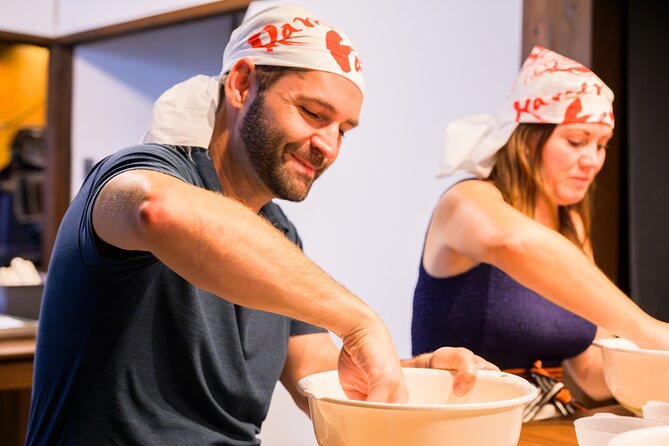
- You start from scratch, including making gyoza wrappers, not just filling and folding
- Pick your own filling, so your dumplings match your tastes
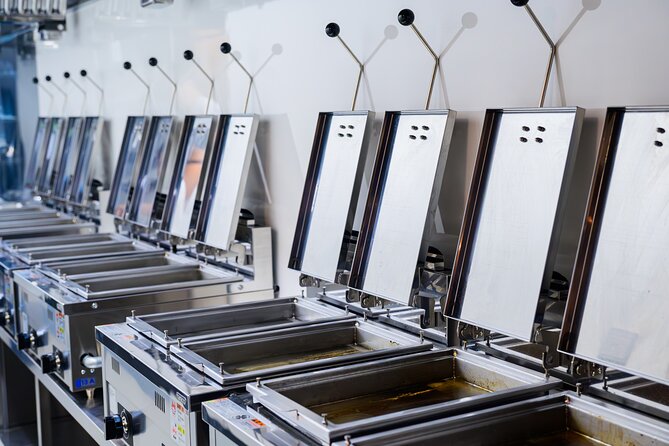
- A professional baking machine helps you cook them well during the class
- Small groups (max 20) make it easier to get guidance while you work
- Optional samurai armor photos add a fun cultural extra after cooking
- An English-speaking instructor leads the session, with tools provided
Inside a Kyoto townhouse kitchen, where you actually make dinner
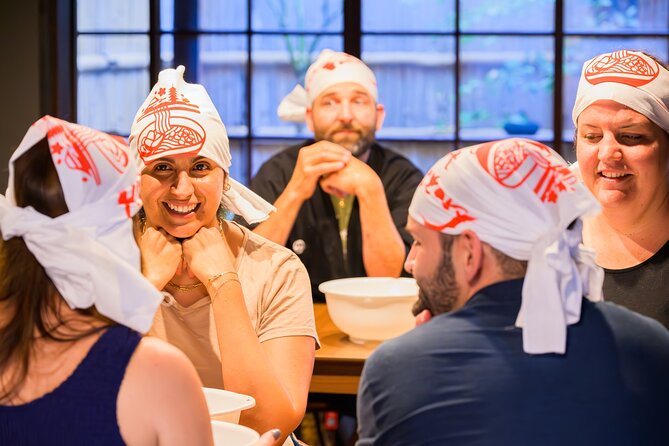
If you want Kyoto that feels real, not just scenic, this kind of cooking class is a smart move. You meet at 230-1 Kamimyōkakujichō, Nakagyo Ward, Kyoto 604-0025, then the evening shifts into a working kitchen space in a traditional townhouse. It is the sort of setting where you can smell the food starting to happen and where the pace stays practical, not rushed.
The best part is that you end where you started. That matters in Kyoto, because neighborhoods can be confusing at night and trains are not always where you want them. Here, you return back to the meeting point area when you finish, so you can keep the evening simple.
What you make: gyoza wrappers, fillings, and the pleat technique
This is a full gyoza workshop, not a shortcut class. The core steps are very clear, and you build them in order:
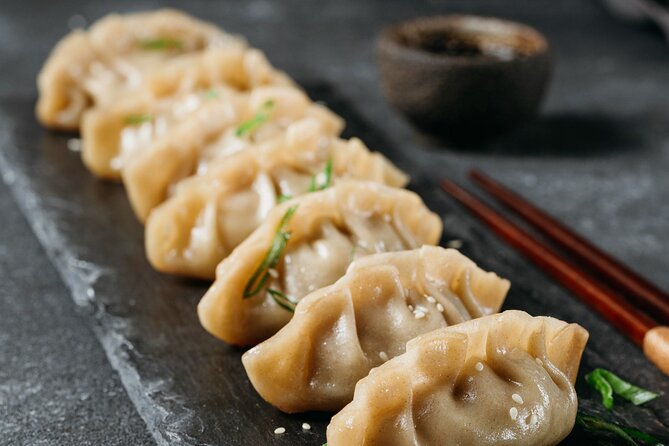
First, you choose your filling. That choice is more than a menu perk. It changes the whole experience, because different fillings behave differently and affect how you wrap and cook. You then move into making the wrappers from scratch, which is a highlight for me. Store-bought wrappers are fine at home, but making your own gives you a real feel for dough texture and how thin you want it.
Next comes the wrapping itself. Gyoza are famous for their pleats, and learning how to shape them is where the class becomes skill-building. You are learning the art of getting that fold right so the dumpling holds together and cooks evenly.
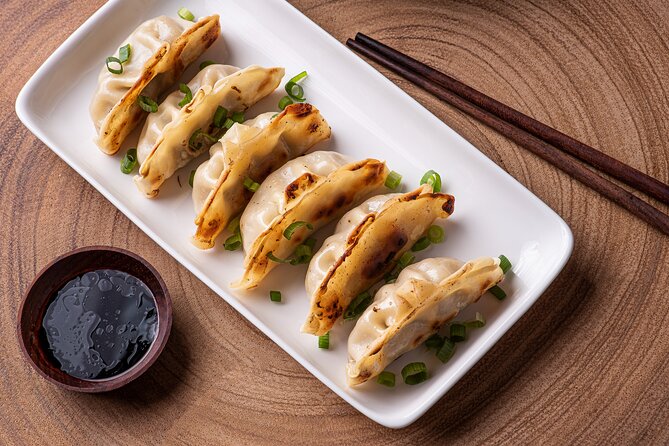
Finally, you cook your gyoza using a professional baking machine. This is important for value. If you cook them wrong at home, they can burst, stick, or turn out soggy. With this class, you get a guided path to better results right away, instead of experimenting blindly later.
A quieter way to spend a day in Kyoto
- Ramen Cooking Class at Ramen Factory in Kyoto
★ 5.0 · 1,937 reviews - Kyoto: Ramen Cooking Class at a Ramen Factory with Souvenir
★ 4.9 · 532 reviews - Kyoto: Ramen, Gyoza, and Onigiri Cooking Class
★ 5.0 · 445 reviews - Kyoto: Japanese Washoku Bento Small Group Cooking Class
★ 5.0 · 380 reviews
The cooking rhythm and why it matters for first-timers
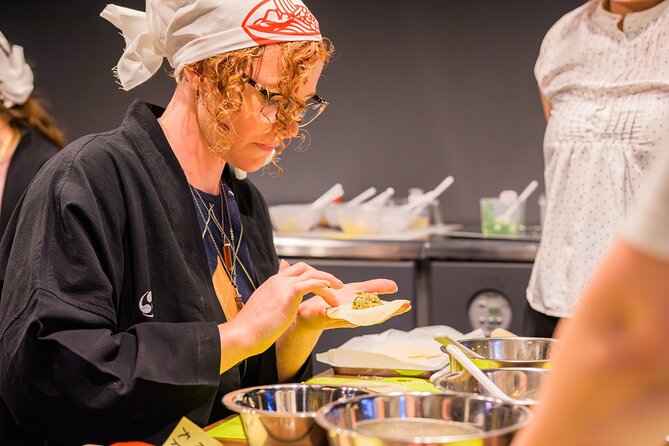
One reason people rate this class so highly is that the instruction is practical. The teaching style shows up in details like doing hands-on steps in sequence, with enough structure that you can keep up even if you have never made dumplings before.
In the class experience, you will typically feel three phases:
- Learning and prepping: tools come out, ingredients are introduced, and you start by making the wrapper dough and preparing your filling.
- Hands-on wrapping: you focus on pleats and shaping, step by step.
- Cooking and finishing: your dumplings go on the cooking setup, where timing and technique matter most.
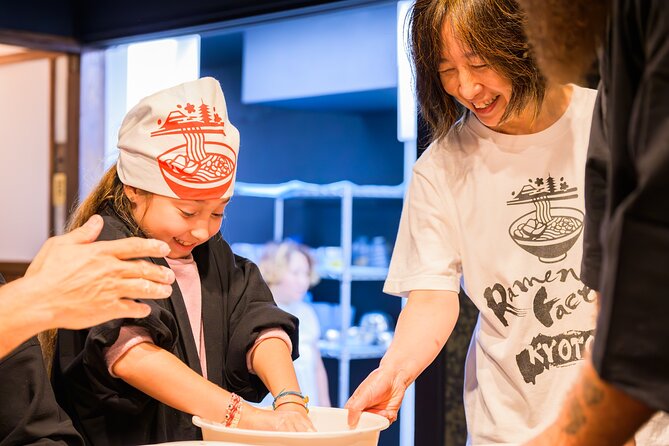
Also, you will probably spend enough time at your own station to feel like you did the work yourself. Multiple participants described personal working stations and a clear, easy process. That is exactly what you want. You come to Kyoto for experiences, but you also want the feeling that you did something you can repeat at home.
Your instructor: English guidance and real personality
The class is run by an English-speaking instructor, and the human element gets serious credit. In the strong reviews I saw, Hama is repeatedly praised as awesome, fun, and easy to follow. Maya also gets high marks for clear English and making the experience fun and easy. And Ryo is mentioned as personable, which matters when you are trying to learn a fiddly hand skill.
If you learn best with encouragement and clear steps, this format should click. If you prefer silent, DIY cooking, you might find the instructor’s guidance a little more active than you like, but the overall feedback points to teaching that stays friendly and supportive.
Samurai armor photos: the fun extra you can skip
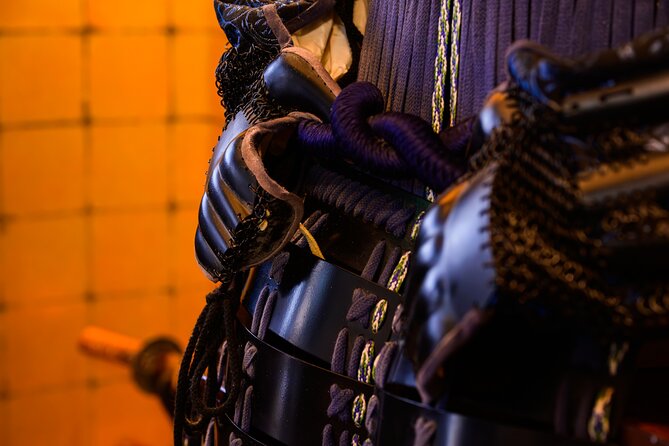
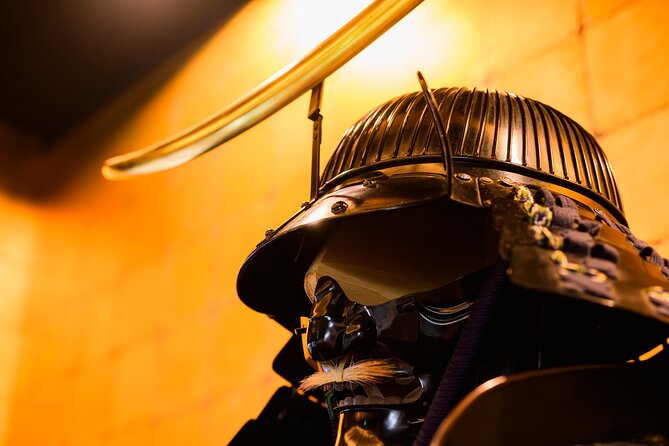
After the gyoza is done, you can dress up in samurai armor and take photos. It is optional, so you are in control. I like extras like this when they do not steal the spotlight from the main activity, and here it is clearly a follow-on moment, not the cooking lesson itself.
This is the kind of photo stop that actually fits Kyoto. Samurai imagery has long been part of the city’s storytelling, so the chance to step into the look briefly can make your dinner memory more vivid. And since it comes after cooking, it feels like a reward, not a distraction.
How long it takes, group size, and what your evening feels like
The class runs about 1 hour 30 minutes (approx.). Some participants described it as closer to two hours total, which makes sense when you include setup, teaching time, cooking time, and eating or finishing.
Group size is capped at 20 travelers, and that limit is meaningful. In a kitchen workshop, more people usually means more waiting. Here, the cap supports a hands-on vibe where you spend your time shaping dumplings rather than watching from the sidelines.
You also get a mobile ticket, which is convenient in Kyoto when you are bouncing between train stops and want to keep your paperwork minimal.
A day of temples goes further with something to break it up.


What’s included, and what you should plan for
Included
- An English-speaking instructor
- Cooking tools provided
Not included
- Private transportation
That last point is the main practical thing to plan for. You are meeting in Nakagyo Ward, and you are told the location is near public transportation. So you should budget time to get there by train or bus on your own. Once you arrive, the rest of the experience is handled.
Also, because you make wrappers and shape dumplings, plan for the fact that this is active cooking, not a sit-and-watch class. Your hands will be involved and you will be working at a station.
Price and value: is $118.19 worth it?
At $118.19 per person, this class is in the higher end of cooking experiences. So you should only book it if you see the value in the full skill package.
Here is what you are paying for, in plain terms:
- Skill you take home
You are learning how to make wrappers from scratch and how to wrap gyoza properly. That is the difference between eating a dish and learning how to recreate it.
- Guided cooking method
The professional baking machine helps you cook the dumplings well during the class. That reduces the usual home-cooking frustration where everything is fine until the pan heat hits.
- Small-group instruction
With a max of 20, you get more direct attention than you would in a huge class format.
- Cultural bonus
The samurai armor photo option turns your evening into something you can share.
If you simply want a quick dinner, you can find cheaper gyoza. If you want a structured, hands-on Kyoto activity with a real food skill at the end, this price starts to look more reasonable.
Who should book this gyoza class in Kyoto
This experience is a great fit if you:
- Want a hands-on Kyoto evening where you do the cooking
- Like the idea of bringing back a skill, not just photos
- Are traveling as a couple, friends group, or family, and want one shared activity
- Appreciate English-friendly instruction and a supportive pace
It may be less appealing if you:
- Are strictly trying to keep costs low
- Prefer purely sightseeing activities, with no kitchen work
- Are hoping for transportation to be handled for you
Should you book this gyoza cooking class?
I think you should book it if you want Kyoto beyond temples and neighborhoods, and you like the idea of leaving with both a tasty meal and a repeatable technique. The combination of wrappers from scratch, guided shaping, and cooking support is what makes the experience feel worth the money. The optional samurai armor photos are a fun bonus, but the real payoff is that you learn how gyoza come together step by step.
FAQ
How long is the gyoza cooking class in Kyoto?
The class runs for about 1 hour 30 minutes (approx.).
Where do I meet, and where does the class end?
You start at 230-1 Kamimyōkakujichō, Nakagyo Ward, Kyoto 604-0025, Japan, and the activity ends back at the meeting point.
What is included in the price?
The experience includes an English-speaking instructor and cooking tools provided for the class.
Do I need private transportation?
Private transportation is not included, so you should plan to get to the meeting point using public transit.
Is samurai armor included?
Samurai armor is optional. After the cooking class, you have the option to dress up and take photos.
What is the cancellation policy?
You can cancel for a full refund up to 24 hours in advance. If you cancel less than 24 hours before the start time, the amount paid is not refunded.
New This Season
- Koyasan Day Trip by Private Car from Kyoto
- Old Port Town and Ultimate Sake Tasting Private Tour From Kyoto
- Kyoto’s Timeless Charm: 3hr Exploration of History and Peace
- Kyoto: 5 Types of Sushi Making
- Sacred Peak & Ancient Paths: Kurama-Kibune Hiking Experience
- Kyoto: Exclusive ZEN practice at Manpukuji temple in Uji
- Kyoto: Private Seasonal Aroma Yoga Class
- Traversing Kyoto’s Scenic West – Arashiyama to Kinkakuji
Cooking Classes, compared.
Ramen Cooking Class at Ramen Factory in Kyoto
Read our review →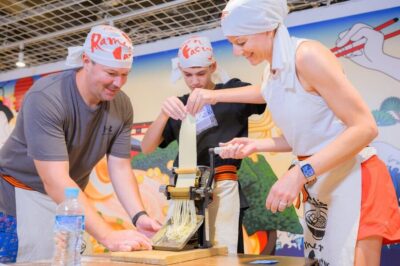
Ramen Cooking Class at a Ramen Factory with Souvenir
Read our review →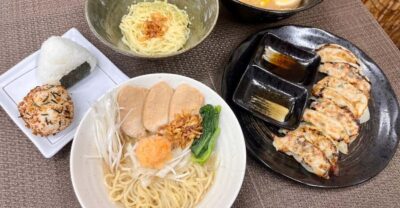
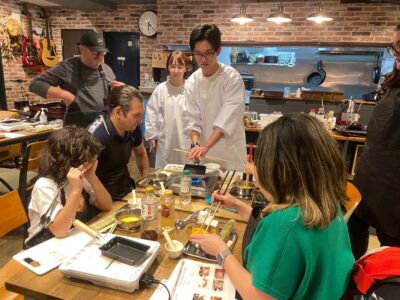
Japanese Washoku Bento Small Group Cooking Class
Read our review →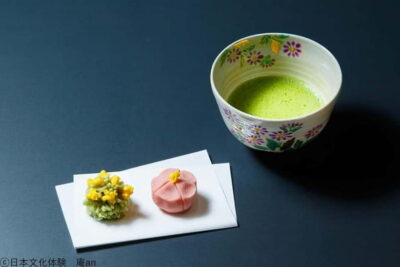
Japanese Traditional Sweets Making and Tea Ceremony
Read our review →
Kyoto Ramen and Gyoza Cooking Class with Professional Chefs
Read our review →
Also filed under