
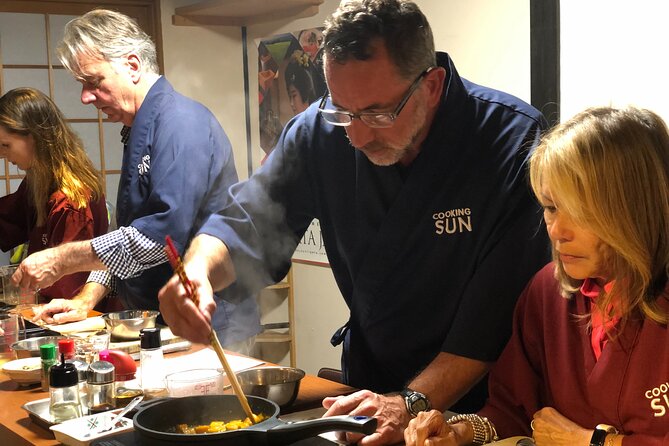
Reviewed · COOKING CLASSES
Izakaya Style Cooking Class
Knife skills meet Kyoto comfort food.
I love the hands-on dashi and seasoning lessons, and I also like how the team keeps the class running smoothly even when it is full. One thing to consider: the menu can change with seasonal ingredients, and if sake is offered, it may not be included in the price.
This is a 3-hour, small-group izakaya-style cooking class (think tapas energy, Kyoto style) at Cooking Sun in a traditional wood house. You start at 2pm, cook your own Japanese home dishes with an English-speaking instructor, then sit down together for dinner and leave with recipes you can cook again later.
From what I’d expect to learn, the big win is the skill transfer. You are not just copying one meal, you are learning how Japanese seasonings work, how dashi is built, and how izakaya favorites fit into an affordable, social way of eating.
In This Review
- Key things to know before you go
- Why Kyoto izakaya cooking beats another dinner reservation
- Getting oriented at Cooking Sun, 2pm start, small group rhythm
- The izakaya story you hear before the first taste
- Dashi and seasoning, the skills that follow you home
- What you cook: izakaya favorites, likely 5 to 6 dishes
- The cooking flow: demos first, then your turn, then dinner
- Value check: what $71.63 really buys you
- Dietary needs: what you can count on at Cooking Sun
- Practical tips to get the best out of the 3 hours
- Who this class fits best, and who might not love it
- Should you book this izakaya cooking class at Cooking Sun?
- FAQ
- Where is the class meeting point?
- What time does the class start, and how long is it?
- How many people are in a booking?
- What is included in the price?
- Are food and drinks included?
- What kind of dishes will we cook?
- Do you get recipes to take home?
- Is the instructor English-speaking?
- Can the class accommodate dietary requirements?
- Is free cancellation available?
Key things to know before you go
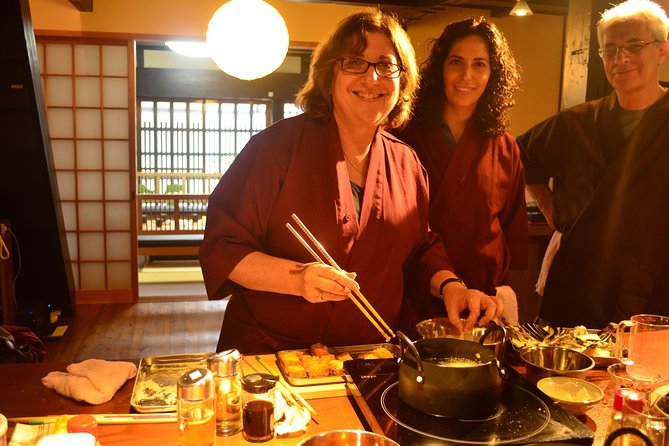
- Small group size (max 8) means you get real attention while cooking.
- Dashi and seasoning techniques are the core skills you can reuse at home.
- English-speaking instructor and clear explanations make it beginner-friendly.
- Menu adjusts with seasonal ingredients, so expect variety rather than a fixed script.
- You eat what you cook for dinner, then take recipes home to repeat it.
- Traditional studio setting at Cooking Sun makes the lesson feel like part of Kyoto.
Why Kyoto izakaya cooking beats another dinner reservation
I love booking food experiences that teach you something you can actually repeat. This one works because izakaya food is built for everyday skill, not fancy restaurant theater. You learn techniques behind dishes that show up in casual spots and low-key gatherings, where the whole point is sharing, trying, and getting your hands dirty.
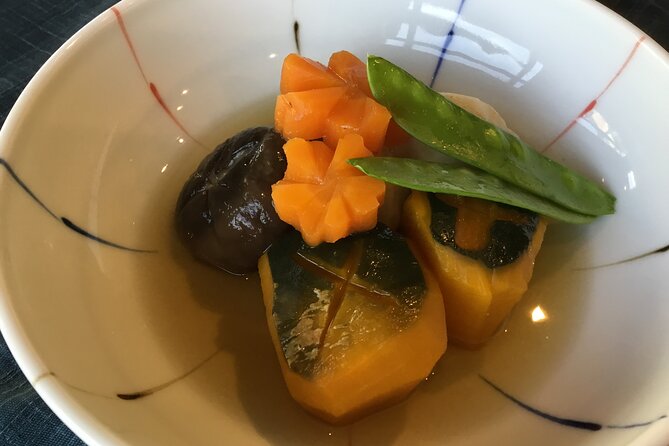
If you are tired of only doing sushi and teriyaki, this class gives you the cousin-cuisine. Dishes like spinach with sesame sauce, vegetable chowder, mushroom tempura, or rice with vegetables are the kinds of comfort foods people eat regularly at home or in friendly izakaya settings. The class also keeps things practical, so the goal is not just a good photo, it is a meal you can rebuild back in your own kitchen.
Getting oriented at Cooking Sun, 2pm start, small group rhythm
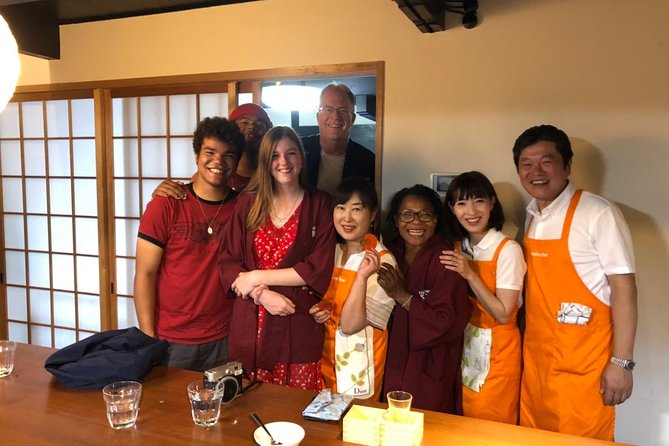
Your session starts at 2:00 pm at Cooking Sun (679 Funayachō, Shimogyo Ward, Kyoto). The exact studio details are provided at booking, and it is near public transportation, so you are not stuck planning a complicated day around private transfers.
The group is limited to 8 people maximum. That matters more than it sounds. In cooking classes, the difference between 4 and 10 students is the difference between standing still and actually cooking. Here, the workflow is designed so everyone can grab a knife, work through steps, and still get help when they need it.
I also like that the class includes an apron. It sounds small, but when you are handling ingredients and sauce mixtures, a provided apron lowers the friction. You show up, cook, and focus on technique.
A quieter way to spend a day in Kyoto
- Kyoto Night Foodie Tour in Gion (9+ dishes + 6 Sake tastings)
★ 5.0 · 1,762 reviews - 3-Hour Kyoto Insider Sake Brewery Tour with Tastings & Pairings
★ 5.0 · 917 reviews - Arashiyama Bamboo, Temple, Monkeys, or Secret Sake Brewery
★ 4.8 · 886 reviews - Kyoto: Izakaya Bars Guided Walking Tour
★ 4.9 · 815 reviews
The izakaya story you hear before the first taste
Before anyone touches a knife, you get context for what you are making. You learn the history and origins of izakaya, including the idea that izakaya culture traces back to the 18th century, when rice had been taxed to brew sake. Later, during the Edo era, sake sellers began serving small dishes alongside sake to encourage business.
That history is not just trivia. It helps you understand the food’s personality. Izakaya meals are meant to be shared, ordered casually, and enjoyed without the pressure of a formal multi-course dinner. Once you hear that framing, the dishes feel like they fit together on purpose, not like random menu items.
And yes, you will get cultural context on top of cooking. The class is designed so you come away knowing why these dishes belong together, not just how to cook one dish at a time.
Dashi and seasoning, the skills that follow you home
The most valuable part is that you learn the foundations: dashi (Japanese soup stock) and Japanese seasoning techniques. Dashi is one of those skills that changes everything, because it is a base flavor. If you learn how to approach it, you start noticing how Japanese dishes build depth through stock, sauces, and careful seasoning.
In class, you learn how to make dashi before you move into the rest of the menu. That sequence is smart. It turns later dishes into logical steps rather than isolated recipes.
This is also where an instructor’s guidance matters. Reviews repeatedly highlight how the team explains differences between sauces and condiments, and how they keep instructions clear enough for all skill levels. If you are a confident home cook, you still benefit from having someone point out what makes one sauce work differently from another.
What you cook: izakaya favorites, likely 5 to 6 dishes
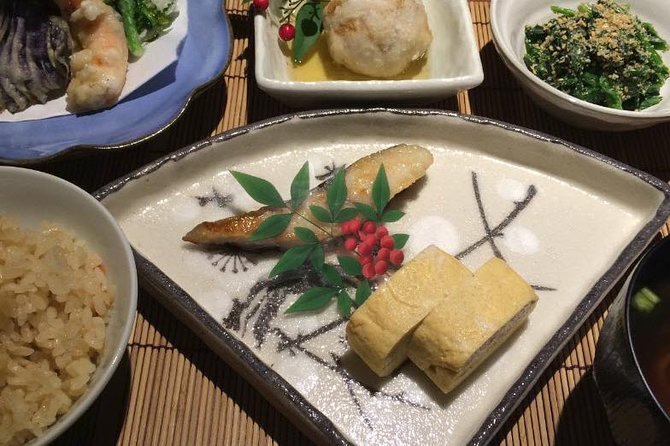
The menu can vary based on seasonal ingredients, so do not expect an identical dish list every time. That said, you should be prepared to make a range of typical izakaya-style dishes, often including items like:
- Spinach with sesame sauce
- Teriyaki yellowtail
- Vegetable chowder
- Mushroom tempura
- Rice with vegetables
You might also see additional items depending on the seasonal menu. One review mentioned making six dishes total, including a mochi dessert. Another called out favorites like cucumber salad and pumpkin soup. There was also mention of pasta in one class menu, which is a helpful clue that the menu is flexible, not fixed.
Here is how to think about that variety. When the class changes dishes, the lesson still stays consistent: you are practicing the same kind of technique set. You are learning seasoning choices, texture control, and how to build a plate that works as an izakaya spread.
One practical note: if you have specific preferences, a seasonal menu is a double-edged sword. It can be fun when you want variety, but it also means you might not get your first pick dish. That is the tradeoff for cooking what is freshest and most available.
The cooking flow: demos first, then your turn, then dinner
The class runs as a mix of explanation, demonstration, and hands-on work. You follow along with the English-speaking cooking instructor, then you take over for each dish.
A detail I like from reviews is how the team uses preparation support so you spend more time cooking and less time doing tedious ingredient work. Some participants described minimal prep and a fast, smooth pace where the instructors and staff coordinate so students can move to the next recipe without feeling abandoned.
After cooking, you sit down with the other participants to enjoy your dishes for dinner. Come hungry. Multiple reviews mention that it is more than a light tasting, and that you end up eating a lot, not just sampling bites.
That dinner part is important for learning. It is one thing to follow a recipe, it is another to taste the result right away and notice what the seasoning is doing. Eating your work also makes the social, izakaya spirit real, which is the whole point of this style of meal.
A day of temples goes further with something to break it up.


Value check: what $71.63 really buys you
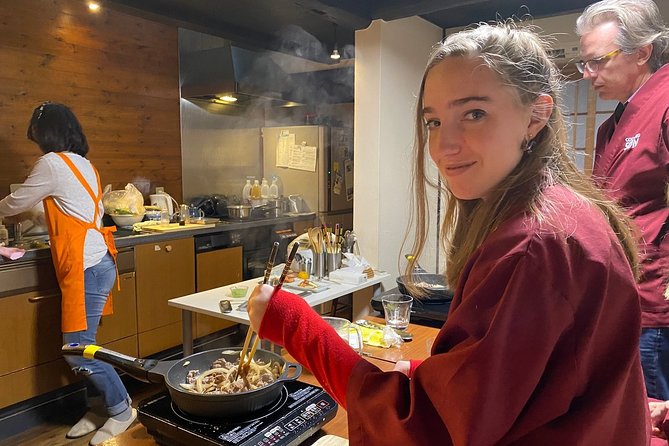
At $71.63 per person, this class is not a “cheap thrill” and it is not priced like a high-end private chef session either. You are paying for structure, instruction, ingredients, and dinner in a small-group format.
Here is what you get included:
- Dinner
- All ingredients for cooking
- English-speaking cooking instructor
- Apron
That means you are not adding extra grocery runs or ingredient costs. You also get the guidance and correction that you typically only get by watching an experienced cook in action, not by reading recipes.
When you compare this to buying a few dishes in Kyoto and taking a cooking class with ingredients and instruction, the value comes from the take-home part too. You leave with recipes, so you can turn one evening out into multiple future dinners. That is the real long-term payoff.
Group discounts are available, which can make the value even stronger if you are booking with friends. And with a max of 8 per booking, you get a more personal classroom feel than big tourist cooking halls.
Dietary needs: what you can count on at Cooking Sun
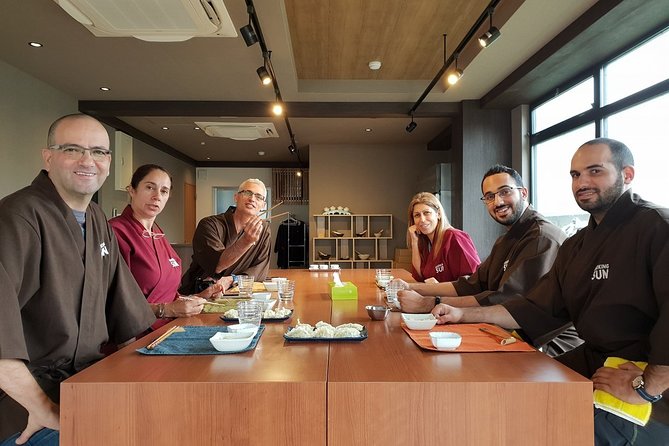
You should plan to share dietary requirements at booking. The class specifically asks you to advise dietary needs in advance.
From the reviews, the staff appears ready to handle more than a basic request. One participant mentioned allergy accommodation for celiac, and another described catering to vegetarians without making it a big deal. That is a good sign for real-world flexibility, since Japanese meals can include hidden ingredients through sauces and dashi components.
Still, the menu is seasonal, so the best approach is to tell the instructor what you need and ask how it will affect dashi, sauces, and dressings. If you do that early, you give the kitchen time to adjust.
Practical tips to get the best out of the 3 hours
This is a 3-hour session, starting at 2pm. Your time is tight, so plan your day around it. I suggest you treat it as the anchor activity for the afternoon, not something you squeeze between other reservations.
Also, since the recipe handover is part of the experience, think about what you want to repeat after you get home. If there is a dish you really care about, be ready to ask questions while you cook. The class encourages you to ask the guide for tips and recommendations after the tour ends, which is perfect for clarifying substitutions, technique, and ingredient choices.
If you drink alcohol, read the fine print on what is included. The class includes dinner, but food and drinks are listed as not included unless specified. One review described an added charge for sake when offered, so do not assume alcohol is included just because it shows up at the table.
Lastly, keep your expectations aligned with a hands-on class. This is not a lecture series. You are there to chop, mix, cook, and eat. Bring curiosity, and you will come away with techniques, not just recipes.
Who this class fits best, and who might not love it
This class is a great match if you want:
- A small-group Kyoto activity with real cooking time
- A transferable skill like dashi and Japanese seasoning basics
- Dinner that is part of your lesson, not separate plans
- A calm, organized setup where instructors support everyone
It may be less ideal if you want a very specific dish lineup every time. The menu can change with seasonal ingredients, so you might get different dishes than what you hoped for. One review even mentioned wishing for Japanese noodles rather than a pasta dish, which is a reminder to stay flexible.
If you are traveling with kids, it also seems to work. One review described a family with children enjoying the class and learning the nuances of Japanese cooking, and another mentioned a parent-child group where everyone followed along.
Should you book this izakaya cooking class at Cooking Sun?
Book it if you want an evening where learning and eating are tightly linked. This class focuses on technique you can use again, and the small group format helps you get help while you cook. The included dinner, ingredients, and apron make the price feel more grounded than many stand-alone food experiences.
Skip it or book with flexible expectations if you are chasing a particular dish name and only that dish. Since the menu adjusts seasonally, you might not get the exact lineup you pictured.
My final advice for your decision is simple. If you enjoy cooking, or if you want to come home with real kitchen skills, this is a smart Kyoto pick. If you mainly want a passive food show, you would probably be happier with a standard meal or guided tasting where you are not doing the cooking yourself.
FAQ
Where is the class meeting point?
The class meets at Cooking Sun, 679 Funayachō, Shimogyo Ward, Kyoto, 600-8466, Japan.
What time does the class start, and how long is it?
It starts at 2:00 pm and lasts about 3 hours.
How many people are in a booking?
This activity has a maximum of 8 travelers per booking.
What is included in the price?
Dinner, all ingredients for cooking, an English-speaking cooking instructor, and an apron are included.
Are food and drinks included?
Food and drinks are not included unless specified. Dinner is included, but drinks are not automatically included.
What kind of dishes will we cook?
You will make izakaya-style Japanese home dishes, and the menu can vary based on seasonal ingredients. Dashi and Japanese seasoning techniques are part of the lesson, along with typical izakaya favorites.
Do you get recipes to take home?
Yes, you leave the session with the recipes so you can cook the dishes later.
Is the instructor English-speaking?
Yes, the class includes an English-speaking cooking instructor.
Can the class accommodate dietary requirements?
You are asked to advise dietary requirements at the time of booking.
Is free cancellation available?
Yes. You can cancel up to 24 hours in advance for a full refund. If you cancel less than 24 hours before the start time, there is no refund.
More Workshops in Kyoto

New This Season
- Koyasan Day Trip by Private Car from Kyoto
- Old Port Town and Ultimate Sake Tasting Private Tour From Kyoto
- Kyoto’s Timeless Charm: 3hr Exploration of History and Peace
- Kyoto: 5 Types of Sushi Making
- Sacred Peak & Ancient Paths: Kurama-Kibune Hiking Experience
- Kyoto: Exclusive ZEN practice at Manpukuji temple in Uji
- Kyoto: Private Seasonal Aroma Yoga Class
- Traversing Kyoto’s Scenic West – Arashiyama to Kinkakuji
Cooking Classes, compared.
Ramen Cooking Class at Ramen Factory in Kyoto
Read our review →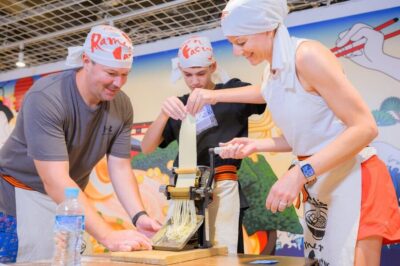
Ramen Cooking Class at a Ramen Factory with Souvenir
Read our review →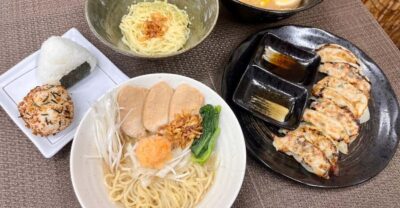
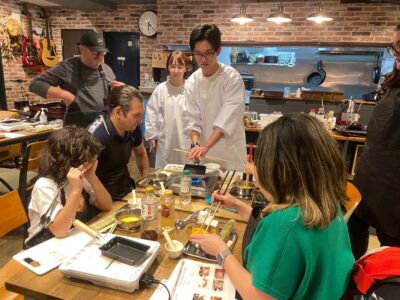
Japanese Washoku Bento Small Group Cooking Class
Read our review →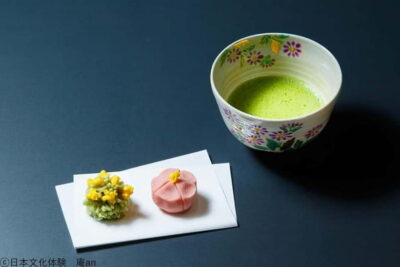
Japanese Traditional Sweets Making and Tea Ceremony
Read our review →
Kyoto Ramen and Gyoza Cooking Class with Professional Chefs
Read our review →

Gyoza Cooking Class in Kyoto: Traditional Japanese Dumplings
Read our review →Also filed under