
Reviewed · TEA CEREMONIES
Kyoto: 45-Minute Tea Ceremony Lesson Experience
Matcha, manners, and quiet Kyoto. In 45 minutes at Tea Ceremony Koto, you learn a full Urasenke-style tea routine, not a watered-down demo. I like the fact you start with a licensed tea master and then you actually make tea yourself. One possible drawback: the ceremony expects respectful quiet and floor sitting, though chairs are available if you ask.
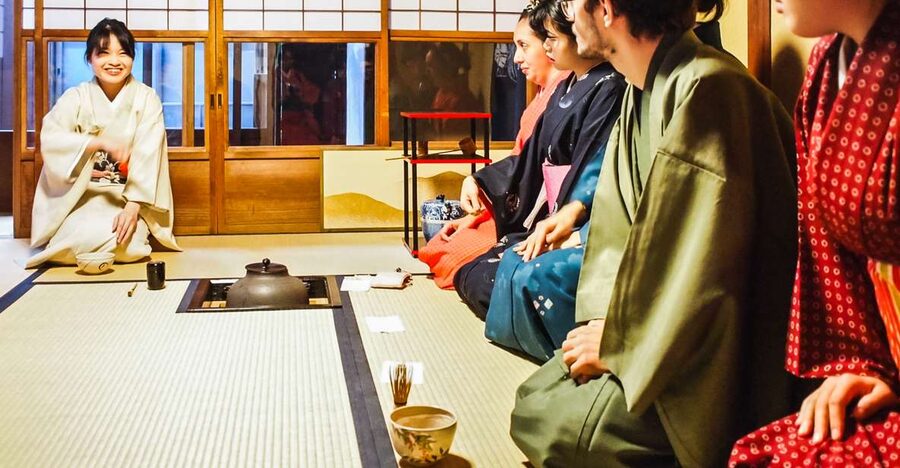
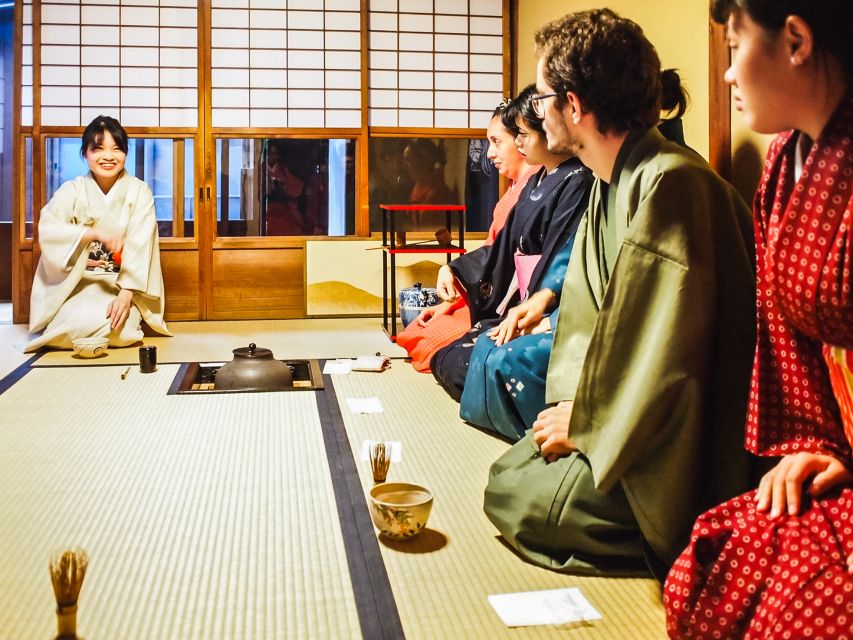
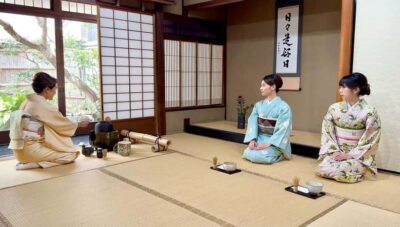
You’ll begin on tatami inside a traditional tea setting near Kinkakuji-temple, where an English-speaking host guides you step by step. First comes the ceremonial matcha preparation, then you follow along and make your own version, with explanations of why each move matters.
Afterward, you’ll taste traditional Japanese sweets, and you get a chance to take photos and look at kimono and woven textile examples connected to Kyoto’s Nishijin district. You can also choose private, public, or a candlelight session after sunset, and if you add a kimono you must arrive 20 minutes early.
In This Review
- Key things to know before you sit down
- A 45-Minute Kyoto Tea Ceremony Lesson, Not a Performance
- Where You Go, How You Find It, and What to Do First
- The Tatami Start: Watching, Then Copying the Steps
- Matcha Ritual 101: Ceremonial Preparation and Your Turn
- What You Taste: Two Teas, Sweet Sweets, and Flavor Logic
- Tea Etiquette and Manners: Why the Room Feels Different
- Kimono and Nishijin District Photo Time
- Candlelight Tea Ceremony: Old Kyoto Energy After Sunset
- Public vs Private: Choose Your Social Comfort Level
- Price and Value: Why $22 Works for a Kyoto Lesson
- Small Rules That Affect Your Experience (No Video, Plan for Timing)
- Who This Kyoto Tea Ceremony Suits Best
- My Book It or Skip It Call
- FAQ
- How long is the Kyoto tea ceremony lesson?
- Where do I meet for the ceremony?
- Is hotel pick-up included?
- What is included in the price?
- Can I film or record video during the ceremony?
- Do I need to wear a kimono?
- If I book the kimono add-on, how early should I arrive?
- What session options are available?
- Are chairs available if I can’t sit on the floor?
Key things to know before you sit down
- Licensed tea master from Urasenke, with English or Japanese instruction
- You make matcha yourself, after watching the host’s full preparation
- Two flavors of Japanese green tea plus traditional sweets
- Photo time is built in, with kimono and Nishijin textile displays
- No video recording allowed, even though photos are fine
- Candlelight option recreates an old Kyoto evening mood
A 45-Minute Kyoto Tea Ceremony Lesson, Not a Performance
This is a short class that treats the tea ceremony like a real practice, not a staged show. The whole point is that you learn the rules, you learn the gestures, and you taste what those choices do to the flavor.
The value for me is the balance: you get history and meaning, but you also get hands-on teaching. And because it is designed around how Japanese beginners learn, it tends to feel clear and structured rather than vague.
Yes, the experience is calm. If you’re expecting a loud, chatty “activity,” this will feel more like sitting for a focused ritual.
Where You Go, How You Find It, and What to Do First
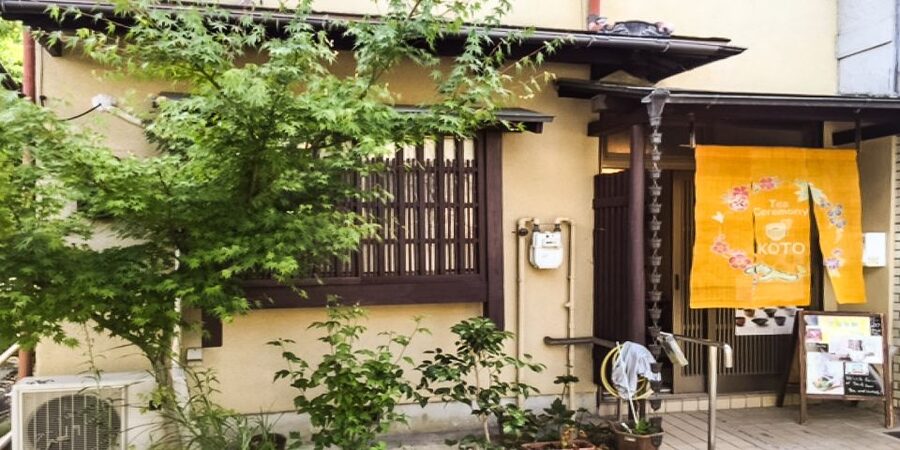
Your meeting point is right by Kinkakuji-temple in Kyoto. Enter through the sliding door with the orange curtain at the building, and you’ll be in the right spot fast.
The practical details that matter:
- It is about a 1-minute walk from the Kinkakuji-Michi city bus stop.
- If you’re coming by subway or rail, bus routes 204 or 205 from Kitaoji subway station or JR Enmachi usually take 10 to 15 minutes.
- There are bicycle parking notes near the area, which is helpful if you’re touring by bike.
- There is no hotel pick-up, so plan your route based on transit or walking.
Once you’re inside, you’ll be met by your host and guided onto tatami, the traditional floor mats. If you worry about floor sitting, tell the supplier ahead of time, and they can provide chairs.
More bowls, poured the traditional way
- Kyoto: Tea Ceremony in a Traditional Tea House in Kiyomizu
★ 4.9 · 3,519 reviews - Kyoto: Tea Ceremony Ju-An at Jotokuji Temple
★ 4.9 · 3,207 reviews - Kyoto: Table-Style Tea Ceremony at a Kyo-Machiya
★ 4.9 · 1,211 reviews - Kimono Tea Ceremony at Kyoto Maikoya, NISHIKI
★ 5.0 · 911 reviews
The Tatami Start: Watching, Then Copying the Steps
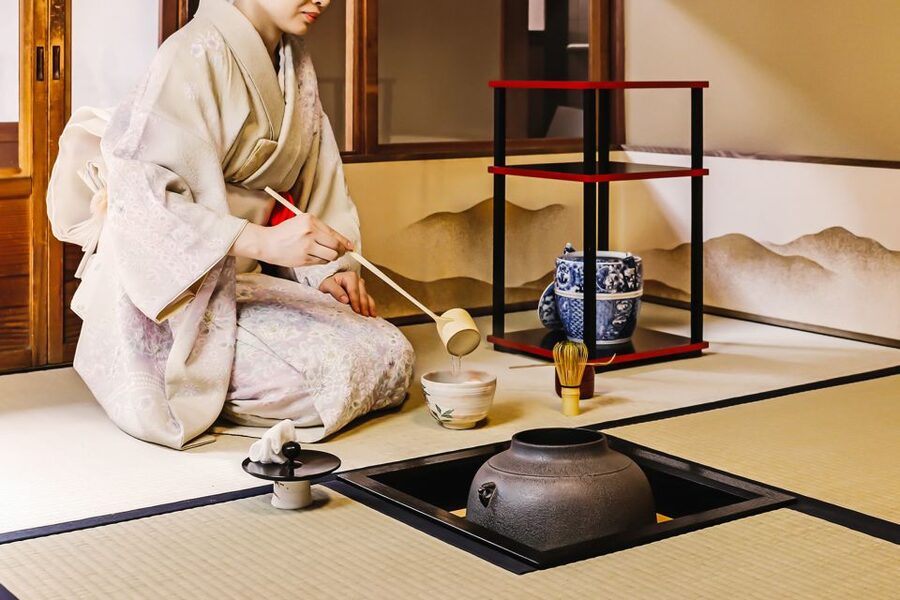
The session begins with the host preparing matcha, powdered green tea, in a ceremonial way. You’re not just watching random motions. You’ll see the preparation as part of the ritual, then you’ll learn how the details connect to taste and etiquette.
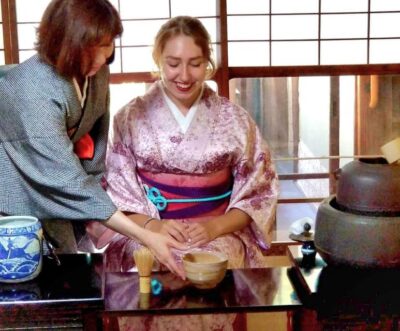
Then you get to do it yourself. This is one of the best parts of this experience for your money, because the class time isn’t spent only on explanations. You’re also doing the actions, with guidance on how to proceed according to tea ceremony rules.
You’ll also hear about the history and spiritual role of the tea ceremony from the tea master. That matters because the gestures can feel pointless if you only learn them as “moves.” Here, you learn the why behind the choreography.
Matcha Ritual 101: Ceremonial Preparation and Your Turn
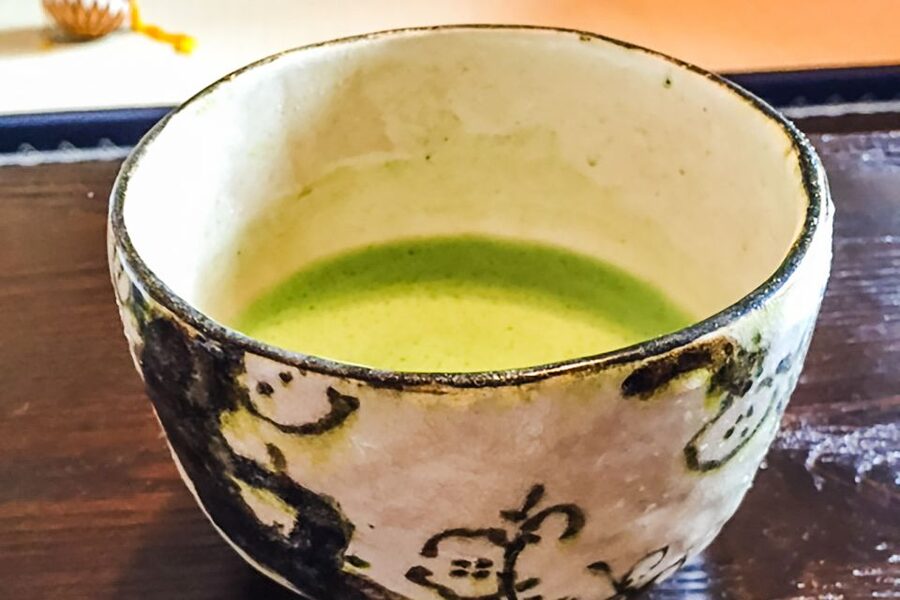
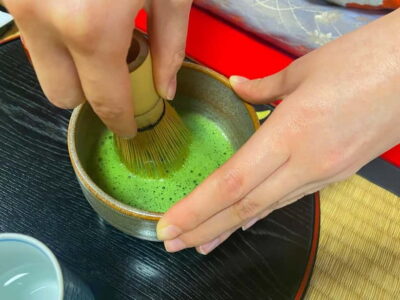
Expect a classic flow: demonstration first, then hands-on practice. The host carries out the ceremonial matcha preparation, and you watch how matcha is whisked and served in a way that fits the tea tradition.
After the demonstration, you make tea yourself. The host explains how different methods and steps affect flavor, so you’re not left guessing if your matcha tastes different because of your technique or the quality of the tea.
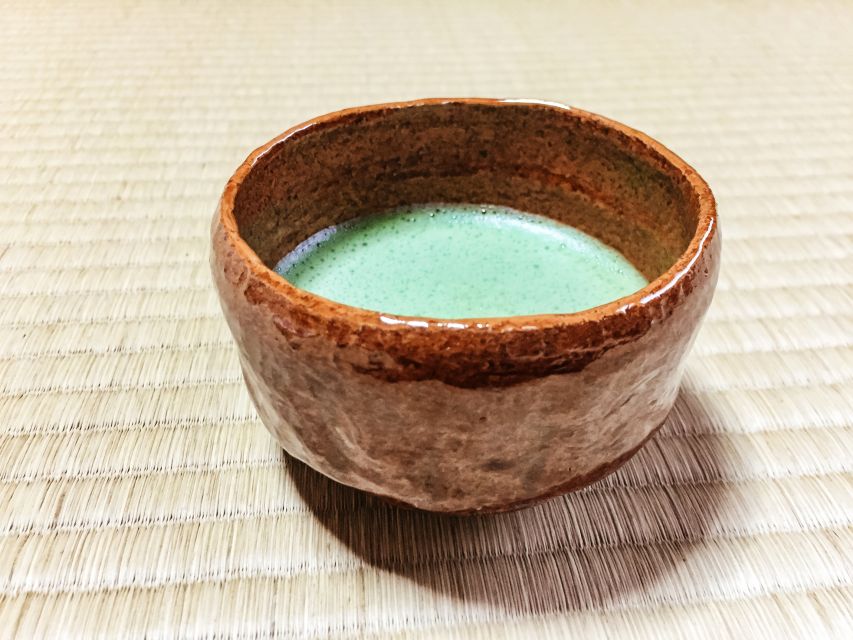
A small but important point: there are two flavors of Japanese green tea included. That gives you a quick comparison during the 45 minutes, which helps you notice how subtle changes in preparation and tea selection can shift bitterness, sweetness, and overall character.
Also, expect the ceremony to be taken seriously. Reviews consistently mention the experience feeling respectful and traditional, and this setup is designed to follow rules like Japanese beginners do.
What You Taste: Two Teas, Sweet Sweets, and Flavor Logic
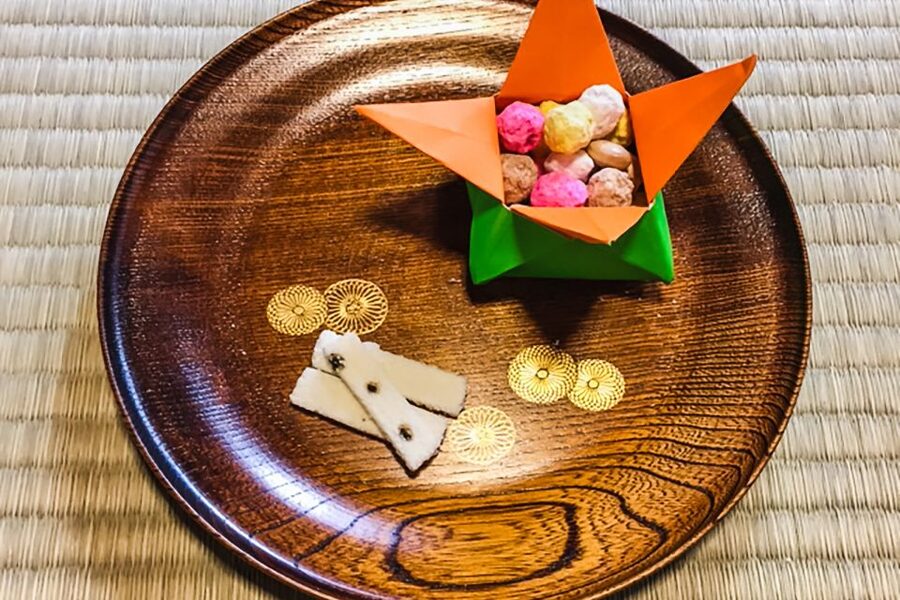
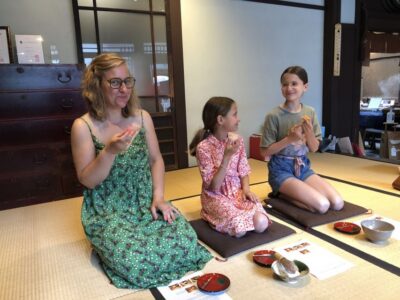
Food and drink are part of the lesson here, not an afterthought. After you complete the matcha portion, you’ll savor traditional Japanese sweets.
Why the sweets matter for you: matcha can taste bitter if you go in expecting it to be like regular green tea. Pairing it with sweets helps you understand the intended balance in the ceremony, and it makes the tasting more forgiving while you learn.
Because you get two tea flavors, you can also learn your own preference fast. One tea might feel more structured or more mellow depending on the preparation and tea type. The host’s explanations about the methods and how they affect flavor help you connect taste to technique.
If you’re not a matcha person yet, don’t automatically write it off. One review noted they usually dislike matcha bitterness, but the matcha they tasted was smooth and they ended up liking it. That’s a common result when the tea is ceremonial-grade and prepared correctly.
Tea Etiquette and Manners: Why the Room Feels Different
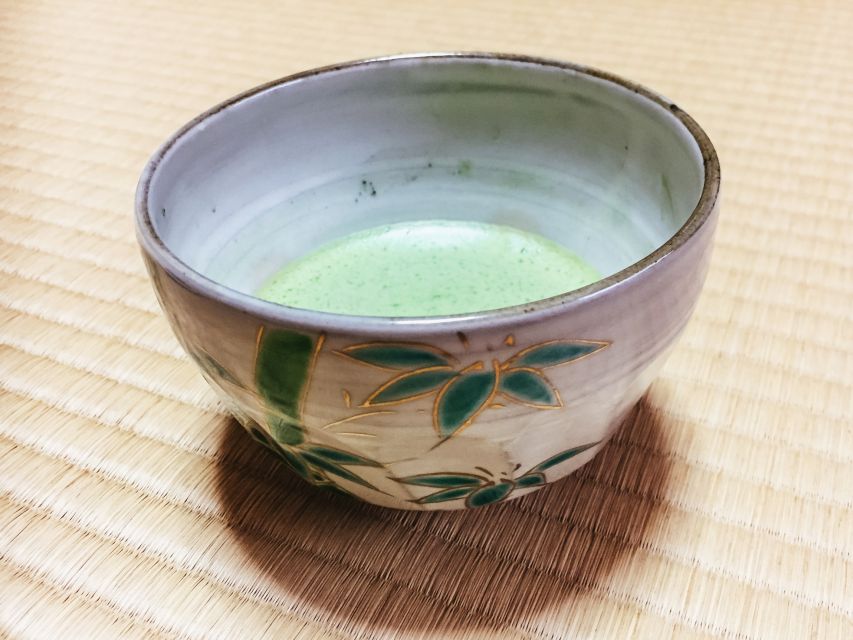
This isn’t a “grab a cup and chat” kind of class. The focus is on manners, respect, and precision. You’ll learn proper etiquette for tea drinking and the rules of the ceremony, including what to do and what not to do.
You’ll also get short videos before your visit about what not to do. The goal is simple: fewer misunderstandings and a smoother experience for everyone in the room.
Also, there is no video recording allowed. Photos are part of the plan, but videos are not. If you rely on video for souvenirs, plan to take still photos and let your notes be your memory.
A quieter way to spend a day in Kyoto
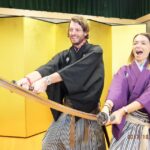

Kimono and Nishijin District Photo Time
After the ceremony ends, you’ll get time for photos and to see examples of kimonos and beautiful woven textiles made in Kyoto’s Nishijin district. This is a nice add-on for your visual souvenir instinct, and it gives context for why Kyoto is famous for textiles.
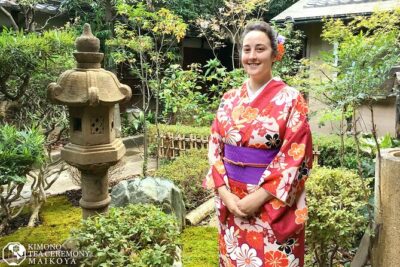
If you want to wear a kimono, you can book it as an add-on. If you choose the kimono add-on, you must arrive 20 minutes early so they can handle the dressing smoothly.
Practical note: in the reviews, the kimono add-on is repeatedly described as quick and high quality, and in some sessions the host helps with wearing it correctly. That’s a big deal if you’ve never worn a kimono before and you want to avoid the tangled belt chaos.
Candlelight Tea Ceremony: Old Kyoto Energy After Sunset
If you want something more atmospheric, choose the candle light ceremony option. It is designed to recreate the peaceful ambiance of old Kyoto after sunset.
This is the right choice for you if:
- you like mood and quiet
- you want the tea ritual to feel more cinematic
- you’d rather experience Kyoto at a calmer hour
The candlelight option also gives you a natural contrast with daytime Kyoto sightseeing. You already have temples and gardens. This adds a sensory evening ritual.
Public vs Private: Choose Your Social Comfort Level
Tea Ceremony Koto offers three session styles, and your choice changes the feel more than you might expect.
- Public ceremony option: you join a small group and learn together, similar to how Japanese beginners experience the ritual. This is usually best if you like a shared learning environment.
- Private ceremony option: it is just you and your group, with close attention and a quieter pace. This is ideal for couples, families, or anyone who wants fewer distractions.
- Candlelight ceremony option: you still follow the ceremony rules, but the lighting changes the whole mood.
If your group values silence and steady attention, private tends to be the safest bet. If you prefer a more social setup but still want tradition, public can work well.
Price and Value: Why $22 Works for a Kyoto Lesson
At $22 per person for a 45-minute lesson, the value comes from what’s included and what’s not.
Included:
- 2 flavors of Japanese green tea
- traditional Japanese sweets
- the guided tea ceremony lesson with history, etiquette, and a chance to make tea
Not included:
- hotel pick-up
- hair setting
- kimono (only with the add-on)
So where is the money going? Mostly into time with a licensed tea master and into the real teaching experience. Many similar activities charge more for shorter demos or for classes that don’t let you do the technique. Here, the format builds in your own matcha-making, and that is what makes the lesson feel worth your time.
Also, the class size is set up for learning, not mass tourism. Even when it’s public, it aims to teach the ceremony rules like beginners do.
Small Rules That Affect Your Experience (No Video, Plan for Timing)
A few details can make or break the flow. Read these and you’ll avoid awkward moments.
- No video recording is allowed. Photos are part of the experience, but video is not.
- Arrive on time, especially if you add kimono. Kimono add-on requires arrival 20 minutes early.
- If you have trouble sitting on the floor, tell the supplier so chairs can be provided.
- Calling a taxi after the exercise is not straightforward because taxi companies won’t get on the phone immediately. A big taxi stand is in front, and it usually opens around 5:30 PM.
None of these are deal-breakers. They just require you to think like a participant, not a casual visitor.
Who This Kyoto Tea Ceremony Suits Best
This is a great fit if you want the authentic side of Kyoto culture, with structure and rules. The experience is specifically recommended for people who want the full thin tea ceremony version rather than a simplified tourist version.
You’ll also enjoy it if:
- you like learning crafts with your hands
- you want to understand why movements and etiquette matter
- you appreciate quiet, respectful experiences
You might consider skipping or adjusting expectations if:
- you hate sitting on the floor and don’t want to ask for chairs
- you need constant action or entertainment
- you are hoping for a casual, take-photos-all-day event (videos are not allowed)
My Book It or Skip It Call
If you’re doing just one tea ceremony lesson in Kyoto, this is a strong choice. The format is short but serious, you learn the rules, and you make matcha yourself. The inclusion of two tea flavors, plus sweets, gives you more than a single taste moment.
Book it if you want a calm, authentic lesson near Kinkakuji-temple, and especially if you like the idea of learning from a tea master connected to Urasenke. If you want a special memory, the kimono add-on and the candlelight option are the easiest ways to turn this into a standout evening.
Skip it only if you’re looking for a big, noisy activity. This one is about etiquette, craft, and a cup of tea made with care.
FAQ
How long is the Kyoto tea ceremony lesson?
The experience runs for 45 minutes.
Where do I meet for the ceremony?
Enter through the sliding door with the orange curtain at the building. The location is 1 minute walk from the Kinkakuji-Michi city bus stop and next to the gate of Kinkakuji-temple, near the bicycle parking area.
Is hotel pick-up included?
No, hotel pick-up is not included.
What is included in the price?
You get two flavors of Japanese green tea and traditional Japanese sweets.
Can I film or record video during the ceremony?
No, video recording is not allowed.
Do I need to wear a kimono?
There is no dress code. You can add kimono rental during booking, but it is not included by default.
If I book the kimono add-on, how early should I arrive?
If you reserve the kimono add-on, you need to arrive 20 minutes early.
What session options are available?
You can choose a private ceremony, a public ceremony, or a candle light ceremony.
Are chairs available if I can’t sit on the floor?
Yes. If you might have difficulty sitting on the floor, inform the supplier and chairs can be provided.
New This Season
- Koyasan Day Trip by Private Car from Kyoto
- Old Port Town and Ultimate Sake Tasting Private Tour From Kyoto
- Kyoto’s Timeless Charm: 3hr Exploration of History and Peace
- Kyoto: 5 Types of Sushi Making
- Sacred Peak & Ancient Paths: Kurama-Kibune Hiking Experience
- Kyoto: Exclusive ZEN practice at Manpukuji temple in Uji
- Kyoto: Private Seasonal Aroma Yoga Class
- Traversing Kyoto’s Scenic West – Arashiyama to Kinkakuji
Tea Ceremonies, compared.
Tea Ceremony in a Traditional Tea House in Kiyomizu
Read our review →
Kimono Tea Ceremony at Kyoto Maikoya, NISHIKI
Read our review →
Tea Ceremony in 100-year-old Kyo-Machiya Townhouse
Read our review →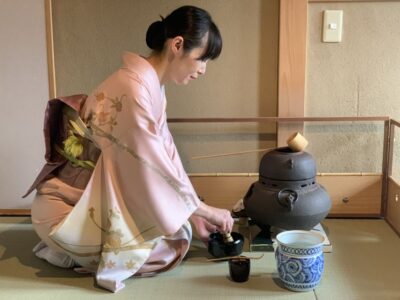
Tea Ceremony Meditation – Make Matcha with Tea Master
Read our review →Also filed under