
Reviewed · TEA CEREMONIES
Kyoto: Tea Ceremony in 100-year-old Kyo-Machiya Townhouse
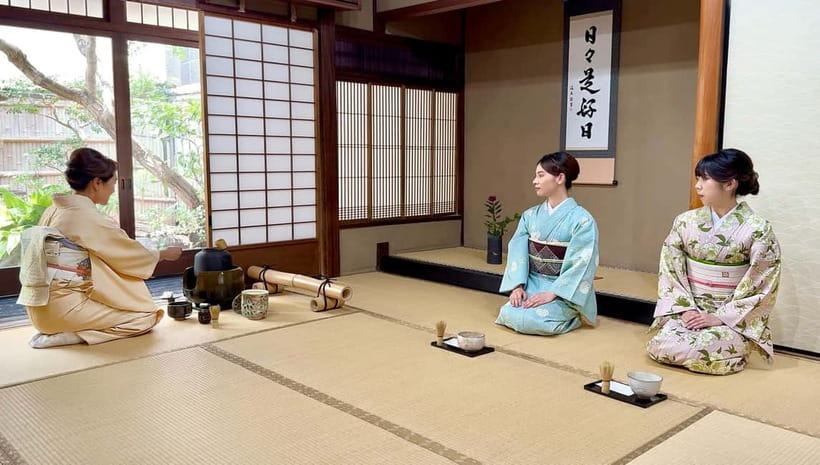
Tea and silence in an old Kyoto townhouse. This Kyoto experience pairs a guided tea ceremony with a chance to learn the etiquette in a 100-year-old machiya setting.
I especially like the fact that you do the steps yourself, not just watch. And I like that you get an interpreter’s support, so the history, the bowing, and the meaning of the gestures actually land.
One drawback to plan around: it runs as a group session, and the house is quiet by design, so you need to keep your voice down.
In This Review
- Key highlights that matter in real life
- Kyoto’s 100-year-old machiya setting, and why it changes the tea
- Gojo Shop kimono pickup: pick your color, then head to the tea house
- The two-hour wait between dressing and tea: use it, don’t waste it
- Inside the ceremony room: bowing, sweets, and reading the tea bowl
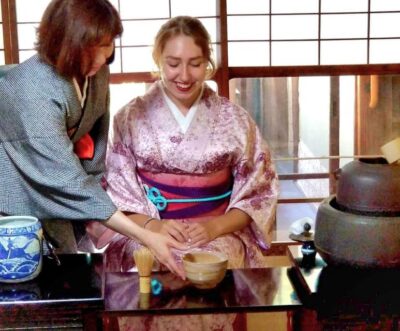
- Making your own matcha: the part you will remember
- Matcha plus sweets: why the pairing matters
- Kimono after the ceremony: stroll Kyoto in your own look, then return it
- Group timing, rules, and what to bring so you do not feel stressed
- Price and value: what $31 buys you in the Kyoto tea world
- Who this Kyoto tea ceremony fits well (and who should skip it)
- Should you book this Kyoto tea ceremony in a machiya?
- FAQ
- FAQ
- Where do I pick up the kimono if I choose that option?
- When does the tea ceremony start after kimono pickup?
- Is there a tea ceremony option without kimono rental?
- Can I sit on a chair, or do I have to sit on the floor?
- What time can I wear the kimono in Kyoto?
- What should I bring and what restrictions should I know?
Key highlights that matter in real life
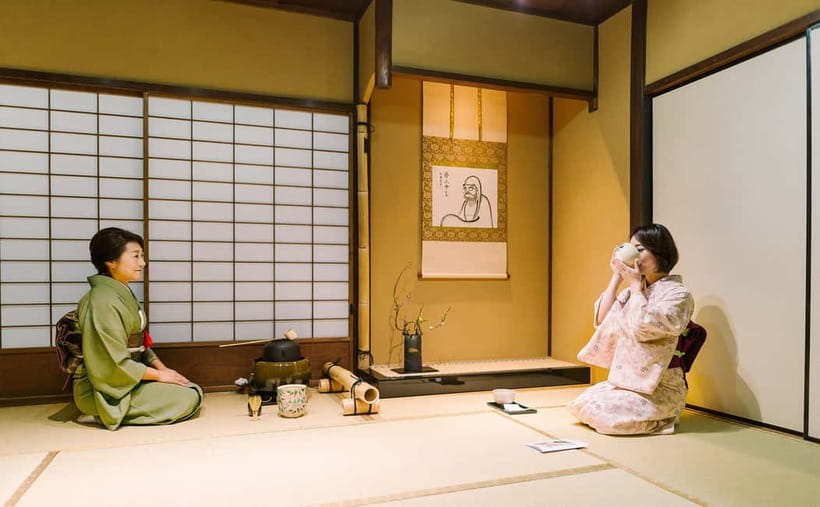
- Hands-on matcha making under the tea master’s supervision, including preparing the tea yourself
- A 100-year-old Kyo-machiya townhouse atmosphere, with the ceremony happening in the actual traditional space
- Etiquette you can use again, from bowing and greetings to how you handle sweets and appreciate the tea bowl
- Kimono rental with optional upgrade, with an add-on that can include styling and upgrading to Houmongi
- Optional Kyo-Machiya moment after tea, a short tour plus selfie time in the same townhouse setting
- Court-culture context near Kyoto Gosho, including background connected to Nijō Yoshimoto and renga culture
Kyoto’s 100-year-old machiya setting, and why it changes the tea
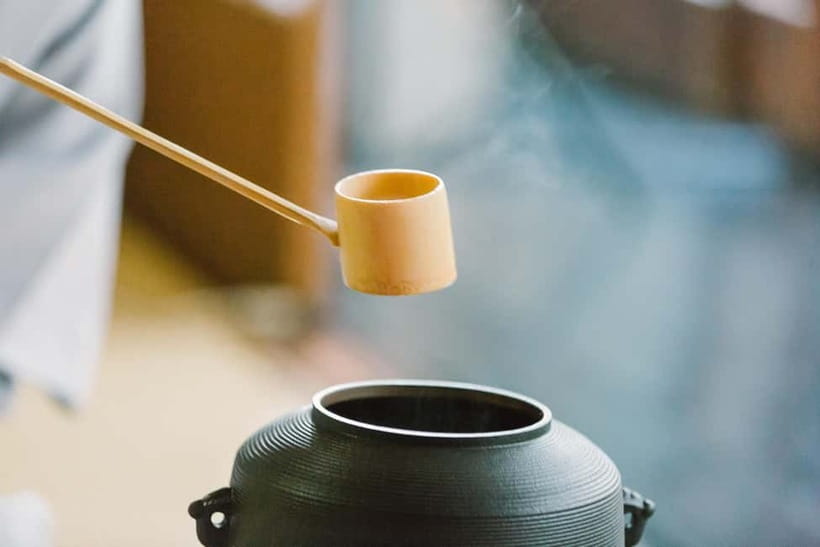
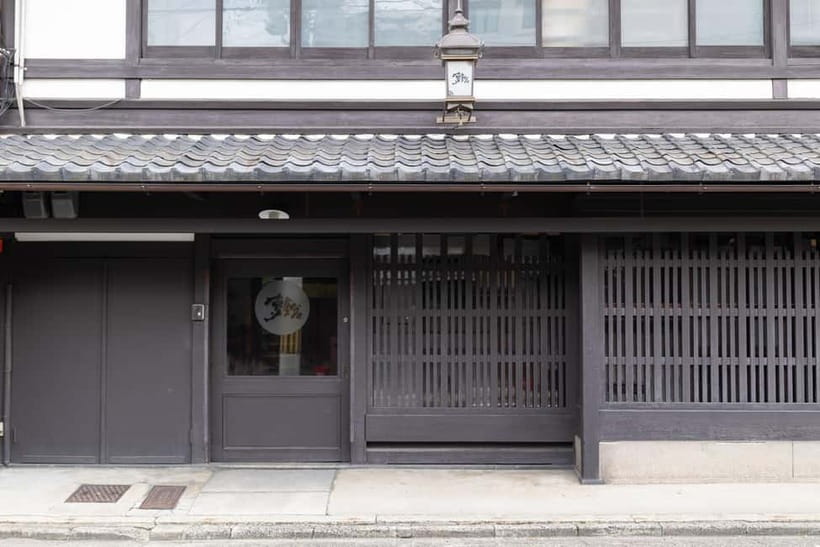
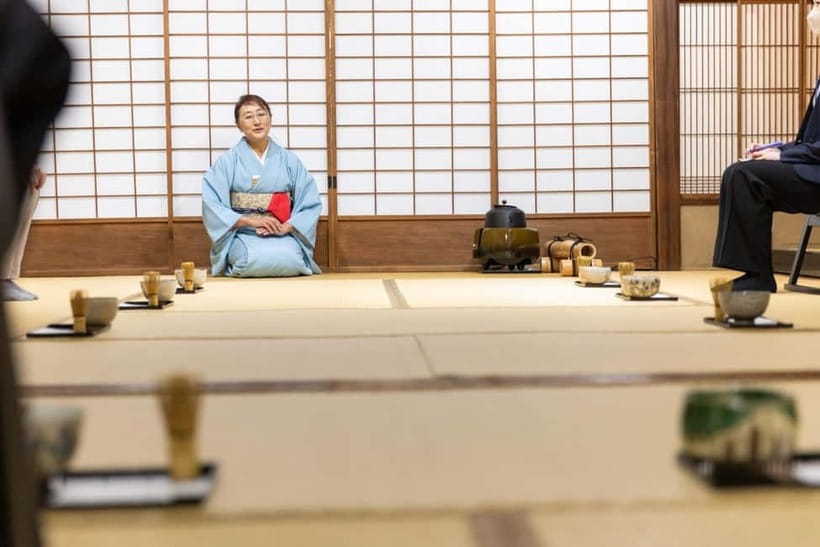
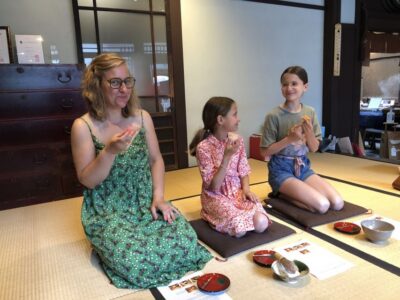
This is not the typical quick photo-op tea stop. The ceremony takes place in a traditional machiya townhouse that is about a century old, so you feel the slowdown right away. The space is part of the lesson. Wood, paper screens, and the quiet rhythm of the room all push you toward doing things properly, because the setting makes it feel worth the care.
You also get a real sense of why the Way of Tea became more than just drinking matcha. The ceremony is built on small actions, and when you do them in the right environment, it all connects: the sweets first, the bowl handling, the way you pause before drinking. If you tend to rush through experiences, this one gently forces you to slow down.
Gojo Shop kimono pickup: pick your color, then head to the tea house
If you book the kimono option, you start at the Gojo Shop at the starting time shown on your voucher. This part is surprisingly useful, because you get to choose a kimono color and design, including sizes. You are not stuck with one look.
Two practical notes. First, you’ll want your socks ready. Second, if you choose the add-on, you may get extra styling services and an upgrade from a casual kimono to a more formal Houmongi. That upgrade can make the whole day feel more like you stepped into a court-season look, not just costume rental.
Then the clock starts ticking differently than most tours. After kimono pickup, the tea ceremony begins two hours after your selected starting time. For example, if you choose 11:00 AM, the tea ceremony starts at 1:00 PM. This gap is real, and you’ll want a plan for it.
More bowls, poured the traditional way
- Kyoto: Tea Ceremony in a Traditional Tea House in Kiyomizu
★ 4.9 · 3,519 reviews - Kyoto: Tea Ceremony Ju-An at Jotokuji Temple
★ 4.9 · 3,207 reviews - Kyoto: 45-Minute Tea Ceremony Lesson Experience
★ 4.3 · 2,378 reviews - Kyoto: Table-Style Tea Ceremony at a Kyo-Machiya
★ 4.9 · 1,211 reviews
The two-hour wait between dressing and tea: use it, don’t waste it
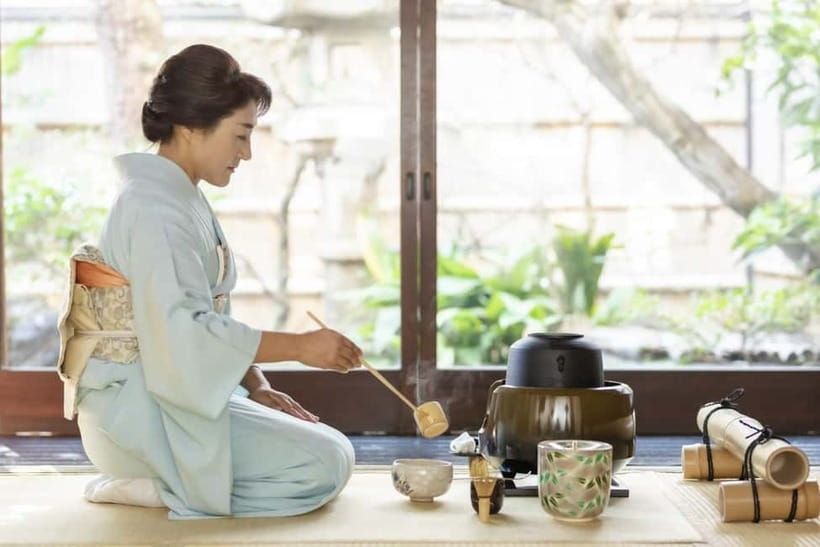
This experience schedules you in a way that often throws first-timers. You’ll get dressed first, then you wait. If you show up thinking the ceremony starts immediately, you’ll either feel rushed or stuck.
Here’s how to make it work:
- Plan to explore nearby Kyoto in your kimono if you are doing that option later, but be mindful the kimono is typically for a specific time window after the ceremony (more on that shortly).
- If you are not comfortable in layers, treat the waiting period as a calm breather. You are about to sit and do precise movements, so you do not want to arrive tired.
Also, know that the meeting point changes depending on what you booked. For the tea ceremony only option (no kimono rental), you go to Oike Bettei 5 to 10 minutes before the voucher time.
Inside the ceremony room: bowing, sweets, and reading the tea bowl
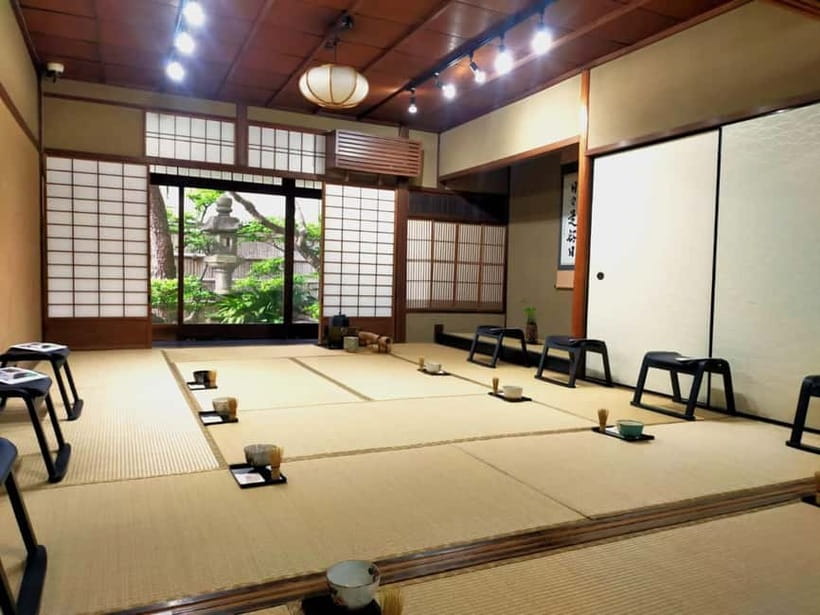
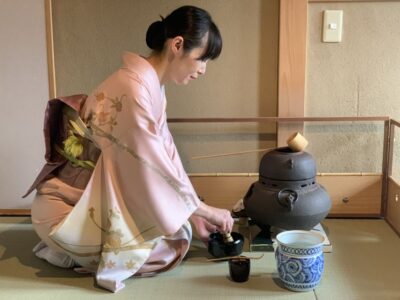
Once you are seated, the tea master and interpreter set the tone fast. The instruction starts with the history of tea ceremony, tracing how it came to Japan from China about 1,200 years ago, then moving toward the form many people recognize as the Japanese Way of Tea.
Then you get the etiquette, clearly broken down. You learn:
- how to bow and use proper greeting words
- how to handle and eat the traditional sweets
- how to observe the tea bowl with attention
- how to drink the tea in the intended way
I like that this is not treated like a trivia lecture. It is taught as a set of actions that make sense together. And you have options for seating. You can sit on a small chair, or you can sit on the floor if you prefer to follow the traditional posture. If you have mobility concerns, the small chair option matters.
Because this is held as a group session (up to 20 people), the room you get can vary. The important part is that the ceremony stays quiet and controlled. If you want loud chatting and casual wandering mid-lesson, you won’t like it here.
Making your own matcha: the part you will remember
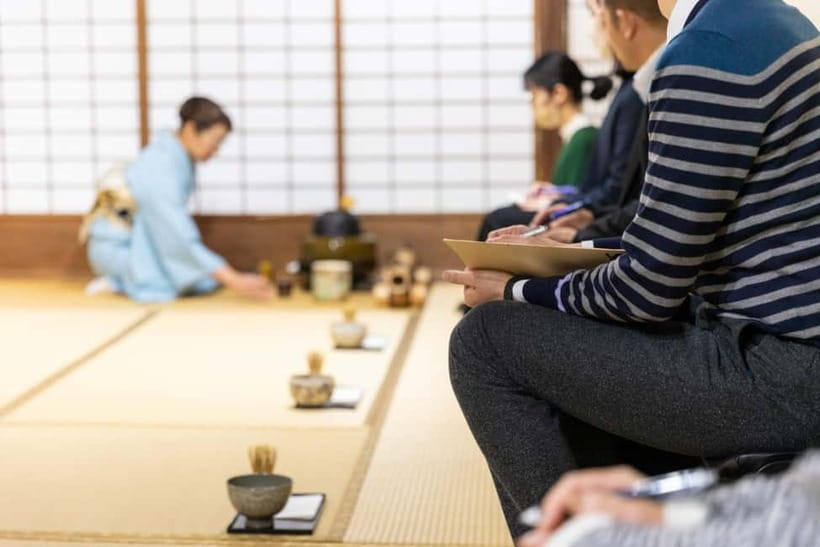
The most valuable moment is not the explanation. It is the practice.
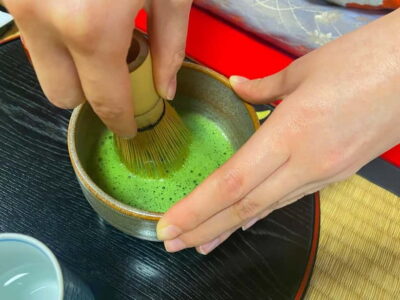
The ceremony usually starts with the master preparing the first tea for a guest. Then the focus shifts to you. You prepare the matcha yourself under the master’s supervision. That supervision is key. Matcha is forgiving only up to a point. Getting the whisking and serving steps right is the difference between okay and genuinely satisfying.
I also like the pacing. You do not get dumped into the hardest step immediately. You see the flow, then you try it, with guidance right where you need it.
From past experiences described by participants, the instruction can feel very tailored, especially when an interpreter is present to connect Japanese terms to what you are physically doing. Some sessions have been led by teachers such as Lim or Ling in English-language lessons, and there are also references to teachers like Maki supporting the experience. You can treat that as a clue that the teaching style often mixes calm craft with clear communication.
At the end, the tea master closes the ceremony, and you can ask questions before you leave. That last Q and A time is where you can turn this from a fun ritual into something you understand.
Matcha plus sweets: why the pairing matters
Yes, the matcha tastes good. But the pairing with traditional Japanese sweets is part of the design. You get sweets during the ceremony, and the way they are introduced helps you understand the intended rhythm of flavors and temperature.
You will also get a leaflet explaining the tea ceremony, so you have a quick reference afterward. I like that touch, because it helps you translate what you experienced into something you can actually repeat when you are back at home.
One more practical point: this is a quiet, indoor experience with rules. Flash photography is not allowed, and you cannot bring food or drinks into the session. If you are hoping to snack your way through the lesson, you’ll be disappointed. The sweets and matcha are the point.
A day of temples goes further with something to break it up.

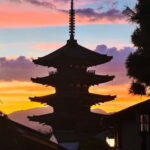
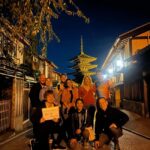
Kimono after the ceremony: stroll Kyoto in your own look, then return it
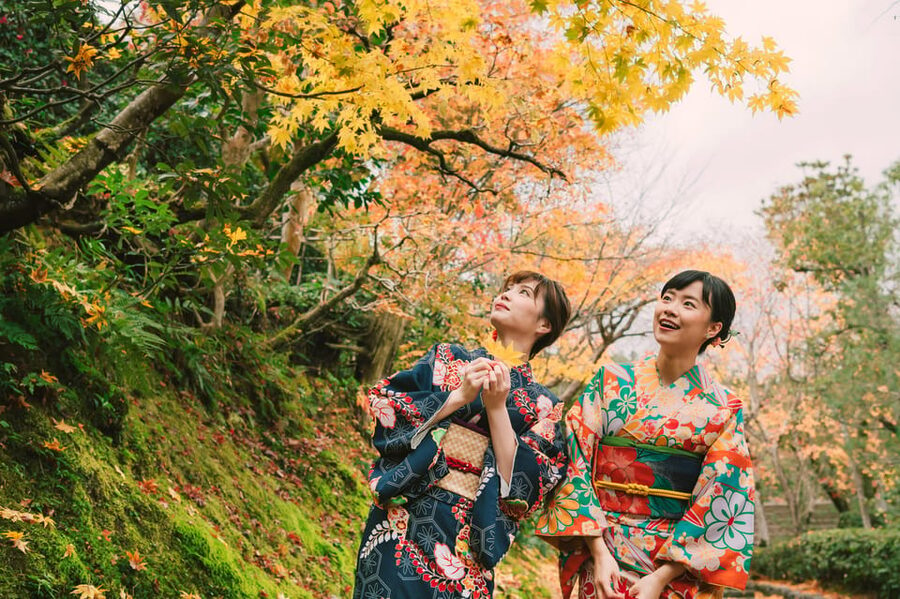
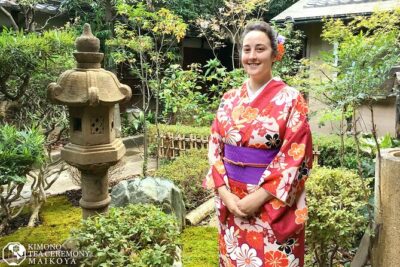
If you choose the kimono option, the kimono is yours to wear after the ceremony while you stroll around Kyoto. You just have to return it by 5:30 PM to the Yumeyakata Gojo Shop on the same day.
This is one of those add-ons that can truly improve your day, but only if you plan your walking and comfort. Layers can be warm, and moving in kimono takes practice. On a hot day, it can feel like learning a new movement style. Still, the payoff is real. You get photos that actually match the setting, and you can feel how kimono changes your pace in real streets.
If you do the add-on, you are also invited right after tea to join a short Kyo-Machiya Tour held in the same place. The included time is 30 minutes total, broken into a 20-minute tour and a 10-minute selfie time. This is where you go beyond tea and look at the townhouse itself: history, cultural significance, architectural details, and the hidden functions of these homes.
The location is described as being near Kyoto Gosho (Kyoto Imperial Palace). The area also connects to the former residence of Nijō Yoshimoto (1,320 to 1,388), a court noble connected to renga, linked verse poetry. That context makes the architecture and the refined social world of tea gatherings feel less abstract.
Group timing, rules, and what to bring so you do not feel stressed
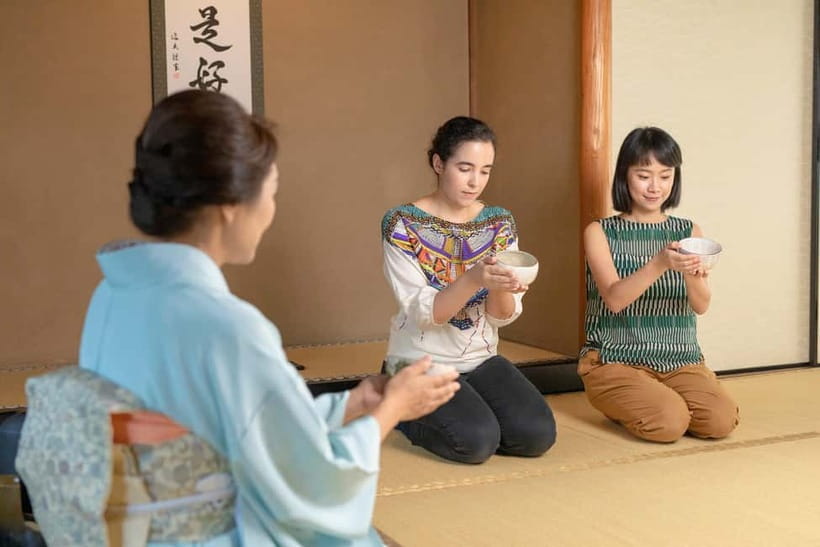
Here’s the practical reality: the ceremony runs with other people, and the experience expects calm behavior. It is suitable for guests aged 10 and above. Quiet atmosphere matters. Disruptive behavior can get you asked to leave.
The room also depends on group size, so it can feel different day to day. If you prefer floor seating, it is available, but you should be ready for the posture and bring socks.
What you need to bring:
- Socks (required)
What is not allowed:
- sandals or flip flops
- pets
- smoking indoors
- flash photography
- food and drinks
- making noise
Also, if you arrive late, you can still join, but the session time will not be extended. That is important if your Kyoto day has tight connections, crowds, or you underestimated travel time. Give yourself a buffer.
Price and value: what $31 buys you in the Kyoto tea world
The price is listed at $31 per person, and the value here comes from the structure. You are not just tasting matcha. You are getting:
- a guided tea ceremony with a tea master
- matcha tea and traditional Japanese sweets
- instruction plus a leaflet
- a tea master and interpreter
- optional kimono rental and, with add-ons, styling and even an upgrade to Houmongi
If you choose the kimono option, the pricing starts to look more like a full cultural day package. You are paying for learning time plus materials and support that make it work smoothly.
And the best part is the hands-on matcha. A lot of tea experiences end at watching. Here you prepare your own tea under guidance. That active role is what makes this feel worth your time, even if you only understand half the gestures at first.
If you want a souvenir, you mostly get understanding. The matcha and sweets are great, but the real take-home is knowing what each step is for.
Who this Kyoto tea ceremony fits well (and who should skip it)
This experience is a strong match if you want a calm, structured look at Japanese etiquette with real practice. It is especially good for:
- first-timers to Japanese tea culture who want context, not just a show
- people who like learning by doing
- visitors who enjoy traditional settings like old machiya houses and kimono
It is not suitable for:
- children under 10
- pregnant women
- wheelchair users
- people over 6 ft 6 in (200 cm)
- visually impaired people
- babies under 1 year
- people over 209 lbs (95 kg)
If you are tall, have any mobility limitations, or you rely on certain seating supports, check your comfort level with the room setup early. Even though a small chair option exists, the experience is still built around a traditional setup and a quiet group environment.
Should you book this Kyoto tea ceremony in a machiya?
Book it if you want a real tea ceremony lesson in an old Kyoto townhouse, with time to practice your matcha skills and a meaningful option to add kimono for strolling. The structure, the etiquette teaching, and the hands-on portion make it feel more complete than many quick culture activities.
Skip it if you hate group settings, you need a fully private experience, or you want a flexible, casual vibe. The quiet rules and the scheduled timing are not negotiable, and the kimono option can be physically uncomfortable if you are sensitive to heat and layers.
FAQ
FAQ
Where do I pick up the kimono if I choose that option?
You’ll go to the Gojo Shop at the starting time shown on your voucher to choose your kimono.
When does the tea ceremony start after kimono pickup?
The tea ceremony begins two hours after your selected starting time. For example, 11:00 AM pickup means a 1:00 PM ceremony start.
Is there a tea ceremony option without kimono rental?
Yes. For the tea ceremony only option, you should go to Oike Bettei 5 to 10 minutes before the starting time on your voucher.
Can I sit on a chair, or do I have to sit on the floor?
You can do either. There are small chairs available if you prefer not to sit on the floor.
What time can I wear the kimono in Kyoto?
If you select the kimono option, you can stroll after the ceremony and must return the kimono to the Gojo Shop by 5:30 PM the same day.
What should I bring and what restrictions should I know?
Bring socks. You cannot wear sandals or flip flops, bring pets, smoke indoors, use flash photography, or bring food and drinks. Noise should be kept low because the room needs a quiet atmosphere.
New This Season
- Koyasan Day Trip by Private Car from Kyoto
- Old Port Town and Ultimate Sake Tasting Private Tour From Kyoto
- Kyoto’s Timeless Charm: 3hr Exploration of History and Peace
- Kyoto: 5 Types of Sushi Making
- Sacred Peak & Ancient Paths: Kurama-Kibune Hiking Experience
- Kyoto: Exclusive ZEN practice at Manpukuji temple in Uji
- Kyoto: Private Seasonal Aroma Yoga Class
- Traversing Kyoto’s Scenic West – Arashiyama to Kinkakuji
Tea Ceremonies, compared.
Tea Ceremony in a Traditional Tea House in Kiyomizu
Read our review →
Kimono Tea Ceremony at Kyoto Maikoya, NISHIKI
Read our review →
Tea Ceremony Meditation – Make Matcha with Tea Master
Read our review →Also filed under