Reviewed · GION GEISHA QUARTER WALKS
Kyoto: Kimono Tea Ceremony at Orizuruya Gion
Silk kimonos, then calm matcha. This Kyoto experience at Orizuruya Gion lets you choose your kimono from a huge selection and learn real matcha whisking with guided instruction. I especially like that you can do it without worrying about etiquette, because staff handle the important steps from start to finish.
The setup stays personal, with a small group capped at 10 and an English-speaking licensed guide. One thing to consider: the whole session is only 90 minutes to 2 hours, so if you want hours of tea nerd time, you may wish you booked a longer program.
In This Review
- Key Points to Know Before You Book
- Orizuruya Gion: A Kyoto Tea Experience That Doesn’t Feel Awkward
- Choosing Your Kimono (Over 200 Designs) and Getting Dressed Like a Pro
- Tea Ceremony Basics, Delivered Clearly in English
- Wagashi and Matcha: The Pairing You’ll Be Thinking About Later
- Optional Japanese Calligraphy: Brushwork With Real Patience
- How Long Can You Keep the Kimono Afterward?
- Price and Value: Is $49 Worth It?
- Who This Kyoto Experience Fits Best (and Who Might Skip It)
- Practical Stuff That Helps It Go Smoothly
- Should You Book the Kyoto Kimono Tea Ceremony at Orizuruya Gion?
- FAQ
- Where is the meeting point for the Orizuruya Gion kimono tea ceremony?
- How long does the experience take?
- Is the group small?
- What’s included in the price?
- Is calligraphy included or optional?
- Can you keep the kimono after the ceremony?
- Final Call: When This Experience Is a Great Match
Key Points to Know Before You Book
- Kimono picking is part of the experience, with options from over 200 designs and expert help dressing you
- Matcha practice is hands-on, including making your own bowl with a bamboo whisk (chasen)
- Small-group format keeps questions flowing, and the vibe stays quiet and respectful
- Optional calligraphy can turn your visit into a longer 2-hour cultural workshop, with a set included
- You can often keep the kimono longer for photos and easy exploring around Gion, depending on timing
Orizuruya Gion: A Kyoto Tea Experience That Doesn’t Feel Awkward
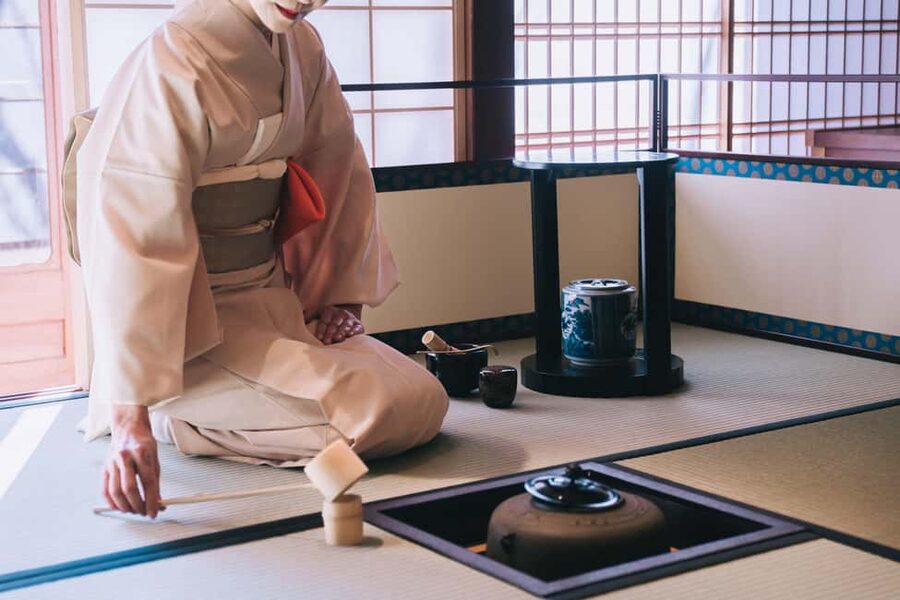
Kyoto can be intimidating on day one, especially around traditions with lots of unwritten rules. This is a good antidote, because you’re guided step by step by a licensed instructor, in English. And the setting is in Gion, right where you can connect what you learn to what you see outside.
Your meeting point is at Gion Oritsuruya, 572-7 Minamigawa, Gion-machi, Higashiyama-ku, Kyoto-shi, Kyoto. It’s also convenient on foot from major access points: about a 10-minute walk from Hankyu Kyoto-Kawaramachi Station and about 7 minutes from Keihan Gion-Shijo Station. You’ll handle your own getting there, but once you arrive, the experience takes care of the rest.
The “skip the ticket line” detail matters more than you’d think. When you’re dressed for a ritual, you don’t want to spend your first minutes fidgeting with paperwork or waiting around.
Choosing Your Kimono (Over 200 Designs) and Getting Dressed Like a Pro
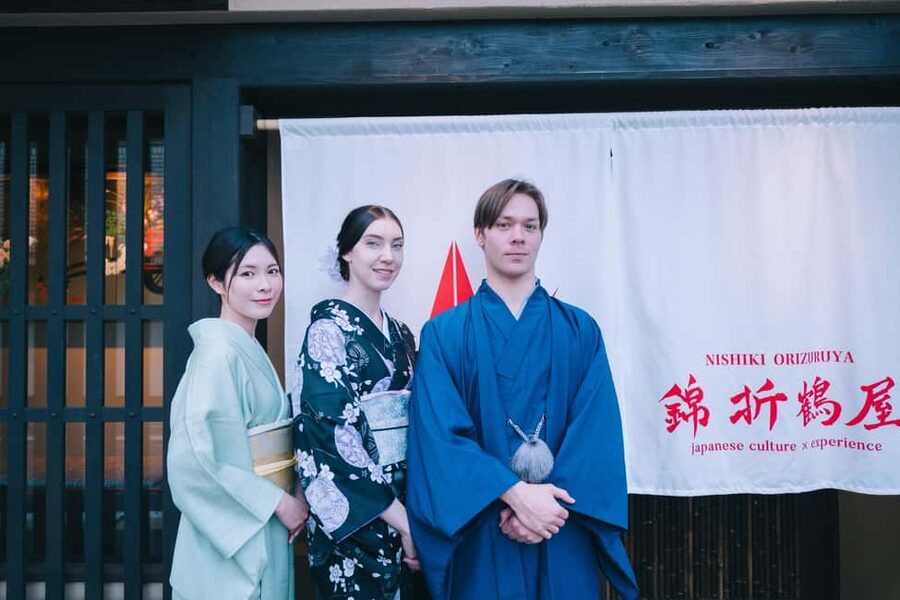
This is where the fun starts. You’ll pick your kimono from more than 200 designs, then staff help you get dressed correctly. In real terms, that means less stress for you. You don’t have to guess what goes where, or whether the fit looks right.
If you’re visiting as a woman, simple hair styling is included to help complete the look. The dressing process is also one of the most consistently praised parts of the experience. People repeatedly highlight that staff are professional and efficient, and they take the time to make you feel comfortable while still moving at the right pace.
And yes, the photo factor is real. The staff are used to helping you get pictures during the kimono portion and after, so you get memorable shots without having to figure everything out yourself.
One practical note: you’ll be in kimono while you’re inside the tea space, and possibly afterward while walking around. If you’re doing an early time slot, it can be cold outside, so plan to balance photos with warmth while you’re out.
Walk the old streets in kimono
- Kimono Tea Ceremony at Kyoto Maikoya, NISHIKI
★ 5.0 · 911 reviews - Kyoto: Kimono Rental with Hairstyling and Accessories
★ 4.8 · 653 reviews - KYOTO Tea Ceremony with kimono near by Imamiya Jinjya Shrine
★ 5.0 · 343 reviews - Kyoto: Kimono and Tea Ceremony Experience at Cultural Asset
★ 4.3 · 306 reviews
Tea Ceremony Basics, Delivered Clearly in English
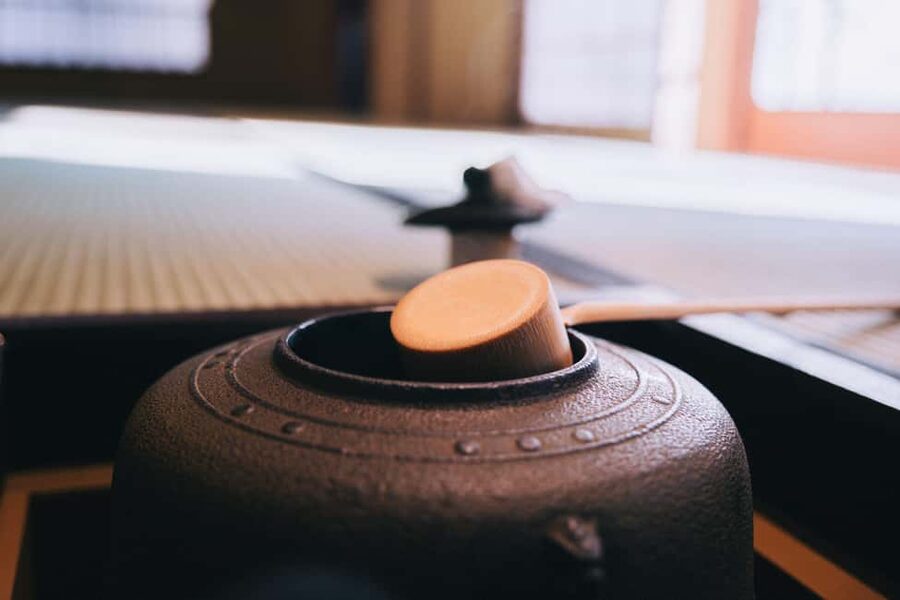
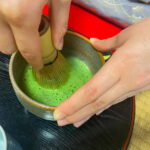
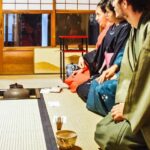
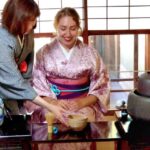
Once you’re dressed, you’ll step into the tea room and start the ritual. The instructor explains what’s happening and why, so you’re not just copying motions. You learn techniques for making matcha with the traditional bamboo whisk, called a chasen.
Then comes the part you actually remember: you prepare your own bowl of matcha. That hands-on element is the reason this works even if you’ve never done anything like it before. You get to feel the rhythm of whisking and see what changes when the technique changes.
The teaching style is also part of the charm. Many participants mention that the guidance is easy to follow, and that you can ask questions during the session. That turns it from a “watch and clap” activity into something you can personalize.
You’ll also learn a bit about the meaning behind the tea ceremony, and how matcha fits into Japanese culture. The goal isn’t to turn you into a tea master. It’s to help you understand enough to appreciate what you’re doing while you do it.
Wagashi and Matcha: The Pairing You’ll Be Thinking About Later
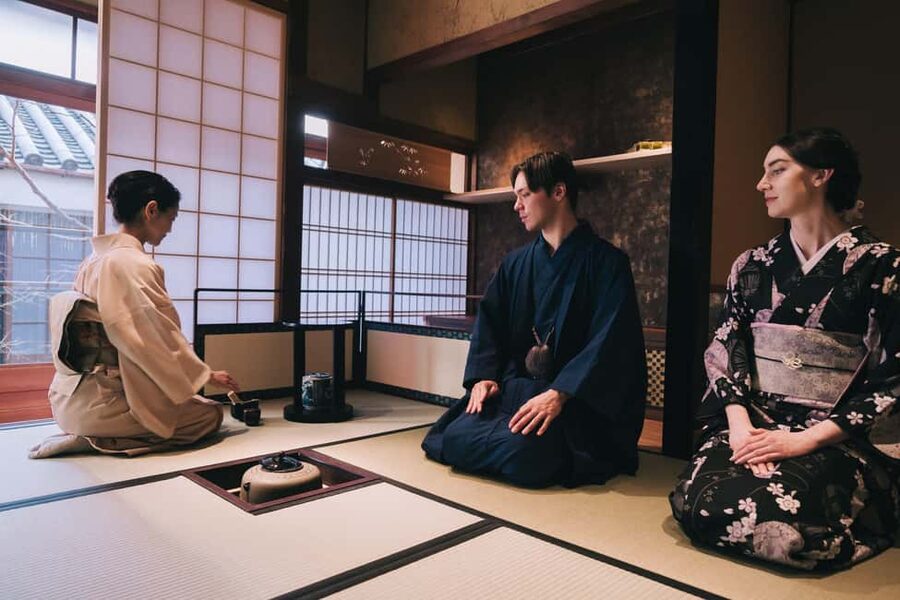
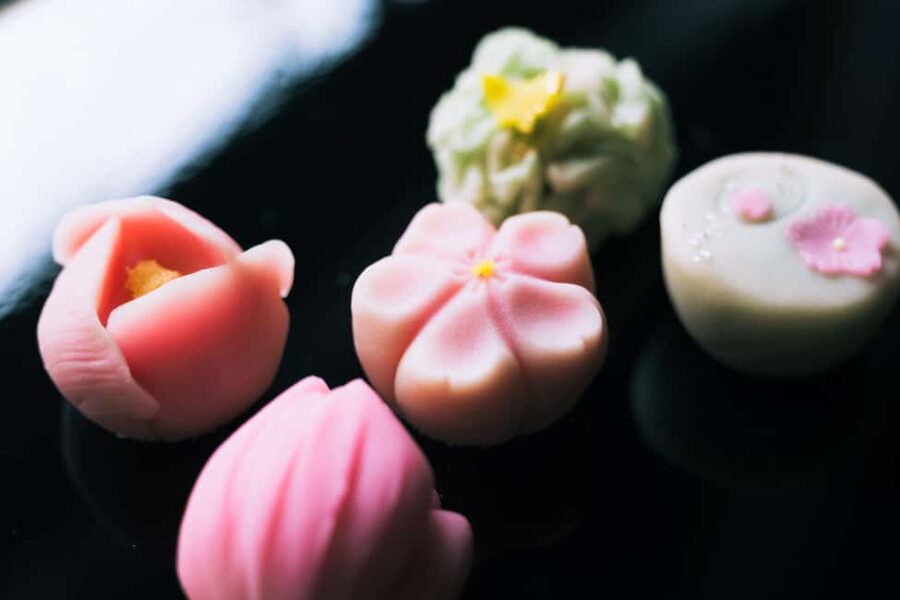
During the experience, you’ll have snacks including wagashi and matcha. The sweets are described as coming from a century-old confectionery, and that adds a nice sense of place. In other words, you’re not just drinking matcha with a random cookie, you’re trying it in the classic paired way the ceremony supports.
This is one of those moments where the structure helps you. Matcha can taste strong if you go in cold. But paired with small, delicate wagashi, it makes more sense, and you get to experience the contrast the ceremony is designed for.
And since you make your own matcha, you’re not only tasting. You’re also comparing your result with what you’ve just been shown. That makes the flavor lesson stick.
Optional Japanese Calligraphy: Brushwork With Real Patience
If you choose the Kimono Tea Ceremony & Japanese Calligraphy Experience, the total time extends to about 2 hours. You’ll also get Japanese calligraphy materials, because a calligraphy set rental is included with this option.
Calligraphy is frequently singled out as a highlight, mostly because it changes the tone of the experience. Tea is calm and controlled; calligraphy adds a small challenge, and you have to slow down and focus. Participants also describe the instruction as patient, with teachers encouraging you through the process.
One more perk: if you’re the kind of traveler who likes learning one “usable” skill, calligraphy gives you that. Even if your first character isn’t perfect, you leave with a tangible memory of trying something traditional in a structured way.
If you want a longer cultural session that still feels hands-on, this add-on is the move.
How Long Can You Keep the Kimono Afterward?
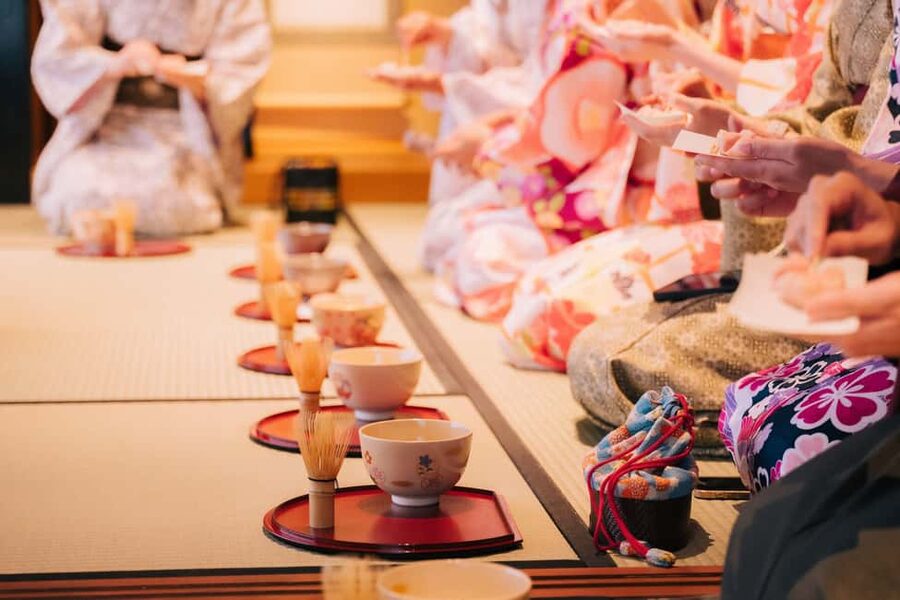
One reason this experience gets so much love is what happens after the ceremony. Many participants mention being able to keep the kimono longer to walk around Gion and take photos. Some specifically note being able to wear it until around 5pm, especially with earlier time slots, and using the time for a short temple visit.
That flexibility is valuable. It turns your kimono from a quick costume change into part of your Kyoto day. You can actually experience the neighborhood in traditional attire, rather than treating the kimono as something you only wear inside the tea room.
Just keep expectations realistic. You’ll need to follow staff guidance about the timeframe, and you’ll want to plan for the weather. A kimono is beautiful, but it’s also layered fabric that can feel cold when you’re outside.
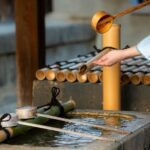
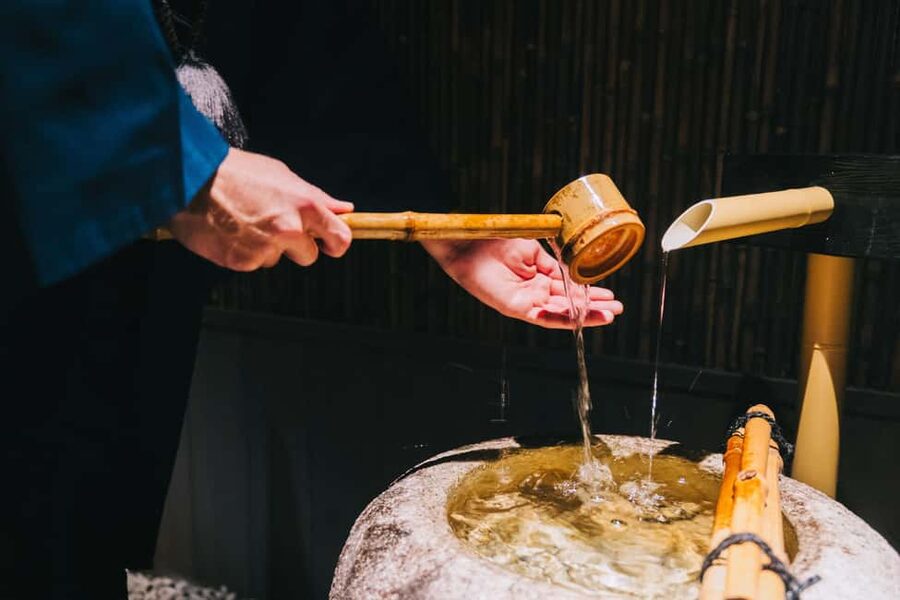
More bowls, poured the traditional way
Price and Value: Is $49 Worth It?
At $49 per person, you’re not paying just for tea. You’re paying for several built-in pieces that would cost time and money separately in Kyoto.
Here’s what’s included:
- Kimono set rental
- Tea ceremony utensils rental
- Snacks: wagashi and matcha
- Hairstyling for women (simple style)
- Instruction by a licensed guide in English
- All fees and taxes
- Optional: calligraphy set rental if you book the calligraphy add-on
So the value isn’t only the price tag. It’s the “done for you” aspect. You’re getting correct kimono dressing, a guided tea lesson, and the materials to practice. The small group limit also matters, because it reduces the feeling of being rushed or ignored.
The one cost to keep in mind is time. Since the experience runs about 90 minutes to 2 hours, you’ll leave with skills and memories, but you won’t get a full day immersion. If your goal is a short, high-impact cultural activity, this format is a good fit.
Who This Kyoto Experience Fits Best (and Who Might Skip It)

This is especially good for you if:
- You want to experience Japanese culture without fear of messing up
- You like hands-on learning, not just watching
- You want a calm activity that still feels special and memorable
- You’re traveling as a couple or small group and want photos that look genuinely Kyoto
It can also be a great family activity for older teens, since one participant mentioned their 14-year-old really enjoying the session. The calligraphy option can be a nice “try something new” activity if your group enjoys creative practice.
You might consider a different option if:
- You’re looking for a long multi-hour workshop with deep technical training
- You dislike quiet, structured activities where you focus on ritual steps and explanations
Practical Stuff That Helps It Go Smoothly
The meeting point is in Gion, and you should budget time to arrive without rushing. You’re responsible for your own transportation to the meeting point, but once you’re there, staff take over.
Wear comfortable footwear. Even if you don’t walk far, you’ll be moving through the process and may keep the kimono for a short stroll afterward. Also, plan for weather if you’re doing extended kimono time outside, since cold came up in people’s comments.
Finally, if calligraphy is on your wish list, choose the calligraphy option ahead of time so you get the right set of materials and the longer session length.
Should You Book the Kyoto Kimono Tea Ceremony at Orizuruya Gion?
Book it if you want a high-value Kyoto cultural moment with clear English instruction, real practice with matcha, and professional kimono dressing. The small group size, the hands-on bowl of matcha, and the option to add calligraphy make this feel like more than a quick photo stop.
Skip it if you expect a full-day experience or you only want sightseeing with no structured ritual. For everyone else, this is a well-paced way to learn something meaningful and walk away with a skill you can actually repeat later.
FAQ
Where is the meeting point for the Orizuruya Gion kimono tea ceremony?
The meeting point is at Gion Oritsuruya, 572-7 Minamigawa, Gion-machi, Higashiyama-ku, Kyoto-shi, Kyoto. It’s about a 10-minute walk from Hankyu Kyoto-Kawaramachi Station and about a 7-minute walk from Keihan Gion-Shijo Station.
How long does the experience take?
The kimono tea ceremony experience runs about 90 minutes to 2 hours. If you select the Japanese calligraphy add-on, it runs closer to 2 hours.
Is the group small?
Yes. The experience is a small group, limited to a maximum of 10 participants.
What’s included in the price?
You get snacks including wagashi and matcha, kimono set rental, tea ceremony utensils rental, and hairstyling (simple style) for women. The price also includes all fees and taxes, plus a licensed guide.
Is calligraphy included or optional?
Calligraphy is optional. If you book the Japanese Calligraphy Experience option, a Japanese calligraphy set rental is included, and your session lasts about 2 hours.
Can you keep the kimono after the ceremony?
You can keep the kimono for a period after the ceremony to explore around Gion and take photos. Some participants mention keeping it until around 5pm, depending on your time slot, and using it for a short visit in the area.
Final Call: When This Experience Is a Great Match
If you want a Kyoto activity that’s structured enough to be stress-free, but hands-on enough to feel genuinely rewarding, this one fits well. You’ll leave knowing how matcha is whisked, wearing a kimono you chose yourself, and likely with a few gorgeous photos along the way.
Gion Geisha Quarter Walks
New This Season
- Koyasan Day Trip by Private Car from Kyoto
- Old Port Town and Ultimate Sake Tasting Private Tour From Kyoto
- Kyoto: 5 Types of Sushi Making
- Sacred Peak & Ancient Paths: Kurama-Kibune Hiking Experience
- Kyoto’s Timeless Charm: 3hr Exploration of History and Peace
- Kyoto: Exclusive ZEN practice at Manpukuji temple in Uji
- Kyoto: Private Seasonal Aroma Yoga Class
- Traversing Kyoto’s Scenic West – Arashiyama to Kinkakuji
Gion Geisha Quarter Walks, compared.
Kyoto Geisha Walking Tour: Gion District & Hidden Gems
Read our review →
Gion Magical Night Walking Tour with Geisha Trivia
Read our review →
Gion Geisha District Walking Tour – Stories of Geisha
Read our review →
Best of Kyoto: Gion, Geisha, Pagodas & Cobblestones
Read our review →

Kyoto Night Foodie Tour in Gion (9+ dishes + 6 Sake tastings)
Read our review →
Kyoto Gion Geisha District Walking Tour – The Stories of Geisha
Read our review →