Reviewed · GION GEISHA QUARTER WALKS
Kyoto Gion: 2-Hour Geisha Culture & History Walking Tour
Kyoto turns theatrical after dark. In just two hours, you get Gion’s geisha-world history plus real quiet alley walking that makes the district feel lived-in. The tour is built around classic lanes and respected religious sites, so the culture hits from multiple angles, not just one photo stop.
I like how the guide explains geisha life in plain terms, from training to the craft behind kimonos and hairstyles, and I’ve seen that storytelling led by guides such as Dan, Soyo, and Uta. I also like the mix of memorable stops, including a 1,000-year-old shrine and the Edo-period townhouses area, so you leave with both street-level atmosphere and historical context.
One consideration: you’re walking the whole time, and it’s weather-dependent. In heat, it can feel like a lot, and there are no built-in drink breaks in the plan, so bring water and plan your pace.
In This Review
- Key highlights you will feel right away
- Gion in two hours: the pacing that works
- Finding the geisha district: Hanamikoji Street, and what to watch
- Sannenzaka and Ninenzaka slopes: photos plus a rumor reality check
- Yasaka Shrine: the 1,000-year-old anchor of the district
- Hokan-ji Temple: the photo magnet stop that people remember
- Pontocho and the Kamogawa river pause: old-gourmet Kyoto, then a breather
- Gion Shirakawa’s Edo-period townhouses: the neighborhood’s real architecture
- Yasui-Konpiragu: a quick taste of Shinto practice
- Price and value: how $23.88 works for a two-hour guided culture walk
- What to bring and how to time your walk
- Who this tour suits best
- Should you book Kyoto Gion: 2-Hour Geisha Culture & History Walking Tour?
- FAQ
- How long is the Kyoto Gion Geisha Culture & History Walking Tour?
- How much does the tour cost?
- Where does the tour start and end?
- What are the main stops on the walk?
- Is there an admission fee for the stops?
- Can I expect to see a geisha during the tour?
- How big are the groups?
- Is the tour suitable for everyone physically?
- What ticket format do I receive?
- Does the tour run in bad weather?
Key highlights you will feel right away
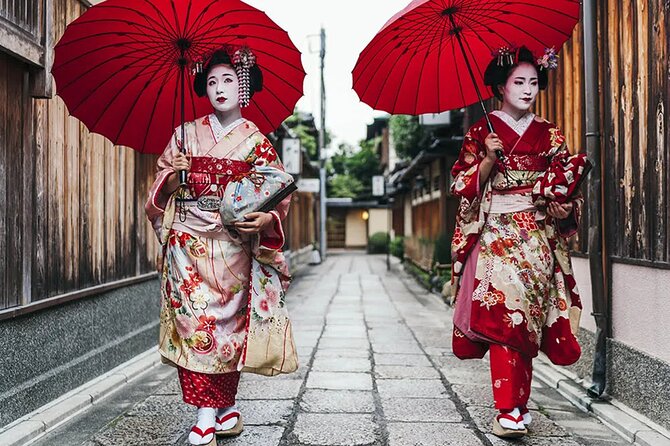
- A realistic chance to spot a geisha while you walk Hanamikoji Street with your guide guiding you on what to look for
- A stop at Yasaka Shrine, described as about 1,000 years old
- Hokan-ji Temple for standout photos, highlighted as the most photogenic stop on the route
- Sannenzaka and Ninenzaka, the famous slope streets with a guide who clears up the spooky rumor
- Gion Shirakawa’s Edo-period townhouses, where the old Kyoto look is the point
- A slow moment by the Kamogawa River, so the walk doesn’t turn into nonstop sightseeing
Gion in two hours: the pacing that works
This tour is short enough to fit easily into your Kyoto schedule, about 2 hours total with multiple photo and shrine pauses. The best part is that the pacing keeps you moving through the heart of Gion, but not so fast that you miss details. With a group size capped at 15, you get the feel of a guided walk rather than a herd.
You start and end at the same place, back at the meeting point by Shijo-Ohashi Bridge. That matters, because it means you can concentrate on the experience instead of thinking about transportation at the end. Also, admission at the listed stops is free for this activity, which helps keep the cost sensible.
If you’re the type who likes to learn while walking, this format is a good match. It’s also ideal if you want a first taste of Kyoto’s traditional neighborhoods without booking a half-day tour.
Finding the geisha district: Hanamikoji Street, and what to watch
Your walk begins on Hanamikoji Street, the best-known spine of Gion. This is where the tour’s geisha focus starts, and it’s exactly the kind of place where your eyes need help. Your guide sets the scene with the realities of geisha culture, including the strict training behind it.
The practical benefit is that you’ll start noticing things that most visitors miss. The tour points attention toward the visual signals of traditional styling, and it gives context for why kimonos, hairstyles, and the choreography of performances matter. You’re not just staring at people passing by, you’re understanding the work behind what you see.
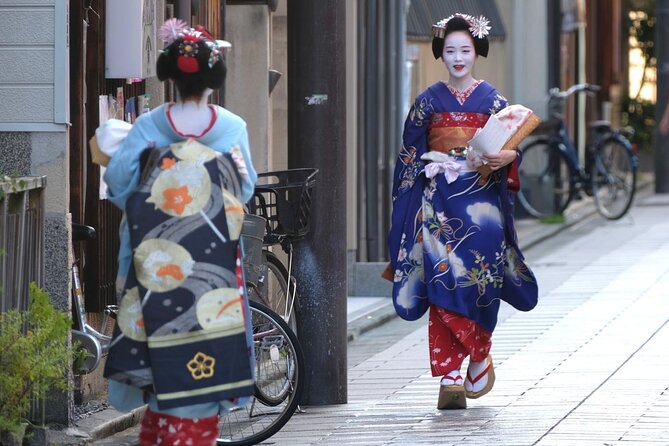
Then comes the highlight you actually came for: a chance to spot a real geisha. It’s not guaranteed, but your guide’s timing and street knowledge increase your odds. One clear tip from the overall experience pattern: try to schedule this around early evening, when the light and street energy are right. If your day is packed, don’t wait too late, because some people prefer to be done before late-night crowding changes the feel.
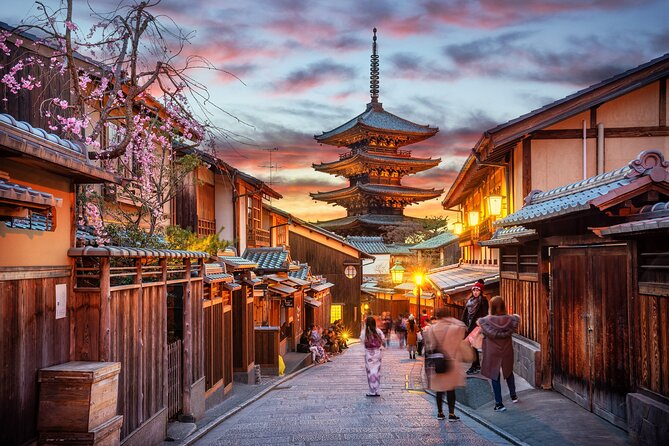
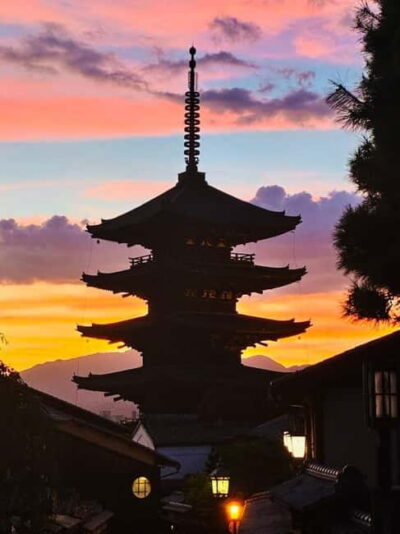
Lantern-lit streets of the geisha quarter
- Kyoto Geisha Walking Tour: Gion District & Hidden Gems
★ 4.7 · 3,273 reviews - Kyoto: Gion Magical Night Walking Tour with Geisha Trivia
★ 4.9 · 2,393 reviews - Kyoto: Gion Geisha District Walking Tour – Stories of Geisha
★ 4.7 · 2,187 reviews - Best of Kyoto: Gion, Geisha, Pagodas & Cobblestones
★ 4.9 · 2,058 reviews
Sannenzaka and Ninenzaka slopes: photos plus a rumor reality check
Next you head to Sannenzaka Ninenzaka, two of Kyoto’s famous “just walk slowly and look” streets. The route here is built for atmosphere. If you skip photography or you power through, you’ll miss what makes these lanes special, because the charm is in how they compress the old-town mood.
There’s also a story component. You’ll hear the eerie rumor about what happens if you fall on these streets, and then your guide explains what’s behind the tale. That’s a small thing, but it’s the sort of detail that makes Kyoto stick in your brain. You get folklore flavor without taking it literally.
One practical note: this area is known for foot traffic, so wear shoes you trust and plan your camera pace. You don’t want to sprint uphill, then regret it at Yasaka Shrine or later at the river pause.
Yasaka Shrine: the 1,000-year-old anchor of the district
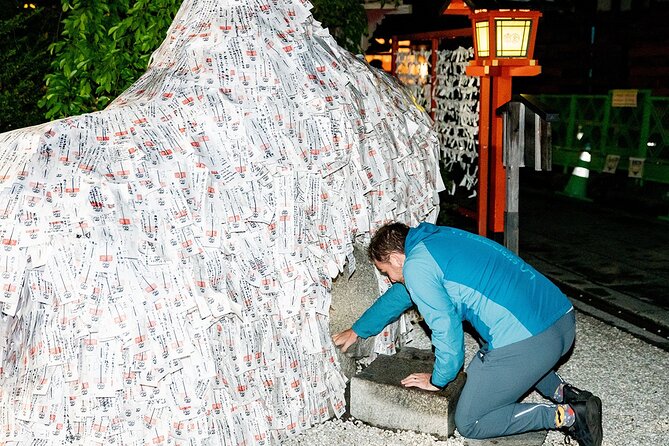
Then you shift from street life to a major spiritual landmark at Yasaka Shrine. The tour plan highlights it as about 1,000 years old, and that age gives you a real anchor point. In Gion, tradition isn’t just a costume theme. Religious sites keep the neighborhood grounded.
Why this stop is valuable: it resets your senses. After the narrow streets and potential sightings, you get a moment where the focus becomes Kyoto’s living traditions. Even if you’re not a shrine expert, you’ll leave with a better sense of why Gion exists as more than a stage district.
Time here is about 20 minutes, enough for a calm look and photos, without dragging. And since admission is free for this activity, it’s a no-stress inclusion.
Hokan-ji Temple: the photo magnet stop that people remember
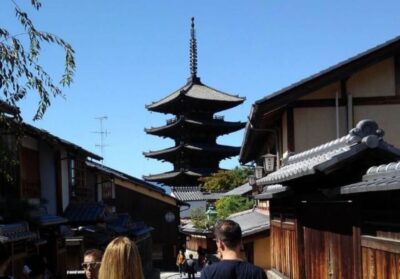
The route continues to Hokan-ji Temple, described in the tour plan as the most photogenic spot in Kyoto. Whether you care about temple architecture or not, this is a smart stop because it gives you a clear visual payoff within the walk.
This is also a good moment to slow down and check your framing. The tour time is about 20 minutes, so you can get one or two solid shots without turning the experience into a standstill. If you’re traveling with family or friends and not everyone loves history, this kind of “photo payoff” stop keeps the group happy.
One more practical angle: temples can be crowded depending on the time of day. The short duration helps you move through without spending your entire visit stuck in the busiest pockets.
Pontocho and the Kamogawa river pause: old-gourmet Kyoto, then a breather
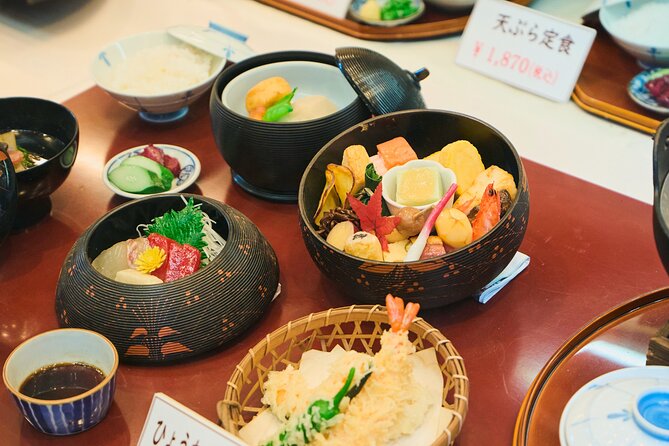
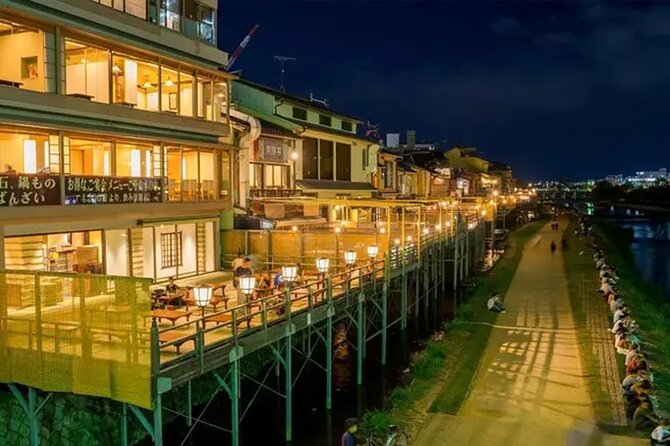
After Hokan-ji, you pass through Pontocho, a historic gourmet street known for its atmosphere. Your stop is brief, around 15 minutes, but it’s long enough to understand why Pontocho is famous. It’s the kind of Kyoto scene where the details matter: the street feel, the location vibe, and the way the area holds its identity.
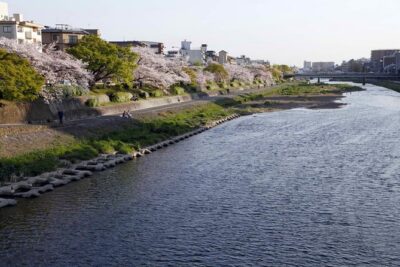
Then the tour plan includes a local chill-out spot by the Kamogawa River. This is one of those “you’ll be glad it’s here” moments. After multiple walking segments and photo stops, the river pause gives you a chance to catch your breath, hydrate, and regroup mentally.
I like that this tour doesn’t treat every minute like a checklist. If you tend to get “museum-tired” on walking tours, the river break helps.
A quieter way to spend a day in Kyoto

Gion Shirakawa’s Edo-period townhouses: the neighborhood’s real architecture
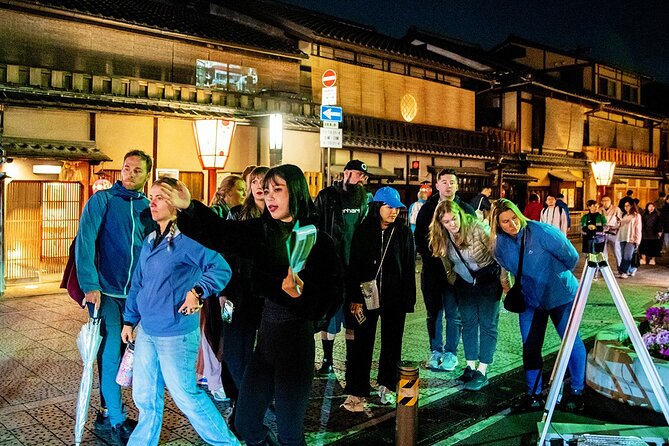
Next is Gion Shirakawa, where you see Edo-period townhouses. This is a big deal if you care about the way places look and how they evolved. Modern Kyoto can be flashy, but Gion’s older streets and buildings are what make it feel like a time capsule.
What I appreciate is that this stop isn’t just about seeing old buildings. Your guide shares the stories behind the structures, which changes the experience from sightseeing into understanding. The difference is subtle, but it’s huge for memory. You stop photographing for a minute, and instead you start noticing structure, materials, and why the town layout feels the way it does.
The stop is around 20 minutes, enough for a relaxed look. If you’re into architecture or street design, this section will likely be one of your favorites.
Yasui-Konpiragu: a quick taste of Shinto practice
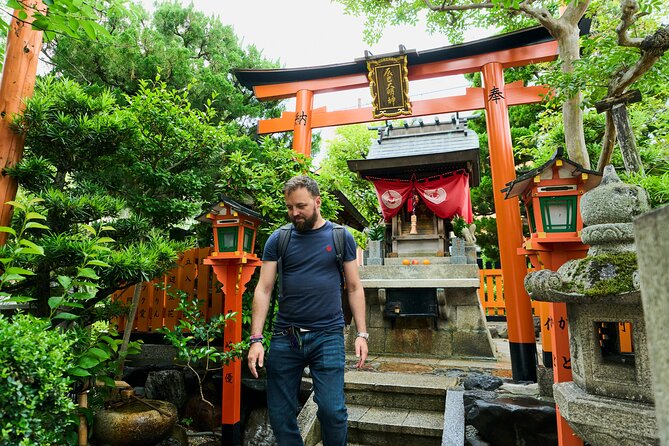
The final named stop is Yasui-Konpiragu, where you experience Shinto worship for about 15 minutes. This is the part of the tour that rounds out the cultural picture. You’ve walked geisha district streets, then paused at a major shrine, then you end with a different religious site type and feel.
This makes your whole walk feel more grounded. Gion is often presented as an entertainment district, but Kyoto’s spiritual landmarks show the deeper layer that has always been there.
Keep your expectations simple here: this is not a long ceremony experience. It’s a respectful stop that gives you context and an on-foot sense of place.
Price and value: how $23.88 works for a two-hour guided culture walk
At $23.88 per person, this is priced for value, especially since the plan includes multiple major stops and the key selling point is the live guide. A two-hour walk with a local expert in a central district saves you from doing guesswork.
You also get practical extras baked in: a mobile ticket, an overall route that uses free access at listed stops, and a small group cap of 15. That last detail matters. With a larger group, people rush and your guide cannot fine-tune pacing or answer questions in the moment.
The biggest value, though, is the way the guide connects dots. You don’t just hear about geisha; you get training and craft explained in human terms, and you hear why the district layout and architecture matter.
What to bring and how to time your walk
This is a moderate walking experience, so dress for comfort. Wear shoes you can stand in and walk in for your full two-hour route.
Bring:
- A small water bottle, especially if it’s hot
- Sun protection for daytime walks
- A light layer for evening breeze near the river
Timing tip based on the overall experience vibe: try to plan your tour around early evening, around 5 to 6 p.m., when you may have a better chance of seeing a geisha and the streets have that Kyoto mood without being completely slammed.
One more reality check: Gion sightings are never guaranteed. Your tour sells a chance, not certainty, and that’s fair. The upside is that even if you don’t see a geisha in the moment, you still get the culture context and the historic stops.
Who this tour suits best
This tour is a strong fit if you:
- Want a first or second day introduction to Gion
- Like learning while walking, not just taking photos
- Care about geisha culture beyond stereotypes
- Prefer a short plan that still includes temples, shrines, and classic streets
It’s also a good match for couples and solo travelers. With a small group and guided pace, it feels social but not crowded.
If you dislike walking in tight lanes, or you want long stays at individual sites, you may find the time per stop slightly brief. The whole point is to cover a lot with guidance, so it stays efficient.
Should you book Kyoto Gion: 2-Hour Geisha Culture & History Walking Tour?
Yes, if you want the best blend of geisha culture explanation, iconic Gion streets, and a history-meets-atmosphere walk in a compact time window. The small group size, free access at the listed stops, and a route that includes Yasaka Shrine, Hokan-ji Temple, Pontocho, Gion Shirakawa, and Yasui-Konpiragu makes it hard to beat for a first taste.
Book with a clear mindset: you’re coming for a guided walk with a chance to spot a geisha, not a guaranteed sighting. If that’s your expectation, you’ll enjoy the culture details, the street-level feel, and the small stops that add up fast.
If the weather looks iffy, wait for a cleaner day. The experience requires good weather, and Kyoto is better when you can wander without rushing.
FAQ
How long is the Kyoto Gion Geisha Culture & History Walking Tour?
The tour runs for about 2 hours.
How much does the tour cost?
The price is $23.88 per person.
Where does the tour start and end?
It starts at McDonald’s – Shijo-ohashi Bridge, 105-1 Hashimotochō, Shimogyo Ward, Kyoto, 600-8011, Japan, and it ends back at the meeting point.
What are the main stops on the walk?
The tour includes Hanamikoji Street, Sannenzaka Ninenzaka, Yasaka Shrine, Hokan-ji Temple, Pontocho, a local chill-out spot by the Kamogawa River, Gion Shirakawa, and Yasui-Konpiragu.
Is there an admission fee for the stops?
The tour plan lists free admission tickets for the stops included in the itinerary.
Can I expect to see a geisha during the tour?
You get a chance to spot a geisha, but it is not guaranteed.
How big are the groups?
The tour has a maximum of 15 travelers.
Is the tour suitable for everyone physically?
It’s listed as requiring moderate physical fitness.
What ticket format do I receive?
You receive a mobile ticket.
Does the tour run in bad weather?
This experience requires good weather. If it’s canceled due to poor weather, you’ll be offered a different date or a full refund.
More Walking Tours in Kyoto
Historical Tours of Kyoto
New This Season
- Koyasan Day Trip by Private Car from Kyoto
- Old Port Town and Ultimate Sake Tasting Private Tour From Kyoto
- Kyoto’s Timeless Charm: 3hr Exploration of History and Peace
- Kyoto: 5 Types of Sushi Making
- Sacred Peak & Ancient Paths: Kurama-Kibune Hiking Experience
- Kyoto: Exclusive ZEN practice at Manpukuji temple in Uji
- Kyoto: Private Seasonal Aroma Yoga Class
- Traversing Kyoto’s Scenic West – Arashiyama to Kinkakuji
Gion Geisha Quarter Walks, compared.
Kyoto Geisha Walking Tour: Gion District & Hidden Gems
Read our review →
Gion Magical Night Walking Tour with Geisha Trivia
Read our review →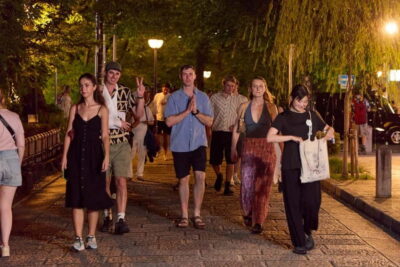
Gion Geisha District Walking Tour – Stories of Geisha
Read our review →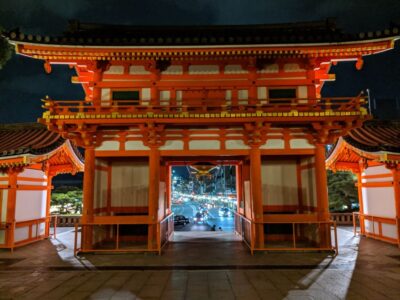
Best of Kyoto: Gion, Geisha, Pagodas & Cobblestones
Read our review →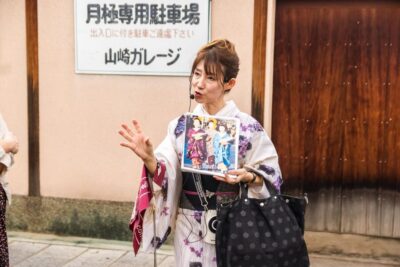
Kyoto Night Foodie Tour in Gion (9+ dishes + 6 Sake tastings)
Read our review →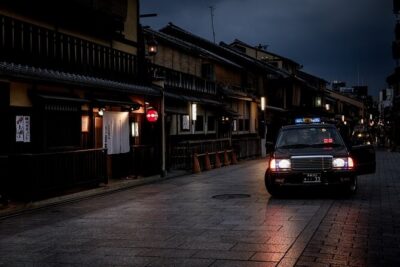
Kyoto Gion Geisha District Walking Tour – The Stories of Geisha
Read our review →