
Reviewed · GION GEISHA QUARTER WALKS
Kyoto Gion Historical Walking Tour
Kyoto in three hours is a smart shortcut. This Kyoto Gion Historical Walking Tour pairs classic temple stops with the feel of modern Kyoto, all while your English-speaking guide puts the pieces together, including the Meiji restoration context. You’ll also get moments tied to Gion’s cultural world, with stops around places like Tatsumi Bridge and Chion-in.
I love the way the route gives you real spatial orientation. You see major landmarks in a logical flow, plus the stone paths and slopes that make Higashiyama feel like Kyoto from a postcard, even when the streets are full. I also like how the guide uses stories, not just dates, and you can tell guides like Jay and Ben enjoy answering questions.
One thing to plan for: this is a half-day walking tour that includes uneven ground and stairs, and breaks are limited. If you need frequent stops or very easy walking, you may want to rethink the pace.
In This Review
- Key things to know before you go
- Kyoto Gion Historical Walking Tour, Old Streets With Modern Context
- Meeting at Ben’s Cookies Shijo, Then a Smooth Start
- Tatsumi Bridge and Gion Shibashi, Start With a Classic Kyoto Scene
- Chion-in Temple Sammon and Temple Grounds, Big Wooden Gate Energy
- Maruyama Park Pause, A Needed Reset From Temple Concentration
- Nene-no-Michi, Stone Path Stroll With a Human Story
- Hōkan-ji (Yasaka Pagoda), Look Up for the Payoff
- Ninen-zaka and Sannen-zaka Slopes, The Photo Streets That Feel Alive
- Kiyomizu-dera Finale, UNESCO Views and the One Entry Fee Catch
- Guide Quality Is the Real Value Add, From Jay to Aiyumi
- Price and Practical Value, Why $40 Can Make Sense
- Who This Tour Suits Best, and Who Should Rethink
- Should You Book This Kyoto Gion Historical Walking Tour?
- FAQ
- How long is the Kyoto Gion Historical Walking Tour?
- What is the price per person?
- Do I need to buy tickets for the temples?
- Is this tour guided, and in English?
- Where do I meet the tour, and where does it end?
- How many people are on the tour?
- What happens if the weather is bad?
Key things to know before you go
- Max 12 people means the tour feels personal instead of like a human conveyor belt
- Meiji restoration explained so temple stops connect to Japan’s bigger historical shifts
- Most admissions are free, but Kiyomizu-dera entry is not included
- Gion shibashi to Higashiyama slopes gives you classic photo streets and real street-level atmosphere
- It runs about 3 hours, so bring water and plan to snack before you start
Kyoto Gion Historical Walking Tour, Old Streets With Modern Context
This walk works because it does two things at once. It shows you Kyoto’s spiritual landmarks, and it explains how the city has changed over time, including the Meiji restoration. That matters, because without context, temples can blur together into a “pretty buildings” day. With context, you start noticing what you’re looking at and why it matters.
The route also threads through the parts of Kyoto that feel most like Kyoto. You’re in Gion around Tatsumi Bridge and shibashi area energy, then you move into the older pedestrian lanes of Higashiyama with stone paths, slopes, and temple complexes. The experience is built for orientation, not just sightseeing.
And yes, it’s scenic. But it’s also practical. By the time you finish, you’ll understand how the area is laid out, where the big landmarks cluster, and how to plan your next self-guided wandering loop.
Meeting at Ben’s Cookies Shijo, Then a Smooth Start
The tour starts at Ben’s Cookies Kyoto Shijo, at Shinchō street in Shimogyo Ward. It’s a handy meeting point because you can usually find your way there with public transit without stress. Plus, the tour provides a mobile ticket, which makes it easy to keep things organized while you’re walking.
The tour ends at Kiyomizu-dera, at the entrance on Kiyomizu street in Higashiyama Ward. Ending near your most famous finish spot is a smart move. You’re not fighting across town to reach Kiyomizu-dera after you’ve already spent your energy.
Timing is roughly 3 hours, so this is a good “morning or afternoon anchor.” It’s long enough to learn a lot, but short enough that you can still do dinner plans on the same day.
Lantern-lit streets of the geisha quarter
- Kyoto Geisha Walking Tour: Gion District & Hidden Gems
★ 4.7 · 3,273 reviews - Kyoto: Gion Magical Night Walking Tour with Geisha Trivia
★ 4.9 · 2,393 reviews - Kyoto: Gion Geisha District Walking Tour – Stories of Geisha
★ 4.7 · 2,187 reviews - Best of Kyoto: Gion, Geisha, Pagodas & Cobblestones
★ 4.9 · 2,058 reviews
Tatsumi Bridge and Gion Shibashi, Start With a Classic Kyoto Scene
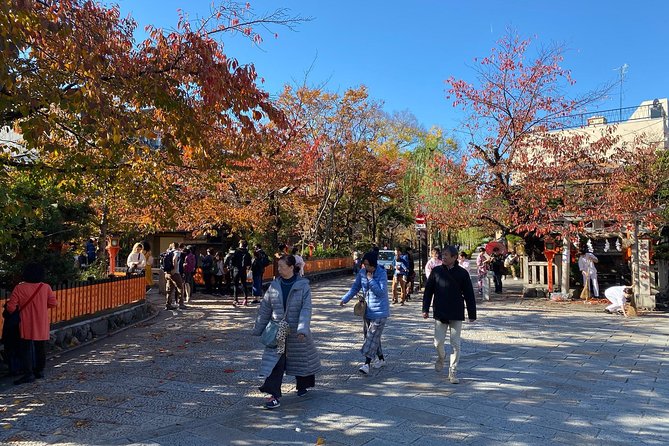
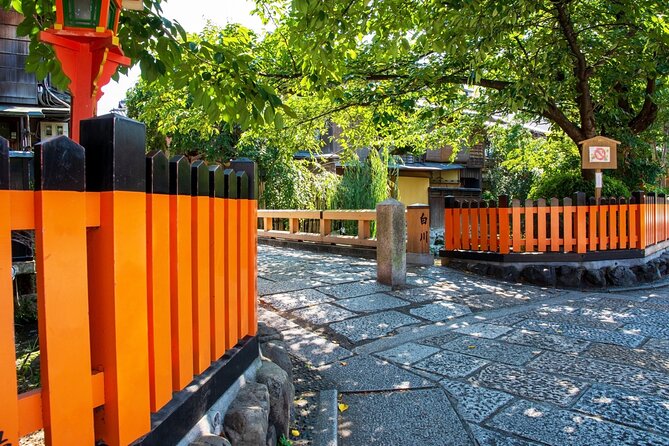
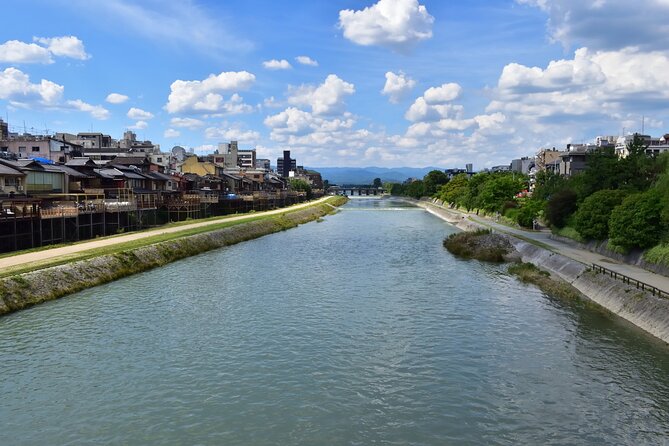
Your first stop is Tatsumi Bridge, where you walk through Gion shibashi, one of the most photogenic areas in Kyoto. This is a great opening choice. It’s flat compared to later uphill stretches, and it puts you in the mood for what comes next.
This is also where you begin to understand why Gion is not just a tourism zone. It’s a neighborhood with history tied to Kyoto’s performing arts culture, and your guide helps connect that thread. The tour includes references to the Statue of Izumo-no-Okuni, which helps explain Gion’s cultural identity beyond the facades.
Practical tip: since this is a popular area, you’ll share sidewalks with plenty of people. Go slow, look up, and don’t force every photo. Your guide will keep the group moving at a pace that still lets you see.
Chion-in Temple Sammon and Temple Grounds, Big Wooden Gate Energy
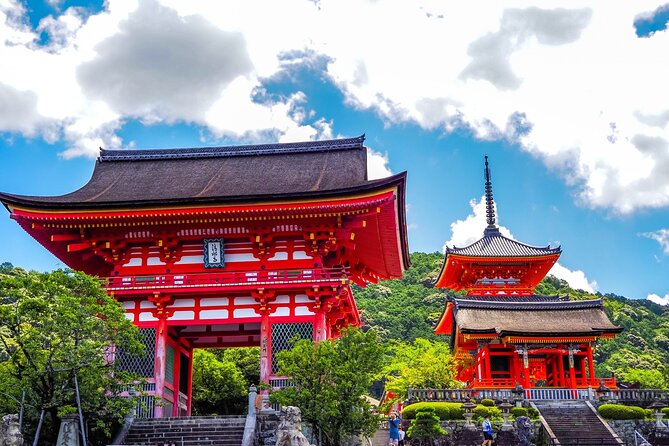
Next you visit Chion-in Temple’s Sammon, the main gate. The gate is described as one of the largest wooden gates in Japan, and you’ll feel that scale immediately when you approach. Even if you’re not a temple architecture nerd, the size does something to your sense of perspective.
Then you continue into Chion-in Temple itself, a major Buddhist site founded in the 13th century. The tour allocates time to slow down and take in the temple grounds, not just rush to a single viewpoint.
What I like about this stop on a guided walk: Chion-in is huge in presence, so it benefits from explanation. A guide can point out what’s most important to notice and help you understand the temple as part of Kyoto’s ongoing religious life, not just a landmark you “check off.”
If you’re sensitive to crowds, go with the flow here. It’s a major sight, so you’ll be shoulder-to-shoulder at points. Wear shoes you trust.
Maruyama Park Pause, A Needed Reset From Temple Concentration
After Chion-in, you step into Maruyama Park, an older urban park that gives you a quieter breath between temple heavy moments. This stop is short, but it’s well placed. It breaks up the day so you’re not stuck in one type of scenery the whole time.
Parks in Kyoto are useful because they help you experience the city like locals do: a place to walk, regroup, and watch daily life continue around you. Even if you don’t linger long, the mood shift is real.
Practical tip: use this moment to drink water. The tour is walking-based and does not frame itself as a lunch outing, so you’ll want to keep your energy up.
Nene-no-Michi, Stone Path Stroll With a Human Story
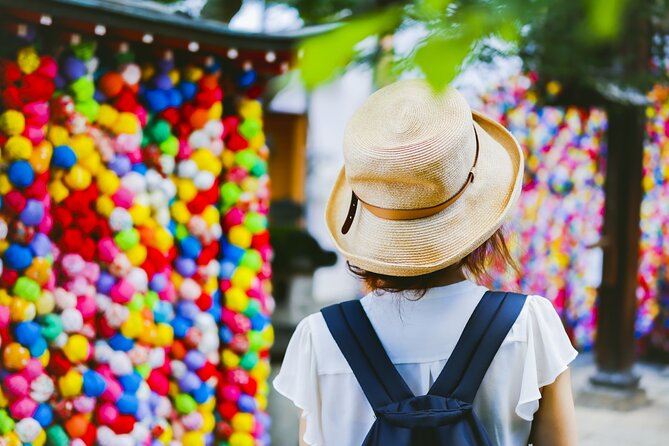
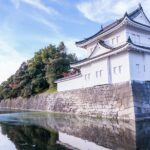
Then you move to Nene-no-Michi, also called the Path of Nene. This is a historic stone-paved path named after Nene, the wife of Toyotomi Hideyoshi. That single detail is why this stop works.
It’s easy to treat stone lanes like set dressing. But when a path is tied to a real person from Japan’s power history, it becomes a moving timeline. You’re not just walking for photos, you’re walking with a story attached.
This segment is paced for easy strolling. It’s also a nice shift from temple buildings into everyday-feeling lanes. You’ll start picking up the “Kyoto rhythm,” where quiet alleys and landmark turns alternate all day.
More of Kyoto's centuries, explained
Hōkan-ji (Yasaka Pagoda), Look Up for the Payoff
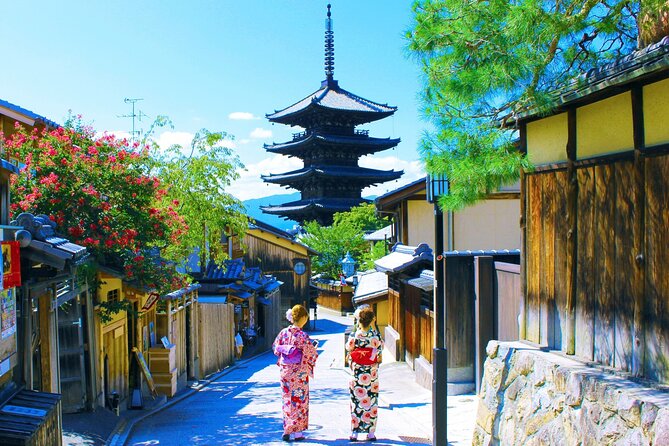
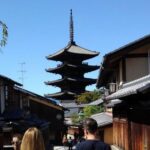
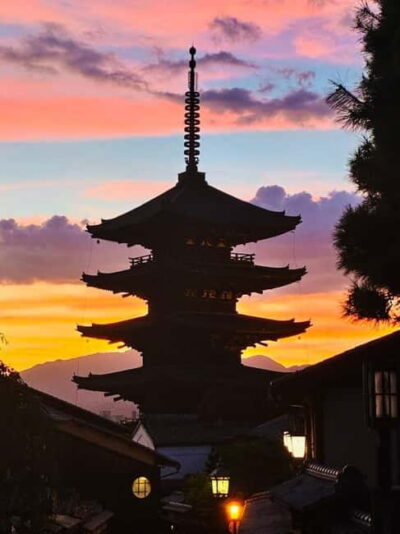
Your next big highlight is Hōkan-ji Temple, also known as Yasaka Pagoda, in the Higashiyama area. The star here is the famous five-story pagoda. Even when you’re surrounded by other tourists, the pagoda gives you a strong visual anchor, which makes the rest of the area easier to navigate.
This is one of those stops where a guide’s explanation matters because it teaches you what you’re looking at and where to position yourself for the best sightlines. You’ll get a sense of why the pagoda is an icon, not just a structure.
Practical tip: bring your best “look up” energy. Kyoto rewards upward glances, and the pagoda is the kind of thing you’ll want to see from more than one angle.
Ninen-zaka and Sannen-zaka Slopes, The Photo Streets That Feel Alive
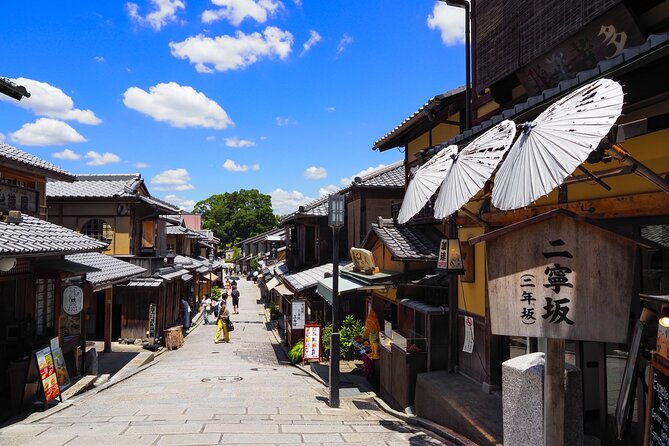
From Yasaka Pagoda, the tour moves into the classic preserved-street experience: Ninen-zaka and Sannen-zaka. These are historic cobblestone pedestrian paths known for traditional architecture and nostalgic street atmosphere, with tea houses and souvenir-style shops lining the lanes.
The tour gives you time for Ninen-zaka and Sannen-zaka. You’ll see the slopes as the streets rise and tighten, which is exactly what makes Higashiyama feel so different from flatter parts of Kyoto.
A balanced way to approach these slopes:
- Walk slowly and take photos only when you’re not blocking others
- Keep an eye on where you step, because cobblestones can be slippery when surfaces are wet
- Expect other people. This is a main walking corridor.
If you love street scenes, this is the part that makes you feel like Kyoto is “real,” not staged.
Kiyomizu-dera Finale, UNESCO Views and the One Entry Fee Catch
The tour finishes at Kiyomizu-dera, a UNESCO World Heritage Site. The timing at the end is smart, because Kiyomizu-dera usually takes more effort than you think, even if you’re simply visiting the main areas.
Important note: Kiyomizu-dera admission is not included. So you should budget extra for the ticket and give yourself enough time after arrival to enjoy the view and main temple points without rushing.
You’ll also get that classic hillside effect, with views over Kyoto from the temple area. Even if you’ve seen photos, being there in person changes how wide the scenery feels.
Practical tip: if you’re trying to do more than one big attraction that day, plan your schedule so Kiyomizu-dera is the priority. It’s the natural “wrap up” for this half-day route.
Guide Quality Is the Real Value Add, From Jay to Aiyumi
Most guided walks sell you a route. This one sells you what the guide does with it. The tour is led by an English-speaking guide, and the reviews mention guides like Jay, Ben, Aiyumi, Tommy, Michel, and J delivering stories that make Kyoto easier to remember.
Here’s the specific kind of value you should expect:
- The guide ties landmarks to broader context, including the Meiji restoration
- You can ask questions and get answers without language friction
- The guide gives recommendations for what to do next, which is handy when you only have a few days in Kyoto
One review detail I like for real life: ask your guide about something personal or playful, like Jay’s favorite vending machine in Kyoto. It’s a small thing, but it signals that the guide is there to connect with you, not just recite a script.
Also pay attention to how your guide manages time. One guide style described is checking in with the group, and if the schedule runs long, you’ll get advance notice so you can break off if you need to catch something later.
Price and Practical Value, Why $40 Can Make Sense
At $40 per person, the value depends on how you plan the rest of your day. On paper, three hours of walking with multiple major sites might sound like a lot. In practice, it’s a good deal if you care about context and you want to avoid spending your limited vacation time figuring out routes and meanings.
Why the cost can be fair:
- It’s a guided walk with an English-speaking host
- The itinerary includes several major sights, with admission free at many stops
- You also gain the benefit of learning how Kyoto fits together historically, especially with the Meiji restoration focus
Where you should budget extra:
- Lunch is not included
- Kiyomizu-dera admission is not included
- Gratuity to the local guide is not included
One more practical point from how this tour is described and how people experience it: it’s information heavy. You’ll cover a lot. If you want a more stop-and-shop, lingering pace, pair this with a calmer evening plan.
Who This Tour Suits Best, and Who Should Rethink
This tour is a strong fit for you if:
- You’re comfortable with moderate walking fitness
- You like history explained in plain language
- You want a structured way to see Gion and Higashiyama highlights in one go
- You enjoy photo streets like the cobblestone slopes and you want help placing yourself for views
It might be less ideal if:
- You need frequent bathroom stops or long rests
- Your group has members who struggle with stairs, since the route includes uphill segments and stone lanes
- You’re traveling with very young kids who might struggle with a 3-hour, information-forward format
A practical survival tip: eat before you go or bring small snacks and water. The tour doesn’t position itself around a lunch break, and you may not have many opportunities to stop unless it’s specifically a bathroom break.
Should You Book This Kyoto Gion Historical Walking Tour?
Book it if you want an easy-to-follow half-day that turns Kyoto landmarks into a story you can remember. The route is efficient, the guide experience is a real value add, and the mix of Gion shibashi atmosphere plus Higashiyama temple and slopes gives you that classic Kyoto feel without wasting time.
Skip it or consider a different option if you hate stairs, want long rests, or prefer a slower, more independent wandering style. This is a walking tour with a pace, not a pick-your-own-adventure stroll.
If you do book, wear comfortable shoes, plan to snack before you start, and come ready with questions. When a guide is clearly invested, that’s when a Kyoto tour stops being “a visit” and becomes your Kyoto day.
FAQ
How long is the Kyoto Gion Historical Walking Tour?
The tour is about 3 hours.
What is the price per person?
The price is $40.00 per person.
Do I need to buy tickets for the temples?
Many stops list admission free, but Kiyomizu-dera admission is not included.
Is this tour guided, and in English?
Yes. You’ll be led by an English-speaking guide.
Where do I meet the tour, and where does it end?
You start at Ben’s Cookies Kyoto Shijo (Kyoto Shijo, Shimogyo Ward) and the tour ends at Kiyomizu-dera entrance (1-chōme-294 Kiyomizu, Higashiyama Ward).
How many people are on the tour?
The tour has a maximum of 12 travelers.
What happens if the weather is bad?
The experience requires good weather. If it’s canceled due to poor weather, you’ll be offered a different date or a full refund.
More Walking Tours in Kyoto
New This Season
- Koyasan Day Trip by Private Car from Kyoto
- Old Port Town and Ultimate Sake Tasting Private Tour From Kyoto
- Kyoto’s Timeless Charm: 3hr Exploration of History and Peace
- Kyoto: 5 Types of Sushi Making
- Sacred Peak & Ancient Paths: Kurama-Kibune Hiking Experience
- Kyoto: Exclusive ZEN practice at Manpukuji temple in Uji
- Kyoto: Private Seasonal Aroma Yoga Class
- Traversing Kyoto’s Scenic West – Arashiyama to Kinkakuji
Gion Geisha Quarter Walks, compared.
Kyoto Geisha Walking Tour: Gion District & Hidden Gems
Read our review →
Gion Magical Night Walking Tour with Geisha Trivia
Read our review →
Gion Geisha District Walking Tour – Stories of Geisha
Read our review →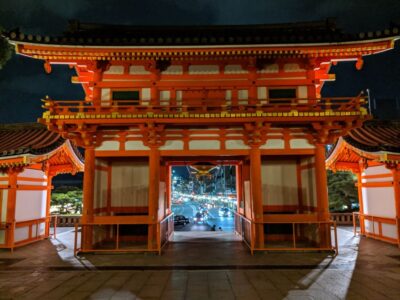
Best of Kyoto: Gion, Geisha, Pagodas & Cobblestones
Read our review →
Kyoto Night Foodie Tour in Gion (9+ dishes + 6 Sake tastings)
Read our review →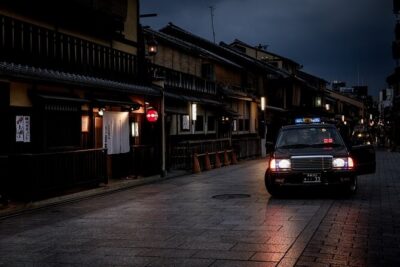
Kyoto Gion Geisha District Walking Tour – The Stories of Geisha
Read our review →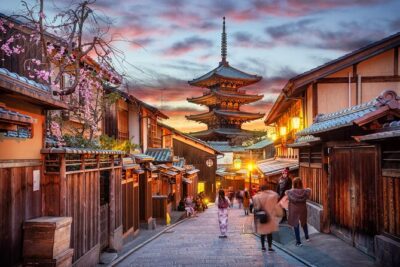
Kyoto Gion: 2-Hour Geisha Culture & History Walking Tour
Read our review →Also filed under