
Reviewed · GION GEISHA QUARTER WALKS
Best of Kyoto: Gion, Geisha, Pagodas & Cobblestones
Gion after dark turns Kyoto into something calmer, softer, and more mysterious, with lantern-lit streets and a look at the world of geisha training and etiquette. This guided walk focuses on the Gion and Higashiyama districts, plus a night visit that connects Shinto shrine atmosphere with Buddhist temple calm and beautifully lit views like a pagoda.
I especially love two things about this tour. First, you get a real sense of how the neighborhoods work at night, when the streets loosen up and side alleys feel walkable again. Second, the guide explains geisha and maiko culture in a way that’s practical and respectful, not gossip-heavy, so you understand what you’re seeing when full costume women appear toward the end.
One consideration: it is a night walk, so expect darker stretches and cold weather, and you’ll be walking the whole time.
In This Review
- Key things I’d highlight before you go
- Why a Gion and Higashiyama night walk beats daytime sightseeing
- Entering Gion with confidence: meeting point options and timing
- Yasaka Shrine at the start: the Shinto meaning behind the lanterns
- Ninenzaka cobblestones and the Hōkan-ji photo stop
- Yasui Kompira-Gu Shrine: a short stop with big cultural value
- Gion after dark: quieter lanes, classic wooden streets, and real atmosphere
- Geisha and maiko culture: what you’ll learn and how to apply it
- Darker corners and cold air: practical comfort tips
- Food and drink after the tour: use the guide’s recommendations wisely
- Who this tour is for, and when it fits your Kyoto schedule
- The bottom line: should you book this Gion nightscapes walk?
- FAQ
- How long is the Kyoto night tour?
- How much does the tour cost?
- Where does the tour start?
- What languages are the guides available in?
- What does the tour include?
- Are food and drinks included?
- Can I cancel, and what if I’m late?
Key things I’d highlight before you go
- Lantern-lit Gion streets later at night so you see the atmosphere without the worst daytime crowds
- A mix of shrines and temples with photo stops, including a pagoda-lit moment and a Zen-like calm
- Geisha and maiko etiquette explained so you know how to behave if you spot someone
- A guide who’s built for questions, with many guests praising engaging storytelling and clear answers
- Flexible group size (private or small groups available), which usually makes the pace feel more human
Why a Gion and Higashiyama night walk beats daytime sightseeing

Kyoto is famous for crowds, and Gion is the poster child. Doing this kind of walk at night changes the whole mood. The streets still have their old wooden façades and classic stone paths, but the energy shifts from sightseeing mode to neighborhood mode.
That shift matters. You’ll notice small details in a way you simply cannot when tour groups pack the lanes. Lanterns flicker across wood and paper doors, and the district feels like it’s breathing instead of being chased.
And you’re not just walking for photos. The tour strings together several places that help explain Kyoto’s religious and cultural layers. Shinto shrine rhythms, Buddhist temple quiet, and the entertainment-district world are all part of the same night picture.
Entering Gion with confidence: meeting point options and timing
This tour runs for 2 hours, and it’s built around a starting point that can vary. You may meet at Tsuruha Drug Yasaka Shrine Store, FamilyMart, or at Kyoto Gion, depending on which option you book.
The practical tip here is simple: show up a few minutes early and know your exact meeting spot. The tour provider shares the guide’s phone number, and if you have trouble finding them, you must call at least ten minutes before the tour begins (WhatsApp is recommended). Also note that if you arrive late or can’t locate the guide, you won’t be refunded.
If you like a calm start, arrive with your plan sorted. Night walking is much easier when you are not speed-scanning for the group.
Lantern-lit streets of the geisha quarter
- Kyoto Geisha Walking Tour: Gion District & Hidden Gems
★ 4.7 · 3,273 reviews - Kyoto: Gion Magical Night Walking Tour with Geisha Trivia
★ 4.9 · 2,393 reviews - Kyoto: Gion Geisha District Walking Tour – Stories of Geisha
★ 4.7 · 2,187 reviews - Night Walk in Gion: Kyoto’s Geisha District
★ 4.5 · 2,003 reviews
Yasaka Shrine at the start: the Shinto meaning behind the lanterns
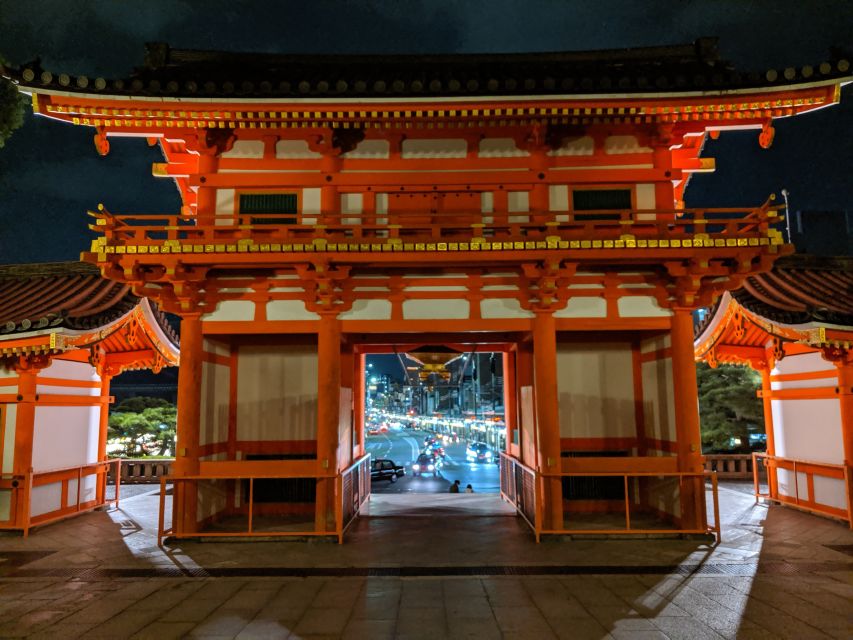
The tour begins with a guided visit to Yasaka Shrine for about 20 minutes. This is not just a quick look at a famous landmark. You start here because the shrine sets a baseline for understanding Kyoto’s spiritual geography.
At night, the shrine area feels more intimate. You get that early Kyoto sensation of wood, stone, and careful movement, and the lighting helps you see why shrines are often treated as living places, not just photo stops.
What I like about starting at Yasaka is that it gives you context for the rest of the walk. When the tour later moves into the temple world and then into Gion’s entertainment district, you can actually connect the dots instead of treating everything like separate backdrops.
Ninenzaka cobblestones and the Hōkan-ji photo stop
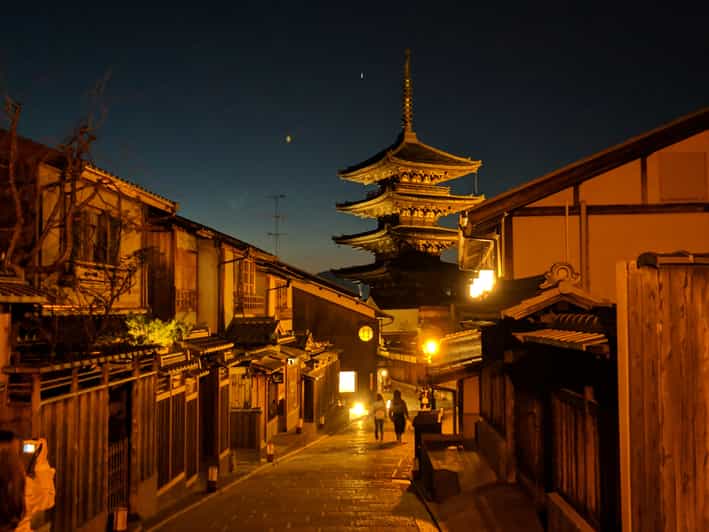
Next comes Ninenzaka, a classic old-street segment where you can feel Kyoto’s pedestrian history. You’ll get around 20 minutes here with guided commentary, which is the right amount of time to look closely without feeling rushed.
Ninenzaka is also where the cobblestones matter. Walking them slowly changes your pace, and that’s part of why this neighborhood is so atmospheric at night. The stones guide your feet, and the narrow lanes frame the lantern light in a way that makes the whole street feel staged, even though people live their lives right beside it.
Then you’ll stop at Hōkan-ji Temple for a photo stop (about 20 minutes). This is where night photography becomes practical: you’re not wandering for hours trying to find the best angles. The tour puts you at a good spot, then lets you take pictures without turning it into a separate solo mission.
A useful mindset: treat photos as a bonus, not the main job. Let the guide’s explanations shape what you notice, especially when you’re watching how people move in the area.
Yasui Kompira-Gu Shrine: a short stop with big cultural value
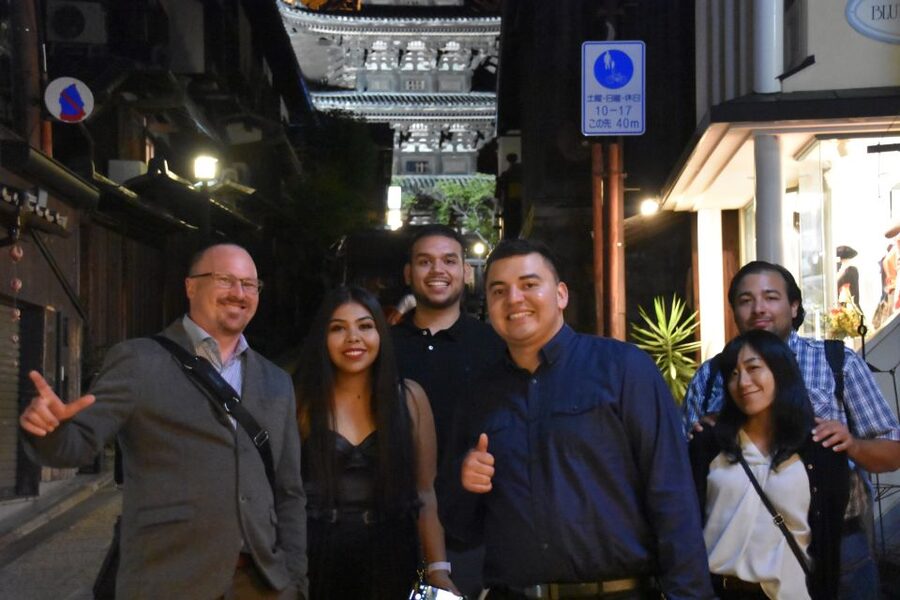
After the main old-street segment, you visit Yasui Kompira-Gu Shrine for about 15 minutes. This is a compact stop, but it’s a smart one because it broadens your view beyond the single famous shrine experience.
When you’re on a short tour, one risk is leaving with only one flavor of Kyoto. This shrine stop helps you leave with a fuller sense that Kyoto’s spiritual and cultural map is layered. Different shrines do different jobs, and the lighting at night makes it easier to sense how locals treat these sites.
Also, it’s a nice breathing space. By this point, your feet are warmed up, your eyes have adjusted to the night, and you’re ready for Gion’s neighborhood energy.
Gion after dark: quieter lanes, classic wooden streets, and real atmosphere
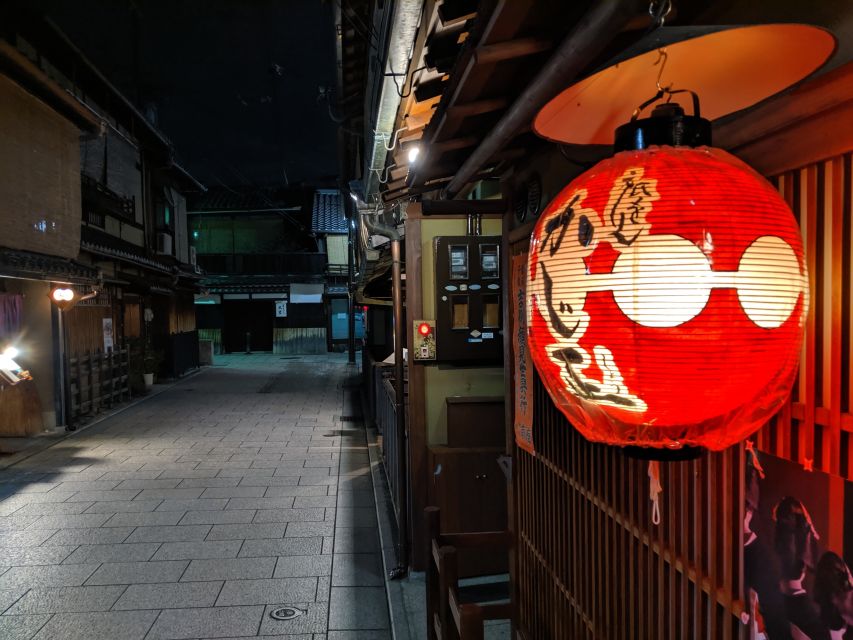
The heart of the walk is a 45-minute guided exploration of Gion. This is where the tour delivers on its name, Gion, Geisha, Pagodas, and Cobblestones, because Gion is the setting where Kyoto’s entertainment district identity becomes most visible.
At night, the streets tend to feel calmer. That quiet is not boring, it’s readable. You can see the lantern glow on wood, spot the rhythm of foot traffic, and understand why the district has such a strong identity even outside peak hours.
Many guides are praised for pacing, and that matters here. A rushed Gion walk can turn into a scramble. A well-paced one gives you time to look, listen, and keep your bearings as the streets weave.
If you get a small group or private setup, this part tends to feel even better. With fewer people around, the guide can slow down and take your questions without breaking the flow.
A day of temples goes further with something to break it up.

Geisha and maiko culture: what you’ll learn and how to apply it
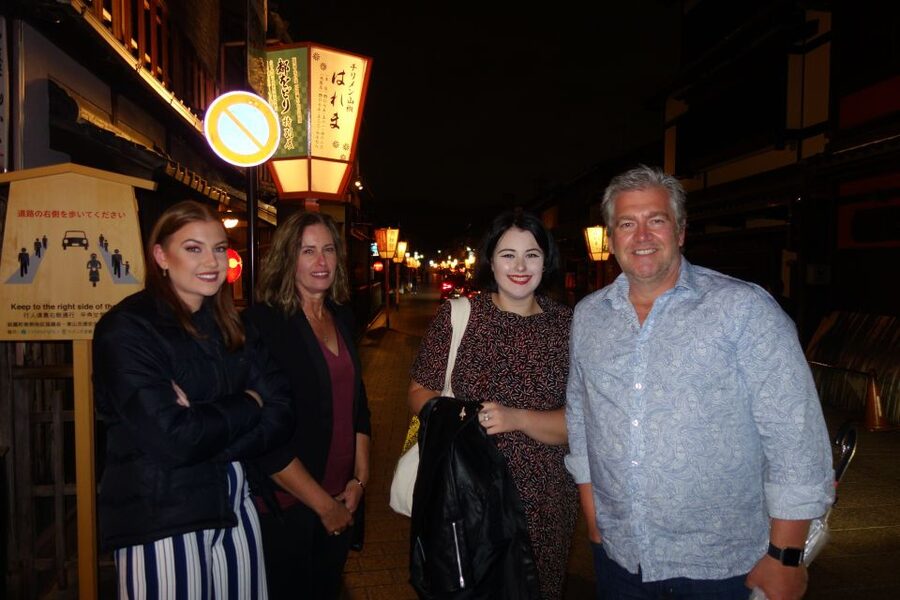
This tour’s real strength is the way it explains geisha and maiko culture. It’s not presented as a spectacle. Instead, you get the customs, the apprentice pathway, and the respect-based rules of behavior that keep the world dignified.
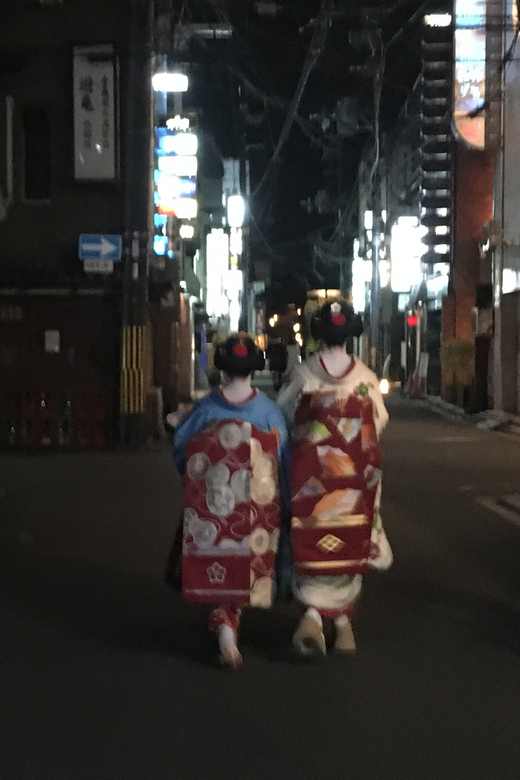
Toward the end of the tour, you may catch a glimpse of women in full costume. The key word is may. Don’t plan your night around certainty. Plan it around understanding, because the explanations make every possible sighting feel meaningful instead of random.
Here’s how to apply what you learn if you do spot someone. Keep your distance, watch your volume, and don’t block the path. You’re a visitor in someone’s world, even when the streets look like a film set.
One more detail I appreciate from the tour vibe: several guides are praised for a respectful and holistic approach, including how they talk about training and the seriousness behind the craft. That tone keeps the experience grounded.
And if you like storytelling and context, you may find certain guides bring visuals. For example, Ben has been noted for using high-quality tablet visuals to support explanations. That kind of aid can make complex culture feel clearer without turning it into a lecture.
Darker corners and cold air: practical comfort tips
Night tours can be magical, but your body has opinions. Several people mention cold weather, and some mention darker spots along the route.
So bring the basics you’d bring for any night walk: warm layers, comfortable shoes, and patience for slow lanes. If you’re traveling in winter, assume it will be chilly and plan accordingly.
Also, remember that this is a guided walk, not a sit-down experience. You’ll want to stay close to the group for smooth navigation, especially in narrow streets.
Food and drink after the tour: use the guide’s recommendations wisely
Food and drinks are not included, but you’ll get tips for where to grab a drink or bite after. That’s a big deal in Kyoto, where you can find yourself staring at menus and feeling lost fast.
The best way to use these recommendations is to do a quick reset right after the tour. You’ll know which neighborhood you’re in, and the advice will make sense in context instead of sounding like random place names.
If you want an easy plan, go for something simple, then take a short stroll around your chosen spot. Gion at night keeps its atmosphere even when you’re not in “tour mode.”
Who this tour is for, and when it fits your Kyoto schedule
I think this works best on your first day in Kyoto. It’s a snapshot, not a marathon, and it gives you a map of meaning: shrines, temple calm, street atmosphere, and the cultural world around geisha districts.
If you care about etiquette and context, you’ll get a lot from the guided explanations. If you love nighttime photography, the lantern-lit streets plus the Hōkan-ji photo stop gives you built-in moments without wasting time hunting.
If you’re traveling with limited time and you want an honest overview, 2 hours is a manageable chunk. And if you prefer more personal attention, look for the private or small group option, which often leads to better pacing and more Q and A.
If you’re going with kids or anyone who hates walking, this may be trickier. The route is short, but it’s still continuous walking at night.
The bottom line: should you book this Gion nightscapes walk?
If you want Kyoto’s most famous district to feel real, not crowded, book it. The value is in the combination: guided night walks through Gion and Higashiyama, a shrine-to-temple sequence, and an explanation of geisha culture that stays respectful.
At $24 per person, the price is reasonable for a focused, 2-hour guided experience that saves you the guesswork of what to look for and how to behave. The fee also covers an expert guide, which is the difference between wandering alone and actually understanding what you’re seeing.
Just go in with the right expectation: geisha sightings are not guaranteed. What is guaranteed is the atmosphere, the cultural context, and the chance to see Gion when it feels quieter, softer, and more Kyoto-like.
If that’s your idea of a great evening, you’ll likely love this one.
FAQ
How long is the Kyoto night tour?
The duration is 2 hours.
How much does the tour cost?
The price listed is $24 per person.
Where does the tour start?
The meeting point may vary depending on the option booked. Starting locations can include Tsuruha Drug Yasaka Shrine Store, FamilyMart, or Kyoto Gion.
What languages are the guides available in?
The live tour guide is available in English and French.
What does the tour include?
It includes a guided walk of the Gion and Higashiyama districts and the guide.
Are food and drinks included?
No. Food and drinks are not included, but you can expect tips and recommendations for places to grab something after.
Can I cancel, and what if I’m late?
Free cancellation is available up to 24 hours in advance for a full refund. If you arrive late or can’t find the guide, you will not be refunded.
New This Season
- Koyasan Day Trip by Private Car from Kyoto
- Old Port Town and Ultimate Sake Tasting Private Tour From Kyoto
- Kyoto’s Timeless Charm: 3hr Exploration of History and Peace
- Kyoto: 5 Types of Sushi Making
- Sacred Peak & Ancient Paths: Kurama-Kibune Hiking Experience
- Kyoto: Exclusive ZEN practice at Manpukuji temple in Uji
- Kyoto: Private Seasonal Aroma Yoga Class
- Traversing Kyoto’s Scenic West – Arashiyama to Kinkakuji
Gion Geisha Quarter Walks, compared.
Kyoto Geisha Walking Tour: Gion District & Hidden Gems
Read our review →
Gion Magical Night Walking Tour with Geisha Trivia
Read our review →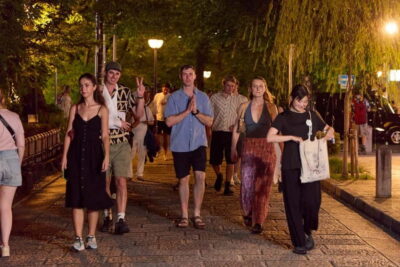
Gion Geisha District Walking Tour – Stories of Geisha
Read our review →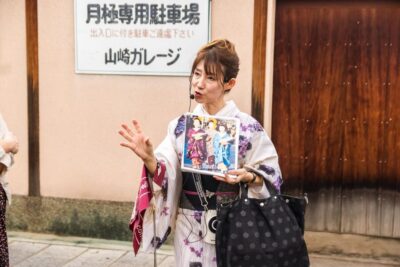

Kyoto Night Foodie Tour in Gion (9+ dishes + 6 Sake tastings)
Read our review →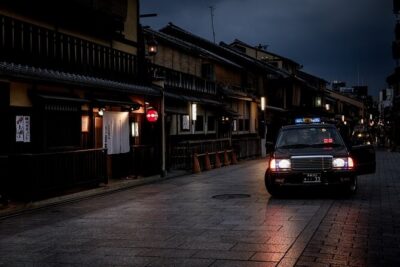
Kyoto Gion Geisha District Walking Tour – The Stories of Geisha
Read our review →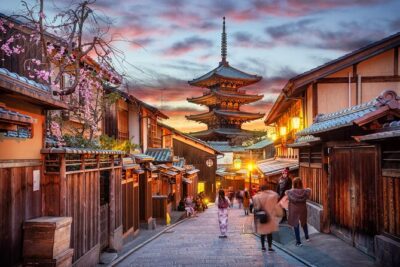
Kyoto Gion: 2-Hour Geisha Culture & History Walking Tour
Read our review →
Chopsticks Making Workshop in Gion with Engraving Option
Read our review →Also filed under