
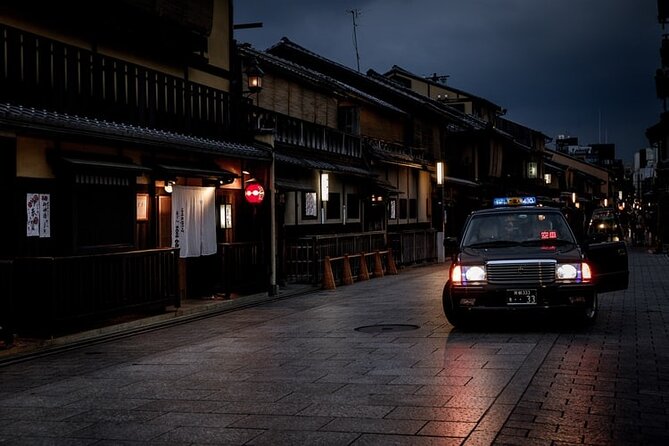
Reviewed · GION GEISHA QUARTER WALKS
Kyoto Gion Geisha District Walking Tour – The Stories of Geisha
Geisha culture clicks into focus after dark. I love that this tour keeps things small and gently paced, and that you get real context for geiko and maiko traditions as you walk through Gion. The main downside is simple: if you book in cold months, you will likely want a serious coat and warm layers.
Gion looks like a postcard in the daytime, but at night it starts making sense. You’ll move through the district after the biggest crowds thin out, with knowledgeable guides named in past tours like Shin, Deborah, Melanie, and Nami, who focus on stories you can actually use while you’re still in Kyoto. Expect a lot of street-level watching and short stops, so if you want a big show, this is not that.
For about 2 hours and a max group size of 15, it’s also priced in a way that feels friendly for a first look at Kyoto culture. You do a true walking-tour loop, and it ends at Yasaka Shrine, so the timing works well if you want to continue exploring afterward.
In This Review
- Key things that make this Gion geisha walk worth your time
- Why Gion after dark helps the geisha story click
- The walking loop: meet at Ben’s Cookies, end at Yasaka Shrine
- Stop 1: Izumo-no-Okuni statue and the kabuki connection
- Passing Minamiza, Kyoto’s historic Kabuki theater
- Tatsumi Bridge: a classic Gion Shinbashi streetscape moment
- Hanamikoji Street at night: machiya facades and the pace of etiquette
- Gion Corner: a fast path to traditional arts culture
- Yasaka Shrine as your ending point: where entertainment meets tradition
- Price and value: why $25 can feel like a smart buy
- What the guides do well, from Shin to Deborah to Nami
- Practical tips for a chilly after-dark Kyoto walk
- Who should book this Gion geisha district walking tour
- Final verdict: should you book it?
- FAQ
- How long is the Kyoto Gion Geisha District Walking Tour?
- What is the group size for this walking tour?
- Where does the tour start and where does it end?
- Is bottled water included?
- What is included in the price?
- What does the mobile ticket mean?
- What happens if weather is poor or I need to cancel?
Key things that make this Gion geisha walk worth your time
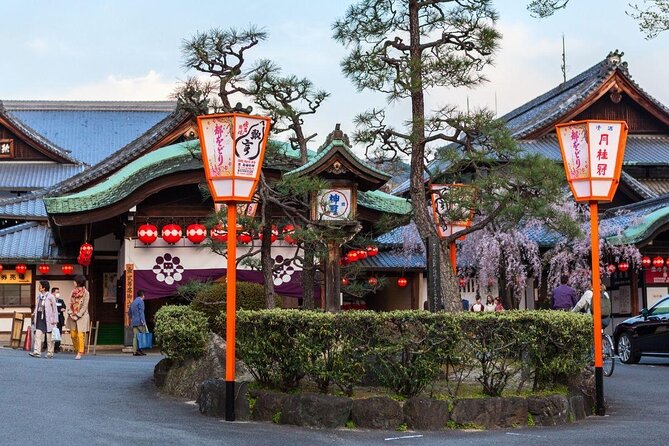
- After-dark Gion focus, when the streets feel more like daily life than a daytime circuit
- Small group size (up to 15 people), which makes questions easier and the pace calmer
- Culture stops in the right order, from the Izumo-no-Okuni statue to Hanamikoji Street and ending at Yasaka Shrine
- Geisha and kabuki context, tying Kyoto’s entertainment traditions together instead of treating them as separate topics
- Free admission at major listed stops, plus all fees and taxes included in the price
Why Gion after dark helps the geisha story click
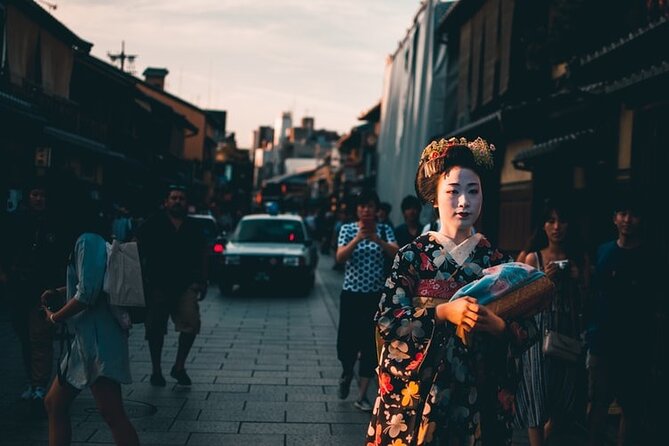
Daytime Gion can feel like you’re walking through a theme park. Evening is different. The same streets look softer in lantern light, and you’re no longer competing with the biggest tour waves. That shift matters, because geisha culture is not only about formal performances. It’s also about the everyday choreography of the district, the timing, and the way people move through the flower-town landscape.
This is where a good guide adds real value. You’re not just looking at pretty buildings. You’re being taught how to read the neighborhood. In reviews, people repeatedly praised the way guides explain street cues and the history behind what you’re seeing, including tips framed around the flower-town codes. That kind of storytelling helps you notice details faster, and it makes your photos better too.
The small group size, max 15, is not a luxury detail. It changes the tour. You can hear explanations, ask questions, and get personal pointers about what to watch for as you go.
The walking loop: meet at Ben’s Cookies, end at Yasaka Shrine
The tour starts at Ben’s Cookies Kyoto Shijo, at Shijo and Shinchō, and finishes at Yasaka Shrine in the Gionmachi Kitagawa area. That end point is a smart move. Yasaka Shrine is one of Kyoto’s major landmarks, and it gives you a clean “off-ramp” for the rest of your evening.
The tour runs about 2 hours. That means short stops and steady movement, not a long sit-down experience. The itinerary is built around quick, readable moments. Each listed stop is about 10 minutes, which keeps things brisk without feeling rushed.
A practical note: the walking happens after dark, and Kyoto can get cold fast, especially in winter. Reviews specifically called out needing a big coat. Wear comfortable shoes first. Then add warmth, not just style. You’ll enjoy the stories more when your legs and hands feel good.
Lantern-lit streets of the geisha quarter
- Kyoto Geisha Walking Tour: Gion District & Hidden Gems
★ 4.7 · 3,273 reviews - Kyoto: Gion Magical Night Walking Tour with Geisha Trivia
★ 4.9 · 2,393 reviews - Kyoto: Gion Geisha District Walking Tour – Stories of Geisha
★ 4.7 · 2,187 reviews - Best of Kyoto: Gion, Geisha, Pagodas & Cobblestones
★ 4.9 · 2,058 reviews
Stop 1: Izumo-no-Okuni statue and the kabuki connection
Your first major landmark is the Izumo-no-Okuni statue in Gion. This bronze sculpture is dedicated to Okuni, a legendary figure associated with the founding of kabuki theater. That’s not random name-dropping. It sets up an important theme for the whole evening: Kyoto’s arts world evolved through overlapping entertainment traditions, not sealed-off categories.
What I like about starting here is how it reframes geisha culture. Instead of treating geiko and maiko as a standalone “mystery,” you’re given a reference point for how performance art and city culture developed. That makes later moments along Hanamikoji Street feel less like sightseeing and more like a connected story.
This stop is listed with free admission, so you can focus on the explanation and the atmosphere. Even if you are not a theater fan, knowing who Okuni was gives you a lens for understanding why the arts matter in this neighborhood.
Passing Minamiza, Kyoto’s historic Kabuki theater
After Okuni, you’ll also encounter Minamiza, a historic theater known for kabuki performances. Even if you are not going inside, the idea is the same: you’re seeing how Kyoto’s performing-arts institutions sit within the geisha district’s larger cultural ecosystem.
This is one reason the tour feels “more than a walk.” Many walking tours stop at street names and postcard views. Here, the guide nudges you to connect entertainment venues, performance traditions, and the city’s refined arts culture into one coherent picture.
If you plan to see a kabuki show later in your trip, this stop can help you place it. You’ll likely understand the context better and recognize why kabuki and geisha-related arts often come up in the same historical conversations.
Tatsumi Bridge: a classic Gion Shinbashi streetscape moment
Next comes Tatsumi Bridge. It’s described as a notable historic bridge connected to the Gion Shinbashi area, which is known for picturesque streets, traditional tea houses, and geisha culture. That description is practical. You’re not being sent to a random landmark. You’re moving through a part of town where the architecture and street layout support the neighborhood’s traditional social life.
This is also a common kind of stop that works well for first-time visitors. Bridges give you a natural pause point. You can look around, spot the lines of the streets, and reset before you head toward the most famous lane in Gion.
Expect this to be a short, explanation-heavy moment. It’s about learning what to notice as you continue rather than spending long minutes in one place.
Hanamikoji Street at night: machiya facades and the pace of etiquette
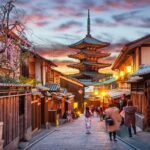
Hanamikoji Street is the postcard lane for a reason. It’s famous for historic machiya houses, along with upscale restaurants and traditional teahouses. At night, it shifts from daytime bustle into something more like a stage set for everyday rituals. You’ll feel the rhythm more than you’ll “see everything.”
This is where I’d pay attention with extra intention. Guides tend to point out the kind of details that are easy to miss when you’re just walking fast. Based on how guests described their guides, you can expect emphasis on the codes of the flower towns, including why certain buildings and street patterns mattered to geisha life.
You should also remember the tone of the district. This is an active cultural neighborhood, not a theme park. If you keep your phone use light and give space to people moving through the area, you’ll get better photos and a better experience.
One caution: because this is a famous street, it can still attract attention. The tour is designed for after the biggest crowds have left, but you may still see other visitors nearby.
A quieter way to spend a day in Kyoto

Gion Corner: a fast path to traditional arts culture
Gion Corner is described as a cultural center and performance venue that offers a condensed experience of traditional Japanese arts and culture. That matters because it gives your tour a “big picture” element. You’re learning about performance traditions, and then you’re pointed toward a place where those traditions are presented in a visitor-friendly format.
Even if you do not attend a show during the tour, this stop acts like a map. It tells you where to look next if the evening makes you want more than street-level context.
This is also a good mental shift for many people. You’re walking through the district, then you’re reminded that the arts have structured formats, not just local stories. That connection helps the information you’re hearing land better.
Yasaka Shrine as your ending point: where entertainment meets tradition
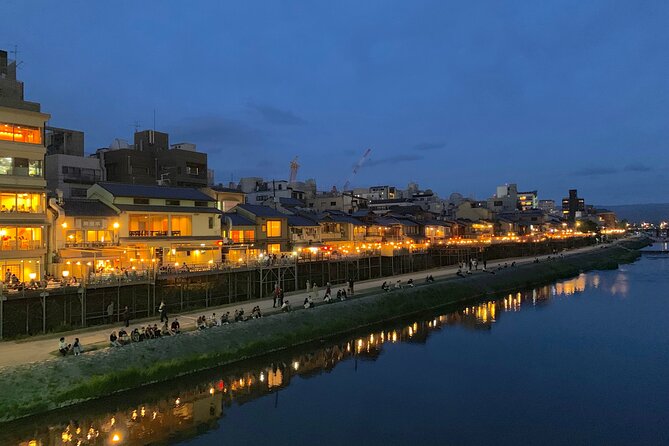
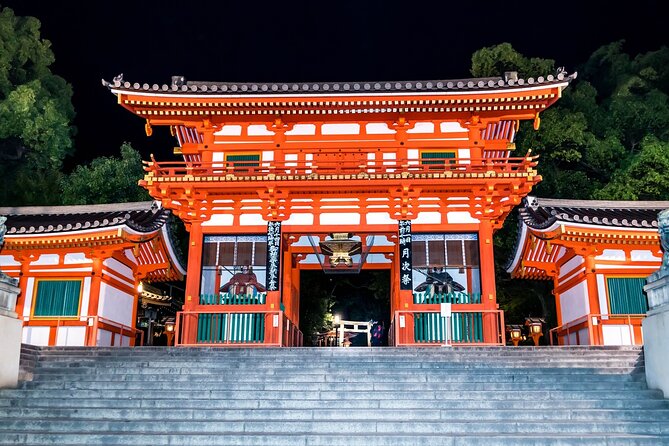
The last stop on the route is Yasaka Shrine, a prominent Shinto shrine in the Gion area. Shrines here are not just historic scenery. They’re living places that shape the calendar of city life, and that gives your evening a meaningful closing mood.
Ending at Yasaka Shrine works for two reasons. First, it gives you a recognizable landmark to navigate back from. Second, it helps you end in a place that feels connected to Kyoto’s wider cultural identity, not only its entertainment side.
You’ll likely find this finale especially pleasant if you’re continuing exploring on foot afterward. The shrine area is a natural “pause and plan” spot.
Price and value: why $25 can feel like a smart buy
At $25 per person for about two hours, this tour sits in the practical zone for most budgets. What makes it feel like more than a basic add-on is the combination of three things:
- A small group, max 15.
- After-dark timing that changes how you experience Gion.
- A guide-focused story structure that connects multiple cultural threads, including geisha traditions and kabuki roots.
If you tried to do this on your own, you could technically walk the same streets. But you would miss the “why.” The tour’s value is how it teaches you what to look for, how to interpret street details, and how to connect entertainment culture to the city’s history as you move through the neighborhood.
Also, all fees and taxes are included, and several major stops are listed as free admission. That keeps the cost simple.
One small thing to plan: bottled water is not included. Bring your own if you think you’ll want it.
What the guides do well, from Shin to Deborah to Nami
One of the most praised parts of this tour is the guide quality. Names that show up in strong feedback include Shin, Deborah, Melanie, Manuel, Joy, Sakuri, Nami, Kenji, Adrian, Tommy, Ben, and Manny. Across those different guides, the recurring theme is clear: they keep the walk friendly while packing in lots of context.
You can also expect strong Q and A friendliness. People specifically mentioned guides answering questions and creating a relaxed atmosphere. That’s what you want in a topic that can feel mysterious from the outside.
If you’re the kind of person who likes to ask why something matters, this is a good format for you. The tour route and time limits keep the pace moving, but the small group makes the explanations feel like a real conversation, not a lecture you can’t interrupt.
Practical tips for a chilly after-dark Kyoto walk
This tour runs after dark, and Kyoto weather can be serious, especially in colder months. Reviews called out needing a big coat and being very cold, so treat warmth as part of your travel plan, not an afterthought.
Here’s how I’d prep:
- Wear comfortable shoes you can walk in for two hours.
- Bring layers you can adjust, since you’ll move between streets and stop points.
- Bring water, since bottled water is not included.
- If you’re traveling in winter, assume you’ll be outside longer than you think, even with short stops.
Also keep an eye on weather. The experience requires good weather, and if it’s canceled due to poor weather you’ll be offered a different date or a full refund.
Who should book this Gion geisha district walking tour
I think this tour is a great match if you want:
- An organized way to understand geiko and maiko culture without turning your night into guesswork
- A small-group night walk that avoids the biggest daytime crowds
- A tour that connects geisha culture to Kyoto’s wider performing-arts background, including kabuki
It’s also a smart choice for a first Kyoto trip. You’ll get a clear mental map of Gion, plus context you can carry to other parts of the city.
If you are mainly chasing one specific thing, like only spotting geiko on the street, this may not be the right expectation. The point here is the neighborhood story, the culture, and the meaning behind what you see.
Final verdict: should you book it?
Yes, I’d book it if you want your Gion time to feel guided and meaningful, not just photographed. The small group size, after-dark timing, and the way the tour ties together geisha culture with Kyoto’s performance traditions make it good value at $25.
Skip it only if you want a long show-style experience or you strongly dislike walking at night in cold weather. Otherwise, it’s exactly the kind of Kyoto evening that teaches you how to look.
FAQ
How long is the Kyoto Gion Geisha District Walking Tour?
The tour lasts about 2 hours.
What is the group size for this walking tour?
This experience has a maximum of 15 people.
Where does the tour start and where does it end?
It starts at Ben’s Cookies Kyoto Shijo and ends at Yasaka Shrine.
Is bottled water included?
No. Bottled water is not included.
What is included in the price?
All fees and taxes are included.
What does the mobile ticket mean?
You receive a mobile ticket.
What happens if weather is poor or I need to cancel?
This experience requires good weather. If it is canceled due to poor weather, you will be offered a different date or a full refund. You can cancel up to 24 hours in advance for a full refund, and within 24 hours there is no refund.
New This Season
- Koyasan Day Trip by Private Car from Kyoto
- Old Port Town and Ultimate Sake Tasting Private Tour From Kyoto
- Kyoto’s Timeless Charm: 3hr Exploration of History and Peace
- Kyoto: 5 Types of Sushi Making
- Sacred Peak & Ancient Paths: Kurama-Kibune Hiking Experience
- Kyoto: Exclusive ZEN practice at Manpukuji temple in Uji
- Kyoto: Private Seasonal Aroma Yoga Class
- Traversing Kyoto’s Scenic West – Arashiyama to Kinkakuji
Gion Geisha Quarter Walks, compared.
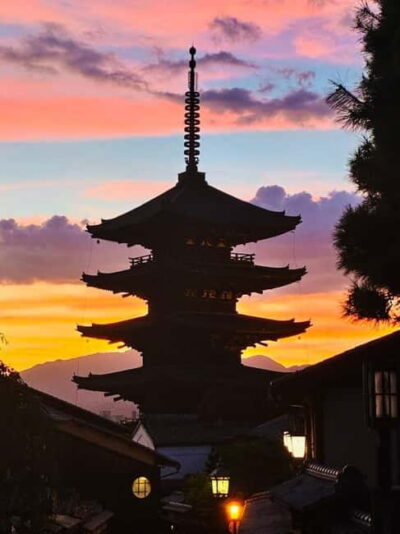
Kyoto Geisha Walking Tour: Gion District & Hidden Gems
Read our review →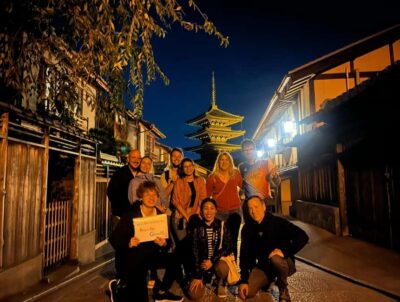
Gion Magical Night Walking Tour with Geisha Trivia
Read our review →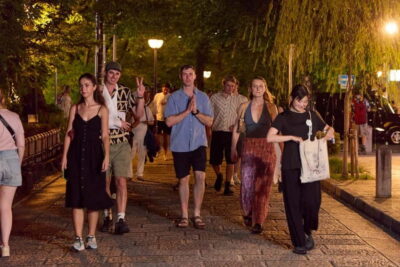
Gion Geisha District Walking Tour – Stories of Geisha
Read our review →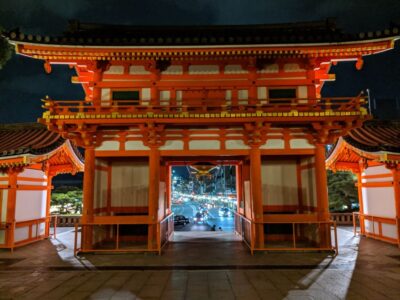
Best of Kyoto: Gion, Geisha, Pagodas & Cobblestones
Read our review →
Kyoto Night Foodie Tour in Gion (9+ dishes + 6 Sake tastings)
Read our review →
Kyoto Gion: 2-Hour Geisha Culture & History Walking Tour
Read our review →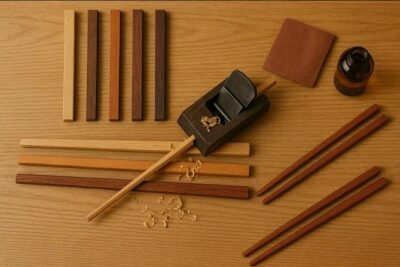
Chopsticks Making Workshop in Gion with Engraving Option
Read our review →Also filed under