
Reviewed · GION GEISHA QUARTER WALKS
Kyoto: Gion Geisha District Walking Tour – Stories of Geisha
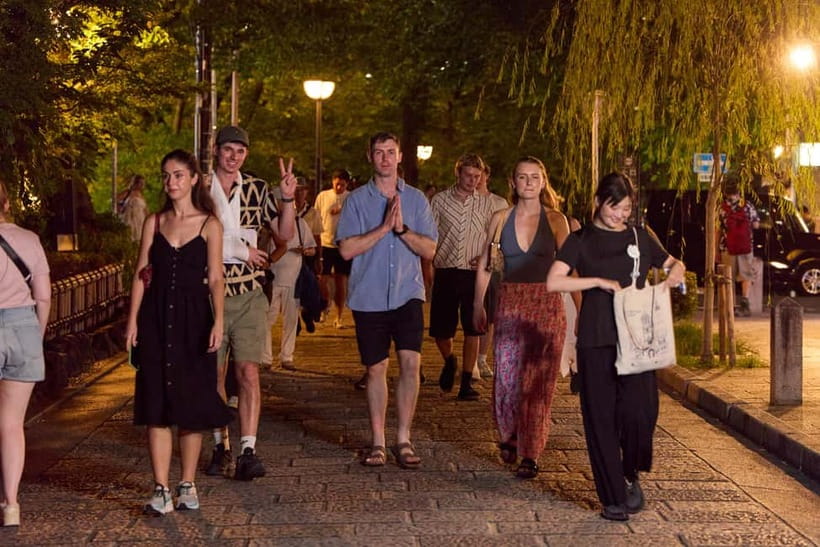
Gion after dark has a special kind of gravity, part street theater and part history lesson. I love how this nighttime geisha district walk uses real-world streets, old wooden teahouses, and short stops to explain what you are seeing. I also like that you are not stuck listening the whole time, you can ask questions while you meander through the narrow alleyways of Gion and Pontocho.
The only real drawback to plan for is simple: it is an outdoor nighttime experience. If weather turns sour or it gets chilly, you will still be walking, even if the guide can help you find sheltered moments along the way.
In This Review
- Quick Takeaways
- Nighttime Gion and Pontocho: What You Actually Get in Two Hours
- Meeting at Ben’s Cookies Kyoto Shijo, Then Off Through the Narrow Alleys
- Pontocho Alley Stop: Teahouse Streets and the Izumo-no-Okuni Story
- Gion District Time: Yasaka Shrine and Gion Corner Without the Rush
- Hanamikoji Street Encounters: Watching for Geisha on Appointments
- How to Make the Most of This Tour (Without Being That Person)
- Price and Value for $20: Is It Worth It?
- Should You Book This Geisha District Walking Tour?
- FAQ
- Where is the meeting point for the Kyoto Gion Geisha District Walking Tour?
- How long is the walking tour?
- What languages are offered?
- What is the price per person?
- What should I bring?
- Is alcohol allowed during the tour?
- Is the tour appropriate for children?
- Is cancellation possible, and how far in advance?
- Where does the tour focus during the walk?
Quick Takeaways
- Gion and Pontocho at night: you see the districts come alive on foot, not from a bus window.
- Izumo-no-Okuni statue stop: you connect geisha-era streets to the kabuki origin story.
- Yasaka Shrine and Hanamikoji: two famous waypoints that make Gion feel real, not staged.
- Geiko and maiko spotting with context: the tour focuses on what you should notice and why it matters.
- Real-time questions: the pacing leaves room to ask the guide about culture, roles, and etiquette.
Nighttime Gion and Pontocho: What You Actually Get in Two Hours
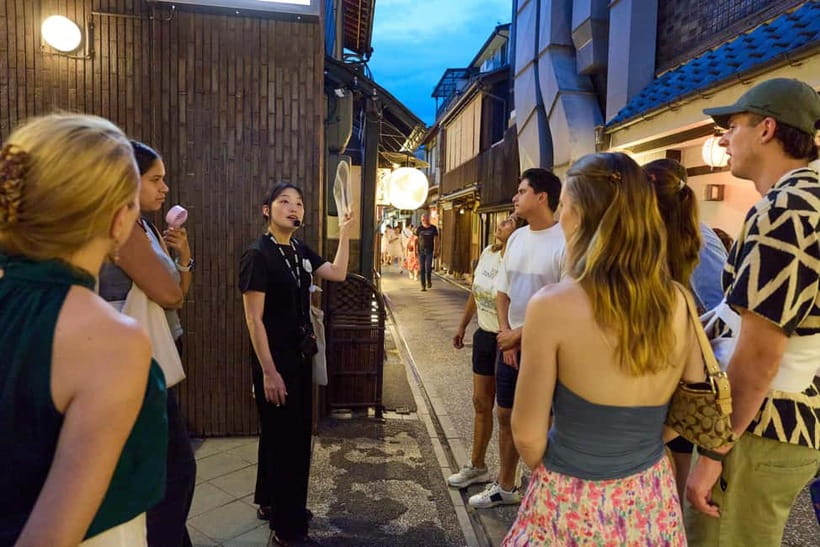
This is a two-hour, on-foot orientation to Kyoto’s geisha entertainment world. The main value is that it is not just a photo walk. Your guide ties streets, teahouses, and key landmarks to the traditions behind them.
For $20, you are paying for time with a live English or Spanish guide plus a tight route through two of the most famous areas in Kyoto. You also get a structure that helps you understand what you are seeing, especially if you have never tried to decode Gion before.
This kind of tour also works well because the vibe changes after dark. Street lighting makes the wooden buildings and narrow lanes feel older and more intimate. And since the route is built around the flow of evening appointments, you may spot geisha and maiko as you go.
Meeting at Ben’s Cookies Kyoto Shijo, Then Off Through the Narrow Alleys
You meet your guide in front of Ben’s Cookies Kyoto Shijo, and the guide will be holding a sign board. This matters more than you might think. A clear meeting point reduces stress, and stress is the enemy of good city walks.
After the quick start, you head straight into the kind of Kyoto street geometry that is hard to navigate alone. The route is designed for the small alley feel of Gion and Pontocho, with stops that give you a moment to reset and ask questions before moving on.
Bring water. Even if the tour is only two hours, nighttime walking adds up, and it is nice to have a simple comfort in your pocket. Also, no alcohol or drugs on the tour, which keeps things respectful and focused.
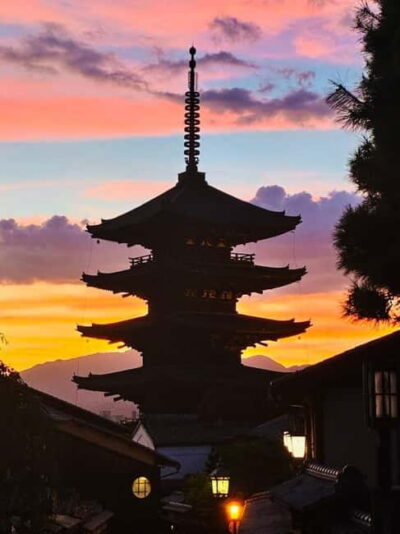
Lantern-lit streets of the geisha quarter
- Kyoto Geisha Walking Tour: Gion District & Hidden Gems
★ 4.7 · 3,273 reviews - Kyoto: Gion Magical Night Walking Tour with Geisha Trivia
★ 4.9 · 2,393 reviews - Best of Kyoto: Gion, Geisha, Pagodas & Cobblestones
★ 4.9 · 2,058 reviews - Night Walk in Gion: Kyoto’s Geisha District
★ 4.5 · 2,003 reviews
Pontocho Alley Stop: Teahouse Streets and the Izumo-no-Okuni Story
You begin with Pontocho Alley, a narrow street lined with traditional eateries and elite clubs. At night, it feels like a living corridor, because the buildings and lighting compress the space and create that classic Kyoto atmosphere.
The guide then leads you toward the statue of Izumo-no-Okuni. This is an especially smart stop because it links the world you are walking through to a broader performance arts story. In this case, you learn about the woman who invented the art of kabuki, which gives you a cultural anchor beyond just geisha names and roles.
From a practical perspective, this stop is a break in pacing. It gives you a clear landmark, so you can orient yourself in the district and remember what the tour is trying to teach. It also helps if you are the type who likes context more than random facts, because kabuki connects to performance and tradition in a way that feels natural.
Gion District Time: Yasaka Shrine and Gion Corner Without the Rush
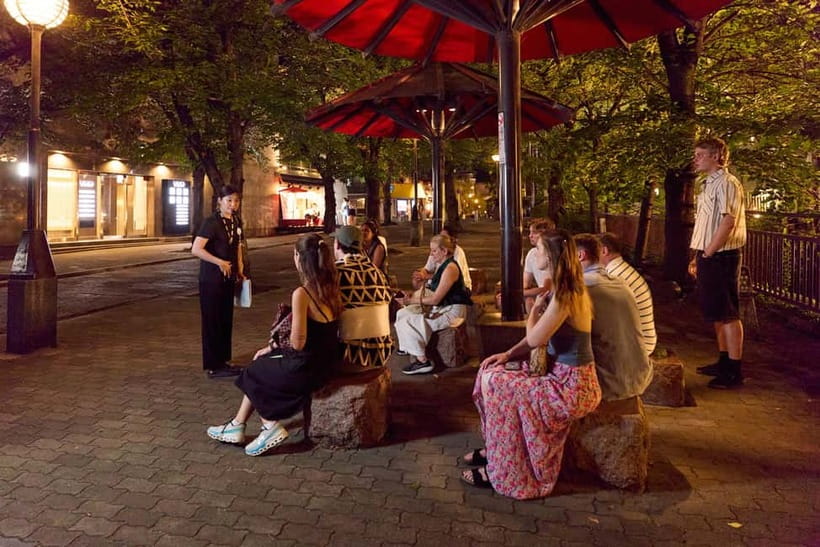
Next comes Gion, the Kyoto neighborhood most people come to see. The tour spends a full chunk of time here, not just a quick pass-through. You walk at a pace that leaves room for explanations, and you can ask about geiko and maiko culture and history while you are surrounded by the streets that shaped that world.
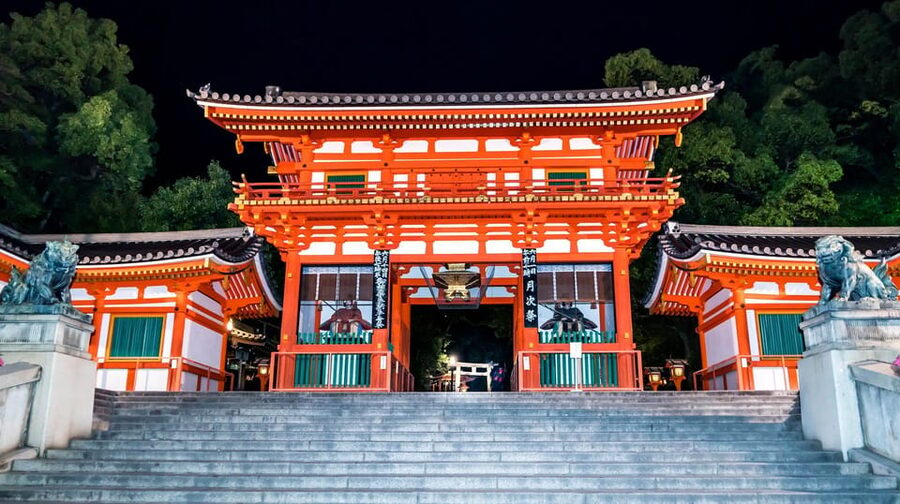
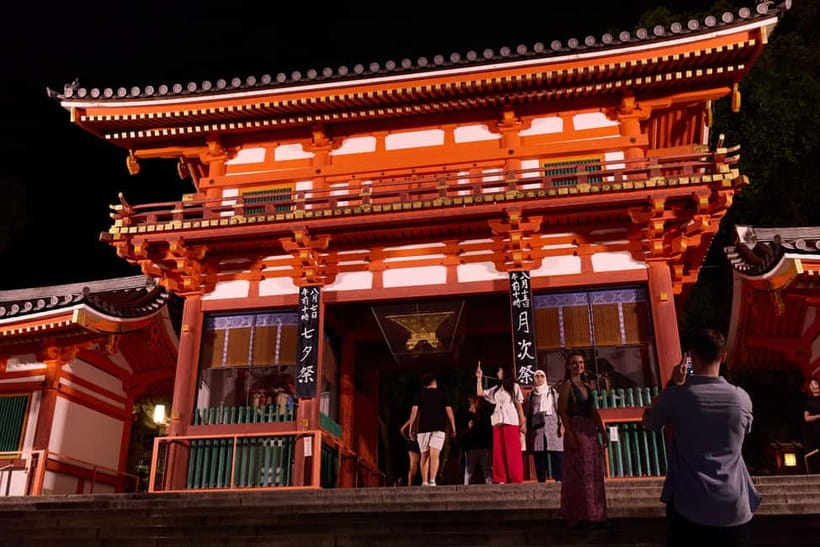
You also visit Yasaka Shrine. This is one of those stops that balances out the more niche geisha focus. Even if your interest is purely geisha culture, Yasaka Shrine adds a bigger Kyoto frame to the evening walk.
Then you stop at Gion Corner. The tour keeps it short, but the point is that you are not just walking for looks. You are linking Gion to traditional arts and cultural performance spaces, which helps the whole tour make sense in one line.
One reason I like this structure is that it prevents the tour from turning into a single-theme lecture. You get performance arts context, shrine atmosphere, and geisha district street views all in a compact route.
Hanamikoji Street Encounters: Watching for Geisha on Appointments
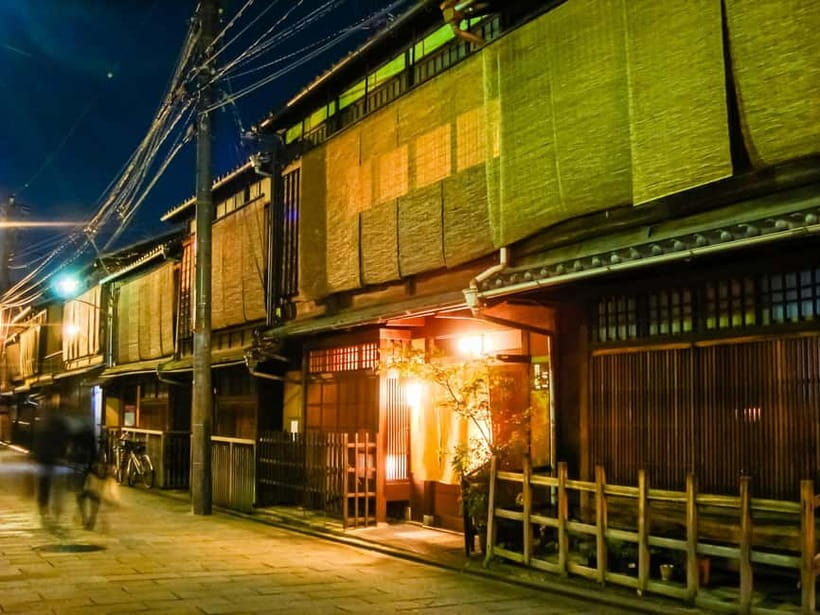
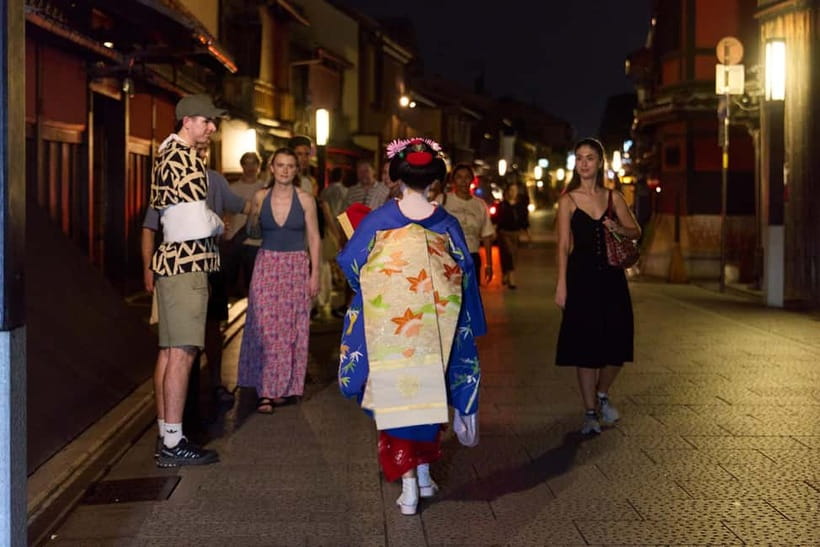
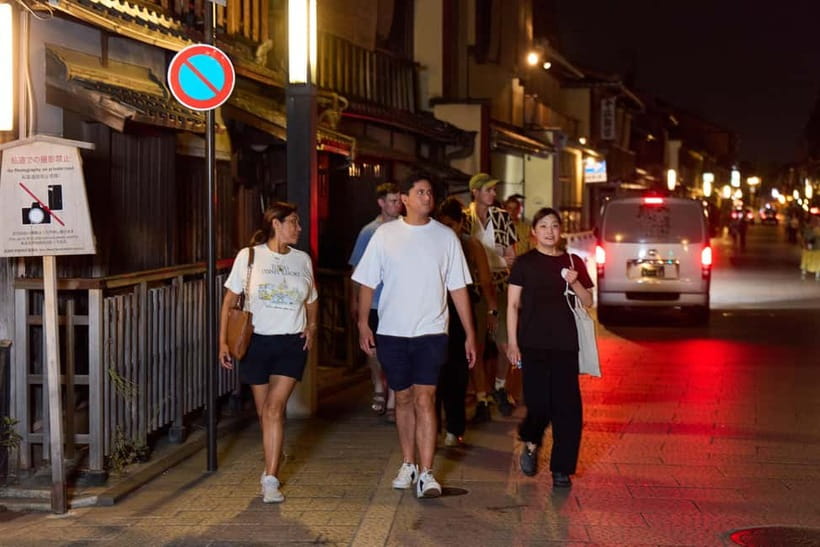
The final stretch includes Hanamikoji Street, one of the most famous lanes in Gion. Your guide encourages you to keep an eye out for geishas making their way to appointments. This is the part people talk about because it turns the walking route into something closer to a living scene.
Just keep expectations realistic. You are seeing a district that still functions day to day. The tour does not promise that you will spot someone at every moment, but it is set up to maximize your chance by timing the walk with evening movement.
This is also where good guidance really shows. When your guide explains what to look for and how to interpret what you are seeing, a brief sighting becomes more than a photo opportunity. You walk away with a better sense of how tradition stays present in everyday routines.
If you are into photography, this section is your best chance for night shots. The streets are built for atmosphere, but move carefully and respectfully. Keep your distance. Don’t block foot traffic. Let the moment pass, then continue the walk.
How to Make the Most of This Tour (Without Being That Person)
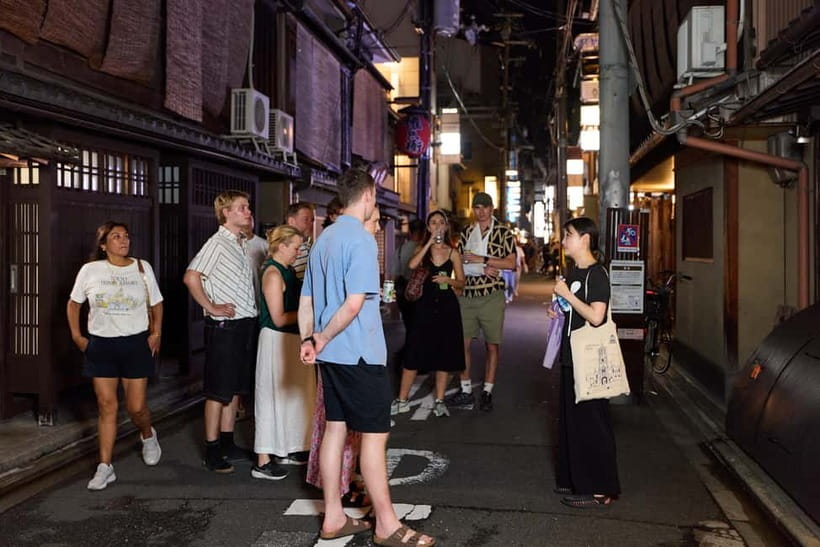
This is a walking tour, so comfort matters. Wear shoes you can handle on uneven pavement and tight lanes. You will be on your feet for most of the two hours.
Bring a question mindset. People tend to enjoy this tour most when they actually use the guide time. Ask about training and traditions, or ask what the differences mean when you hear geiko versus maiko. The guides leading this tour, including names like Yukari, Nami, Kenji, Deborah, Manuel, and Yuki, are repeatedly praised for answering questions and keeping the stories clear.
Also, expect the tour to be weather-dependent. One reviewer noted rain, and the guide handled it by finding sheltered places to stop. That is the kind of flexibility that keeps the experience enjoyable, even when conditions are less than perfect.
One last practical note: the tour may not end exactly where you started. That is normal for a district walk, but it can surprise you if your brain expects a loop. Plan an easy route back to your hotel, and keep your transit options simple.
A quieter way to spend a day in Kyoto

Price and Value for $20: Is It Worth It?
At $20 per person for a two-hour guided walk, the value comes from three things.
First, you are paying for a live guide. At night, that is the difference between seeing a cool street and understanding why it looks that way. The tour is built around interpretive stops, not just motion.
Second, the route covers multiple high-meaning locations in a short time: Pontocho Alley, the Izumo-no-Okuni statue, Gion, Yasaka Shrine, Gion Corner, and Hanamikoji Street. For a limited Kyoto schedule, that concentration matters.
Third, you get a chance at geisha and maiko sightings as part of the experience, not as a random bonus. The tour is designed for evening appointments, so it matches what you want out of a night in Gion.
If your Kyoto trip is short or you want a quick way to understand what you are seeing on your own later, this is a strong starter. If you already feel like you know Gion deeply, you might want something longer or more performance-focused. But for most first-time visitors, this price is a fair trade for clarity and context.
Should You Book This Geisha District Walking Tour?
I think you should book this tour if you want an organized, respectful way to see Gion and Pontocho at night, and you care about learning what you are witnessing. It is ideal for adults, and it is not meant for kids under 10.
Skip it if walking around at night does not sound good to you, or if you expect a guarantee of up-close geisha encounters. Also, if you dislike outdoor time in unpredictable weather, you may find it annoying no matter how good the guide is.
If you do book, do two things that make a noticeable difference. Wear comfortable shoes. Bring your best questions, and use the guide time. This is the kind of tour where the stories turn the street signs into meaning.
FAQ
Where is the meeting point for the Kyoto Gion Geisha District Walking Tour?
You meet your guide in front of Ben’s Cookies Kyoto Shijo. The guide will be holding a sign board.
How long is the walking tour?
The tour duration is 2 hours.
What languages are offered?
The live tour guide is available in English and Spanish.
What is the price per person?
The price is $20 per person.
What should I bring?
Bring water.
Is alcohol allowed during the tour?
No. Alcohol and drugs are not allowed.
Is the tour appropriate for children?
It is not suitable for children under 10.
Is cancellation possible, and how far in advance?
There is free cancellation up to 24 hours in advance for a full refund.
Where does the tour focus during the walk?
It focuses on Gion and Pontocho, with stops including Pontocho Alley, the statue of Izumo-no-Okuni, Yasaka Shrine, Gion Corner, and Hanamikoji Street.
New This Season
- Koyasan Day Trip by Private Car from Kyoto
- Old Port Town and Ultimate Sake Tasting Private Tour From Kyoto
- Sacred Peak & Ancient Paths: Kurama-Kibune Hiking Experience
- Kyoto’s Timeless Charm: 3hr Exploration of History and Peace
- Kyoto: 5 Types of Sushi Making
- Kyoto: Exclusive ZEN practice at Manpukuji temple in Uji
- Kyoto: Private Seasonal Aroma Yoga Class
- Traversing Kyoto’s Scenic West – Arashiyama to Kinkakuji
Gion Geisha Quarter Walks, compared.
Kyoto Geisha Walking Tour: Gion District & Hidden Gems
Read our review →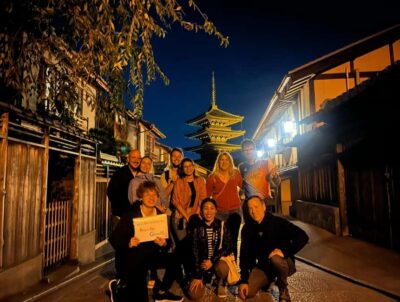
Gion Magical Night Walking Tour with Geisha Trivia
Read our review →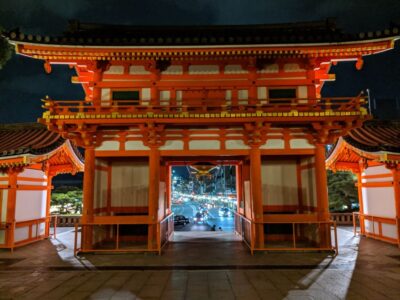
Best of Kyoto: Gion, Geisha, Pagodas & Cobblestones
Read our review →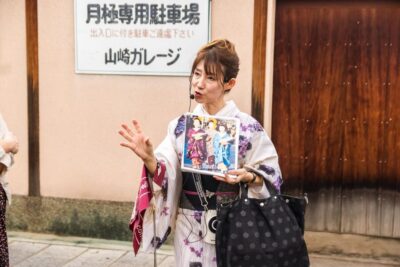
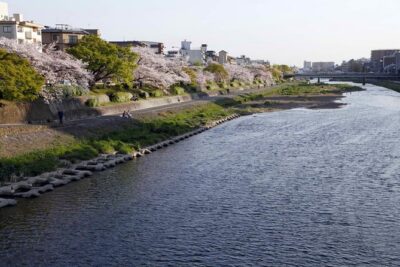
Kyoto Night Foodie Tour in Gion (9+ dishes + 6 Sake tastings)
Read our review →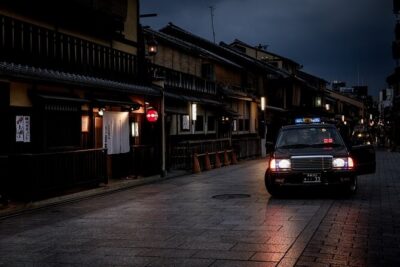
Kyoto Gion Geisha District Walking Tour – The Stories of Geisha
Read our review →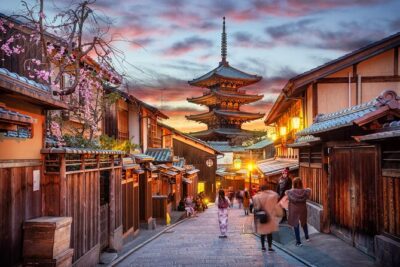
Kyoto Gion: 2-Hour Geisha Culture & History Walking Tour
Read our review →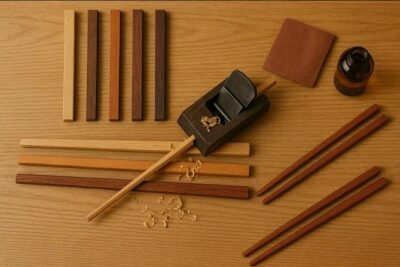
Chopsticks Making Workshop in Gion with Engraving Option
Read our review →Also filed under