Reviewed · NISHIKI MARKET FOOD WALKS
Nishiki Market Brunch Walking Tour (7 Tastings + Brunch)
Food walks through Kyoto move fast. This one strings together 7 tastings plus a brunch with smart sightseeing in between. You’ll start near Gion, walk past a famous bridge, duck into Pontocho, stop at Nishiki Tenmangu, then spend real time in Nishiki Market.
Two things I’d call out right away: the tour keeps the group small for personal attention (it’s marketed as max 6, and the operator also lists a maximum of 10), and the format pushes you to pay attention to the food, not your camera. One consideration: the included tastings and brunch are good value, but they are still limited amounts, and gluten-free requests are not accommodated.
If you’re picky about allergies, plan extra care. The operator notes they cannot guarantee allergy-free food because the food is prepared in kitchens outside the tour provider, and substitutions might not be possible at every stop.
In This Review
- Key highlights you’ll feel on the day
- Nishiki Market Brunch Tour at a glance: a food walk with built-in context
- Start in the Gion orbit: Shijo Bridge sets the tone fast
- Pontocho District: a narrow alley you’ll notice even if you skip the night vibe
- Nishiki Tenmangu shrine stop: a quick reset before the market
- Nishiki Market Shopping District: the 2 hours 15 minutes that make the price make sense
- Brunch finish: the included meal and how it affects your whole schedule
- Photos and the camera rule: less fiddling, more eating
- Your guide can make or break it: names that kept showing up in the feedback
- Price and portions: is $68.31 actually a fair deal?
- Who should book this (and who should consider a different plan)
- Should you book this Nishiki Market brunch walking tour?
- FAQ
- How long is the Nishiki Market brunch walking tour?
- How many tastings are included?
- Where does the tour start and end?
- What sights are included besides the market?
- Is gluten-free food available?
- Can the tour guarantee allergy-free food?
- What’s included in the price?
- Is there anything not included that I might want to buy?
- What should I do about weather in Kyoto?
Key highlights you’ll feel on the day
- 7 tastings plus brunch: a mix of market snacks and a sit-down meal so you’re not just grazing
- Small-group attention: max 6 on the tour description, up to 10 travelers noted by the operator
- Food-first pacing: you’re asked to put your camera away and you get photos during the tour
- Sightseeing that matches the food: Gion area walk, Shijo Bridge, Pontocho alley, Nishiki Tenmangu shrine
- Local guidance with clear storytelling: guides like Yuki, Yusuke, Takaya, and others are repeatedly praised for making it fun
- Weather matters in Kyoto: the operator says it requires good weather
Nishiki Market Brunch Tour at a glance: a food walk with built-in context
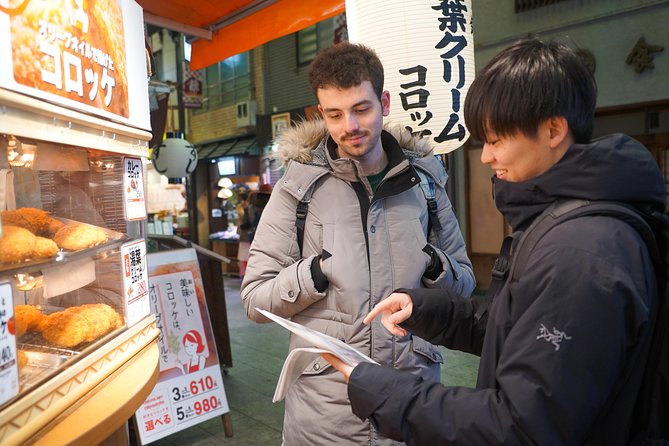
This is a morning-to-midday style walking tour built around Kyoto’s Nishiki Market, often described as the kitchen of Kyoto. You’ll get the market time most people want, but you also get a way to understand where the food sits in the city. That balance is the point.
The structure is simple: you walk, you taste. You hit a few cultural stops before the market gets truly crowded, then the tour leans hard into Nishiki itself. The tastings are paired with a guide explanation, which is useful when you want to know what you’re eating and why it’s popular, not just which stall to line up for.
Here’s what you’re paying for, in plain terms. At $68.31 per person, you’re covering a certified guide, 7 kinds of tastings, an included brunch meal, and photos. Extra food and drinks are available for purchase, so you’re not locked in, but you should expect to top up if you’re a hungry all-day eater.
Your tour time is about 3 hours. That’s long enough to feel like a real outing, short enough that you still have plenty of day left for temples, tea, or shopping.
Start in the Gion orbit: Shijo Bridge sets the tone fast
The tour begins at the Statue of Izumo-no-Okuni at Kawabatacho, in Higashiyama Ward. From there, you’ll work your way through the area before you reach Nishiki Market, including historic Gion sights.
Stop 1 is Shijo Bridge. It’s a quick photo stop, around 5 minutes, and it matters because it gives you a visual anchor early. Kyoto can feel like a maze if you arrive without any landmarks, and Shijo Bridge is one of those points that helps you build your mental map. Even if you don’t care about bridges, it gives you a sense of orientation before you step into market mode.
Practical tip: wear shoes you can walk in for 2+ hours of market time later. Kyoto sidewalks and market approaches can be uneven, and Nishiki gets crowded fast.
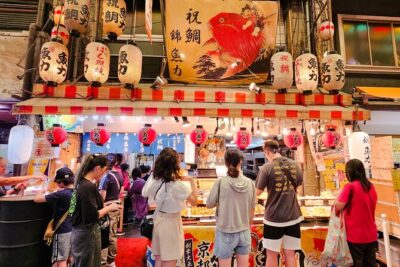
Kyoto's kitchen, one stall at a time
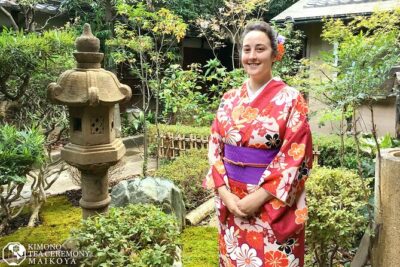
- Kimono Tea Ceremony at Kyoto Maikoya, NISHIKI
★ 5.0 · 911 reviews - Kyoto Nishiki Market Food and Culture Walking Tour
★ 5.0 · 412 reviews - Kyoto: Nishiki Market Tea Ceremony with Koto Performance
★ 4.8 · 294 reviews - Kyoto: Local Food Tasting Tour at the Nishiki Market
★ 4.7 · 135 reviews
Pontocho District: a narrow alley you’ll notice even if you skip the night vibe
Stop 2 takes you to the Pontocho District for about 15 minutes. Pontocho is one of those Kyoto neighborhoods where the street shape does the storytelling. It’s an alley-style setting, with classic Kyoto energy that reads differently in the morning than at night, but the charm is still there.
This is a good placement in the itinerary. Right after Shijo Bridge, you get variety. Instead of only moving forward, you get to slow down and watch the street rhythm, which makes the later market crush easier to handle mentally.
Also, this is where the tour becomes more than eating. A good guide can explain how this area connects to Kyoto’s food culture and performance culture, and multiple guides in the feedback, including Jimmy, Chie, and Emi, are praised for mixing food with stories you can actually use.
Nishiki Tenmangu shrine stop: a quick reset before the market
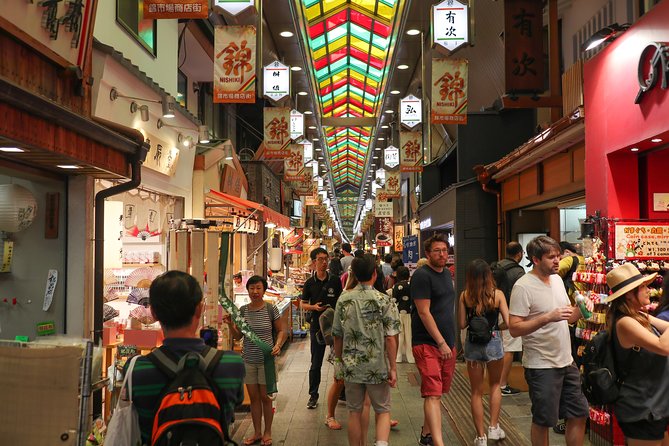
Stop 3 is Nishiki Tenmangu, about 15 minutes. You’ll spend time there looking at the shrine. This stop gives you a short cultural breather before you hit the busiest eating zone in the area.
Why it’s a smart move: markets can overwhelm you if you only arrive hungry and unprepared. A shrine stop creates a mental reset. It’s also a reminder that Nishiki Market isn’t separate from the rest of Kyoto life. It’s part of a city where religion and daily routines have been intertwined for a long time.
If you want a peaceful moment for photos, this is often the better place to take them. The market itself is crowded, and you’re asked to put your camera away during the tasting parts, with photos provided by the tour. Outside the busy areas, you can still capture the setting if you want.
Nishiki Market Shopping District: the 2 hours 15 minutes that make the price make sense
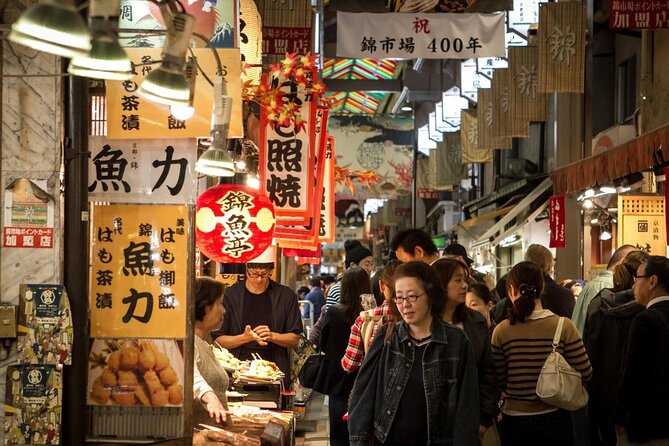
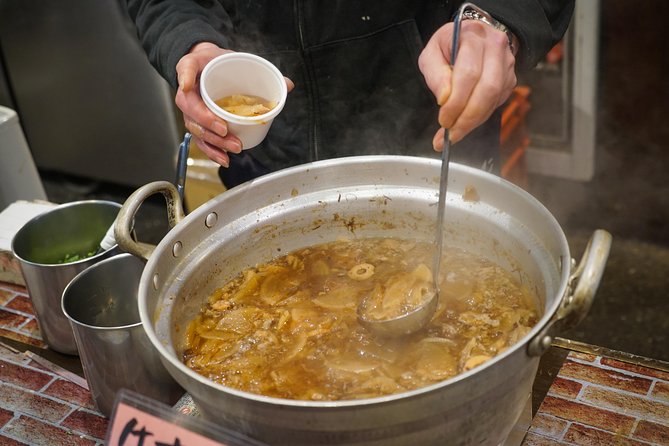
Stop 4 is the big one: Nishiki Market Shopping District, about 2 hours 15 minutes. This is where the tour earns its keep.
Nishiki is famous, but fame creates a problem. If you explore it on your own, you spend time figuring out what’s worth it, where to go, and what you can handle tasting-wise in a crowded space. A guided format helps because you’re not guessing every step.
What you should expect here:
- Guided movement through the market so you’re not stuck in the longest lines only
- 7 kinds of tastings spread across the market and brunch portions
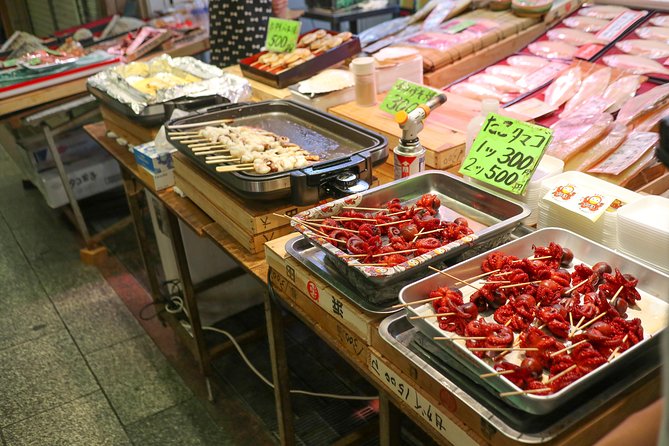
- Stops at different vendor styles and shop types, not just one street corner
One careful note from the data you were given: the operator also says the food is prepared in kitchens that do not belong to the tour provider. That matters because it can affect allergy planning and portion size, depending on what’s available at each stop.
So, set your expectations around learning and access more than around getting huge amounts of food. The tour format is designed to give you enough bites to try a range. If you’re expecting a full meal-sized portion at every stop, you might feel short on the tastings.
Still, the most consistent praise in the feedback is about variety and the way guides find food you might not choose on your own. Guides named Yuki, Yusuke, Takaya, Reiki, Aki, and Rakel show up repeatedly, with people pointing out hidden stalls and smart recommendations. Even if you’re familiar with Kyoto food, you can still come away knowing what to look for on a solo return.
Brunch finish: the included meal and how it affects your whole schedule
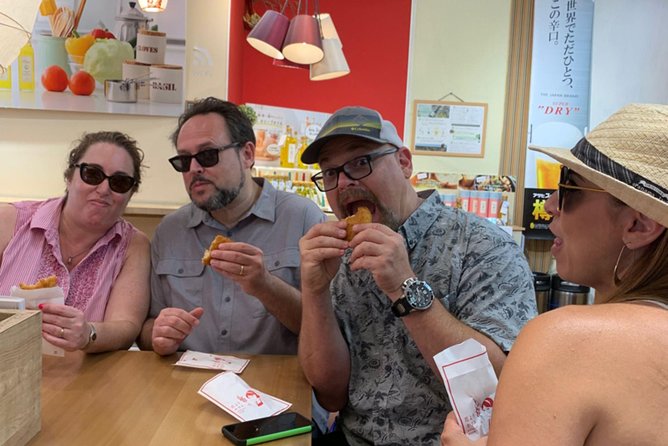
The tour includes brunch at a restaurant. That’s important because it changes how you plan your day. If you do a market tasting only, you can end up tired and still hungry later. With this format, you get an actual seated meal component after the walking and snack rounds.
The operator lists the included items as:
- Brunch at restaurant
- 7 kinds of tastings
- Certified guide by MagicalTrip
- Photos during the tour
Also, additional food and drinks are available for purchase. That’s a practical win because brunch menus can vary, and if you want something extra, you can usually add it rather than feeling locked out.
A balanced reality check: a minority of the feedback includes disappointment about the brunch location or the variety available in the restaurant. Some people felt the brunch menu options were limited compared to their expectations. So if you’re the type who wants maximum freedom to pick exact dishes, you’ll want to be mentally prepared that the included brunch is a set part of the program.
Timing-wise, brunch at the end means you can treat the morning as a structured food mission, then switch gears afterwards. You’re right in the Nishiki area when you’re done, which is convenient if you’re continuing on foot.
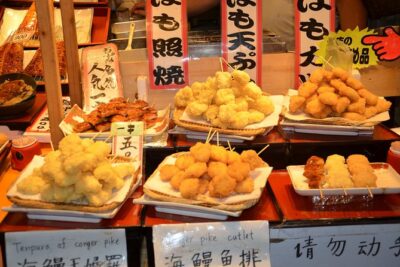
More stalls, more to taste
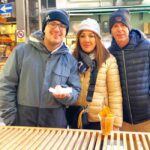
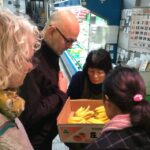
Photos and the camera rule: less fiddling, more eating
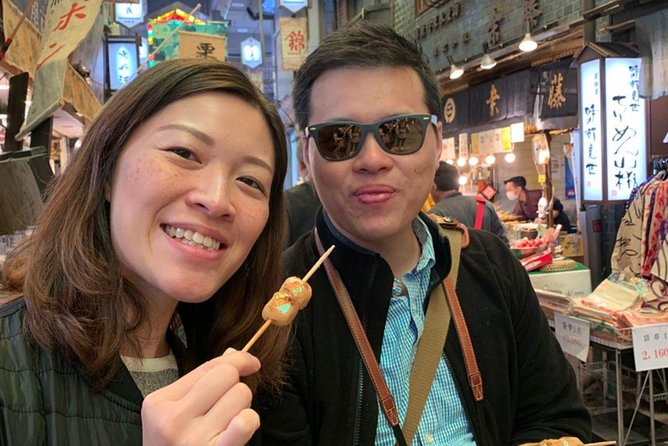
The tour asks you to put your camera away and focus on the food, because photos will be provided. That’s a small rule, but it changes the feel of the experience.
Why I like this approach: in crowded markets, people spend too much time lining up shots and not enough time noticing what matters, like texture, aroma, and the logic behind the menu. If photos are handled for you, you can actually taste more fully. You also avoid the awkwardness of trying to photograph while everyone else is moving.
Still, you’ll want to bring your own water and keep your phone handy for logistics. You may not be taking food close-ups during the tastings, but you might want to navigate, check train times, or confirm where to meet again if you get separated.
Your guide can make or break it: names that kept showing up in the feedback
This tour’s value is tightly linked to guide energy and communication. In the feedback you were given, certain guides show up again and again, with people praising them for knowledge, storytelling, and making the pacing feel effortless.
Examples of praised names:
- Yuki, with requests like ask for Yuki mentioned in positive feedback
- Yusuke and Takaya, praised for knowledgeable answers and food tips
- Jimmy, praised for Kyoto context alongside food
- Hikaru, praised for both market and brunch experience
- Emi, praised for history and culture explanations tied to food
- Reiki, praised for being thorough
- Chie and Rakel, praised for engagement and connection with people in the group
- Aki, praised for hard work and a good experience
- Yutaka and Yutaka-san, praised for sharing Japanese culture
Even if you don’t know which guide you’ll get, the consistent theme is that a good guide helps you leave the market with practical takeaways. That can mean learning what a dish is actually called, how it fits Japanese food culture, and what to try next if you pass through Nishiki again later in your trip.
If you want the best day, arrive with a curious mindset. Ask short questions. If you’re unsure about anything you’re tasting, say so. That’s exactly what the guide is there for.
Price and portions: is $68.31 actually a fair deal?
At $68.31, you’re not just buying snacks. You’re buying:
- 3 hours of structured time
- 7 tastings plus brunch
- a certified guide through a packed area
- photos handled during the tour
Compared to DIY market wandering, you save time deciding what to eat and you reduce the stress of navigating crowd flow. That’s the real value. Nishiki Market is not the place where you want to experiment randomly while hungry and rushing.
But portions matter. A couple of the negative data points argue that some tastings felt like small samples, including cases where tastings were described more like quick vendor freebies, and brunch options felt limited. That doesn’t mean the tour is bad, but it does mean you should treat it as a tasting and context experience, not an unlimited food buffet.
My practical advice: if you’re doing this as your main breakfast, you’ll likely be satisfied because the included brunch helps. If you already ate a big breakfast, you might want to scale back your expectations for how full the included food makes you.
Also, remember the tour cannot accommodate gluten-free requests, and allergy-free guarantees are not possible due to outside kitchens. If you have dietary needs, you should plan carefully and ask at least one day before the tour.
One more planning point: the operator warns Kyoto weather can swing hard, with summer highs around 40°C (110°F) and winter lows around -5°C (20°F). In other words, dress for temperature and carry water.
Who should book this (and who should consider a different plan)
This is a strong fit if you:
- Want a guided introduction to Nishiki Market without having to do research first
- Like food tours that include context, not just eating
- Appreciate small-group pacing and a guide who answers questions
- Plan to spend time in the Nishiki area afterwards and want an easy start to your food day
It may be less ideal if you:
- Need gluten-free accommodations, since the tour says it cannot accommodate gluten-free requests
- Have serious allergies and want guaranteed safety, because the tour cannot guarantee allergy-free food
- Think tastings should replace a full-on meal every stop, because portions are designed as samples
- Are extremely concerned about brunch menu variety, since the restaurant part is included as part of the program and has drawn mixed comments
If you fall into the last group, you can still do it, just adjust your expectations. Treat brunch as the anchor meal, and treat the market tastings as the variety course.
Should you book this Nishiki Market brunch walking tour?
I’d book it if you want a guided, structured way to enjoy Nishiki Market and you’re excited about learning what you’re eating. The combination of 7 tastings plus brunch feels like a practical match for a 3-hour half-day, and the walking route includes real Kyoto stops, not just a food line.
Skip or reconsider if gluten-free or allergy certainty is a deal-breaker for you. The tour clearly states limitations around gluten-free requests and allergy-free guarantees. Also, if you dislike the idea of tasting portions being controlled, you might find the experience frustrating compared to a more DIY approach where you can order bigger items right away.
If you do book, go with a simple strategy: hydrate, wear comfy shoes, and come hungry enough to enjoy bites plus brunch. Then ask your guide questions as you go, because that’s where the experience turns from snack shopping into a day you actually remember.
FAQ
How long is the Nishiki Market brunch walking tour?
The tour lasts about 3 hours.
How many tastings are included?
You’ll get 7 kinds of tastings, plus brunch.
Where does the tour start and end?
It starts at the Statue of Izumo-no-Okuni at Kawabatacho (Higashiyama Ward) and ends at Nishiki Market in Higashiuoyacho (Nakagyo Ward).
What sights are included besides the market?
You’ll stop at Shijo Bridge, the Pontocho District, and Nishiki Tenmangu, before spending about 2 hours 15 minutes in Nishiki Market.
Is gluten-free food available?
No. The tour says it cannot accommodate gluten-free requests.
Can the tour guarantee allergy-free food?
No. The operator says they cannot guarantee allergy-free food or fully cater to dietary restrictions because the food is prepared in kitchens that do not belong to the tour provider.
What’s included in the price?
Included are brunch at a restaurant, 7 types of tastings, a certified guide by MagicalTrip, and photos during the tour.
Is there anything not included that I might want to buy?
Additional food and drinks are available for purchase.
What should I do about weather in Kyoto?
The operator says the experience requires good weather. If canceled due to poor weather, you’ll be offered a different date or a full refund.
More Walking Tours in Kyoto
Shopping Around Kyoto
New This Season
- Koyasan Day Trip by Private Car from Kyoto
- Old Port Town and Ultimate Sake Tasting Private Tour From Kyoto
- Kyoto’s Timeless Charm: 3hr Exploration of History and Peace
- Kyoto: 5 Types of Sushi Making
- Sacred Peak & Ancient Paths: Kurama-Kibune Hiking Experience
- Kyoto: Exclusive ZEN practice at Manpukuji temple in Uji
- Kyoto: Private Seasonal Aroma Yoga Class
- Traversing Kyoto’s Scenic West – Arashiyama to Kinkakuji
Nishiki Market Food Walks, compared.
Kimono Tea Ceremony at Kyoto Maikoya, NISHIKI
Read our review →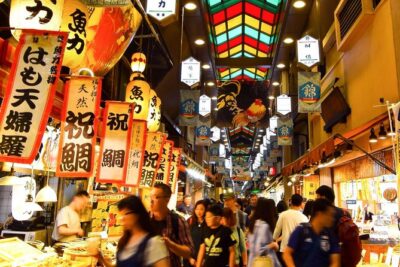
Kyoto Nishiki Market Food and Culture Walking Tour
Read our review →
Nishiki Market Tea Ceremony with Koto Performance
Read our review →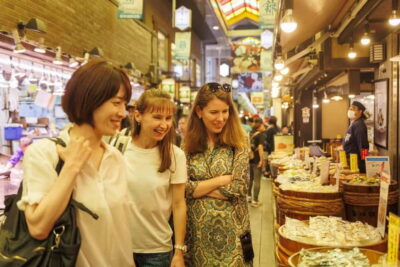
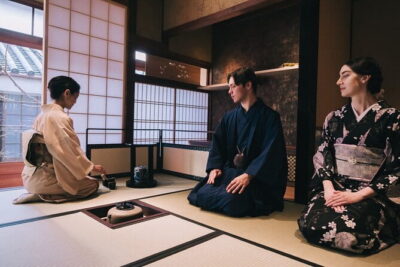
Kimono Tea Ceremony Experience at Kyoto Oritzuruya, Nishiki
Read our review →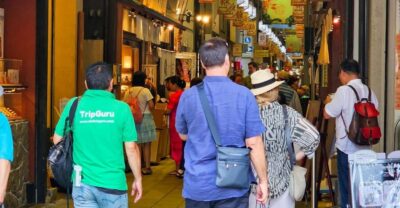
Nishiki Market and Depachika Food Tour with a Local
Read our review →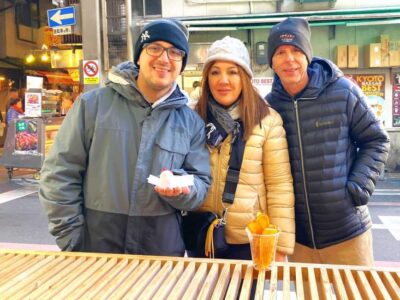
Nishiki Market Tour with a Local Foodie & Tastings
Read our review →