
Reviewed · NISHIKI MARKET FOOD WALKS
Kyoto: Local Food Tasting Tour at the Nishiki Market
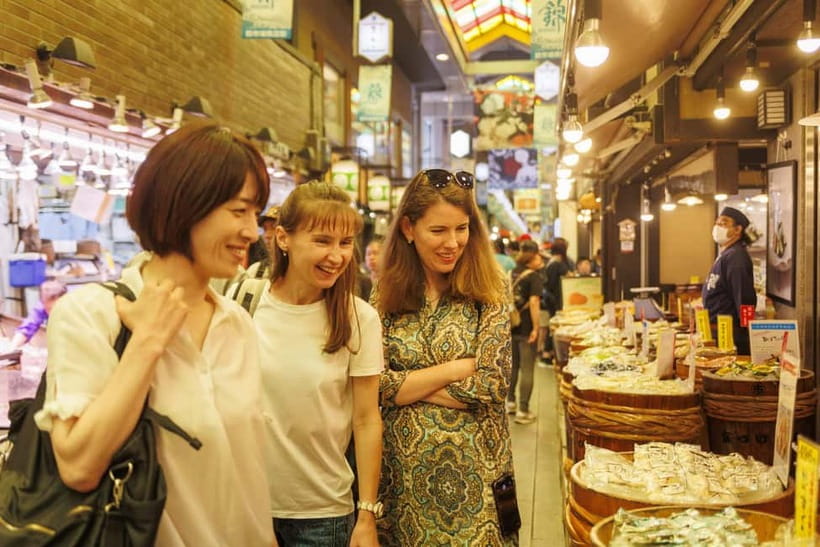
Kyoto’s best bites live at Nishiki Market. On this 3-hour small-group walk, I love the local guide who turns a crowd of choices into confident ordering, and I love the five carefully selected tastings like Hamo Tempura and Wagyu steak skewers. One consideration: this tour does not accommodate most dietary restrictions, and it is not suitable for wheelchair users.
You’ll spend time in one of Kyoto’s most famous food streets, then add a quick shrine visit and a couple of nearby shopping lanes. If you want the add-on, the tea ceremony option starts at 2:00 PM and includes professional kimono dressing and a lesson from a tea master.
In This Review
- Key things that make this Nishiki Market food tour worth your time
- Why Nishiki Market is the right place to start in Kyoto
- Price and value: what your $78 actually buys
- Meeting up and what to bring in a wet, crowded market
- Entering Nishiki Market: how the tastings are organized
- The five specialties you’ll want to be ready for
- Nishiki-Tenmangu Shrine: a short stop with real context
- Shopping arcades and Teramachi Street: when browsing becomes part of the food story
- Tea ceremony add-on: 90 minutes with kimono dressing and a tea master
- How the guide makes or breaks this kind of tour
- Small-group pace and your best strategy to enjoy every stop
- Who should book, and who should skip this Kyoto Nishiki Market tour
- Should you book this Kyoto Nishiki Market food tasting tour?
- FAQ
- How long is the Kyoto Nishiki Market local food tasting tour?
- What is the price per person?
- How many people are in a small group?
- Is the tour guide available in English?
- What kinds of foods are included in the tastings?
- Can I request vegetarian, halal, gluten-free, or allergy-friendly options?
- What is the tea ceremony option and when does it start?
Key things that make this Nishiki Market food tour worth your time
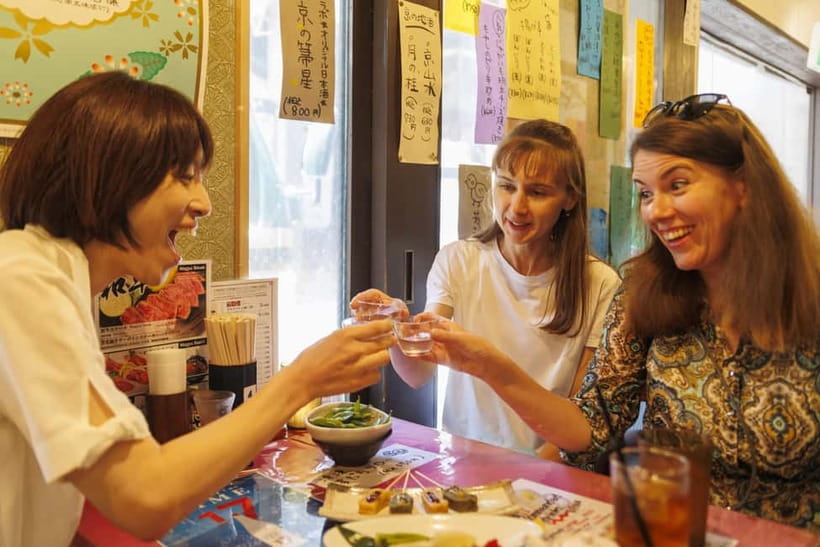
- Small group size (up to 6) means you get more attention while sampling across the market maze
- Five specific Kyoto specialties plus extra tastings like seasonings, crackers, and Japanese honey
- Nishiki Market history in walking form, with a route that links food to culture
- Short stops outside the market at Nishiki-Tenmangu Shrine and classic shopping streets
- Optional tea ceremony with kimono dressing, timed for the afternoon near Nishiki
Why Nishiki Market is the right place to start in Kyoto
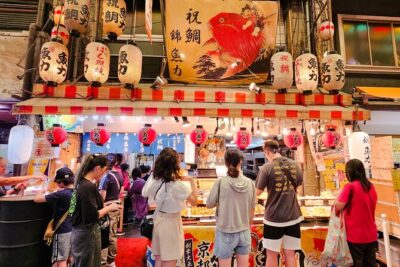
If Kyoto feels big and confusing your first day, Nishiki Market is a smart entry point. It is packed with stalls selling snacks, ingredients, and Kyoto-style favorites, and it has been around for centuries. The tour uses that energy for you instead of leaving you to fight the crowds.
This experience is designed around tasting, not a long sit-down meal. That matters in Kyoto, where food culture changes street by street, stall by stall. You get a sense of what the city does well, without committing to one restaurant’s menu.
Also, you are not just seeing food. You are getting context for why certain items show up here and what locals pair them with. That is where the market stops feeling like a tourist checklist.
Price and value: what your $78 actually buys
$78 for a 3-hour small-group food tour can feel like a splurge until you look at what you receive. You are paying for a local guide, a structured route, and several guided tastings that you might not pick on your own.
The tour includes food tastings featuring five special foods, including yuba, obanzai (Kyoto home cooking), Hamo Tempura, and Wagyu steak skewers. On top of that, you also sample items like special Kyoto seasonings, cracker snacks, and Japanese flavored honey. In practice, that means you are not just eating once, you are testing a handful of Kyoto flavors.
Value also shows up in pacing. A guided route helps you avoid spending your time wandering without knowing what to order. When you are hungry and the market is busy, guidance is worth real money.
Finally, the tour is small, limited to 6 participants, so you get a more relaxed experience than bigger group versions of the same idea.
Kyoto's kitchen, one stall at a time
- Nishiki Market Brunch Walking Tour (7 Tastings + Brunch)
★ 5.0 · 1,355 reviews - Kimono Tea Ceremony at Kyoto Maikoya, NISHIKI
★ 5.0 · 911 reviews - Kyoto Nishiki Market Food and Culture Walking Tour
★ 5.0 · 412 reviews - Kyoto: Nishiki Market Tea Ceremony with Koto Performance
★ 4.8 · 294 reviews
Meeting up and what to bring in a wet, crowded market
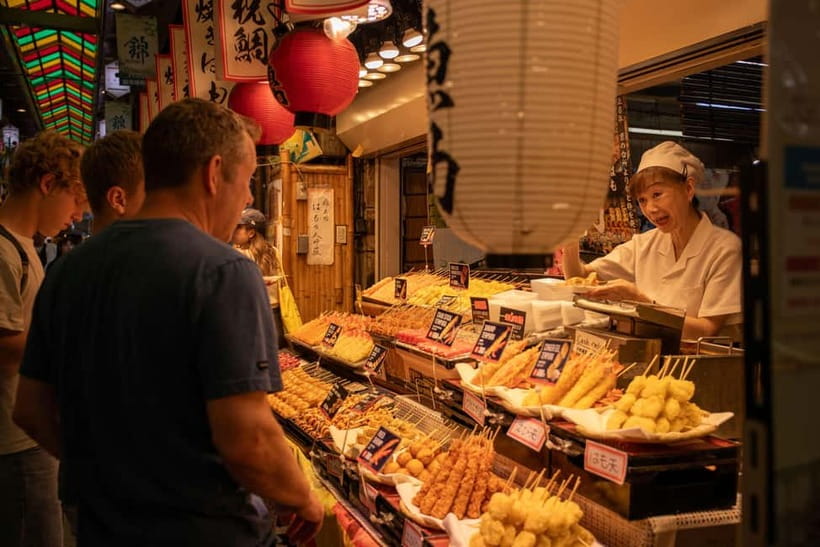
Meeting points can vary depending on the option you booked, so plan to arrive a few minutes early. The tour starts with a local guide escort, and you will then move through Nishiki Market with the group.
Bring comfortable shoes first. You are walking through narrow lanes and around lots of stalls, and you will want your feet to forgive you. If rain is in the forecast, pack rain gear. Kyoto weather can change quickly, and the market does not stop because your socks want comfort.
This is also not a tour for big luggage. Pets are not allowed, and the tour does not accept luggage or large bags. If you are carrying shopping bags or a daypack, keep it manageable.
Entering Nishiki Market: how the tastings are organized
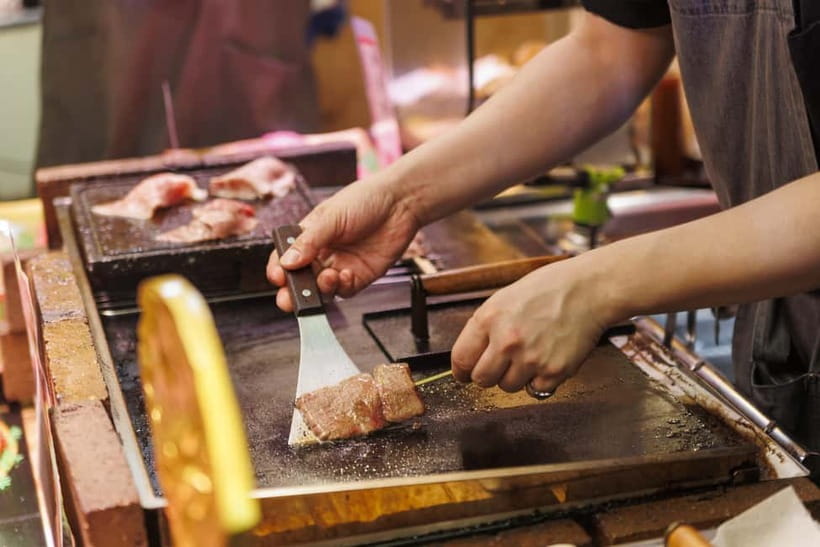
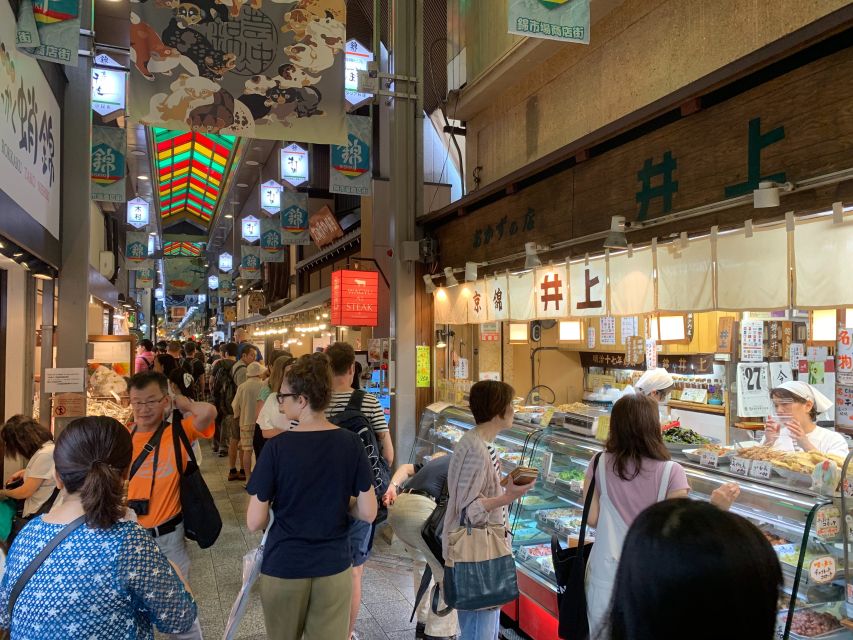
Your main tasting block is focused on Nishiki Market for about 1.5 hours with guided stops. The guide is there to help you navigate what to try and where, which is huge in a market with a long history and many vendors.
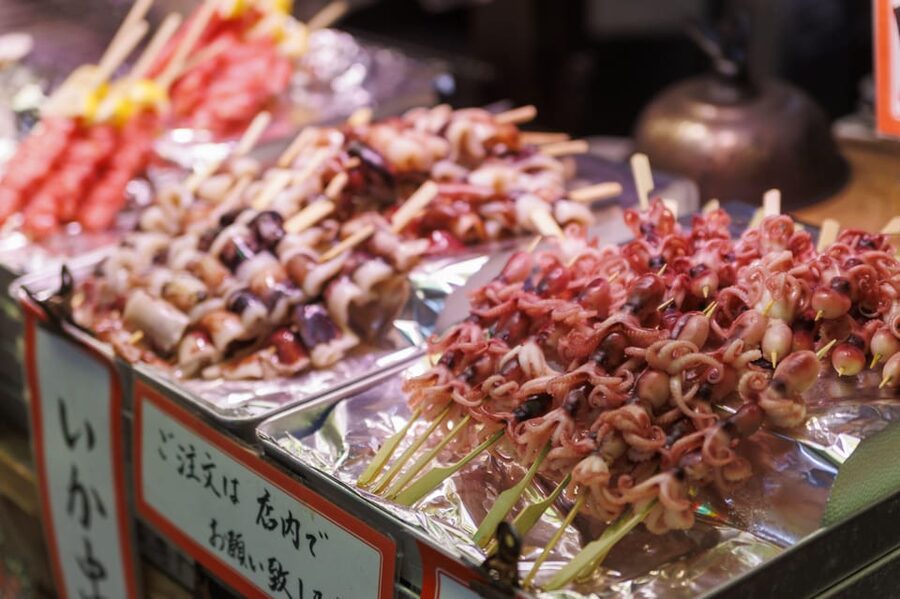
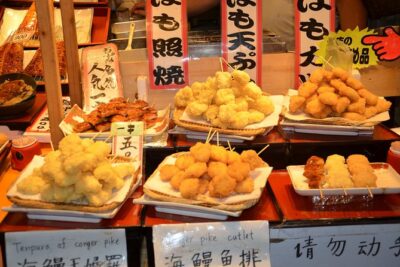
Expect a mix of textures and styles, not just one kind of snack. The tour includes Kyoto staples like yuba, a tofu skin delicacy that is very Kyoto, and obanzai, the everyday home-style cooking the city is known for. You also get seafood flavor through Hamo Tempura, a seasonal eel dish often associated with summer in Japan.
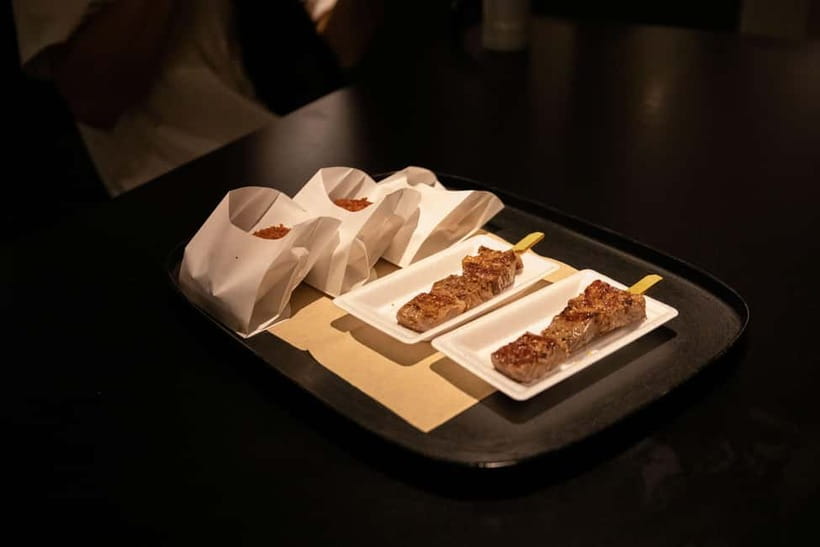
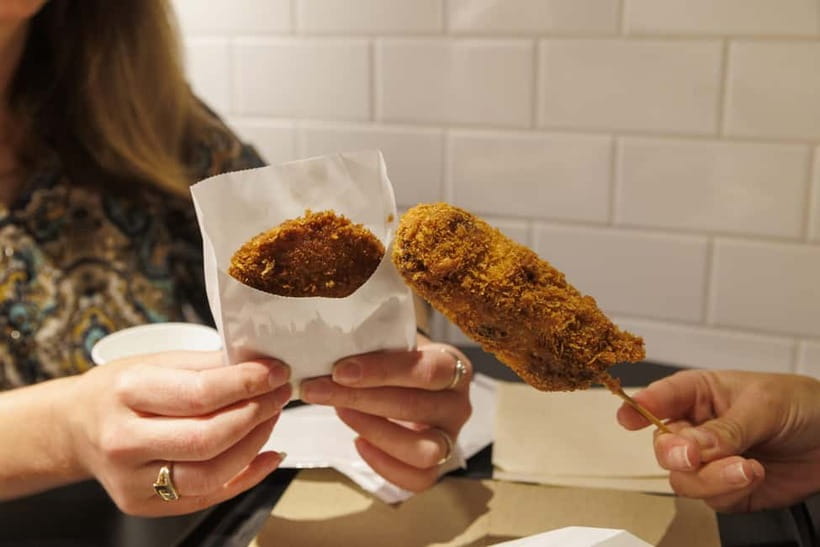
Then comes the more showy, savory bite: Wagyu steak skewers. Even if you think you know beef, this is usually a different experience in Japan because of cut, seasoning, and how vendors present it.
The guide also adds smaller tastings that broaden the picture, like Kyoto seasonings, crackers, and Japanese flavored honey. Those are the kinds of items you might overlook if you only focus on the obvious hot foods.
What you learn matters as much as what you eat. The guide shares stories about the food, the market, and everyday Kyoto life, so each bite connects to something real.
The five specialties you’ll want to be ready for
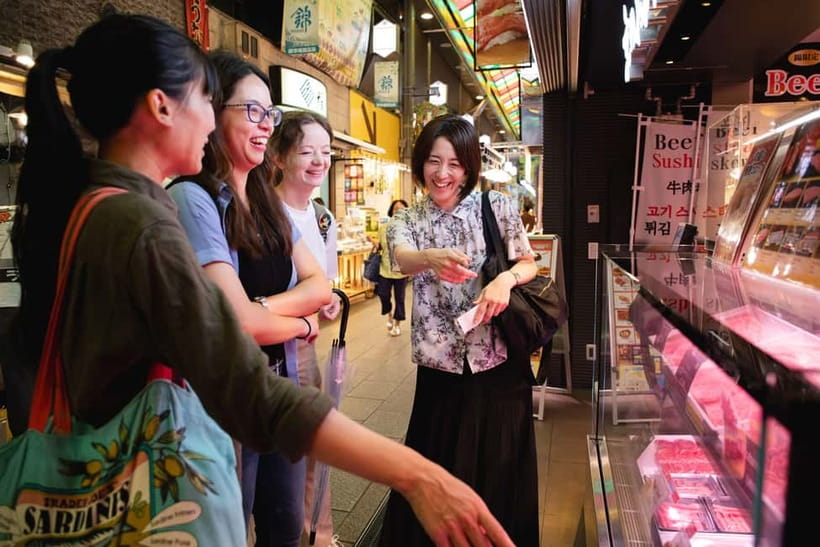
The tour is built around five carefully selected local specialties, and the exact set can include (at minimum) the big named items below. Even if some details vary by season and availability, you can use these as your mental map for what you are signing up for.
- Yuba: silky tofu skin, often paired with simple seasonings that let it taste clean
- Obanzai: Kyoto home cooking flavors, usually more subtle than the loudest street food
- Hamo Tempura: seasonal eel, crisp batter, and a flavor that feels distinctly Kyoto
- Wagyu steak skewers: savory and satisfying, with a focus on quality and seasoning
- More Kyoto taste tests: special seasonings, cracker snacks, and flavored honey
You do not need to be a seafood fan or a beef expert to enjoy this mix. The goal is variety across Kyoto’s culinary personality, from delicate to bold.
One practical note: this is tasting-focused, not a light snack. Plan your meal timing so you do not arrive starving, then realize you already ate a full lunch.
Nishiki-Tenmangu Shrine: a short stop with real context
After the main market tasting, you get a quick break with a guided visit to Nishiki-Tenmangu Shrine for about 10 minutes. It is brief, but that is part of the design, a chance to shift your senses from food overload to atmosphere and tradition.
Shrines are woven into daily life in Kyoto, so the stop helps you understand why this area feels more than just a food shopping street. You also get a bit of structure after eating, which makes the rest of the walk feel easier.
If you like culture that is not separated from everyday routines, this short shrine visit is a good match.
More stalls, more to taste

Shopping arcades and Teramachi Street: when browsing becomes part of the food story
The tour does not end at the market gate. You also spend time in nearby shopping areas, with a guided walk through the Shinkyogoku Shopping Arcade (about 45 minutes) and a visit to Teramachi Street Shopping District (about 30 minutes). There is also a short guided sidestop of about 10 minutes at a less obvious location.
These sections matter because Kyoto shopping is part of the same fabric as eating. You may spot local goods, packaged snacks, and the kind of small everyday items that pair with what you tasted at Nishiki.
The time is not just for wandering. The guide keeps it connected by pointing out what you are seeing and helping you interpret it in context. If you came to Kyoto to eat, you still leave with a clearer idea of where to go next.
Drawback to consider: because there is shopping time, you may feel torn if you are someone who wants purely food. If you do not care about browsing at all, this part can feel more optional than essential.
Tea ceremony add-on: 90 minutes with kimono dressing and a tea master
If you choose the tea ceremony option, it begins at 2:00 PM. You will need to make your own way to the tea ceremony venue near Nishiki Market after the tour.
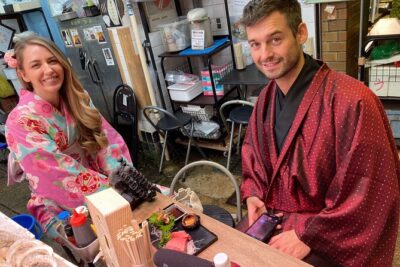
This add-on is 90 minutes and includes professional kimono dressing. You then take part in an authentic tea ceremony guided by a seasoned tea master. The focus is on meaning, with explanations of each movement and gesture, followed by time for commemorative photos in a traditional setting.
This is a great fit if you want one more structured cultural experience after your food tour. It is also a good way to slow down after the market’s intensity.
The one consideration is timing. You should have your afternoon plan flexible enough to arrive on time for a start at 2:00 PM, and be ready for a change in pace from walking to seated ceremony.
How the guide makes or breaks this kind of tour
Food tours can vary wildly depending on the guide, and this one is clearly strengthened by consistent guide quality. Even if your guide name changes, the common thread in the best experiences is a guide who gives clear explanations, stays patient in crowds, and shares practical suggestions beyond the stops.
Names that have come up in past tours include Takuna, Hide, Yume, Ayu, Iku, Toshi, Satomi, Miho, and Taku. The praise is not just for friendliness, it is for how they handle questions and pacing, including waiting at meeting spots if you show up to the wrong corner.
That is a big deal at Nishiki Market. It is easy to get turned around, and meeting points can be confusing. A calm guide who helps you regroup makes the whole tour feel less stressful.
You will also benefit from guides who can tailor the flow to your group. One advantage of small group size is that the guide is not balancing dozens of people.
Small-group pace and your best strategy to enjoy every stop
With a maximum group of 6, you get a better rhythm between tasting and walking. The guide can also slow down when someone needs a moment, which helps you keep enjoying things instead of rushing to catch up.
Here is how I’d plan your day for maximum enjoyment:
- Eat lightly before the tour so the tastings feel like discovery, not damage control
- Keep water in mind, especially if you try multiple hot items
- Wear shoes you can stand in for a while
- If you plan to add the tea ceremony, treat the ceremony as your afternoon anchor
The tour is designed so you do not have to make hard decisions at every stall. Your guide handles that, and you focus on tasting and learning.
If you are the type who wants to order everything yourself, you can still enjoy this. You just trade solo effort for guided selection and cultural context.
Who should book, and who should skip this Kyoto Nishiki Market tour
This tour is a strong choice for first-time Kyoto visitors who want food guidance fast. It is also ideal if you like learning through everyday culture, not just sightseeing landmarks.
It is especially good if you enjoy food variety and want to try items like yuba, obanzai, Hamo Tempura, and Wagyu skewers without spending time researching each place.
It may be less ideal if you need dietary accommodations. The tour does not accommodate vegetarian, halal, kosher, gluten-free, or allergy-related requests. If that affects you, you will want a different tour that explicitly supports your needs.
Mobility is another clear factor. This tour is not suitable for wheelchair users or people with mobility impairments. If walking at market pace is tough for you, consider a different format.
If you are comfortable walking and you want a practical food orientation for Kyoto, this one is worth serious consideration.
Should you book this Kyoto Nishiki Market food tasting tour?
Book it if you want a guided way to taste Kyoto at Nishiki Market, with 5 specific specialties and extra tastings that add up to a real meal of sampling. The small group size makes it feel manageable, and the route ties food to culture through a shrine stop and nearby shopping streets.
Skip or rethink it if you have dietary restrictions that require careful ingredient control, or if you cannot handle the walking. Also reconsider if you hate shopping detours, because part of the experience includes time in arcades and shopping districts.
If you are trying to make your first day in Kyoto count, this tour is a smart, efficient plan. It helps you eat well, understand what you are tasting, and leave Nishiki Market with confidence instead of confusion.
FAQ
How long is the Kyoto Nishiki Market local food tasting tour?
The tour lasts about 3 hours, listed as 270 minutes.
What is the price per person?
The price is $78 per person.
How many people are in a small group?
The tour is limited to 6 participants.
Is the tour guide available in English?
Yes, the tour includes a live guide in English.
What kinds of foods are included in the tastings?
You’ll taste 5 special foods such as yuba, obanzai, Hamo Tempura, and Wagyu steak skewers, along with additional tastings like Kyoto seasonings, cracker snacks, and Japanese flavored honey.
Can I request vegetarian, halal, gluten-free, or allergy-friendly options?
No. Dietary restrictions are not accommodated, including vegetarian, halal, kosher, gluten-free, or allergy-related requests.
What is the tea ceremony option and when does it start?
The tea ceremony option is a 90-minute experience that starts at 2:00 PM. It includes professional kimono dressing and is guided by a tea master, and you need to make your own way to the venue near Nishiki Market after the tour.
More Food in Kyoto

Shopping Around Kyoto
New This Season
- Koyasan Day Trip by Private Car from Kyoto
- Old Port Town and Ultimate Sake Tasting Private Tour From Kyoto
- Kyoto’s Timeless Charm: 3hr Exploration of History and Peace
- Kyoto: 5 Types of Sushi Making
- Sacred Peak & Ancient Paths: Kurama-Kibune Hiking Experience
- Kyoto: Exclusive ZEN practice at Manpukuji temple in Uji
- Kyoto: Private Seasonal Aroma Yoga Class
- Traversing Kyoto’s Scenic West – Arashiyama to Kinkakuji
Nishiki Market Food Walks, compared.
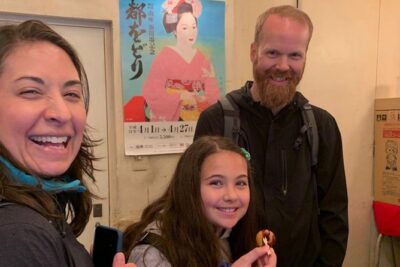
Nishiki Market Brunch Walking Tour (7 Tastings + Brunch)
Read our review →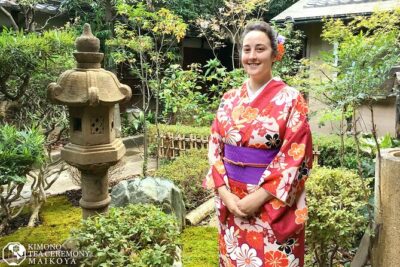
Kimono Tea Ceremony at Kyoto Maikoya, NISHIKI
Read our review →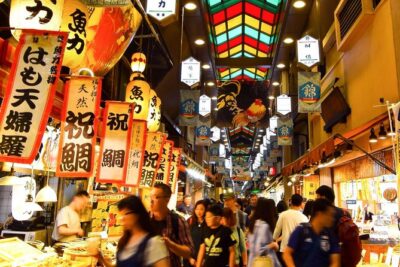
Kyoto Nishiki Market Food and Culture Walking Tour
Read our review →
Nishiki Market Tea Ceremony with Koto Performance
Read our review →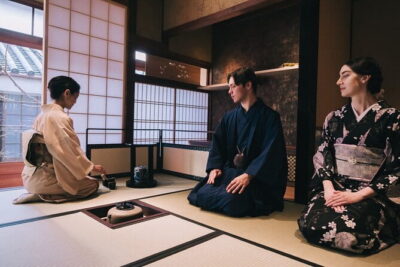
Kimono Tea Ceremony Experience at Kyoto Oritzuruya, Nishiki
Read our review →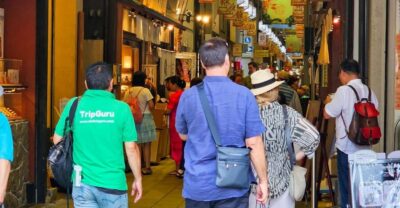
Nishiki Market and Depachika Food Tour with a Local
Read our review →
Nishiki Market Tour with a Local Foodie & Tastings
Read our review →
Also filed under