Reviewed · NISHIKI MARKET FOOD WALKS
Nishiki Market Food Tour with Cooking Class
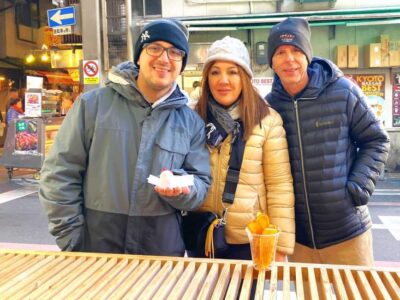
Nishiki Market plus donburi cooking is a smart combo. You get a fluent English guide for the market walk, then you cook your own donburi bowl using the ingredients you buy during the tour. The experience is built for real questions, real ordering, and real confidence in the kitchen.
I especially like that the class is hands-on and flexible. You can choose between Kaisen-don (seafood), Ten-don (tempura), or Oyako-don (chicken and egg), and the guide can handle substitutions, like one guest requesting tofu instead of chicken. My only heads-up: the market time is typically about an hour, so if you want to do extra shopping or snack on everything, you’ll still need time to return on your own.
In This Review
- Key Highlights Worth Prioritizing
- Nishiki Market Is Big, Loud, and Easy to Misread Without a Guide
- The pace is designed around a clear split
- Meeting at the Western Entrance, Then Getting Your Bearings Fast
- What You Learn on the Market Walk (Beyond the Usual Shopping Stops)
- Pickles tastings are free for a reason
- The Donburi Cooking Class: Choose Your Bowl and Make It Yours
- Customization is real, not just a menu choice
- Ten-don and tempura technique, plus plating tips
- You eat what you cook
- Sake Tasting, Optional but Worth Using for Context
- Taxi to the Studio: Why That Small Detail Improves the Whole Day
- Price and Value: What $109 Really Buys You
- Who this is best for
- Who might feel limited
- Should You Book This Nishiki Market Cooking Class?
- FAQ
- Where is the meeting point for the Nishiki Market food tour?
- How long is the Nishiki Market Food Tour with Cooking Class?
- Is this a private tour?
- What do I cook during the class?
- Are sake tastings and pickles included?
- What is included in the price, and can I cancel?
Key Highlights Worth Prioritizing
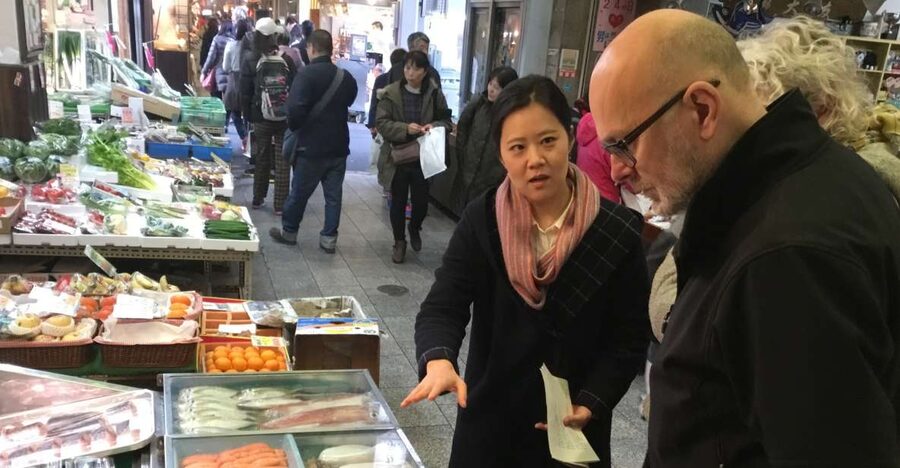
- Private, English-led market walk with help translating at stalls
- Cook your own donburi from market ingredients (ingredients included)
- Choose your bowl style: Kaisen-don, Ten-don, or Oyako-don
- Free Japanese pickles tastings during the tour
- Sake tasting is optional (included as a tasting moment)
- Recipe included, so you can recreate your bowl at home
Nishiki Market Is Big, Loud, and Easy to Misread Without a Guide
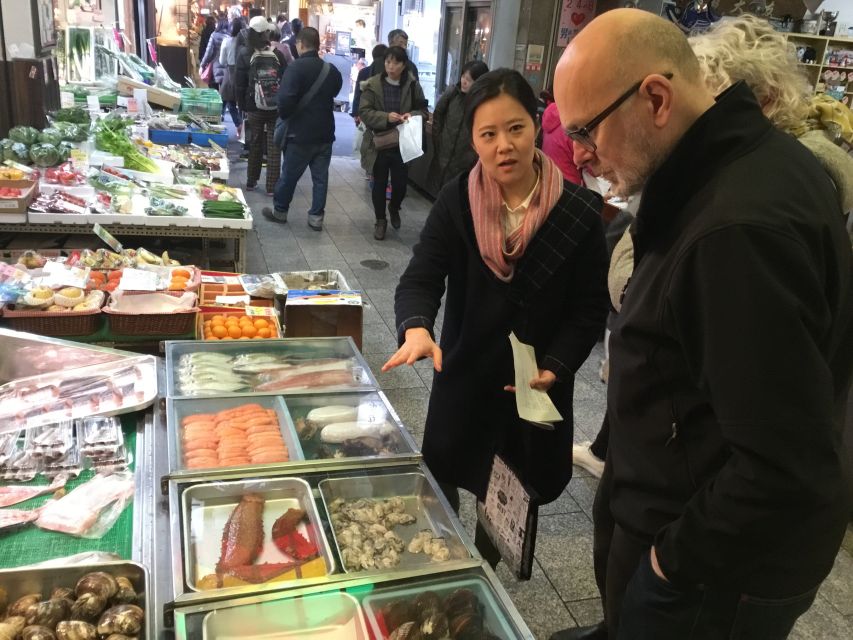
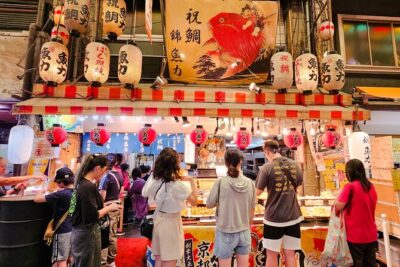
Nishiki Market is one of those places where a quick walk can feel like nothing but signs, smells, and motion. Without context, you can pass through in about 15 minutes and still miss why certain stalls became famous for specific items. With a guide, that same area becomes a lesson in Kyoto food culture and how to shop like a local.
What makes this tour work is the pairing of two skills: how to look and how to cook. You don’t just taste things and move on. You get practical guidance on what to buy and why, then you turn those ingredients into a meal you actually make.
I also like the tone of the experience. It’s not overly formal. You can ask questions as you go, and your guide often steps in to help with translation when shop staff are involved. One review even praised etiquette pointers, including the rule that you generally cannot eat and walk through the market.
The pace is designed around a clear split
You’ll typically spend about an hour in Nishiki Market and about an hour cooking and eating afterward. That structure keeps the class from feeling rushed and prevents the market walk from turning into a long, exhausting sprint. Still, it means you won’t have infinite time to wander for extra snacks beyond the included tastings.
Kyoto's kitchen, one stall at a time
- Nishiki Market Brunch Walking Tour (7 Tastings + Brunch)
★ 5.0 · 1,355 reviews - Kimono Tea Ceremony at Kyoto Maikoya, NISHIKI
★ 5.0 · 911 reviews - Kyoto Nishiki Market Food and Culture Walking Tour
★ 5.0 · 412 reviews - Kyoto: Nishiki Market Tea Ceremony with Koto Performance
★ 4.8 · 294 reviews
Meeting at the Western Entrance, Then Getting Your Bearings Fast
You start at the western side entrance of Nishiki Market. That matters because Nishiki is dense, and the fastest route through it depends on where you enter. A guide helps you avoid the common mistake of zigzagging randomly and ending up at the wrong stalls for what you want to cook.
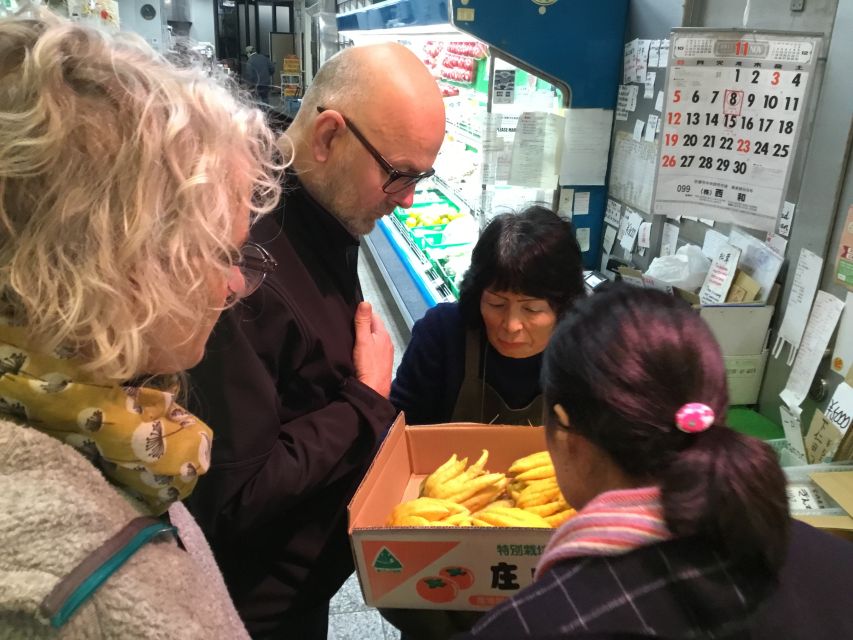
After a brief start-up, you begin the walk and sampling. Your guide is fluent in English and stays with your group the whole time, so you can ask follow-ups instead of guessing. This is especially helpful because Nishiki isn’t only about one category of food. You’ll see stalls selling pickles, seasonings, proteins, and prepared items that make donburi taste like donburi, not just rice with toppings.
One thing I’d call out from the feedback is how much guests appreciated knowing where to focus. Nishiki can look like one big food court, but the best way to shop is knowing what each stall does well. Guides helped guests pick spots to return to later, especially when they noticed which stalls were more tourist-focused versus older, original counters.
What You Learn on the Market Walk (Beyond the Usual Shopping Stops)
The market part of this tour isn’t just an ingredient hunt. It also teaches the “why” behind the food. You’ll hear explanations about shop histories and how Kyoto is reflected in what you’re buying, including practical notes on sauces and cooking components.
A few specific takeaways show up again and again in the reviews:
- Etiquette rules for eating behavior in the market
- Tips on how different sauces work (and how to use them, not just what they are)
- Understanding which ingredients you’ll need later for a bowl that tastes balanced
One guest mentioned learning about dashi, and how to make it and dishes again at home. That’s a big deal, because dashi is one of the building blocks in Japanese flavor. If you want a cooking class that gives you more than a one-time meal, ingredient logic is what makes it stick.
Pickles tastings are free for a reason
You’ll have free Japanese pickles tastings during the tour. This isn’t random snacking. Pickles in Japan are often there to cut richness, add brightness, and create contrast with savory bowls. Tasting them with guidance helps you understand what to look for when you’re choosing sides for the meal.
Also, you’ll get sample food tastings as part of the route. These let you test flavor styles before you commit to ingredients, which is more useful than simply walking past everything quickly.
The Donburi Cooking Class: Choose Your Bowl and Make It Yours
After the market, you head to the cooking studio. Taxi cost from the market to the studio is included, so you don’t spend your energy figuring out transit while you’re already full of food smells.
Then comes the core moment: you cook your own donburi bowl. You get to choose from three options:
- Kaisen-don (seafood)
- Ten-don (tempura)
- Oyako-don (chicken and egg)
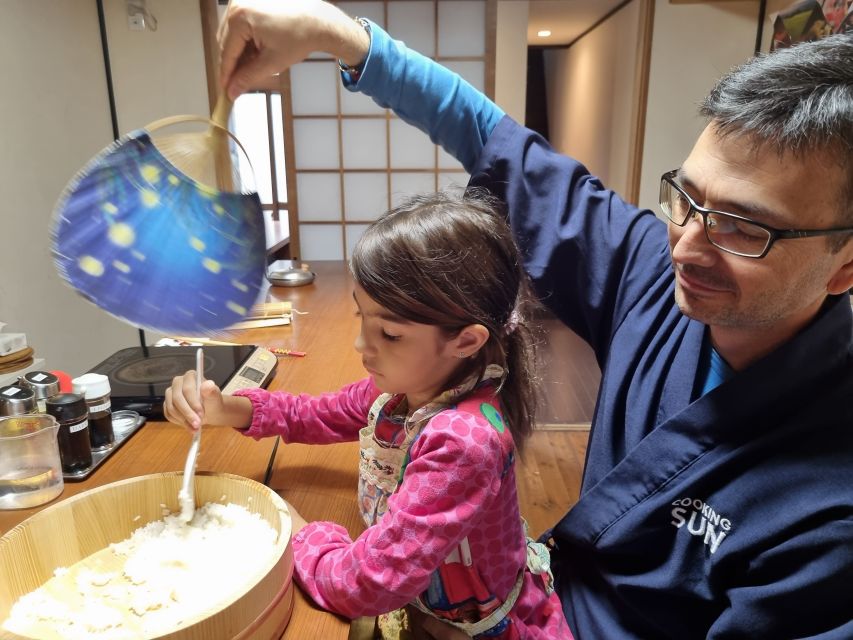
You’re not standing around watching someone else cook. In the best tours, the teacher guides your hands and your choices, and that’s what this one aims for. Several reviews describe the kitchen as cozy and clean, with instructors stepping through each step clearly.
More of Kyoto, tasted rather than seen

Customization is real, not just a menu choice
This is another reason I’d rate this highly for value. Because you buy ingredients on the market walk and cook with included ingredients, you have a strong line from shopping to dinner. And you can customize within reason. One review highlighted a substitution request for tofu in place of chicken, and the class accommodated it.
That’s the sort of flexibility that matters if you’re picky, vegetarian-leaning, or just want to control your protein. It also means the class feels like your meal, not a scripted demo.
Ten-don and tempura technique, plus plating tips
If you pick Ten-don, you’ll likely spend time working through tempura-style technique and how to keep it from turning soggy too fast. If you pick Oyako-don, you’ll focus on the chicken and egg component and how to time it so the egg sets properly. Kaisen-don is more about balance and how seafood toppings behave with sauce.
One review specifically praised instruction on how to make things not only taste good but come out pretty. That’s practical. In Japan, presentation is part of flavor perception, and learning the simple plating mindset can make you repeat the dish more confidently later.
You eat what you cook
You also get to eat during the class, not just finish and hope you like it. That matters for sanity. If you’re paying for a cooking experience, you want immediate feedback, and you get it here.
Sake Tasting, Optional but Worth Using for Context
This tour includes an optional tasting of three different types of sake. If you’re curious, it’s a helpful add-on because it gives you a range of styles to notice alongside your bowl. If you don’t drink sake, the option nature keeps the tour from feeling like a forced activity.
Pair that with the included pickles tastings, and you get a nice contrast lesson. Japanese food often relies on the idea that flavors are layered: savory main bowl, bright acidic bite from pickles, and alcohol pairing potential if you’re doing the sake tasting.
In short, it helps you understand the meal’s rhythm rather than just filling your stomach.
Taxi to the Studio: Why That Small Detail Improves the Whole Day
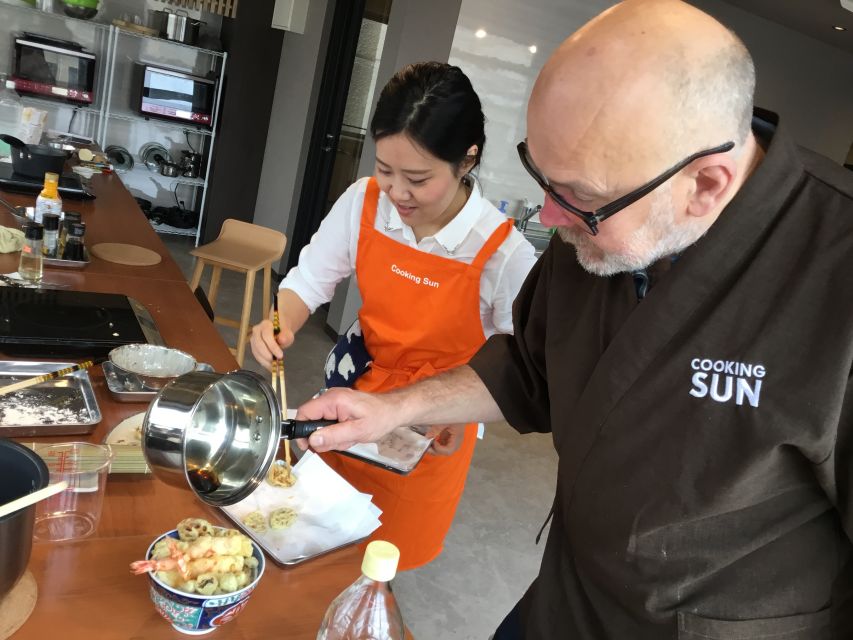
One small inclusion that makes the schedule feel smoother is that taxi cost from the market to studio is included. Nishiki Market is in a tight area, and dragging yourself between locations on foot after shopping is a common fatigue trap, especially on busy days.
Here, you get taken to where the cooking happens. That keeps you focused on what you came for: ingredients in-hand, then cooking right away. A couple reviews also mentioned the class space felt welcoming, which helps because switching from market noise to a kitchen calm matters for learning.
Price and Value: What $109 Really Buys You
At $109 per person for 150 minutes, this isn’t a budget snack tour. But it also isn’t just a walking tour plus a free meal. You’re paying for guided shopping, an instructor-led class, ingredients, recipe support, tastings, and a taxi transfer.
In practical terms, you’re getting:
- A private, English-led Nishiki Market walk
- Ingredient shopping tied directly to the cooking
- Donburi ingredients included, plus recipe
- Sample tastings (including free pickles)
- Optional sake tasting
- Taxi from the market to the studio
If you’ve ever booked a cooking class and realized you still needed to buy supplies afterward, that’s the big value win here. Your ingredients are gathered as part of the experience, which reduces friction and boosts the sense of accomplishment.
Who this is best for
This tour fits best if you want more than eating. You want to learn how Japanese flavors come together, and you want to leave with repeatable know-how.
It also works well for families and kids. One review described an engaging experience for children, so it’s not only for adults who love “food theory.” If your group enjoys hands-on cooking and you want a guided market context, you’ll probably like this format a lot.
Who might feel limited
If you’re the type who wants to spend hours drifting through Nishiki Market with no schedule, you may feel the 1-hour market window is tight. One review said they wanted more explaining and more time to try things. Another point to consider is that while ingredients are included, the specific ingredient quality can affect your personal enjoyment. One guest noted an ingredient preference issue, mentioning fatty tuna was not great for them.
So, set your expectations: you’re doing an organized market-to-kitchen experience, not an all-day browsing marathon.
Should You Book This Nishiki Market Cooking Class?
Yes, if your goal is a private, guided Nishiki Market visit that leads to a meal you cook yourself. The strongest reasons to book are the fluent English market guiding, the hands-on donburi cooking, the included ingredients and recipe, and the extra context like etiquette and sauce guidance.
Skip it or reconsider if you mainly want to wander and snack at your own pace. The schedule is structured, and your included tastings are only a slice of what Nishiki offers. You’ll likely still want to eat additional food on your own later.
If you want confidence in Japanese cooking skills you can use at home, this is the kind of experience that makes that possible. You leave with technique, ingredient understanding, and a bowl you actually made.
FAQ
Where is the meeting point for the Nishiki Market food tour?
You meet at the western side entrance of Nishiki Market.
How long is the Nishiki Market Food Tour with Cooking Class?
The total duration is 150 minutes.
Is this a private tour?
Yes. It is listed as a private group experience.
What do I cook during the class?
You choose one donburi bowl option: Kaisen-don (seafood), Ten-don (tempura), or Oyako-don (chicken and egg).
Are sake tastings and pickles included?
Yes. Japanese pickles tastings are included, and sake tasting is offered as an optional tasting.
What is included in the price, and can I cancel?
Ingredients for the donburi cooking and the recipe are included, along with tour fees, sample tastings, and taxi cost from the market to the studio. Free cancellation is available up to 24 hours in advance for a full refund, and there is also a reserve now, pay later option listed.
Shopping Around Kyoto
Kyoto's Markets
New This Season
- Koyasan Day Trip by Private Car from Kyoto
- Old Port Town and Ultimate Sake Tasting Private Tour From Kyoto
- Kyoto’s Timeless Charm: 3hr Exploration of History and Peace
- Kyoto: 5 Types of Sushi Making
- Sacred Peak & Ancient Paths: Kurama-Kibune Hiking Experience
- Kyoto: Exclusive ZEN practice at Manpukuji temple in Uji
- Kyoto: Private Seasonal Aroma Yoga Class
- Traversing Kyoto’s Scenic West – Arashiyama to Kinkakuji
Nishiki Market Food Walks, compared.
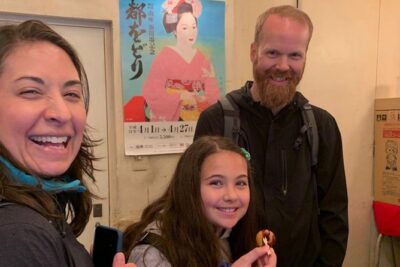
Nishiki Market Brunch Walking Tour (7 Tastings + Brunch)
Read our review →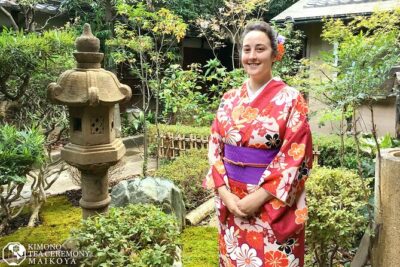
Kimono Tea Ceremony at Kyoto Maikoya, NISHIKI
Read our review →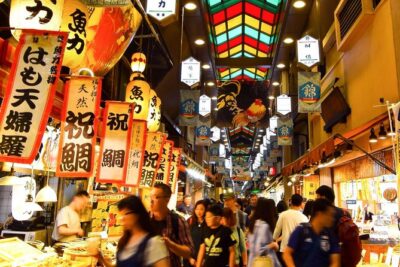
Kyoto Nishiki Market Food and Culture Walking Tour
Read our review →
Nishiki Market Tea Ceremony with Koto Performance
Read our review →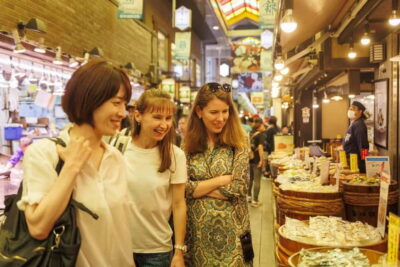
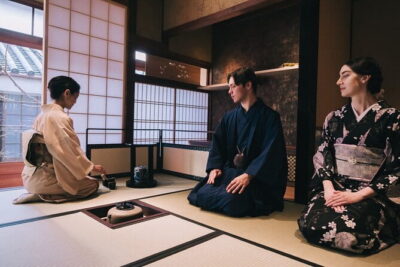
Kimono Tea Ceremony Experience at Kyoto Oritzuruya, Nishiki
Read our review →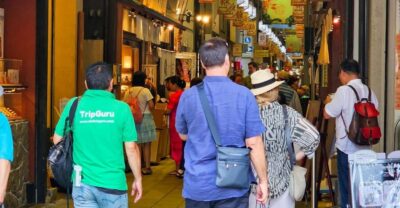
Nishiki Market and Depachika Food Tour with a Local
Read our review →