Reviewed · NISHIKI MARKET FOOD WALKS
Kimono Tea Ceremony at Kyoto Maikoya, NISHIKI
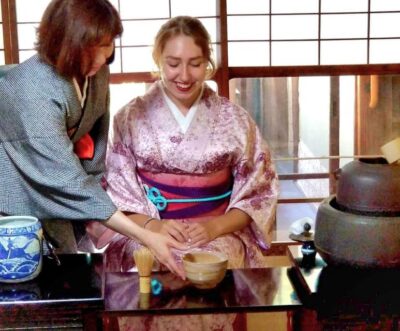
Kimono and matcha in Kyoto. This kimono tea ceremony blends kimono dressing with a hands-on matcha lesson, guided by a real host in a traditional tatami setting. I especially like that you do more than watch, you learn the steps and the meaning behind the ritual as you go.
One thing to plan for: you’re responsible for getting yourself to the Nishiki meeting point, and the venue does not allow children under 7.
In This Review
- Key points before you go
- Nishiki location: getting there without stress
- Choosing your kimono and getting photo-ready
- The tatami tea room experience and what happens next
- Making matcha: step by step, not just sip and smile
- Utensils, customs, and the host’s teaching style
- Wagashi sweets and the rhythm of the ceremony
- Price and value: what $65.66 buys you in Kyoto
- Timing choices, weather reality, and who should book this
- Practical tips so your tea ceremony stays peaceful
- A quick check on group size and the feel
- Should you book Kyoto Maikoya Kimono Tea Ceremony at NISHIKI?
- FAQ
- How long is the Kimono Tea Ceremony at Kyoto Maikoya, NISHIKI?
- How much does it cost per person?
- What’s included in the experience?
- What should I bring, and do I need my own transportation?
- Where is the meeting point?
- Is there a ticket on my phone?
- Are children allowed?
- How many people are in the activity?
- Is there a free cancellation option?
Key points before you go
- Pick your own kimono from a selection, with staff helping you wear it properly
- Simple hair styling for ladies so your look matches your kimono
- Hands-on matcha where you learn to mix it using quality matcha powder
- Tea ceremony guidance that explains utensils, order, and the idea behind each step, with a host named Sono mentioned in feedback
- Wagashi sweets included, served with your tea on the tatami floor
- Small-group feel with time set aside for photos after dressing
Nishiki location: getting there without stress
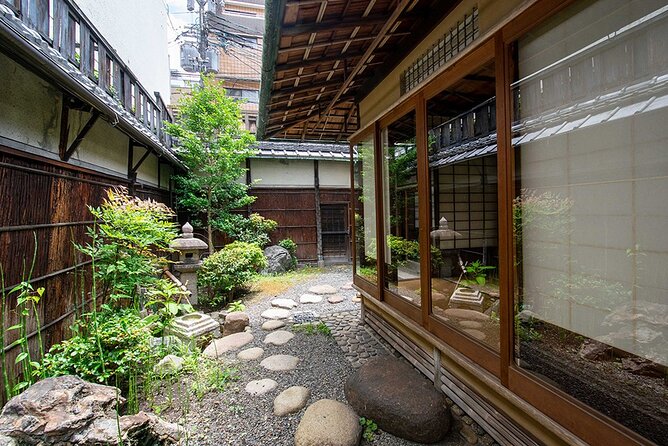
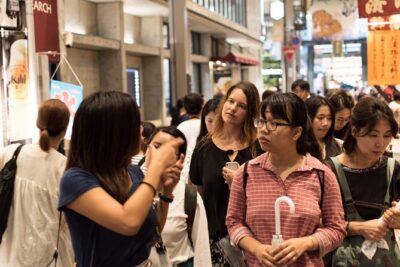
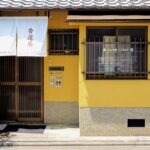
This experience starts at Kimono Tea Ceremony MAIKOYA Nishiki, at 329 Ebiyachō, Gokomachi-dori Sanjo sagaru, Kyoto. Since there’s no hotel pickup, you’ll want to arrive a little early and give yourself time to find the entrance calmly. The good news is it’s near public transportation, so you’re not stuck with taxi-only logistics.
If you’re building a Kyoto day, I’d treat this like a “anchor” activity. Do it in the middle of your sightseeing plan, not at the end when you’re tired and chasing trains. A calm start helps, because the ceremony itself is slow by design.
Choosing your kimono and getting photo-ready
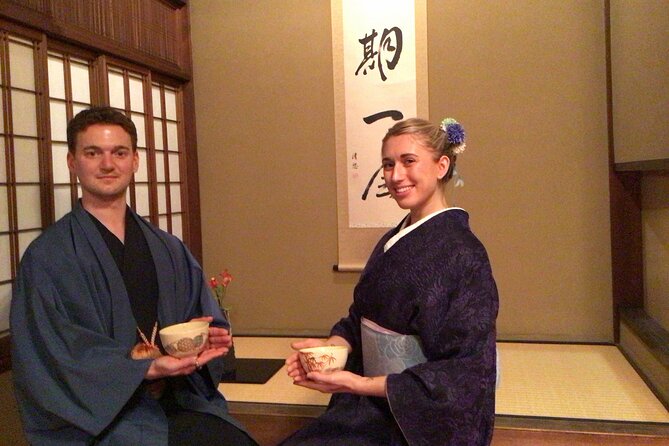
One of the reasons this works so well is the flow. You don’t have to solve Kyoto kimono logistics before you get to tea. Instead, you show up, meet your host, and then start with the fun part: choosing a kimono.
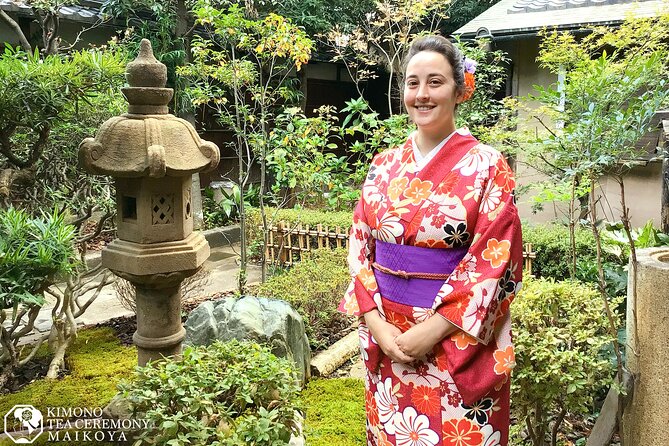
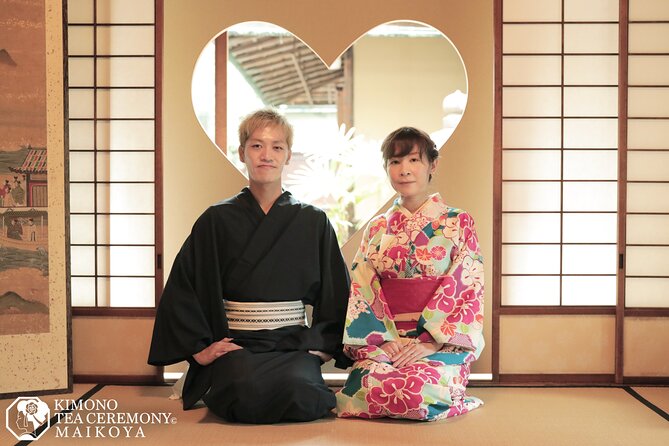
You’ll select from a variety of traditional styles, and the staff help you get dressed correctly. Dressing guidance matters here. A kimono is not complicated in theory, but the fit and the layers are what make it look right and feel comfortable. Many comments you’ll read focus on how much help you get during this stage, and that’s a real plus if this is your first time wearing one.
For ladies, there’s also simple hairstyling to match your kimono. You’ll likely notice small, practical touches too, like having a place to keep valuables while you’re in the tea room. If you’re going to take photos, this is the time to do it. After dressing, staff commonly help with pictures, and there’s typically enough room in the building for you to get a few “I’m in Kyoto” shots without feeling rushed.
Tip that makes a difference: wear shoes that are easy to slip off. You’ll want to move around comfortably during the dressing stage.
Kyoto's kitchen, one stall at a time
- Nishiki Market Brunch Walking Tour (7 Tastings + Brunch)
★ 5.0 · 1,355 reviews - Kyoto Nishiki Market Food and Culture Walking Tour
★ 5.0 · 412 reviews - Kyoto: Nishiki Market Tea Ceremony with Koto Performance
★ 4.8 · 294 reviews - Kyoto: Local Food Tasting Tour at the Nishiki Market
★ 4.7 · 135 reviews
The tatami tea room experience and what happens next
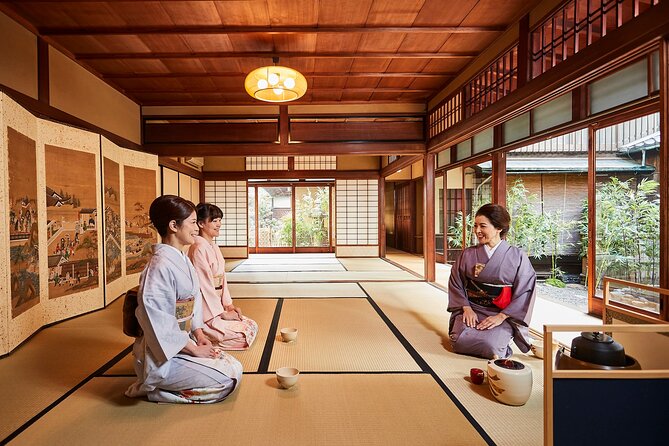
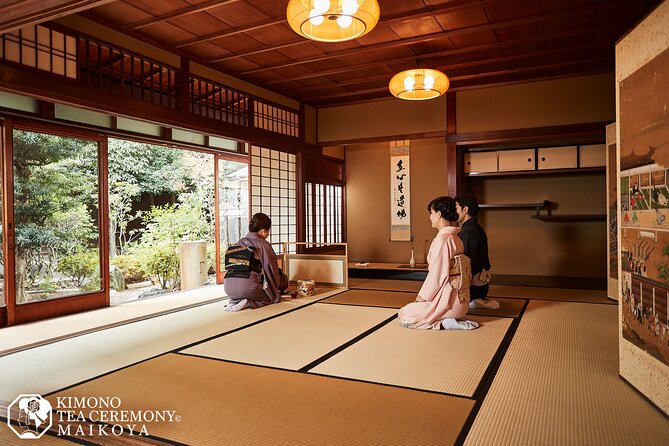
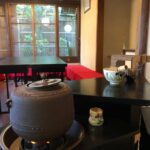
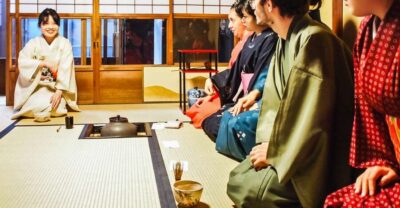
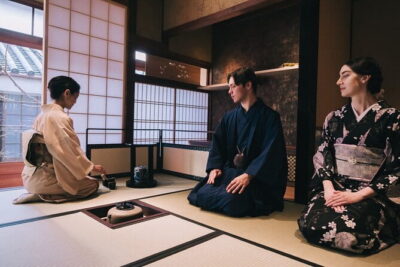
After you’re dressed, you settle in on the tatami floor for the ceremony. This is where the pace changes. Kyoto has a lot of “go, go, go” travel energy, and tea ceremony time is the opposite. The space and the seating encourage quiet focus.
Your host explains the history and significance of the tea ritual and walks you through the process. The goal is not just to produce a cup of matcha. It’s to understand the order of actions and why each one matters.
You’ll also get hands-on instruction with the utensils. That’s a key reason I think this is a strong first tea ceremony choice. If you’ve never used the tools before, the “how” is the learning. And if you’ve only watched videos, seeing the real items in your own hands makes the whole thing click faster.
Making matcha: step by step, not just sip and smile
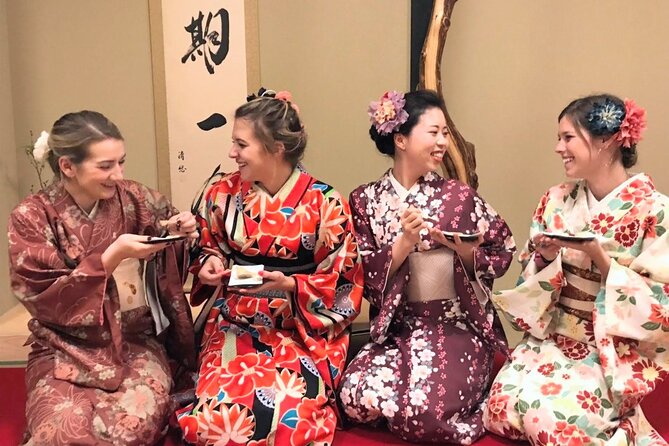
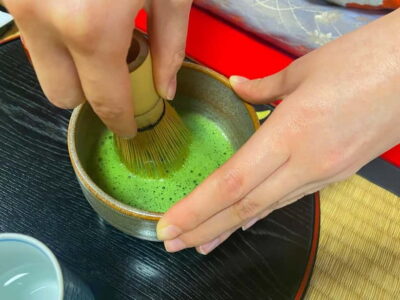
This is the part most people remember. You learn how to make matcha green tea using high-quality matcha powder. Your host guides you through each step, and you’re part of the action, not sitting like an audience member.
In practical terms, you’ll work through the sequence of preparing the tea and serving it in the style used in tea practice. The staff explain the utensils and the steps in a way that helps you follow along even if you know nothing about matcha culture. The mix, the method, and the attention to timing are the real lessons, and they’re also why this experience feels more meaningful than a basic tasting.
If you care about learning something tangible in Kyoto, matcha preparation gives you that. You’ll leave with a new skill, plus a clearer sense of why the ceremony is structured the way it is.
Also: plan to be present. The ceremony is calm, and your host will likely pace explanations to match what’s happening at your table. If you’re constantly checking your phone, you’ll miss key moments.
Utensils, customs, and the host’s teaching style
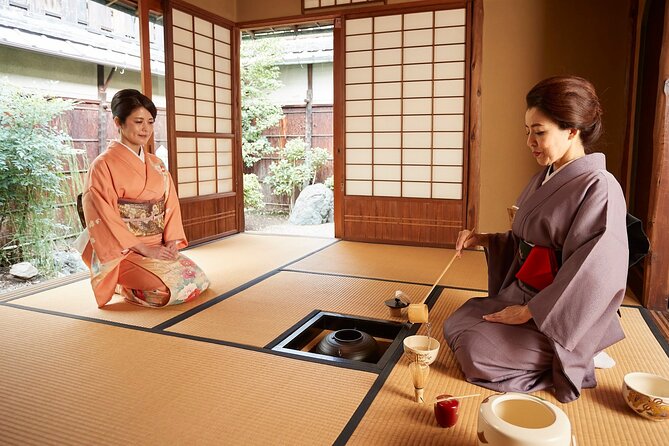
Tea ceremonies have a lot of small details, and here you get help translating them into something you can actually understand. Your host walks you through each step and the utensils, including what you’re doing and why the action follows that order.
In the feedback for this particular experience, a host named Sono gets called out for explanations and warmth. Even without that name, the teaching approach you’re aiming for is consistent: clear, orderly instruction, with enough background to make the ritual feel grounded rather than mysterious.
A nice sign of quality is how the explanation fits the action. You’re not just handed a lecture. You’re doing the movements while learning what each item does and what each step represents.
If you’re the kind of traveler who likes context but doesn’t want a long history lecture, this hits a good balance. You get enough to appreciate the ritual without turning your tea session into a classroom.
Wagashi sweets and the rhythm of the ceremony
After the mixing and tea-making steps, you’ll sip your matcha tea with wagashi sweets. This is included, along with green tea, utensils, and snacks.
What I like about this part is that it’s not an afterthought. The ceremony uses the sweetness to round out the experience. Wagashi also adds a seasonal and cultural dimension you wouldn’t get from a normal café stop.
You can treat the sweets as a “pause” in the rhythm. It gives your mind a moment to settle after the hands-on matcha work, and it helps you slow down for the final part of the tea.
If you have dietary restrictions, check them when booking. The provided info says snacks are included, but it doesn’t specify ingredient details.
Walk the old streets in kimono
Price and value: what $65.66 buys you in Kyoto
At $65.66 per person for about 1 hour 30 minutes, you’re paying for three things that add up fast in Kyoto:
First, you’re paying for kimono dressing plus (for ladies) simple hair styling. Kimono rental on its own can cost a meaningful chunk of your day, especially in central areas where convenience matters.
Second, you’re paying for a real tea ceremony host to guide you through utensils, sequence, and matcha preparation. That coaching is the difference between a passive performance and an actual learning moment.
Third, the price includes the consumables you’d otherwise buy separately: matcha tea, wagashi sweets, and snacks, plus everything needed for the ceremony.
So the “value” isn’t just that you get matcha. It’s that you get the full cultural package, timed into a controlled, traditional experience, without needing to book separate kimono and tea appointments.
Also consider the review score: the overall recommendation rate is 96% with a 4.8 rating. That doesn’t mean everything is perfect, but it does suggest the experience is consistently run well.
Timing choices, weather reality, and who should book this
You can choose morning or afternoon timings, which is helpful in Kyoto where your day can shift fast. In practice, I’d pick the time that matches your energy level. If you want photos and calm attention to detail, earlier can feel easier. If you’re already out sightseeing and want a scheduled reset, the afternoon slot can work just as well.
This experience is best for:
- First-time visitors who want a clean introduction to Japanese tea culture
- People who want a “do it yourself” memory, not just a show
- Travelers who like photo moments but still want something meaningful
It might not be ideal if:
- You’re not comfortable with dressing up and the slight physical effort of wearing a kimono
- You need a totally rushed schedule. This is a slow, careful ritual, so you’ll want to arrive on time and stay present
One more planning point: it’s described as requiring good weather. That doesn’t mean the experience always stops for rain, but it’s worth considering if you’re traveling in a weather-heavy season.
Practical tips so your tea ceremony stays peaceful
Here’s how to make this day go smoothly, based on what the experience includes and what can trip people up.
1) Arrive early enough to find the meeting point
The address is central, but Kyoto streets can be confusing. Give yourself a buffer so you aren’t stressed while getting dressed.
2) Wear slip-on or easy-off shoes
Kimono dressing and tatami seating involve taking things off and settling in. Comfort beats style here.
3) Keep your valuables organized
The experience includes support like having a purse or bag for valuables during the ceremony. Still, bring only what you need, and keep small essentials together.
4) Don’t treat it like a quick photo stop
Yes, you’ll have time for pictures. But the ceremony has a teaching rhythm. If you focus too hard on filming every second, you may miss the instruction about matcha and the utensils.
5) Know the age rule
Children under 7 cannot enter the venue. If you’re traveling with younger kids, this one won’t work for your whole party.
6) Plan for no hotel transport
There’s no hotel pickup or drop-off. You’re going on your own, so map your route ahead of time.
A quick check on group size and the feel
This is structured as a small, controlled experience. The booking info says the activity maximum is 2 travelers, but the ceremony itself is designed for small groups. That matters, because tea ceremony serenity relies on spacing, pacing, and a quieter room.
In many small cultural activities in Kyoto, the limiting factor is crowding in the tea space. Here, the setup aims to keep it personal enough that you can follow the host and still hear what’s being explained.
Should you book Kyoto Maikoya Kimono Tea Ceremony at NISHIKI?
Yes, if you want a Kyoto activity that combines look, learning, and a real cultural ritual in a compact time window. For most first-timers, it’s one of the easiest ways to get matcha and kimono under the same roof, without juggling separate bookings.
I’d especially recommend it if:
- You want hands-on matcha guidance, not just tasting
- You like cultural details and small steps explained clearly
- You want a memorable Kyoto outfit moment with a structured plan
I’d think twice if:
- You strongly dislike dressing up
- You need transportation handled for you
- You are traveling with a child under 7
Overall, this is a solid value for the $65.66 price because you’re paying for the full package, including kimono, tea tools instruction, and wagashi, all in about 1 hour 30 minutes.
FAQ
How long is the Kimono Tea Ceremony at Kyoto Maikoya, NISHIKI?
It runs for about 1 hour 30 minutes.
How much does it cost per person?
The price is $65.66 per person.
What’s included in the experience?
It includes a kimono costume, green tea, utensils, hair styling (simple style) for ladies, and snacks.
What should I bring, and do I need my own transportation?
You need to make your own way to the meeting point. Transportation is not included, and there is no hotel pickup or drop-off.
Where is the meeting point?
The start point is Kimono Tea Ceremony MAIKOYA Nishiki, 329 Ebiyachō, Gokomachi-dori Sanjo sagaru, 329 海老屋町 中京区 京都市 京都府 604-8076, Japan. The activity ends back at the meeting point.
Is there a ticket on my phone?
Yes. You’ll receive a mobile ticket.
Are children allowed?
Children under 7 cannot enter the tea ceremony venue, so you can’t make a reservation if you have a child under 7 in your party.
How many people are in the activity?
This tour/activity lists a maximum of 2 travelers.
Is there a free cancellation option?
Yes. You can cancel for a full refund if you cancel up to 24 hours in advance. If it’s canceled due to poor weather, you’ll be offered a different date or a full refund.
Traditional Tea Ceremonies
New This Season
- Koyasan Day Trip by Private Car from Kyoto
- Old Port Town and Ultimate Sake Tasting Private Tour From Kyoto
- Kyoto’s Timeless Charm: 3hr Exploration of History and Peace
- Kyoto: 5 Types of Sushi Making
- Sacred Peak & Ancient Paths: Kurama-Kibune Hiking Experience
- Kyoto: Exclusive ZEN practice at Manpukuji temple in Uji
- Kyoto: Private Seasonal Aroma Yoga Class
- Traversing Kyoto’s Scenic West – Arashiyama to Kinkakuji
Nishiki Market Food Walks, compared.
Nishiki Market Brunch Walking Tour (7 Tastings + Brunch)
Read our review →
Kyoto Nishiki Market Food and Culture Walking Tour
Read our review →
Nishiki Market Tea Ceremony with Koto Performance
Read our review →
Kimono Tea Ceremony Experience at Kyoto Oritzuruya, Nishiki
Read our review →
Nishiki Market and Depachika Food Tour with a Local
Read our review →
Nishiki Market Tour with a Local Foodie & Tastings
Read our review →