Reviewed · NISHIKI MARKET FOOD WALKS
Kyoto Nishiki Market Food and Culture Walking Tour
Kyoto tastes like a scavenger hunt. This Nishiki Market food-and-culture walk strings together tastings, shopping sights, and quick lessons on shrine and temple life, so you’re not just eating, you’re understanding what you’re eating. I especially like the small group size (max 6), which keeps the pace comfortable and gives your guide room to answer questions as you go.
The best part is that the samples are meant to be satisfying enough to stand in for a meal, not just a few dainty bites. The main drawback to know up front: food is not tailored for dietary restrictions (including vegetarian, gluten-free, halal, kosher, or allergies), so this one only really fits if you can eat what’s offered.
In This Review
- Key things you’ll love about this walk
- Nishiki Market: Kyoto’s oldest food shortcut
- Your guide matters more than you think (and you get options)
- Stop 1: Nishiki Market Shopping District (the real reason to come hungry)
- Stop 2: Nishiki Tenmangu and how to behave at a Shinto shrine
- Stop 4: Takoyakushido Eifukuji Temple and the calm between snack stops
- Stop 3 and 5: Shinkyogoku and Teramachi-dori for real shopping street energy
- Shinkyogoku Shopping District
- Teramachi-dori Street
- What “food enough to fill you up” really means in practice
- Price and logistics: is $80.92 a fair deal?
- Crowds, comfort, and the rain-or-shine reality
- Who this tour is best for (and who should skip it)
- Should you book the Kyoto Nishiki Market Food and Culture walk?
- FAQ
- How long is the Kyoto Nishiki Market Food and Culture walking tour?
- What’s included in the price besides the tour guide?
- Does the tour run in bad weather?
- Can the tour accommodate dietary restrictions like vegetarian, halal, gluten-free, or allergies?
- How large is the group?
- What if I cancel?
Key things you’ll love about this walk
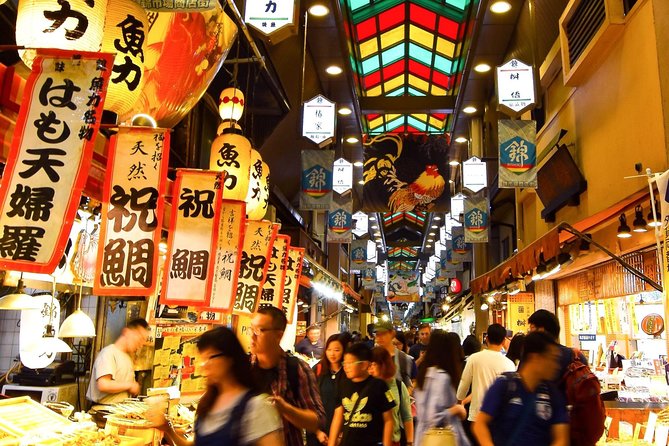
- Nishiki Market, 400 years old, with 130 shops packed into a narrow five-block stretch
- Small group (up to 6), so you get more attention and less wandering
- A full “food in place of a meal” strategy, not just tiny samples
- Food tied to culture, with shrine and temple stops that explain everyday Japanese practice
- Lots of walking plus short pauses, with time to shop along the way
- Near public transport and runs rain or shine
Nishiki Market: Kyoto’s oldest food shortcut
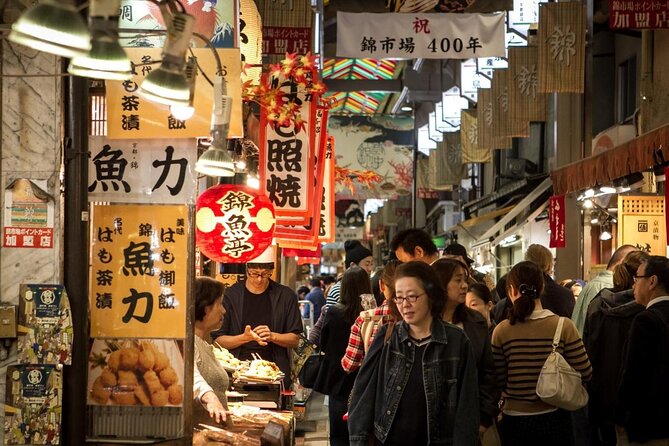
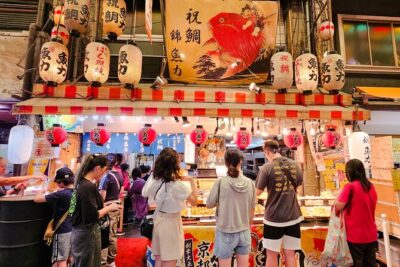
If you’ve never seen Nishiki Market in person, picture a dense food street where you can smell soy, dashi, grilled seafood, and sweet fruit all at once. The market dates back about 400 years, and it still works like a working shopping corridor, not a theme park. You’ll spend the bulk of the tour here, so you get time to slow down and actually notice what matters, like how items are displayed and why certain snacks are made the way they are.
I like that the tour anchors itself in Nishiki Market as your starting point because it helps you understand Kyoto’s taste map fast. One minute you’re looking at street-level food stands, the next you’re hearing how Kyoto traditions shape what ends up on a plate. That mix is great for first-timers because it lowers the stress level. You don’t have to decide what to order while you’re standing in a crowd with your brain buffering.
Your guide matters more than you think (and you get options)
This tour is built around a guide who does two jobs at once: lead you through a crowded area and translate what you’re seeing into plain language. In the best examples from past groups, guides like Keiko, Takuma, Toshi, Naoko, Akiko, Annie, Saeko, Atsu, Eric, Chizuko, Yoko, Nagi, and Taisei show up with strong English and a habit of explaining why certain foods are paired with particular shopping areas or cultural stops.
When the guide is doing it well, you end up with a practical learning stack, not just a narration. You’ll learn which kinds of ingredients make sense as souvenirs too. In one case, the group even hunted down something specific like matcha salt to take home, which is exactly the kind of useful shopping win you’d never find on your own.
Kyoto's kitchen, one stall at a time
- Nishiki Market Brunch Walking Tour (7 Tastings + Brunch)
★ 5.0 · 1,355 reviews - Kimono Tea Ceremony at Kyoto Maikoya, NISHIKI
★ 5.0 · 911 reviews - Kyoto: Nishiki Market Tea Ceremony with Koto Performance
★ 4.8 · 294 reviews - Kyoto: Local Food Tasting Tour at the Nishiki Market
★ 4.7 · 135 reviews
Stop 1: Nishiki Market Shopping District (the real reason to come hungry)
You’ll start at the Nishiki Market Shopping District, often described as Kyoto’s kitchen. The street is narrow, packed with around 130 shops across about five blocks, and it stays busy because locals and visitors both treat it like a go-to food corridor. Plan on feeling that energy. You can also plan on the guide helping you avoid choice overload.
Timing matters here. You’ll have about 1 hour 40 minutes at this first anchor stop, which is long enough to get real sampling and still look around. You’re not stuck rushing from one stand to the next with no chance to absorb anything. Since tastings are meant to fill you up in place of a meal, I recommend you arrive with a mostly empty stomach, then let the guide pace the bites.
What you might eat (based on what people commonly get)
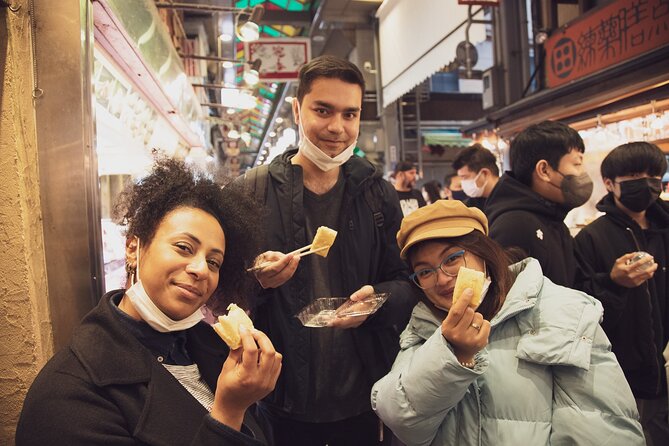
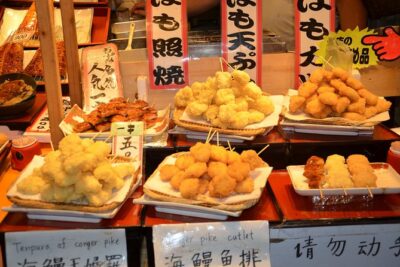
The exact order can vary by shop access and day, but expect Kyoto staples in bite-size form. Past groups have mentioned tastings like yuba, soy doughnuts, omelette, pickled cucumbers, gyoza, wheat starch, honey yuzu lemonade, minced meat sandwiches, and tempura congi eel. Other groups highlight items like Kobe minced meat pies, which is a fun example of how a “market snack” can still feel special.
If you’re thinking, Cool, but will it be enough food? The tour is structured so yes, you should leave satisfied, not just “a little sampled.” That said, one reason for mixed feedback is that some people compare this to doing market shopping and eating on your own with no guide. If you’re the type who likes to graze constantly, you may feel the tasting count is limited compared with buying and eating more items street by street.
Stop 2: Nishiki Tenmangu and how to behave at a Shinto shrine
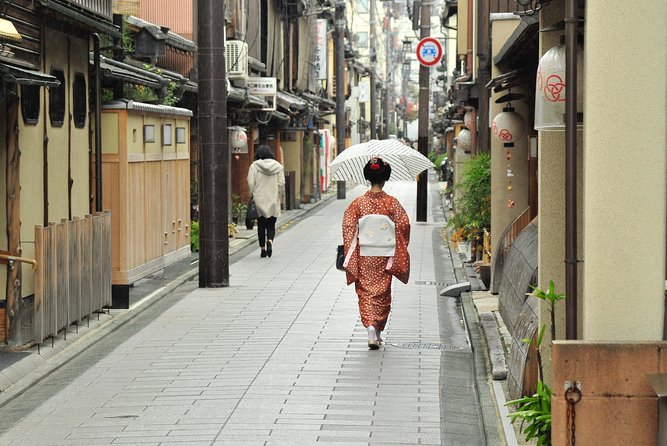
Short stop, big meaning. Nishiki Tenmangu is a Shinto shrine, and the tour gives you basics on what you’ll notice there and how people typically pray. This matters because shrines can look simple until you’re standing in front of the rituals with no idea what steps mean. A guide here gives you cultural context without turning it into a textbook.
At only about 15 minutes, the goal is not to make you a shrine scholar. It’s to add a layer to your Kyoto day so the food stops feel tied to the place, not floating in space. You also get a nice tempo change. After eating in a market, stepping into shrine space gives your senses a reset.
Stop 4: Takoyakushido Eifukuji Temple and the calm between snack stops
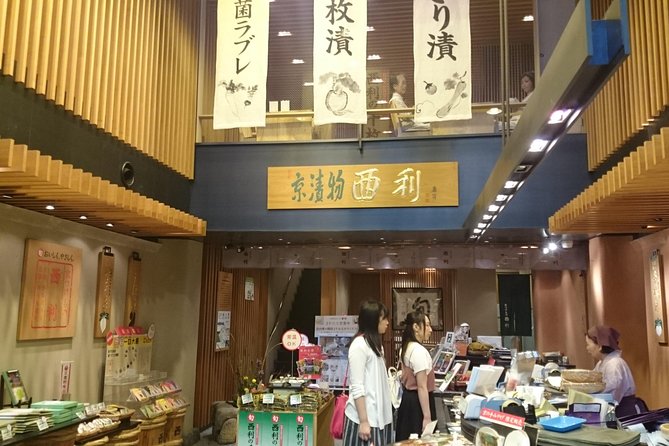
Kyoto is packed with temples, so this one hits at street level, in a corner of the shopping area. Takoyakushido Eifukuji Temple is a small Buddhist temple you reach as part of the walking route rather than as a separate destination. The value is that it shows how everyday Kyoto life includes religion close to commerce.
You’ll spend about 10 minutes here, which is enough to learn the basics and move on without turning your day into a museum crawl. This stop also balances the Shinto shrine earlier, so you get a quick side-by-side sense of how different traditions exist within the same neighborhood.
Stop 3 and 5: Shinkyogoku and Teramachi-dori for real shopping street energy
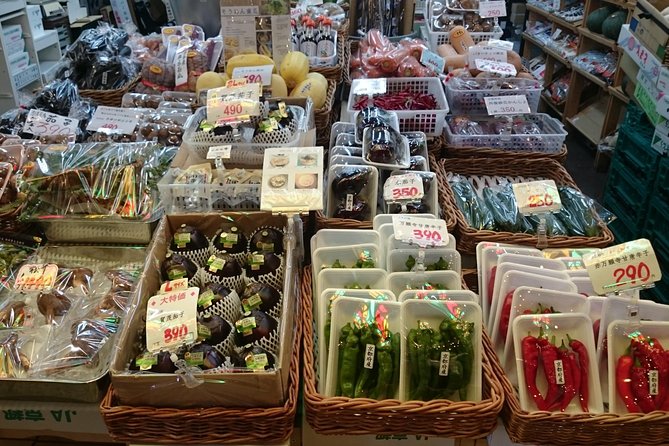
After the religious stops, the route shifts back into street life with two commercial stretches:
More stalls, more to taste

Shinkyogoku Shopping District
This is a pedestrian-only shopping arcade, and it’s a great place to see how traditional Kyoto culture mixes with more modern retail. You’ll have about 20 minutes, enough to walk through the covered arcade and spot what people actually browse when they’re not sightseeing hard.
Teramachi-dori Street
Next you’ll hit Teramachi-dori Street, a long shopping street with everything from longstanding shops to newer ones. You’ll have about 15 minutes here. It’s a good time to use the guide’s recommendations for what to buy, and to ask questions like what keeps well as a souvenir or what’s best for trying later.
I like ending up in these shopping streets because it turns the tour from a food-only hit into a practical day plan. You’ll understand where to shop after you’re done eating. That’s the difference between coming home with “I saw things” and coming home with ingredients you can actually use.
What “food enough to fill you up” really means in practice
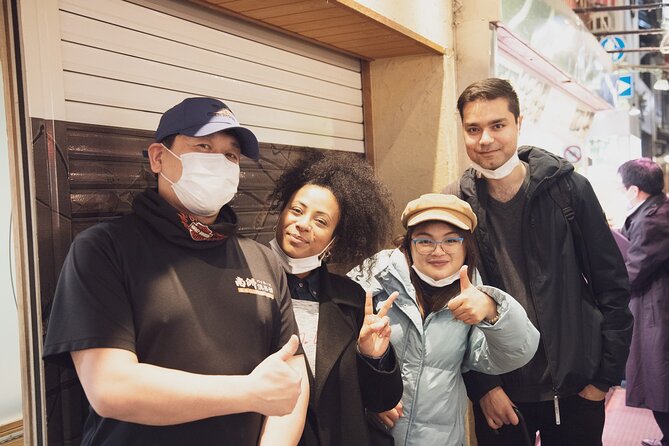
The tour doesn’t sell itself as a tasting parade of 20 tiny items. It’s built around a smaller number of carefully chosen stops, with tastings designed to add up to a satisfying meal. In the best-run versions, guides keep the pace comfortable, and people describe enjoying the blend of walking and occasional sitting.
One reason you’ll see both strong and frustrated opinions is value perception. If you expect a huge count of tastings, you might feel you paid a lot for a small number of sample items. But if you’re aiming for a guided introduction to Kyoto flavors, with explanations and cultural context, the format can feel worth it.
My practical advice: think of this as a guided sampler plus shopping orientation. If your goal is maximum volume, you may do better with a self-guided market plan. If your goal is learning what to try and why, this fits nicely.
Price and logistics: is $80.92 a fair deal?
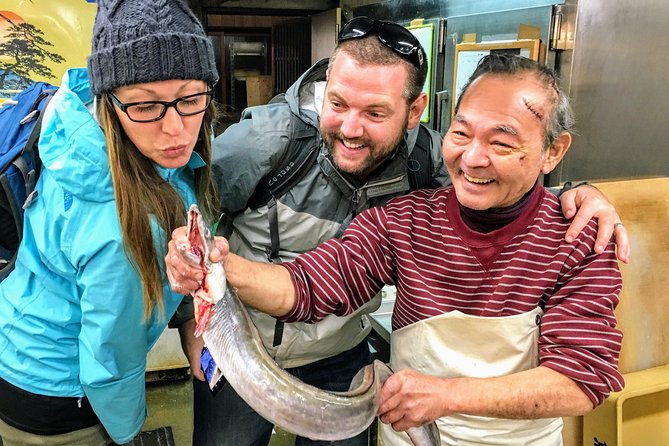
At about $80.92 per person for roughly 3 hours, you’re paying for three things:
- Expert guidance through a crowded food street
- Samples that replace a meal rather than just “snacks”
- Cultural context via shrine and temple stops plus shopping street navigation
Small-group tours cost more than wandering alone, and that’s true here because the group size cap is 6 people. The upside is that you’re not trapped with a big herd. Your guide can slow down if someone has questions, and you can move at a human pace even during peak market congestion.
So is it value? It usually comes down to your travel style.
- If you like having someone else handle the ordering decisions, this can feel like a bargain.
- If you prefer to buy and eat freely at your own pace, you may compare the cost to the number of tastings and feel shortchanged.
There’s also one non-food consideration that affects value: this tour is not designed for dietary restriction requests. If you can’t eat what’s offered, you lose the tour’s core benefit.
Crowds, comfort, and the rain-or-shine reality
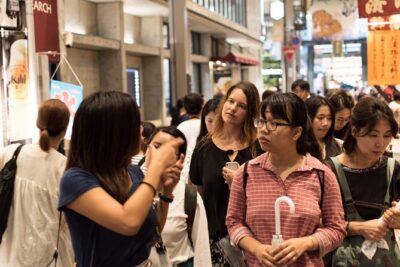
Nishiki Market can get very crowded, so go with the mindset that you’ll be moving through shoulder-to-shoulder space at times. The route includes both outdoor and indoor sections, and some parts can feel cooler depending on the day and where you are in the arcades and shop corridors.
The tour runs rain or shine, which is helpful because Kyoto weather can be moody. You’ll want a light rain layer or umbrella plan that won’t be a hassle in tight spaces.
If you’re traveling with a stroller, the guidance is to let the operator know in advance, since Nishiki Market crowding can be tough to manage. If you have mobility concerns, it’s worth knowing this is mostly walking, but the schedule includes shorter cultural stops that help break up the time on your feet.
Who this tour is best for (and who should skip it)
This walk is a strong fit for:
- First-time visitors who feel overwhelmed by Nishiki Market choices
- People who want a mix of food plus culture (shrines, temples, and shopping streets)
- Solo travelers who want a human plan without restaurant reservations
- Families or groups where someone wants a calm structure and manageable pacing, especially because the group stays small
It’s a tougher fit if:
- You need dietary accommodations, since restrictions like vegetarian, halal, gluten-free, kosher, or allergies are not supported
- You want a very high number of tastings, rather than a smaller, guided set designed to be filling
- You’re the type who enjoys total freedom to eat at random stands all day, since that’s essentially what the guide is replacing
Should you book the Kyoto Nishiki Market Food and Culture walk?
If you want a smart introduction to Kyoto flavors, with a guide who helps you eat well without guessing, I’d book it. The small group size, the focus on Nishiki Market as your starting point, and the added stops at Nishiki Tenmangu and Eifukuji Temple make it more than a snack route. You’ll likely come away with a better idea of what to buy, what to try later, and how to read the food culture you see around you.
But if dietary restrictions are in play, or your main goal is maximum tasting volume at the lowest cost, you’ll probably feel friction. In that case, consider a self-guided market plan instead.
FAQ
How long is the Kyoto Nishiki Market Food and Culture walking tour?
The tour is about 3 hours.
What’s included in the price besides the tour guide?
The experience includes food samples enough to fill you up in place of a meal, and it uses a mobile ticket. Admission tickets for the listed stops are free.
Does the tour run in bad weather?
Yes, the tour will take place rain or shine.
Can the tour accommodate dietary restrictions like vegetarian, halal, gluten-free, or allergies?
No. The tour states it cannot accommodate dietary restrictions, including vegetarian, halal, kosher, gluten-free, or allergy-related requests.
How large is the group?
The tour has a maximum of 6 travelers.
What if I cancel?
You can cancel for a full refund if you cancel up to 24 hours in advance of the experience’s start time. After that, the amount paid is not refunded.
More Food in Kyoto

Shopping Around Kyoto
New This Season
- Koyasan Day Trip by Private Car from Kyoto
- Old Port Town and Ultimate Sake Tasting Private Tour From Kyoto
- Kyoto’s Timeless Charm: 3hr Exploration of History and Peace
- Kyoto: 5 Types of Sushi Making
- Sacred Peak & Ancient Paths: Kurama-Kibune Hiking Experience
- Kyoto: Exclusive ZEN practice at Manpukuji temple in Uji
- Kyoto: Private Seasonal Aroma Yoga Class
- Traversing Kyoto’s Scenic West – Arashiyama to Kinkakuji
Nishiki Market Food Walks, compared.
Nishiki Market Brunch Walking Tour (7 Tastings + Brunch)
Read our review →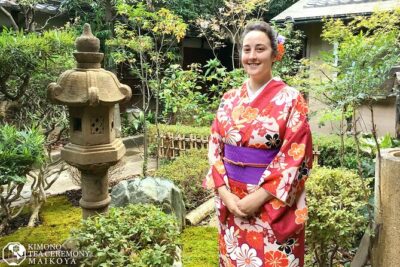
Kimono Tea Ceremony at Kyoto Maikoya, NISHIKI
Read our review →
Nishiki Market Tea Ceremony with Koto Performance
Read our review →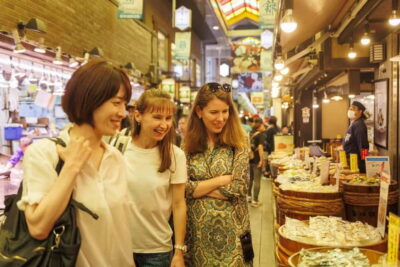
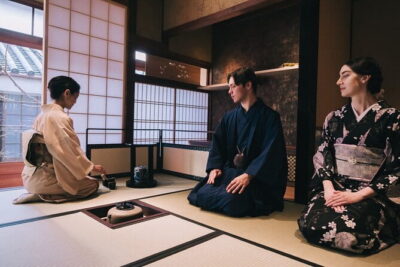
Kimono Tea Ceremony Experience at Kyoto Oritzuruya, Nishiki
Read our review →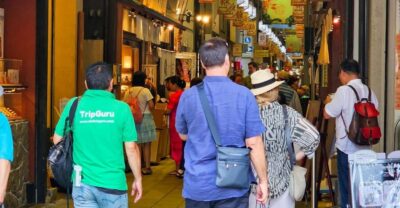
Nishiki Market and Depachika Food Tour with a Local
Read our review →
Nishiki Market Tour with a Local Foodie & Tastings
Read our review →