
Reviewed · NISHIKI MARKET FOOD WALKS
Kyoto Nishiki Market & Depachika: 2-hours Food Tour with a Local
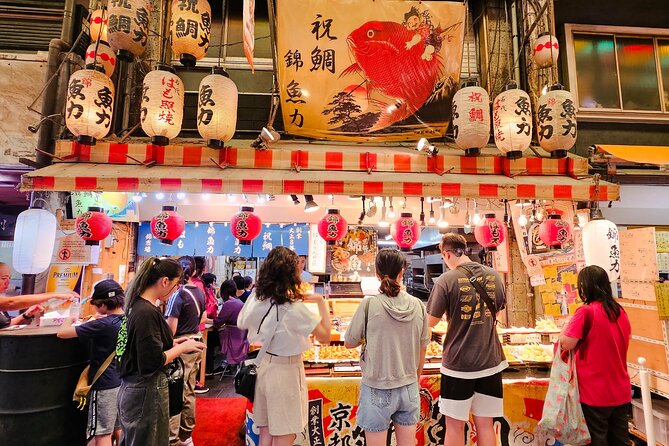
Food hunting in Kyoto starts here. This 2-hour walk pairs Nishiki Market with a Depachika basement food hall, then adds a short shrine stop, so you get both flavors and context. I like the included tastings that actually teach you what to order, and I also like the small group size (max 9), which helps a guide move you through a crowded indoor market without losing the plot. One thing to consider: you may want a bit more food quantity than what is listed, since the program focuses on a set tasting menu rather than an all-you-can-eat sprint.
You’ll meet at Apple Kyoto in Shimogyo Ward, then finish at Kyoto-Kawaramachi Station, with the guide helping you figure out what to do next. If you’re the type who enjoys practical tips, ordering guidance, and learning why Kyoto eats the way it does, this format fits well. Guides like Jasmine, Boris, Mao, Alex, Kats, and Ai get praised for clear explanations, patience, and showing customs, so you’re likely to leave with better instincts than you had walking in.
In This Review
- Key things to watch for
- Entering Nishiki Market and Daimaru’s Depachika
- How the 2-hour timing really works
- Stop 1 at Daimaru Kyoto Depachika: the “easy win” tasting setup
- Stop 2 at Nishiki Market: Kyoto’s Kitchen, with ordering help
- Stop 3 at Nishiki Tenmangu Shrine: a short reset with meaning
- What you actually eat: included samples and why they matter
- Guides, group size, and the pacing sweet spot
- Price and value: is $48 fair for 2 hours?
- Where you start, where you end, and how that helps your day
- Best fit: who should book this Nishiki and Depachika tour?
- Should you book Kyoto Nishiki Market & Depachika?
- FAQ
- How long is the Kyoto Nishiki Market and Depachika food tour?
- What is included in the tastings?
- How much does the tour cost?
- Where do I meet and where does the tour end?
- Is hotel pickup included?
- What is the cancellation policy?
Key things to watch for
- Nishiki Market, Kyoto’s Kitchen style market loop with vendors across seasonal foods and Kyoto specialties
- Daimaru Kyoto Depachika stop for a department-store version of Kyoto snacking
- Included food samples: yuba sashimi, soy milk donut, Nishiki gyoza, and Uoriki tempura
- Small group limit of up to 9 for easier pacing and quicker questions
- A calm reset at Nishiki Tenmangu Shrine (learning-focused Shinto shrine) after the food chaos
- No hotel pickup but a clear meeting location near public transportation, then a station-based ending
Entering Nishiki Market and Daimaru’s Depachika
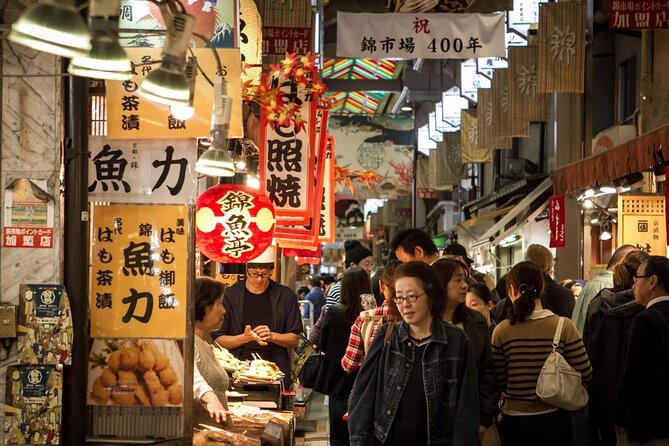
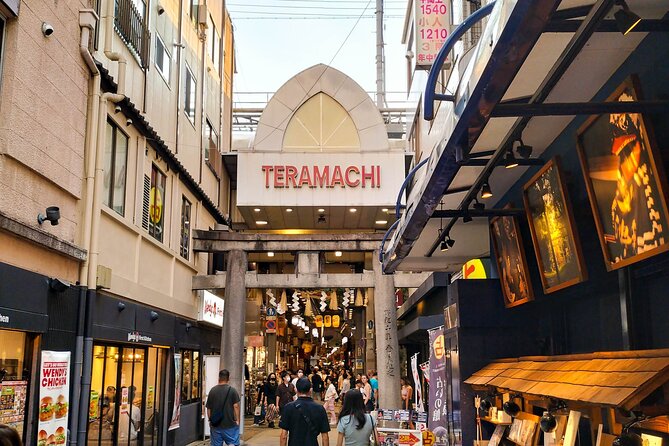
Nishiki Market is one of those places where your senses start negotiating immediately. It’s an indoor market that mixes food stalls with shops for produce, cookware, and Kyoto specialty goods, and it can feel busy fast. That is exactly why having a guide helps, because you avoid the common problem of wandering, staring at everything, and then realizing you still do not know what to try.
A big part of the value here is the contrast. You start in the basement of a department store at Daimaru Kyoto, in what locals and visitors alike call Depachika, Japan’s famous underground food hall scene. Then you step into Nishiki Market itself, which feels more traditional and narrower, with more “Kyoto-only” odds and ends. The payoff is simple: you see how the same city culture shows up in different shopping styles.
The itinerary also includes Nishiki Tenmangu Shrine, a Shinto shrine associated with the deity of learning. It is not long, but it is a useful change of pace after walking through food lines and tasting stops.
How the 2-hour timing really works
This tour runs about 2 hours, so it is not meant to replace a full day of market wandering. Instead, it gives you a structured way to taste a handful of Kyoto staples without spending your whole afternoon in decision paralysis.
In practice, the timing matters because Nishiki Market can get crowded, and eating there involves short waits at stalls, plus time to try samples properly. A good guide also helps you pace yourself so you still enjoy the later stops. Even one guide-focused detail from the tour data stands out: the program keeps the group small (up to 9), so your questions do not get lost.
You will be walking between indoor sections and nearby areas, and the tour ends at Kyoto-Kawaramachi Station. That ending point is handy because it keeps your logistics simple for onward plans, whether you head to Gion, another neighborhood, or your next Kyoto stop.
Kyoto's kitchen, one stall at a time
- Nishiki Market Brunch Walking Tour (7 Tastings + Brunch)
★ 5.0 · 1,355 reviews - Kimono Tea Ceremony at Kyoto Maikoya, NISHIKI
★ 5.0 · 911 reviews - Kyoto Nishiki Market Food and Culture Walking Tour
★ 5.0 · 412 reviews - Kyoto: Nishiki Market Tea Ceremony with Koto Performance
★ 4.8 · 294 reviews
Stop 1 at Daimaru Kyoto Depachika: the “easy win” tasting setup
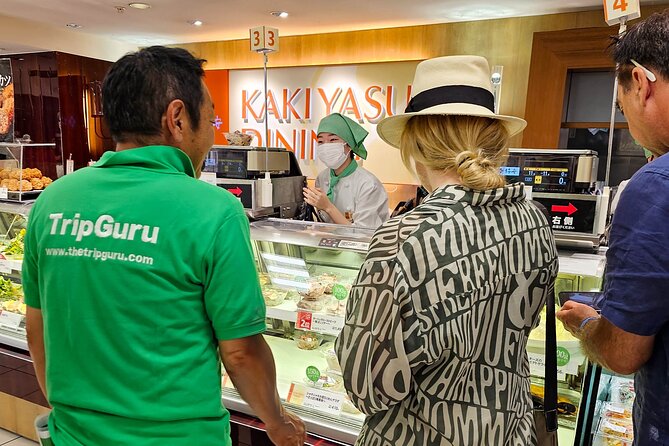
The Daimaru Kyoto stop is all about starting strong without overthinking. The meeting point for this part is inside a department store, and the Depachika level gives you a controlled environment compared to open-air market chaos.
You are there for a guided introduction to the food hall and its tasting options, with admission ticket listed as free for this portion. Most importantly, you get specific samples included in the tour. The tasting lineup includes yuba sashimi and a soy milk donut, which is a nice Kyoto pairing.
Here is why these particular tastings are useful for your next meals. Yuba (tofu skin) is one of those ingredients that feels “special” but is also a real Kyoto specialty. When you try it as sashimi, you learn the texture and flavor profile right away, so you know what you are actually buying later if you choose to explore more. The soy milk donut, meanwhile, helps you understand the sweeter side of soy-based Kyoto snacks.
What I like about starting at Depachika is that it helps you get your bearings fast. You taste, you ask questions, and you build a baseline so the market stop does not feel like a test you failed.
Potential downside to note: Depachika is more curated and department-store organized, so if you are hoping for only street-stall mayhem, this start can feel a bit more “shopping mall” than traditional. Still, that same structure makes it easier to learn what you are looking at.
Stop 2 at Nishiki Market: Kyoto’s Kitchen, with ordering help
Then you hit Nishiki Market shopping district, also presented as Kyoto’s Kitchen. This is where the walking becomes more sensory and less structured. You will see vendors selling everything from seasonal foods and Kyoto specialties to items like knives and cookware, which tells you this market is not only about eating, it is also about food culture as a lifestyle.
The biggest value at this stop is guidance. Nishiki Market has lots of tempting displays, and it is easy to spend time looking without tasting enough. The tour’s plan keeps you moving to tasting targets and gives you context while you shop through the crowd.
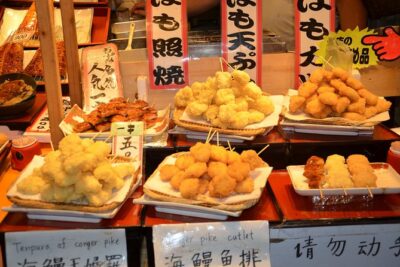
The included food samples that show up here include Nishiki gyoza and Uoriki tempura. Gyoza at a Kyoto market can taste different from what you might expect outside Japan, and tempura from a regional or vendor-focused setting can clue you into how light, fresh, and well-fried your target should be. Even if you are not obsessed with dumplings or frying, tasting these helps you learn what “good” feels like for local versions.
One of the best practical benefits comes from guides who are patient and communicative. The tour data includes many strong mentions of guides taking time with explanations and helping guests choose products. That is exactly what you need in Nishiki Market. If you know what questions to ask, you end up leaving the area with better instincts than a simple shopping spree would give you.
A small caution: one critique in the tour feedback suggests that storytelling and historical context can vary by guide, and another says the tasting amount might feel limited if you expected more food. If you want a heavy tasting session, set your expectation that this is a tasting plus learning tour, not an all-inclusive meal.
Stop 3 at Nishiki Tenmangu Shrine: a short reset with meaning
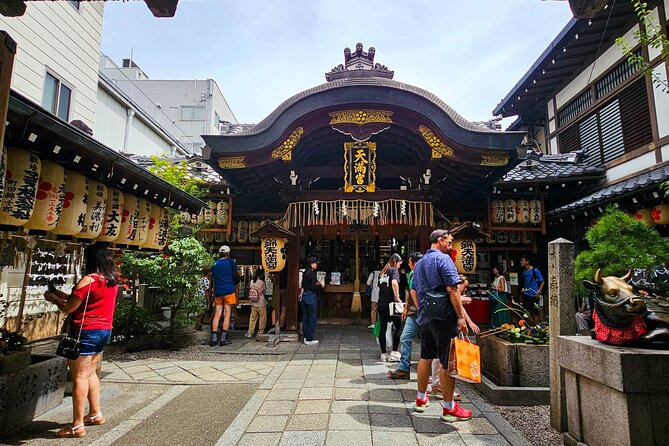
After the market, the tour walks to Nishiki Tenmangu Shrine for about 15 minutes. This is dedicated to the deity of learning, and it functions like a calm pause in the middle of the food program.
I like this stop for two reasons. First, it gives your feet and stomach a break, which helps you enjoy the rest of Kyoto rather than feeling like you only survived your lunch. Second, it adds a cultural layer. Eating is social and spiritual in Japan, and shrine visits are part of everyday life, not just photo backdrops.
Because the time is short, treat it as a mental breather, not a full sightseeing detour. If you want more shrine time, you can always build on it after the tour when you are less rushed and your energy is higher.
What you actually eat: included samples and why they matter
The included tastings are clear, and that clarity is part of the value at this price. Your tour includes:
- Yuba sashimi (tofu skin)
- Soy milk donut
- Nishiki gyoza
- Uoriki tempura
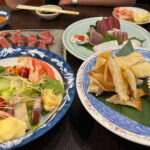
So you are not just sampling random bites. You are sampling Kyoto identity through texture and cooking style. Yuba teaches ingredient depth. Soy milk and the donut teach you how soy becomes dessert-like, not just savory. Gyoza brings you a familiar format in a Kyoto setting, and tempura shows you how local stall offerings handle batter and crispness.
Also note that the tour says admission ticket free for stop 1 and stop 3, and that tasting items are included. This matters because it keeps surprise costs low. The not-included list also tells you the boundaries: other meals and drinks are on you, plus personal expenses.
If you plan your day, think of this as setting your Kyoto food “baseline.” After the tour, you can return to stalls that match what you liked during tastings.
More of Kyoto, tasted rather than seen

Guides, group size, and the pacing sweet spot
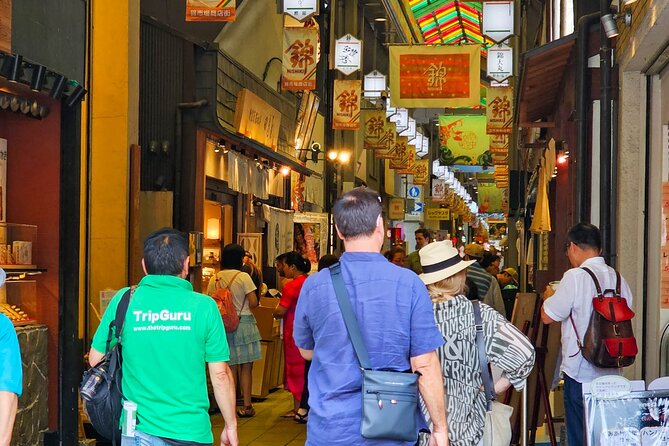
This is a small group experience with a maximum of 9 travelers. That number is not random. In narrow market lanes, smaller groups are the difference between a fun walk and constant stop-and-go. With up to 9, your guide can usually keep the group together while still answering questions.
The tour also emphasizes that your guide is provided in your selected language. That matters for food tours because a translation gap can ruin the point. When you can ask, you learn faster, and you can order with confidence afterward.
The tour feedback highlights several named guides for patient explanations and flexibility, including Jasmine, Boris, Mao, Alex, Kats, Brooke, and Ai. Your exact guide may differ by date, but the consistent theme is clear: the best outcomes tend to come when your guide helps you understand what you are tasting, not just where to buy it.
Flexibility is worth calling out. Some feedback suggests guides can adjust the plan based on what you want to try, rather than forcing a strict script. If you want a bit more choice, mention that when you meet your guide, especially if your group includes picky eaters.
Price and value: is $48 fair for 2 hours?
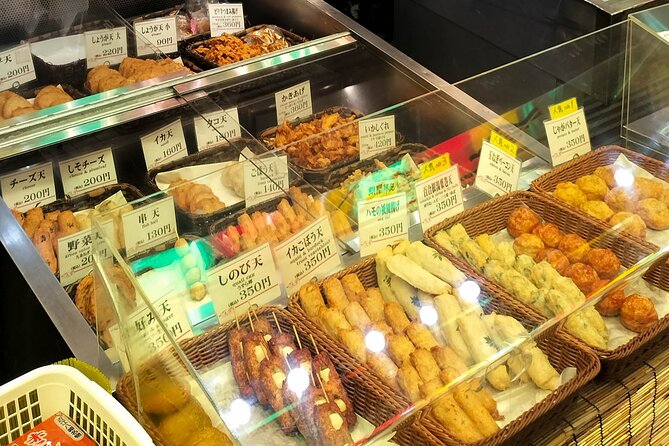
$48 per person for about 2 hours is not cheap, but it can be fair value if you use the tour the way it is designed. You are paying for:
- a guide in your language
- a set tasting menu (four included items)
- guided navigation through Nishiki Market and Depachika
- a short cultural add-on at Nishiki Tenmangu Shrine
The key value is not only the food. It is how quickly you learn what to buy and where. If you try to do Nishiki Market alone, you can waste time comparing menus and still come away uncertain about what is actually special in Kyoto. This tour reduces that risk.
That said, a fair warning is baked into the tour feedback: if you expect a bigger volume of food or more history storytelling every minute, you might feel the time is tight. The format is built for taste plus orientation, not a feast.
If you are visiting Kyoto for only a few days, this is a strong use of time. It also works well as a planned “first food day” before you start revisiting your favorite stalls on your own.
Where you start, where you end, and how that helps your day
Your meeting point is Apple Kyoto at 83-1 Tachiuri Nakanocho, Shimogyo Ward. Your tour ends at Kyoto-Kawaramachi Station, and the guide helps with your next destination.
This is practical because Kyoto is easier when you plan around transit nodes. Starting near a defined landmark and ending at a well-known station keeps you from having to untangle directions after you are full and slightly food-drunk.
The tour also notes it is near public transportation. That is a big deal in Kyoto, where walking longer distances can stack up quickly.
One small planning tip that follows directly from the tour structure: since it is about 2 hours and includes tastings, schedule it when you do not need to rush to a complicated timed reservation immediately after. You will want a little buffer to continue eating on your own.
Best fit: who should book this Nishiki and Depachika tour?
This tour fits best if you want an efficient introduction to Kyoto food culture. I think it is especially good for:
- food lovers who want guided ordering help
- first-time visitors who feel overwhelmed by Nishiki Market
- families and groups that need a clear, time-boxed plan
- travelers who like both modern food halls and more traditional market browsing
It also works well if your group includes teenagers or people who need structure. Some tour feedback mentioned families with teens finding the amount of time and information a good match for energy levels, and the 2-hour length is built for exactly that.
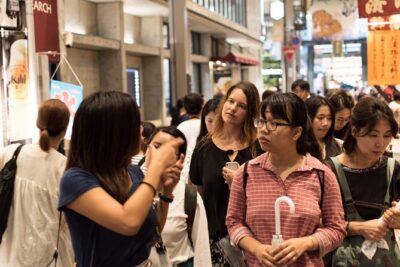
If you are the type who hates crowds, you should still be aware that Nishiki Market is described as lively and busy. A guide can help, but you are still walking through a market atmosphere.
Should you book Kyoto Nishiki Market & Depachika?
I think you should book this tour if you want a guided taste of Kyoto that saves time and lowers decision stress. The combination of Depachika at Daimaru Kyoto, Nishiki Market, and a short stop at Nishiki Tenmangu Shrine is a smart trio for first-timers. Plus, the included tastings are specific and Kyoto-relevant, not random snack roulette.
Skip or consider another option if your top priority is maximum food volume, or if you are hoping for heavy, minute-by-minute history. The tour is designed around a set tasting plan and a quick cultural pause, so you might need to supplement your food day with additional stop-ins afterward.
If you do book, I recommend you go in with one mindset: taste, ask, learn, then come back to what you loved. This tour gives you enough information to shop smarter when the market is calling your name.
FAQ
How long is the Kyoto Nishiki Market and Depachika food tour?
It runs for about 2 hours.
What is included in the tastings?
The included food tasting items are yuba sashimi and soy milk donut, Nishiki gyoza, and Uoriki tempura.
How much does the tour cost?
The price is $48.00 per person.
Where do I meet and where does the tour end?
You meet at Apple Kyoto (83-1 Tachiuri Nakanocho, Shimogyo Ward) and the tour ends at Kyoto-Kawaramachi Station. The guide will help you with your next destination.
Is hotel pickup included?
No. Hotel pickup and drop off are not included.
What is the cancellation policy?
Free cancellation is available up to 24 hours in advance for a full refund. Cancel at least 24 hours before the experience start time to receive the refund.
Shopping Around Kyoto
Kyoto's Markets
New This Season
- Koyasan Day Trip by Private Car from Kyoto
- Old Port Town and Ultimate Sake Tasting Private Tour From Kyoto
- Kyoto’s Timeless Charm: 3hr Exploration of History and Peace
- Kyoto: 5 Types of Sushi Making
- Sacred Peak & Ancient Paths: Kurama-Kibune Hiking Experience
- Kyoto: Exclusive ZEN practice at Manpukuji temple in Uji
- Kyoto: Private Seasonal Aroma Yoga Class
- Traversing Kyoto’s Scenic West – Arashiyama to Kinkakuji
Nishiki Market Food Walks, compared.
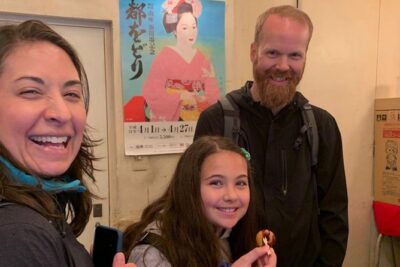
Nishiki Market Brunch Walking Tour (7 Tastings + Brunch)
Read our review →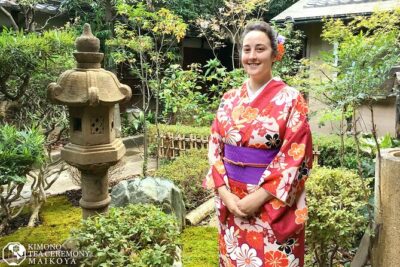
Kimono Tea Ceremony at Kyoto Maikoya, NISHIKI
Read our review →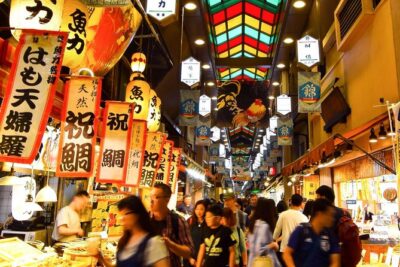
Kyoto Nishiki Market Food and Culture Walking Tour
Read our review →
Nishiki Market Tea Ceremony with Koto Performance
Read our review →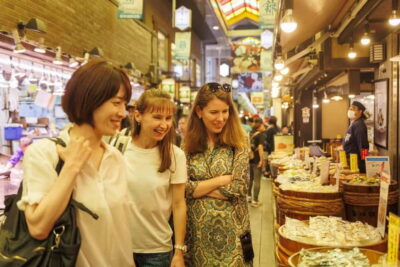
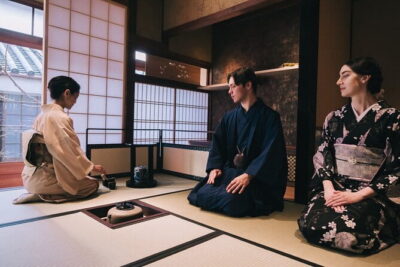
Kimono Tea Ceremony Experience at Kyoto Oritzuruya, Nishiki
Read our review →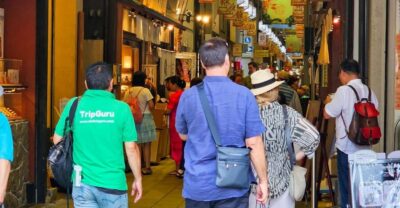
Nishiki Market and Depachika Food Tour with a Local
Read our review →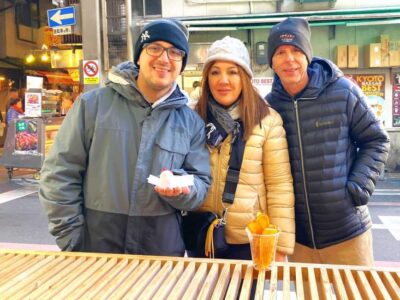
Nishiki Market Tour with a Local Foodie & Tastings
Read our review →Also filed under