
Reviewed · NISHIKI MARKET FOOD WALKS
Kyoto: Nishiki Market and Depachika Food Tour with a Local
Kyoto smells like snack time. In just two hours, you get a guided walk through Nishiki Market tastings and a department-store Depachika food hall, plus a breather at Nishiki-Tenmangu Shrine. The big win here is structure, you do not have to guess where to start or what is worth trying. One drawback to plan for is that this is a short tour, so you will not sample everything Nishiki Market has to offer.
I like how this works for real travel days. You meet at Apple Kyoto, join a small group capped at 9 people, and an English-speaking guide keeps you moving to three very different food moods, a mall basement food hall, a classic market street, then a shrine stop nearby. Guides such as Jasmine, Mao, Vincent, and Boris show up in the stories with the same theme, clear explanations, friendly pacing, and choices that make it easy to try new foods without feeling rushed.
In This Review
- Key Takeaways Before You Go
- Why Nishiki Market and Depachika Is a Smart Two-Hour Plan
- Where You Meet, How Long It Really Takes, and How Not to Miss the Start
- Daimaru Kyoto Depachika Food Hall: What This Stop Feels Like
- Nishiki Market in One Walk: How to Sample Without Getting Lost
- Nishiki-Tenmangu Shrine: A Small Pause That Changes the Mood
- What’s Included, and Why Those Specific Tastings Make Sense
- Guides, Group Size, and How to Get More From the Experience
- Price and Value: Is $42 a Good Deal for Kyoto Food?
- Who Should Book This Kyoto Food Tour (and Who Might Not)
- Should You Book This Nishiki Market and Depachika Tour?
- FAQ
- How long is the Kyoto Nishiki Market and Depachika food tour?
- Where do I meet the tour guide?
- How much does the tour cost?
- What food tastings are included?
- Is this tour only for Japanese food experts?
- How many people are in the group?
- Do I need to pay all at once?
- What is the cancellation window?
- What should I bring with me?
- Is the tour accessible?
Key Takeaways Before You Go
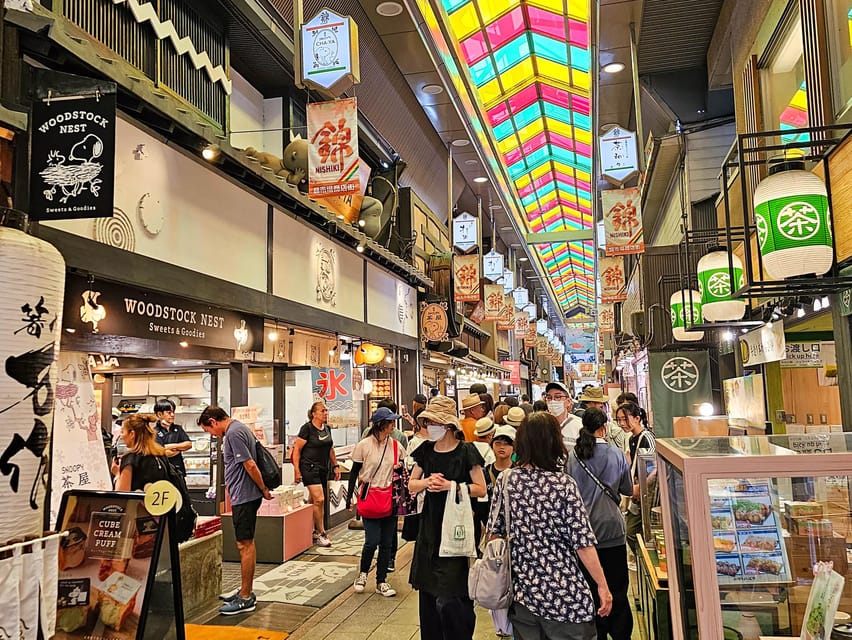
- Two food zones in 2 hours: Depachika at a department store, then Nishiki Market’s shop-lined narrow streets.
- Guides who explain what you’re eating: I especially liked how names like Jasmine and Mao are praised for making food feel understandable, not random.
- Specific tastings included: yuba sashimi (tofu skin) with soy milk donut, Nishiki gyoza, and Uoriki tempura with hamo fish.
- A calm shrine reset: Nishiki-Tenmangu Shrine adds quiet after the crowds, including a hands-cleansing moment at the sacred water fountain.
- Small group pacing: limited to 9 participants, which helps when you have questions or want to linger a bit.
- Plan for quick decisions: cash helps, and you will likely want to buy a few extra snacks after the tastings.
Why Nishiki Market and Depachika Is a Smart Two-Hour Plan
Kyoto food can overwhelm fast. Nishiki Market is famous, and it also means there are a lot of stalls, lots of smells, and plenty of tempting packaging. Depachika food halls add another layer, because these basement spaces are like curated snack factories, with counters designed for grabbing one or two perfect bites.
This tour is built for efficiency without turning into a checklist. In two hours, you get the best kind of contrast: market chaos for sampling Kyoto staples, then Depachika for those famous department-store “try one more thing” cravings. You also get a shrine stop, Nishiki-Tenmangu, which is a nice tonal shift after eating your way through busy lanes.
The other reason I like this plan is the guide removes friction. You do not have to figure out what to order, how to taste, or which stalls are actually best for newcomers. In the guide stories, people repeatedly mention helpful English, patient pacing, and recommendations that made it easier to try foods they might have skipped on their own.
Where You Meet, How Long It Really Takes, and How Not to Miss the Start
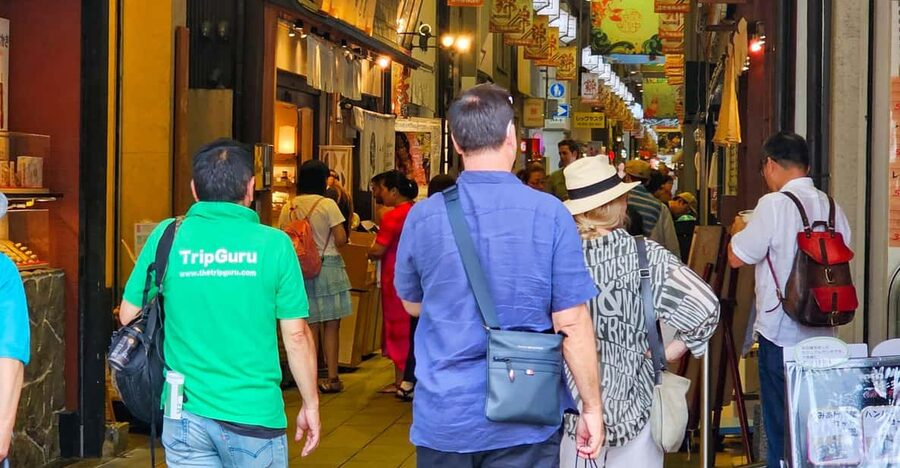
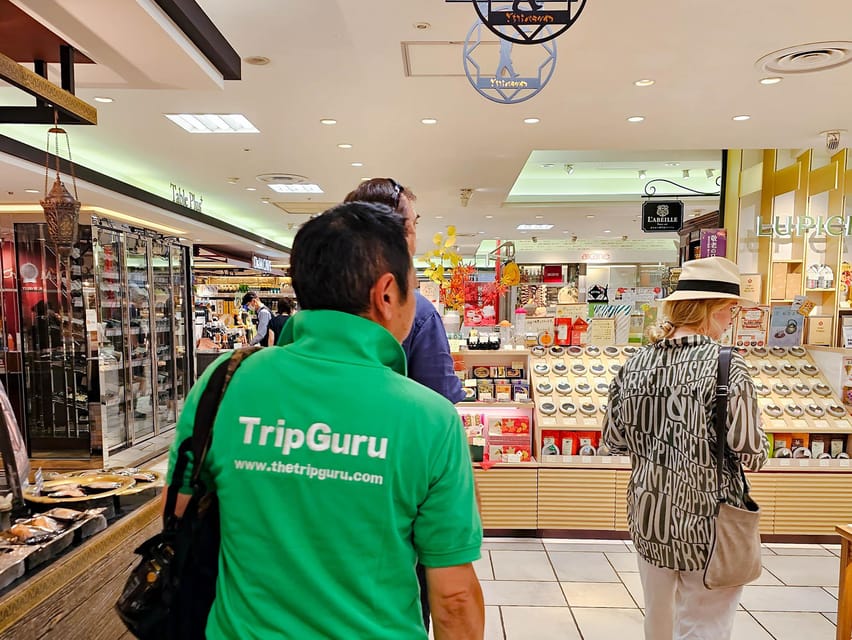
Meetup is at Apple Kyoto. Your guide is there wearing a TripGuru shirt or holding a TripGuru sign. Arrive at least 10 minutes early. The guide will only wait a maximum of 10 minutes before moving to the next stop.
That early timing matters more than you think. Apple Kyoto sits in an area where morning traffic can be heavier than navigation apps suggest, so leaving extra time is smart. If you are traveling with a tight schedule, this tour’s fixed path is a benefit, because it gives you a clear plan.
Also bring comfortable shoes. Even though the tour is short, you will be walking between stops in crowded indoor areas and market streets. A camera is useful too, because you will want photos of the market stalls and food counters. Bring cash, since additional purchases are not included, and some stalls can be easiest with yen in hand.
Kyoto's kitchen, one stall at a time
- Nishiki Market Brunch Walking Tour (7 Tastings + Brunch)
★ 5.0 · 1,355 reviews - Kimono Tea Ceremony at Kyoto Maikoya, NISHIKI
★ 5.0 · 911 reviews - Kyoto Nishiki Market Food and Culture Walking Tour
★ 5.0 · 412 reviews - Kyoto: Nishiki Market Tea Ceremony with Koto Performance
★ 4.8 · 294 reviews
Daimaru Kyoto Depachika Food Hall: What This Stop Feels Like
The first real food zone is Daimaru Kyoto’s Depachika, the basement food hall under a department store. This is where Depachika culture shines: lots of counters, snack-sized portions, and displays built for browsing. If you like the idea of a food court, but you prefer more character than typical chain dining, this is the lane you want.
This stop lasts about 1.5 hours, which is long enough to sample multiple items and still feel like you had time to look around. What you’re getting here is a mix of comfort bites and Kyoto-leaning favorites. The tastings included on this tour include yuba sashimi (tofu skin) + soy milk donut, along with Nishiki gyoza. That combo gives you different textures right away, soft and silky tofu skin, then a sweet, creamy note from soy milk, and then savory gyoza.
One thing I like about Depachika tasting is the variety per bite. Even if you are picky, you can usually pick one savory, one sweet, and keep moving. Guides like Vincent and Ai are praised for helping people understand what they were trying and for making sure tastings happened without pressure. That matters because Depachika can feel salesy if you walk in without a plan. With a guide, it feels more like learning, not shopping.
Nishiki Market in One Walk: How to Sample Without Getting Lost
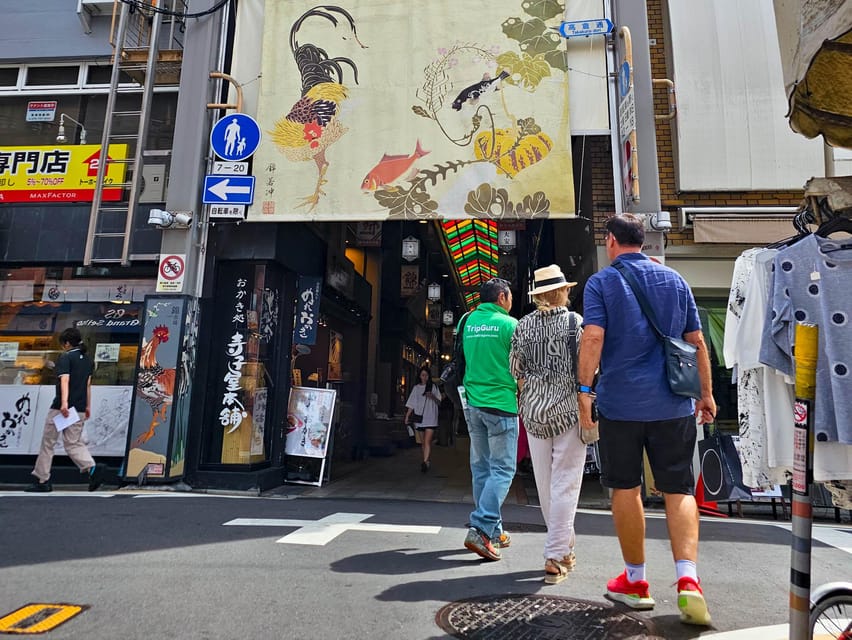
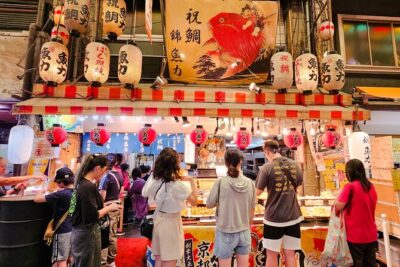
Then you head to Nishiki Market, which is often described as Kyoto’s kitchen. Expect a busy network of lanes packed with vendors, including seasonal items, Kyoto specialties, and lots of ingredients. Some stalls focus on food for eating right now. Others sell produce and even non-food gear like knives and cookware, which tells you this market has always served locals, not just tourists.
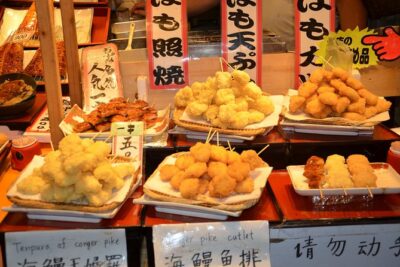
This market portion is about 1 hour with guided tasting built in. The included tasting here also features Uoriki tempura with hamo fish. Hamo (a type of conger pike) is a seafood choice that feels very Kyoto when paired with tempura. Tempura helps make unfamiliar ingredients approachable, because you get crispness on the outside and mild flavor on the inside.
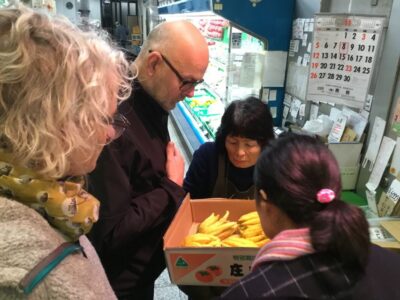
The best part of Nishiki Market with a guide is pacing. Without one, you can bounce stall to stall, burn time, and end up full without really learning what makes Kyoto cooking distinctive. With a guide, you taste, you learn what you are tasting, then you move on. Reviews repeatedly highlight guides such as Jasmine and Mao for explaining what to expect from different foods and for answering foodie questions without making you feel silly.
Also, you get a chance to ask where to go after the tour. More than one guide story mentions that the guide shared recommendations for what to do next in the area. That is a practical advantage, because Nishiki Market is a great launch point for the rest of your Kyoto food day.
Nishiki-Tenmangu Shrine: A Small Pause That Changes the Mood
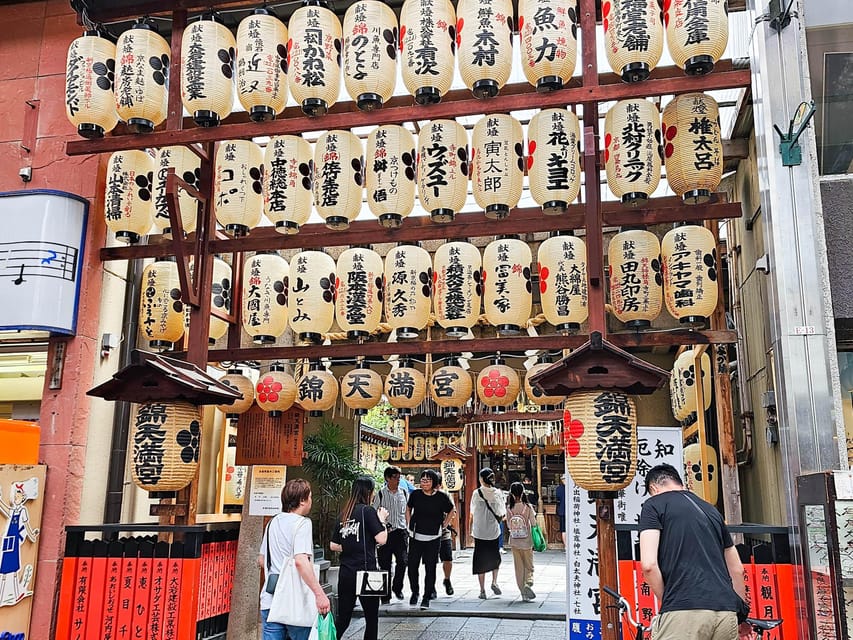
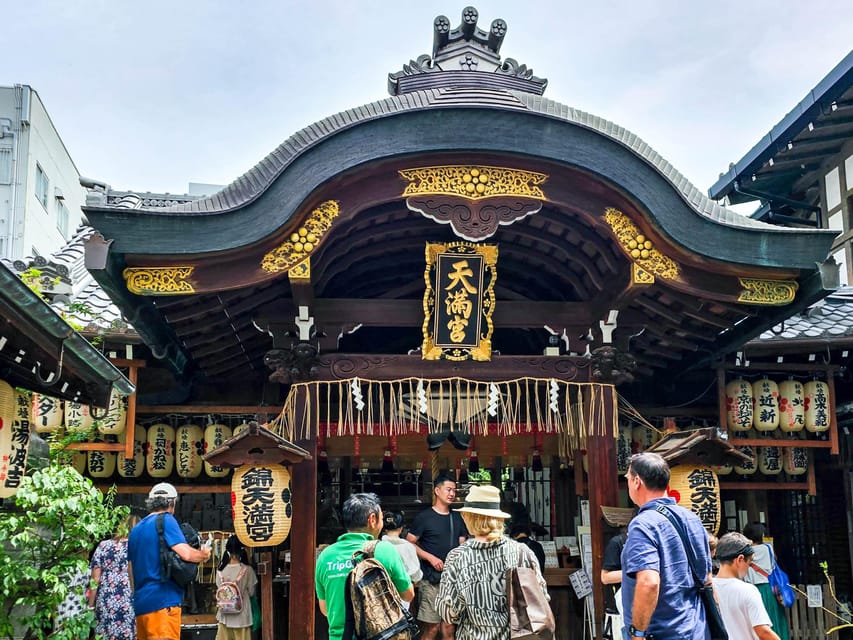
After the food stops, you will visit Nishiki-Tenmangu Shrine, dedicated to the deity of learning. This is a short guided stop of about 30 minutes, and the vibe is different from the market.
You’ll see the shrine’s architecture up close, and you will also have the chance to cleanse your hands at the sacred water fountain. The fountain is believed to bring good fortune and blessings, which gives this stop more meaning than just photo ops.
I like this part because it helps your brain reset. Two hours of food and crowd noise can make everything blur together. A shrine pause helps you slow down, notice details, and remember that Kyoto is more than snacks. It also gives you a nice break if you want to rest your feet for a bit.
What’s Included, and Why Those Specific Tastings Make Sense
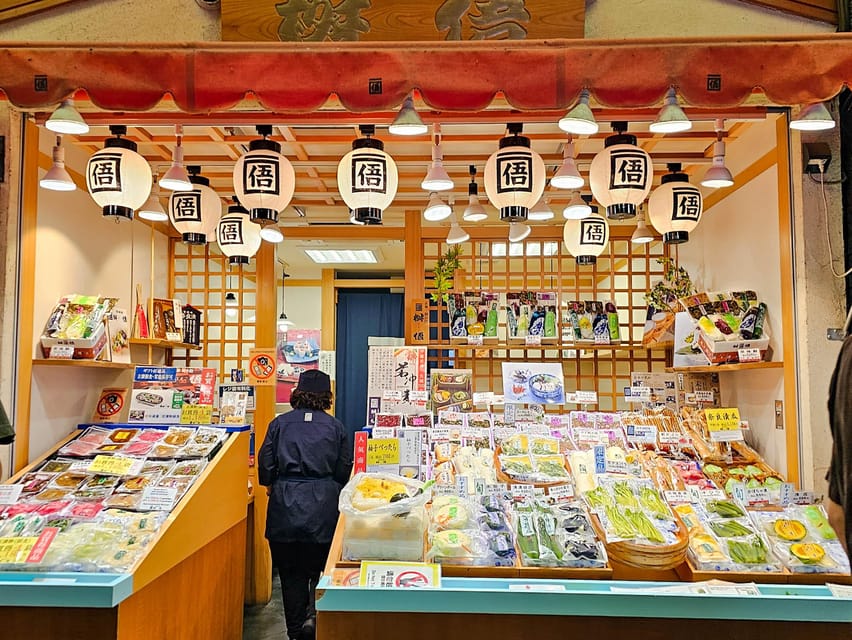
The included tastings are not random. They are designed to cover different flavors and textures quickly, which is exactly what you want on a short tour.
Here is what you get in the tour tastings:
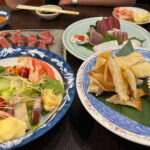
- Yuba sashimi (tofu skin) + soy milk donut
- Nishiki gyoza
- Uoriki tempura hamo fish
Why this mix works:
Yuba gives you that Kyoto tofu tradition in a bite-sized format. Soy milk donut adds a sweet break that is still Japanese in style. Gyoza is a familiar savory anchor, so even if you are nervous about less common items, you have a safe entry point. Then tempura hamo adds a more special, Kyoto-adjacent “I’m really in Japan” moment.
If you are someone who hates getting stuck with only one kind of food, this is a smart set. You get a sweet, a savory, and a seafood choice that feels more special than a generic snack.
And you are not trapped into buying more during the tour. Several guide stories mention a friendly atmosphere and not being pressured to purchase extra items. That keeps the experience feeling like tasting first, shopping second.
More of Kyoto, tasted rather than seen

Guides, Group Size, and How to Get More From the Experience
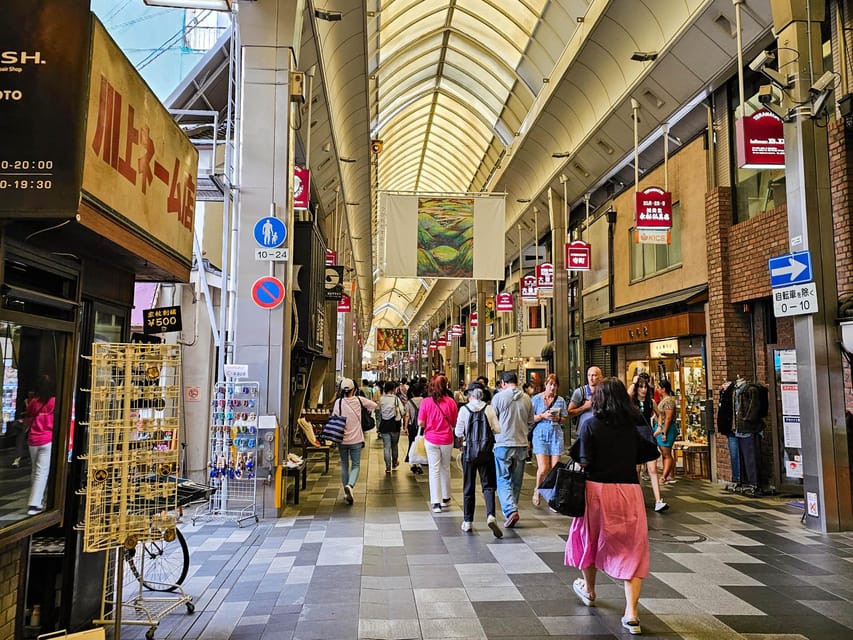
This is a small group tour, limited to 9 participants. That size is big enough to have energy, but small enough for you to ask questions and still get attention from the guide.
You’ll see a common thread in the guide praise: English that is easy to follow, patience, and a willingness to adjust if the group moves at a different pace. Some guide stories mention customization, like slowing down when people lingered longer in certain areas. Another theme is friendliness, for example guides like Mao and Boris being warm and easy to talk with.
If you want the best experience, do two simple things:
- Ask before you taste, not after. If you know what you are about to try, you taste with intention.
- Tell your guide your comfort level. If you prefer milder flavors or need to go easier on certain foods, mention it. One story highlights a guide accommodating a child with more finicky tastes, which suggests flexibility.
Also remember: some stops are crowded. The guide helps you navigate through the flow without wasting time standing in the wrong places or trying to translate menu signage on the fly.
Price and Value: Is $42 a Good Deal for Kyoto Food?
At $42 per person for a 2-hour guided walk, the value comes from two things: guided tasting plus time saved.
Food tours can get expensive when they include many stops with lots of guide labor but limited food. Here, the included tastings are specific and substantial enough to matter, including yuba sashimi, soy milk donut, Nishiki gyoza, and hamo tempura. That is a real sampling list, not just a sip and a garnish.
You also get the benefit of someone handling the order of operations. Nishiki Market and Depachika can be hard to plan on your first visit, especially when you are trying to avoid expensive missteps or ending up at stalls that look good but do not deliver.
The trade-off is that it is short. If you want a long food crawl where you keep adding extra tastings beyond what’s planned, you might need to pair this with independent shopping and eating afterward. Think of it as your guided kickoff, not your whole meal.
Who Should Book This Kyoto Food Tour (and Who Might Not)
This tour fits best if you:
- Have only a couple of hours and want a focused Kyoto food hit
- Want an easy on-ramp to Nishiki Market without stress
- Like tasting different foods quickly, sweet, savory, and seafood
- Prefer a small group and an English-speaking guide
It may not be your best match if you have mobility concerns. This experience is noted as not suitable for people with mobility impairments, pregnant women, heart problems, or respiratory issues. The tour is short, but it still involves walking through crowded areas and spending time in indoor food spaces.
If you are traveling with family, it can work well too. Several guide stories mention kids and finicky eaters being accommodated, as long as you communicate your needs at the start.
Should You Book This Nishiki Market and Depachika Tour?
Yes, if your goal is to get oriented fast and eat smart. This is an efficient, well-paced food sampler that connects two of Kyoto’s most famous eating environments, then adds a meaningful shrine pause. The included tastings cover classic Kyoto tofu culture, familiar savory comfort, and a more special tempura seafood moment.
If your goal is maximum quantity of food, then this might feel short. But if your goal is tasting plus context, and leaving with a sense of what to order next on your own, this tour is a strong choice.
If you book, do one more thing before you go: bring cash and plan to wear shoes you can walk in comfortably for a couple of hours. Then let the guide do the hard part, you eat, you learn, you repeat.
FAQ
How long is the Kyoto Nishiki Market and Depachika food tour?
It lasts 2 hours.
Where do I meet the tour guide?
The meeting point is Apple Kyoto. The guide will be wearing a TripGuru shirt or holding a TripGuru sign.
How much does the tour cost?
The price is $42 per person.
What food tastings are included?
Included tastings are yuba sashimi (tofu skin) + soy milk donut, Nishiki gyoza, and Uoriki tempura hamo fish.
Is this tour only for Japanese food experts?
No. The tour is designed for people who want to try Japanese food and learn what they are sampling, and it is guided in English.
How many people are in the group?
The group is small, limited to 9 participants.
Do I need to pay all at once?
You can use Reserve now & pay later, meaning you can book your spot and pay nothing today.
What is the cancellation window?
You can cancel up to 24 hours in advance for a full refund.
What should I bring with me?
Bring comfortable shoes, a camera, and cash.
Is the tour accessible?
This activity is listed as not suitable for people with mobility impairments, as well as those with heart problems or respiratory issues, and it is also not suitable for pregnant women.
Shopping Around Kyoto
Kyoto's Markets
New This Season
- Koyasan Day Trip by Private Car from Kyoto
- Old Port Town and Ultimate Sake Tasting Private Tour From Kyoto
- Kyoto’s Timeless Charm: 3hr Exploration of History and Peace
- Kyoto: 5 Types of Sushi Making
- Sacred Peak & Ancient Paths: Kurama-Kibune Hiking Experience
- Kyoto: Exclusive ZEN practice at Manpukuji temple in Uji
- Kyoto: Private Seasonal Aroma Yoga Class
- Traversing Kyoto’s Scenic West – Arashiyama to Kinkakuji
Nishiki Market Food Walks, compared.
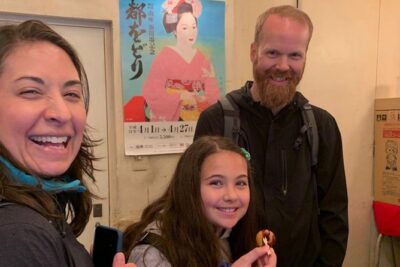
Nishiki Market Brunch Walking Tour (7 Tastings + Brunch)
Read our review →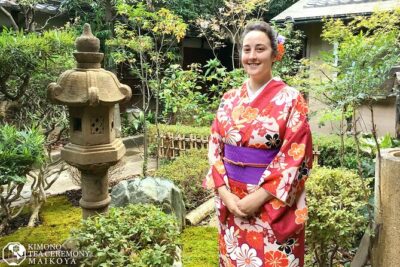
Kimono Tea Ceremony at Kyoto Maikoya, NISHIKI
Read our review →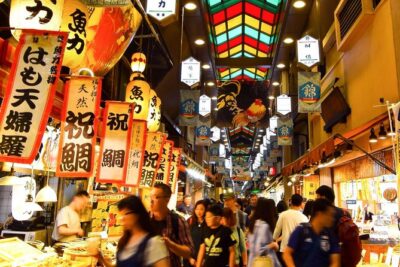
Kyoto Nishiki Market Food and Culture Walking Tour
Read our review →
Nishiki Market Tea Ceremony with Koto Performance
Read our review →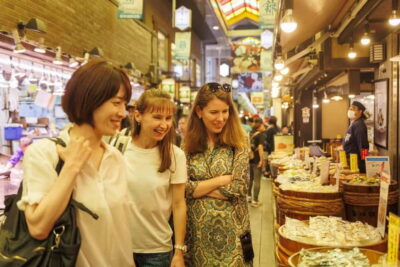
Kimono Tea Ceremony Experience at Kyoto Oritzuruya, Nishiki
Read our review →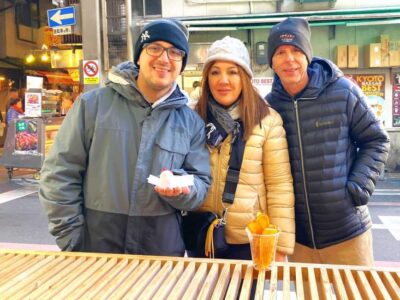
Nishiki Market Tour with a Local Foodie & Tastings
Read our review →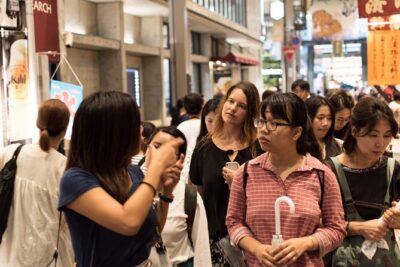
Also filed under