Reviewed · NISHIKI MARKET FOOD WALKS
Kyoto: Nishiki Market Tea Ceremony with Koto Performance
Matcha tastes better when music is playing. This 1 hour Kyoto experience pairs a hands-on tea ceremony with live koto performances, with your host guiding every step. I like that you learn how to make matcha creamy, with less bitterness than most first-time attempts. I also love the personal flow of the ceremony, then the calm, professional harp-style music woven before and after your tea. One thing to plan for: kimono photos and an optional extra koto experience cost extra on site.
You’ll do this in central Kyoto, near major shopping, and it’s easy to reach even when the weather turns. The group stays small, capped at 8, so you actually get time to ask questions instead of rushing through a ritual like it’s a checkout line.
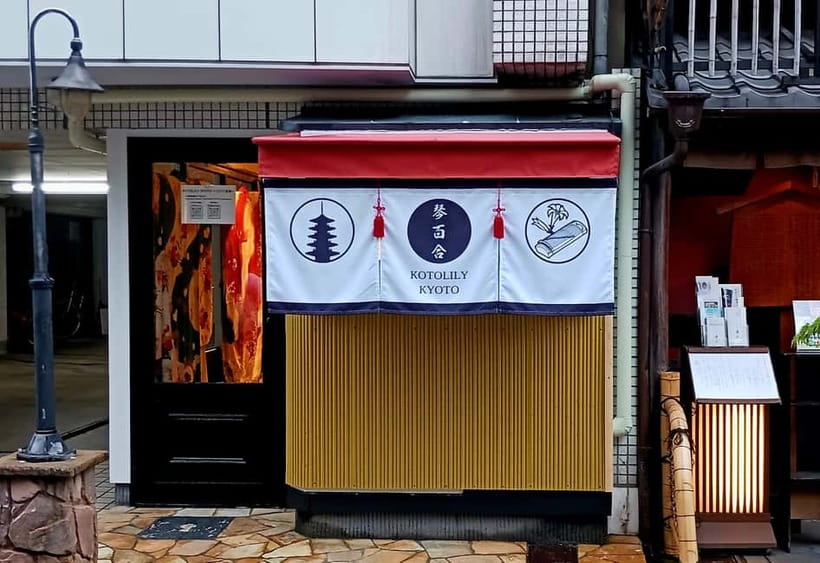
You’ll meet at the shop: KOTOLILY KYOTO, next to KINMATA Restaurant, opposite the street from Hotel GOCO stay. Expect instruction in English and Japanese, plus a camera friendly setting (just skip flash).
In This Review
- Key points to know before you go
- Tea ceremony with koto in Kyoto, what makes it special
- Finding KOTOLILY KYOTO near Nishiki Market area, without stress
- Your one-hour flow: from tea basics to your first sip
- Learning matcha making: creamy texture and less bitterness
- Tea sweets and etiquette: why the small details matter
- Where the live koto fits in, and what you’ll hear
- Kimono photos and optional koto practice, how to think about the add-ons
- Price and value: is $56 worth it for 1 hour?
- Who this fits best, and who should skip it
- Practical tips: camera rules, bags, and small-space reality
- Should you book KOTOLILY KYOTO in Kyoto?
- FAQ
- How long is the tea ceremony with Koto performance?
- What is included in the price?
- Is the kimono included?
- Can I add Koto-playing experience?
- Where exactly is the meeting point?
- Can I take photos and use flash?
- Is this suitable for children or wheelchair users?
- What are the cancellation terms?
Key points to know before you go
- Hands-on matcha making with step-by-step guidance for a smoother cup
- Live koto performances placed before and after the tea ceremony
- Small group size (up to 8) for a calmer, more personal pace
- Tea sweets included, so you taste the ceremony as Kyoto meant it
- Kimono and photos are add-ons, available on site for an extra fee
Tea ceremony with koto in Kyoto, what makes it special
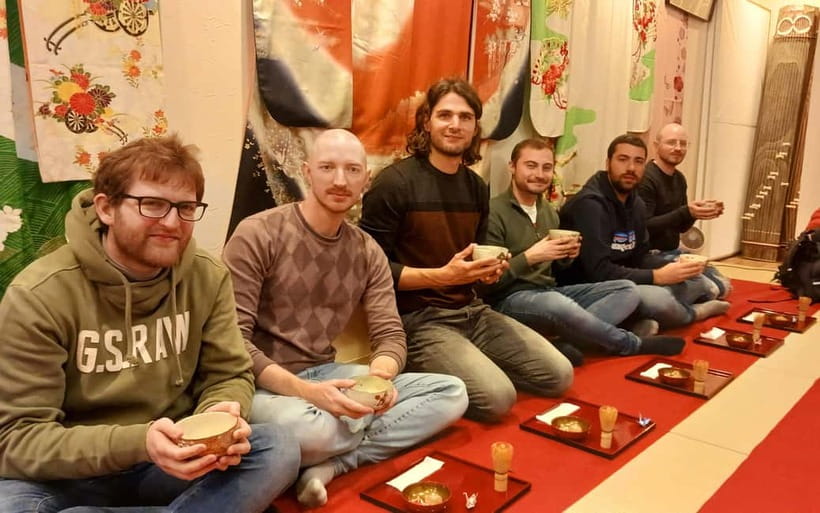
Kyoto has plenty of tea ceremonies. This one feels different because the music is not a separate “show you sit through.” The koto performance runs as part of the rhythm of the session, so your matcha experience has a soundtrack and a mood.
I like that you get instruction meant for real beginners. You are not just handed a bowl and told good luck. The goal is clear: learn how to whisk and prepare a matcha tea that comes out creamy and less bitter. If matcha has ever tasted sharp or grassy to you, you’ll appreciate the coaching.
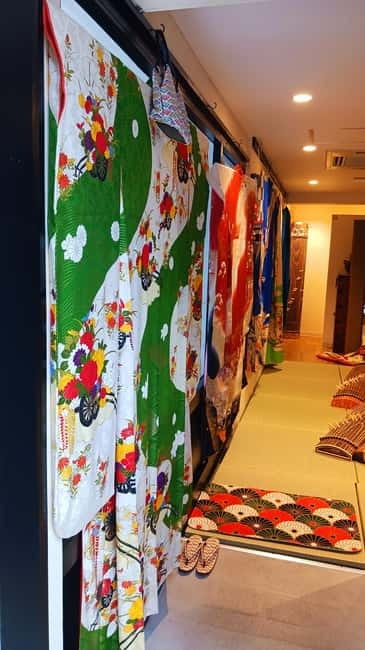
The atmosphere also matters. The shop setting is described as beautiful and cozy, with kimonos displayed inside. That small studio vibe helps you slow down, even though you’re in central Kyoto where life moves fast.
Possible drawback, mentioned straight up: extras add up. If you want the kimono try-on with photos and videos, or you want to add on a koto-playing experience, budget for that on top of the base price.
Finding KOTOLILY KYOTO near Nishiki Market area, without stress
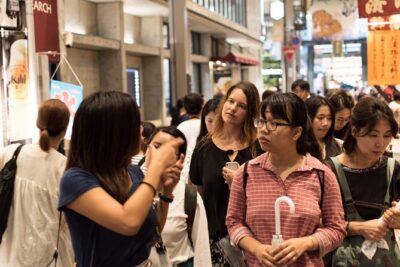
This experience is in central Kyoto, close to shopping areas, and it’s set up to be easy to access even on rainy days. The meeting point is very specific, which is great because Kyoto streets can feel like a maze when you’re trying not to get lost.
Meet at KOTOLILY KYOTO:
- Next to KINMATA Restaurant
- Opposite side of the street from Hotel GOCO stay
- Come inside the shop, don’t wait at the hotel
If you’re doing other things near the Nishiki Market area, this is a smart add-on because it won’t eat half your day in transit. You can also fit it into an afternoon when you want something quiet, cultured, and seated rather than another walking marathon.
Kyoto's kitchen, one stall at a time
- Nishiki Market Brunch Walking Tour (7 Tastings + Brunch)
★ 5.0 · 1,355 reviews - Kimono Tea Ceremony at Kyoto Maikoya, NISHIKI
★ 5.0 · 911 reviews - Kyoto Nishiki Market Food and Culture Walking Tour
★ 5.0 · 412 reviews - Kyoto: Local Food Tasting Tour at the Nishiki Market
★ 4.7 · 135 reviews
Your one-hour flow: from tea basics to your first sip
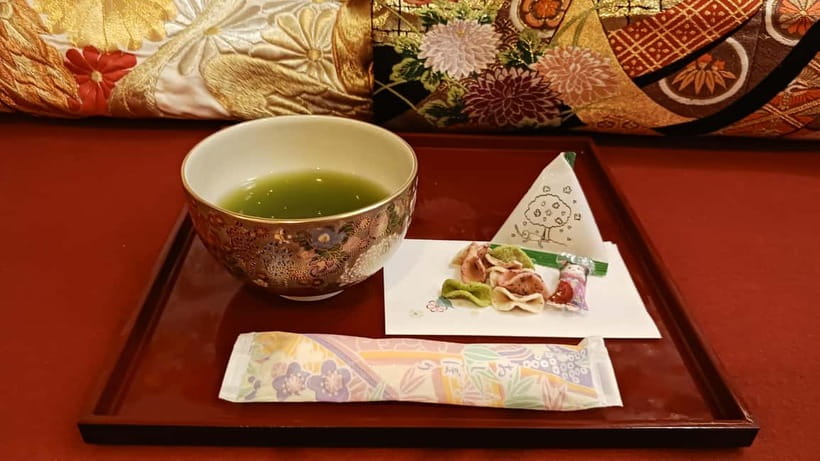
The whole experience runs about 1 hour. In that time, you’ll learn the basics of matcha preparation and tea etiquette, then enjoy the tea with sweets. The pacing is designed so you actually do the ritual, not just watch it.
Here’s what the structure feels like:
- You arrive and get welcomed in the shop setting.
- You learn the key movements and the meaning behind the ceremony.
- You make matcha yourself, with guidance so your result tastes good.
- You drink and enjoy it alongside tea sweets.
- You get live koto music woven around the ceremony, not just tacked on at the end.
The host instructions are offered in English and Japanese. That bilingual support matters because tea ceremonies can be full of small details, like when to move, how to hold things, and how to treat the tea and tools with care.
Learning matcha making: creamy texture and less bitterness
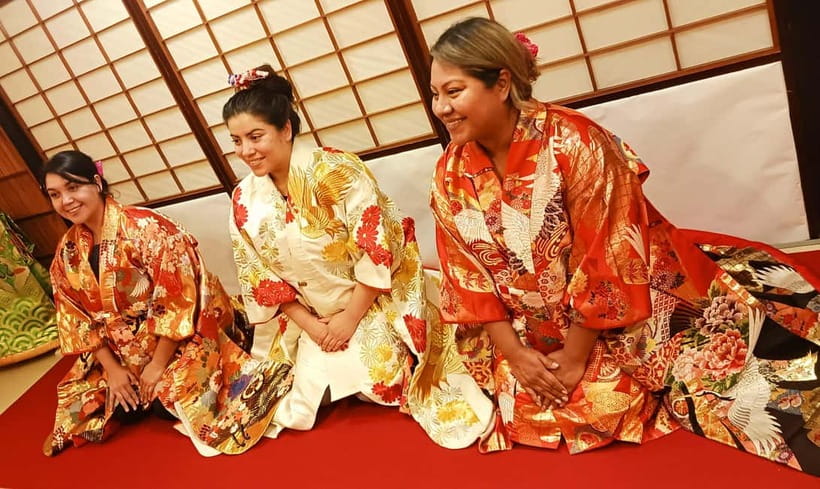
This is the hands-on heart of the experience. The aim is not only to make matcha, but to make a better version of it your first time.
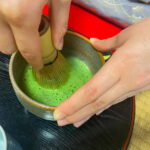
You’ll be taught with careful guidance that focuses on producing a smoother cup. Multiple descriptions highlight that the host helps you make matcha creamy, and also less bitter than you might get if you rush or whisk incorrectly.
What you should expect to do:
- Prepare the matcha in the way the ceremony teaches
- Whisk and mix so the texture becomes creamy
- Learn how to pour and serve it properly for the right taste
If you usually drink matcha like a flavored beverage, this flips the script. You’ll learn why the ceremony is as much about attention as it is about flavor. And if you’re not a lifelong matcha fan, you may be surprised, because the difference often comes down to technique.
Tea sweets and etiquette: why the small details matter
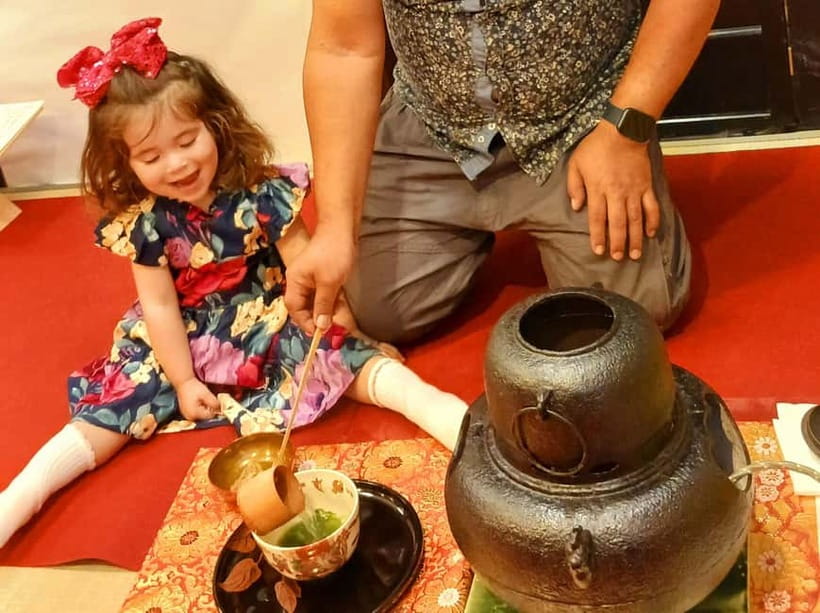
After you make your tea, you pair it with sweets. That’s not just dessert. It’s part of how you experience the bitterness, sweetness, and balance of flavors.
Tea etiquette is also part of the instruction. You’ll learn the purpose behind the steps, which makes the ceremony feel meaningful rather than staged. The vibe is calm and respectful, with the host guiding your group at a steady pace.
A practical tip: this is a seated activity. Wear comfortable clothes you can move in easily. You’ll want to feel relaxed enough to follow instructions without worrying about adjusting your outfit every minute.
Where the live koto fits in, and what you’ll hear
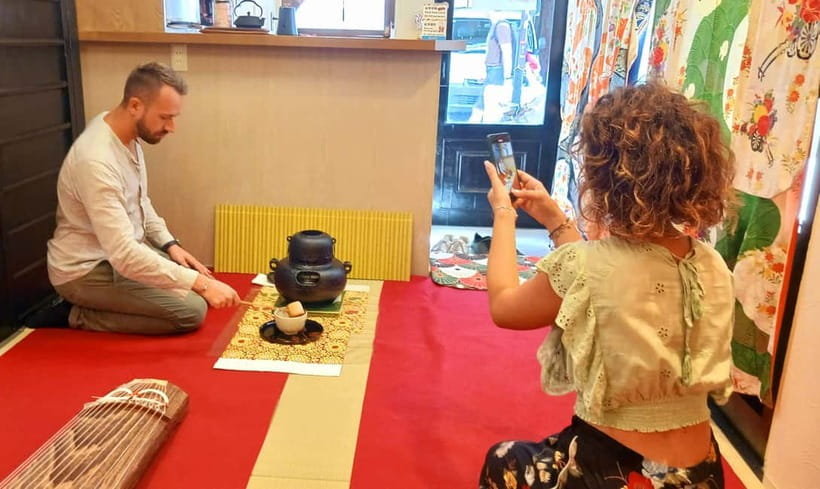
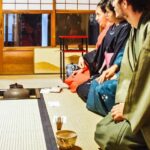
The live koto performance is a major highlight, and it’s not treated like background music. You’ll hear koto playing before and after the tea ceremony, with performances interspersed during the session.
In other words, you’re not just waiting while someone plays. The music acts like a bridge between parts of the ritual. You sip matcha, pause, listen, and then return to the ceremony rhythm again.
That matters for two reasons:
- It gives your brain a moment of quiet focus, so you notice the tea more.
- It changes the experience from a lesson into something you feel.
You’ll also get music shared in a way that connects to Japanese culture and the tradition behind it, not just entertainment. If you love instruments, or you want something more “Kyoto” than a generic show, this is where the experience earns its place.
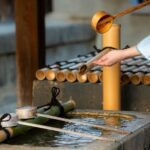
More bowls, poured the traditional way
Kimono photos and optional koto practice, how to think about the add-ons
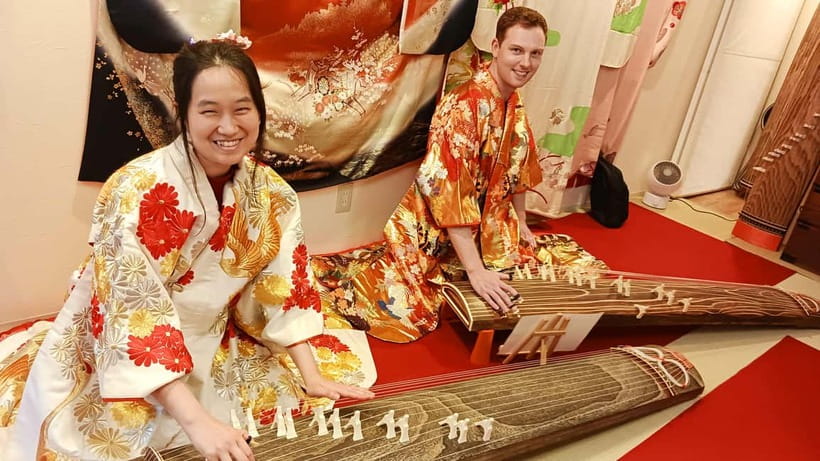
There are two common extras, both arranged on site:
- Kimono try-on with photos and videos
- Optional koto experience (a hands-on component) for an additional fee
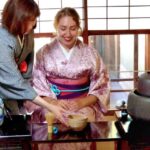
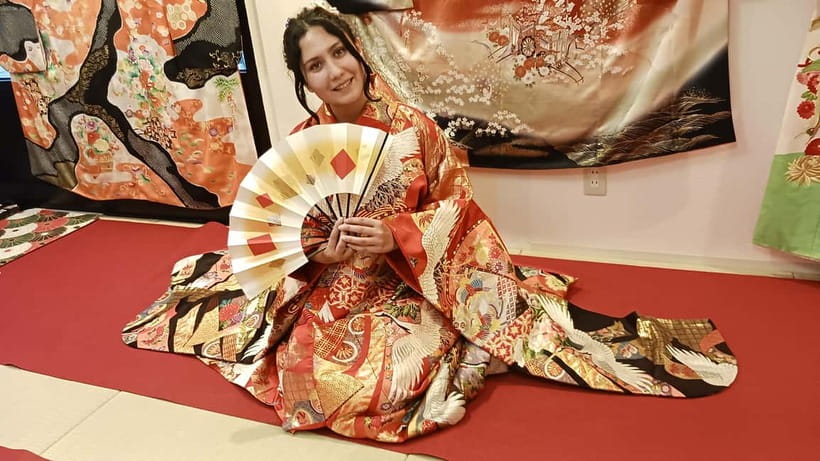
The kimono option is available during the activity, and you can get photos and videos in a luxurious kimono look. Just note the timing as described: the kimono and photo/video session are tied to the on-site offering, and it’s priced separately from the base tea ceremony.
My practical advice: if you want the kimono photos, do it. They’re one of the easiest ways to capture a memory that looks very Kyoto. If you do not care about photos, you can skip the add-on and still get a full cultural experience from the tea and koto.
For the optional koto experience, consider it if you want something interactive beyond watching. The session is set up so you can add a koto-playing component after the core tea ceremony experience.
Price and value: is $56 worth it for 1 hour?
At $56 per person for a 1 hour session, you’re paying for more than a quick tea tasting.
You’re getting:
- Matcha green tea making instruction
- Tea sweets included
- A live koto performance built into the timing of the ceremony
- A small group setting, capped at 8 participants
In plain terms, value comes from the mix. A lot of cultural activities in Kyoto are either hands-on or performance-based. This combines both in a compact time window, so you don’t need to stack multiple tickets to get a full experience.
If you add kimono photos or a koto experience, total cost rises. But those are optional. You can still treat the base session as a strong deal, because you’re paying for instruction plus live professional music, not just “watch and drink.”
Who this fits best, and who should skip it
This experience is a good match if you want:
- A calm, seated cultural break in central Kyoto
- A hands-on activity where you actively make something
- Live traditional music that connects to the moment, not something that happens after you’re done
It’s not suitable for:
- Children under 8
- Wheelchair users
- People with food allergies
If you fall into any of those categories, you’ll want to choose a different Kyoto option.
Also, if you hate taking shoes off in indoor traditional spaces, plan ahead. Some descriptions note shoe removal at the shop, and the space is set up for that. Fresh socks can make that moment less awkward.
Practical tips: camera rules, bags, and small-space reality
A few practical details can make your visit smoother:
- Bring a camera. Photos and videos are allowed, but…
- Flash photography is not allowed.
- Wear comfortable clothes, since you’ll be moving through instructions in a seated setting.
- The space is small. If you have a big backpack, you might want to keep it minimal or leave some storage plans for later in your day.
If you’re pairing this with Nishiki Market shopping, keep your valuables secure and travel light. You’ll feel better when you’re not juggling bags while learning matcha steps.
Should you book KOTOLILY KYOTO in Kyoto?
If you want a tea ceremony that feels like Kyoto, not a quick tourist stop, I think you should book it.
Book it if:
- You want to make matcha yourself and learn technique
- Live koto music matters to you
- You like small-group experiences where you can actually ask questions
- You want an easy central Kyoto activity that works even when the weather is ugly
Skip it if:
- You need wheelchair access
- You are traveling with young kids under 8
- You have food allergy needs you cannot confirm with the shop in advance
- You want something long and expansive. This is one hour, and it’s intentionally compact.
If you do book, here’s the smart move: decide in advance whether you want the kimono photos. If yes, plan your extra time in your day. If no, you still get the core value, tea plus koto, in a clean one-hour format.
FAQ
How long is the tea ceremony with Koto performance?
The experience lasts 1 hour.
What is included in the price?
It includes the tea ceremony experience, matcha green tea making, tea sweets, and a live koto (Japanese harp) performance.
Is the kimono included?
Kimono (plus photos and videos) is available on site for an additional fee, so it is not included in the base price.
Can I add Koto-playing experience?
Yes. You can add a koto-playing experience for an additional fee at the location.
Where exactly is the meeting point?
Meet at the shop called KOTOLILY KYOTO. It is next to KINMATA Restaurant, opposite the street of Hotel GOCO stay. Come inside the shop.
Can I take photos and use flash?
You can bring a camera. Flash photography is not allowed.
Is this suitable for children or wheelchair users?
No. It is not suitable for children under 8, and it is not suitable for wheelchair users.
What are the cancellation terms?
You can cancel up to 24 hours in advance for a full refund. You can also reserve now and pay later.
Shopping Around Kyoto
Kyoto's Markets
New This Season
- Koyasan Day Trip by Private Car from Kyoto
- Old Port Town and Ultimate Sake Tasting Private Tour From Kyoto
- Kyoto: 5 Types of Sushi Making
- Sacred Peak & Ancient Paths: Kurama-Kibune Hiking Experience
- Kyoto’s Timeless Charm: 3hr Exploration of History and Peace
- Kyoto: Exclusive ZEN practice at Manpukuji temple in Uji
- Kyoto: Private Seasonal Aroma Yoga Class
- Traversing Kyoto’s Scenic West – Arashiyama to Kinkakuji
Nishiki Market Food Walks, compared.
Nishiki Market Brunch Walking Tour (7 Tastings + Brunch)
Read our review →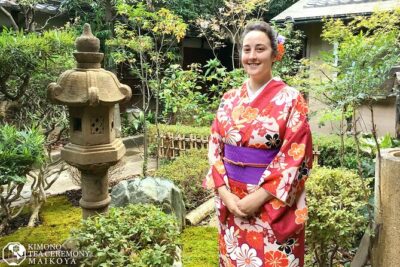
Kimono Tea Ceremony at Kyoto Maikoya, NISHIKI
Read our review →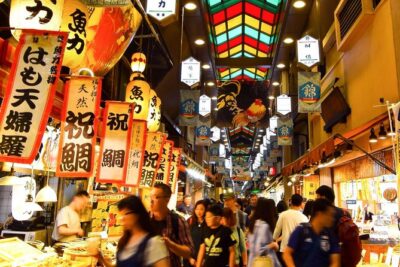
Kyoto Nishiki Market Food and Culture Walking Tour
Read our review →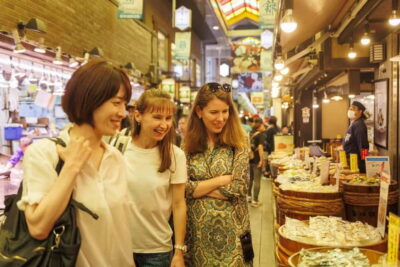
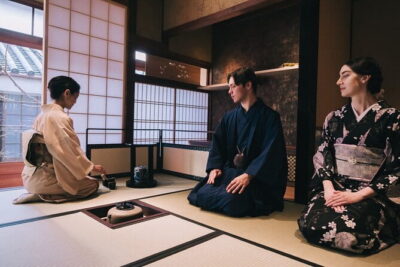
Kimono Tea Ceremony Experience at Kyoto Oritzuruya, Nishiki
Read our review →
Nishiki Market and Depachika Food Tour with a Local
Read our review →
Nishiki Market Tour with a Local Foodie & Tastings
Read our review →