
Reviewed · TEA CEREMONIES
Kyoto: Table-Style Tea Ceremony at a Kyo-Machiya
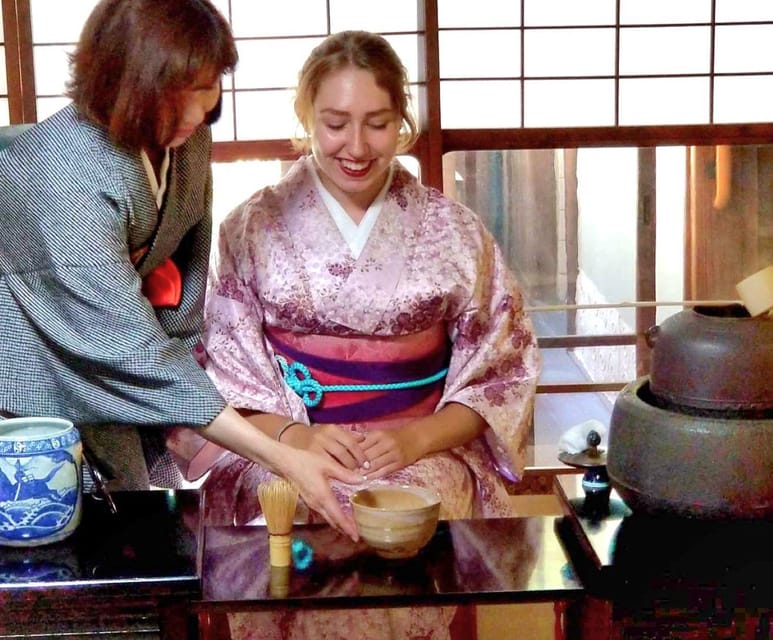
Kyoto tea, minus the floor. This table-style tea ceremony in a traditional Kyo-machiya makes the ritual feel approachable, while still staying very Kyoto. I like that you get to settle in for the full experience, then follow along through the steps with a welcome drink and easy photo moments.
The highlight for me is the hands-on part, especially the creamy, frothy matcha you whisk yourself, plus calligraphy and flower arranging. One catch: it is not suitable for wheelchair users, and if you choose the kimono option, plan for extra walking on uneven spots and stairs.
In This Review
- Key things I’d zero in on
- Table-Style Tea Ceremony in a Kyo-Machiya, Why It Feels Different
- Finding the Old Townhouse Near Momoyama, Without Getting Lost
- Garden Purification and the Manners Primer Before the Tea
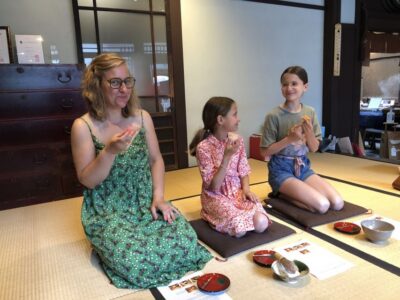
- Welcome Drinks, Sweet Sweets, and Chair-Based Ceremony Flow
- Whisking Creamy Matcha Yourself, Plus Thick Tea Latte Art
- Umbrellas, Folding Fans, and the Katana Prop for Photo Time
- Calligraphy Keepsake, Name in Kanji or Hiragana, and Flower Arranging
- Optional Kimono Rental, When to Arrive Early, and Comfort Tips
- Timing and Pairing, From Fushimi Inari to Osaka or Uji
- Should You Book This Kyoto Chair-Based Tea Ceremony?
- FAQ
- How long is the Kyoto table-style tea ceremony?
- Is the tea ceremony taught in English?
- Do I have to sit on the floor for this tea ceremony?
- What drinks and sweets are included?
- What activities are included besides drinking tea?
- Is kimono rental available, and does it change anything about timing?
- Is hotel pickup provided?
- Where do I meet, and do guides help you find the place?
- Is this experience suitable for wheelchair users?
Key things I’d zero in on
- You sit at a table, not on the floor, which changes the whole comfort level
- Purification in the garden at a stone basin, shrine-style, before the tea
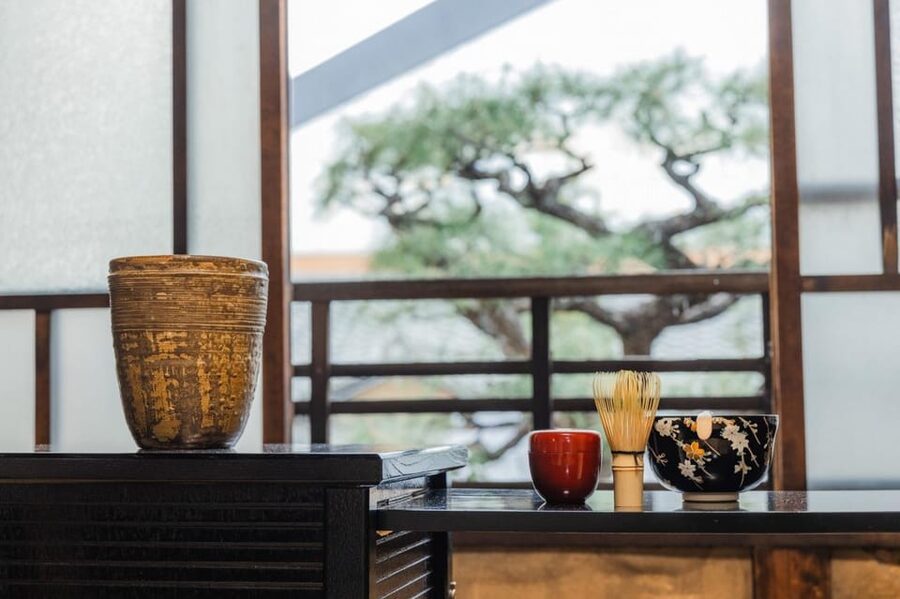
- You make your own matcha, with bamboo whisking aimed at that foam texture
- Photo-friendly props like umbrellas, folding fans, and a katana sword for fun shots
- Name calligraphy and a keepsake scroll or envelope, in kanji or hiragana
- A kimono option with hairstyling, plus a note to arrive early if selected
Table-Style Tea Ceremony in a Kyo-Machiya, Why It Feels Different
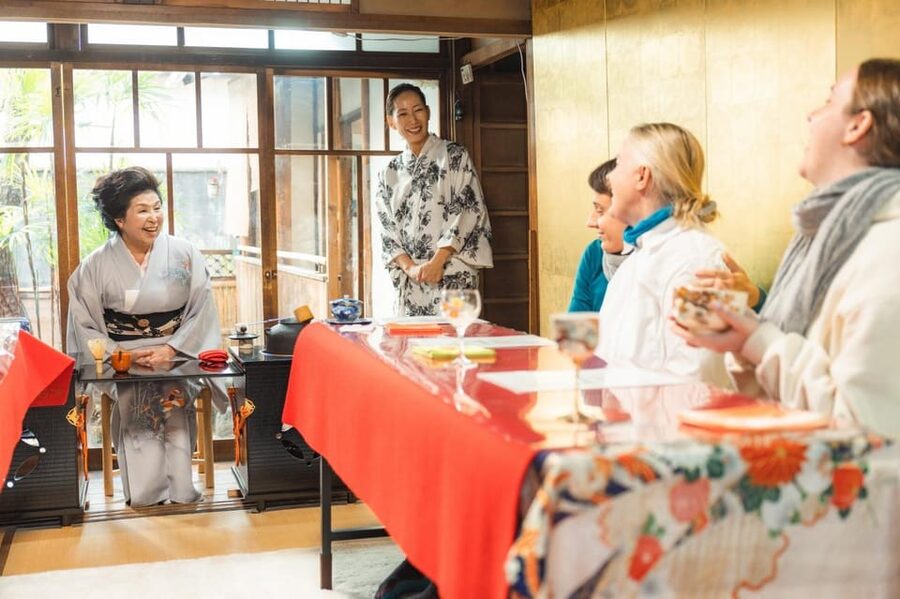
Tea ceremonies in Japan often come with a big question mark for visitors: Will I be comfortable enough to actually enjoy it? Here, you sit on a chair instead of on the floor. That single detail matters. You can focus on the pace, the manners, and the meaning of the tea, rather than timing your discomfort.
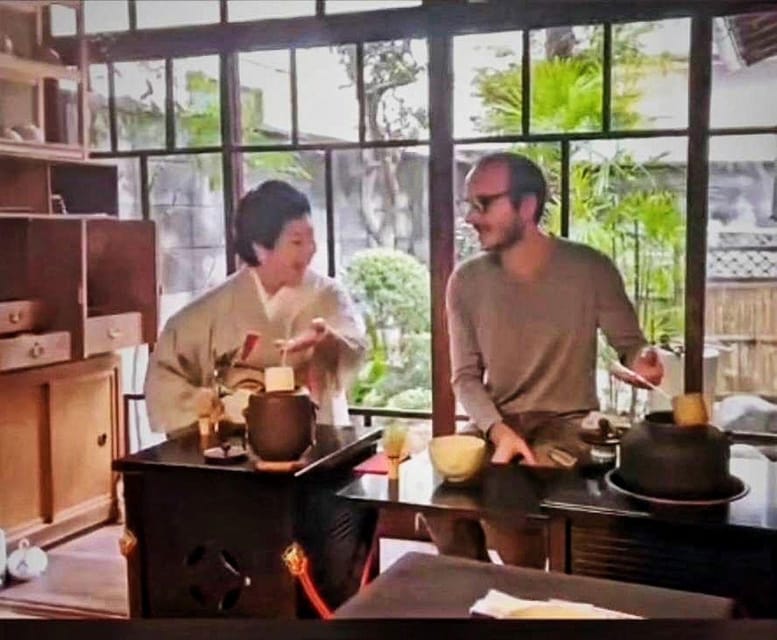
The setting does the rest. You are in a traditional Kyoto townhouse that is more than a stage set. You get the feeling of daily life in Kyoto, with a garden, a stroll through the home, and a look at architectural touches like old altars and antiques. It is nostalgic without trying too hard.
One more smart touch: the flow is not just show and watch. You actively participate, from matcha whisking to calligraphy. That makes it feel like a mini cultural lesson you can actually remember, not a performance you quickly forget.
Finding the Old Townhouse Near Momoyama, Without Getting Lost
This experience meets on the outskirts of Kyoto, in the southern Kyoto area near the Momoyama side. The big advantage is that it is well-connected, and you can combine it easily with other plans after.
How to get there is straightforward once you pick your starting station:
- From Kintetsu Kyoto Station: take the express train for about 15 minutes to Kintetsu Momoyama-Goryo-mae Station
- From Keihan Gion-Shijo Station: get off at Fushimi-Momoyama Station
- From Momoyama Station (JR): walk northwest, past a shrine (Gokogu) on the right, then continue on the Otesuji Arcade
The key landmark is visual. You head west on the Otesuji shopping arcade, turn right at a Mizuho Bank or a Rakuten mobile shop, and then look for the old Kyoto townhouse with a blue curtain. Guides in kimono wait there, so you are not left guessing forever.
No hotel pickup is included. So if you are the type who hates last-mile directions, give yourself a little extra time and arrive a touch early.
More bowls, poured the traditional way
- Kyoto: Tea Ceremony in a Traditional Tea House in Kiyomizu
★ 4.9 · 3,519 reviews - Kyoto: Tea Ceremony Ju-An at Jotokuji Temple
★ 4.9 · 3,207 reviews - Kyoto: 45-Minute Tea Ceremony Lesson Experience
★ 4.3 · 2,378 reviews - Kimono Tea Ceremony at Kyoto Maikoya, NISHIKI
★ 5.0 · 911 reviews
Garden Purification and the Manners Primer Before the Tea
Before you touch the tea tools, you go through something that feels very Japanese: purification. You will experience how people purify themselves at a stone basin in the garden, like you see around shrines. It is a quick moment, but it sets the tone. Your brain shifts gears from travel-mode into ceremony-mode.
Then you get a cultural orientation. You will learn how tea ceremony developed in Japan, and the Japanese spirit and manners behind it, using PowerPoint presentations. For many visitors, this is the part that makes the rest click. You start understanding why specific gestures matter, instead of just copying steps.
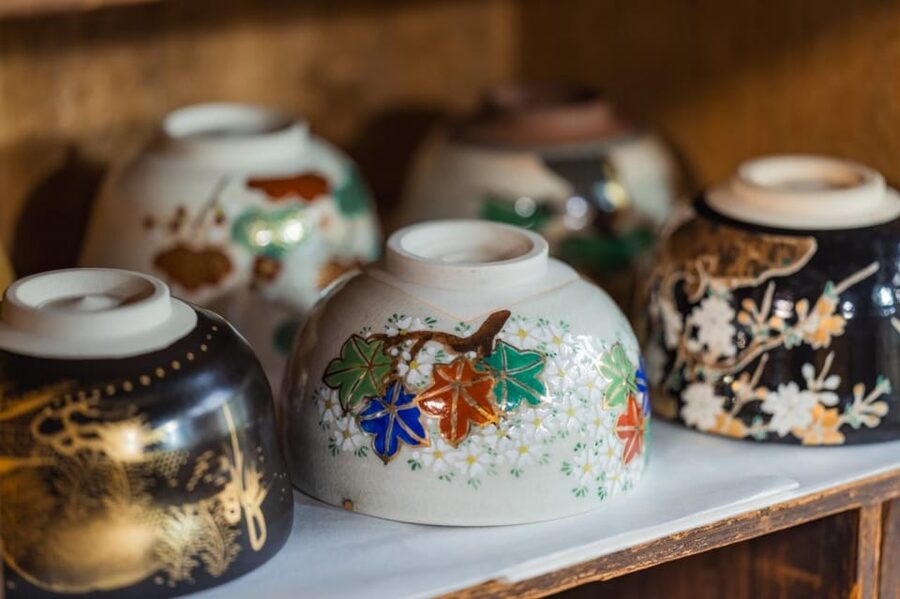
And you are not only sitting still. You can stroll through the townhouse and see the architecture up close. The experience also includes a look at old Buddhist and Shinto altars or antiques, depending on what is available in the home. This is where the whole thing starts to feel less like a tourist activity and more like stepping into a real Kyoto house.
Welcome Drinks, Sweet Sweets, and Chair-Based Ceremony Flow
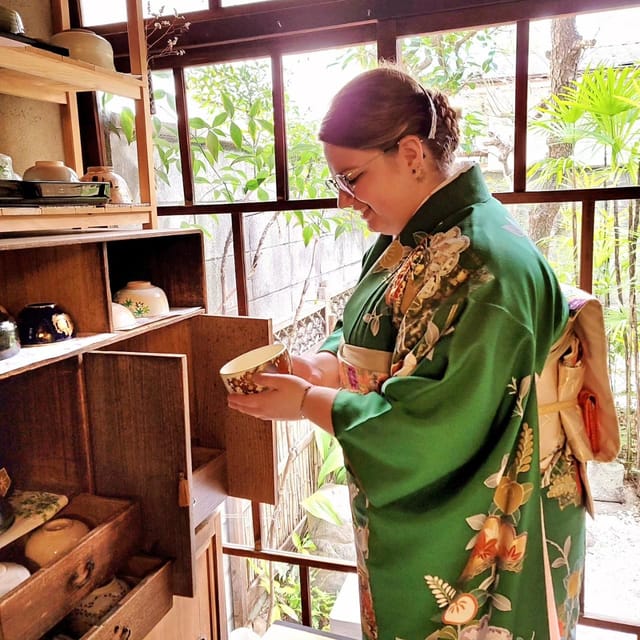
You begin with a welcome drink, which can include sake or juice. That is a nice on-ramp. It warms you up, and it also keeps the pacing friendly for visitors who are new to the ritual.
Next comes the sweet part. Traditional sweets are served with the tea ceremony. These are not just snacks. In ceremony culture, sweets help balance the taste and mood, and they make the tea feel like part of a designed moment. You get to enjoy them while you settle into the sequence of movements.
The ceremony itself follows clear structure. You will watch the guides explain and perform the steps, then you participate. Since you are at a chair, the rhythm stays relaxed enough that you can actually pay attention to details like how the tools are handled, how the cup is positioned, and the general flow of how guests engage.
Practical tip: if you want great photos later, take a moment early to get comfortable. You will spend time standing, sitting, and moving between stations inside the townhouse and garden area.
Whisking Creamy Matcha Yourself, Plus Thick Tea Latte Art
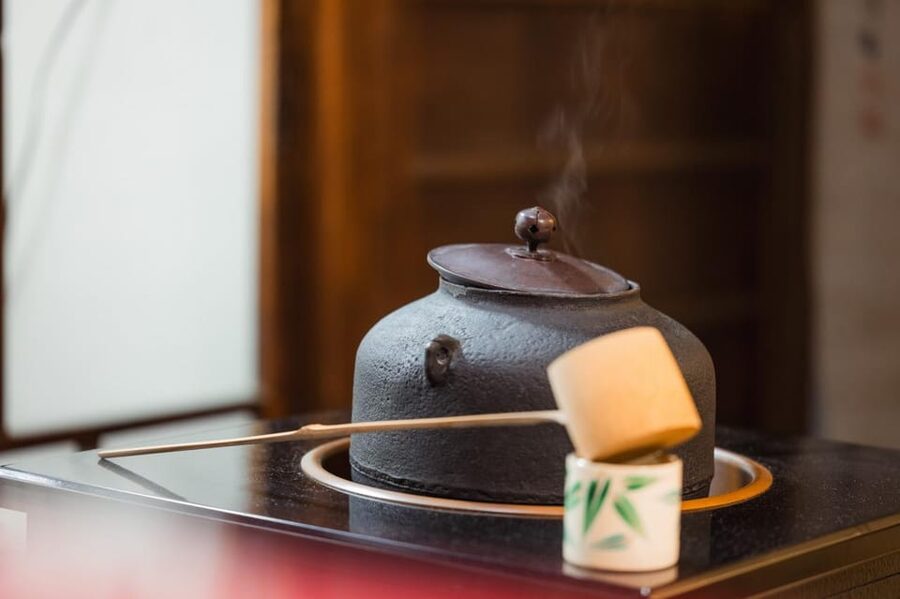
Here is where this experience earns its price. You do not just drink matcha. You make it.
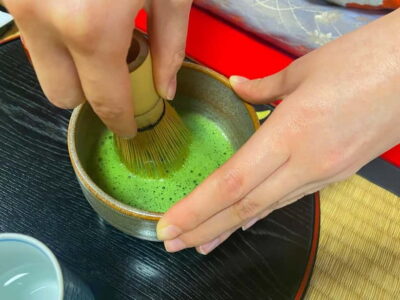
You learn how to prepare matcha using a bamboo whisk, and the goal is that signature foam texture, creamy rather than flat. That texture is hard to fake if you are rushing, so the workshop style is built for you to actually get it right. When you whisk, you are learning a skill, not just following a script.
You also get latte art using thick tea. That adds a playful twist. It helps visitors who might find traditional tea tools a little intimidating. You can have fun with presentation while still staying within the ceremony framework.
Another nice piece: you are learning how to properly enjoy matcha, not just how to make it. Even if your first cup is not perfect, the guidance helps you understand what you are tasting and why the process matters.
Umbrellas, Folding Fans, and the Katana Prop for Photo Time
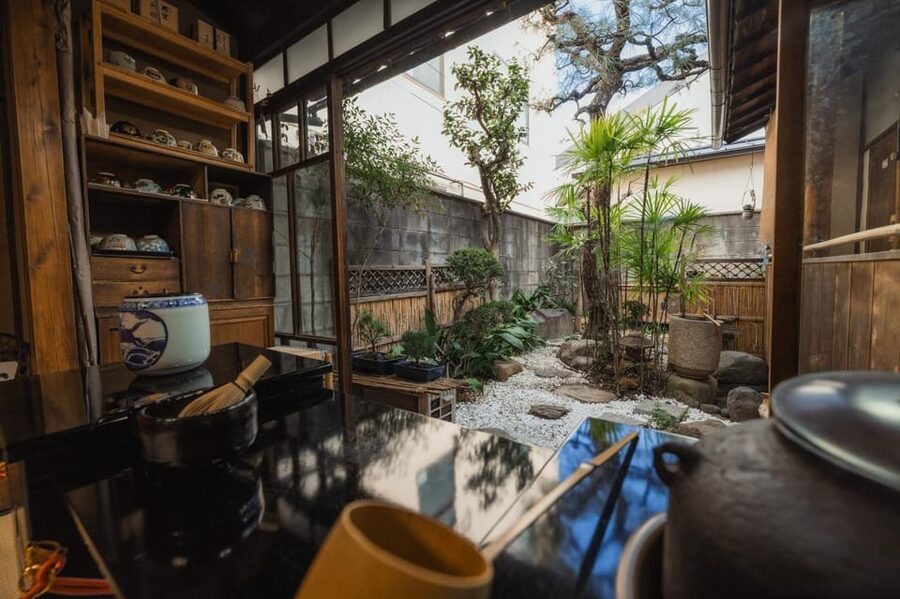
Yes, you get photo-friendly moments. And no, it is not just random picture-taking. The props are integrated into a fun portion of the experience.
You can take photos and videos using umbrellas, folding fans, and a katana sword prop. This is a chance to look the part, especially if you rent a kimono. You get a little cinematic Kyoto energy without needing to hunt for a separate photoshoot elsewhere.
The best use of this time is simple:
- Take a few quick shots right away, when you are still fresh and your kimono fit is new
- Then slow down and take a few more in the garden or around the house, when you have a feel for where the light falls
Also, remember that this is still a ceremony experience. Keep the focus respectful. Think of photos as a cultural moment you are recording, not an excuse to rush the room.
A day of temples goes further with something to break it up.

Calligraphy Keepsake, Name in Kanji or Hiragana, and Flower Arranging
After the tea comes the craft portion, and it is one of the most memorable parts.
You write your name as part of the calligraphy experience, in kanji or hiragana. You also get to take part in the calligraphy activity itself, not just watch someone else do it. Many people love this because it is personal and immediately useful as a souvenir.
Then you receive a hanging scroll or envelope with your name written in Japanese characters. That makes a big difference. A generic photo and a generic cup of tea are easy to forget. A custom piece you can take home changes the odds that you will remember the experience months later.
You may also do tea ceremony flower arranging. In practice, this often looks like a small Japanese-style flower composition that matches the ceremony’s calm rhythm. It is a creative counterpoint to the more formal tea gestures.
Optional Kimono Rental, When to Arrive Early, and Comfort Tips
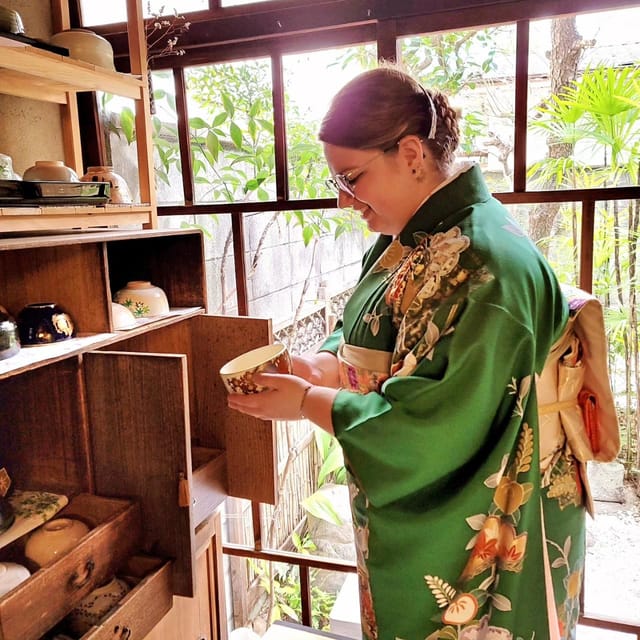
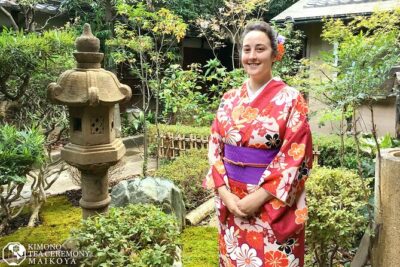
The kimono option is not mandatory, but it can add a lot to the experience. You get kimono rental if you select that add-on, plus hairstyling is mentioned in the experience details from participant accounts. If you have ever wondered what it feels like to wear kimono in a controlled, guided setting, this is one of the easier ways to do it.
Timing matters. If you choose kimono, you should arrive 30 minutes before the experience begins. That extra time is for dressing and getting ready. It is also when the fit and comfort adjustments happen.
Two important notes to keep you comfortable:
- This experience is not suitable for wheelchair users.
- If you are pregnant, you are asked to refrain from wearing a kimono for health and safety.
Also, because the ceremony includes moving through the townhouse and garden area, your comfort will depend on your mobility. If you have knee or leg issues, plan ahead and tell the hosts so they can guide you through safely.
Timing and Pairing, From Fushimi Inari to Osaka or Uji
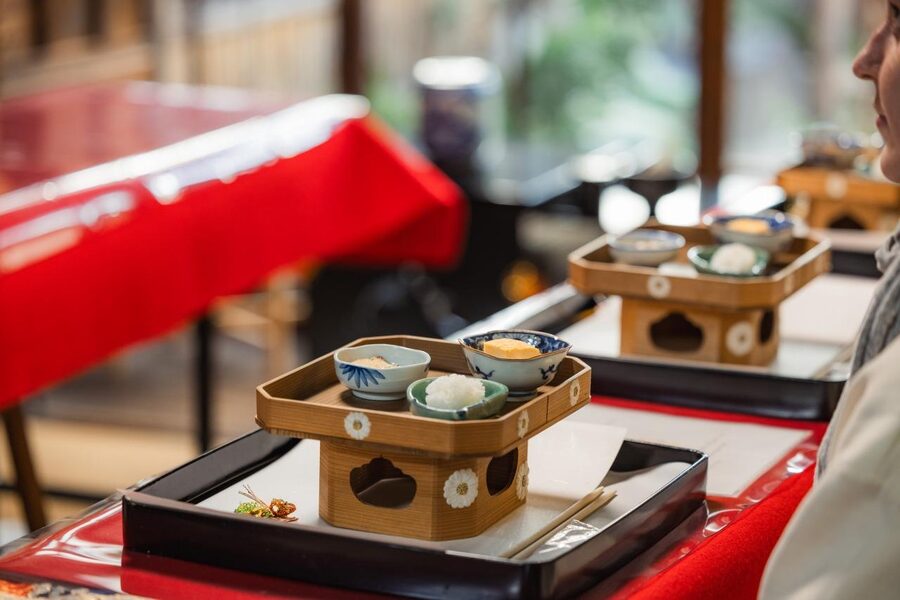
This part is practical, and it is why this location works well.
You are in southern Kyoto, an area known for sake, with casual dining and shopping streets nearby. That means you can eat before or after without needing another long transfer across town.
You can also combine the visit with major nearby day-trip goals:
- From this side of Kyoto, Fushimi Inari Shrine is reachable by train in about 15 minutes from Keihan Fushimi Inari Station.
- Uji City is about 20 minutes by train. Uji is famous for tea, so this pairing actually makes sense thematically.
- Osaka is about 40 minutes by express train.
- Nara is about 50 minutes.
If you like low-stress planning, do this ceremony either early afternoon as your cultural reset, or late morning and then knock out dinner and shopping afterward.
Should You Book This Kyoto Chair-Based Tea Ceremony?
Book it if you want:
- A comfortable tea ceremony format that does not force floor sitting
- Real participation, especially making matcha yourself
- A full package, not just tea drinking, with calligraphy and flower arranging
- English instruction and a calm small-group feel (private or small groups are available)
Skip it or think twice if:
- You use a wheelchair. The experience is not suitable for wheelchair users.
- You want zero movement and a step-free environment, because the space includes stairs and townhouse navigation, especially with kimono.
For most visitors, though, this is a strong value play for Kyoto. At about $45 for 90 minutes, you are paying for a guided ceremony plus multiple cultural activities, in a traditional home setting with extra touches like purification, photo props, and a custom calligraphy keepsake.
If you are curious about Japanese tea culture and you want something hands-on that still feels authentic, this one belongs on your Kyoto short list.
FAQ
How long is the Kyoto table-style tea ceremony?
The experience lasts about 90 minutes.
Is the tea ceremony taught in English?
Yes. The instructor is listed as English.
Do I have to sit on the floor for this tea ceremony?
No. You sit on chairs, so you do not need to sit on the floor.
What drinks and sweets are included?
You get traditional sweets for the tea ceremony and a welcome drink, which can be sake or juice.
What activities are included besides drinking tea?
Included items can include latte art using thick tea, matcha preparation, calligraphy, tea ceremony flower arranging, and a hanging scroll or envelope with your name written in Japanese.
Is kimono rental available, and does it change anything about timing?
Kimono rental is available if you select the option. If you choose kimono, you should arrive 30 minutes before the experience starts.
Is hotel pickup provided?
No, hotel pickup and drop-off are not included.
Where do I meet, and do guides help you find the place?
You meet at the old Kyoto townhouse on the outskirts of Kyoto, identified by a blue curtain. Guides are waiting for you, and directions point you from nearby stations through the Otesuji shopping arcade.
Is this experience suitable for wheelchair users?
No. It is not suitable for wheelchair users.
New This Season
- Koyasan Day Trip by Private Car from Kyoto
- Old Port Town and Ultimate Sake Tasting Private Tour From Kyoto
- Kyoto’s Timeless Charm: 3hr Exploration of History and Peace
- Kyoto: 5 Types of Sushi Making
- Sacred Peak & Ancient Paths: Kurama-Kibune Hiking Experience
- Kyoto: Exclusive ZEN practice at Manpukuji temple in Uji
- Kyoto: Private Seasonal Aroma Yoga Class
- Traversing Kyoto’s Scenic West – Arashiyama to Kinkakuji
Tea Ceremonies, compared.
Tea Ceremony in a Traditional Tea House in Kiyomizu
Read our review →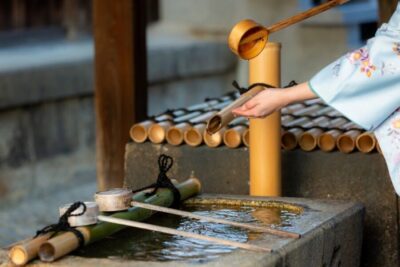
Kimono Tea Ceremony at Kyoto Maikoya, NISHIKI
Read our review →
Tea Ceremony in 100-year-old Kyo-Machiya Townhouse
Read our review →
Tea Ceremony Meditation – Make Matcha with Tea Master
Read our review →Also filed under