
Reviewed · TEA CEREMONIES
Kyoto: Kimono and Tea Ceremony Experience at Cultural Asset
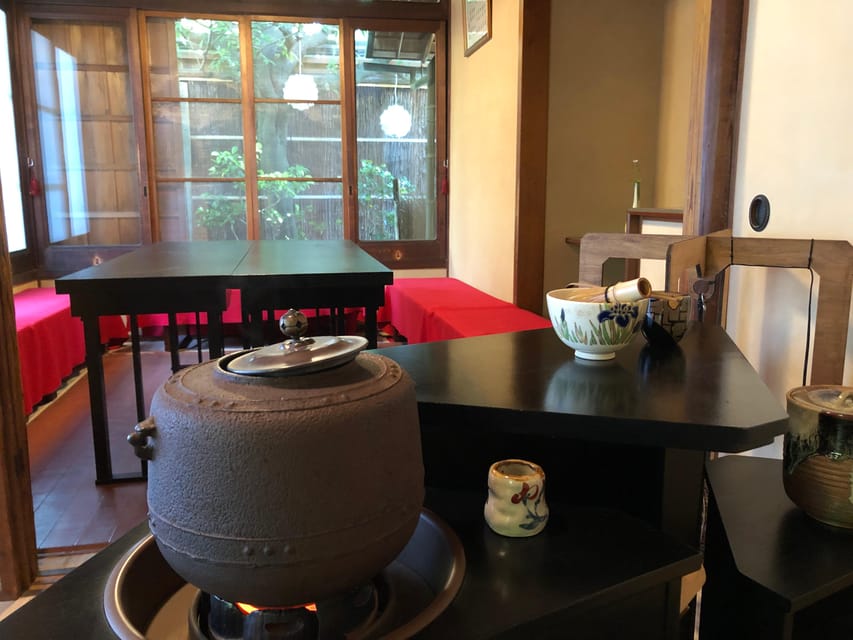
Kyoto life in silk and matcha. At Tondaya, a 140-year-old machiya townhouse, you get a real kimono fitting and a traditional tea ceremony in a space that feels like old Kyoto.
Two things I especially like: the chance to see how a machiya works up close, and the way the tea ceremony is taught step by step, not rushed.
The main thing to plan for is crowd flow. This experience can run as a group, so you may feel the space is busy at times, and the English level can vary by host.
Also, come prepared for the house rules: you need socks and you cannot go barefoot, and your clothes matter for the kimono fit. If your T-shirt is wet, the staff cannot help you dress in that state, so bring a change.
In This Review
- Key highlights worth your attention
- Tondaya’s machiya house, where Kyoto still feels human-sized
- Getting dressed in silk: kimono fitting that actually moves fast
- A tea ceremony performed in a real townhouse, not a stage
- House tour plus photo time: how to get great shots without being rude
- Group pacing: when “authentic” meets “crowded”
- What’s included in the $222, and how to judge the value
- Practical tips so the experience feels smooth
- Who should book this Kyoto kimono and tea ceremony
- Should you book the Tondaya kimono and tea ceremony?
- FAQ
- How long does the Kyoto kimono and tea ceremony experience last?
- Is this experience private or shared with other participants?
- What is included in the price?
- What should I bring, and are bare feet allowed?
- What should I wear for the kimono fitting?
- Do the hosts speak English?
- Can I get a refund if my plans change?
Key highlights worth your attention
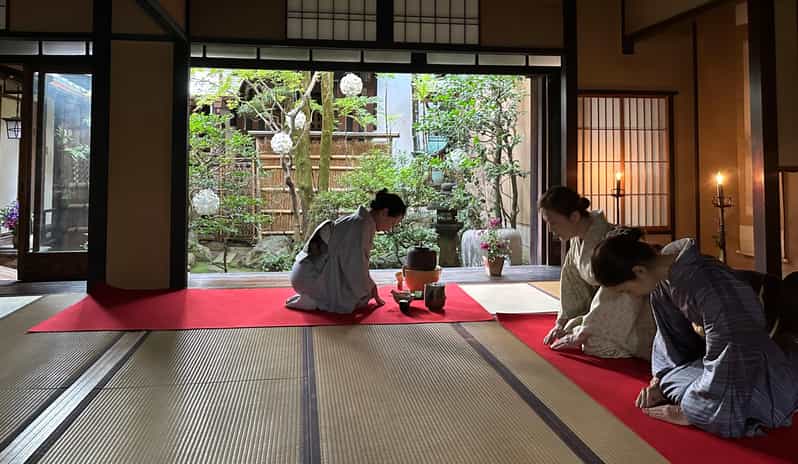
- Tondaya, a 140-year-old national cultural property you can walk through
- High-quality silk kimono dressing with staff assistance
- Tea ceremony with a tea master in a traditional machiya setting
- Photo time in authentic Kyoto rooms and garden-like areas
- Group pacing that can mean some waiting unless you book a private session
Tondaya’s machiya house, where Kyoto still feels human-sized
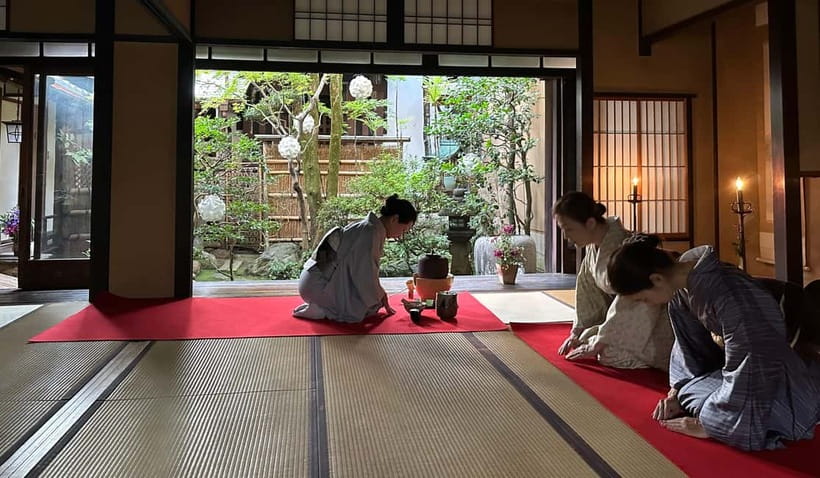
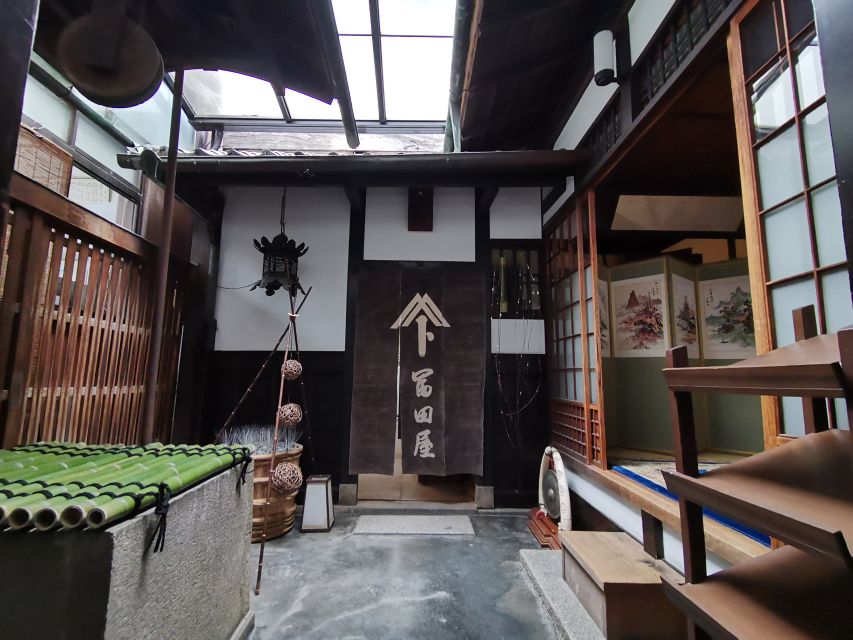
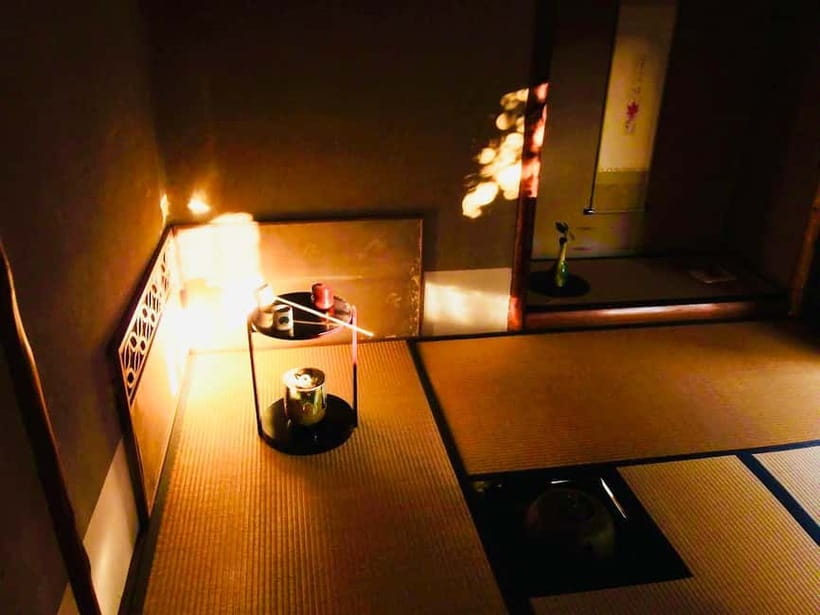
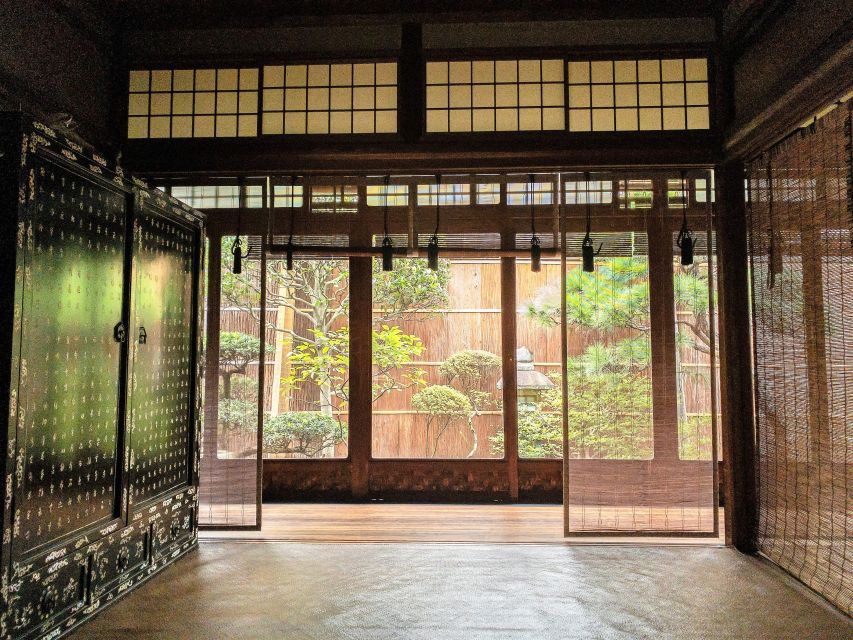
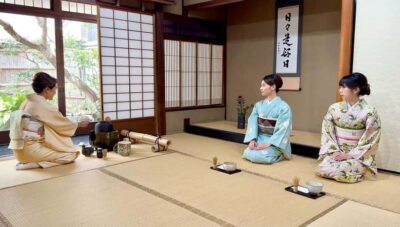
Tondaya is the star of this experience. You’re not just watching a performance in a studio. You enter a 140-year-old machiya that’s officially recognized as a cultural property by Kyoto City. That matters because the building itself is part of the lesson.
Inside, you get the feel of old Kyoto through details like the careful woodwork and the calm layout of a townhouse. The visit also includes a guided walk where staff point out historically valuable artifacts and explain what you’re seeing as you move through rooms and corridors. Think of it as a friendly orientation to the place, not a classroom lecture.
One practical upside: the house’s scale helps you actually look around. Kyoto can be huge and hectic, but this townhouse makes the experience feel personal. Even when there are other guests, the home layout gives you moments where you can slow down and pay attention.
Getting dressed in silk: kimono fitting that actually moves fast
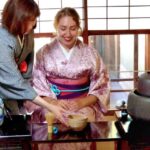
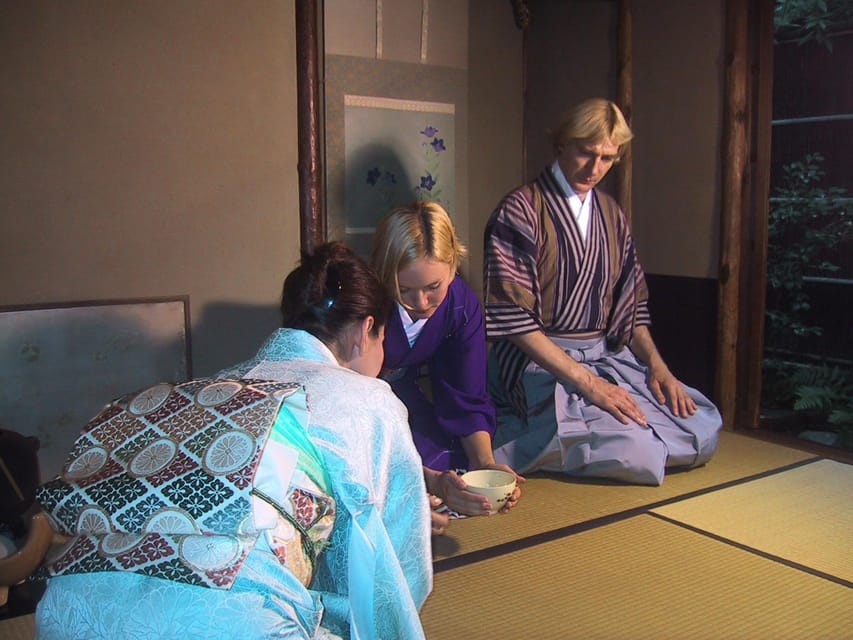
The kimono part is usually your first wow moment. You start in a dressing room where the team helps you choose and fit an authentic kimono. The fitting is quick, fast enough that you’re not stuck waiting around forever, but detailed enough that you’re dressed properly for the tea ceremony and house walk.
A few key rules you should treat seriously:
- Socks are required, and you should bring your own.
- Bare feet are not allowed.
- Avoid clothes that are too tight around the neck, since it affects the way the kimono sits.
- If your T-shirt is wet, staff can’t help you dress. Bring a dry shirt or change.
In one session, guests noted that taller people sometimes receive solid-color kimonos rather than the printed styles that shorter guests may be wearing. That’s not something you can fully control, but it’s good to know so you can set expectations. The kimono experience is still the point, and silk is the big win here, but the exact pattern can vary by your fit and availability.
Also worth noting: hair styling and makeup are not included. If you want a more finished look, plan your hair and any makeup before you arrive. In Kyoto, I like to treat this like a mini photo shoot prep, not like a last-minute problem you want to solve on-site.
Walk the old streets in kimono
- Kimono Tea Ceremony at Kyoto Maikoya, NISHIKI
★ 5.0 · 911 reviews - Kyoto: Kimono Rental with Hairstyling and Accessories
★ 4.8 · 653 reviews - Kyoto: Kimono Tea Ceremony at Orizuruya Gion
★ 4.9 · 618 reviews - KYOTO Tea Ceremony with kimono near by Imamiya Jinjya Shrine
★ 5.0 · 343 reviews
A tea ceremony performed in a real townhouse, not a stage
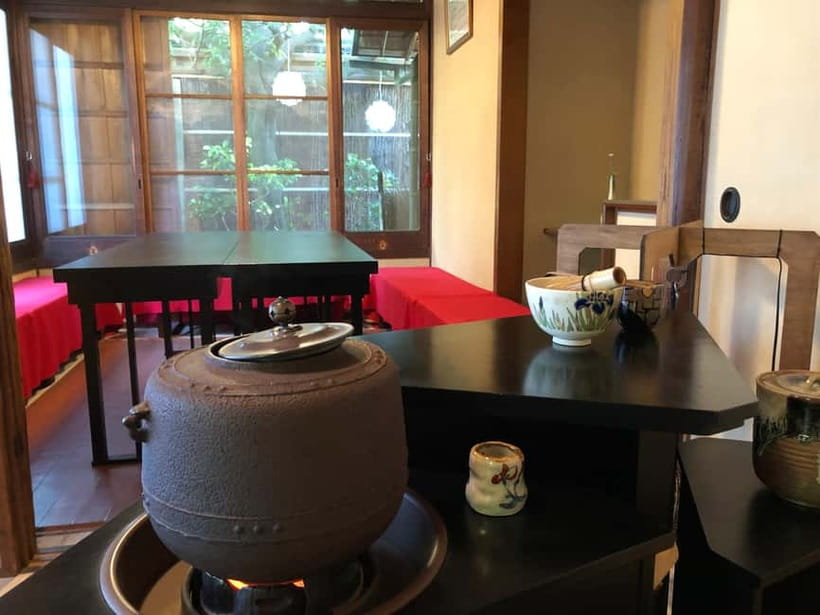
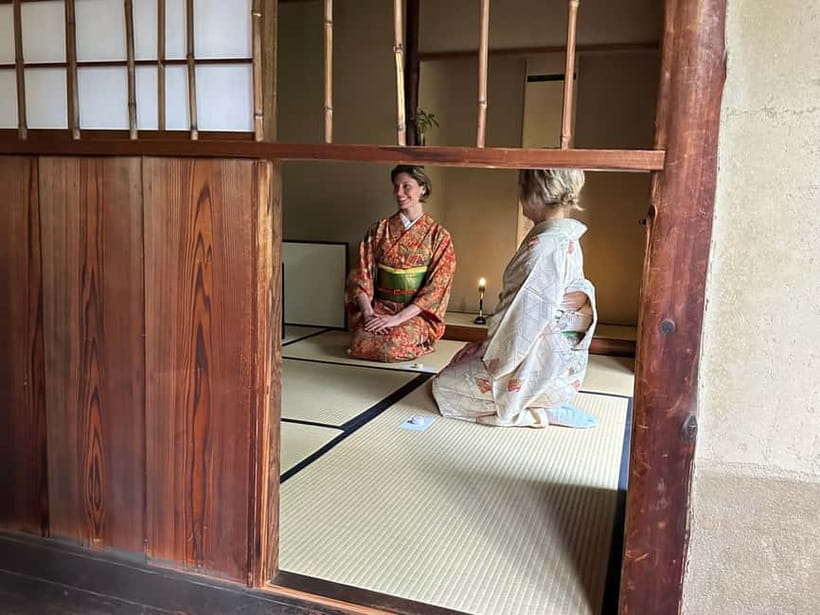
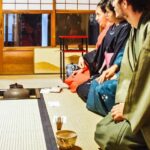
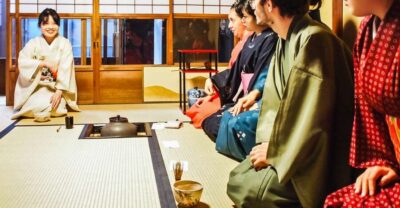
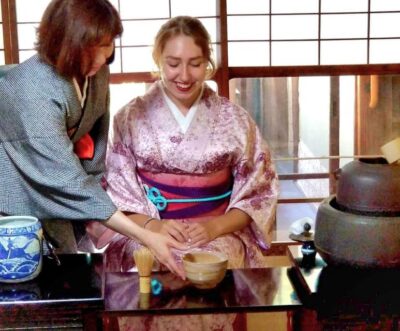
After you’re dressed, you shift into the tea ceremony portion. This is where the experience turns quiet and focused. You watch the ceremony performed by a seasoned tea master, and you learn what’s happening and why.
You won’t just sip matcha and be done. The team explains the flow of the ceremony in clear steps, and they help connect actions to meaning. Even if your Japanese is limited, the explanations are designed to make the ritual understandable. If English support is limited in your group, a translation device may be used when necessary.
One comfort detail you should plan for: you may sit on the floor. Some sessions have a few small chairs available, but not always. If you know your knees and ankles get cranky, wear something flexible and be ready to adjust your posture during the ceremony.
The tea itself is typically served during the ceremony. In past visits, people describe the tea and the moment as calm and satisfying, not just a check-the-box cultural activity. The best part is that the ceremony is held inside the machiya, so the quiet feels tied to the house, not separated from it.
House tour plus photo time: how to get great shots without being rude
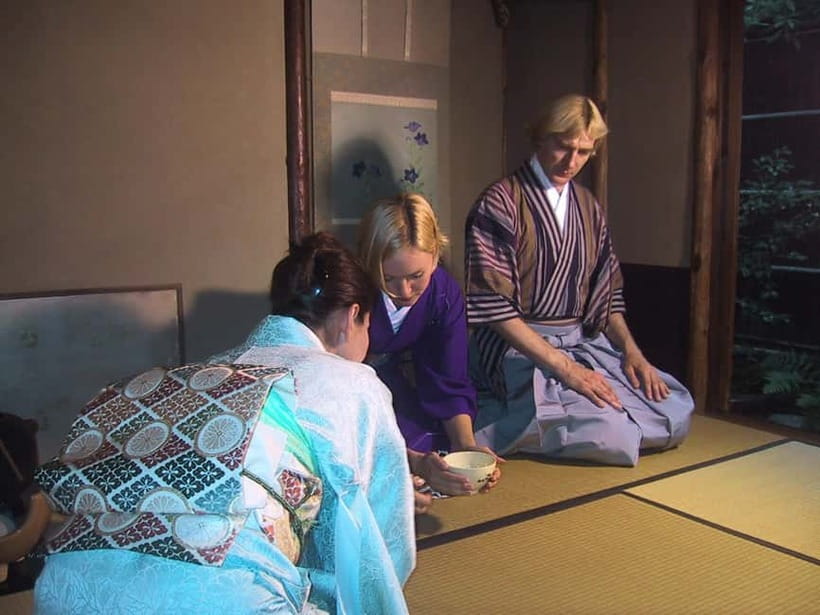
You get time to take photos in traditional Kyoto settings. The rooms and the calm interior background create photos that don’t look like generic tour backdrops. Staff are also helpful about capturing pictures, and in some sessions they step in to take photos for you.
But here’s the practical etiquette piece that will make or break your experience. A tea ceremony is supposed to be mindful. If you keep your phone out, whisper loudly, or treat the moment like a nightclub, you’ll feel the tension immediately. Not because staff are strict, but because the ceremony depends on quiet attention.
One tip that comes directly from real on-site rules: pictures are not allowed while dressing or while putting on and taking off the kimono. That means your best photo windows usually come when you’re fully dressed and settled in the house. If you want the classic kimono photo, arrive ready to move quickly and follow the staff’s timing.
If your priority is photos, plan to keep your own camera ready, but stay respectful. You’ll get plenty of chances, just not at every second.
Group pacing: when “authentic” meets “crowded”
This activity can be run with other participants. That’s the reality of Kyoto experiences, especially ones tied to a small historic building. When the group is large, you may find the house feels busy at times, and you could notice more waiting during parts of the program.
The good news is that the flow is designed to keep everyone moving: dressing happens in an organized way, and the tea ceremony has a structured schedule. The less-good news is that you cannot expect full privacy unless you choose the private option.
If you want this to feel like you’re visiting quietly with a host, choose the private setting. You’ll likely have a calmer pace, more room for questions, and fewer moments where you feel squeezed between other people taking photos.
Language can also affect how “relaxed” the experience feels. Not every staff member speaks English fluently. Many teams do their best, and translation devices may be used. I’d still plan on the possibility that you may get more out of the experience if you go in with a basic interest in tea rituals and Kyoto traditions, even if your questions are simple.
What’s included in the $222, and how to judge the value
The price is $222 per person, and you should judge it by what you actually receive, not by what you might get elsewhere.
Here’s what’s included:
- Entrance fee
- Kimono dressing
- Tea ceremony
What’s not included:
- Socks (you bring your own)
- Hair styling and make up
So you’re paying for three big-ticket parts: access to a nationally registered cultural property, professional kimono dressing with silk garments, and a tea ceremony guided by a tea master. This isn’t a quick souvenir stop. It’s a full cultural experience that uses trained hosts and a protected historic space.
Is it expensive compared to a basic walking tour? Yes. But if you want a real kimono moment in a real machiya, and you want the tea ritual explained, the value makes sense. Several guests basically say the same thing in different ways: it costs a bit more than they expected, but the photos, the dressing experience, and the ceremony are what they remember.
One thing to consider before you book: if you’re mainly after photos, there are cheaper ways to get pretty Kyoto shots. If you want the full experience, including the etiquette and the tea ritual, then the price starts to look fair.
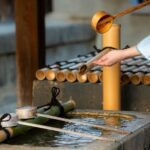
More bowls, poured the traditional way
Practical tips so the experience feels smooth
A few small prep steps can make a big difference.
Bring the right socks. The rules specifically say socks, and you should avoid stockings. You’re also not allowed bare feet, so don’t plan to wear just sandals without socks.
Wear something easy under a kimono. The kimono fit depends on your clothing being not too tight at the neck. A loose crew-neck shirt is usually a better match than something with a tight collar.
Plan for floor sitting. If you get stiff in a short time, bring a little flexibility with your outfit and be mentally ready for a seated-on-floor moment.
Don’t show up in a wet top. If your shirt is wet, the team can’t help you dress. Kyoto weather changes fast, so bring a dry option.
Get to the meeting point ready. You meet at Tondaya – Nishijin Japanese Cultural Experience Museum, 697 Ishiyakushichō, Kamigyo Ward, Kyoto. Some locations can be tricky for taxis, so I recommend planning your last stretch carefully and giving yourself a buffer for arrival.
If you’re running late, the schedule can feel tight. The experience is structured, and you really do want to start on time.
Who should book this Kyoto kimono and tea ceremony
This experience is a strong fit if you want:
- A kimono dressing moment that is guided and done in a historic setting
- A traditional tea ceremony you can follow along with
- A Kyoto activity that is calmer than a busy temple run
- Photo opportunities that look like old Japan, not like a theme park set
It’s also a good choice if you learn best by doing. You’ll see the house, get dressed, watch the ceremony, and then understand the steps through explanation.
It might be less ideal if:
- You want full solitude and no group energy
- You expect detailed garment education about every kimono feature in an extended lecture format
- You need very strong English interpretation throughout every step
A quick way to tailor it: book private if quiet matters most. Book group if you’re flexible and okay with some shared timing.
Should you book the Tondaya kimono and tea ceremony?
Yes, you should book it if you want a Kyoto experience that uses the real thing: a 140-year-old machiya, silk kimono dressing, and a tea ceremony taught step by step inside the townhouse. The value is strongest when you treat it as an arts-and-etiquette session, not just a photo stop.
Don’t book it if you’re sensitive to crowds in small spaces or you need constant English detail. In that case, choosing the private option is your best lever, plus arriving prepared with the right socks and clothing rules.
If your goal is to leave Kyoto with a memory that feels grounded in real daily culture, not just scenery, this is one of the better ways to do it.
FAQ
How long does the Kyoto kimono and tea ceremony experience last?
The duration is listed as 90 minutes to 4 hours, depending on the session timing and flow.
Is this experience private or shared with other participants?
It can be a group experience with other participants. If you prefer a more private setting, you can select the private experience option.
What is included in the price?
The included items are the entrance fee, the tea ceremony, and kimono dressing.
What should I bring, and are bare feet allowed?
You must bring socks, and bare feet are not allowed. The experience rules also ask you to avoid stockings.
What should I wear for the kimono fitting?
Wear clothes that are not too tight around the neck so the kimono can be worn properly. If your T-shirt is wet, the staff cannot assist you in dressing while it is wet.
Do the hosts speak English?
The instructor language support is listed as English and Japanese. The information also notes that not all staff may speak English fluently, and a translation device may be used when necessary.
Can I get a refund if my plans change?
Yes. The experience offers free cancellation up to 24 hours in advance for a full refund.
New This Season
- Koyasan Day Trip by Private Car from Kyoto
- Old Port Town and Ultimate Sake Tasting Private Tour From Kyoto
- Kyoto’s Timeless Charm: 3hr Exploration of History and Peace
- Kyoto: 5 Types of Sushi Making
- Sacred Peak & Ancient Paths: Kurama-Kibune Hiking Experience
- Kyoto: Exclusive ZEN practice at Manpukuji temple in Uji
- Kyoto: Private Seasonal Aroma Yoga Class
- Traversing Kyoto’s Scenic West – Arashiyama to Kinkakuji
Tea Ceremonies, compared.
Tea Ceremony in a Traditional Tea House in Kiyomizu
Read our review →
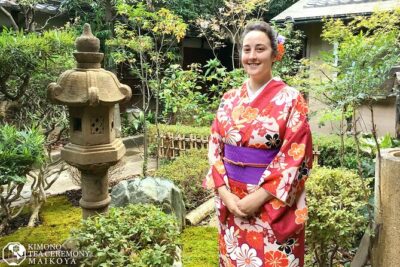
Kimono Tea Ceremony at Kyoto Maikoya, NISHIKI
Read our review →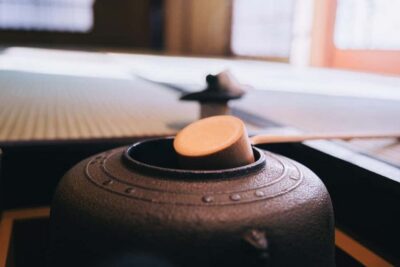
Tea Ceremony in 100-year-old Kyo-Machiya Townhouse
Read our review →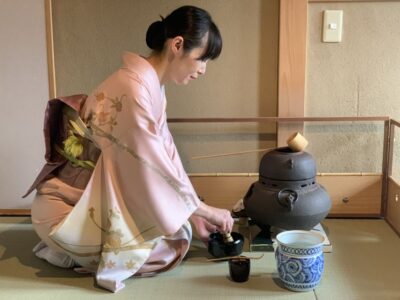
Also filed under