Reviewed · TEA CEREMONIES
KYOTO Tea Ceremony with kimono near by Imamiya Jinjya Shrine
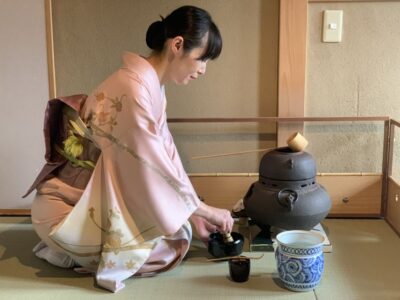
A kimono changes how you see Kyoto. I love the kimono dressing with hair set and helpful staff, because it turns tea time into a real cultural moment, not a quick photo stop. I also love that you get to brew your own cup, guided step by step after watching a tea master.
There is one practical consideration. The ceremony space is described as a bit old, and it is a traditional tea room that has been used for three generations, so it may feel less cushy than modern venues. On the plus side, the group stays small (max 12), which helps you actually learn the manners and not just rush through the ritual.
In This Review
- Key Things That Make This Kyoto Tea Ceremony Worth Your Time
- A Kimono Tea Ceremony Near Imamiya Jinja and Daitoku-ji
- Arriving at Caren, Picking Your Kimono, and Getting Your Hair Set
- Tea Room Atmosphere: Old-World Calm in a Space Used for Three Generations
- Tea Master Demonstration and Etiquette Lessons You Can Actually Use
- Your Turn at Brewing Matcha: The Part That Makes It Stick
- Why the $99.49 Price Feels Fair for What You Get in 1.5 Hours
- Practical Tips That Make the Kimono Day Go Smoothly
- Who This Tea Ceremony Suits Best
- Should You Book This Kyoto Tea Ceremony With Kimono?
- FAQ
- How long is the Kyoto tea ceremony experience?
- Where does the tour start?
- Is this a small group activity?
- Do you help with putting on the kimono?
- Will I get to learn and brew my own tea?
- What is included in the price?
- Is transportation included?
- What is the cancellation policy?
- What kind of ticket do I receive?
Key Things That Make This Kyoto Tea Ceremony Worth Your Time
- Authentic kimono dressing with assistance and time for a simple photo shoot
- Nishijin, Kyoto kimono selection, so you can pick colors and patterns you truly like
- A tea master with 30 years of study, plus clear commentary on the ceremony
- Japanese etiquette lessons, not just tea tasting for show
- You brew your own tea after watching the demonstration
- Small group size (max 12) for a more personal pace
A Kimono Tea Ceremony Near Imamiya Jinja and Daitoku-ji
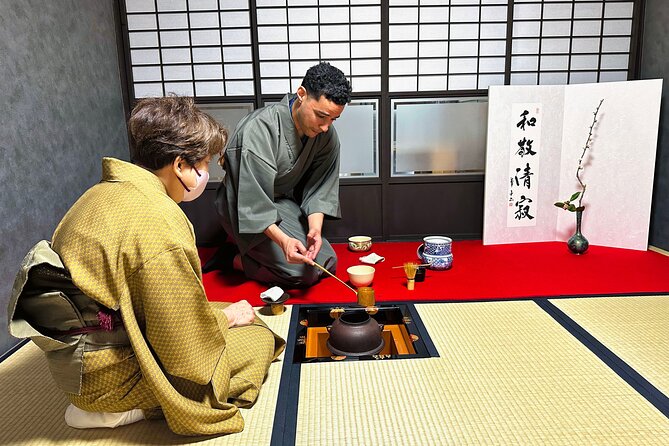
Kyoto is full of temples, alleyways, and photo angles. This experience adds one more layer that you can actually feel in your day. You start in a kimono, then move into the quiet rhythm of a tea ceremony focused on manners, history, and hands-on practice.
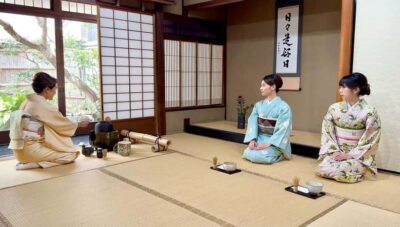
The setting matters. The tea room is located near Daitoku-ji, a place tied to Japanese tea culture. And since the experience is also connected to the Imamiya Jinjya Shrine area, you get that Kyoto sense of place, calm and old-school, not just a studio look. The tea room has been used for three generations, so the space itself feels like part of the ritual, even if it is not brand new.
The biggest payoff is that you are not only watching. You are learning what the steps mean and how to handle yourself during the ceremony. And that makes it easier to appreciate why tea in Japan is treated as more than a drink.
Arriving at Caren, Picking Your Kimono, and Getting Your Hair Set
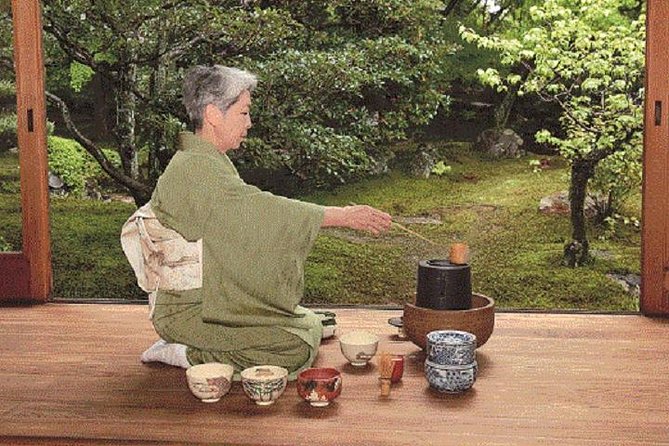
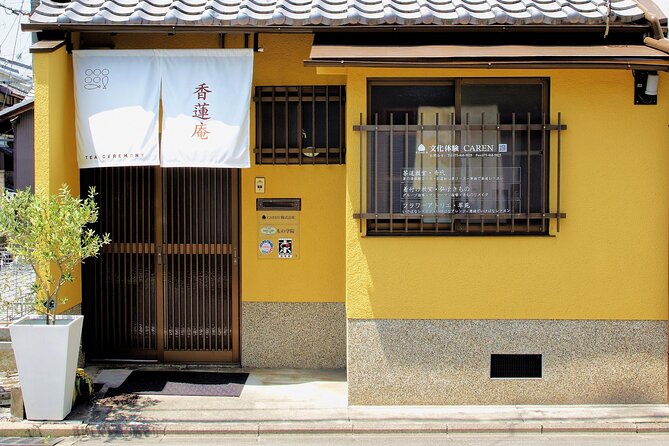
Your session starts at Tea Ceremony – Caren, 74-4 Murasakino Daitokujicho, Kita Ward, Kyoto. From there, the team takes you through the full get-ready process. The experience is built around choosing a kimono that fits your taste, not forcing one outfit on everyone.
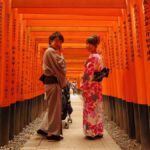
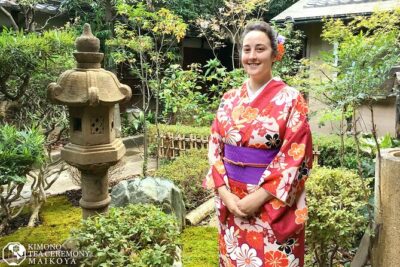
First, you pick from a kimono collection in Nishijin (Kyoto is famous for Nishijin textiles). You can choose by color and pattern, and the guide also talks about what different patterns represent. That small detail matters more than it sounds. Instead of wearing something that looks pretty, you understand what you are wearing and why people historically paid attention to those motifs.
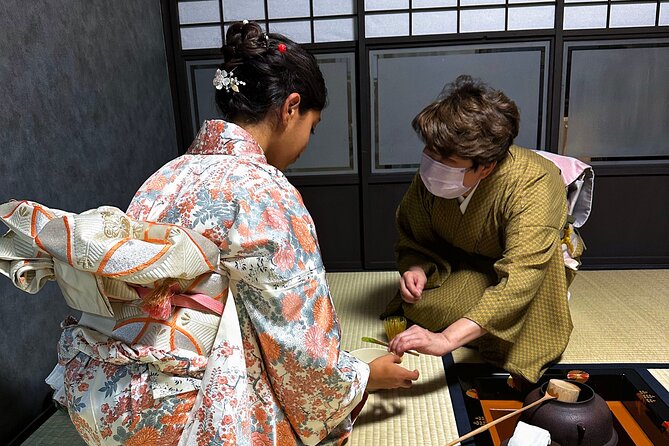
Next comes hair preparation. You are told you will have your hair set before putting on the kimono, and staff help with the multi-layer dressing process. Several reviews mention how carefully the team handles the complicated structure of kimono dressing, which makes the whole thing feel like an art form, not a quick costume change.
Then you get a simple photo shoot. The staff helps with posing and takes photos, so you do not have to “perform” your own camera work while wearing a kimono that is not meant for fast running around. If you go in thinking this is going to be a serious, slightly formal moment, you will enjoy it more.
Walk the old streets in kimono
- Kimono Tea Ceremony at Kyoto Maikoya, NISHIKI
★ 5.0 · 911 reviews - Kyoto: Kimono Rental with Hairstyling and Accessories
★ 4.8 · 653 reviews - Kyoto: Kimono Tea Ceremony at Orizuruya Gion
★ 4.9 · 618 reviews - Kyoto: Kimono and Tea Ceremony Experience at Cultural Asset
★ 4.3 · 306 reviews
Tea Room Atmosphere: Old-World Calm in a Space Used for Three Generations
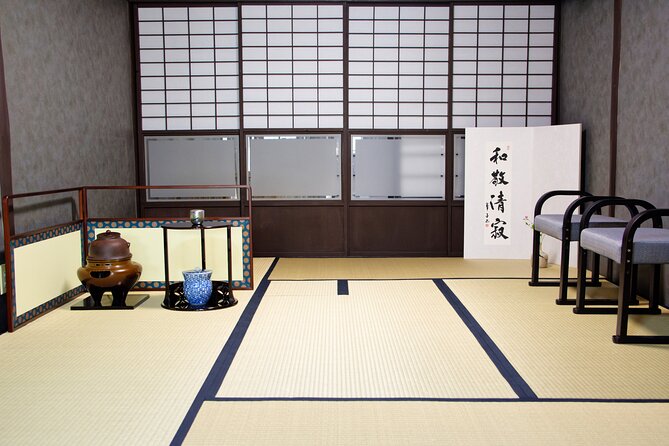
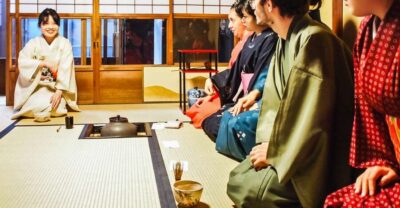
After dressing, the ceremony happens in a tea room used for three generations. That means you should expect a traditional feel. It may be a little older in style, and it is not built like a modern showroom with perfect lighting and comfy chairs.
But do not think of “old” as a problem. Think of it as context. The ceremony is meant to slow you down. When the space has a long history of use, the ritual feels more grounded. And reviews emphasize that the staff works to ease any trip fatigue, which helps a lot if you have been walking Kyoto all morning.
The tea room is also described as being near Daitoku-ji, so you are stepping into a Kyoto zone where tea culture is part of the background. Even if you have never studied Japanese traditions before, the pace of the room cues your body to participate more quietly.
You are also offered seasonal sweets with your cup of tea. That matters because tea ceremonies are sensory, not just educational. The sweets and tea together are part of the balance, sweetness against bitterness, stillness against taste.
In other words, this is not just a class. It is a short, guided experience designed to feel like you are inside the tradition, for about 90 minutes.
Tea Master Demonstration and Etiquette Lessons You Can Actually Use
The ceremony includes a professional tea master who has studied tea ceremonies for 30 years. You watch them prepare tea first. That part is key, because it gives you the right rhythm before you try anything yourself.
During the session, your guide provides commentary on:
- The history and meaning behind tea ceremonies
- Japanese manners used during the ritual
- How kimono patterns connect to the culture and aesthetics of the moment
I like this structure because it keeps your brain engaged while you slow your body down. Tea ceremonies can seem abstract at first. But when someone explains why each movement matters, it becomes easier to follow and easier to remember.
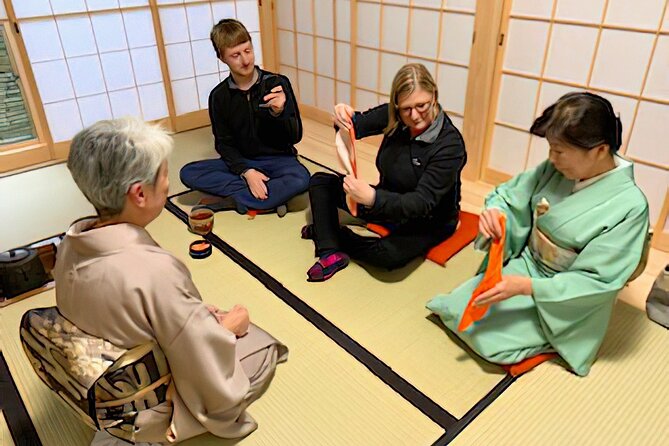
You also learn about etiquette during the ceremony. Even if you are not a “rules person,” you will appreciate having guidance. Small details like when to pause, how to receive or handle items, and how to keep your movements calm and controlled are the difference between watching a show and participating in a tradition.
Some sessions are also described as having a translator or interpreter who supports the experience and answers questions. Reviews mention staff members such as Akira supporting interpretation and photos, which is useful if you want more than basic explanations.
You are in good hands, and the pace is designed so you can absorb it, not just survive it.
Your Turn at Brewing Matcha: The Part That Makes It Stick
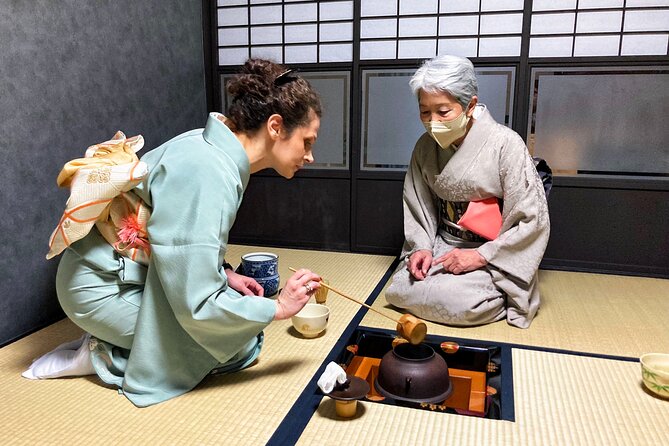
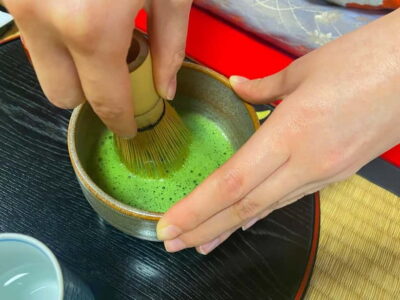
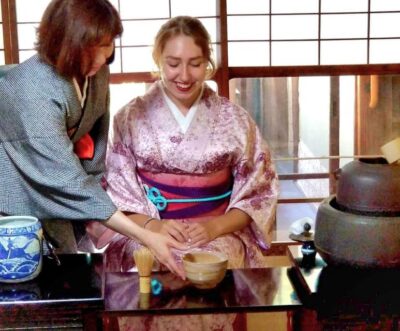
Here is where the experience goes from pretty to memorable. After you sip a cup, you get the chance to prepare your own tea.
You watch the demonstration, you learn the etiquette, then you do it. That hands-on moment is what turns tea ceremony into a skill you carry home, at least in your memory. You learn how the steps fit together and what it feels like to follow the flow.
If you worry that you will be awkward, you are not alone. In fact, reviews specifically mention people feeling a little uncertain at first, then enjoying the process once they realized they were doing it the right way, with support. The staff tone tends to be encouraging, and the group stays small enough that you are not anonymous.
You’ll also get time to ask questions, and the experience includes commentary that ties the ceremony to history and everyday manners in Japan. That helps the details make sense. Instead of thinking, “Why are we doing this?” you start thinking, “Oh, that is the point.”
And yes, the matcha moment is delicious. Tea is the main event here, and the sweets plus matcha pairing helps you taste the contrast that the ceremony is built around.
Why the $99.49 Price Feels Fair for What You Get in 1.5 Hours
At $99.49 per person, this is not the cheapest thing you can do in Kyoto. But it is also not overpriced when you break down the value.
You are paying for:
- Kimono use plus hands-on assistance putting it on
- Hair set before dressing
- A small-group tea ceremony (max 12)
- A professional instructor and a tea master with decades of practice
- Seasonal sweets with your tea
- The opportunity to prepare your own cup
- Guided history and etiquette coaching
- Photo support so you leave with more than blurry street shots
Kimono dressing alone can cost a lot in Kyoto, and this package adds the tea master and the etiquette lesson in the same window. The duration is about 1 hour 30 minutes, so you are not giving up half a day. For many people, it lands in the sweet spot of “worth doing, not too exhausting.”
It also pays off because it is built to feel structured. You do not have to figure out where to go, how to behave, or what to ask. Someone handles the flow, and you focus on participating.
More rooftops worth a detour

Practical Tips That Make the Kimono Day Go Smoothly
A kimono is beautiful, but it is not activewear. You can still have an easy time, as long as you plan a bit.
Before you go, consider these practical moves:
- Wear clothing you can change out of without drama. You will be dressed by staff, but you still want to remove your everyday clothes comfortably.
- Choose a kimono color and pattern that you feel good in right away. Reviews mention that the team moves efficiently, so if you have an idea, you will waste less time.
- Go in ready for photos. The staff sets up a simple photo shoot and helps you pose, so take a minute to settle into the moment instead of rushing.
- Expect a traditional tea room feel. It is described as a bit old and used for three generations, so dress for comfort.
- Keep an eye on weather. The experience requires good weather, and if it is canceled due to poor weather, you are offered another date or a full refund.
Also, the tour uses a mobile ticket and is near public transportation. That is helpful. You can build it into your Kyoto day without needing private transit.
Who This Tea Ceremony Suits Best
This is a strong fit if you want something more than sightseeing.
It is especially good for:
- First-timers who have never done a tea ceremony and want clear guidance
- People who want the cultural “full outfit” experience, not just a tasting
- Couples, because kimono photos and the quiet ritual feel romantic in a low-key way
- Families, including teenagers, since reviews mention teenage boys enjoying it once they realized it was not just a costume thing
- Solo travelers, because the small group size still gives you support while you learn and participate
If you hate structured activities, you might find the pace a little formal. But if you like learning by doing, this one makes sense.
Should You Book This Kyoto Tea Ceremony With Kimono?
I think you should book it if you want a Kyoto memory that is more personal than a temple selfie. The kimono dressing, hair set, tea master demonstration, and your chance to brew your own tea combine into a complete experience in about 90 minutes. The small group size also helps it feel calm and guided.
I would skip it only if:
- You dislike wearing traditional clothing for any reason
- You want a fully modern, cushy venue with zero traditional atmosphere
- You cannot handle the reality that the experience depends on good weather
If none of those apply, this is one of the best “do it once” cultural activities in Kyoto, because it teaches you etiquette and gives you a practical way to understand what tea ceremonies are trying to create.
FAQ
How long is the Kyoto tea ceremony experience?
The experience lasts about 1 hour 30 minutes.
Where does the tour start?
It starts at Tea Ceremony – Caren, 74-4 Murasakino Daitokujicho, Kita Ward, Kyoto, 603-8231, Japan.
Is this a small group activity?
Yes. The maximum group size is 12 travelers.
Do you help with putting on the kimono?
Yes. You get assistance putting on an authentic kimono, and you also have your hair set before dressing.
Will I get to learn and brew my own tea?
Yes. After watching the tea master, you get the chance to prepare your own cup of Japanese tea.
What is included in the price?
Coffee and/or tea and a professional instructor are included. Seasonal sweets are also part of the ceremony.
Is transportation included?
No. Private transportation is not included.
What is the cancellation policy?
Free cancellation is available. You can cancel up to 24 hours in advance for a full refund. If you cancel less than 24 hours before the start time, the amount paid is not refunded.
What kind of ticket do I receive?
You receive a mobile ticket.
Traditional Tea Ceremonies
New This Season
- Koyasan Day Trip by Private Car from Kyoto
- Old Port Town and Ultimate Sake Tasting Private Tour From Kyoto
- Kyoto’s Timeless Charm: 3hr Exploration of History and Peace
- Kyoto: 5 Types of Sushi Making
- Sacred Peak & Ancient Paths: Kurama-Kibune Hiking Experience
- Kyoto: Exclusive ZEN practice at Manpukuji temple in Uji
- Kyoto: Private Seasonal Aroma Yoga Class
- Traversing Kyoto’s Scenic West – Arashiyama to Kinkakuji
Tea Ceremonies, compared.
Tea Ceremony in a Traditional Tea House in Kiyomizu
Read our review →
Kimono Tea Ceremony at Kyoto Maikoya, NISHIKI
Read our review →
Tea Ceremony in 100-year-old Kyo-Machiya Townhouse
Read our review →