
Reviewed · SAMURAI TRAINING EXPERIENCES
Kyoto 2 Hours Genuine Kendo / Samurai Experience In Japan
Bamboo sword practice in Kyoto, for real. This 2 hour kendo lesson blends basics, etiquette, and a proper gear setup, taught clearly by instructor Takahiro Hayashi. I love that your equipment rental comes with everything you need, plus you get a towel and bottled water so you are not scrambling afterward. One thing to plan for, there is no hotel pickup, and the armor can feel hot during training.
Meeting is at Hanazono Station and it is an easy start near public transportation, with a short walk to the dojo. The group stays reasonable (up to 30), which helps beginners feel comfortable as you learn the rhythm of bows, rules, footwork, and controlled practice.
In This Review
- Key things that make this kendo experience worth your time
- Meeting at Hanazono Station, then straight into training
- The real point of kendo, manners and spirit, not just swings
- Your armor setup: why included gear makes the experience easier
- How the lesson flows in 2 hours, from basics to paired practice
- Bowing, terminology, and etiquette you can actually use
- The sparring moments that make it feel authentic
- Price and value: what $118.89 includes, and what you save
- Who this Kyoto kendo class suits best
- Practical tips so you enjoy every minute
- Should you book this kendo experience in Kyoto?
- FAQ
- Where is the meeting point?
- What time does the session start?
- How long is the kendo experience?
- Is the equipment rental included?
- Do I get a towel and water?
- Is hotel pickup or drop-off included?
- Is food included?
- How much physical fitness do I need?
- What is the cancellation window?
Key things that make this kendo experience worth your time
- English friendly teaching with clear step-by-step guidance, so you are not lost in martial arts terms
- Full armor and gear included, which means you can focus on learning instead of renting separately
- Etiquette plus technique, including bowing, terminology, and manners in the flow of training
- A practical progression, from basics to weapons on practice setups, then pairing up
- Friendly sparring moments, where you actually get to test what you learned in a safe way
- Practical add-ons like a kendo towel and bottled water to help you finish strong
Meeting at Hanazono Station, then straight into training
Your day starts simply: you meet at Hanazono Station at 10:00 am, then your guide meets you there and takes you to the dojo. There is no hotel pickup, so you will want to plan your route the night before and arrive a bit early. Once you are there, the session moves fast in the best way, you are not stuck waiting around while everyone gets ready.
One practical plus for visitors: the meeting point is near public transportation. If you are hopping around Kyoto by train, this kind of start time and location can fit nicely into a morning schedule. The whole activity runs about 2 hours, and it ends back at the meeting point.
The other thing I like is that this feels built for real beginners. Kendo can look intimidating, with armor that covers everything and bamboo swords that seem like they could hurt. Here, the pacing is aimed at first timers, with safe guidance and a clear plan for what you do next.
The real point of kendo, manners and spirit, not just swings
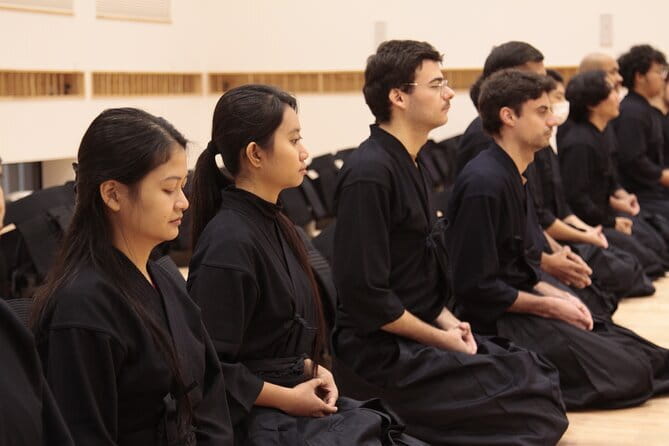
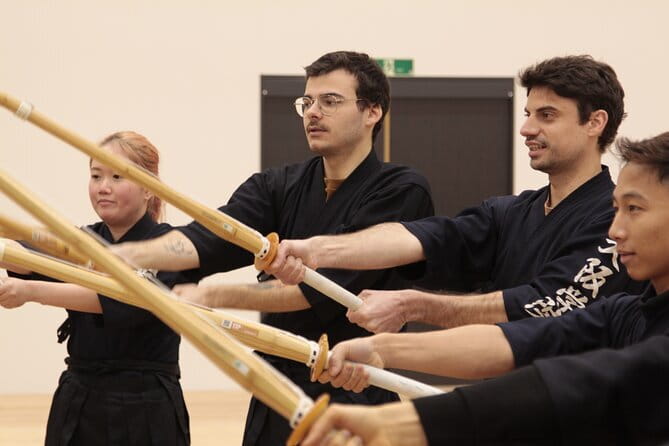
This is a kendo lesson, but it is not only about learning to hit someone with a shinai. The training focuses on the ideas kendo is famous for, unifying your spirit, practicing manners, and aiming for lifelong kendo. That sounds poetic, but you will feel it in the small things.
You will practice bowing as part of the way you start and finish, and you will learn core terminology that keeps everyone on the same page. Even if you only remember a few terms after the session, the effect is noticeable: you stop treating the class like random workouts and start treating it like a structured martial art with rules.
It also helps that you learn the basics of how kendo armor is used. This matters because kendo etiquette and safety go together. When you understand why the gear is worn the way it is, you feel less like you are playing dress-up and more like you are participating in something with a real code.
And yes, there is technique too. You will work on footwork, and you will gradually handle practice weapons in a way that builds confidence rather than fear.
Pick up a sword for an afternoon
- Kyoto Samurai Experience
★ 5.0 · 1,294 reviews - Kyoto: Kendo and Samurai Experience with Uniform and Gear
★ 4.9 · 815 reviews - Kyoto: Samurai Sword Class by Experts in Traditional Arts
★ 4.9 · 657 reviews - Skip the lines Basic Ticket at SAMURAI NINJA MUSEUM KYOTO
★ 4.5 · 632 reviews
Your armor setup: why included gear makes the experience easier
One of the biggest value wins is that the equipment rental is included. That means you do not have to worry about getting the right size, finding a shop, or paying extra for rentals. In Kyoto, that kind of hassle avoidance is worth real money and real time.
You will also get a towel and bottled water. That sounds small, but it changes how you experience the session. Kendo armor can be hot, especially when you are new and working harder than you expected. Having something to dry off with afterward makes the end of the class feel smoother, not chaotic.
A tip I recommend anyway: if you tend to sweat a lot, bring a small extra towel from home. The experience includes a towel, but your own backup can help if you are the type who gets drenched after warm-ups.
This class also asks for moderate physical fitness. That is not code for you need to be an athlete, but you do need to be comfortable with light exercise and movement while wearing gear. If you have any injury concerns, consider asking ahead, because your instructor will guide you, but the session does involve active practice.
How the lesson flows in 2 hours, from basics to paired practice
The best part of this kendo experience is how it is structured. You do not just get thrown into action. You get a progression that makes sense for first timers.
Here is what the flow generally feels like:
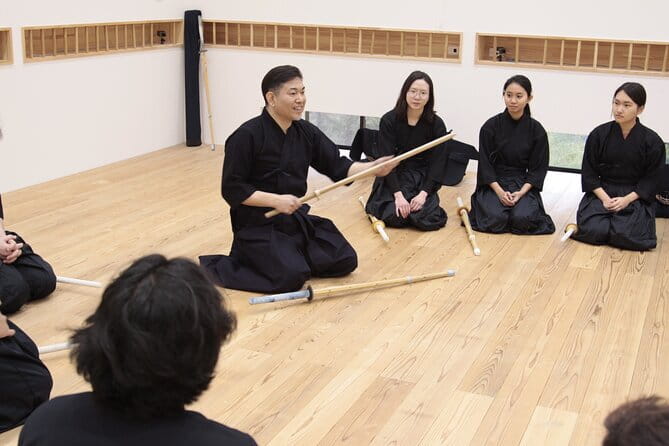
- Warm up and basic movements so your body learns the posture and timing
- Rules and etiquette, including how to bow and follow instructions
- Footwork practice so you can move in the stance before any sparring
- Weapons practice on a dummy or training setup
- Then pairing up for controlled practice, with a chance to work through scenarios safely
In multiple sessions, the same theme shows up: the instructor breaks things down so you can follow even if you are new to Japanese martial arts. That is a big deal in Kyoto, where you might run into plenty of traditional activities led in Japanese with no English translation. Here, the instructor has experience teaching in English, which helps you actually understand what you are doing and why.
The lesson also includes history and the bigger meaning behind kendo, so you are not only memorizing motions. The training covers what kendo represents as a lifelong practice, and it ties technique back to discipline and respect.
If you want a clear checklist for what you will learn, think: how to wear and move in armor, how the session works, what the rules feel like in practice, and how to approach friendly sparring without losing control.
Bowing, terminology, and etiquette you can actually use
Kendo etiquette can sound formal, almost like a performance you watch rather than join. In this class, it is practical. You will bow during practice, and you will learn terminology that helps you understand instructions in the moment.
That matters more than you might expect. When you know what the terms mean, the training feels less like random commands and more like a conversation you understand. Even if you only catch a handful of words, you will likely notice that the instructor uses the same signals consistently.
Also, etiquette is part of safety. When everyone follows manners, the distance control and timing tend to improve automatically. So even when you are doing something physical and fun, you are doing it in a respectful, disciplined way.
The sparring moments that make it feel authentic
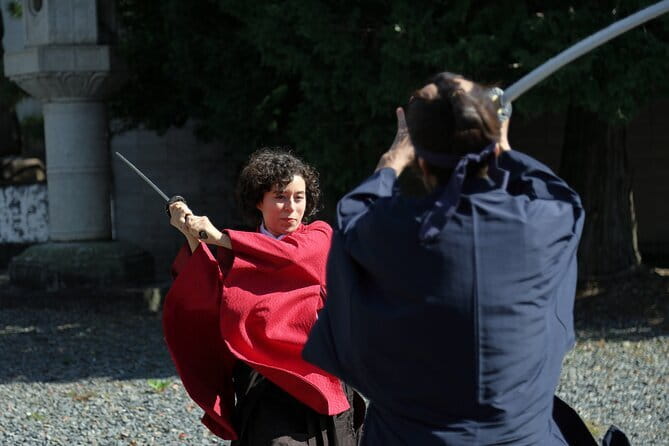
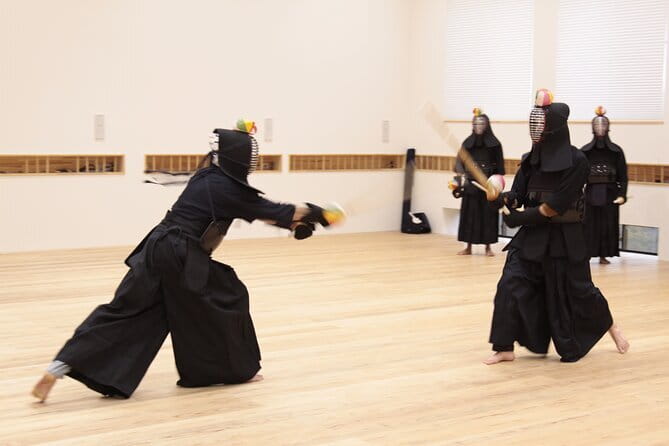
This is not just a theory class. At some point, you get the chance to practice with others, and you may even go one-on-one in a controlled way. That is where kendo stops being a lesson and becomes an experience.
The sparring setup is designed to feel safe and manageable, even for beginners. You are not expected to be a champion. You are expected to pay attention, follow the rules, and try what you learned with guidance.
What makes it memorable is how real the rhythm feels. You hear the focus in people’s movement, you learn how stance and timing matter, and you realize how much discipline goes into controlled contact. For a lot of first timers, the moment you face your partner or teacher is also the moment you understand what kendo training is really for.
It also helps that the class stays on the smaller side in practice. Even though the maximum is 30, the energy tends to be interactive, and the instructor can respond to what you are doing.
If you want to take home more than photos, aim to remember one thing from the sparring portion: control your steps and stay balanced. That alone will make you better instantly, even if you forget every term.
A quieter way to spend a day in Kyoto
Price and value: what $118.89 includes, and what you save
At $118.89 per person for about 2 hours, this is not the cheapest thing you can do in Kyoto. But the value is strong because you get what most people usually end up paying for separately.
What is included:
- All kendo equipment (so you do not chase rentals)
- A free kendo towel
- Bottled water
What is not included:
- Hotel pickup or drop off
- Food
To judge value, think in terms of friction. If you have to rent armor yourself and then find the right dojo and coordinate timing, your cost goes up and your stress goes up too. This experience removes those headaches. It also gives you an instructor who explains the steps clearly in English, which can be the difference between a fun workout and a confusing afternoon.
So for solo travelers, couples, or families who want an organized start and a clear progression, the price can feel fair. If your goal is only a quick photo opportunity, this might be more effort than you want. But if you like hands-on learning, where you leave with basic skills and real understanding, you are paying for that.
Who this Kyoto kendo class suits best
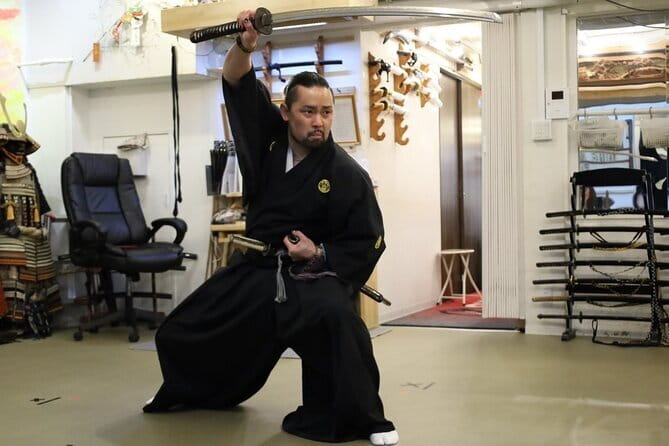
This is a great fit if you:
- Want a genuine Japanese martial arts experience without needing prior knowledge
- Like guided instruction in English
- Prefer an activity with a clear progression and safe structure
- Are okay with moderate physical movement in workout gear
It may not be the best fit if you:
- Hate hot environments or feel uncomfortable in covering armor
- Need hotel pickup
- Are only looking for something super passive
Also, it is ideal as an early trip activity. Many visitors end up using it as a confidence boost, because it is a short, focused introduction to a cultural activity you can build on later in Kyoto.
Practical tips so you enjoy every minute
Here are the simple things that help you have a smooth session.
Plan your arrival
You meet at Hanazono Station and there is a short walk to the dojo. Arrive early enough to find the right meeting spot calmly.
Dress for movement
Wear comfortable clothes under your gear and be ready to move. You will be practicing footwork and drills.
Expect heat
The armor can get hot, especially during warm-ups. The experience provides a towel and water, but if you know you sweat a lot, bring a small extra towel.
Bring hydration sense
Bottled water is included, but also remember that you are doing physical practice. Sip during the break and follow your instructor’s pacing.
Take cues from the instructor
This class is built around rules and etiquette, so watch how your instructor demonstrates bows, spacing, and timing. Those details will make the sparring part easier and safer.
Should you book this kendo experience in Kyoto?
I think you should book this kendo lesson if you want hands-on learning that actually teaches you how kendo works. The included gear is a big deal, the instruction in English makes it understandable, and the progression gives you a satisfying feeling of progress in just 2 hours. If sparring moments are on your wish list, this is one of the better ways to get them without feeling out of your depth.
Skip it only if you need a relaxed, low-movement activity, or if you cannot do a class that includes armor and moderate physical fitness. Also, be honest about logistics: you are meeting at the station, with no hotel pickup.
If you are ready to try something structured, cultural, and genuinely fun, this kendo experience is one of those Kyoto activities that leaves you thinking, I get it now.
FAQ
Where is the meeting point?
You meet at Hanazono Station in Kyoto. The activity ends back at the same meeting point.
What time does the session start?
The session starts at 10:00 am.
How long is the kendo experience?
It lasts about 2 hours.
Is the equipment rental included?
Yes. All kendo equipment is included, so you do not need to rent gear separately.
Do I get a towel and water?
Yes. You receive a free kendo towel and bottled water.
Is hotel pickup or drop-off included?
No. Hotel pickup/drop off is not included.
Is food included?
No. Food is not included.
How much physical fitness do I need?
You should have a moderate physical fitness level since you will be moving and practicing during the session.
What is the cancellation window?
You can cancel for a full refund if you cancel up to 24 hours in advance of the experience start time.
New This Season
- Koyasan Day Trip by Private Car from Kyoto
- Old Port Town and Ultimate Sake Tasting Private Tour From Kyoto
- Kyoto’s Timeless Charm: 3hr Exploration of History and Peace
- Kyoto: 5 Types of Sushi Making
- Sacred Peak & Ancient Paths: Kurama-Kibune Hiking Experience
- Kyoto: Exclusive ZEN practice at Manpukuji temple in Uji
- Kyoto: Private Seasonal Aroma Yoga Class
- Traversing Kyoto’s Scenic West – Arashiyama to Kinkakuji
Samurai Training Experiences, compared.
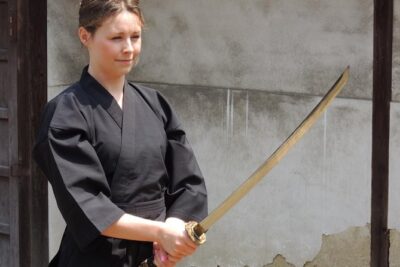
Kendo and Samurai Experience with Uniform and Gear
Read our review →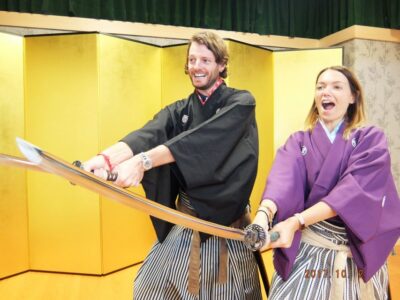
Samurai Sword Class by Experts in Traditional Arts
Read our review →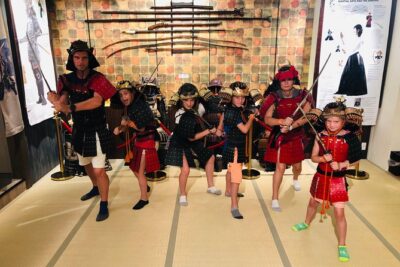
Skip the lines Basic Ticket at SAMURAI NINJA MUSEUM KYOTO
Read our review →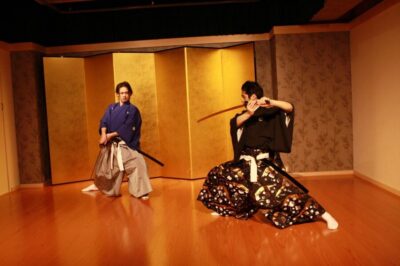
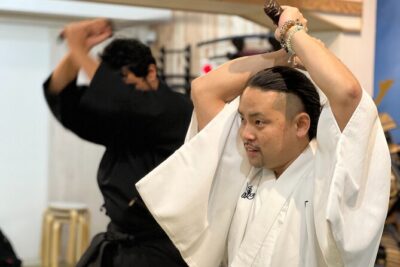
Samurai Training with Modern day Musashi in Kyoto
Read our review →
Private Tea Ceremony and Sake Tasting in Kyoto Samurai House
Read our review →Also filed under