
Reviewed · SAMURAI TRAINING EXPERIENCES
Kyoto Samurai Experience
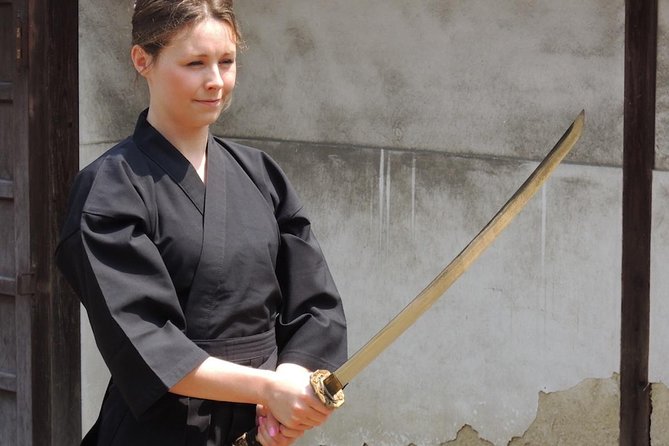
A samurai house lesson is surprisingly human. In Kyoto, this class mixes hands-on sword training, a kimono change, and a Zen pause in a historic setting.
What I like most is the way the session teaches you practical basics with a real martial arts training sword, not just staged poses. I also like that the instructor frames movements with Bushido philosophy, so the techniques feel like they have a reason.
One thing to consider is the location and vibe. The meeting spot is a bit out of the main tourist churn, and the experience can involve athletic movements, so you will want comfortable, grippy shoes and a willingness to focus.
In This Review
- Key takeaways before you go
- A Samurai House in Kyoto, But With Real Training Time
- Meeting at Kyoto Samurai Experience (Waraku) and Getting Dressed
- Kimono, Mindset, and Bushido: More Than Sword Moves
- Swordsmanship Basics: Handling a Martial Arts Training Sword
- Zen Meditation: The Reset at the End of Training
- Small Group Size and Staff Support (Up to 14 People)
- Timing in Kyoto: Morning or Afternoon Choices
- Price and Value: Is $119.38 Worth It?
- Who This Is Best For (And Who Might Skip It)
- Should You Book Kyoto Samurai Experience?
- FAQ
- Where is the meeting point for the Kyoto Samurai Experience?
- How long is the experience?
- Do I get a ticket and how do I receive it?
- Can I choose a morning or afternoon session?
- What should I wear?
- Is there a fitness requirement?
- Are there age rules for children or minors?
- Can I reschedule if something comes up?
- What is the group size limit?
- Is cancellation free?
Key takeaways before you go
- Small group of up to 14 so you actually get time and attention
- Kimono outfit change as part of the cultural immersion
- Swordsmanship basics using a martial arts training sword
- Bushido and Zen so you get both mindset and movement
- Staff support and photos help you remember it without turning it into a photo shoot factory
A Samurai House in Kyoto, But With Real Training Time
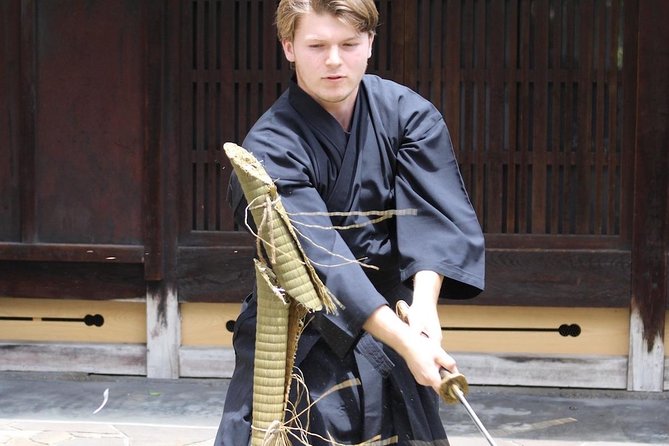
Kyoto has plenty of cool culture stops. This one feels different because you do something physical in a setting built for it. You are at a traditional samurai house, and the staff run the session with a calm, structured pace that makes the whole thing feel more like a lesson than a performance.
The program is built around three pillars. First, you learn how samurai life worked in daily terms, including the culture around dress and discipline. Second, you practice sword basics with guidance from an expert instructor. Third, you finish with Zen meditation, which changes the tempo from action mode to focus mode.
This mix is what makes it worth carving out nearly two hours. You are not just looking at the past, you are borrowing a bit of its rhythm: preparation, training, then stillness.
Meeting at Kyoto Samurai Experience (Waraku) and Getting Dressed
Your session starts at Kyoto Samurai Experience / Waraku, at 111 Inabachō, Nakagyo Ward. The activity ends back at the same place, so you do not need to plan a complicated second hop.
Because it is near public transportation, I recommend you build in a little buffer time. Kyoto directions can be easy, then oddly not easy, depending on what you are using to navigate, so giving yourself cushion helps you show up relaxed, not rushed.
Once you arrive, you meet your guide and group, then you move into the changing area for a traditional kimono. It is part costume, part cultural practice. Even if you have worn kimono before, you will feel how different it is from casual outfits: you will adjust to the feel of the fabric and learn how to move with it while still staying safe for training.
What to wear matters more than you think. You need comfortable clothes and appropriate footwear for an athletic activity, since you will be practicing basic sword movements.
Pick up a sword for an afternoon
- Kyoto: Kendo and Samurai Experience with Uniform and Gear
★ 4.9 · 815 reviews - Kyoto: Samurai Sword Class by Experts in Traditional Arts
★ 4.9 · 657 reviews - Skip the lines Basic Ticket at SAMURAI NINJA MUSEUM KYOTO
★ 4.5 · 632 reviews - Kyoto: Samurai Kenbu Traditional Sword Dancing Show
★ 4.5 · 426 reviews
Kimono, Mindset, and Bushido: More Than Sword Moves
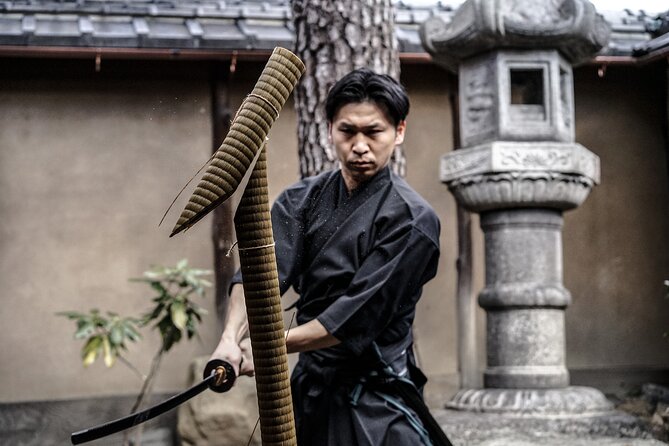
After the kimono, the instructor sets the tone with an explanation of what samurai culture was really about. You will hear about Bushido, the way of the warrior, not as a slogan but as a framework for conduct. The idea is that fighting skill and inner discipline are connected.
This part is valuable because it prevents the session from becoming purely mechanical. When someone tells you to hold a sword a certain way, it is one thing. When they connect that posture and focus to discipline, intention, and control, your movement starts to make sense. That is where a lot of the enjoyment comes from, especially if you like history that connects to real behavior.
You also get context on the space you are in, including the samurai house setting. Even if you do not consider yourself a history nerd, that context gives you something to notice during the training. The room stops being a backdrop, and starts being part of the lesson.
Swordsmanship Basics: Handling a Martial Arts Training Sword
The core action is sword practice. You handle a martial arts training sword, and you practice the kind of fundamentals that help you understand safety, form, and basic technique. The instructor explains what to do, then you try.
There are a few practical reasons this is a smart way to experience samurai training. Real sword arts demand control. A training sword lets you learn body mechanics without the same level of risk you would face with a live blade. So you can focus on posture, distance, and timing instead of panic.
You should also be prepared for the fact that this is athletic. Even with basic drills, your arms and core will work. The activity calls for moderate physical fitness, so if you know you get stiff quickly, plan to stretch a bit before you start.
And yes, you will likely feel a rush when you first get the stance right. That feeling is normal, but keep following instructions. The best moments are the ones where you slow down enough to learn what the movement is doing.
Zen Meditation: The Reset at the End of Training
After the sword portion, you shift into Zen meditation. This is not tacked on as a quick add-on. The timing matters. You have been moving, concentrating, and listening. Then the meditation asks you to settle your body and mind, so the experience changes shape.
Zen works well in a format like this because it helps you process what you just practiced. Sword training is about intention and control. Meditation is about noticing what you feel when you are not controlling anything with motion. Together, they give you a fuller picture of the samurai approach to discipline.
If you are the type who usually finds meditation awkward, treat this as a guided reset, not a performance. Go in with a simple goal: breathe, follow the instructor, and let the stillness do its job.
Small Group Size and Staff Support (Up to 14 People)
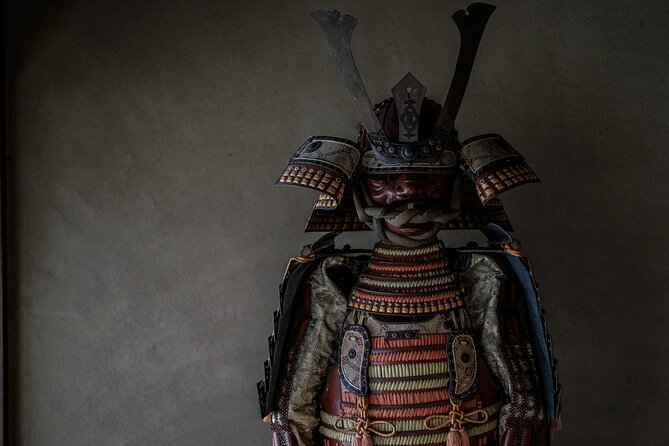
A major value point here is the group size: a maximum of 14 travelers. That tends to mean more attention during sword practice and fewer long waits while others go.
In practice, this matters because sword basics need feedback. You cannot learn by watching alone. The session is hands-on, and a smaller group makes it easier for staff to spot common issues, correct your posture, and keep you safe.
The staff also play a role beyond instruction. Multiple participants highlighted how welcoming and friendly the team felt, with clear structure for the session. If you are traveling solo, that matters because you will not feel like you are guessing what is expected.
Also, keep your expectations realistic about photos and memories. Staff take photos during the experience, which is a nice way to get keepsakes without you constantly stopping to set up your phone.
A day of temples goes further with something to break it up.


Timing in Kyoto: Morning or Afternoon Choices
You can choose a morning or afternoon departure time. For Kyoto, that flexibility is practical because mornings are calmer for getting places, and afternoons can fit better with the rest of your sightseeing.
The session duration is about 1 hour 45 minutes, so it is not a half-day commitment. It is long enough to feel like an actual experience, not just a quick demo.
Weather can affect comfort. Some parts of the training may feel cooler, depending on the day and how the session is run. Bring a layer if you get cold easily. If the session includes outdoor moments, you might find the team takes steps to keep people comfortable, like hot drinks or warmers.
Either way, plan to wear athletic footwear and dress for movement. You want to focus on learning, not fighting your clothing.
Price and Value: Is $119.38 Worth It?
At $119.38 per person, this is not the cheapest thing on your Kyoto list. The question is whether you get enough depth to justify it.
Here is the value case. You spend nearly two hours in a real samurai house, you change into a kimono, you get guided sword basics with a training sword, you learn Bushido philosophy, and you finish with Zen meditation. That is a lot of structured content for one price, and the small group helps keep the instruction personal.
It is also not just a talk. You do a physical activity, and the instructor and team provide the steps and corrections. That hands-on part tends to create the strongest memories, because it is not passive.
Balance it with one caution. If you are mainly after big, cinematic photo moments, some people may feel disappointed if the day does not match the promotional style they expected. If you go with the right mindset, this tends to feel like a solid use of time: you learn skills, not just costumes.
Who This Is Best For (And Who Might Skip It)
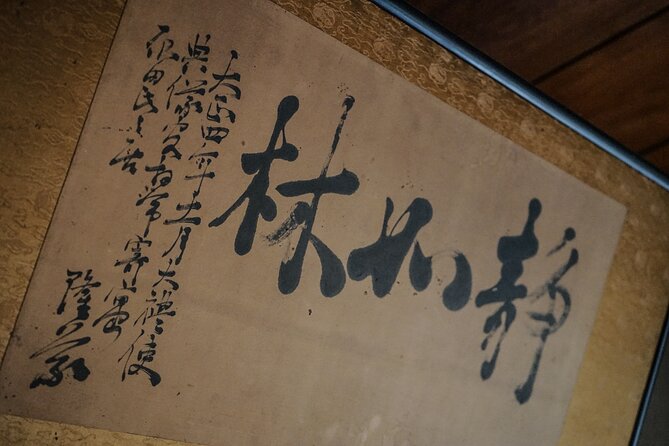
This experience works best for people who want active culture. If you like learning through doing, you will likely enjoy the sword basics, the kimono change, the Bushido talk, and the meditation reset.
It also suits couples and families. Participants have described it as a great bonding activity for father and son, and it can work well for mixed ages as long as minors are accompanied by an adult. You just need everyone to follow instructions and stay safe during practice.
Consider skipping or choosing a lighter activity if you dislike athletic movement or you know you struggle with moderate fitness. The program is designed for an athletic activity, so comfortable shoes and willingness to move are non-negotiable.
Should You Book Kyoto Samurai Experience?
If you want one Kyoto activity that blends history, costume, mindset, and real instruction, this is a strong pick. The biggest reasons to book are simple: small group size, a structured hands-on sword lesson, and the combination of Bushido and Zen that gives the day meaning beyond the action.
If you mainly want a casual sightseeing stop or you are sensitive to physical activities, you might feel it is too focused on practice. But if you can handle nearly two hours of learning and movement, you will walk away with a story that feels earned, not purchased.
FAQ
Where is the meeting point for the Kyoto Samurai Experience?
The meeting point is Kyoto Samurai Experience / Waraku, 111 Inabachō, Nakagyo Ward, Kyoto 604-8803, Japan. The activity ends back at the meeting point.
How long is the experience?
It lasts about 1 hour 45 minutes.
Do I get a ticket and how do I receive it?
You’ll receive a mobile ticket.
Can I choose a morning or afternoon session?
Yes. You can choose either a morning or afternoon departure time based on what works for your schedule.
What should I wear?
Wear comfortable clothes and appropriate footwear for an athletic activity, since you will be practicing swordsmanship basics.
Is there a fitness requirement?
Travelers should have a moderate physical fitness level.
Are there age rules for children or minors?
Minors must be accompanied by an adult.
Can I reschedule if something comes up?
Rescheduling may be possible depending on availability, but it is not allowed within 24 hours of your scheduled session.
What is the group size limit?
The tour/activity has a maximum of 14 travelers.
Is cancellation free?
Free cancellation is available. You can cancel up to 24 hours in advance for a full refund. If you cancel less than 24 hours before the start time, you will not be refunded.
New This Season
- Koyasan Day Trip by Private Car from Kyoto
- Old Port Town and Ultimate Sake Tasting Private Tour From Kyoto
- Kyoto’s Timeless Charm: 3hr Exploration of History and Peace
- Kyoto: 5 Types of Sushi Making
- Sacred Peak & Ancient Paths: Kurama-Kibune Hiking Experience
- Kyoto: Exclusive ZEN practice at Manpukuji temple in Uji
- Kyoto: Private Seasonal Aroma Yoga Class
- Traversing Kyoto’s Scenic West – Arashiyama to Kinkakuji
Samurai Training Experiences, compared.
Kendo and Samurai Experience with Uniform and Gear
Read our review →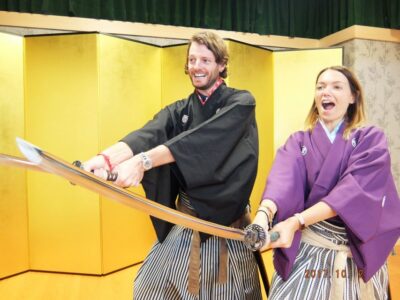
Samurai Sword Class by Experts in Traditional Arts
Read our review →
Skip the lines Basic Ticket at SAMURAI NINJA MUSEUM KYOTO
Read our review →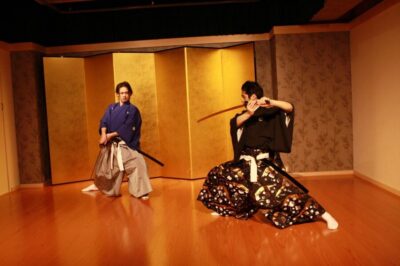
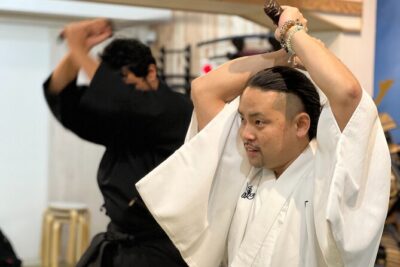
Samurai Training with Modern day Musashi in Kyoto
Read our review →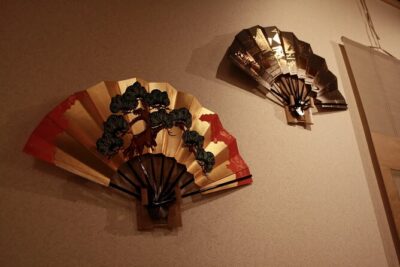
Private Tea Ceremony and Sake Tasting in Kyoto Samurai House
Read our review →
Kyoto Sword Experience – includes Museum Ticket/Ninja Experience
Read our review →Also filed under