Reviewed · SAMURAI TRAINING EXPERIENCES
Kyoto Sword Experience – includes Museum Ticket/Ninja Experience
Kyoto sword training is surprisingly real-feeling. You practice iaido basics with a blunt, law-friendly replica, and you also get a free Samurai and Ninja Museum ticket. It’s a hands-on way to understand samurai discipline, not just stand and look.
I like that it’s set in a traditional dojo setting, with trained instructors who focus on safety and form. The experience also has multiple daily start times, so you can pick something that fits your day around Kyoto’s sights.
The main thing to watch is timing and crowding on peak days. If your session runs tight, you may feel the flow more than you’d like, so it helps to ask what parts are included for your exact time slot.
In This Review
- Key highlights you can plan around
- Why this Kyoto sword experience feels different from a museum day
- Price and value: is $83.91 worth it
- Meeting at the Samurai Ninja Museum Kyoto, and what to do first
- Hakama dress-up: where the experience sets the mood
- Iaido techniques with a blunt replica sword, plus a safe drill
- About the cutting or cutting-style part: what to expect now
- The museum stop: Samurai and Ninja Museum ticket plus guided tour
- Ninja star throwing and armor photos: the fun part that can get tight
- Group size and pacing: how to avoid feeling processed
- Who this is best for, and who should think twice
- Practical tips to make your session smoother
- Should you book Kyoto Sword Experience, with museum ticket and ninja activities?
Key highlights you can plan around
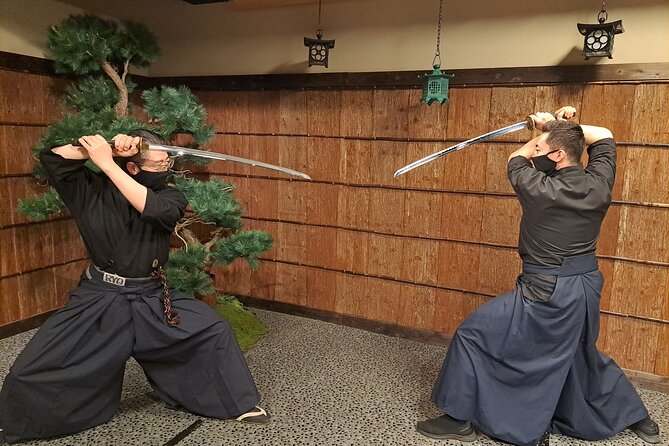
- Blunt, safe replica sword training that follows Japanese rules about not using real or sharp blades
- Hakama dress-up first, so you start acting like a samurai before you ever lift a sword
- Basic Iaido techniques and a simple sword-fight drill led by instructors
- Museum admission plus a guided history tour at the Samurai Ninja Museum
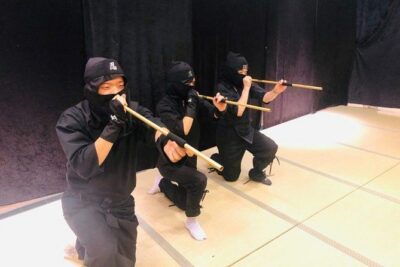
- Ninja star throwing and armor photo time are part of the overall program
- Multiple start times, with group limits stated in the tour info, but peak season can affect pacing
Why this Kyoto sword experience feels different from a museum day
This is one of those activities that turns Kyoto history into something physical. You start with the clothes, hakama and all, then move into controlled sword basics, with a focus on posture and discipline rather than violence.
And because it pairs training with a visit to the Samurai and Ninja Museum, you don’t leave with only muscle memory. You get context, artifacts, and explanations that make the costumes and techniques easier to place in Kyoto’s larger story.
If you like cultural activities that are photo-friendly but not empty, this hits a good balance. You’ll get plenty of chances to pose, yet the training component still has structure.
Price and value: is $83.91 worth it
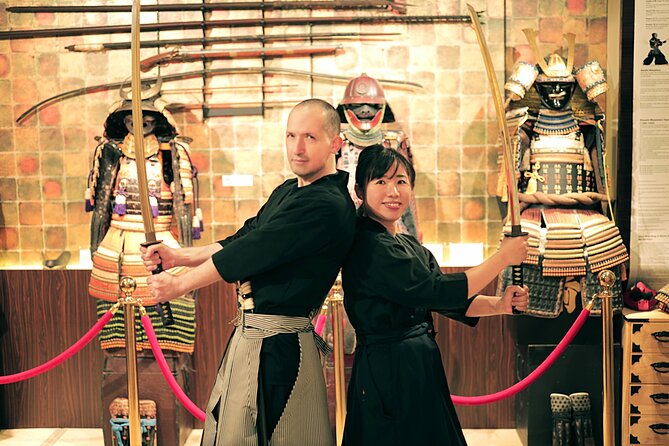
At $83.91 per person, this isn’t the cheapest thing on a Kyoto list. What helps it feel fair is that your ticket includes the Samurai and Ninja Museum admission and a guided museum history tour, not just the sword part.
You’re also paying for the setup: a traditional dojo experience, instructor time, and the fact that you get geared up in samurai clothing. Plus, the tour uses a mobile ticket, which usually saves time when you arrive.
The value question depends on one detail: how smoothly your session runs. On calmer days, you’re likely to feel like you got the full two hours. On busy dates, some parts can feel rushed, and there have been operational issues in peak sakura season that the provider says they’ve fixed since.
Throw stars and learn to move unseen
- Skip the lines Basic Ticket at SAMURAI NINJA MUSEUM KYOTO
★ 4.5 · 632 reviews - Ninja 1-hour Hands-on Lesson by Japanese master in Kyoto -Entry
★ 5.0 · 489 reviews - Kyoto: Ninja Weapon Forging Experience
★ 4.8 · 478 reviews - Ninja 2-hour Hands-on Lesson by Japanese master in Kyoto -Medium
★ 5.0 · 218 reviews
Meeting at the Samurai Ninja Museum Kyoto, and what to do first
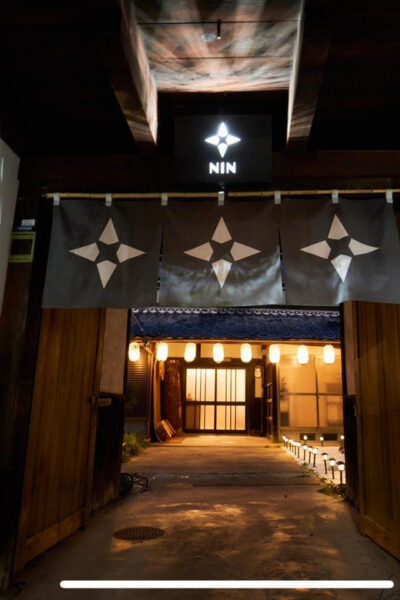
You meet at Samurai Ninja Museum Kyoto, 109 Horinouechō, Nakagyo Ward, Kyoto, 604-8117. Your experience ends back at the same meeting point, so you do not have to coordinate a second location or transfer.
Bring your confirmation details, and plan to have your mobile ticket ready. The tour info also says the meeting area is near public transportation, which is a big deal in Kyoto where walking between neighborhoods can add up fast.
One more practical note: the program involves multiple levels in the buildings. If you’re visiting during January 24, 2026 to February 19, 2026, the elevator is out of service, so you should expect stairs.
Hakama dress-up: where the experience sets the mood
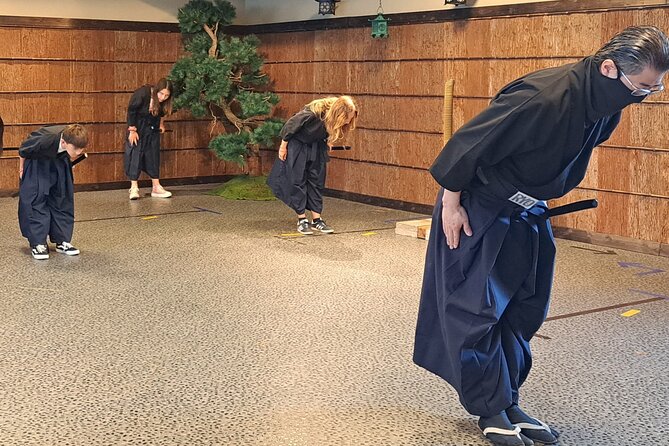
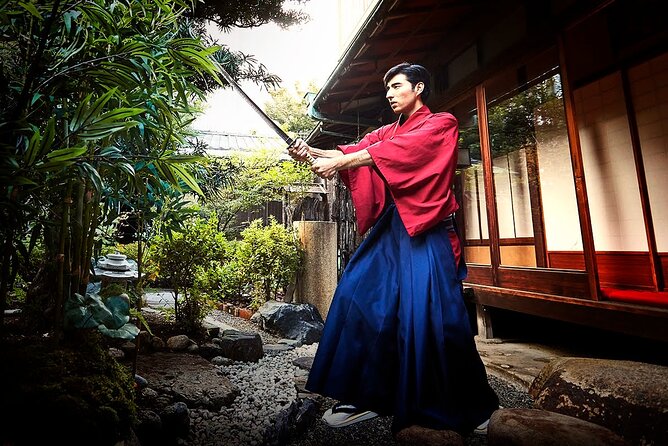
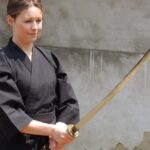
You begin by donning traditional samurai hakama. Even if you’ve worn costumes before, this part matters because it changes your movement and posture right away.
In practice, you’re not just dressing for pictures. You’re preparing for form, balance, and controlled motion. The hakama also makes the training feel ceremonial, like you stepped into a specific role for the session.
This is also where you’ll likely start taking photos. The atmosphere in a traditional dojo setting tends to make people relax, and that makes the later instruction easier to follow.
Iaido techniques with a blunt replica sword, plus a safe drill
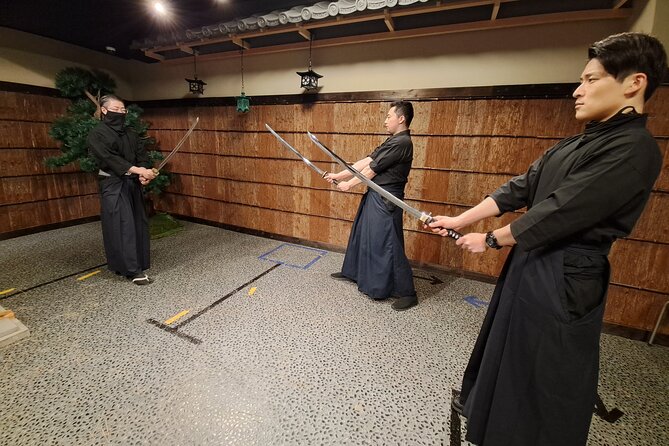
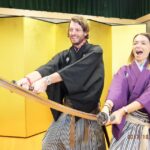
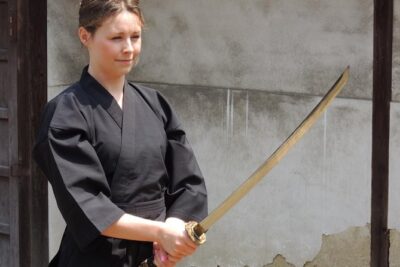
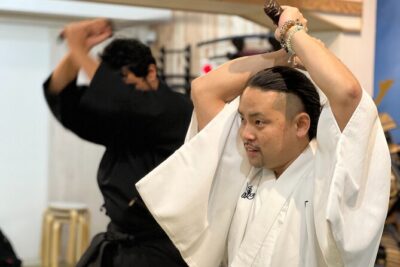
The core training focuses on learning basic iaido techniques using a blunt, safe replica sword. The tour update is explicit: this activity does not involve a real sword or a sharp blade, in line with Japanese law.
That matters for two reasons. First, it keeps the experience safer for beginners who are nervous about handling swords. Second, it means you’re meant to learn technique rather than leave with the idea that real steel is expected.
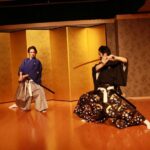
You should expect a progression: posture and grip basics, then simple movement practice. The program also includes a sword-fight style drill using the safe replica, which adds energy without turning it into something chaotic.
In terms of instructors, several names have come up in recent feedback patterns, including Riku, Ken, Nobu, and Takuto. The big takeaway is that the instruction is designed to keep you engaged, not just handed a prop.
About the cutting or cutting-style part: what to expect now
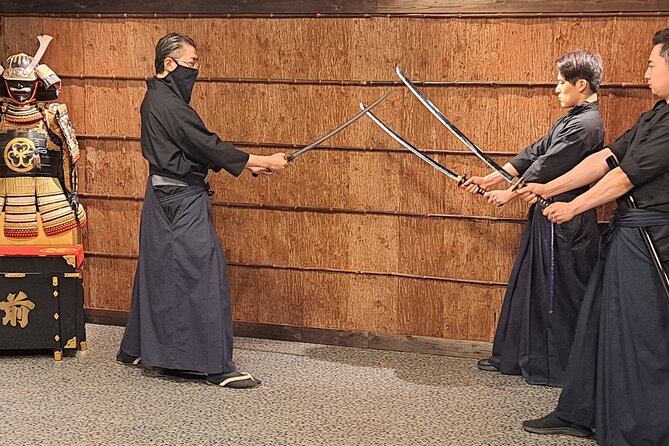
Some versions and photos floating around online may suggest bamboo or cutting tests. But one important detail from the latest guidance you should follow is the law-friendly update: you should not expect a real, sharp katana component.
At the same time, the experience description includes an energetic practice moment, and multiple people mention a slicing or cutting-style activity in their session. So rather than picturing cinematic sword combat, think of it as a controlled test of technique, done with safe equipment and clear instruction.
Because there has been mismatch between marketing photos and what’s actually offered at the venue, I’d treat the cutting moment as a bonus, not the whole reason to book. The training, museum context, and photo-and-ninja segments are the consistent value pillars.
Pick up a sword for an afternoon
The museum stop: Samurai and Ninja Museum ticket plus guided tour
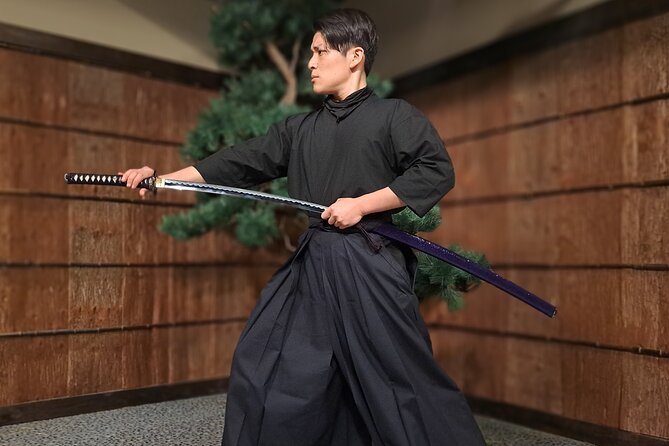
Half the point here is that you’re not learning in a vacuum. The program includes your museum admission and a guided history tour at the Samurai and Ninja Museum, which you visit after the training.
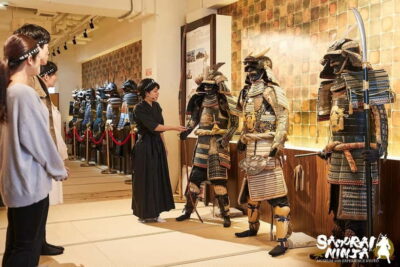
This gives you the “why” behind what you’re practicing. You’ll see artifacts and learn how samurai and ninja culture intersected, and how training, symbolism, and practical discipline shaped life in historical Japan.
Timing tends to work like this: you complete the initial dressing and training portion, then you move into the museum tour before the photo and ninja star portion. If your session runs long, the most common bottleneck is the time pressure moving people through each block.
Ninja star throwing and armor photos: the fun part that can get tight
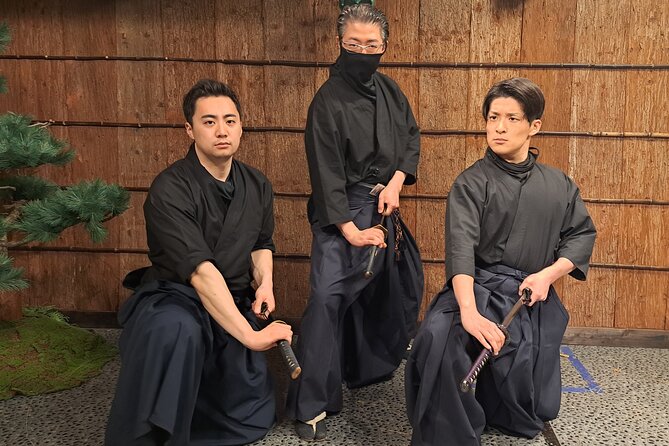
The experience includes a chance to throw a ninja star. It’s short and structured, which is typical for activities like this, but it’s also memorable because it turns the ninja theme into an actual action you control.
After that, you get the opportunity for photos in samurai gear and themed setups. This is one of the most praised parts because it combines the costume you put on at the start with a finishing moment that feels celebratory.
For most people, it’s a smooth arc: hakama first, then sword form, then museum context, then ninja star practice, then photos. If you’re visiting on a very busy day, ask the staff at check-in which segments are scheduled for your group and whether ninja star throwing will happen during your time block.
Group size and pacing: how to avoid feeling processed
The tour info lists a maximum of 22 travelers for the activity, and it also states a small booking size in the details. In real life, pacing is what you feel, and peak seasons can stretch the flow.
If you’re the type of traveler who hates waiting, plan your expectations. This experience runs like a session-based program, so you may wait your turn for certain steps. The positive side is that instructors usually keep people engaged during downtime.
But if your session is affected by crowding, you could feel like you’re moving from station to station with less breathing room. The best fix is simple: show up on time, and don’t arrive late, because the schedule can start without you.
Also, if you’re traveling in a group, try to keep it cohesive. Multiple people dressing at once can be smoother when everyone arrives together and you’re ready for the steps when your turn starts.
Who this is best for, and who should think twice
This is ideal if you want a Kyoto experience that mixes action with cultural context. If you’re interested in martial arts as a discipline, you’ll likely enjoy the focus on form and controlled instruction.
It’s also great for people who want something hands-on but still beginner-friendly. The use of a blunt replica sword is key here. It reduces the intimidation factor, while still giving you the feeling of participating rather than watching.
Families should note the rule: children under 7 are not allowed in the samurai dojo venue. Children must be accompanied by an adult, and the experience says most travelers can participate otherwise.
If you’re expecting a private, slow, meditative class with lots of individual correction, you may find this too structured and group-paced. If you want a long sword lesson, look for a different style of workshop with more time per person.
Practical tips to make your session smoother
A few small habits help you get more out of the two-hour window.
First, wear comfortable clothing you can move in. You’ll be guided on where to stand and how to handle the replica sword, so mobility matters.
Second, arrive a few minutes early so you’re not rushed when the instructor starts outfitting people. One theme in the best experiences is calm coordination, not last-minute scrambling.
Third, if you care about specific components like ninja star throwing or the sword segment timing, confirm what’s scheduled for your time slot at check-in. The tour includes these elements, but busy conditions can change the order people experience.
Finally, keep your camera ready, but don’t treat it as a distraction from instruction. The best photos come after you’ve learned the posture and moved properly.
Should you book Kyoto Sword Experience, with museum ticket and ninja activities?
Yes, if you want a fun, structured way to experience samurai culture in Kyoto without needing prior martial arts skills. The combination of safe sword practice, costume dress-up, and a guided Samurai and Ninja Museum history tour is a strong mix for the price.
I’d especially book it if you like hands-on learning and want a memorable, photo-friendly activity that still teaches something. If you’re sensitive to waiting, go on a less crowded day if you can, and arrive on time so your session starts smoothly.
If you’re coming mainly for cutting with a real, sharp blade, adjust your expectations. The current rules emphasize safe replicas and compliance with Japanese law, so think technique and controlled drills, not Hollywood sword chaos.
Kyoto Museums

New This Season
- Koyasan Day Trip by Private Car from Kyoto
- Old Port Town and Ultimate Sake Tasting Private Tour From Kyoto
- Kyoto’s Timeless Charm: 3hr Exploration of History and Peace
- Kyoto: 5 Types of Sushi Making
- Sacred Peak & Ancient Paths: Kurama-Kibune Hiking Experience
- Kyoto: Exclusive ZEN practice at Manpukuji temple in Uji
- Kyoto: Private Seasonal Aroma Yoga Class
- Traversing Kyoto’s Scenic West – Arashiyama to Kinkakuji
Samurai Training Experiences, compared.
Kendo and Samurai Experience with Uniform and Gear
Read our review →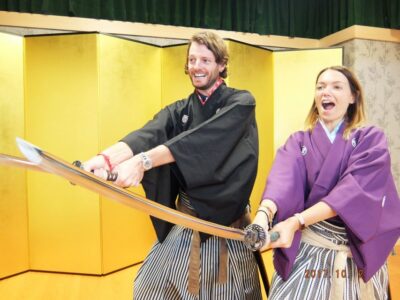
Samurai Sword Class by Experts in Traditional Arts
Read our review →
Skip the lines Basic Ticket at SAMURAI NINJA MUSEUM KYOTO
Read our review →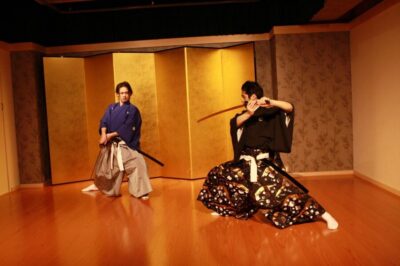
Samurai Training with Modern day Musashi in Kyoto
Read our review →