
Reviewed · GION GEISHA QUARTER WALKS
Kyoto : Geiko Maiko Dance of Kyoto & Visits of Gion Museum
A Kyoto dance, up close, in 15 minutes. This experience pairs a live Kyomai dance performance with a focused museum visit at the Gion Kagai Art Museum, so you get the art and the context in one tight slot. I especially loved seeing the dance in close quarters, and I liked how the permanent exhibits make the world of geiko and maiko feel understandable, not mysterious. The one drawback is simple: during the actual dance, no photos are allowed.
After the performance, you can slow down and linger. I like that the museum has English support via QR codes, plus video elements and a chisen-style water garden that makes the whole place feel calm right after the show. If you want a long, guided performance, this may feel short, but if you want quality in a smart chunk of time, it fits Kyoto perfectly.
In This Review
- Key highlights to pay attention to
- Gion Kagai Art Museum: small room, big atmosphere
- Timing the Kyomai performances across the afternoon sessions
- What you are really watching: Kyomai dance, Inoue style, geiko versus maiko
- The permanent exhibit on Kagai art culture, where the context clicks
- Chisen water garden, Art Cafe, and museum shop after the show
- Price and value: $25 that includes more than just a seat
- Photo rules, and how the optional photo session fits in
- Who this fits best in your Kyoto game plan
- Should you book this Kyoto Mai Dance at Gion Kagai Art Museum?
- FAQ
- How long is the Kyoto Mai Dance performance?
- What times are the performances offered?
- Where do I go when I arrive?
- Can I take photos during the dance?
- Is there an option for photos with a geiko or maiko?
- What is included in the ticket price?
Key highlights to pay attention to
- Kyomai by geiko or maiko performed in the Inoue style, usually solo and sometimes with two performers
- About 15 minutes total, with two songs, scheduled multiple times across the afternoon
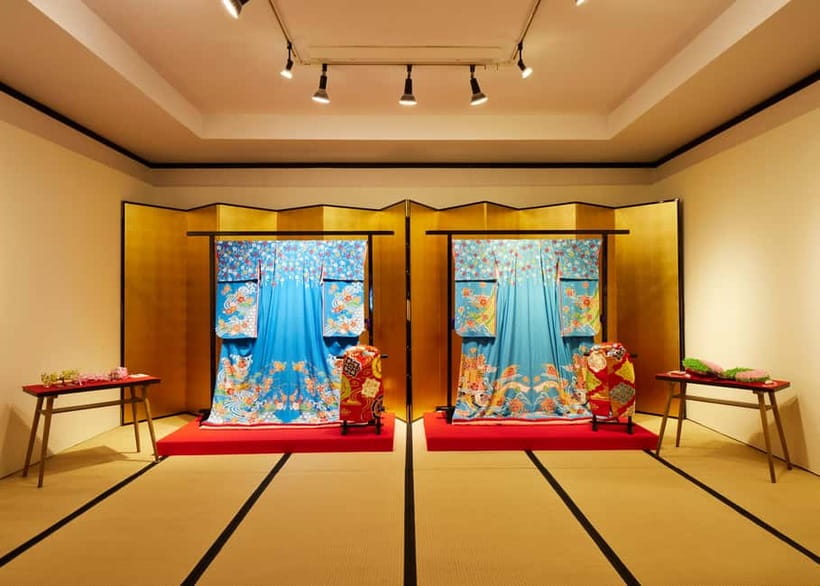
- Permanent exhibit on Gion Kagai art culture, including items tied to seasonal hair ornaments and formal kimono
- English QR codes and video support, so you are not stuck guessing what you are seeing
- A chisen water Japanese garden plus an Art Cafe and museum shop to extend your visit
Gion Kagai Art Museum: small room, big atmosphere
The Gion Kagai Art Museum is built for this exact moment, a short live performance plus a self-paced cultural walk right after. You are not herded around a huge complex. Instead, the setting feels like it was designed to help you watch closely and then read at your own speed.
I like that the museum experience is not just decorative. It is focused on Gion’s Kagai world, the craft side of geiko and maiko life, and the objects that support their performance arts. If you have walked through Gion before and wondered what you are actually looking at, this helps you connect the details.
The museum also gives you “Kyoto calm” between sightseeing stops. Reviews highlight how the space feels beautiful and well looked after, and the garden is part of that. You get a breather after the performance, which matters when you are packing your day.
Timing the Kyomai performances across the afternoon sessions
The Kyomai dance portion is short, about 15 minutes total, including two songs. That means you can add it to a packed itinerary without feeling like you lost half your day. It also means timing matters, because you do not want to miss the start.
Performance sessions run at set times, so you can plan around your day:
- 13:30
- 14:20
- 15:00
- 16:00
- 16:30
Plan to arrive at least 10 minutes before the performance starts. The meeting point is simply to find the museum entrance, then get checked in so you can settle before the music begins.
This scheduling approach is great if you are trying to fit something cultural in between temples, markets, and evening walks through Gion. It is less great if you are the type who always runs late, because this show does not stretch to match your schedule.
Lantern-lit streets of the geisha quarter
- Kyoto Geisha Walking Tour: Gion District & Hidden Gems
★ 4.7 · 3,273 reviews - Kyoto: Gion Magical Night Walking Tour with Geisha Trivia
★ 4.9 · 2,393 reviews - Kyoto: Gion Geisha District Walking Tour – Stories of Geisha
★ 4.7 · 2,187 reviews - Best of Kyoto: Gion, Geisha, Pagodas & Cobblestones
★ 4.9 · 2,058 reviews
What you are really watching: Kyomai dance, Inoue style, geiko versus maiko
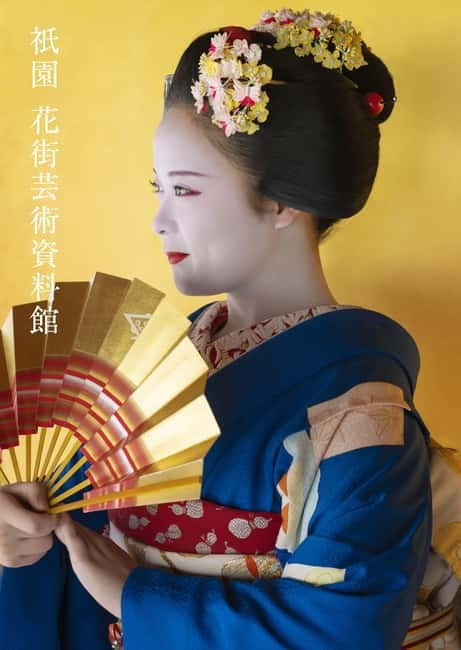
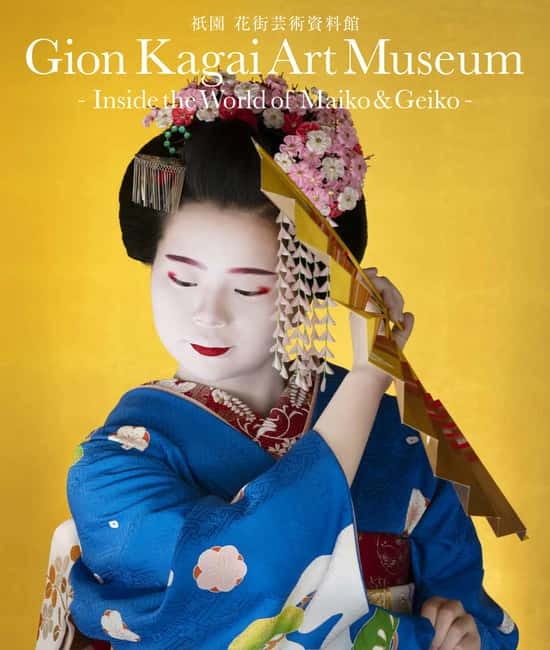
Kyomai, also written as Kyoto Mai, is the Kyoto style dance associated with geiko and maiko. Here, the performance is by geiko or maiko, not geisha. (Japan loves word precision, and this experience is careful about it.)
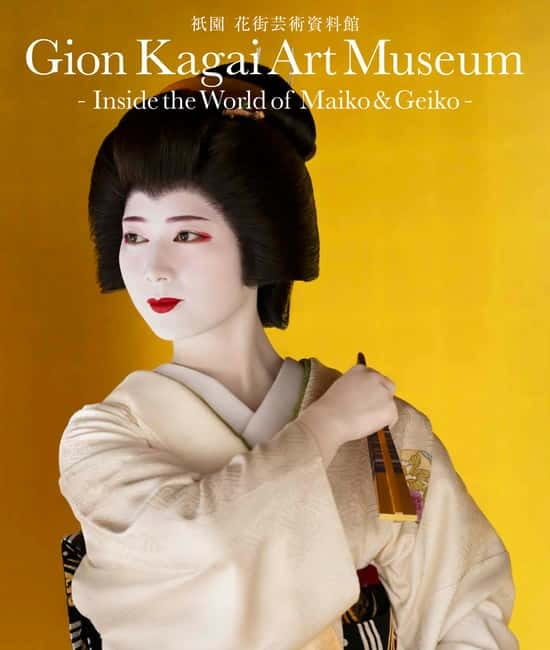
The dances are performed in the Inoue style. The performance is described as a rare opportunity to watch graceful dance up close, which is exactly what makes this worth your time. Most Kyomai dances are performed by one maiko or geiko, and some days the 3rd and 4th sessions may feature two performers. That variety is a nice bonus, even though the total duration stays around 15 minutes.
You get two Kyomai songs. Reviews call the show hypnotic or mesmerizing, and I get why. When the performance is brief and close, your attention sharpens. Facial expressions and body language become the story, not just the steps.
If you care about meaning, this helps you understand why people talk about training and discipline in this tradition. The point is not just entertainment. The dance is a form of craft, and the museum sets that expectation before or alongside what you see on stage.
The permanent exhibit on Kagai art culture, where the context clicks
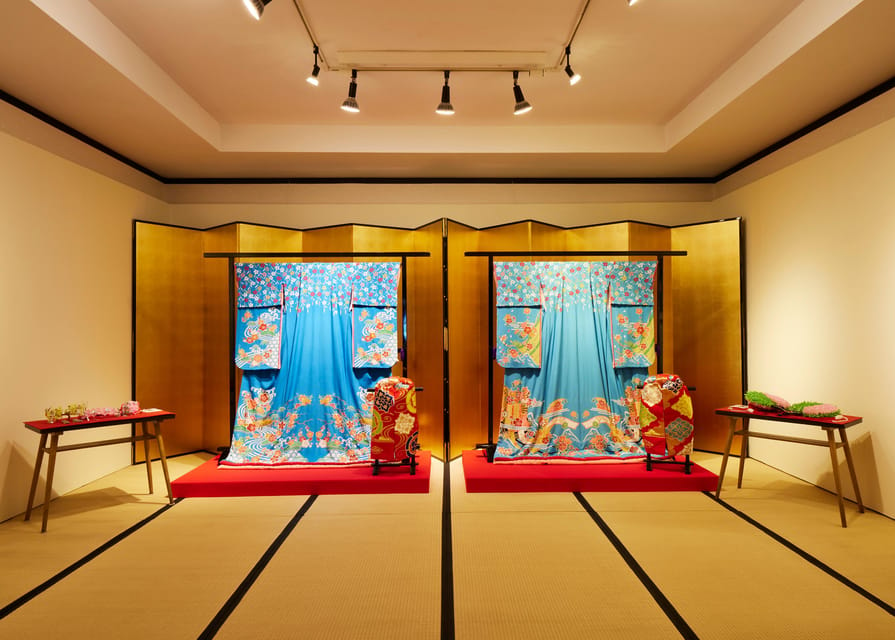
The museum’s core is a permanent exhibition on Kagai art culture in Gion. This is where the visit becomes more than “watch and leave.” You start connecting what you saw in motion to what you see on display: clothing, accessories, grooming tools, and personal items.
The exhibits include beautifully detailed pieces such as hand-painted Yuzen kimono and Nishijin brocade obi sashes. You also see personal belongings and makeup used by maiko. That kind of behind-the-scenes material tends to be what people remember, because it turns a performer into a person with preparation, routines, and craft.
One standout detail is the seasonal kanzashi hair ornaments. The museum displays them in a way that explains how the look changes through the year. You may also see a black crested formal kimono, which the museum notes as being rarely seen in the Gion quarter. That matters because it shifts the focus from street-level impressions to the wider costume culture around Kagai arts.
There are also photos that convey the atmosphere of the Kagai district. And reviews mention video support, including a film on the lower level that helps you find out about the dance unique to Kyoto. If you like learning while you stand in front of objects, you will likely enjoy how this exhibition mixes reading, visuals, and movement.
If you are short on time, you can still make it work. Focus on the “why it matters” items: accessories used by maiko, seasonal hair ornaments, and the formal garment examples. Those give you the most payoff for your minutes.
Chisen water garden, Art Cafe, and museum shop after the show
The experience does not end when the last song finishes. You can stay at the museum as long as you want, and that is a big part of the value. After a concentrated 15 minutes, you probably want quiet time to process what you saw.
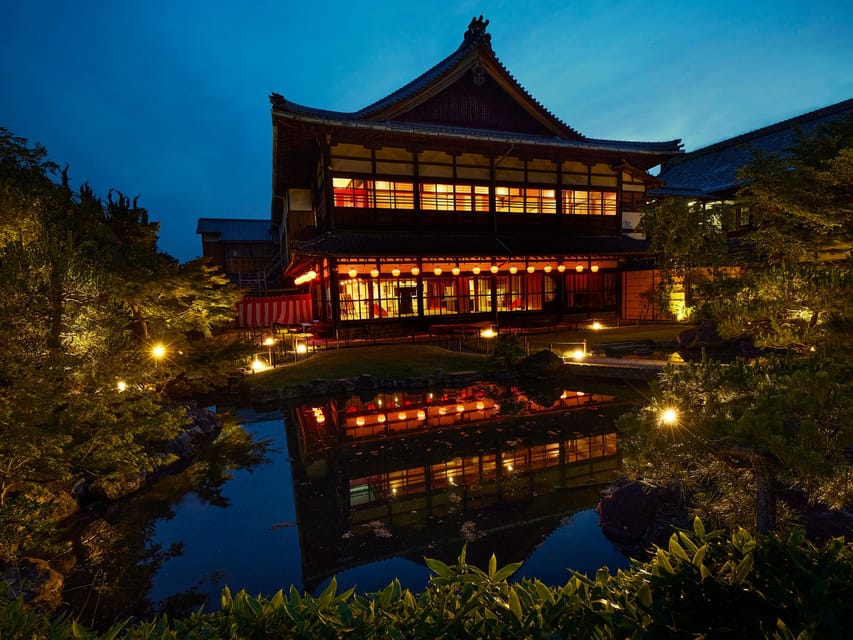
That is where the chisen water Japanese garden helps. It gives you a visual reset, and it is also part of why reviews call the venue relaxing and beautiful. Even if you do not linger for long, stepping into the garden helps you switch from performance mode to visitor mode.
There is also an Art Cafe on site. The data does not spell out menu specifics, but it does confirm the cafe is part of the museum experience. If you want a pause between Gion wandering and dinner, this is an easy place to take it.
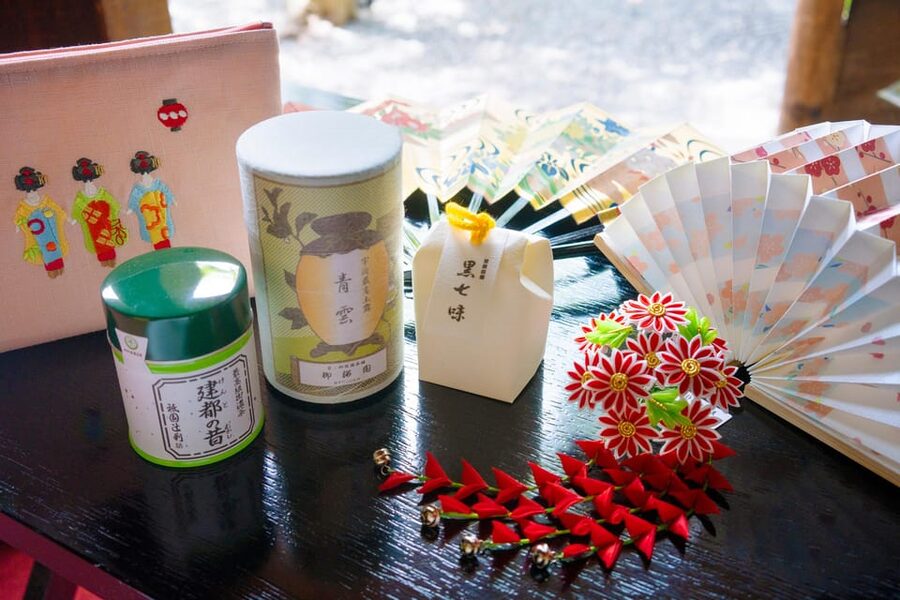
Don’t forget the museum shop either. Reviews repeatedly mention it as a cool extra. It is a practical stop if you want Kyoto-style souvenirs tied to the museum theme, not just generic gift items.
Price and value: $25 that includes more than just a seat
At $25 per person, the price is reasonable for Kyoto, especially because the ticket bundles two things:
- Admission to the Gion Kagai Art Museum
- Performance fees for the Kyoto Mai dance shows
A lot of “short show” experiences in Kyoto charge for the performance alone, then hit you with add-ons. Here, your money covers both the live dance and the museum context. That is why reviews often call it good value for money.
The short duration is part of the logic. You are paying for a compact, high-quality experience, not a long, multi-hour program. That is ideal if you like spending your day outdoors and you just want a focused cultural anchor.
The best way to judge value is by your goal. If your goal is to understand Kagai culture quickly and watch a real performance, this ticket makes sense. If your goal is a full evening show with extended storytelling, you may feel constrained by the 15-minute format.
Indoors, when temple-hopping wears thin

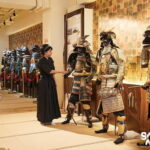

Photo rules, and how the optional photo session fits in
This is the part you must plan for. Photos are not allowed during the dance performance. Think of it as part of the contract, your phone stays away while you watch.
If you want photos, there is an option: tickets for photo sessions with a geiko or maiko are only available at the museum. Reviews mention preparing around 2,000 yen for an extra picture. They also describe receiving a Polaroid and some phone pictures.
So you have two paths:
- Watch the dance with no photography during the performance
- Add a separate photo session at the museum if you want keepsakes
One review also notes that the lack of an option for photos during the show was a distraction, and honestly, that is a fair caution. If photography is a priority, plan for the photo session in advance when you are already at the museum, not as an afterthought.
Also, audio recording is not allowed. If you are the kind of visitor who records video, you will need to follow the rules and just be present.
Who this fits best in your Kyoto game plan
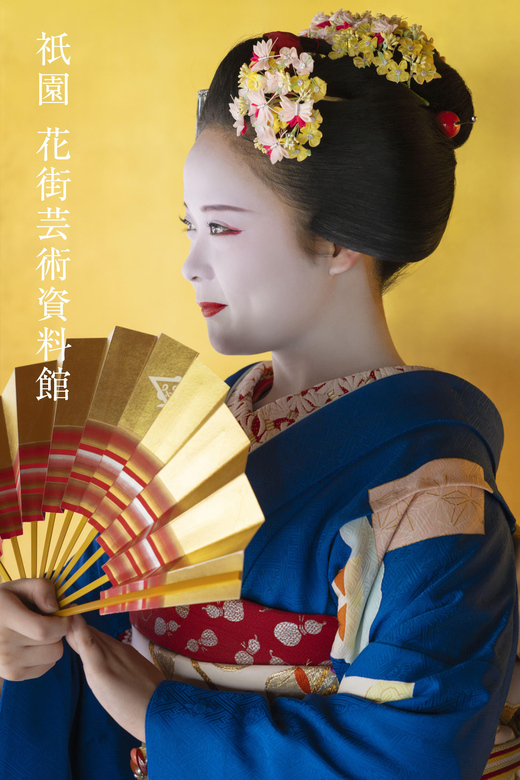
This experience is best for people who want a smart Kyoto cultural stop without committing hours. It pairs well with an afternoon that includes Gion walks, nearby shrines, or just general sightseeing where you need a calm reset.
You will probably enjoy it if you like:
- Close-up performance viewing
- Museum-style context and object displays
- English support via QR codes
- A venue with a garden and time to linger
It may be less satisfying if you expect a long performance, interactive Q and A, or a wide range of guided explanations. Reviews praise the dance and museum, but a couple of comments suggest the intro could be stronger and that more interaction would be nice. That tells me the format is mainly show plus self-paced museum.
It also helps to know the geiko and maiko distinctions in advance. The museum clarifies that geiko perform traditional dance and music in ozashiki banquet rooms and on stage, and training women become maiko. If you understand that, the objects and the dance land better.
Finally, if you are very sensitive to costume details, note that at least one review mentions the kimono looked not elegant for the dancer they saw. That is not the overall theme, but it is a reminder that live costumes and styling can vary by performance.
Should you book this Kyoto Mai Dance at Gion Kagai Art Museum?
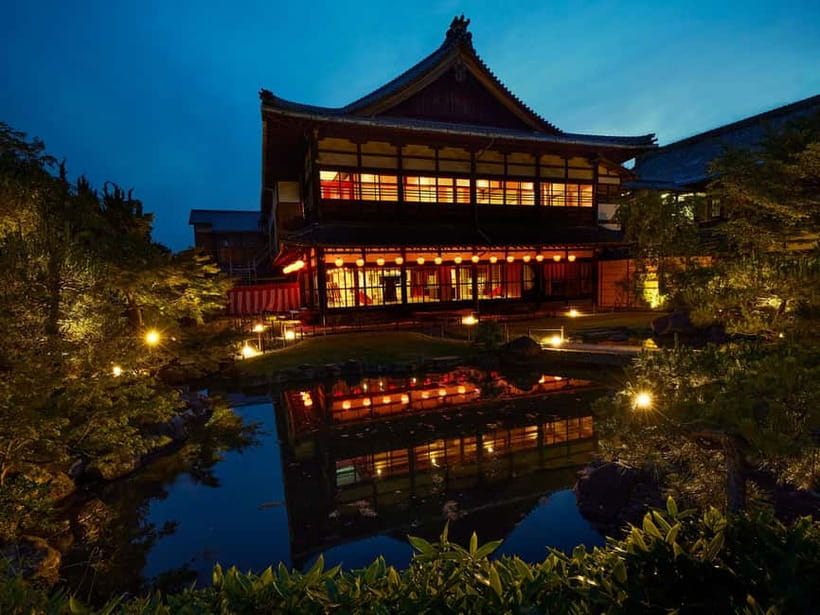
Book it if you want a high-quality, short cultural experience that mixes live Kyomai dance with a museum exhibit you can actually explore. The included ticket value, the English QR support, and the chance to linger in the garden make it a good choice for a busy day in Kyoto.
Skip it only if you want a long show, interactive Q and A, or you are hoping to photograph during the performance itself. With the no-photo rule, you need to come ready to watch, not capture.
If you want my practical advice: pick one afternoon slot, arrive 10 minutes early, then treat the museum like the real second half. Watch the performance, then spend your energy on the exhibits tied to seasonal ornaments, formal kimono, and maiko preparation. That combo is what turns 15 minutes of dance into a Kyoto memory that lasts.
FAQ
How long is the Kyoto Mai Dance performance?
The performance time is approximately 15 minutes and includes two songs.
What times are the performances offered?
Performance sessions start at 13:30, 14:20, 15:00, 16:00, and 16:30. Availability may vary, so check starting times.
Where do I go when I arrive?
Find the museum entrance at the Gion Kagai Art Museum. You should come 10 minutes before your performance start time.
Can I take photos during the dance?
No photos are allowed during the dance performance.
Is there an option for photos with a geiko or maiko?
Yes, photo sessions with a geiko or maiko are available, but tickets for those sessions are only available at the museum.
What is included in the ticket price?
Admission to the Gion Kagai Art Museum is included, along with performance fees for the Kyoto Mai dance by geiko or maiko.
New This Season
- Koyasan Day Trip by Private Car from Kyoto
- Old Port Town and Ultimate Sake Tasting Private Tour From Kyoto
- Kyoto’s Timeless Charm: 3hr Exploration of History and Peace
- Kyoto: 5 Types of Sushi Making
- Sacred Peak & Ancient Paths: Kurama-Kibune Hiking Experience
- Kyoto: Exclusive ZEN practice at Manpukuji temple in Uji
- Kyoto: Private Seasonal Aroma Yoga Class
- Traversing Kyoto’s Scenic West – Arashiyama to Kinkakuji
Gion Geisha Quarter Walks, compared.
Kyoto Geisha Walking Tour: Gion District & Hidden Gems
Read our review →
Gion Magical Night Walking Tour with Geisha Trivia
Read our review →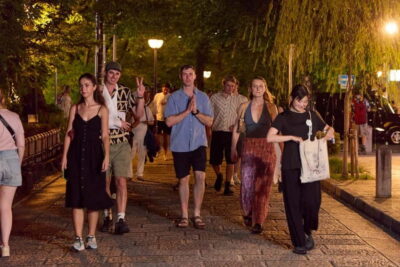
Gion Geisha District Walking Tour – Stories of Geisha
Read our review →
Best of Kyoto: Gion, Geisha, Pagodas & Cobblestones
Read our review →

Kyoto Night Foodie Tour in Gion (9+ dishes + 6 Sake tastings)
Read our review →
Kyoto Gion Geisha District Walking Tour – The Stories of Geisha
Read our review →
Kyoto Gion: 2-Hour Geisha Culture & History Walking Tour
Read our review →Also filed under