
Reviewed · SAMURAI TRAINING EXPERIENCES
Kyoto: Samurai Sword Class by Experts in Traditional Arts
Kyoto is where you can learn discipline with a sword, not just swing one. This samurai Kenbu class at Samurai Kembu Theater turns you from curious tourist into someone who can bow correctly, draw from the scabbard, and execute stylized strikes with guidance. I particularly love the small-group setup, which means the instructor can correct your form without rushing you. You also get a proper costume change plus a photo session, so you leave with memories that look like you belonged in the training hall.
The only real drawback is logistical: there is no observation-only option and there is no waiting room. If you arrive underprepared, or in the wrong clothes for costume changes, you will feel it quickly.
In This Review
- Key things I’d plan for before you go
- Kyoto’s Samurai Kenbu Class, not a stunt show
- Where to meet in Higashiyama, and how to plan your outfit
- The 4-minute basics film, then you suit up
- Bowing first, because respect is part of the technique
- Draw, strike, re-sheathe, the sequence that builds control
- Photo session and completion certificate, your easy souvenir plan
- The performance: see Kenbu as a craft, not just a lesson
- Price and value, $64 for hands-on training that ends with context
- Who this class suits best in Kyoto
- Safety rules and what they mean for your comfort
- Quick reality check, what you will and will not get
- Should you book the Samurai Sword Class in Kyoto?
- FAQ
- How long is the Kyoto Samurai Sword Class?
- What is included in the class price?
- Do I need to bring food or drinks?
- Where do I meet for the class?
- Is there a performance, and how long is it?
- Is it suitable for children?
Key things I’d plan for before you go
- A short film primer: you watch a 4-minute basics overview before handling the sword.
- Bow-first training: respect is taught early, not as a footnote.
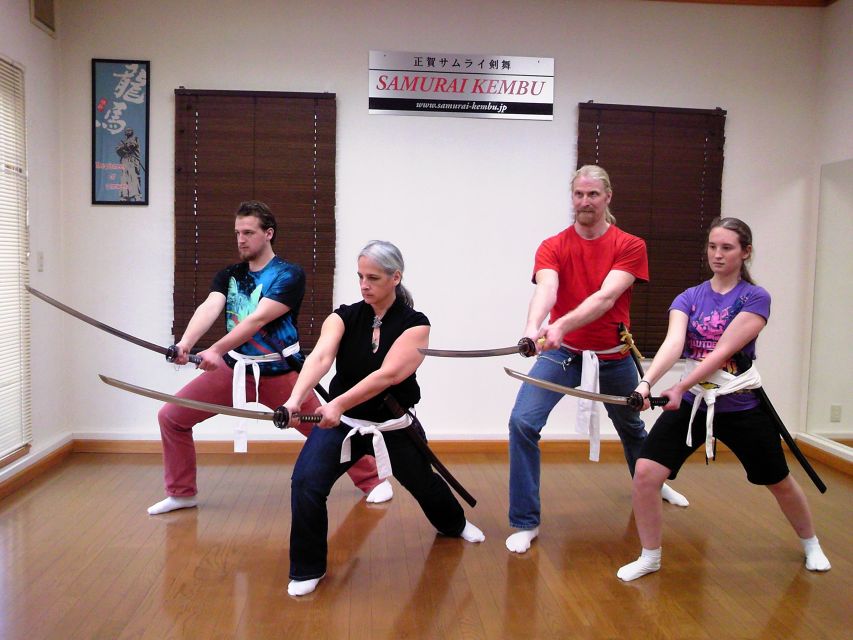
- Draw and re-sheath practice: you learn how to take the sword out and return it safely.
- Costume plus photos: you suit up for a photo session and get a completion certificate.
- Optional 10- or 30-minute performance: you watch a sword dance presentation with commentary.
- Small group, up to 10: more attention per person, which matters for safety and technique.
Kyoto’s Samurai Kenbu Class, not a stunt show
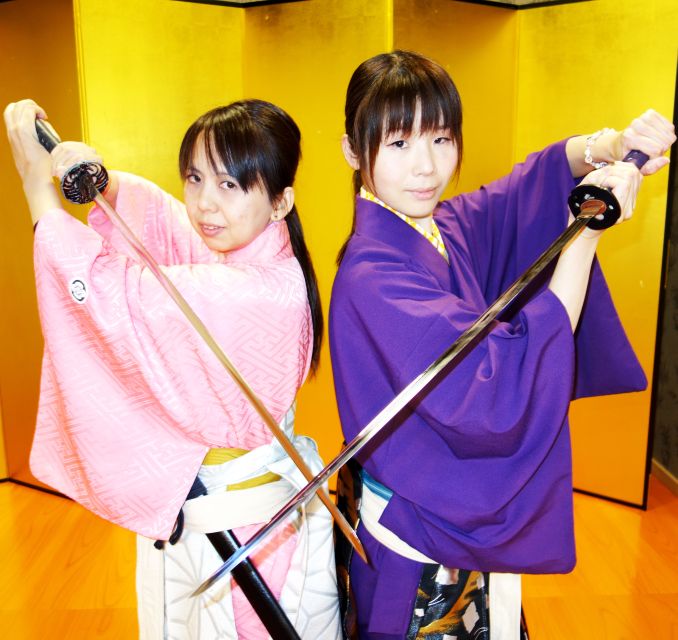
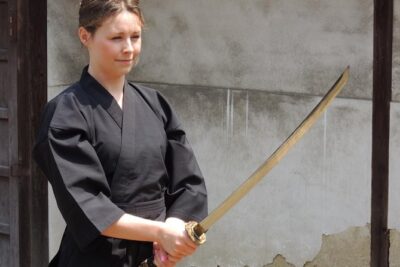
This class focuses on Kenbu, the stylized sword-dance discipline associated with samurai arts. It is not about turning you into an action-movie swordsman. Instead, you learn short movement sequences that teach rhythm, body control, and the idea of respect while training.
What makes this experience feel worth your time is the structure. You start with an overview, then you practice the basics in order: bowing, handling your sword, drawing it correctly, returning it to the scabbard, and then practicing stylized striking. By the end, you also get to watch a performance that shows what the movements look like when they are mastered.
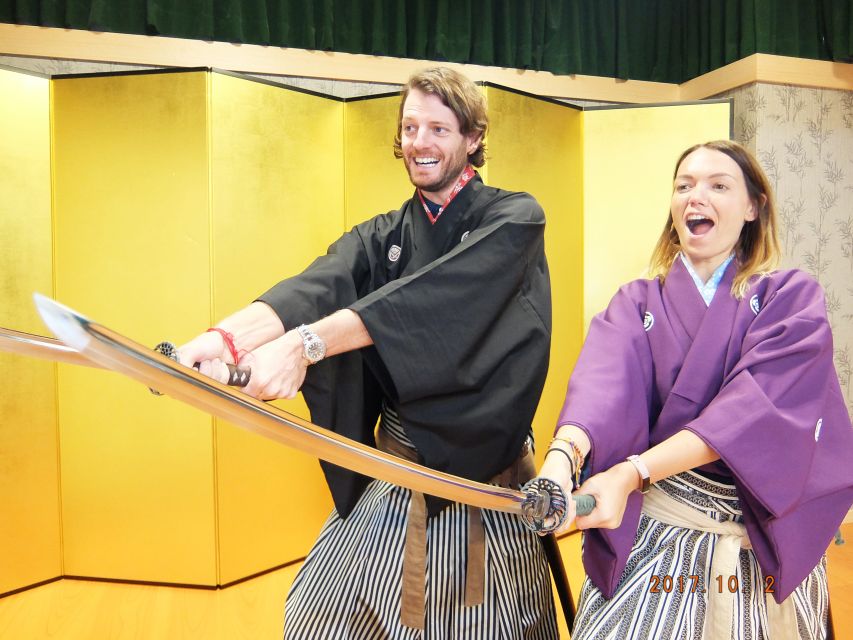
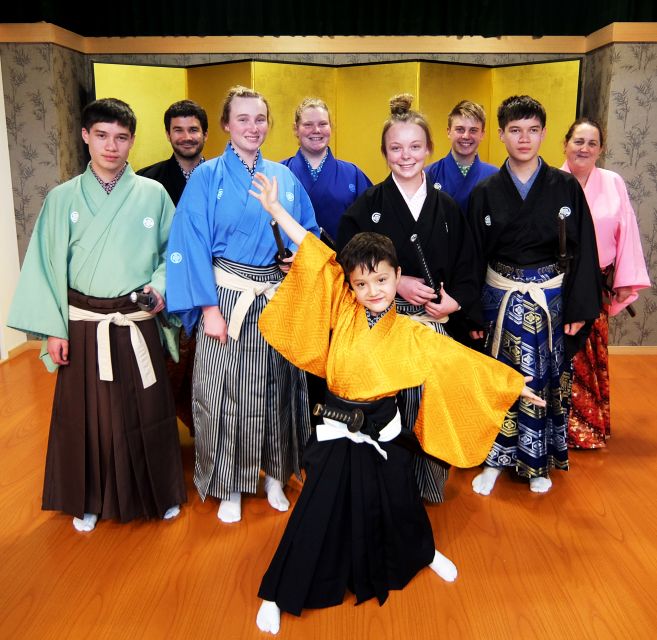
And yes, you get the costume. You are not just watching others get dressed. You choose your samurai outfit, change into it, and then do a photo session in costume.
Where to meet in Higashiyama, and how to plan your outfit
You meet at Samurai Kembu Theater (Kyoto dojo), B1F Gozan Building, 35-7 Sanchome (Higashi-iru, Sanjo-hanamikoji), Higashiyama-ku, Kyoto 605-0005. This is in the Sanjo-hanamikoji area of Higashiyama, so it pairs nicely with a day of walking around Kyoto’s old-streets vibe.
Now the practical part. Wear clothes suited for exercise and moving around. Many people assume any casual outfit works, but costume changes are part of the activity. If you show up in something like a single hoodie or tights, it may not be suitable for the costume change process. You will have a better time if you wear comfortable layers that can be adjusted easily.
Also plan for the fact that there is no waiting room. If you do not have an appointment, you cannot just hang out in the room. Get there a few minutes early so you do not end up stressed in the hallway with everyone else starting.
Pick up a sword for an afternoon
- Kyoto Samurai Experience
★ 5.0 · 1,294 reviews - Kyoto: Kendo and Samurai Experience with Uniform and Gear
★ 4.9 · 815 reviews - Skip the lines Basic Ticket at SAMURAI NINJA MUSEUM KYOTO
★ 4.5 · 632 reviews - Kyoto: Samurai Kenbu Traditional Sword Dancing Show
★ 4.5 · 426 reviews
The 4-minute basics film, then you suit up
The class begins with a 4-minute film that covers basics of samurai movement and the core idea behind Kenbu. For me, this kind of short primer is the right length. It gives you context fast, then it gets out of the way so you can learn by doing.
After the film, you suit up. Your session includes a costume change into samurai attire, and you also receive a tenugui towel (a traditional Japanese cloth) as part of the included package. In the reviews, I saw lots of people gush about how fun the dressing part is, especially because the outfits look authentic and photogenic, not like cheap costume rental gear.
Then comes the next key moment: you transition from “viewer mode” to “practice mode.” This class is hands-on from the start, and that is why it works.
Bowing first, because respect is part of the technique
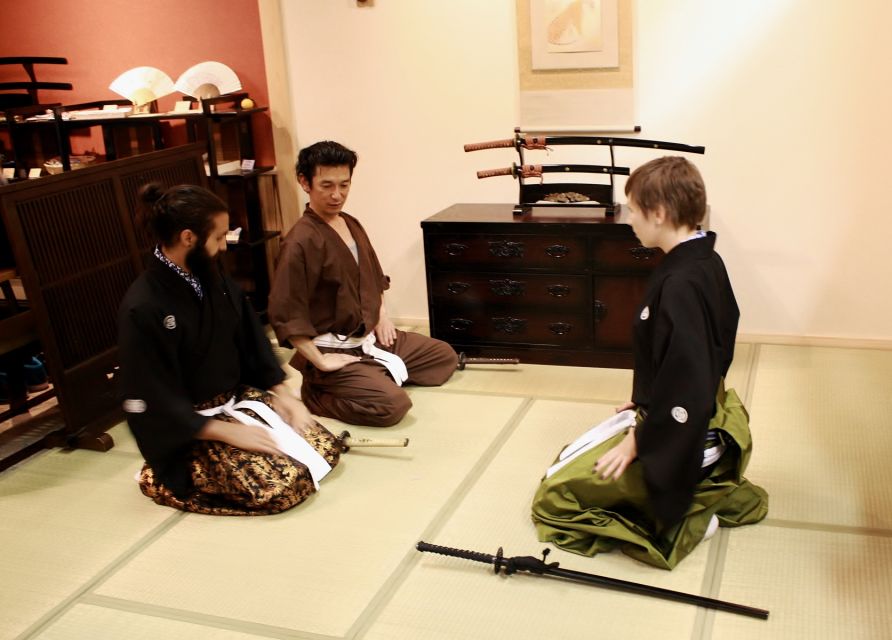
One of the smartest parts of this experience is the training sequence. You do not start with strikes. You learn how to bow to your sword and begin training with that respect-based mindset.
That might sound like a ceremony. It is more than that. Bowing sets your posture and focus. It also teaches timing and control, which you will need once you handle the sword.
Expect the instructor to guide your movements step-by-step, including how to hold yourself and how to move safely within the group space. The rules are strict about safety items: no weapons or sharp objects, no smoking, and no alcohol influence before training.
If you like structured lessons, you will appreciate this. If you are hoping for free-form chaos, this will probably not be your thing, and that is a good thing.
Draw, strike, re-sheathe, the sequence that builds control
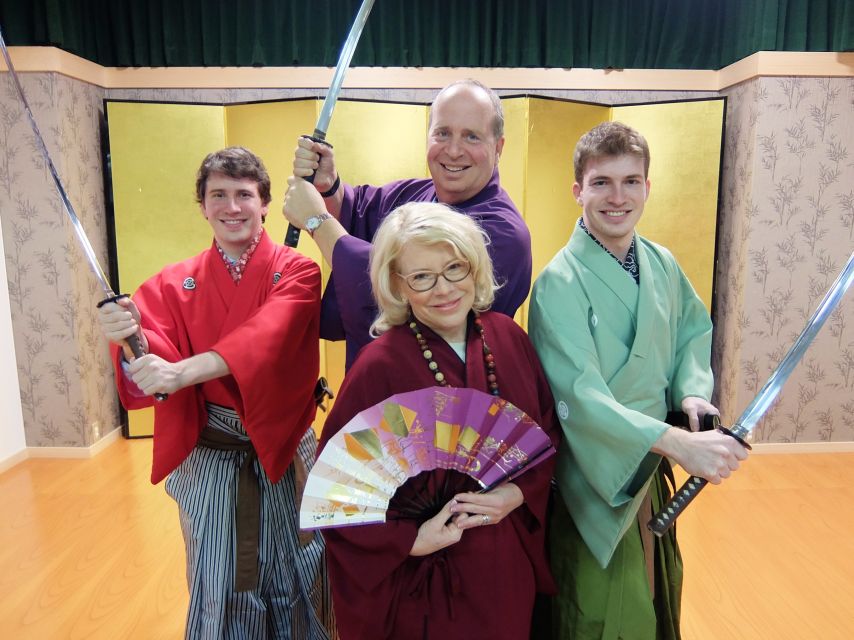
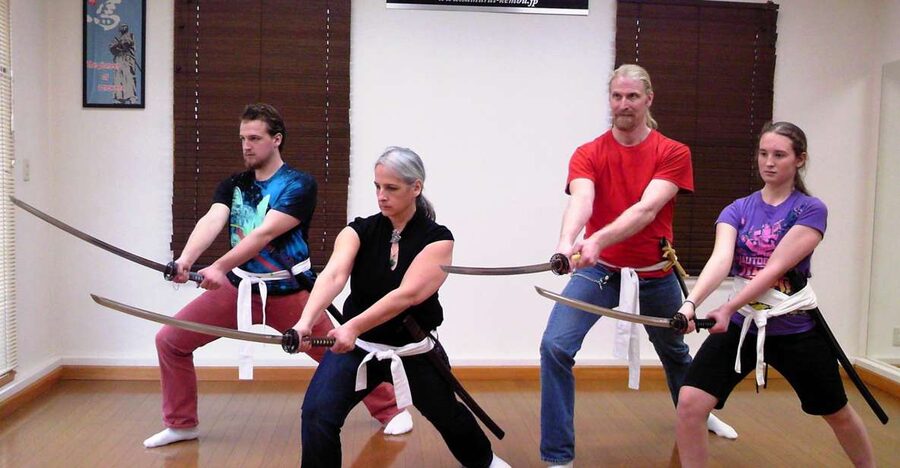
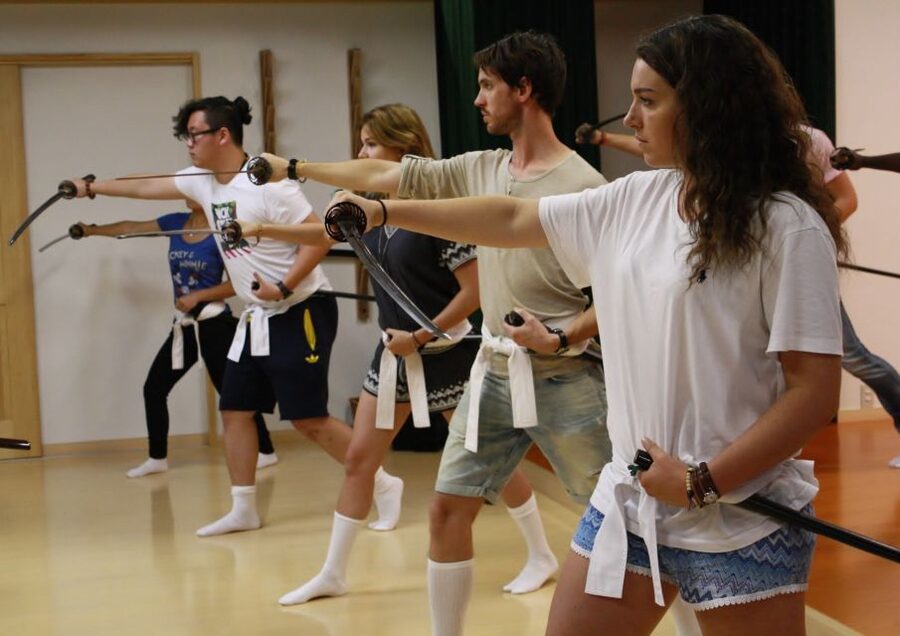
This is the core of the class: you practice the sequence of taking the sword out and handling it with stylized movement.
You learn:
- how to draw the sword,
- how to replace it into its protective scabbard,
- and how to practice stylized strikes as Kenbu technique.
The biggest value for you here is safety plus technique. Reviews repeatedly mention patient instruction and clear guidance. People talk about instructors being funny, approachable, and willing to refine form, which is exactly what you want when your hands and body are new to this kind of movement.
Also, your training includes learning how to show respect to your opponent with the sword. That is a subtle difference from many “try a katana” experiences. It frames the movements as discipline and etiquette, not just physical action.
And because the group is limited to 10 participants, you are more likely to get individual corrections than in a crowded, fast-moving demo.
Photo session and completion certificate, your easy souvenir plan
After the training segments, you get a photo session in your samurai costume. This matters more than people think. The activity is physical and memorable, and photos help you remember it clearly instead of just blurry “I did a thing” shots.
Your included items cover:
- photo shoot,
- completion certificate,
- tenugui towel.
Some reviews also mention keepsakes like scarves and socks, but the only clearly listed item is the tenugui towel. Either way, expect that they want you to leave with something you can show later, not just a vague memory.
One more practical tip: when you are doing the costume and photo portion, take a moment to get your hair and layers sorted before you get too many people behind you. It will keep you calmer if you are trying to coordinate with your group and the staff.
A quieter way to spend a day in Kyoto


The performance: see Kenbu as a craft, not just a lesson
Depending on the option you choose, you’ll watch a short performance with commentary by a sword dance instructor. The performance can be 10 minutes or 30 minutes, and it may happen before leaving or at the beginning of your session, based on your chosen option.
This portion helps you connect what you just practiced with what mastered Kenbu looks like. Reviews describe the performance as entrancing and beautifully executed, and they point out that the show demonstrates the art of samurai sword dance in a way you cannot get from practice alone.
If you are the type who likes context, the commentary is a big deal. It turns the movements into something you understand, not just something you copy.
If you are time-conscious, pick the shorter performance option. If you can spare the time, the longer format gives you more room to see patterns, rhythm, and how the masters think through the choreography.
Price and value, $64 for hands-on training that ends with context
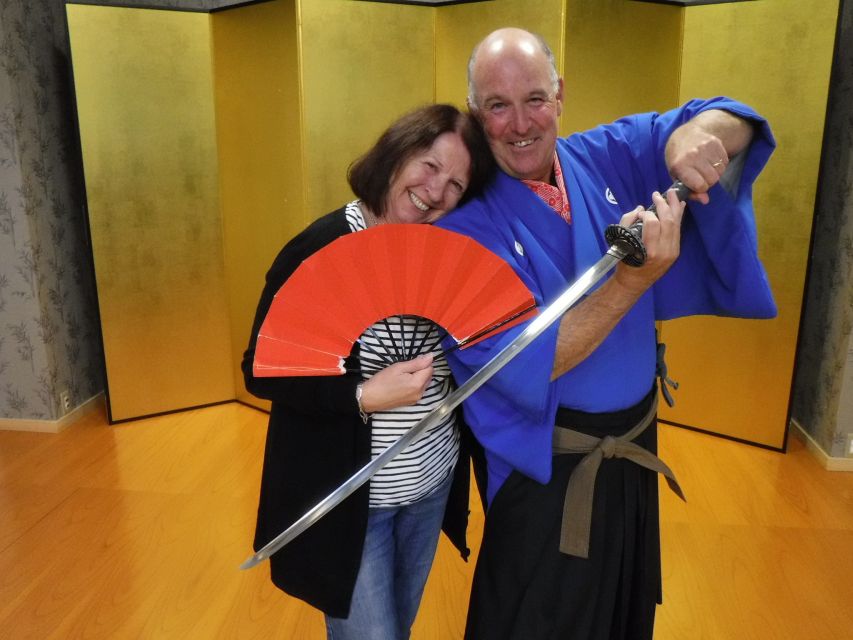
At $64 per person for 90 minutes to 2 hours, this class is fairly priced for what you actually do.
You are paying for:
- an English-speaking instructor,
- hands-on training with sword technique and bowing,
- a costume change,
- a photo session,
- and a completion certificate.
In other words, you are not paying for a long cultural talk. You are paying for a guided activity that includes both learning and a performance follow-up.
The value improves if you like practical activities. If you enjoy movement, technique, and structured instruction, this will feel like a high-return experience for your Kyoto day.
If you are only interested in photos and have zero interest in the training part, you may feel less satisfied because there is no observation-only option. You have to participate.
Who this class suits best in Kyoto
I think this fits best if you:
- want a hands-on cultural experience beyond temples,
- enjoy learning a specific skill rather than only sightseeing,
- like structured instruction and coaching,
- want a fun group activity that still feels authentic.
It also seems to work for families. Reviews include examples of kids and teens participating, with instructors guiding technique at a beginner level. Still, the guidance says children under 4 are not suitable, and for ages 5 to 10 it is desirable that the child attends a martial arts class or has learning something, because lessons are conducted with adult participants.
So if you are traveling with kids, this can be a cool choice. Just confirm your child can handle the training pace and the no-waiting-room logistics.
Safety rules and what they mean for your comfort
This class has clear boundaries, and you should treat them as part of the experience, not a hassle.
Not allowed:
- weapons or sharp objects,
- pets,
- smoking,
- food, alcohol, and drugs,
- luggage or large bags.
You also need to follow instructor instructions for safety reasons. This is especially important with sword-based training, even if the class is designed for beginners.
And because there is no waiting room, pack smart. Keep your bag small enough that you can manage it without creating a crowd issue.
Most importantly: show up sober and ready to participate. If you arrive under the influence of alcohol, you will be in the wrong mindset for a safety-first lesson.
Quick reality check, what you will and will not get
This experience is not:
- a full kendo course,
- a long historical lecture,
- a private sword duel.
It is:
- a beginner-friendly Kenbu lesson with structured steps,
- a costume and photo experience,
- followed by a short performance with commentary.
So aim your expectations at something doable in a couple hours. Then you will enjoy it more, because you will focus on what you can learn during the time you have.
Should you book the Samurai Sword Class in Kyoto?
If you want one memorable, hands-on cultural activity in Kyoto that combines technique, etiquette, costume, and a performance you can understand right after practicing, I would book it.
I would skip it only if you hate structured coaching, you cannot handle physical movement, or you truly want to watch rather than participate. Since the class is not observation-only and there is no waiting room, it is best for people who are ready to jump in.
For the price, $64, you are getting much more than a photo moment. You are getting the chance to learn the bow, the draw-and-sheath sequence, and stylized strikes, then see Kenbu performed with commentary. That mix is exactly what makes this kind of class worth adding to a Kyoto itinerary.
FAQ
How long is the Kyoto Samurai Sword Class?
It lasts about 90 minutes to 2 hours, depending on the starting time and your selected option.
What is included in the class price?
The included items are an English-speaking instructor, a photo shoot, a tenugui towel, and a completion certificate.
Do I need to bring food or drinks?
No. Food and drinks are not included in the activity.
Where do I meet for the class?
You meet at Samurai Kembu Theater (Kyoto dojo), B1F Gozan Building, 35-7 Sanchome (Higashi-iru, Sanjo-hanamikoji), Higashiyama-ku, Kyoto 605-0005.
Is there a performance, and how long is it?
Yes. Depending on the option you choose, you may watch a performance with commentary that lasts 10 minutes or 30 minutes.
Is it suitable for children?
Children under 4 are not suitable. For kids ages 5 to 10, it is desirable that they attend martial arts or have experience learning something, since lessons are conducted with adult participants.
New This Season
- Koyasan Day Trip by Private Car from Kyoto
- Old Port Town and Ultimate Sake Tasting Private Tour From Kyoto
- Kyoto’s Timeless Charm: 3hr Exploration of History and Peace
- Kyoto: 5 Types of Sushi Making
- Sacred Peak & Ancient Paths: Kurama-Kibune Hiking Experience
- Kyoto: Exclusive ZEN practice at Manpukuji temple in Uji
- Kyoto: Private Seasonal Aroma Yoga Class
- Traversing Kyoto’s Scenic West – Arashiyama to Kinkakuji
Samurai Training Experiences, compared.
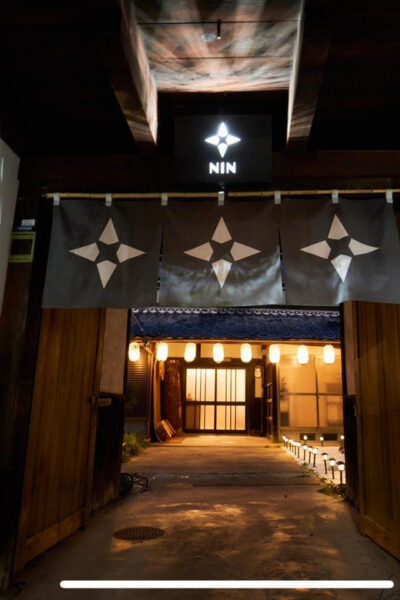
Kendo and Samurai Experience with Uniform and Gear
Read our review →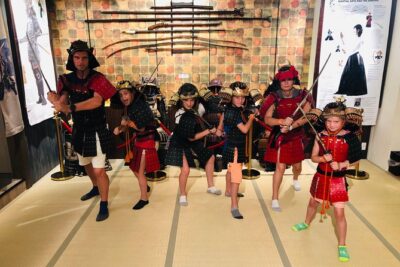
Skip the lines Basic Ticket at SAMURAI NINJA MUSEUM KYOTO
Read our review →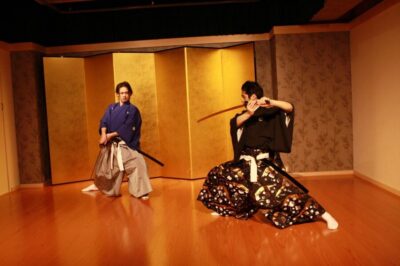
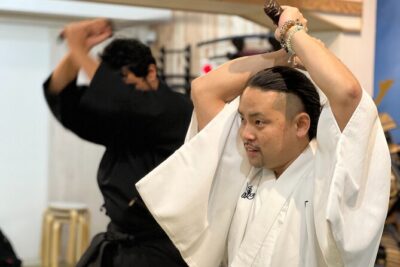
Samurai Training with Modern day Musashi in Kyoto
Read our review →
Private Tea Ceremony and Sake Tasting in Kyoto Samurai House
Read our review →
Kyoto Sword Experience – includes Museum Ticket/Ninja Experience
Read our review →Also filed under