
Reviewed · SAMURAI TRAINING EXPERIENCES
Kyoto: Kendo and Samurai Experience with Uniform and Gear
Trade sightseeing for sword training. In a 100-year-old Kyoto machiya, you dress in full kendo gear, learn etiquette, and practice with safe swords under English instruction from Taka-san.
I love the uniform transformation, because it changes how you walk, stand, and think the moment you put it on. I also love the safety briefing, which keeps the training serious without making you feel tense.
One possible drawback is planning time. The dojo sits in a more residential area, so give yourself extra travel time, and if you go in winter, the training space can feel chilly.
In This Review
- Key things to know before you train
- Stepping into a Kyoto Machiya, then suiting up for real
- Kendo vs. samurai sword fantasies, what you actually learn
- Your 2-hour flow, from safety checks to training moves
- 1) Arrival, transformation, and gear on your body
- 2) Introduction and safety briefing
- 3) Foundations: grip, posture, and basic movements
- 4) Refined techniques: strikes, blocks, and footwork
- 5) A dressed-up photo and video moment
- 6) Cultural wrap-up and reflection
- The training tools you might use, and how to be ready
- Photos and video: how to get your money’s worth
- Where the dojo is in Kyoto, and how to plan your arrival
- Price and value: is $103 fair for 2 hours?
- Who this experience fits best, and who should skip it
- Small issues to consider before you book
- Should you book this Kyoto kendo and samurai workshop?
- FAQ
- How long is the Kyoto kendo and samurai experience?
- Where do I meet for the class?
- Do I need prior experience with kendo or sword training?
- What gear is included in the price?
- Are swords included, and can I purchase replica swords?
- Is the instructor able to teach in English?
- Are alcohol or drugs allowed?
- Is this experience suitable for children?
- What about cancellation and payment flexibility?
Key things to know before you train
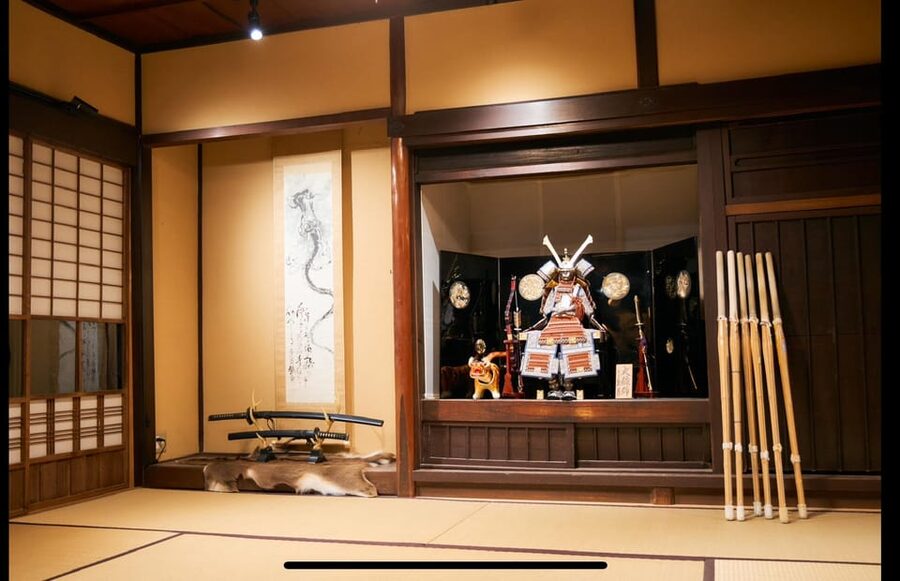
- A Kyoto machiya dojo setting over 100 years old, so it feels lived-in and real
- Full gear included, including shoe rental, so you do not arrive “half dressed”
- English coaching by Taka-san, with patient, beginner-friendly instruction
- Safe training swords (often bamboo or foam), plus practice in proper posture and movements
- Photos and videos during your dressed-up session, so you bring home more than a few blurry pics
- Etiquette and mindset talk, including how samurai culture connects to kendo
Stepping into a Kyoto Machiya, then suiting up for real
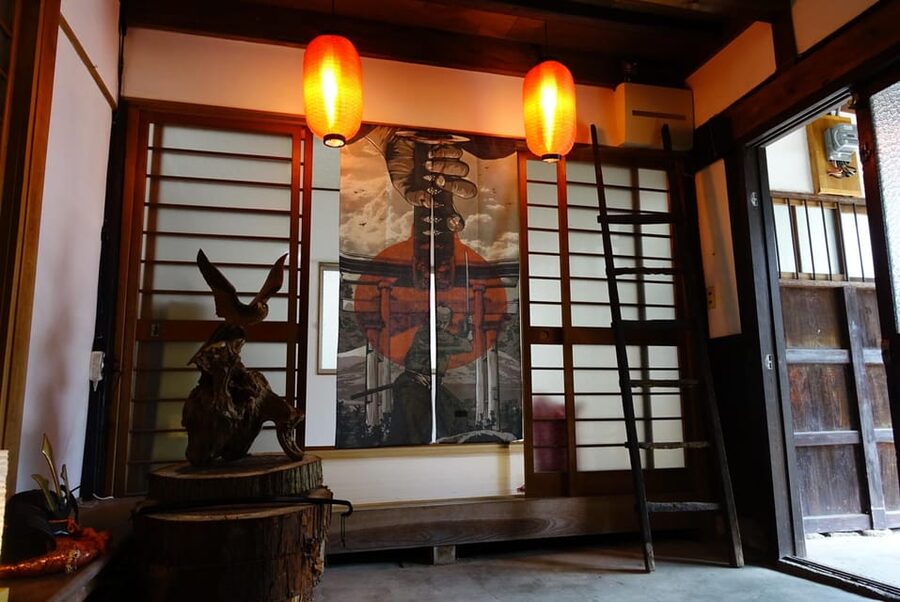
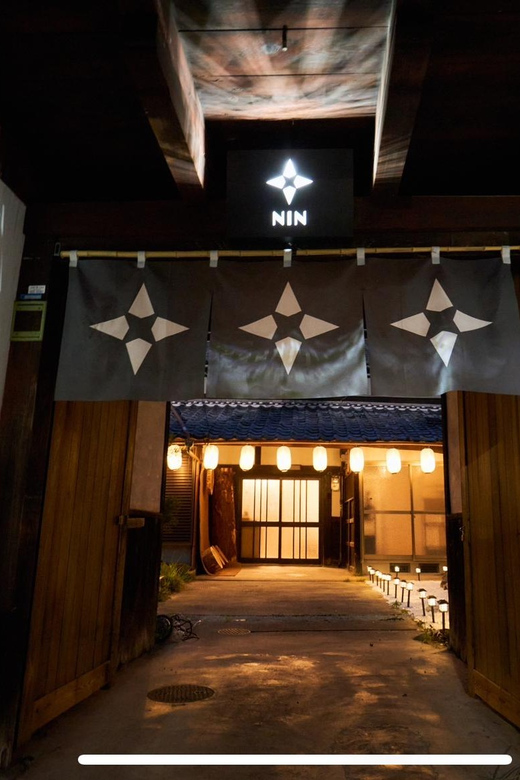
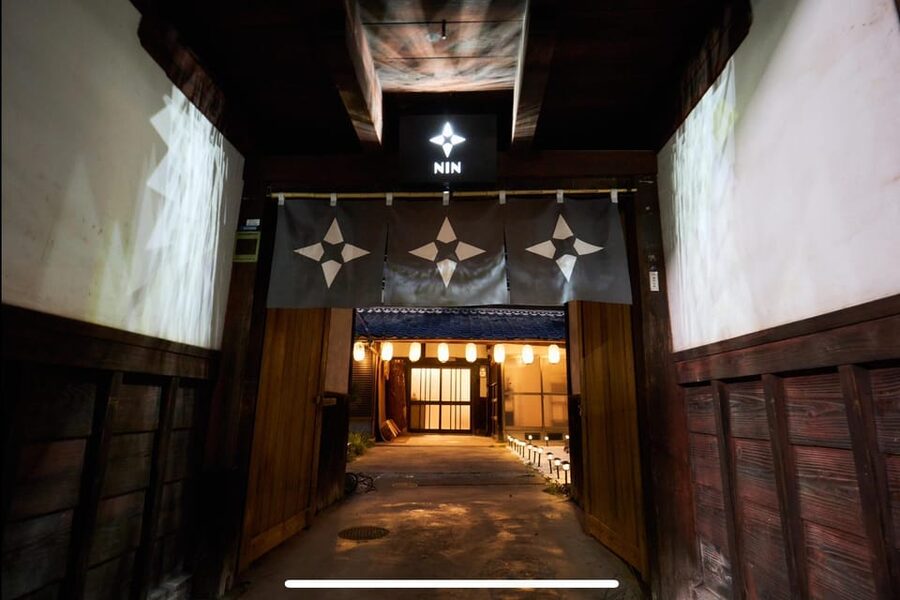
This experience starts with a simple but powerful moment: you arrive at an old Japanese house with a large gate, then you move into training gear like you actually belong in the dojo. The setting matters a lot here. You are not training in a studio that feels temporary, you are in an atmosphere that comes from being a real machiya over 100 years old.
Once you change, everything follows the rules. The way the instructor has you wear the uniform and protective pieces is part of the lesson, not just a prep step. You quickly realize that kendo is as much about discipline and control as it is about swinging a sword shaped tool.
A small note for your expectations: the space is authentic and can feel a bit worn or even dusty in places. That is not a deal-breaker, but it is good to know so you do not expect a brand-new boutique studio.
Kendo vs. samurai sword fantasies, what you actually learn
I came into this thinking it would be mainly about looking the part. It is not. You learn how kendo is trained, and you also get context for where the warrior mindset comes from.
The instructor focuses on fundamentals first. You work on posture, grip, and the body angles that keep your movements accurate. Then you progress into techniques like strikes and blocks, plus footwork that makes the whole motion look controlled instead of random.
You also get a philosophy layer. The session includes etiquette and the mindset behind the blade, plus the history and evolution of kendo. That cultural framing is one reason the experience feels more meaningful than a quick prop-and-pose activity.
One more reality check: you should not expect Hollywood cutting stunts. Some tattoo-style tatami cutting is not part of what you will do here anymore, so plan for training and practice rather than dramatic damage.
Pick up a sword for an afternoon
- Kyoto Samurai Experience
★ 5.0 · 1,294 reviews - Kyoto: Samurai Sword Class by Experts in Traditional Arts
★ 4.9 · 657 reviews - Skip the lines Basic Ticket at SAMURAI NINJA MUSEUM KYOTO
★ 4.5 · 632 reviews - Kyoto: Samurai Kenbu Traditional Sword Dancing Show
★ 4.5 · 426 reviews
Your 2-hour flow, from safety checks to training moves
The pace is structured and beginner-friendly. You start with arrival and changing, then you settle in while the instructor handles the most important part first: safety.
1) Arrival, transformation, and gear on your body
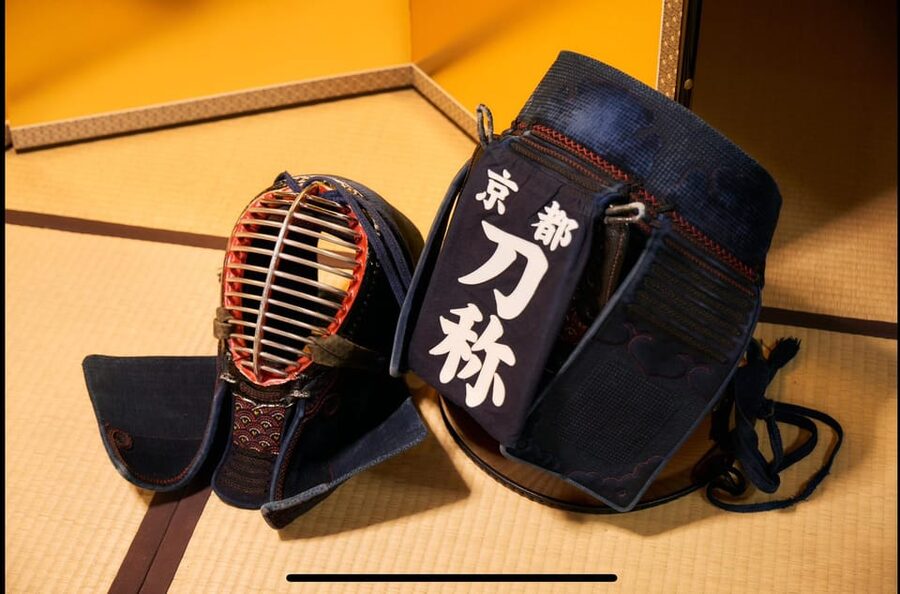
When you walk in, you are guided through suiting up with the provided rentals. You get uniform training attire, plus the equipment and footwear (shoe rental is included) so you can practice properly without hunting for the right gear.
This step sets the tone. Once you are in it, your brain stops treating it like a photo moment and starts treating it like training.
2) Introduction and safety briefing
You get an explanation of etiquette and sword safety. This matters because you are handling a training blade in a dojo setting. The instructor keeps it clear and controlled, and you are not pushed to do anything beyond your comfort.
3) Foundations: grip, posture, and basic movements
Next comes fundamentals. You practice how to hold, where to stand, and how to move with balance. This is the stage where you learn what “correct” means, because it impacts everything that comes after.
A day of temples goes further with something to break it up.


4) Refined techniques: strikes, blocks, and footwork
Then you move into sword motions. Expect a mix of strikes and blocks paired with footwork drills. You will likely work both solo and with partners, depending on group size and comfort.
5) A dressed-up photo and video moment
After training, you get cinematic-style photos and videos while you are fully dressed. The instructor helps with the shot, so you are not just standing there hoping your phone cooperates.
6) Cultural wrap-up and reflection
Finally, you return the gear and head out after about two hours, leaving with the training experience plus the cultural context.
The training tools you might use, and how to be ready
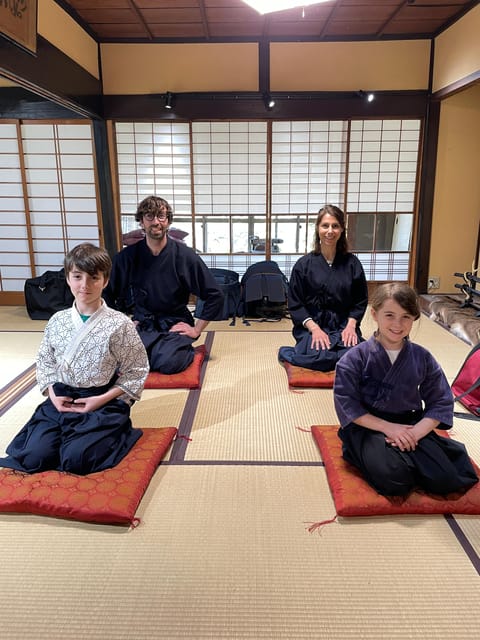
The experience is built around safe, controlled practice. Depending on what the instructor has available that day, you might use bamboo swords, foam swords, or refined replica blades for certain drills. The key is that the training gear is there to let you focus on form.
That matters for value. If the activity felt like “touch a sword and pose,” it would be expensive. Here, the gear supports actual practice: grip, posture, and controlled motion.
What you should bring is mostly about comfort. Your body will do more work than you think once you are wearing training clothes and moving with footwork. In colder months, expect the dojo to feel chilly, and plan accordingly. A warm base layer and socks that keep your feet comfortable can make a big difference.
Also remember the rules: alcohol and drugs are not allowed. Keep it clean and focused so you get the best experience.
Photos and video: how to get your money’s worth
The photo and video session is a real part of the program, not an afterthought. You get help from the instructor while you are in the full uniform, which usually means your chances of getting a good result are much higher than trying to direct your own shots.
If you want your pictures to look authentic, do one simple thing: follow the instructor’s posture cues during the shoot. People often assume a good photo comes from a cool stance. In a dojo setting, it comes from correct body alignment.
You also tend to get better results if you treat the photos like part of the discipline. The training outfits and protective gear create a strong silhouette, so even simple posed moments can look “samurai” in the right way.
Where the dojo is in Kyoto, and how to plan your arrival
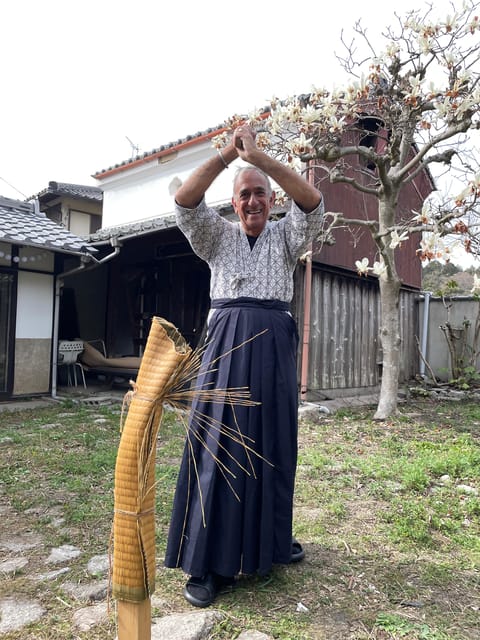
Your meeting point is an old Japanese house with a large gate. That sounds straightforward until you realize Kyoto is full of lanes and residential areas that can be confusing without local guidance.
Give yourself buffer time. Some people find the location a bit far from where they are staying, so taking a taxi from the station is often the easiest way to get to the front gate on time. If you arrive late, it can disrupt the flow for the group.
Also watch your timing with the season. In winter, you may practice partly outside in the courtyard, depending on conditions. The experience is designed to go ahead, but cold weather can make you feel stiffer. Dress for the dojo and the possibility of outdoor air.
Price and value: is $103 fair for 2 hours?
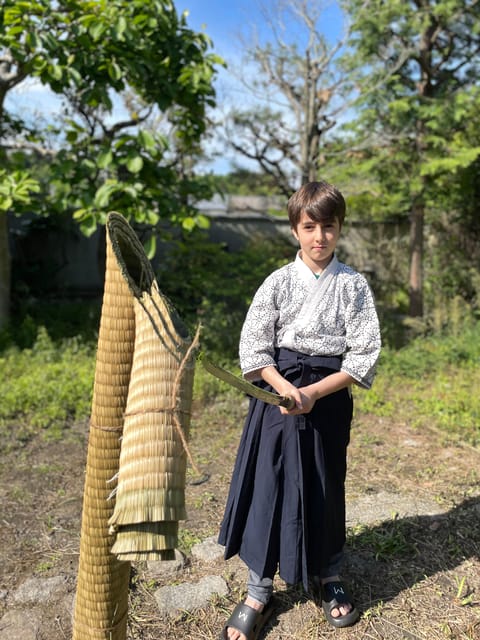
At $103 per person for about two hours, this is not a budget activity. But it also is not a show you watch. You are actively trained, suited up with rentals, and coached in a real dojo environment.
Here is what you are really paying for:
- Instruction and safety guidance, including etiquette and technique basics
- Gear rentals, including uniform, equipment, and shoe rental
- The practice time itself, not just a demonstration
- Photos and video support, so you leave with something tangible
If you compare it to paying for a generic cultural tour and then paying separately for a costume photo stop, this starts looking like a smarter deal. You get participation plus cultural context, all in one block.
The best value usually happens when you approach it as training. If you want only a quick costume moment, the price might feel steep. If you want hands-on kendo basics and a guided taste of samurai culture, it becomes more reasonable quickly.
Who this experience fits best, and who should skip it
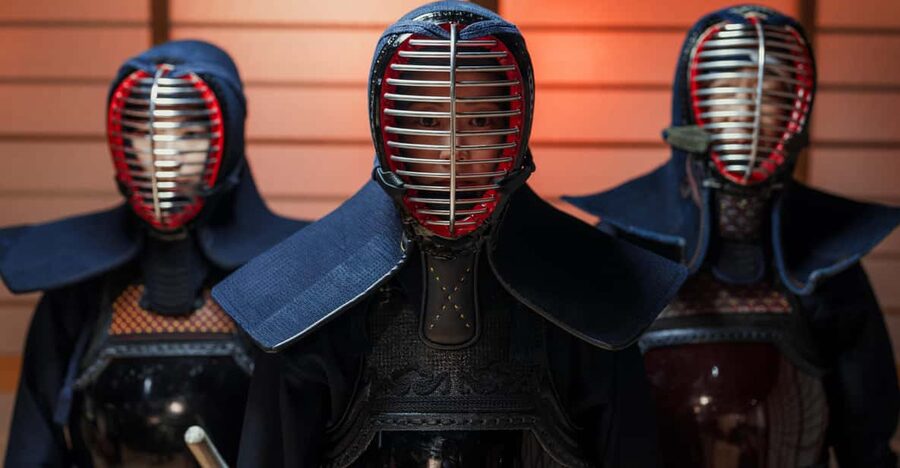
This is a strong match if you want a Kyoto activity that is hands-on and structured. It is also great if you like learning the “why” behind traditions, not just the “what.”
You will likely enjoy it most if:
- You like sports, movement, or martial arts style training
- You want an authentic building setting, not a theme set
- You appreciate etiquette and cultural context
- You want guided photos and video, not random selfie attempts
It is not suitable for children under 7. Also, if you are sensitive to cold or do not like physical practice, plan clothing and pacing carefully.
Group size can affect how much time you get to practice, and reviews often describe the class as small and friendly. A smaller group usually helps with individualized correction on posture and motion.
Small issues to consider before you book
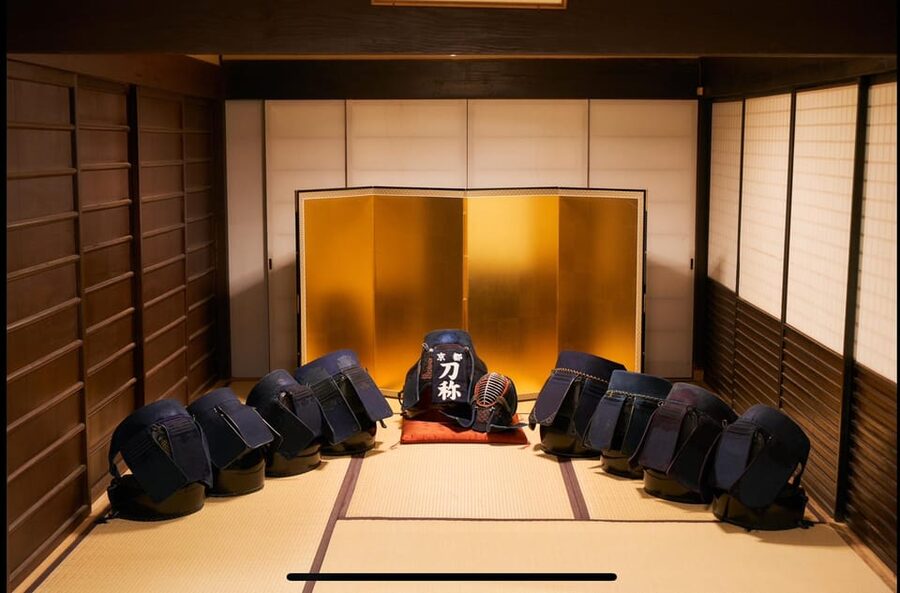
No experience is perfect, and a couple small points come up. First, the training room can feel a bit dusty or worn. That is part of the lived-in authenticity, but it still might be uncomfortable if you are picky about cleanliness.
Second, it can be chilly in colder months. You are moving, but you still sit in gear and take pauses between drills. Prepare with warm socks and layers so you do not get distracted by cold.
Finally, manage expectations about what you will do with swords. You will train safely with provided equipment, but you are not doing real cutting. The focus is technique and discipline.
Should you book this Kyoto kendo and samurai workshop?
If you want a Kyoto moment that feels like more than sightseeing, I think you should book it. The combination is rare: real dojo setting, full uniform and gear rentals, and hands-on kendo practice with English coaching from Taka-san, plus photos and video to take the memory home.
Book it especially if you:
- Want to try kendo basics even if you have zero experience
- Like cultural context alongside physical practice
- Care about getting good dressed-up photos without DIY chaos
Skip it if you only want a quick costume-and-photo stop, or if the idea of movement in a dojo environment does not sound appealing. For everyone else, it is one of those Kyoto activities that actually changes how you understand samurai culture, not just how you picture it.
FAQ
How long is the Kyoto kendo and samurai experience?
It lasts about 2 hours.
Where do I meet for the class?
You meet at an old Japanese house with a large gate.
Do I need prior experience with kendo or sword training?
No prior experience is required. You get instruction and a safety briefing first.
What gear is included in the price?
The experience includes uniform rental, equipment rental, shoe rental, and gear rental.
Are swords included, and can I purchase replica swords?
Yes, you use training blades during the experience. Replica swords are available for purchase, but they are not included.
Is the instructor able to teach in English?
Yes, the instructor teaches in English.
Are alcohol or drugs allowed?
No, alcohol and drugs are not allowed.
Is this experience suitable for children?
It is not suitable for children under 7.
What about cancellation and payment flexibility?
You can cancel up to 24 hours in advance for a full refund. You can also reserve now and pay later, meaning you pay nothing today.
New This Season
- Koyasan Day Trip by Private Car from Kyoto
- Old Port Town and Ultimate Sake Tasting Private Tour From Kyoto
- Kyoto’s Timeless Charm: 3hr Exploration of History and Peace
- Kyoto: 5 Types of Sushi Making
- Sacred Peak & Ancient Paths: Kurama-Kibune Hiking Experience
- Kyoto: Exclusive ZEN practice at Manpukuji temple in Uji
- Kyoto: Private Seasonal Aroma Yoga Class
- Traversing Kyoto’s Scenic West – Arashiyama to Kinkakuji
Samurai Training Experiences, compared.
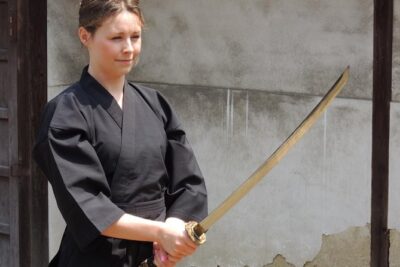
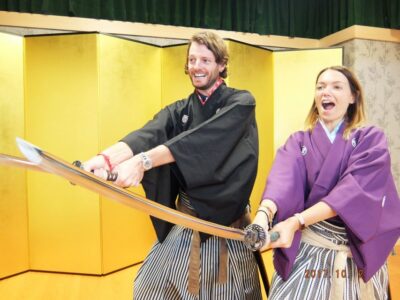
Samurai Sword Class by Experts in Traditional Arts
Read our review →
Skip the lines Basic Ticket at SAMURAI NINJA MUSEUM KYOTO
Read our review →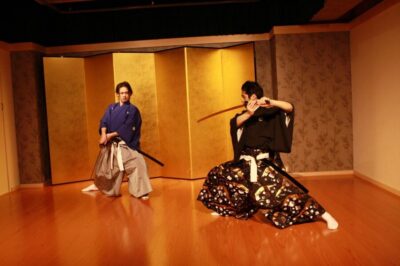
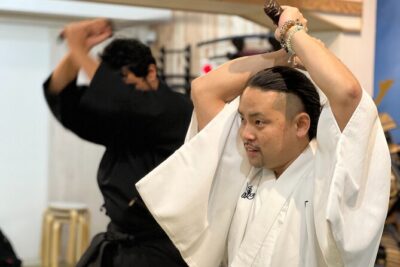
Samurai Training with Modern day Musashi in Kyoto
Read our review →
Private Tea Ceremony and Sake Tasting in Kyoto Samurai House
Read our review →
Kyoto Sword Experience – includes Museum Ticket/Ninja Experience
Read our review →Also filed under