
Reviewed · COOKING CLASSES
Kyoto: Japanese Washoku Bento Small Group Cooking Class
Bento looks simple, cooking it is not. In this small-group Kyoto class, you cook a full washoku bento from scratch, then eat it right there, with hands-on lessons that cover tempura frying, knife technique, and dashi stock.
I especially like the practical tempura instruction and the fact that you learn dashi step by step, not just a vague overview. One drawback to plan around: the class is 150 minutes and you must be on time at Kyoto Laundry Cafe, because arriving more than 15 minutes late can cancel your reservation.
In This Review
- Key things I’d circle before you book
- Why Kyoto Washoku Bento Tastes Better Than a Restaurant Lunch
- Start at Kyoto Laundry Cafe, Near Saiin Station
- Bento Basics and Washoku Rules You Can Use at Home
- Knife Skills: The Japanese Approach That Makes Cooking Less Stressful
- Dashi Stock: Learn the Flavor Base Behind Washoku
- Tempura Frying: The Technique, Not the Guesswork
- Your Bento Lineup: Sushi Rolls, Sesame Tofu, Rolled Omelette, and Tempura
- Eating Your Bento Together: The Part People Actually Remember
- Price and Value: What 58 Dollars Buys You Here
- Who This Class Fits Best, and Who Should Skip It
- Should You Book This Kyoto Bento Cooking Class?
- FAQ
- Where is the meeting point for the cooking class?
- How long is the Kyoto washoku bento cooking class?
- How many people are in the class?
- What dishes will we cook in the bento box?
- What is included in the price?
- What languages are offered during the class?
- Is the class easy to fit into a day around Saiin station?
- What happens if I arrive late?
- Who should not book this experience?
Key things I’d circle before you book
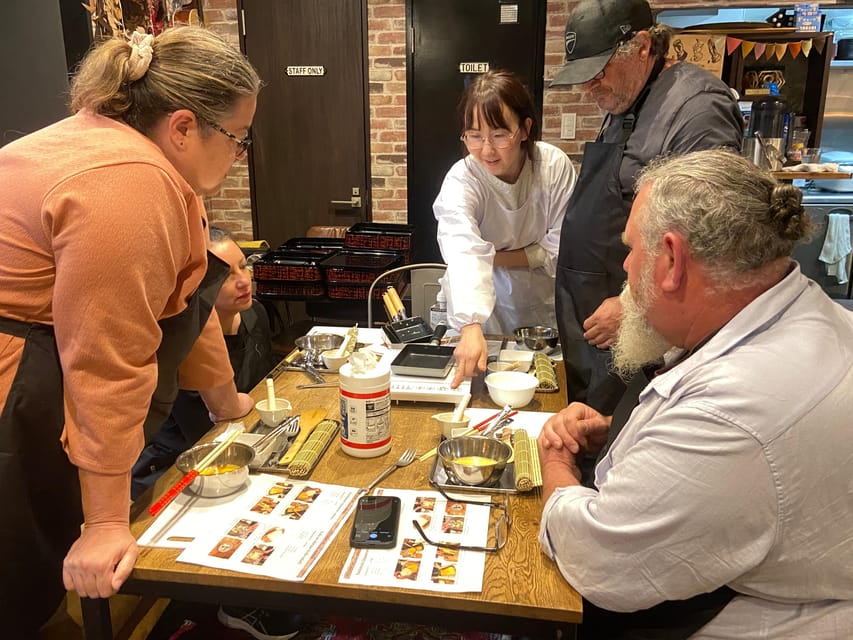
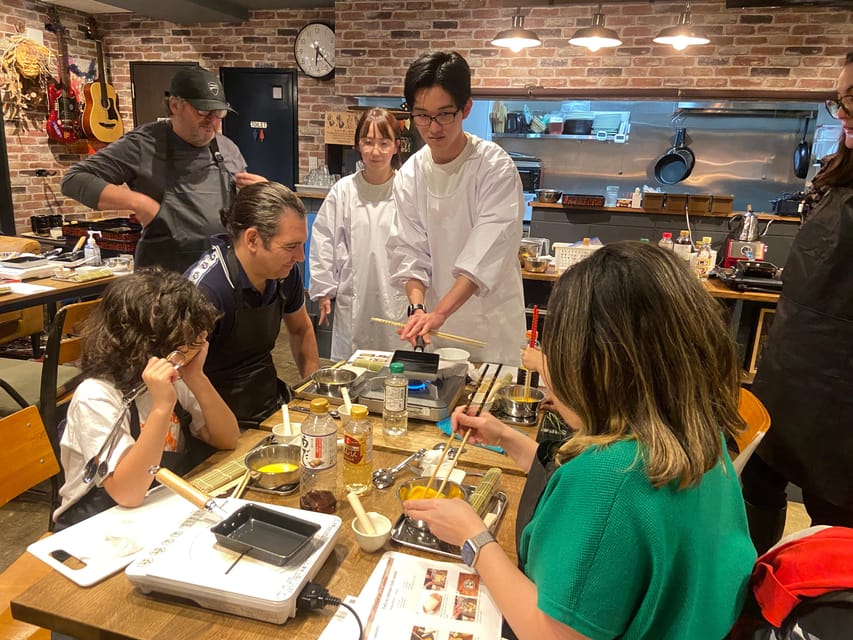
- Small group of up to 5 so you get real attention while cooking
- Washoku focus on fresh, seasonal ingredients and balanced flavors
- Dashi stock lesson so you learn the flavor base behind lots of Japanese food
- Tempura frying technique taught with clear steps and proper handling
- Four-dish bento payoff, including sushi rolls and a rolled omelette
- You eat what you make, with time to chat with your instructor and group
Why Kyoto Washoku Bento Tastes Better Than a Restaurant Lunch
This is the kind of class that makes you understand why Japanese meals feel so calm, clean, and satisfying. A bento is not just packed food, it is a designed meal where each component has its own job, and the set adds up to balance. You also get a washoku lens, with fresh, seasonal ingredients and care for flavor, color, and texture.
I like that you get more than one skill at a time. You are not only assembling plates, you are learning how the dishes are built, from making stock to frying and rolling. That matters because when you go home, you can recreate the logic, not just copy the shapes.
You should go in knowing you will eat a lot. People describe leaving with food that looks impressive and tastes great, so plan your Kyoto schedule so you do not immediately need a nap or a second dinner.
Start at Kyoto Laundry Cafe, Near Saiin Station
Your meeting point is Kyoto Laundry Cafe (Kyoto Laundry Cafe, 京都ランドリーカフェ), about 5 minutes from Saiin station. On the day of the program, the chef comes to pick you up at that meeting spot, so you do not have to guess where the class will be held.
This is useful if you are already planning your day around nearby trains. Saiin station is a common place to pass through in Kyoto, so it is easy to build this class into an afternoon without trekking across town.
One practical thing: arrive early. The instruction is clear that if you show up more than 15 minutes after the scheduled meeting time, your reservation is automatically canceled. That is a strict rule, so set yourself up to be calm and on time.
A quieter way to spend a day in Kyoto
- Ramen Cooking Class at Ramen Factory in Kyoto
★ 5.0 · 1,937 reviews - Kyoto: Ramen Cooking Class at a Ramen Factory with Souvenir
★ 4.9 · 532 reviews - Kyoto: Ramen, Gyoza, and Onigiri Cooking Class
★ 5.0 · 445 reviews - Kyoto: Japanese Traditional Sweets Making and Tea Ceremony
★ 4.4 · 314 reviews
Bento Basics and Washoku Rules You Can Use at Home
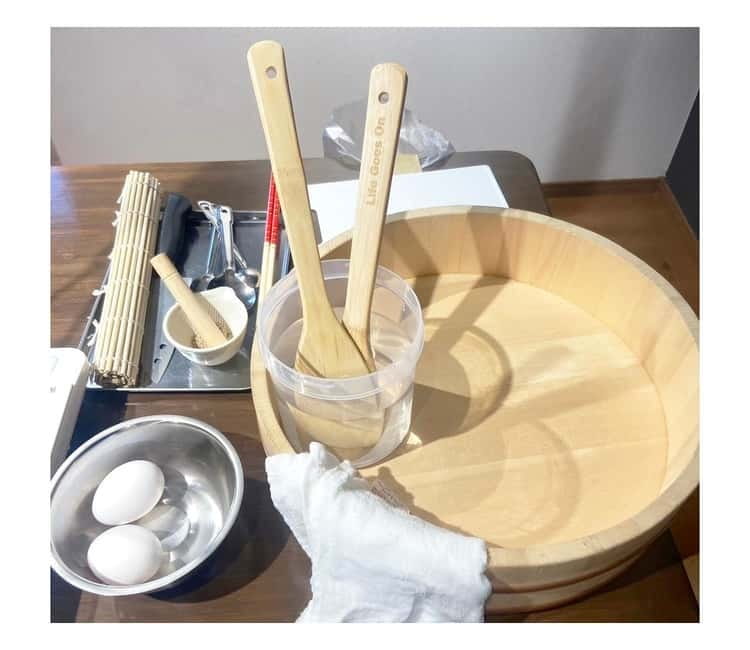
You will make your own bento box, which is a portable meal made of separate dishes. The goal is not only to cook, it is to learn how washoku thinking shows up in everyday food. That includes harmony of flavors, and also how textures and colors keep the meal interesting.
Expect explanations around what makes bento practical in Japanese daily life, and why the meal often includes multiple small dishes. In past classes, instructors like Ai and Miyu have been praised for explaining the history of bento and how Japanese homes eat these meals today.
If you are the kind of traveler who likes to understand culture through food, this is a strong fit. You learn the why behind the what, so when you plate at home, you start making better choices without needing a lot of measuring.
Knife Skills: The Japanese Approach That Makes Cooking Less Stressful
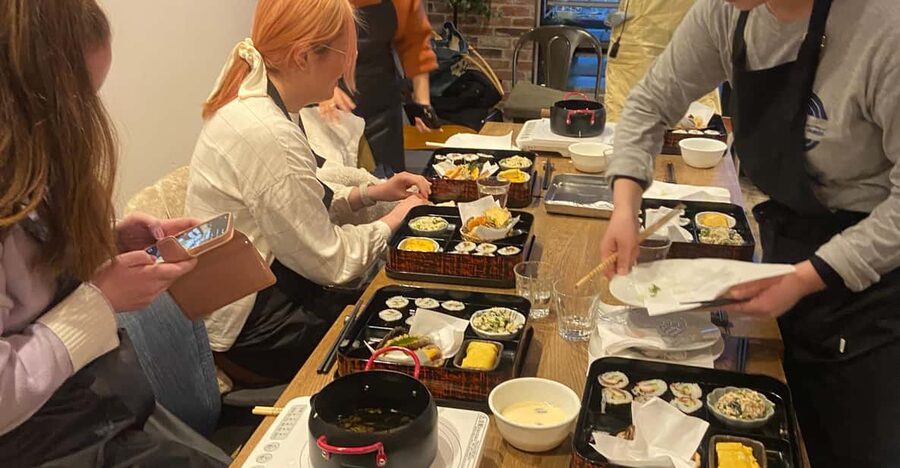
Knife work is part of the class plan, and it is more than speed. The focus is on proper technique and a more Japanese approach to prep, so you can handle ingredients carefully and efficiently.
In reviews, instructors such as Miyu and Chef Rie are specifically praised for teaching in an encouraging, step-by-step way. That is exactly what you want here, because knife confidence is usually what separates a fun cooking session from a frustrating one.
What to expect in real terms: you will likely practice how to handle ingredients for the bento dishes, then use that prep while cooking. Even if you are a beginner, this class is designed so you can participate, not just watch.
Dashi Stock: Learn the Flavor Base Behind Washoku
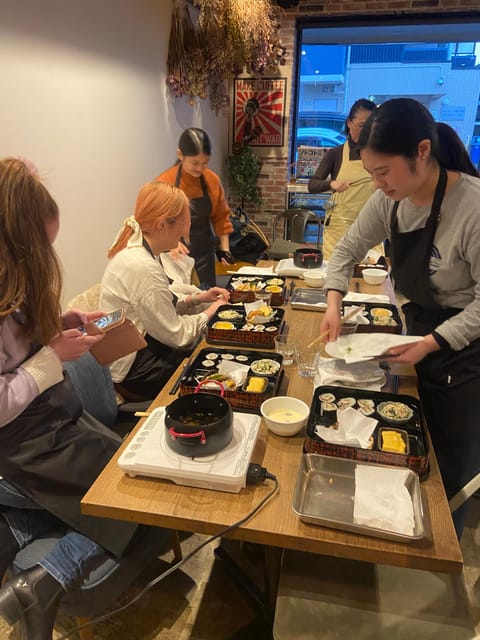
Dashi is one of those ingredients that sounds simple until you realize it is the foundation for so much Japanese cooking. You will learn how to make dashi stock from a local chef, and you will use that skill as part of your bento preparation.
Why this matters for you: once you understand the dashi method, you can build flavor into many meals beyond this class. Dashi is not only about taste, it is about clarity and balance.
Reviews also highlight that instructors explain dashi clearly and thoroughly, with Chef Rie and Ai getting called out for the quality of their instruction. If you care about taking home a technique you can reuse, this is one of the best parts of the experience.
Tempura Frying: The Technique, Not the Guesswork
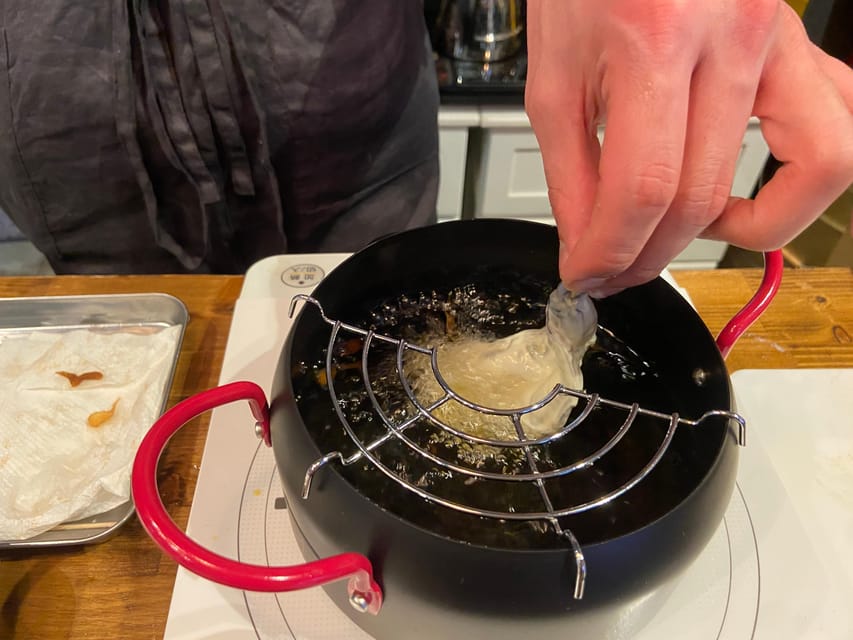
Tempura is one of the tastiest ways to measure your cooking progress, because frying can go wrong fast. This class teaches you how to fry tempura properly, which is useful whether you are brand new to frying or you have tried before.
What I like about including tempura is that it forces you to pay attention to process. Temperature and handling matter, and the batter needs to behave a certain way. You get guidance on the steps, and you cook alongside the instructor, so the technique becomes something you can remember.
If you like hands-on classes, you will appreciate that the tempura lesson is paired with other bento components. You learn a full set of skills, so your bento at home does not end up as one good dish and three “not quite.”
A day of temples goes further with something to break it up.


Your Bento Lineup: Sushi Rolls, Sesame Tofu, Rolled Omelette, and Tempura
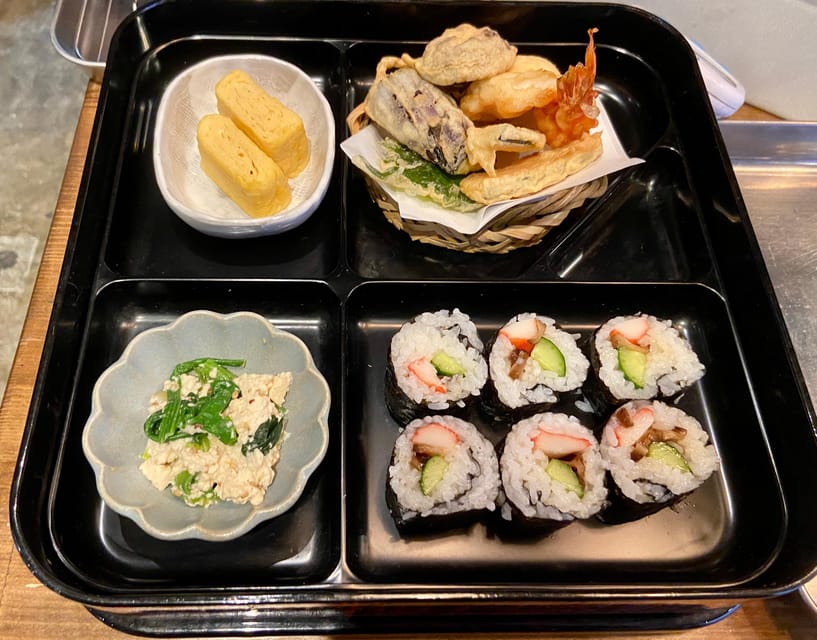
The class is built around a 4-dish bento. Based on the experience description, you will cook sushi rolls, tempura, tofu salad, and a Japanese rolled omelette, plus you make dashi stock.
Here is how that lineup helps you as a cook:
- Sushi rolls teach you assembly and technique, not only flavor.
- Tofu salad brings lighter, refreshing balance to the meal, which matters in a bento set.
- Sesame tofu shows up in many class outcomes, and it is a great reminder that Japanese flavor often comes from simple, well-chosen sauces.
- The rolled omelette teaches handling and timing, and it connects back to the dashi flavor base.
In reviews, people repeatedly say the food comes out looking great and tasting delicious. Multiple guests also mention that each dish uses unique utensils and methods, which keeps the session from feeling repetitive.
One more practical note: if you have dietary restrictions, do not assume the class will automatically handle everything. One review notes a shrimp allergy substitution, which is a good sign, but your safest move is to contact the provider ahead of time and ask what adjustments are possible.
Eating Your Bento Together: The Part People Actually Remember
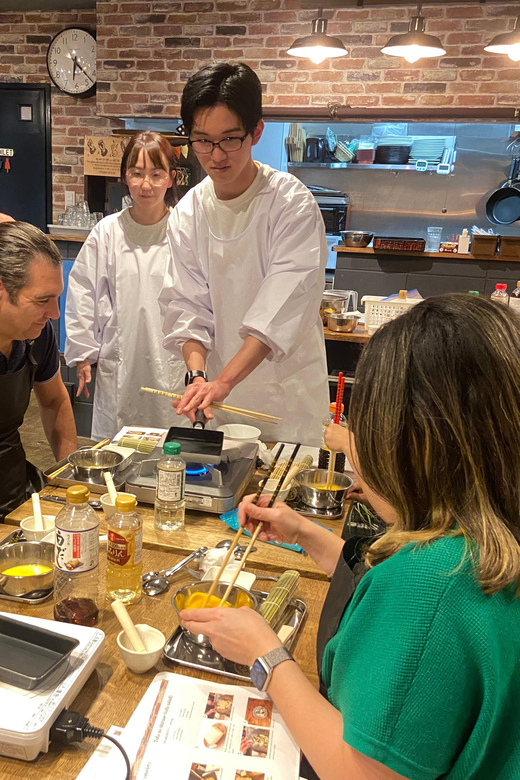
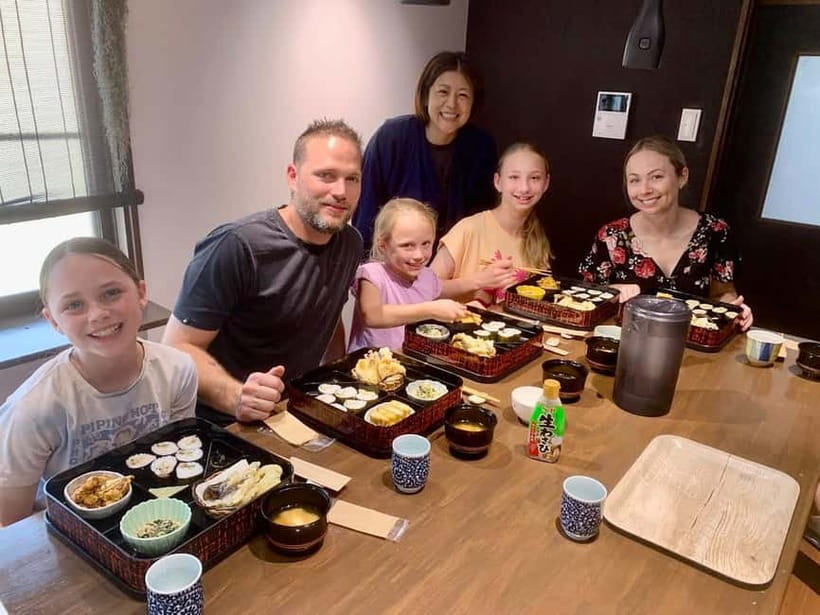
After you cook, you eat together while chatting with the group. This is not an awkward, rushed “here’s your food” moment. It is built into the 150 minutes, so you get a real break to enjoy what you made.
In reviews, guests mention feeling proud of what they produced and enjoying the meal as a shared experience. That matters because bento is visual. When you assemble and then eat, the whole idea of balance becomes real, not just theoretical.
If you want a Kyoto experience that is more than photos and temples, this meal is a strong answer. You leave with food knowledge you can repeat, and you also leave with a story you can tell.
Price and Value: What 58 Dollars Buys You Here
At about $58 per person for 150 minutes, this is priced like a serious hands-on class, not a quick tasting. The value comes from the combination of ingredients, equipment, and an instructor who teaches multiple techniques in one session.
You get:
- An instructor (English and Japanese)
- Ingredients for four dishes
- Aprons and other cooking equipment
- The chance to cook tempura, make dashi stock, and work on knife skills
Small group size is another value lever. Limited to 5 participants, the class tends to feel personal, and that is why people often mention getting answers to questions during cooking. If you hate being stuck at the back of a large class, this format is a big deal.
Also, some guests report receiving recipes by email after the class. That is not something you should count on without checking, but when it happens, it makes the class last longer than one afternoon.
Who This Class Fits Best, and Who Should Skip It
This is best for people who want practical cooking skills and want to eat what they make. If you like washoku, bento lunches, tempura, or you simply want a structured way to learn Japanese home cooking, you will likely have a great time.
It is also ideal if you appreciate small-group interaction. Past classes are praised for friendly teaching and smooth pacing, with instructors like Ai, Miyu, and Chef Rie getting named often for being supportive and clear.
But it is not for everyone. The experience is not suitable for wheelchair users, people with diabetes, and certain young children (children under 2, under 3, and under 4 are listed as not suitable, plus babies under 1). If any of those apply to your group, you should look for a different cooking option.
Should You Book This Kyoto Bento Cooking Class?
If your goal is to learn real washoku techniques you can use at home, this class is a strong yes. You get a full bento set, you learn dashi and tempura, and you also get knife skill guidance, all in a small group that keeps the experience interactive.
Book it if you want a fun afternoon that still feels educational, and if you like the idea of making sushi rolls, tofu-based dishes, and a rolled omelette as part of one meal. Skip it if you cannot be punctual at the meeting point, or if you fall into the listed unsuitability categories.
If you do book, my best advice is simple: come hungry, arrive early, and ask questions while you cook. That is where the class turns from good food into a skill you actually carry home.
FAQ
Where is the meeting point for the cooking class?
The meeting point is KYŌTO LAUNDRY CAFE (京都ランドリーカフェ). It is about 5 minutes from Saiin station. On the day of the program, the chef comes to pick you up at this location.
How long is the Kyoto washoku bento cooking class?
The class duration is 150 minutes.
How many people are in the class?
This is a small group experience limited to 5 participants.
What dishes will we cook in the bento box?
The class includes cooking sushi rolls, tempura, tofu salad, and a Japanese rolled omelette, plus you also learn how to make dashi stock.
What is included in the price?
Included are the instructor, the cooking class, ingredients, and cooking for 4 dishes, along with aprons and other equipment.
What languages are offered during the class?
The instructor is listed as English and Japanese.
Is the class easy to fit into a day around Saiin station?
It is designed around a meeting point near Saiin station (about a 5-minute walk from the station), so you can usually plan it into an afternoon without crossing Kyoto blindly.
What happens if I arrive late?
If you arrive more than 15 minutes after the scheduled meeting time, your reservation is automatically canceled.
Who should not book this experience?
It is listed as not suitable for wheelchair users, people with diabetes, and certain young children (children under 2, under 3, and under 4 are listed as not suitable), as well as babies under 1 year.
New This Season
- Koyasan Day Trip by Private Car from Kyoto
- Old Port Town and Ultimate Sake Tasting Private Tour From Kyoto
- Kyoto’s Timeless Charm: 3hr Exploration of History and Peace
- Kyoto: 5 Types of Sushi Making
- Sacred Peak & Ancient Paths: Kurama-Kibune Hiking Experience
- Kyoto: Exclusive ZEN practice at Manpukuji temple in Uji
- Kyoto: Private Seasonal Aroma Yoga Class
- Traversing Kyoto’s Scenic West – Arashiyama to Kinkakuji
Cooking Classes, compared.
Ramen Cooking Class at Ramen Factory in Kyoto
Read our review →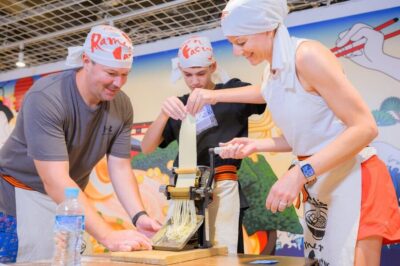
Ramen Cooking Class at a Ramen Factory with Souvenir
Read our review →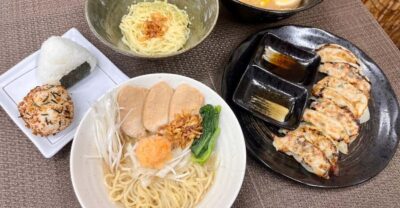
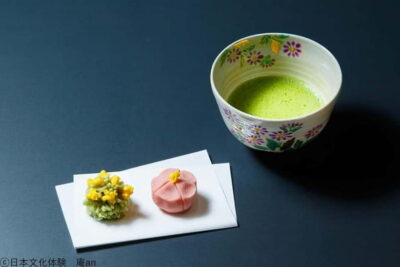
Japanese Traditional Sweets Making and Tea Ceremony
Read our review →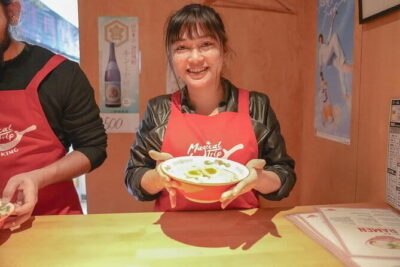
Kyoto Ramen and Gyoza Cooking Class with Professional Chefs
Read our review →
Gyoza Cooking Class in Kyoto: Traditional Japanese Dumplings
Read our review →Also filed under