
Reviewed · RAMEN TOURS
Home style Ramen and Homemade Gyoza in Kyoto
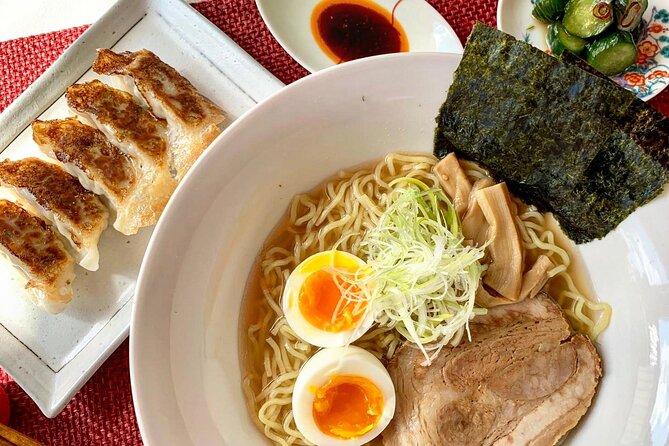
Kyoto can be loud, but this class slows things down. In Nariko’s Kitchen, you make home-style ramen soup and homemade gyoza wrappers from scratch, then sit down to eat your own work in a real home setting. The best part is how manageable it feels, with clear step-by-step instruction and a meal that tastes like something you could actually repeat later. The main catch to plan around: the ramen soup uses dried fish, so it is not vegetarian.
You start at 10:00 am and spend about 3 hours 30 minutes working through dough, soup, and dumpling prep, finishing with tasting and eating. It is a small group class, up to 8 people, with limited space so only participants can attend. If you are expecting to make ramen noodles too, you should know this class focuses on the broth and the gyoza wrappers, not the noodles.
In This Review
- Key highlights
- Inside Nariko’s Kitchen: why this Kyoto ramen class feels different
- What you cook: ramen soup, handmade gyoza skins, and cucumber pickles
- The real itinerary: how the 3.5 hours usually unfold
- Ramen soup without noodles: what that means for you
- Handmade gyoza wrappers: knife work, dough feel, and the payoff
- Cucumber pickles: the small side that makes the meal work
- Learning in a real Kyoto home, not a studio classroom
- Price and value: is $118.92 really fair for this experience?
- Who should book, and who should skip it
- Practical tips so you get the best 10:00 am experience
- Should you book Nariko’s home-style ramen and gyoza class?
- FAQ
- What time does the class start, and how long does it last?
- Where is the meeting point in Kyoto?
- Do you make ramen noodles in this class?
- What dishes are included?
- Is the class vegetarian-friendly?
- What is the minimum age for participants?
- How big is the group?
- How does the cancellation policy work?
- How soon will I get confirmation after booking?
Key highlights
- Home-style ramen broth using a family-style approach, including dried fish for authenticity
- Gyoza wrappers from scratch, not store-bought skins
- Pan-fried gyoza as part of the finished meal
- Cucumber pickles to balance the rich dumpling and soup flavors
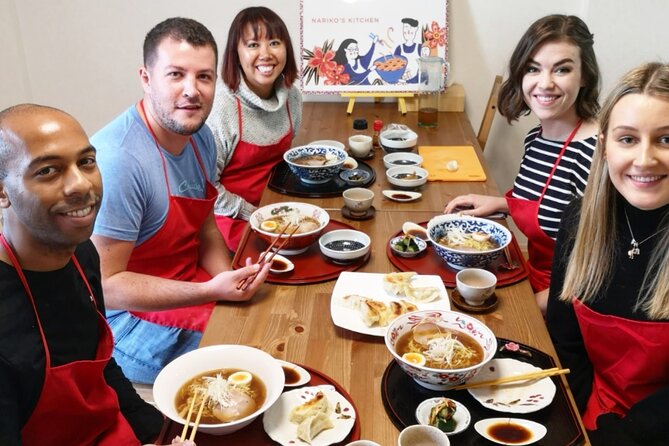
- Small group learning in a private home kitchen, up to 8 participants
- Recipe sharing after class, so you can try again at home
Inside Nariko’s Kitchen: why this Kyoto ramen class feels different
There is a big difference between eating Japanese food in a restaurant and learning how it is built. This class is built around the kind of work that makes ramen and gyoza make sense, broth and dumplings as systems, not just dishes. You learn how dough texture changes and how flavor deepens in the soup, then you eat it all in the same place you cooked.
What I like most is that the experience is practical. You are not just watching someone else work, you are making the key parts yourself. That hands-on focus shows up in the details people keep praising: the step-by-step pacing, the clean home kitchen setup, and the fact that you leave with more than memories, you leave with a repeatable method.
The other big plus is the size. With a maximum of 8 people, you get real attention and time to catch up if something feels unfamiliar. That matters for knife work and dough handling, especially if this is your first time making dumpling skins.
What you cook: ramen soup, handmade gyoza skins, and cucumber pickles
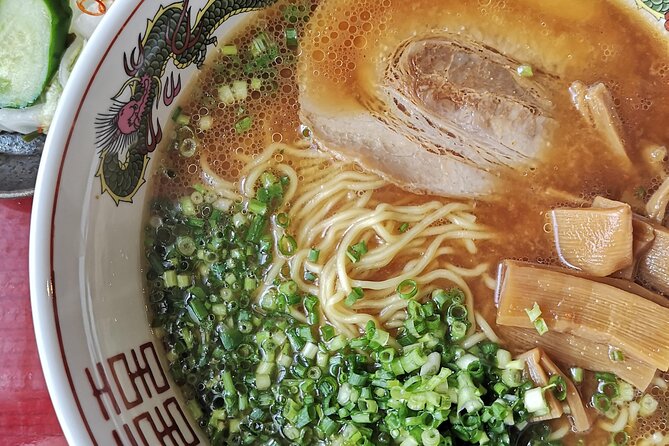
This is a home-style menu with a clear purpose. You make ramen soup using Nariko’s mother’s recipe approach, and you use dried fish for the broth. This is a common ramen foundation, and you should treat it as part of the class, not a shortcut.
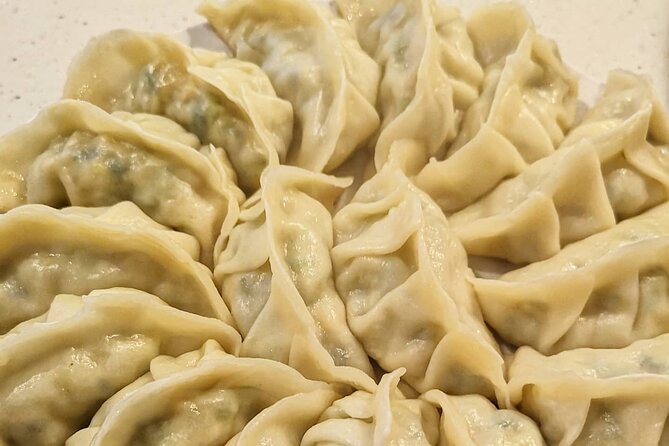
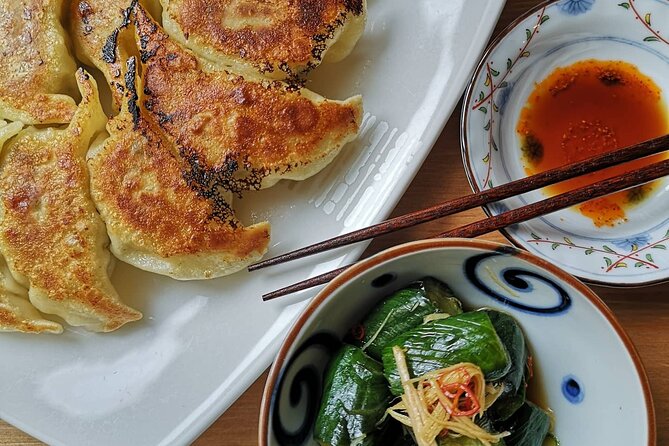
For the gyoza, the star is the wrapper. You make the gyoza skin from scratch, meaning the dough work and rolling steps are part of the lesson, not just assembling dumplings. Then you make the gyoza into their final form and cook them as part of the meal. Based on how the class is described and what people report, the gyoza are fried rather than boiled, which gives you that crisp-edged dumpling vibe people love.
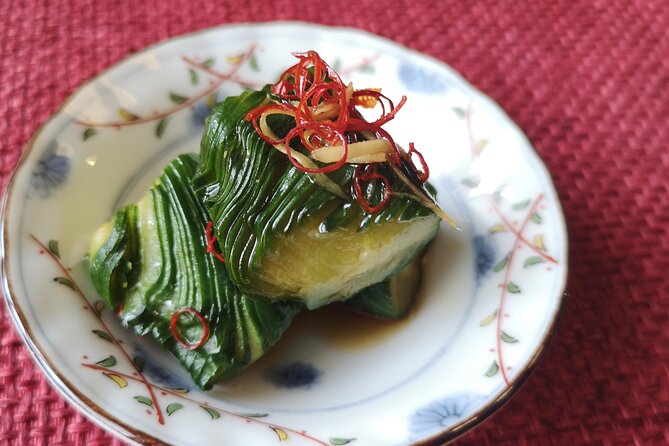
You also make cucumber pickles, a simple side that keeps the meal from feeling heavy. It adds crunch, tang, and a bright reset after soup and hot dumplings.
More bowls worth the wait
- Ramen Cooking Class at Ramen Factory in Kyoto
★ 5.0 · 1,937 reviews - Kyoto: Ramen Cooking Class at a Ramen Factory with Souvenir
★ 4.9 · 532 reviews - Kyoto: Ramen, Gyoza, and Onigiri Cooking Class
★ 5.0 · 445 reviews - Kyoto Ramen and Gyoza Cooking Class with Professional Chefs
★ 5.0 · 282 reviews
The real itinerary: how the 3.5 hours usually unfold
The schedule is not broken down minute-by-minute in the details you get, but the flow is consistent with a hands-on cooking lesson like this one. Expect a structure that moves from prep to cooking to eating, with instruction while your hands are busy.
You will begin in Nariko’s kitchen after meeting at the address in Sakyo Ward. Then you work through the soup and dough tasks. This is where the class earns its 5-star reputation for pacing. The teaching style focuses on small steps, so you are not stuck guessing what to do next.
Once the wrappers are done and the dumplings are shaped, you cook the gyoza and finish with cucumber pickles. Finally, you sit down to eat the ramen soup and gyoza you made, which is the point where all the effort pays off. You also get the chance to taste and adjust your understanding. If something tastes off, you can connect it to the step you controlled.
Ramen soup without noodles: what that means for you
If you picture a ramen class as a noodle-making class, adjust your expectations here. This experience does not make ramen noodles. Instead, it focuses on what most home cooks struggle with, the soup foundation and the right flavor building blocks.
That makes the class a better use of time for many visitors. You still get the ramen experience, broth that tastes like ramen, but you skip the labor-heavy noodle portion. If your goal is to come home and cook ramen more than once, learning the broth method is also the higher-value skill. Noodles can be purchased or made later, but soup technique is harder to guess.
One more practical note: because the soup uses dried fish, you should only book if you are comfortable with it. Nariko cannot make the ramen soup without it, so it is not a vegetarian class.
Handmade gyoza wrappers: knife work, dough feel, and the payoff
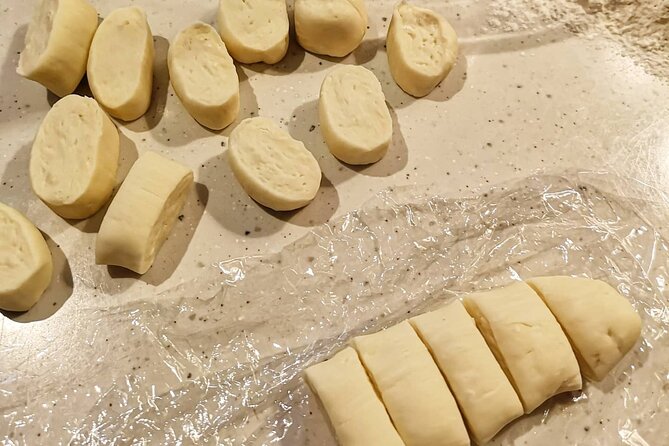
Gyoza is where a cooking class can either feel “cute” or truly educational. This one leans educational, because the wrappers are homemade. That means you practice dough handling and shaping in a way that makes the final dumplings feel earned.
This also explains the age guidance. Participants must be older than 10, and children need the ability to use a knife. Even if you are an adult, it is worth coming in prepared to handle basic kitchen tools safely and confidently.
What people consistently praise is the outcome. The wrappers hold together, and the gyoza come out delicious, with the crisp result you want from fried dumplings. That is not luck, it is technique, and it is why the class feels worth doing even if you have cooked before.
Cucumber pickles: the small side that makes the meal work
Most cooking classes focus on the main dish and treat sides as filler. Here, cucumber pickles are part of the core experience. They are a classic way to cut through richness and add bite, and they also make the lesson feel complete.
Even if pickles sound simple, making them teaches you pacing and balance. You see how a quick pickle can change the whole meal texture, especially when you have hot soup and fried dumplings in the mix.
A day of temples goes further with something to break it up.



Learning in a real Kyoto home, not a studio classroom
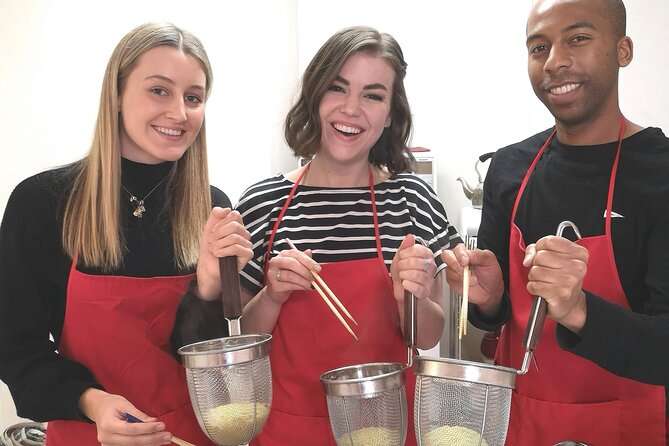
You cook in a home kitchen, not a big teaching hall. That is a big part of the charm people talk about, and it is practical too. A home layout can feel calm, with a more natural rhythm for conversation and hands-on guidance.
It also helps with attention. With only up to 8 participants, Nariko can check in closely. People describe the kitchen as very clean and well organized, which matters because dough work is sensitive and you want space to work without chaos.
You should also expect a more personal tone. Nariko is described as personable and friendly, and conversation about Japan comes up naturally while you cook. That means you might leave with small local tips, not just a recipe packet.
Price and value: is $118.92 really fair for this experience?
At $118.92 per person for about 3 hours 30 minutes, this is not a budget activity. But it is also not just a paid meal. You are paying for four real things:
- You learn key skills: ramen soup method, gyoza wrapper making, and a pickle technique.
- The class is small, capped at 8, which raises the instructor-to-participant attention.
- You cook in a home environment, which adds a different kind of cultural experience than a restaurant meal.
- You eat what you make, so you are not paying for a spectacle, you are paying for food plus instruction.
Another value point: people say recipes are shared after class. That turns the cost into a longer-term benefit. If you cook gyoza at home even twice, the class stops feeling expensive and starts feeling like a shortcut to confidence.
Who should book, and who should skip it
This class is a great match if you want an authentic Kyoto food skill, not just a guided meal. It works especially well for couples and small groups who enjoy cooking and want a calmer cultural activity.
You should strongly consider booking if:
- You like hands-on lessons and want to make ramen soup and gyoza wrappers yourself.
- You want recipes you can try after your trip.
- You prefer a small group class where you can ask questions while working.
You should think twice if:
- You need a vegetarian meal, because the ramen soup uses dried fish and Nariko cannot make it without.
- You expect ramen noodle-making, because this class does not make noodles.
- You are bringing younger kids who are not able to use a knife, since participants must be at least age 10.
Practical tips so you get the best 10:00 am experience
A few small choices make a big difference in a cooking class like this one:
- Plan for knife work. The class has a minimum age requirement of 10 and assumes basic knife competence, so be ready to handle tools safely.
- Tell Nariko about dietary restrictions before booking. If you have restrictions, you must inform her in advance, and she may or may not be able to accommodate you. The soup is not vegetarian.
- Bring a curious attitude. This is a skills class, so ask questions if you are unsure about dough texture or cooking steps.
- Come hungry, but not rushed. You will cook for the full 3 hours 30 minutes and then eat. If you stack this with a tight schedule before or after, you might feel rushed at the end.
Also note the basic logistics. You meet at 5-6 Matsugasaki Rokunotsubochō, Sakyo Ward, Kyoto 606-0915, Japan. The activity starts at 10:00 am and ends back at the meeting point. It is near public transportation, and you get a mobile ticket.
Should you book Nariko’s home-style ramen and gyoza class?
If you want an experience that feels like cooking culture, this is one of the best ways to do it in Kyoto. You get real technique for ramen soup and gyoza wrapper making, plus a complete meal in a genuine home kitchen. The small group size helps the teaching stay personal, and the focus on skills means you can recreate it after your trip.
The main reason not to book is simple: you cannot get a vegetarian version, because the soup uses dried fish, and you will not be making ramen noodles. If those points work for you, I think the value is strong for what you take home, skill plus a meal.
FAQ
What time does the class start, and how long does it last?
The class starts at 10:00 am and lasts about 3 hours 30 minutes. It ends back at the meeting point.
Where is the meeting point in Kyoto?
You meet at 5-6 Matsugasaki Rokunotsubochō, Sakyo Ward, Kyoto 606-0915, Japan. The activity ends back at the same meeting point.
Do you make ramen noodles in this class?
No. This class focuses on making ramen soup, and it does not make ramen noodles. You do make gyoza wrappers from scratch.
What dishes are included?
You make home-style ramen soup, homemade gyoza with wrappers made from scratch, cucumber pickles, and then you taste and eat what you made.
Is the class vegetarian-friendly?
No. The ramen soup uses dried fish, and Nariko cannot make the class vegetarian.
What is the minimum age for participants?
Participants must be older than 10. Children also need to be able to use a knife.
How big is the group?
The class has a maximum of 8 travelers. Only people participating in the class may attend due to limited space.
How does the cancellation policy work?
This experience is non-refundable and cannot be changed for any reason. If it is canceled due to not meeting the minimum number of travelers, you will be offered a different date or a full refund.
How soon will I get confirmation after booking?
You receive confirmation within 48 hours of booking, subject to availability.
New This Season
- Koyasan Day Trip by Private Car from Kyoto
- Old Port Town and Ultimate Sake Tasting Private Tour From Kyoto
- Kyoto’s Timeless Charm: 3hr Exploration of History and Peace
- Kyoto: 5 Types of Sushi Making
- Sacred Peak & Ancient Paths: Kurama-Kibune Hiking Experience
- Kyoto: Exclusive ZEN practice at Manpukuji temple in Uji
- Kyoto: Private Seasonal Aroma Yoga Class
- Traversing Kyoto’s Scenic West – Arashiyama to Kinkakuji
Ramen Tours, compared.

Ramen Cooking Class at Ramen Factory in Kyoto
Read our review →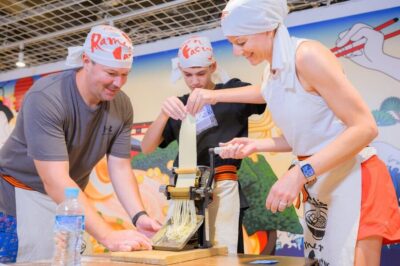
Ramen Cooking Class at a Ramen Factory with Souvenir
Read our review →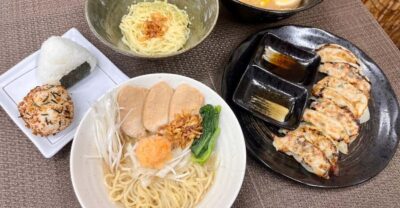
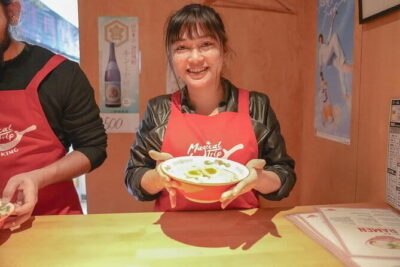
Kyoto Ramen and Gyoza Cooking Class with Professional Chefs
Read our review →
Kyoto Michelin Ramen Workshop or Painting Ramen Essentials
Read our review →Kyoto Ramen & Gyoza Cooking Class with Professional Chefs
Read our review →
Also filed under