
Reviewed · RAMEN TOURS
Kyoto Michelin Ramen Workshop or Painting Ramen Essentials
Ramen making in Kyoto beats another food tour. It is hands-on, structured, and tied to an actual ramen restaurant run by Musoshin, so you leave with both a meal and the method behind it. You can also add painting to personalize your spoons or bowl.
I especially love two things here. First, the whole class is designed around in-house craft, from noodles made each morning to soup simmered for 12 hours. Second, instructors like Shin, Shin He, Koki, and Makoto (and others in the same team) keep the process moving while making sure everyone gets involved, including kids.
One consideration: the workshop space can feel small. In a larger group mix, it may get a bit cramped, so if you hate tight quarters, choose your time and option wisely.
In This Review
- Key moments you will remember
- Musoshin’s Kyoto roots and the promise behind the class
- The noodle-making session: what you do and why it’s fun
- Painting ramen essentials: adding art to dinner
- The free kiln-baked custom bowl option
- What you might receive for your kit
- The restaurant payoff: why Musoshin ramen tastes better after you make it
- One practical tip: arrange your toppings
- Dietary needs: vegetarian, vegan, and celiac support
- Price and value: is $54 a good deal in Kyoto?
- Who gets the most value
- Logistics that actually matter: timing, meeting point, and crowding
- Who this class is perfect for, and who should think twice
- Book it if you want
- Think twice if you
- Should you book the Kyoto Michelin Ramen Workshop or Painting Ramen Essentials?
- FAQ
- What is the location for this experience?
- How long is the class?
- What is included in the $54 price?
- Is there a painting option?
- Can I get a custom bowl baked?
- Are vegetarian and vegan ramen options available?
- Is gluten-free possible?
- What languages do they offer?
- Should you book? Quick decision check
Key moments you will remember

- Real ramen production habits, not just a quick demo: noodles morning-made, rested overnight, and broth simmered up to 12 hours.
- Hands-on noodle time for about an hour, with step-by-step guidance so you actually do the work.
- Painting for personality, with options like decorating spoons or customizing a bowl.
- Custom kiln-baked bowl option is free, so your design becomes more than a souvenir.
- Dietary options that matter, including vegetarian and vegan ramen, plus gluten-free noodles and gluten-free soup for celiac in at least one session.
Musoshin’s Kyoto roots and the promise behind the class

This experience is run by Musoshin Ramen, a ramen business that started in Kyoto in 2022. Today they have multiple restaurants in Kyoto and Toronto, and their Toronto location has a Michelin rating and has been nominated for Michelin for three consecutive years. That matters because the workshop is not pretending to be a one-off hobby. It is tied to the restaurant standard.
What you learn is based on Musoshin’s core method and recipe, the same approach across locations. They focus on making ingredients in-house, including the components that most ramen shops outsource or simplify. You are not just copying a flavor. You are getting a feel for the thinking behind it.
A few process details they emphasize are worth holding onto before you arrive:
- Noodles are made in the shop each morning, then rest overnight before use.
- The ramen soup can take 12 hours.
- Ramen soy sauce and roast pork are handmade.
Even if you never make ramen again at home, those points change how you taste. You start noticing balance, not just saltiness or richness.
The noodle-making session: what you do and why it’s fun
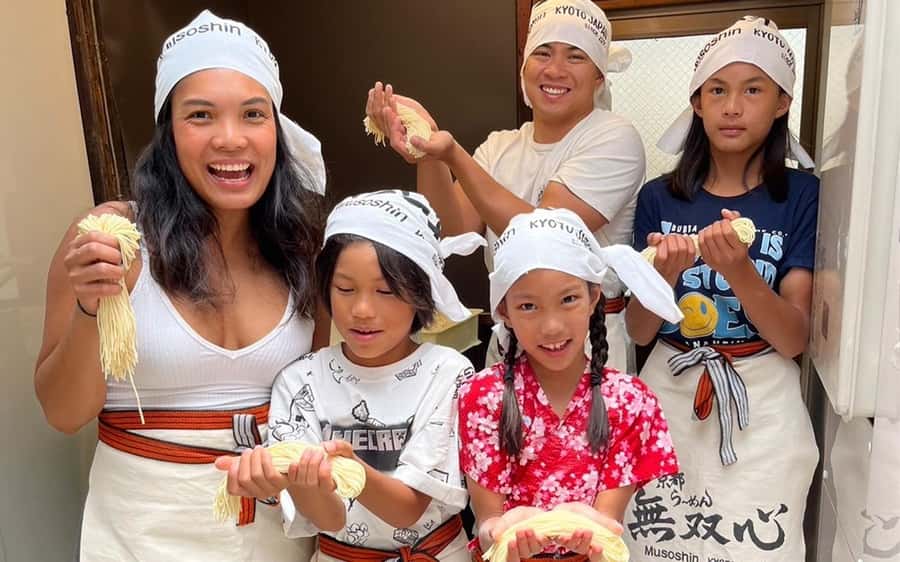
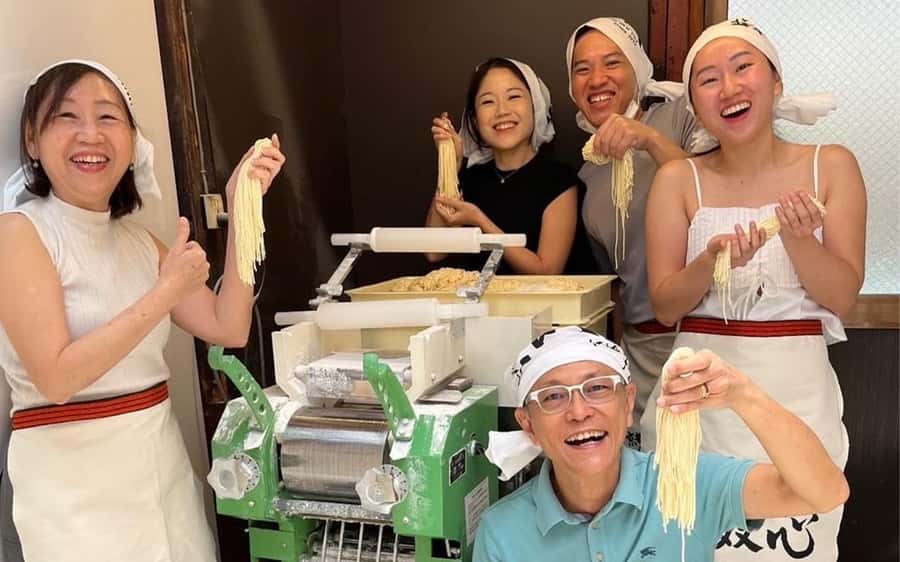
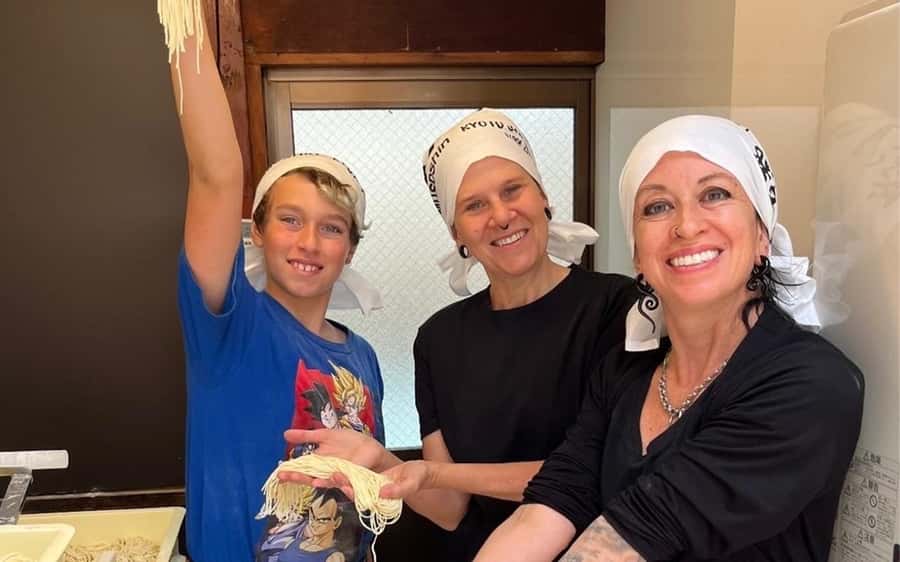
The workshop is family-friendly and focused, with an about one-hour block centered on making ramen noodles. This is the part most people talk about because it is active. You are not watching someone else do everything. You roll up sleeves, work the dough, and go through multiple steps.
In the room, the instructors take a hands-on approach. You may have guides such as Koki and Makoto, and other hosts mentioned like Shin. The common thread is patient, clear support. One key benefit: they guide you so you can participate without turning it into stress.
Here is how the session tends to feel:
- You start with the basics of the ramen recipe and what each ingredient contributes.
- You mix and handle the dough in steps, using the noodle machine as part of the process.
- You learn how working the dough affects texture, because you can feel it change.
- You prepare everything for the next stage, usually followed by ramen at their restaurant.
This is also why couples and friends often enjoy it. It is a cooking class, but it moves like a craft workshop. You get that small satisfaction of doing a job correctly, then tasting the result.
More bowls worth the wait
- Ramen Cooking Class at Ramen Factory in Kyoto
★ 5.0 · 1,937 reviews - Kyoto: Ramen Cooking Class at a Ramen Factory with Souvenir
★ 4.9 · 532 reviews - Kyoto: Ramen, Gyoza, and Onigiri Cooking Class
★ 5.0 · 445 reviews - Kyoto Ramen and Gyoza Cooking Class with Professional Chefs
★ 5.0 · 282 reviews
Painting ramen essentials: adding art to dinner
Depending on what you book, you can mix in painting. The experience is described as offering ramen painting essentials such as custom-designed bowls, and the workshop also includes ramen-related items tied to the theme.
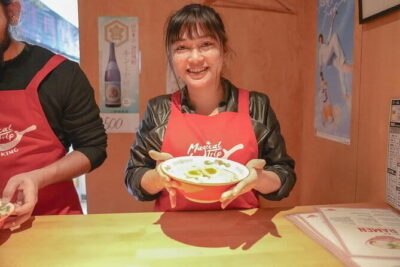
In practice, the painting option gives you a relaxing break from food prep. People talk about painting spoons and designing bowls as an easy way for kids to join in. One family even described the whole vibe as fun and relaxing, especially for children.
Two points to understand before you choose this option:
- The painting portion can take a noticeable chunk of time. One format described a roughly 50/50 split between painting and ramen assembly.
- Your finished design can become something you use again, not just something you hold for a photo.
The free kiln-baked custom bowl option
One standout perk is that if you design a bowl, Musoshin can bake your custom-designed bowl in a kiln for free. You pick it up the next day. That is a clever souvenir idea because it turns artwork into functional tableware or something close to it, depending on what you choose during the session.
If you are traveling with children, this option tends to land well. Kids get to express themselves, and you get a practical take-home item the next day.
What you might receive for your kit
The experience can include a Musoshin bandana used in the workshop, plus optional take-home items like a ramen spoon, ramen bowl, and apron. These are described as optional, so read your booking carefully and pick what fits your budget.
The restaurant payoff: why Musoshin ramen tastes better after you make it
A lot of cooking classes end with a plate you did not build. This one aims to connect the dots. After the noodle-making, you head to the Musoshin restaurant for your ramen experience. Multiple people note it is very close, often just a short walk, like a few metres.
That restaurant meal is where the class pays off. You taste the broth, noodles, soy sauce, and roast pork in a way you can connect to the steps you just did. If the noodles you worked on are not served immediately, you still taste the result with a new level of understanding because you know the work behind the texture.
Included with your class is a drink at the Musoshin Ramen restaurant. Even if you skip alcohol, having a drink included is a small money-saver and a nice way to settle in right after workshop work.
A quieter way to spend a day in Kyoto


One practical tip: arrange your toppings
Several descriptions of the experience emphasize that the taste of ramen can feel deeper when you arrange it yourself. That lines up with how people perceive food after a hands-on class. You become responsible for the bowl, even if only for plating and finishing touches.
Dietary needs: vegetarian, vegan, and celiac support
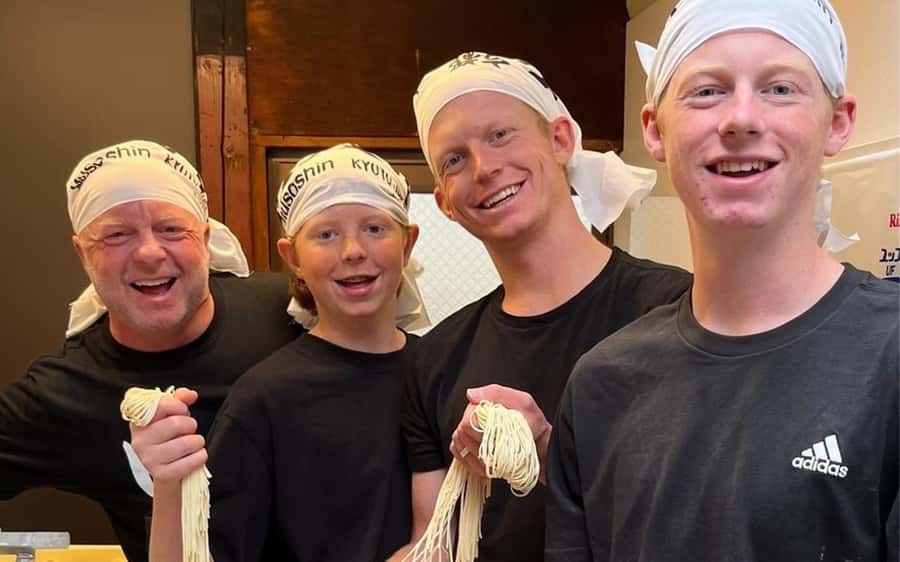
If your group needs options, this is one of the strongest reasons to book. The class notes that vegetarian and vegan ramen options are available, so you are not stuck hoping for a side dish.
Even more impressive, one family shared that right before the class they found out their son has celiac disease, and the team handled it by providing special gluten-free noodles and a gluten-free soup. That detail is a big deal. It suggests the staff takes dietary restrictions seriously, not casually.
That said, I would still do a quick reality check when you book: confirm you will have the right noodles and soup for any serious allergy or medical need. With ramen, the difference between wheat-based and gluten-free can be the whole story.
Price and value: is $54 a good deal in Kyoto?
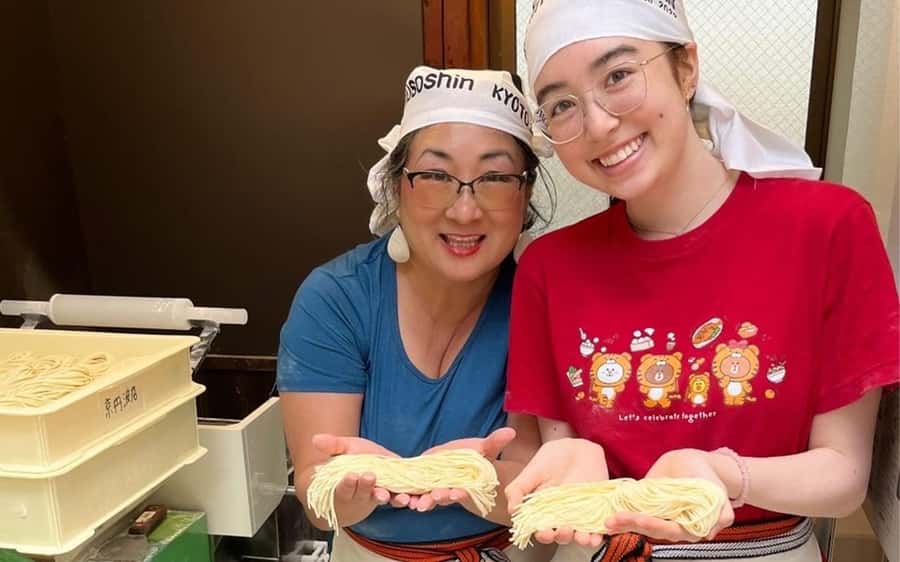
At $54 per person, the value comes from three places.
First, you get structured instruction for an active hands-on hour of noodle work. Many cooking activities cost about the same, but you leave with less than you touched.
Second, your session is tied to Musoshin’s Michelin-linked restaurant standards and their in-house process, including broth simmer time and handmade components. That is not guaranteed in every ramen workshop.
Third, you get restaurant time after. The included drink is a nice add, and the ramen meal is part of the experience flow.
The icing on the cake is the free kiln-baked custom bowl option (if you pick that format). Even if you do not buy extra souvenirs like an apron or spoon, having a design become something baked and pick-upable the next day feels like an extra service you typically would pay for elsewhere.
Who gets the most value
- Families with kids who need something hands-on and structured
- Couples who want a shared activity that is not just eating
- Foodies who care about process, not just flavor
Logistics that actually matter: timing, meeting point, and crowding
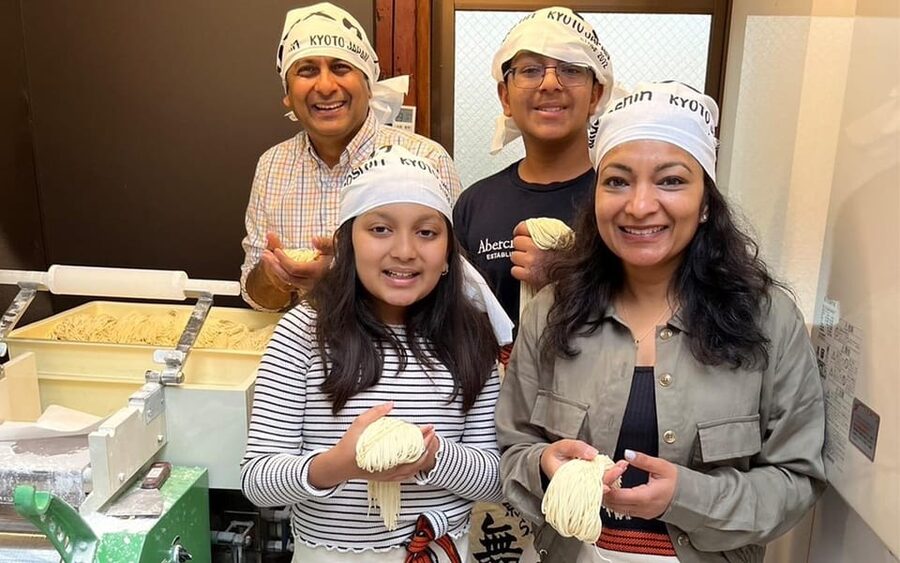
Meeting point can vary depending on the option you book, and the activity ends back at the meeting point. So you should plan around that and keep your schedule flexible.
As for timing, the workshop’s core noodle-making is described as focused for about an hour. Painting formats can add time, since people mention a half-and-half split between painting and ramen assembly in one course.
Crowding is the one practical downside to consider. One person described the space as extremely small when another group joined, and suggested preferring a cap around four people due to the room size. If you are sensitive to tight spaces, consider booking on a less crowded day and choose the option that best matches your comfort level.
Who this class is perfect for, and who should think twice
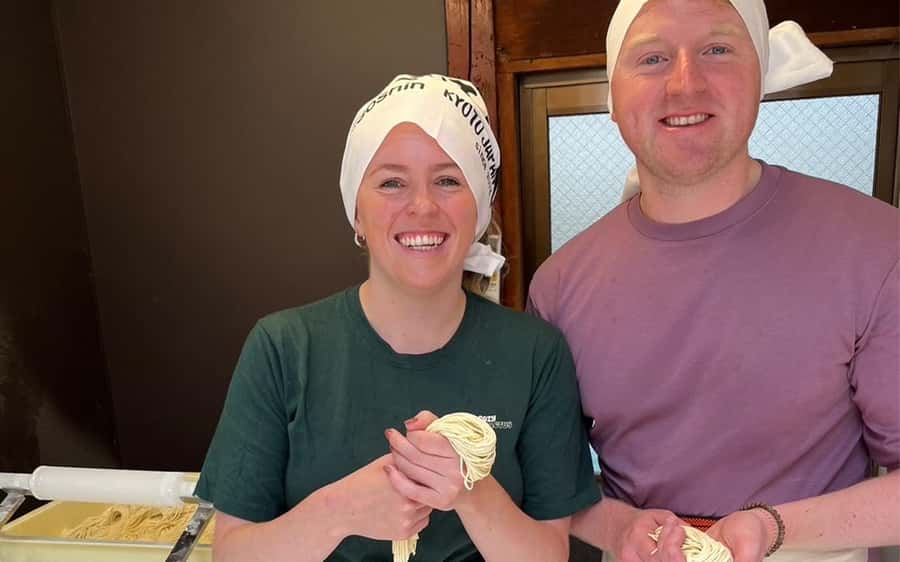
This is an easy recommendation if you want a Kyoto activity that is both food and craft.
Book it if you want
- A family-friendly ramen experience where children get real participation
- Hands-on work that makes dinner more meaningful
- Vegetarian or vegan ramen options
- A chance to customize and possibly get a kiln-baked bowl
Think twice if you
- Need lots of personal space during activities
- Prefer cooking classes where everything is served immediately and you do not do follow-up restaurant time
- Want only tasting, no making. This one is built around making noodles and learning the method.
Should you book the Kyoto Michelin Ramen Workshop or Painting Ramen Essentials?
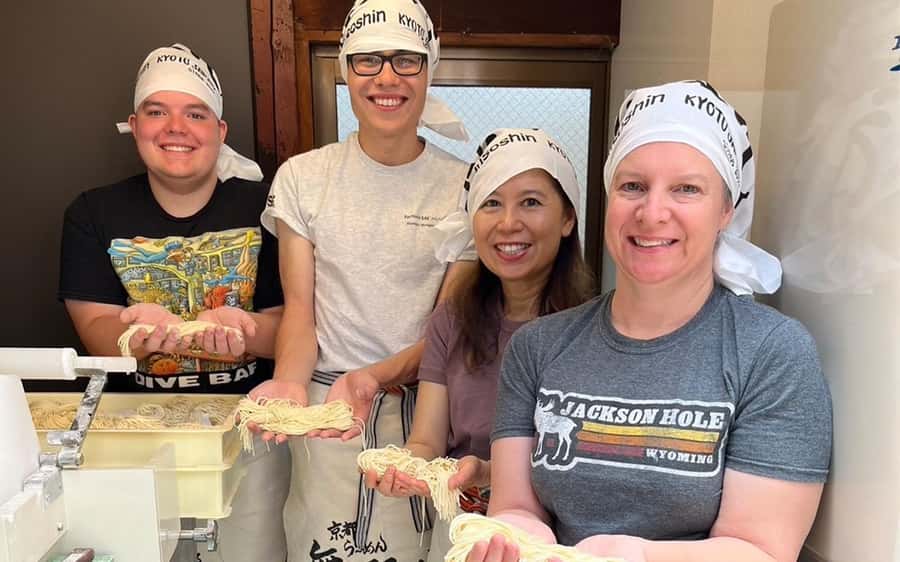
If you are choosing between another ramen stop and an activity that teaches you how ramen gets made, I would book this. For the money, you are getting real craft, a chance to personalize a bowl or spoons, and a restaurant meal that makes the learning stick.
I would especially book it if you have kids or you enjoy cooking with your hands. And if anyone in your group has celiac or needs gluten-free, do confirm the gluten-free noodles and gluten-free soup details when you reserve. When the team can handle it, it turns the class from fun to genuinely inclusive.
In short: you leave with better ramen instincts, plus a story you can tell while you eat.
FAQ
What is the location for this experience?
It runs in Kyoto, Honshu, Japan. The exact meeting point can vary depending on the option booked, and the activity ends back at the meeting point.
How long is the class?
The workshops are described as focused for about an hour of noodle making. If you choose a painting option, the class time can include a painting segment as well.
What is included in the $54 price?
The price includes Musoshin Ramen as the instructor, plus a drink at the Musoshin Ramen restaurant. Your workshop also includes the Musoshin bandana used in the workshop.
Is there a painting option?
Yes. There is a painting-focused option described as ramen essentials, including decorating items like spoons and the possibility to design a bowl.
Can I get a custom bowl baked?
Yes. If you design a bowl, you can bake it in a kiln for free, and you pick it up the next day.
Are vegetarian and vegan ramen options available?
Yes. Vegetarian and vegan ramen options are available.
Is gluten-free possible?
One example shared that the team provided gluten-free noodles and a gluten-free soup for a guest with celiac disease. You should still confirm your needs when booking.
What languages do they offer?
The workshop is offered in English and Japanese.
Should you book? Quick decision check
If your group wants a hands-on Kyoto food experience with real ramen technique, this is a smart use of time. Choose the painting option if your group enjoys crafts, and choose the standard noodle-making format if you want the focus to stay strictly on making ramen.
New This Season
- Koyasan Day Trip by Private Car from Kyoto
- Old Port Town and Ultimate Sake Tasting Private Tour From Kyoto
- Kyoto’s Timeless Charm: 3hr Exploration of History and Peace
- Kyoto: 5 Types of Sushi Making
- Sacred Peak & Ancient Paths: Kurama-Kibune Hiking Experience
- Kyoto: Exclusive ZEN practice at Manpukuji temple in Uji
- Kyoto: Private Seasonal Aroma Yoga Class
- Traversing Kyoto’s Scenic West – Arashiyama to Kinkakuji
Ramen Tours, compared.

Ramen Cooking Class at Ramen Factory in Kyoto
Read our review →
Ramen Cooking Class at a Ramen Factory with Souvenir
Read our review →
Kyoto Ramen and Gyoza Cooking Class with Professional Chefs
Read our review →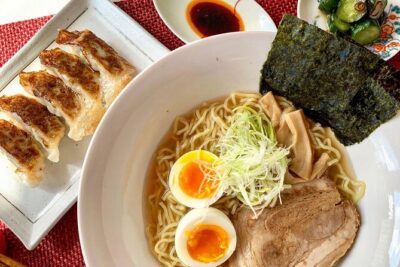
Home style Ramen and Homemade Gyoza in Kyoto
Read our review →Kyoto Ramen & Gyoza Cooking Class with Professional Chefs
Read our review →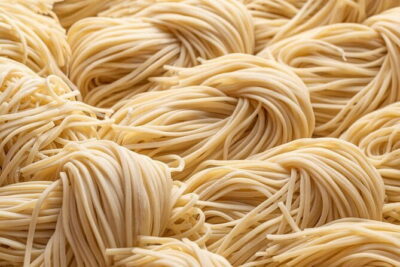
Also filed under