
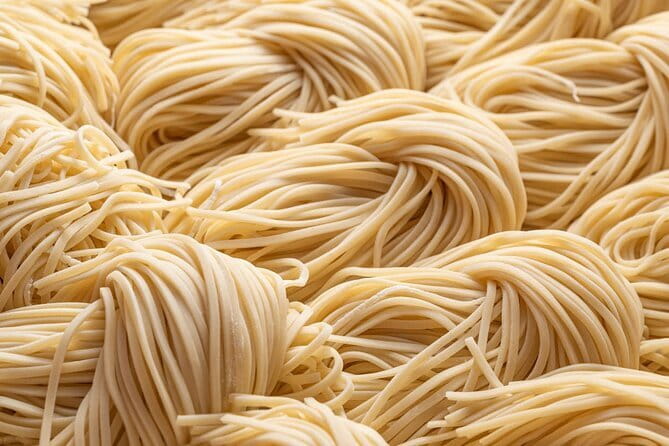
Reviewed · RAMEN TOURS
Kyoto Ramen Noodle Making Class
Your ramen starts as dough. In Musoshin’s Gion kitchen, you craft wheat noodles with a noodle-making machine and then eat the bowl at the end.
I like that it is truly hands-on, not just a watch-and-smile demo. You knead, roll, and cut, guided by an English-speaking instructor.
I also like the overall flavor payoff, because the chef’s ramen is not an afterthought. You get a bowl made with a vegetable-based broth, plus Kyotamba rice and local condiments that fit Kyoto’s food rhythm.
One consideration: this is mainly a noodle-making workshop, and the broth prep is handled by the chef, so you will not fully control the soup recipe yourself.
In This Review
- Key Highlights You Should Care About
- Ramen Noodles, Made the Kyoto Way, in Musoshin’s Gion Kitchen
- Where the Class Starts, and Why the Logistics Are Simple
- The 1-Hour Noodle Workshop Flow, Step by Step
- The Noodle-Making Machine: Where Skill Meets Instant Results
- What You Eat After Class: Broth, Rice, and Local Condiments
- Instructors and the Comfort Factor: Real Teaching, Not Performance
- Price and Value: Is $48.27 Worth It?
- Dietary Options: Vegetarian, Vegan, and Pescetarian, Without the Runaround
- Musoshin Gion vs. Ramen Academy: Know Where You’re Going
- Who This Class Suits Best (And Who Might Want a Different Option)
- Should You Book the Kyoto Ramen Noodle Making Class?
- FAQ
- Where is the meeting point for the Kyoto ramen noodle making class?
- How long does the class take?
- What is included in the price?
- Is this class held at Musoshin Ramen Academy?
- Can I make this class vegetarian or vegan?
- Are pescetarian options available?
- What kind of flour are the noodles made from?
- How big are the groups?
- What do I get to take home?
- Can I get a refund if I cancel?
Key Highlights You Should Care About
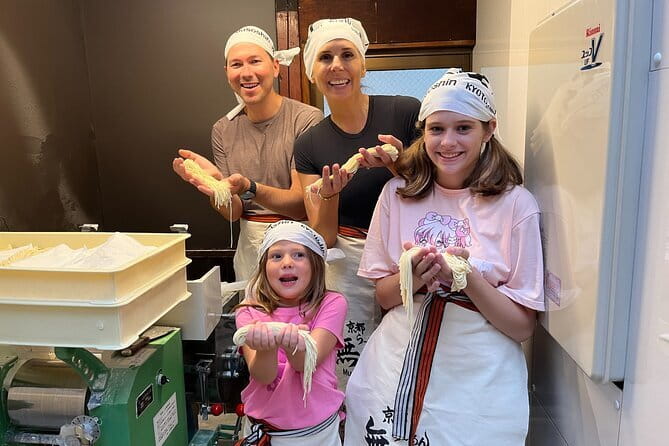
- Hands-on wheat noodle making with an actual noodle-making machine
- Small group size (maximum 6 travelers) for real instructor attention
- English-speaking guidance so you can follow each step without stress
- You eat what you make, with a chef-prepared ramen bowl at the end
- Diet-friendly tasting options including vegetarian, vegan, and pescetarian (tell them in advance)
- Gion location at Musoshin, specifically Musoshin Gion, not Ramen Academy
Ramen Noodles, Made the Kyoto Way, in Musoshin’s Gion Kitchen
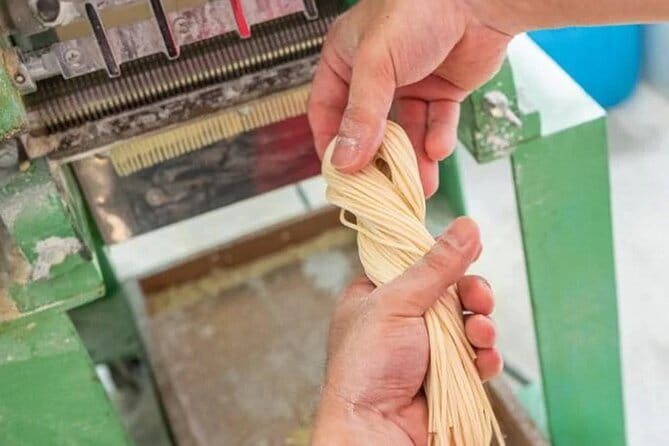
If you care about food, this class hits a sweet spot. It focuses on the part of ramen that most people never get to touch, the noodles themselves. You start with dough and end with something you can point to and say, I made that.
The location matters too. The workshop happens at Musoshin Gion in central Kyoto, in the historic Gion area. That keeps it grounded and easy to pair with a morning or afternoon of temple walks and neighborhood wandering.
And yes, Musoshin is a serious ramen name, with multiple Kyoto shops, plus an internationally recognized presence. But you do not need to be a ramen expert here. The whole experience is built for you to learn the process step-by-step and leave with a meal that proves the point.
Where the Class Starts, and Why the Logistics Are Simple
You will meet at 558-2 Komatsuchō, Higashiyama Ward, Kyoto (605-0811). It is near public transportation, which is a big deal in Kyoto where walking can be beautiful but time-consuming.
The activity runs about 1 hour. That means you are not surrendering a whole afternoon to a single food stop. It also means you should arrive with a clear head, because the steps move along.
Your rental apron is part of the deal, and you also receive a bandana used during the workshop as a souvenir. At the end, the activity finishes back at the meeting point, so you are not forced into a long transfer back through crowded streets.
One practical note: it is a mobile ticket, so make sure your phone battery is healthy and your confirmation is easy to access.
More bowls worth the wait
- Ramen Cooking Class at Ramen Factory in Kyoto
★ 5.0 · 1,937 reviews - Kyoto: Ramen Cooking Class at a Ramen Factory with Souvenir
★ 4.9 · 532 reviews - Kyoto: Ramen, Gyoza, and Onigiri Cooking Class
★ 5.0 · 445 reviews - Kyoto Ramen and Gyoza Cooking Class with Professional Chefs
★ 5.0 · 282 reviews
The 1-Hour Noodle Workshop Flow, Step by Step
This is a workshop built around making noodles from scratch, not a full ramen cooking class. You can think of it as focused training in dough handling and noodle shaping, then a chef-powered finish with broth and serving.
In the main session, your instructor walks you through the workflow. You will help with the key stages, including pouring water, kneading the dough, then rolling and cutting it into noodles. The dough is made with two types of flour, and the noodles are wheat flour.
From there, you get to watch how the noodles become real strands you can use immediately. Even if you have never cooked before, the process is structured enough that you are not left guessing.
Finally, you sit down to enjoy the bowl. You are not paying just for the class theater. The meal is included, along with one soft drink.
The Noodle-Making Machine: Where Skill Meets Instant Results
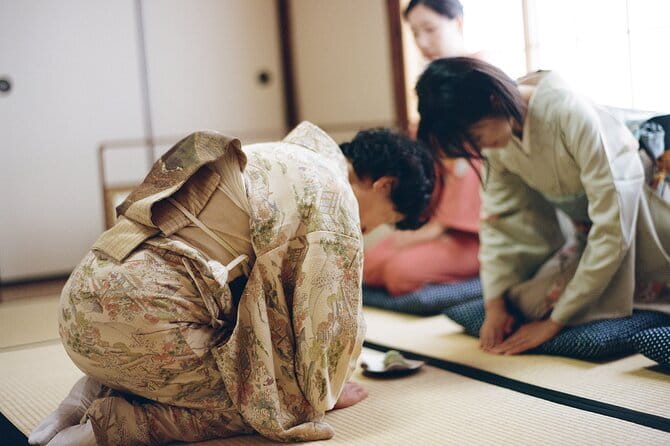
The most memorable part is the noodle-making machine. It is not a generic kitchen tool. It is the heart of how the class turns dough into ramen noodles quickly and consistently.
Here is what you are learning, in plain terms. You are practicing how dough should feel before and during shaping. Kneading matters because it builds the texture you want for chew. Rolling matters because thinness affects how noodles cook and how they hold broth.
Cutting also matters. If the cuts are uneven, the noodles cook unevenly too. You will be guided through those motions, and because it is hands-on, you learn by doing, not by memorizing.
And because you use a wheat-flour dough made from two flour types, you get a better sense of how ramen noodle texture can change based on ingredients and handling. That is the kind of small, food-science knowledge you can actually use when you order ramen again later and pay attention to what you taste.
What You Eat After Class: Broth, Rice, and Local Condiments
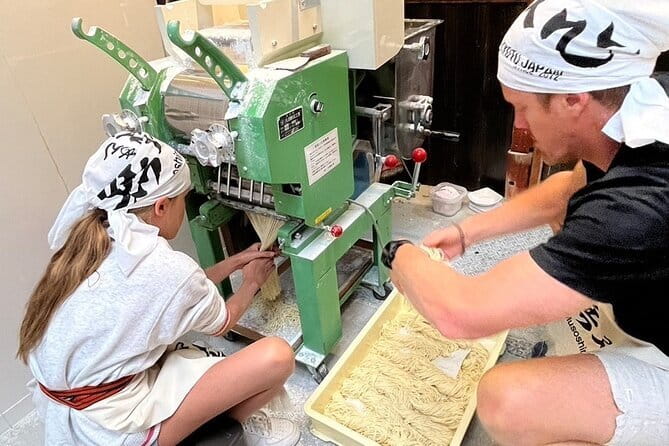
This part is the payoff, and it is built to match Kyoto’s food sensibilities. The chef makes a rich, savory broth using a blend of vegetables. That matters because it keeps the flavor focused and not overly heavy.
The workshop also includes high-quality Kyotamba rice and condiments from local makers. Even if you mostly think of ramen as noodles plus soup, Kyoto’s take often leans into balance, texture, and regional ingredient character.
Most importantly, your ramen bowl is served after your noodle-making session. So the experience stays connected. You are not watching noodles go away into the kitchen and never seeing what they become. You get to eat them as part of the final dish.
You also get one soft drink with your meal. Simple, but it helps the whole session feel complete and relaxed.
Instructors and the Comfort Factor: Real Teaching, Not Performance
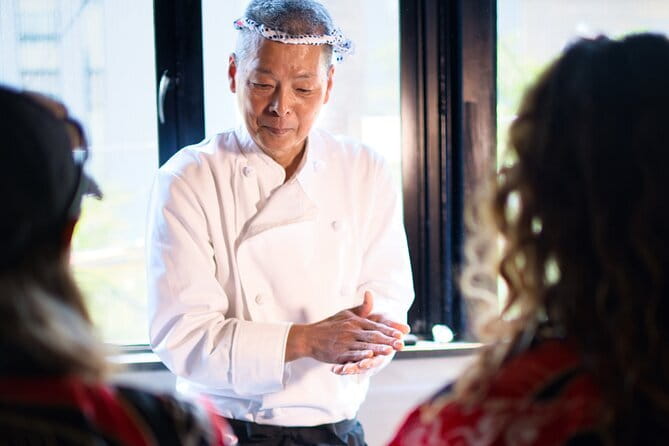
The instructor-led style is one of the strongest parts of the experience. Reviews highlight that the hosts speak English well and explain things clearly enough that you can keep up without feeling rushed.
Specific instructor names show up again and again, including Kaz, Azu, and Amiru. That is a good sign. It suggests the team runs the session consistently and knows how to guide learners through hands-on steps.
I also appreciate the comfort level people mention. When you are working with dough and a machine, you want to feel safe and supported. The class is set up so you are not dropped into chaos.
And because the group is capped at 6 travelers, you are more likely to get quick checks and helpful corrections. That can be the difference between a fun experience and one where you spend the whole hour worrying you are doing it wrong.
A quieter way to spend a day in Kyoto



Price and Value: Is $48.27 Worth It?
At $48.27 per person, this is not a bargain-basement ramen meal. But it also is not just a meal. You are paying for ingredients and tools, instruction in English, plus a ramen bowl and a drink, all in a tight, hour-long session.
Here is where the value really shows. You get:
- Ingredients and tools for the noodle-making process
- A rental apron
- A ramen bowl made by the chef
- One soft drink
- A bandana souvenir
If you compare it to buying ramen plus trying to replicate noodle-making at home later, the class wins because it gives you guided technique and the actual end product. You also leave with a skill you can recognize in future meals. Even if you never make noodles again, you will understand why ramen noodles feel the way they do.
The small group size also supports the price. It is harder for a class this active to work with big groups, and limiting to 6 helps you actually learn.
Dietary Options: Vegetarian, Vegan, and Pescetarian, Without the Runaround
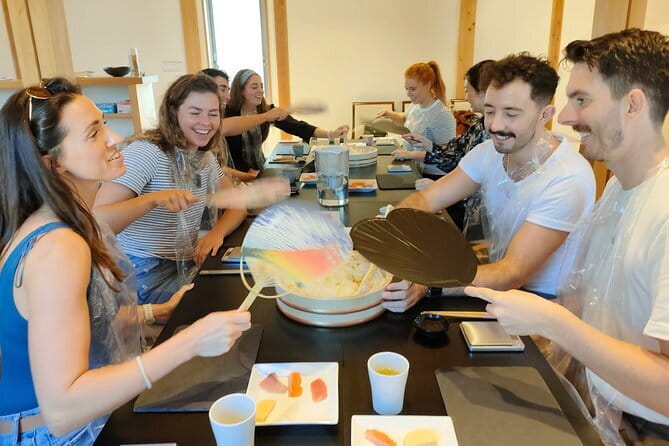
This class is built to handle dietary needs for the tasting session. It explicitly offers vegetarian and vegan options, and no meat or fish options are available for tasting. It can also accommodate a pescetarian diet.
The key is timing. You should inform the provider in advance of your dietary restrictions. If you do that, you can enjoy the full end-to-end experience, including the meal, without feeling like the noodle workshop is separate from the food part.
One more practical detail: the noodles are made from wheat flour. That matters mostly for people with specific wheat sensitivities, but the class data only calls out the noodle ingredient in general terms, so you will still want to double-check any medical restrictions directly with the provider when you book.
Musoshin Gion vs. Ramen Academy: Know Where You’re Going
This is a small detail, but it matters in Kyoto. The workshop venue is in Musoshin Gion, central Kyoto, not Musoshin Ramen Academy.
So when you look at directions or compare other ramen experiences you find online, make sure you are aiming for the Gion shop. You are paying for this exact setting and this exact workflow.
The good news: it is central Kyoto and near public transportation, so you should be able to slot it into your day without too much scrambling.
Who This Class Suits Best (And Who Might Want a Different Option)
This is ideal if you want something hands-on in a short time. If your Kyoto trip has a lot of walking, and you still want a real food experience that is not just another sit-down meal, this is a strong fit.
It is also a nice pick for families, since reviews mention the interactive format and a comfortable atmosphere. That said, it is still a noodle-making workshop, so it is best for people who will actually participate rather than only watch.
You might look for something else if your main goal is learning how ramen broth is built from start to finish. This workshop is about noodles. The broth is prepared by the chef, so you get the result, but not the full soup instruction.
Should You Book the Kyoto Ramen Noodle Making Class?
Book it if you want a short, fun Kyoto experience where you create something you can taste immediately. The combination of hands-on noodle making, English-speaking instruction, and a chef-made ramen bowl at the end is a smart value package, especially with a maximum group size of 6.
Skip it, or at least adjust expectations, if you are hunting for a full ramen cooking course, including soup-making techniques. This one is focused. You will learn dough and noodle shaping, then enjoy the broth and toppings prepared by the restaurant.
If that fits your style, this is the kind of Kyoto activity that turns food into a memory you can explain later, from the texture of the noodles to the bowl you helped create.
FAQ
Where is the meeting point for the Kyoto ramen noodle making class?
You meet at 558-2 Komatsuchō, Higashiyama Ward, Kyoto, 605-0811, Japan.
How long does the class take?
The experience runs about 1 hour.
What is included in the price?
It includes an English-speaking noodle making instructor, ingredients and tools for noodle making, a bowl of ramen, one soft drink, a rental apron, and the bandana used during the workshop (given as a souvenir).
Is this class held at Musoshin Ramen Academy?
No. The cooking venue is Musoshin Gion in central Kyoto, not Musoshin Ramen Academy.
Can I make this class vegetarian or vegan?
Yes. Vegetarian, vegan, and no meat or fish options are available for the tasting session. You should inform the provider in advance of your dietary restrictions.
Are pescetarian options available?
Yes, the activity is able to accommodate a pescetarian diet. You should inform them in advance.
What kind of flour are the noodles made from?
The noodles are made from wheat flour, and the dough is made with two types of flour.
How big are the groups?
The maximum group size is 6 travelers.
What do I get to take home?
You receive the bandana used during the workshop as a souvenir.
Can I get a refund if I cancel?
Yes, you can cancel for free. You must cancel at least 24 hours in advance for a full refund.
New This Season
- Koyasan Day Trip by Private Car from Kyoto
- Old Port Town and Ultimate Sake Tasting Private Tour From Kyoto
- Kyoto’s Timeless Charm: 3hr Exploration of History and Peace
- Kyoto: 5 Types of Sushi Making
- Sacred Peak & Ancient Paths: Kurama-Kibune Hiking Experience
- Kyoto: Exclusive ZEN practice at Manpukuji temple in Uji
- Kyoto: Private Seasonal Aroma Yoga Class
- Traversing Kyoto’s Scenic West – Arashiyama to Kinkakuji
Ramen Tours, compared.
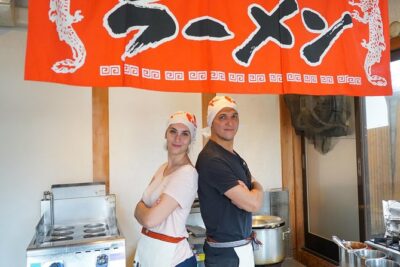
Ramen Cooking Class at Ramen Factory in Kyoto
Read our review →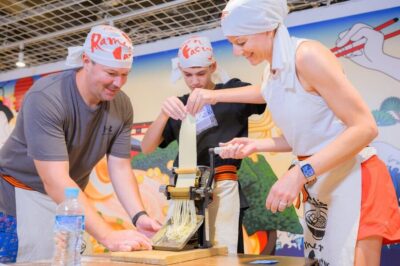
Ramen Cooking Class at a Ramen Factory with Souvenir
Read our review →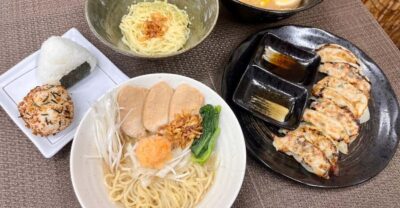
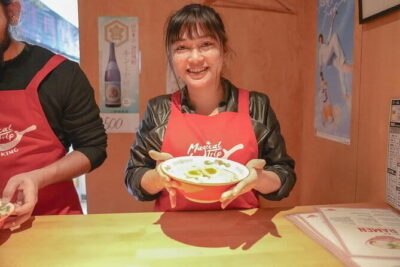
Kyoto Ramen and Gyoza Cooking Class with Professional Chefs
Read our review →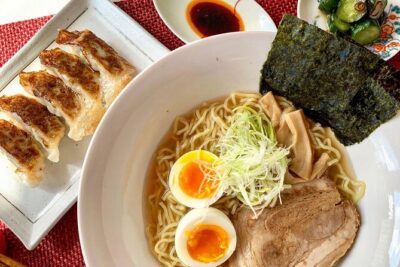
Home style Ramen and Homemade Gyoza in Kyoto
Read our review →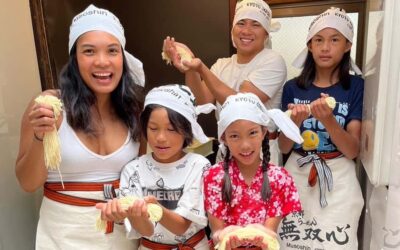
Kyoto Michelin Ramen Workshop or Painting Ramen Essentials
Read our review →Kyoto Ramen & Gyoza Cooking Class with Professional Chefs
Read our review →Also filed under