
Reviewed · COOKING CLASSES
Kyoto: Ramen Bowl Painting and Michelin Cooking Class
Paint a bowl, then slurp ramen. In Kyoto at Musoshin Ramen Academy, you design a ramen bowl or spoon, then eat Michelin-nominated ramen made with in-house noodles and a long-simmered broth. I love the focus on handmade ingredients, and I love that your artwork can become a kiln-fired souvenir you pick up the next day. One heads-up, this is more guided assembly than a full from-scratch cooking class, so you will still rely on the kitchen for long prep steps like the 12-hour soup.
The class runs about 1 to 90 minutes, in English or Japanese, and it works well for families. You’ll paint, then cook and build your ramen using Musoshin’s ingredients prepared from their Gion location, and the team (including hosts like Shin and Sherry) keeps the pace friendly and photo-friendly.
In This Review
- Key things to know before you go
- Entering Musoshin Ramen Academy in Kyoto: ramen workshop meets art studio
- Painting your ramen bowl or spoon: your design becomes a keepsake
- The Michelin-nominated ramen part: what you’re actually eating
- How the class flows: from guided steps to your own bowl
- What you do, what the chefs already handled (expectation check)
- Dietary options that are genuinely workable: gluten free, vegetarian, vegan
- Next-day kiln firing and same-day decoration: plan your take-home
- Family-friendly without feeling like babysitting
- Price and value in Kyoto: what $64 really buys
- Timing, what to wear, and who should book
- Should you book this Kyoto ramen bowl painting class?
- FAQ
- How long is the Kyoto ramen bowl painting and Michelin cooking class?
- What is included in the experience?
- Can I paint a ramen bowl or a ramen spoon?
- Can I take the ceramic home the same day?
- What if I want the ceramic fired in a kiln?
- Do they offer gluten free, vegetarian, and vegan ramen?
- What languages are used during the class?
- Is this activity family friendly?
- Is shipping to my next hotel included?
Key things to know before you go
- Michelin-nominated Musoshin ramen, with noodles made in-house every morning and resting overnight
- Ramen bowl or spoon painting as your take-home creative souvenir
- Free kiln firing for your custom ceramics, ready for pickup the next day
- Dietary options including gluten free, vegetarian, and vegan ramen
- Small group format with bilingual guidance, often with hosts like Shin and Sherry
- Hands-on assembly, so you actively build your own bowl before you eat
Entering Musoshin Ramen Academy in Kyoto: ramen workshop meets art studio
This experience feels like two Kyoto favorites fused together, simple cooking joy and careful handmade craft. You’re not just watching ramen get made. You’re creating a bowl or spoon first, then moving into the kitchen portion where you assemble and enjoy the meal.
Musoshin Ramen started in Kyoto in 2022, and the brand now runs multiple restaurants in Kyoto and Toronto. The Toronto location has been nominated for Michelin for three consecutive years, and the class is built around the same recipe style and ingredient approach. That matters because you’re not just painting a prop, you’re eating the ramen system the chefs take seriously.
I also like that this isn’t some random craft session with a weak food component. This workshop is described as the only ramen workshop in Kyoto that actually includes a ramen restaurant, so the cooking part isn’t an afterthought.
Painting your ramen bowl or spoon: your design becomes a keepsake
Your first job is the fun one, painting a custom ramen bowl or ramen spoon. If you like souvenirs that feel personal, this hits the mark fast. Kids usually get into it right away, and adults often enjoy the slow, meditative focus as much as the meal later.
A few practical tips for your design:
- Go bold with recognizable shapes. Large areas look best on ceramics.
- Plan for the space you’ll have, bowls let you paint more, spoons are easier to pack.
- If you’re traveling light, the spoon option gets picked a lot for a reason. People mention saving luggage space.
The class provides key items for the session, including an apron and a bandana, plus the bowlware you paint. After painting, you can take the ceramic home for decoration the same day, so you’re not stuck waiting in order to get your souvenir.
More bowls worth the wait
- Ramen Cooking Class at Ramen Factory in Kyoto
★ 5.0 · 1,937 reviews - Kyoto: Ramen Cooking Class at a Ramen Factory with Souvenir
★ 4.9 · 532 reviews - Kyoto: Ramen, Gyoza, and Onigiri Cooking Class
★ 5.0 · 445 reviews - Kyoto Ramen and Gyoza Cooking Class with Professional Chefs
★ 5.0 · 282 reviews
The Michelin-nominated ramen part: what you’re actually eating
After the painting, you move into the ramen experience proper. This is where Musoshin’s approach matters. They insist on making ingredients in-house, including noodles and core components of the soup base.
Here’s what makes their ramen method specific:
- Noodles are made in their shop every morning and left to sit overnight for the next day
- Soup is cooked for 12 hours
- Ramen soy sauce and roast pork are handmade
- Ingredients are brought from the Musoshin Gion location for the workshop cooking
What you eat is described as Michelin-nominated ramen, but the bigger win for you is the texture and depth that come from the long prep. The class encourages you to arrange your own bowl and toppings, and that simple act helps the final result feel more meaningful.
In the kitchen portion, the long work is already done. You’re guided to assemble and cook the components they provide, so you spend time interacting rather than waiting around. Some people do find this more like ramen construction than a full teach-all sauces lesson, so come with the right expectation.
How the class flows: from guided steps to your own bowl
The rhythm is usually: paint, listen, then build and eat. The hosts and instructors guide the process in English and Japanese, and the pacing is set for real participation, not just passive watching.
In practical terms, you’re not just handed a bowl. You’re involved in the assembly steps. The goal is for you to understand how the parts connect, how the noodle and soup work together, and how toppings finish the bowl.
A nice detail from multiple experiences shared is that the hosts are attentive and keep taking photos as you work. If you like a clean memory of the day, this helps. It also signals a family-friendly vibe, because the team makes sure kids and adults both stay included.
What you do, what the chefs already handled (expectation check)
This is one of those activities where you get a lot of value from structure, not from pretending you made every component from scratch. The broth and other labor-heavy pieces take time in the background, because Musoshin cooks the soup for 12 hours and handles other key ingredients in-house.
So what you can expect to do:
- Paint your bowl or spoon
- Assemble your ramen using prepared ingredients
- Cook/heat the parts in the workshop steps
- Eat a finished bowl you built
If you were hoping for a class where you learn every sauce recipe and every stage of meat prep from raw to plated, you might feel slightly limited. One point that showed up clearly in feedback is that the hands-on portion can skew toward assembly and quick cooking steps rather than deep sauce-making. That does not make it bad. It just means you should come for the ramen outcome and the interactive assembly, not for an all-day cooking school.
Dietary options that are genuinely workable: gluten free, vegetarian, vegan
This is a big plus for groups with mixed diets. The class offers gluten free ramen, plus vegetarian and vegan options. That’s not just a token side plate. You can plan around it when you book, which matters when you’re traveling with kids or with someone who has to avoid certain ingredients.
Since the workshop uses Musoshin’s prepared ingredient sourcing from the Musoshin Gion location, the dietary options are built into the ramen system rather than being improvised at the last second. For you, that translates to a smoother experience. You spend your time painting and building, not troubleshooting.
A quieter way to spend a day in Kyoto
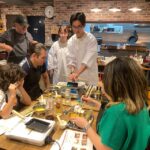
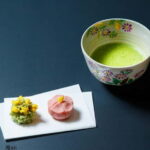
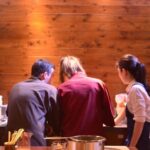

Next-day kiln firing and same-day decoration: plan your take-home
One of the best parts of this experience is what happens after painting. You have two paths for your custom ceramic.
- You can take the painted piece home the same day for decoration
- You can choose to have your design fired in a kiln for free, and it is ready for pickup the next day
The kiln-fired option matters if you actually want to use the bowl for meals later, not just as shelf decor. It is also a relief because it means you don’t have to worry about how fragile the raw ceramic might be after the workshop.
There’s also a practical note: if you want delivery to your next hotel, shipping cost is not included. So if you’re planning a long trip and don’t want to carry ceramics, it’s worth budgeting for that option.
Family-friendly without feeling like babysitting
This class is designed to work for kids, and it shows in the way the hosts keep things moving. Multiple families highlight that children genuinely enjoy the painting part and the interactive build part, not just the food.
Why it works:
- Painting gives kids a direct job immediately
- The kitchen portion is structured so kids can participate
- The staff supports everyone while keeping the class on pace
If you’re traveling as a family with teenagers, it can work just as well. Teen-focused comments often mentioned organization, explanations, and a fun atmosphere. In other words, it’s not only for little kids.
For adults, it hits a different itch too. You get a closer look at how ramen is assembled and why Musoshin’s ingredient timing and long soup cook matter.
Price and value in Kyoto: what $64 really buys
At $64 per person, the value depends on what you compare it to. If you’re comparing it to a regular ramen meal, the price is higher. But this isn’t just lunch. It includes a guided, structured experience that combines a meal with a custom souvenir and kiln-firing service.
What you get for that price:
- Michelin-nominated Musoshin ramen
- Optional ramen bowl and/or ramen spoon painting
- A bandana and class setup items like an apron
- Part of the ramen experience as part of the workshop flow
- Free kiln baking for the custom design (if you choose that option)
From a value perspective, the souvenir piece often seals the deal. You’re paying for the experience and the artifact, not just the bowl of soup. Plus, because the ramen uses in-house methods like morning-made noodles and a 12-hour soup cook, you’re not settling for a watered-down class meal.
Timing, what to wear, and who should book
The class duration is listed as 1 to 90 minutes, so you’ll want to choose a time slot that fits your day without rushing. Since you might be booking for painting and then eating, plan on staying fed and flexible. If you want the kiln-fired ceramic, remember you will pick it up the next day.
What to bring:
- Your best creative energy
- A plan for carrying ceramics the same day if you take them for decoration
- An appetite for ramen building
Who this suits best:
- Families who want a structured activity plus a real meal
- Food lovers who care about noodle texture and soup depth
- Souvenir shoppers who prefer something you made, not something you bought
- People who want an English-friendly experience with Japanese guidance options
If you dislike hands-on craft, you might feel the painting is the main event. If you love cooking theory, you’ll still get ramen process explanations, but you should accept that much of the long prep is already handled by the kitchen.
Should you book this Kyoto ramen bowl painting class?
Yes, if you want a Kyoto activity that mixes creativity with a genuinely strong ramen outcome. This works especially well when you value handmade souvenirs, like the idea of your ceramic being kiln-fired, and you want to eat a Michelin-nominated style ramen rather than a simplified demo.
Book with confidence if your group includes kids, or if you need gluten free or vegetarian/vegan options. The small group setup and bilingual instruction make it easier for mixed ages and mixed comfort levels.
Skip it only if you specifically want a heavy, from-scratch cooking deep course where you make every sauce and broth component yourself. Here, the smart focus is on ramen assembly plus the craft souvenir, not turning the class into a full day of culinary production.
FAQ
How long is the Kyoto ramen bowl painting and Michelin cooking class?
It runs about 1 to 90 minutes, depending on the starting time and availability.
What is included in the experience?
You get Michelin-nominated Musoshin ramen, an optional Musoshin ramen bowl or spoon (depending on your choice), a Musoshin bandana, and part of the ramen. Your custom piece can also be baked in a kiln for free.
Can I paint a ramen bowl or a ramen spoon?
Yes. The class offers Musoshin ramen bowl and ramen spoon options, so you can choose what you want to paint.
Can I take the ceramic home the same day?
Yes. The ceramic you paint can be taken home for decoration the same day it is created.
What if I want the ceramic fired in a kiln?
You can choose to have your painted ceramic fired in a kiln for free. It will be ready for pickup after the next day.
Do they offer gluten free, vegetarian, and vegan ramen?
Yes. Gluten free, vegetarian, and vegan ramen options are available.
What languages are used during the class?
The instructor speaks English and Japanese.
Is this activity family friendly?
Yes, it is family friendly and designed to be a good experience for children.
Is shipping to my next hotel included?
Shipping cost is not included if you request delivery of the painted items to your next hotel.
More Workshops in Kyoto


New This Season
- Koyasan Day Trip by Private Car from Kyoto
- Old Port Town and Ultimate Sake Tasting Private Tour From Kyoto
- Kyoto’s Timeless Charm: 3hr Exploration of History and Peace
- Kyoto: 5 Types of Sushi Making
- Sacred Peak & Ancient Paths: Kurama-Kibune Hiking Experience
- Kyoto: Exclusive ZEN practice at Manpukuji temple in Uji
- Kyoto: Private Seasonal Aroma Yoga Class
- Traversing Kyoto’s Scenic West – Arashiyama to Kinkakuji
Cooking Classes, compared.

Ramen Cooking Class at Ramen Factory in Kyoto
Read our review →
Ramen Cooking Class at a Ramen Factory with Souvenir
Read our review →
Japanese Washoku Bento Small Group Cooking Class
Read our review →
Japanese Traditional Sweets Making and Tea Ceremony
Read our review →
Kyoto Ramen and Gyoza Cooking Class with Professional Chefs
Read our review →
Also filed under