
Reviewed · COOKING CLASSES
Kyoto Ramen & Gyoza Cooking Class with Professional Chefs
Cooking ramen is surprisingly doable. In this Kyoto class, you make the noodles, wrap the gyoza, and eat what you build.
Two things I really like: you work in a small group capped at 8, so the English-speaking guide can keep everyone moving, and you get hands-on with ramen from scratch, not just watching. Guides like Rika and Yuki are repeatedly praised for clear translation in the kitchen, which matters when hot oil and sharp knives are involved. One drawback to plan around: the menu is not set up for everyone, so it’s not suitable for vegans, and gluten-free and allergy-free needs aren’t guaranteed.
In This Review
- Key Highlights You Will Actually Care About
- From Latitude 35° to Your Cutting Board: Where It Starts
- What You Make in 150 Minutes: Ramen, Gyoza, and Fried Rice
- Ramen Noodles From Scratch: The Part That Feels Like Magic
- Gyoza Wrapping Skills: Making Dumplings, Then Eating Them Immediately
- Fried Rice as the Finish Line: How the Whole Meal Clicks
- The Pro Chef + English Guide Combo That Keeps You Moving
- Food, Drinks, and Portion Expectations
- Price and Value: Why $83 Can Make Sense in Kyoto
- Timing and Practical Tips So You Enjoy the Class More
- Should You Book This Kyoto Ramen and Gyoza Class?
- FAQ
- What is the meeting point for the Kyoto cooking class?
- How long is the cooking class?
- Is instruction provided in English?
- What dishes are included in the class?
- Are drinks included, and what can I choose?
- Can the class accommodate vegan, vegetarian, or gluten-free diets?
- What should I know about children?
- Is the group small?
- Extra Note
Key Highlights You Will Actually Care About
- Ramen noodles from scratch, including dough work and noodle cutting, then topping your bowl
- Gyoza wrapping time so you’re not just assembling, you’re shaping the dumplings
- A full meal included: ramen, gyoza, and fried rice, plus two drinks
- English instruction with a local guide who translates the chef step-by-step
- Take-home recipes and photos, so you can repeat it after your trip
From Latitude 35° to Your Cutting Board: Where It Starts
The class meets in front of the Latitude 35° Story Monument (北緯35°物語). Your guide is waiting there holding an orange sign for MagicalTrip, which makes it easier than guessing which shop door to enter.
Plan to arrive early. The start time is respected, and late arrivals can’t join, reschedule, or get a refund. That one rule alone is why this experience stays smooth and not chaotic.
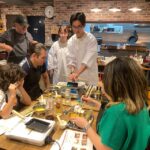
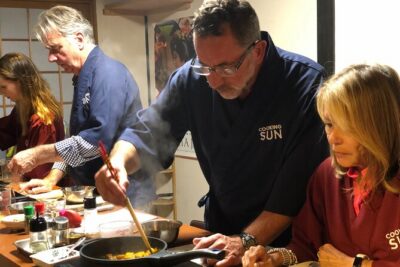
This is a 150-minute session with pro chef instruction, led in English with a local guide. You’ll be doing real kitchen work, not just a sightseeing-style demo.
What You Make in 150 Minutes: Ramen, Gyoza, and Fried Rice
The core promise is simple: you learn the steps to make three Japanese comfort-food staples from scratch. You knead and cut ramen noodles, wrap your own gyoza, and cook fried rice to complete the meal.
You should come hungry. The end result is not a snack plate. You’ll eat a generous meal featuring everything you made, plus two drinks (beer, sake, or soft drinks).
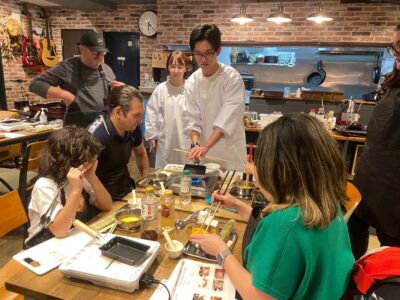
Also, this is set up for group cooking. You might be in a mixed group with other participants, which usually helps the energy, especially if you’re a solo traveler.
More bowls worth the wait
- Ramen Cooking Class at Ramen Factory in Kyoto
★ 5.0 · 1,937 reviews - Kyoto: Ramen Cooking Class at a Ramen Factory with Souvenir
★ 4.9 · 532 reviews - Kyoto: Ramen, Gyoza, and Onigiri Cooking Class
★ 5.0 · 445 reviews - Kyoto Ramen and Gyoza Cooking Class with Professional Chefs
★ 5.0 · 282 reviews
Ramen Noodles From Scratch: The Part That Feels Like Magic
Ramen has a long backstory in Japan. One commonly shared timeline starts with ramen being linked to 1697, associated with Tokugawa Mitsukuni, and later gaining mainstream popularity around 1910 through Asakusa’s Rairaiken. In modern Japan, there are over 24,000 ramen shops (as of 2025), each with its own style.
This class takes that big culture and turns it into something you can do with your own hands. You work the dough, then cut the noodles. It’s physical work, and that’s the point. When you eat your own bowl, you understand the texture instead of just tasting it.
Practical tip: ramen dough and noodle work can feel awkward at first, especially if you’ve never used a knife much. The guides and chefs walk you through each step, and the English translation is part of the value here. People mention guides like Rika translating the chef’s instructions so you’re not standing there guessing what comes next.
At the end, you’re not just eating ramen. You’re topping your bowl as part of the lesson, which helps you notice how toppings change the flavor and satisfaction.
Gyoza Wrapping Skills: Making Dumplings, Then Eating Them Immediately
If ramen is the dough-and-noodles challenge, gyoza is the hands-on shaping moment. You wrap your own dumplings, not pre-made ones, and then enjoy them as part of your meal.
This is where you’ll feel the workshop pay off. Once your gyoza hits the pan, you get that classic contrast: crisped edges with a juicy interior. Even if you’re a beginner, the process is broken down into steps you can follow.
Pairing is built in. You can choose a drink with beer or sake, or go with soft drinks. That matters because gyoza and alcohol fit the Japanese comfort-food rhythm. A guide who stays on top of refills is a small detail, but it makes the meal portion more fun and less stressful.
One thing to manage your expectations: some classes are more “everyone does everything,” while others are more “you do key steps and chefs do the trickier parts.” One person noted the process could involve participants more in certain areas. So if you want maximum hands-on for every task, go in with the mindset that you’ll do the important work, but you still need to trust the chef’s timing.
Fried Rice as the Finish Line: How the Whole Meal Clicks
You also learn to make fried rice from scratch. Fried rice is the logical closer to the meal: it’s warm, savory, and practical, with a flavor profile that complements ramen and gyoza instead of competing.
In a lesson like this, fried rice isn’t filler. It ties the meal together and gives you a second recipe to recreate at home. Several people specifically call out that the dishes were tasty and that the skills felt repeatable with the recipe guide in hand.
This matters for value. A lot of cooking classes focus on one dish. Here you leave with three things you can actually cook again, which makes the price easier to swallow.
The Pro Chef + English Guide Combo That Keeps You Moving
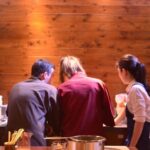
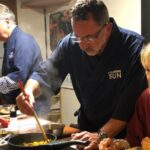
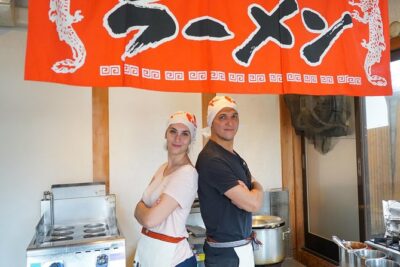
What makes this class work in the real world is the team format: a ramen master and a local guide. The chef focuses on technique, and the English-speaking guide translates so you don’t miss critical steps.
Guides named in participant feedback include Rika, Yuki, Ayuri, Ken, Meri, Yuka, and Shiori. The common thread is that they help you understand what the chef is doing, and they help keep the group comfortable and included. If you’re traveling solo, that translation layer is what turns a potentially intimidating kitchen into something social and manageable.
Another small but meaningful detail: guides are also praised for taking photos and videos during the class. If you care about remembering the ramen cutting and gyoza shaping, this saves you from trying to film one-handed in a hot kitchen.
A quieter way to spend a day in Kyoto
Food, Drinks, and Portion Expectations
Included in the price are ramen, gyoza, and fried rice, plus two drinks. You can choose beer or sake, or soft drinks if you prefer. There aren’t extra surprises for the meal and drinks, and the class is designed so you sit down and eat what you made.
All skill levels are welcome. That said, this is still cooking with knives and hot surfaces, so safety matters.
Children aged 6+ are welcome, but supervision is required during knife use or any risky steps. If you’re bringing kids, choose this only if you’re comfortable with active supervision.
Price and Value: Why $83 Can Make Sense in Kyoto
At $83 per person, you’re not paying just for “food.” You’re paying for instruction and ingredients, plus the meal plus drinks.
Here’s the value logic that makes this price feel fair:
- Three dishes included, not one
- Two drinks included, beer or sake option is a nice upgrade
- Small group size (up to 8) means less waiting and more guidance
- Take-home downloadable recipes so you can recreate it later
- Photos taken during the class if you want proof you actually made noodles
For many people, the “best part” is the combination of technique and satisfaction. You leave with food in your belly and skills in your head. If you’re planning other paid Kyoto experiences, this one can replace an expensive meal plus a separate food tour, because you get both learning and dining.
Timing and Practical Tips So You Enjoy the Class More
The class lasts 150 minutes, and it starts on time. Treat it like a timed appointment.
Wear something you’re comfortable getting a little food on. Cooking work can be messy, even when everything goes smoothly. And bring a good attitude about learning by doing. Kneading dough and shaping dumplings is hands-on, not a sit-and-watch activity.
If you prefer no meat, you should let the chef know at booking so they can prepare in advance. That’s one of the few dietary adjustments explicitly supported.
If you have dietary needs beyond that, keep expectations realistic. The class cannot accommodate vegetarian, vegan, or gluten-free requests. Allergy-free meals are not guaranteed since dishes are prepared outside MagicalTrip kitchens, though small adjustments may be possible. If allergies matter, message your needs before you book.
Mobility-wise, this is not recommended for people with mobility issues, and it’s not suitable for wheelchair users. If that’s you, a private tour is suggested as the better option.
Should You Book This Kyoto Ramen and Gyoza Class?
Book it if you want a hands-on Kyoto food experience that ends with an actual meal, and you care about taking skills home, not just collecting photos. This class is a strong choice for couples, families (with kids 6+ who can be supervised during knife steps), and solo travelers who want a friendly small-group setting.
Skip it if you need vegetarian, vegan, or gluten-free cooking support. Also skip it if you expect a slow-paced, low-activity lesson. This is active work: dough, cutting, wrapping, and cooking.
If you’re trying to decide between a cooking class and a regular dinner, I’d lean toward booking this one. The recipe guide and the fact you make ramen and gyoza yourself make it feel like you’re doing something you’ll actually use again at home.
FAQ
What is the meeting point for the Kyoto cooking class?
The meeting point is in front of the Latitude 35° Story Monument (北緯35°物語). Your guide will be holding an orange board named MagicalTrip.
How long is the cooking class?
The duration is 150 minutes.
Is instruction provided in English?
Yes, the instructor is English, and you also get an English-speaking local guide.
What dishes are included in the class?
You’ll learn to make ramen, gyoza, and fried rice from scratch, and you’ll eat all three as part of the included meal.
Are drinks included, and what can I choose?
Two drinks are included. You can choose beer, sake, or soft drinks.
Can the class accommodate vegan, vegetarian, or gluten-free diets?
No. The class cannot accommodate vegetarian, vegan, or gluten-free requests, and allergy-free meals are not guaranteed, though small adjustments may be possible.
What should I know about children?
Guests aged 6+ are welcome, but children must be supervised during knife use or risky steps.
Is the group small?
Yes. It’s a small group limited to 8 participants.
Extra Note
Free cancellation is available up to 24 hours in advance for a full refund, and the tour starts on time, so late arrivals can’t join.
More Workshops in Kyoto
New This Season
- Koyasan Day Trip by Private Car from Kyoto
- Old Port Town and Ultimate Sake Tasting Private Tour From Kyoto
- Kyoto’s Timeless Charm: 3hr Exploration of History and Peace
- Kyoto: 5 Types of Sushi Making
- Sacred Peak & Ancient Paths: Kurama-Kibune Hiking Experience
- Kyoto: Exclusive ZEN practice at Manpukuji temple in Uji
- Kyoto: Private Seasonal Aroma Yoga Class
- Traversing Kyoto’s Scenic West – Arashiyama to Kinkakuji
Cooking Classes, compared.
Ramen Cooking Class at Ramen Factory in Kyoto
Read our review →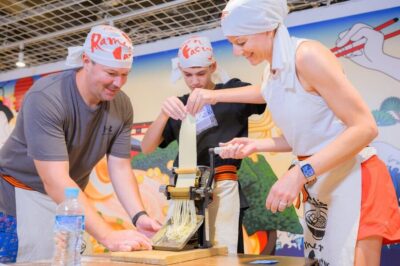
Ramen Cooking Class at a Ramen Factory with Souvenir
Read our review →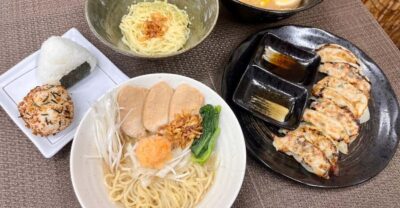
Japanese Washoku Bento Small Group Cooking Class
Read our review →
Japanese Traditional Sweets Making and Tea Ceremony
Read our review →
Kyoto Ramen and Gyoza Cooking Class with Professional Chefs
Read our review →
Also filed under