
Reviewed · SUSHI-MAKING WORKSHOPS
Kyoto: Sushi Making Class with Sushi Chef
Fresh fish and sushi skills in 90 minutes.
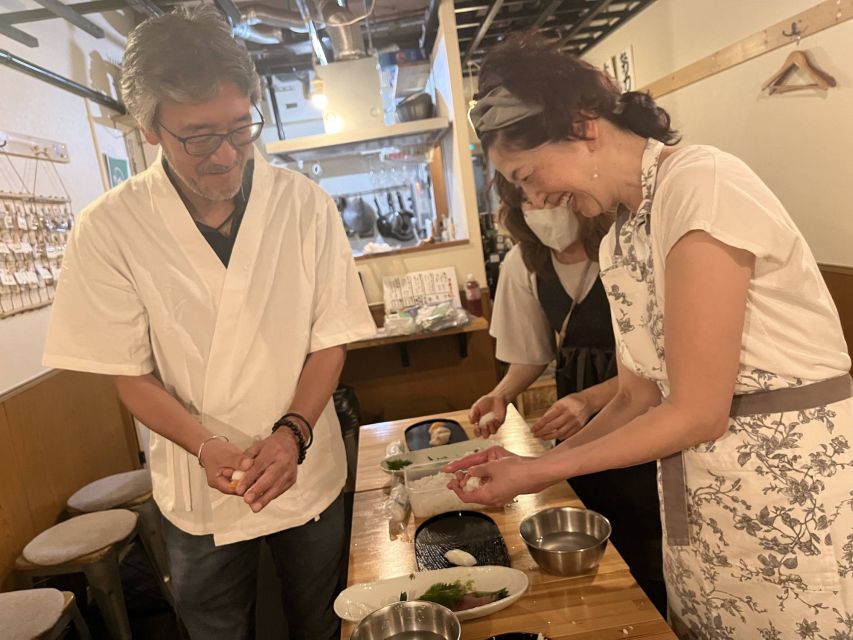
This Kyoto class is built around doing, not watching. You learn from a real sushi chef and use fresh fish from Kyoto Central Wholesale Market so your sushi actually tastes like Kyoto, not like a demo.
I also love the small group format (up to 8), because the chef can slow down when you need it and keep the room calm. One thing to consider: it’s not suitable for people with food allergies, so if that applies to you, skip this one.
In This Review
- Key things to know before you roll
- Meeting near Shijo Karasuma, then getting to work
- Where your fish comes from, and why it changes everything
- From rice practice to real nigiri, step by step
- Rolling maki with the right tools, not just your hands
- Decorating your plate, then eating what you made
- Photos and videos, so you can actually enjoy learning
- Value check: is $74 worth it in Kyoto?
- Who should book, and who should skip
- Practical tips so you leave confident
- Should you book this Kyoto sushi making class?
- FAQ
- Where is the meeting point?
- How long does the class take?
- What will I learn to make?
- Do they use real fish?
- Do I practice before making real nigiri?
- Does the class include a meal?
- Do they provide photos or videos?
- What languages are available?
- Is it suitable for people with allergies?
- What is allowed in terms of scent?
- What is the cancellation policy?
Key things to know before you roll
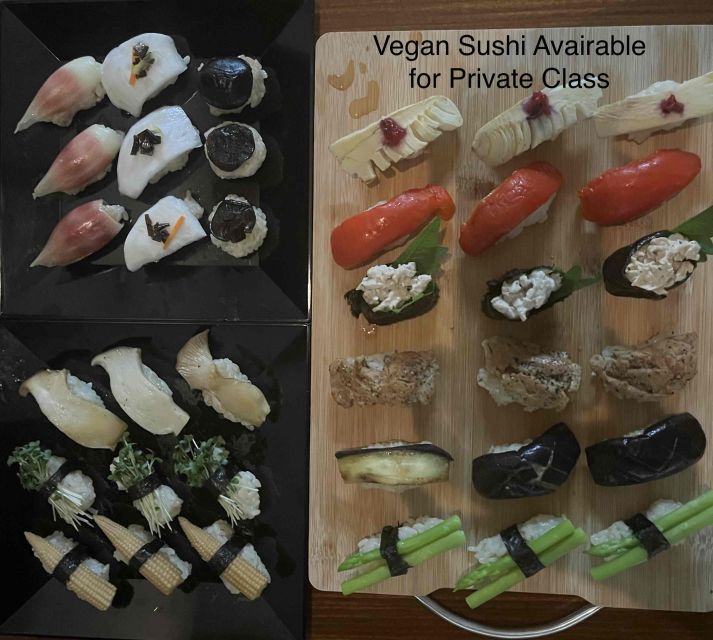
- Market fish, bought early: The chef purchases fresh fish in the morning and prepares for your class right before.
- Toy practice first: You start with sushi sample tools, then move to real nigiri.
- You make both nigiri and maki: Expect step-by-step work on two styles, not just one.
- Photo and video help: Someone takes care of pictures and shares the data after class.
- Chef-level basics plus etiquette: The better classes teach technique and how to eat sushi correctly.
- Bite-sized, not rushed: With 90 minutes to 3 hours, the pace is designed for learning, not speed.
Meeting near Shijo Karasuma, then getting to work
You meet in the Shijo Karasuma area. The activity uses two possible venues, and which one you get depends on how many people are in the class that day. Once you book, you’ll get an email with a Google Maps link, and when you arrive you’ll spot the welcome board.
This matters more than you might think. Kyoto is easy to wander off-course, and sushi classes do not love late arrivals. Plan to arrive a little early so you can settle in, wash up, and start on time.
Where your fish comes from, and why it changes everything
The most important ingredient here is not soy sauce. It’s the fish.
The chef shops early in the morning at Kyoto Central Wholesale Market, then keeps everything ready for your session. That means you’re working with fresh fish that’s meant for sushi, not fish that’s been sitting around all day. In a class like this, that freshness is the difference between food you politely taste and sushi you actually want to go back for.
If you’re the kind of person who loves learning how good ingredients show up in the final bite, you’ll enjoy the chef’s explanations. Past participants have highlighted that the chef shared insights about the fish and even talked about tools like knives and what they’re for.
Learn to roll your own sushi
- Sushi Making in Kyoto! Same-day bookings welcome!
★ 5.0 · 713 reviews - The Original Small-Group Sushi Making Class in Kyoto
★ 5.0 · 436 reviews - Kyoto: Small-Group Authentic Sushi Making Workshop
★ 5.0 · 137 reviews - Sushi – Authentic Japanese Cooking Class – the best souvenir from Kyoto!
★ 5.0 · 93 reviews
From rice practice to real nigiri, step by step
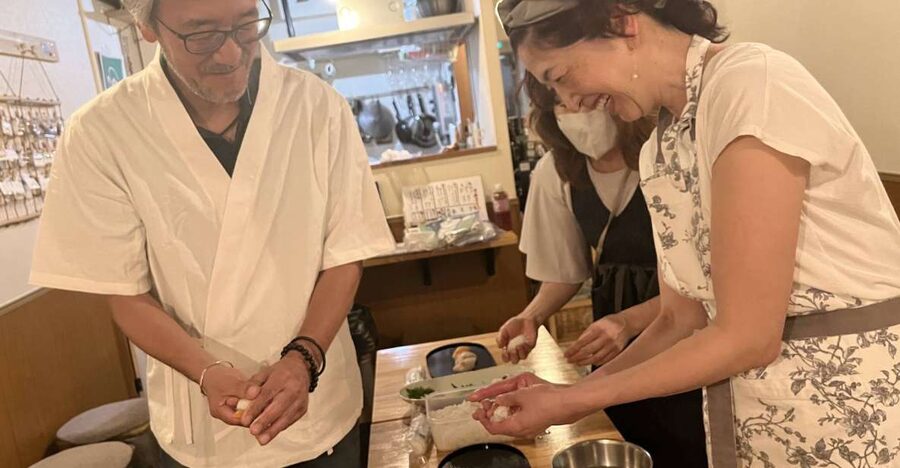
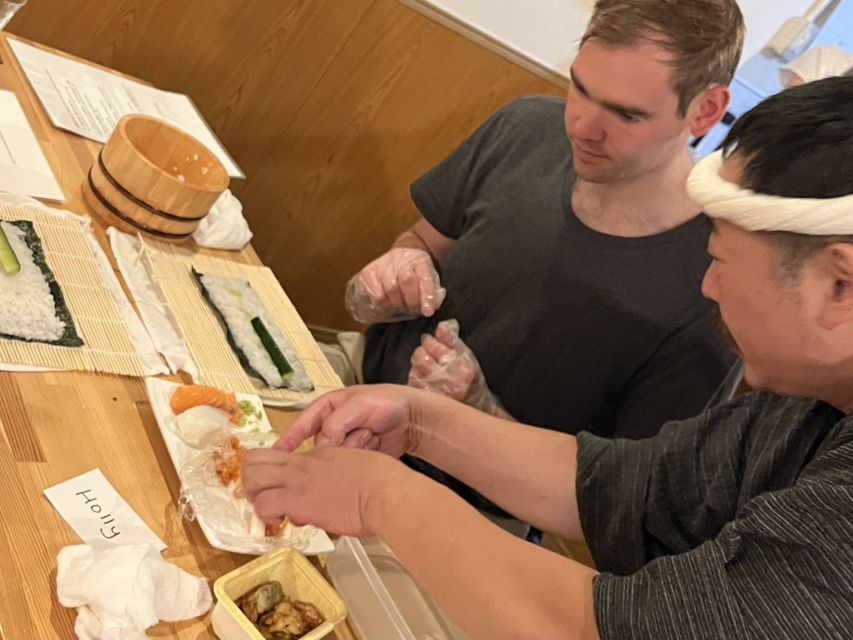
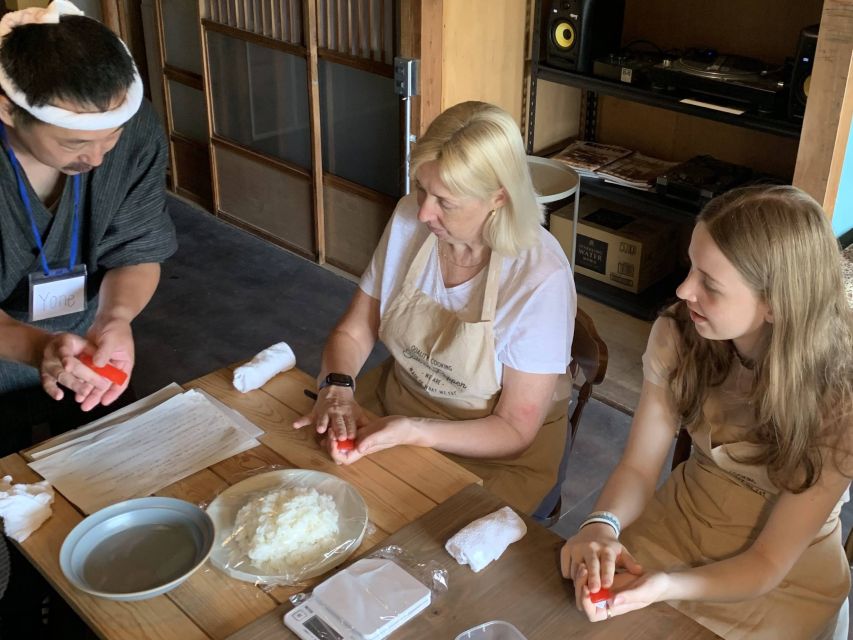
The class is structured so you build confidence fast. First, you practice using sushi sample toy tools. That step is smart. You get the hand movement and the feel of the process without the pressure of getting it perfect on the first try.
Once you’re comfortable, you start making real nigiri. This is where the chef’s teaching style really matters. Many people praised the instruction for being clear and patient, especially when learning the mechanics and the reasoning behind how sushi should be made.
You’ll also get a sense for timing and texture, because nigiri is picky. Rice has to be right, pressure matters, and fish cutting and placement are not random. You’re learning a craft, not following a recipe.
Rolling maki with the right tools, not just your hands
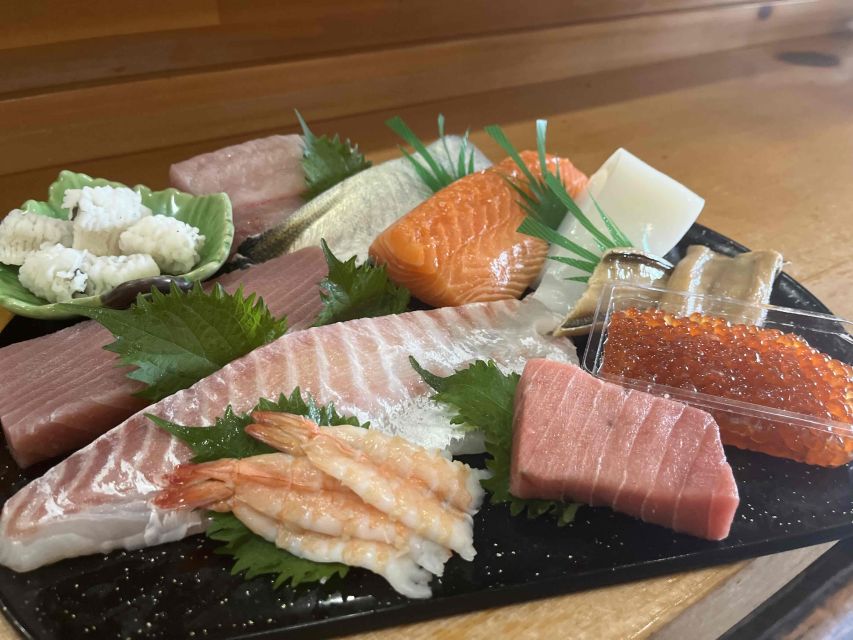
After nigiri, you move to sushi roll (maki). This part uses a special tool, so you’re not stuck trying to make perfectly shaped rolls with only kitchen instincts.
For you, that means fewer disasters. You still do the work, but you do it with the correct gear, which is exactly how real sushi chefs set up their workflow. One participant specifically noted the class focused well on rolling and that the instructor was patient while teaching the process.
And if you’re worried about your knife skills, don’t be. This class centers on what you can master in the time you have, with guidance from the chef in the room.
Decorating your plate, then eating what you made
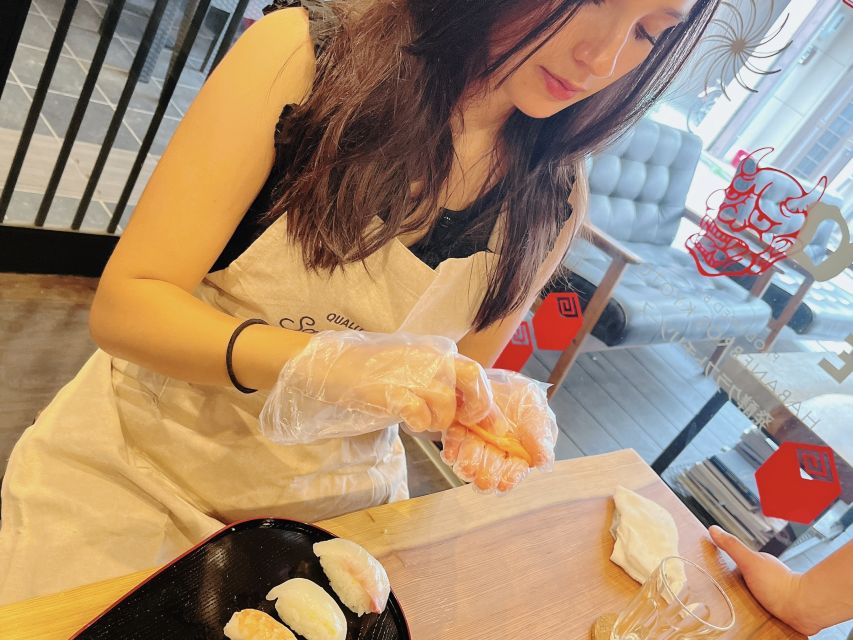
By the end, you’re not just producing sushi. You’re decorating everything on your sushi plate. That last step is fun because it turns technique into a finished meal. It’s also the moment you can see what you’ve learned, because presentation in sushi is part of the experience.
Then you eat. You’ll have:
- the sushi you made
- tea or water
- Japanese-style dashi soup
One of the best parts of making your own sushi is that it changes how you eat it. You notice texture. You notice balance. You notice how much the fish and rice relationship matters.
Several people also called out that the class included practical guidance on dining etiquette. That’s a bonus, because sushi etiquette is one of those things that’s easy to mess up when you don’t know the rules.
Photos and videos, so you can actually enjoy learning
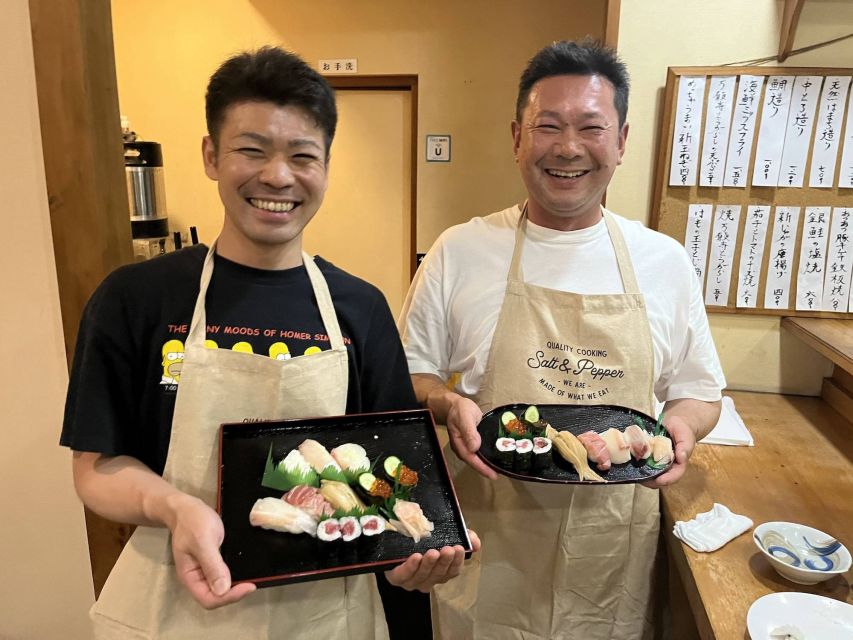
A lot of food classes say you’ll get pictures. This one takes the pressure off. During the session, they take photos and videos, and then share the data with you after the class.
For you, that means you can focus on the process instead of juggling your phone, your hands, and the chef’s directions. And if you’re traveling with kids or family, it helps everyone stay in the moment. People loved that the chef and host made things easy to follow, and the photo support keeps the memory-making simple.
A quieter way to spend a day in Kyoto
Value check: is $74 worth it in Kyoto?
At $74 per person for 90 minutes to 3 hours, you’re paying for three things:
- Chef instruction in a small setting (up to 8 participants).
- Real fresh fish sourced from the wholesale market early in the day.
- A full meal that you actually prepare, plus tea or water and dashi soup.
If you compare this to the cost of eating sushi plus paying for a cooking class, the math starts to work. You’re not just buying a ticket to watch. You’re actively making two styles of sushi, and you leave with both skills and food.
Could it feel pricey if you wanted to watch a chef do everything while you just taste? Sure. But this is the kind of class where you’ll likely get your money’s worth because you’re hands-on and the group size keeps the instruction personal.
Who should book, and who should skip
This class is a good fit if you want:
- a hands-on Kyoto food experience
- sushi basics taught in a step-by-step way
- fresh ingredients and real chef guidance
- an activity that’s fun for families (the format is described as enjoyable even for kids)
You might want to skip if:
- you have food allergies (this is explicitly noted as not suitable)
- you use strong fragrances (they’re not allowed)
Also consider your expectations. This isn’t a masterclass for becoming a professional sushi chef. It’s a focused workshop that teaches technique, timing, and how to build nigiri and rolls correctly enough to enjoy them at home.
Practical tips so you leave confident
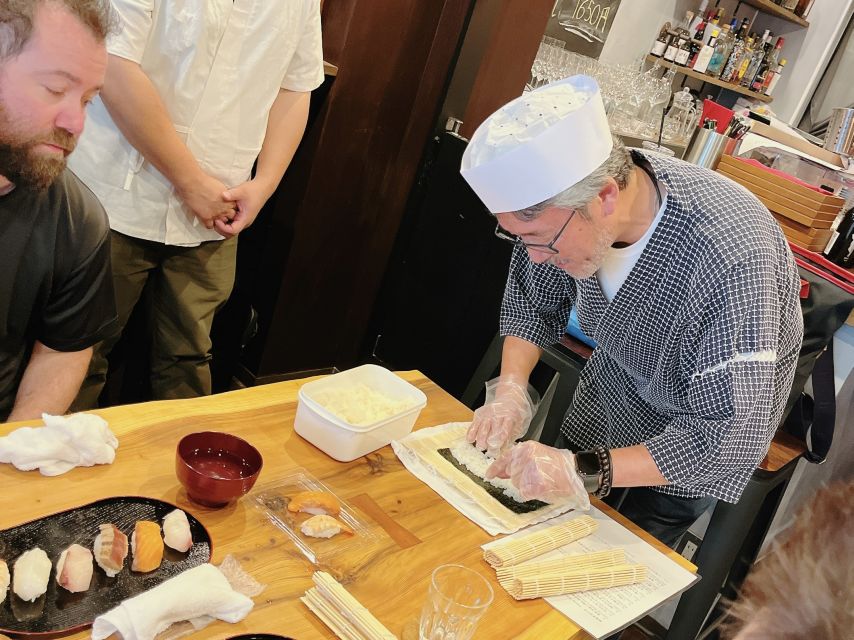
A few small moves help you get more out of your session:
- Wear something comfortable with sleeves you can manage. Sushi work is hands-on and a little messy, even when it’s controlled.
- Go in curious, not perfect. The class starts with practice using sushi sample tools, and that mindset pays off.
- Listen for the chef’s cues about rice and how the fish should sit. That’s where most of the payoff is.
- Save questions for when the chef has a pause. If you interrupt mid-step, you’ll just slow down the group.
- If you’re planning to recreate sushi later, remember the class order: sample practice, nigiri first, then maki, then decorating and eating.
People consistently praised the chefs for being relaxed, patient, and easy to follow. Names that come up often include Hide, Yukihide-san, Yune, Nami, and Yone, and that pattern tells you something important: the teaching tends to be friendly and structured.
Should you book this Kyoto sushi making class?
Yes, if you want a practical, memorable way to learn sushi while using fresh market fish and getting chef-level guidance in a small group. It’s a smart use of time in Kyoto, especially if you care about eating well and learning the technique behind it, not just snapping a photo and moving on.
Skip it if you have food allergies, because the class is not set up for that. And if you’re the type who absolutely needs everything catered to very specific dietary constraints, double-check first before booking.
If you can eat sushi safely and you’re game to get your hands working, this is the kind of class you’ll feel in your next meal at home. You’ll remember the rice feel, the roll shape, and the small etiquette details that make sushi dining click.
FAQ
Where is the meeting point?
You meet in the Shijo Karasuma area. There are two possible venues, and the operator chooses one depending on group size. You’ll receive an email with a Google Maps link, and staff will be there with a welcome board.
How long does the class take?
The class runs 90 minutes to 3 hours, depending on the scheduled time. Check availability to see the specific starting times.
What will I learn to make?
You’ll learn how to make nigiri sushi first, and then sushi rolls (maki) using special tools. In the end, you decorate the sushi on your plate and eat it.
Do they use real fish?
Yes. The chef buys fresh fish early in the morning at Kyoto Central Wholesale Market, and then prepares it for your class shortly before you start.
Do I practice before making real nigiri?
Yes. You first practice using sushi sample toy tools, and then you move on to making real nigiri sushi once you’re comfortable.
Does the class include a meal?
Yes. After you make the sushi, you eat it as a lunch. Tea or water and Japanese-style dashi soup are also included.
Do they provide photos or videos?
Yes. They take photos and videos during the class, then share the data with you after the session.
What languages are available?
The instructor can teach in English and Japanese.
Is it suitable for people with allergies?
No. The activity is not suitable for people with food allergies.
What is allowed in terms of scent?
Strong fragrances are not allowed.
What is the cancellation policy?
You can cancel up to 2 days in advance for a full refund.
New This Season
- Koyasan Day Trip by Private Car from Kyoto
- Old Port Town and Ultimate Sake Tasting Private Tour From Kyoto
- Kyoto’s Timeless Charm: 3hr Exploration of History and Peace
- Kyoto: 5 Types of Sushi Making
- Sacred Peak & Ancient Paths: Kurama-Kibune Hiking Experience
- Kyoto: Exclusive ZEN practice at Manpukuji temple in Uji
- Kyoto: Private Seasonal Aroma Yoga Class
- Traversing Kyoto’s Scenic West – Arashiyama to Kinkakuji
Sushi-Making Workshops, compared.
Sushi Making in Kyoto! Same-day bookings welcome!
Read our review →
The Original Small-Group Sushi Making Class in Kyoto
Read our review →
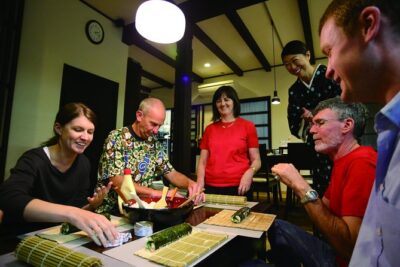
Sushi – Authentic Japanese Cooking Class – the best souvenir from Kyoto!
Read our review →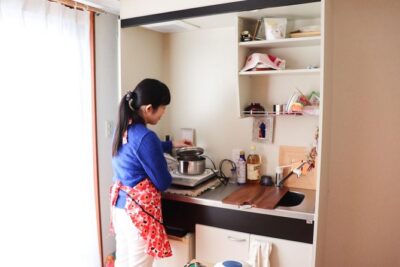
Private Kyoto Sushi Cooking Class & Tea Ceremony with Emika
Read our review →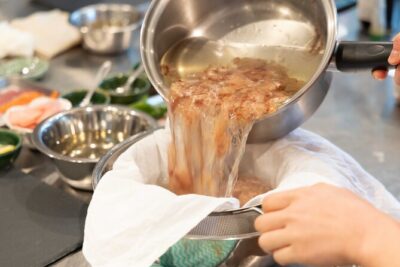
Enjoy Sushi & Market Tour! Best for Family & Couple!
Read our review →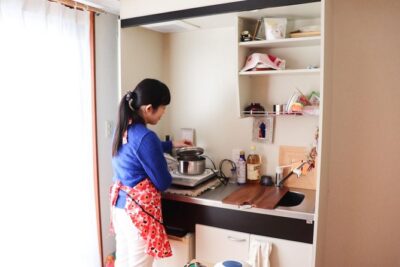
Sushi or Traditional Japanese Cuisine in a Kyoto Home with Emika
Read our review →
Kyoto Sushi Making Experience with a Professional Sushi Chef
Read our review →Also filed under