Reviewed · TEA CEREMONIES
Private Kyoto Sushi Cooking Class & Tea Ceremony with Emika
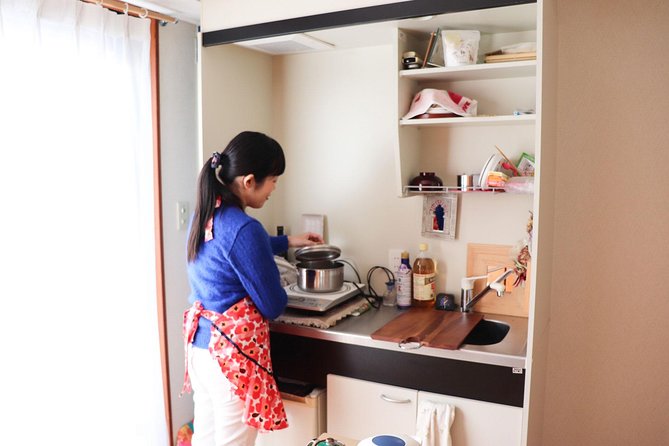
Kyoto smells better when you cook it. This private class in Emika’s home turns Obanzai cooking and sushi rolling into a real, hands-on evening, with matcha starting and tea ceremony ending the experience. I love that you use seasonal ingredients, including veggies Emika grows herself, and you get real instruction in a home kitchen rather than a classroom vibe.
Two things I really liked: Emika keeps the pace friendly for all skill levels, and the meal feels like something you would actually eat with a Kyoto family. A possible drawback to consider is that there is no hotel pickup, so you’ll want to plan your way to the meeting address and allow time for a short walk through local streets.
In This Review
- Key Highlights at a Glance
- A Private Kyoto Kitchen: Matcha, Garden Vegetables, and Sushi
- Where You Meet Emika and What to Expect on Arrival
- That First Cup of Matcha: A Calm Start Before You Cook
- Cooking Your Menu: Sushi Choice or a Traditional Main, Plus Obanzai
- Obanzai Vegetable Dishes That Taste Like Season, Not Slogans
- Sushi Rolling, Sushi Rice, and the Stuff You Can Recreate
- Alcohol or Matcha Pairing: Keeping It Fun, Not Fancy
- Timing That Fits Real Travel Days
- Tea Ceremony Wrap-Up: What You Learn From the Finish
- Optional Market Tour After Lunch: Learning Japanese Pantry Basics
- Price and Value: Is $109 Worth It?
- Who This Class Suits Best (And Who Might Want a Different Plan)
- Booking Tips That Will Make Your Class Smoother
- FAQ
- Is this cooking class private?
- How long does the experience last?
- Where do we meet Emika?
- Do I need hotel pickup?
- What food will we cook?
- Does Emika offer drinks during the meal?
- Can I choose lunch or dinner?
- What is the market tour option?
- What if we have dietary restrictions or allergies?
- How does cancellation work?
- Should You Book This Kyoto Sushi Cooking Class with Emika?
Key Highlights at a Glance
- Private class in Emika’s home: you cook together as a small, personal group
- Organic, garden-grown vegetables used for Obanzai-style side dishes
- Matcha tea set-ups: matcha before you cook, then a tea ceremony to close
- Sushi of your choice or a traditional main, plus two vegetable Obanzai dishes
- Optional market walk after lunch to learn what locals actually buy
A Private Kyoto Kitchen: Matcha, Garden Vegetables, and Sushi
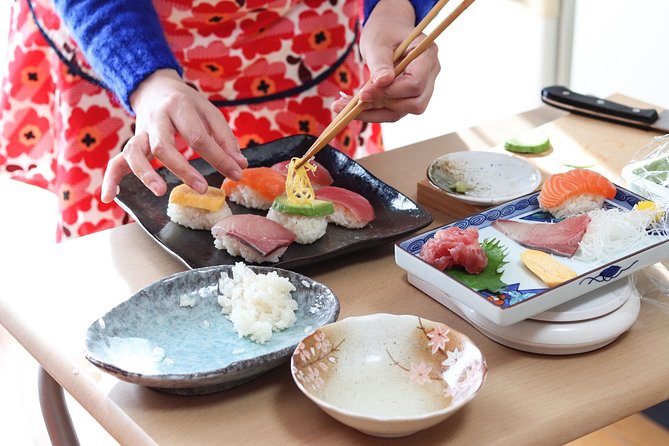
If you’ve ever watched someone roll sushi and thought, I could never do that, this class is built to prove you wrong. You’re not just eating a prepared meal. You’re making it in a Kyoto home, learning the why as much as the how.
This is also a good way to understand Kyoto food without turning it into a museum lesson. Obanzai is about seasonal vegetables, simple flavors, and cooking in a way that makes the ingredients taste like themselves. You get to experience that first hand, not just hear about it.
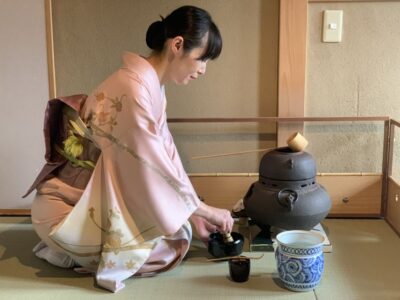
And yes, matcha matters here. The day opens with freshly made green tea from Emika or her father, and it closes with a tea ceremony. It’s a nice rhythm: calm tea, active cooking, then a slower finish.
Where You Meet Emika and What to Expect on Arrival
You meet at 31-30 Katsurainariyamachō, Nishikyo Ward, Kyoto, 615-8025, Japan. There’s no hotel pickup, so you’ll need to get yourself there using public transportation.
One detail worth planning for: the walk to Emika’s neighborhood can take about 10 to 15 minutes from the nearby station area mentioned in past visits. It’s not long, but Kyoto streets can feel like a maze when you rely on instincts. Use Google Maps, keep your phone charged, and give yourself a little buffer so you arrive stress-free.
The good news is that the location is in a residential area, so the whole experience feels grounded in daily life, not tourist logistics.
Learn to roll your own sushi
- Sushi Making in Kyoto! Same-day bookings welcome!
★ 5.0 · 713 reviews - The Original Small-Group Sushi Making Class in Kyoto
★ 5.0 · 436 reviews - Kyoto: Small-Group Authentic Sushi Making Workshop
★ 5.0 · 137 reviews - Sushi – Authentic Japanese Cooking Class – the best souvenir from Kyoto!
★ 5.0 · 93 reviews
That First Cup of Matcha: A Calm Start Before You Cook
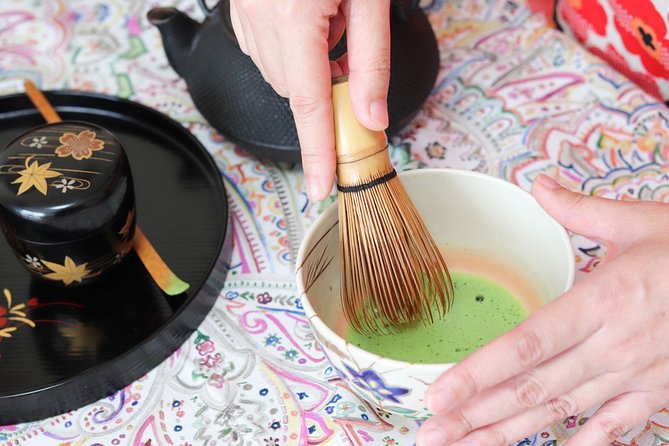
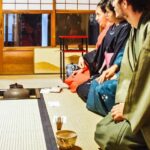
The class begins when Emika welcomes you into her home and serves freshly made matcha green tea. In some cases, Emika’s father also helps with this tea moment.
This isn’t just a nice photo stop. It sets the tone. You start with something Kyoto is famous for, and you shift into a slower, more attentive mode before turning on the cooking work.
If you’ve had matcha that tasted bitter or flat in the past, don’t blame Kyoto yet. Freshly prepared tea in a home setting is a different experience, and you’ll feel it in how the flavors sit on your tongue.
Cooking Your Menu: Sushi Choice or a Traditional Main, Plus Obanzai
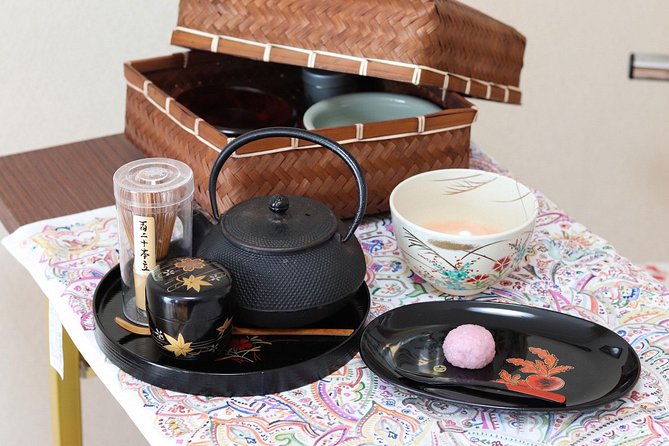
This class is built around two parts: making your main dish, and making Kyoto vegetable dishes the Obanzai way.
You’ll be able to choose what you cook ahead of time:
- A sushi menu of your choice, or
- A traditional main paired with two Obanzai style vegetable dishes
Everyone is welcome, including people who cook at home only on weekends. Emika teaches the steps clearly and stays patient while you work. It’s not a speed contest. The goal is that you can actually reproduce parts of the recipes later.
Obanzai Vegetable Dishes That Taste Like Season, Not Slogans
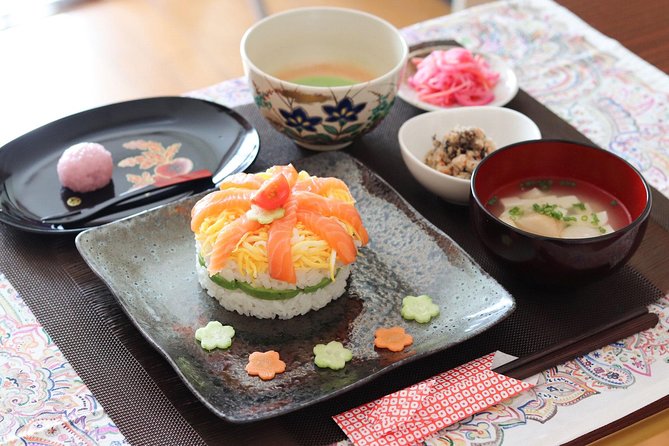
The Obanzai part is where this class becomes truly Kyoto. Emika uses local, seasonal ingredients, and many vegetables come from her own organic garden. That matters because Obanzai is not about heavy sauces or complicated techniques. It’s about vegetables treated respectfully.
Expect vegetable side dishes that can include marinated mushrooms, slow-cooked vegetables, tofu dishes, and miso soup elements depending on the menu and what’s best seasonally. You’ll learn how these flavors build together rather than tasting like separate items on a plate.
One big plus here is that the teaching is practical. You’re not just watching someone cook. You’re getting tips that explain what to look for while cooking, like how the texture of rice or the seasoning balance should feel.
Sushi Rolling, Sushi Rice, and the Stuff You Can Recreate
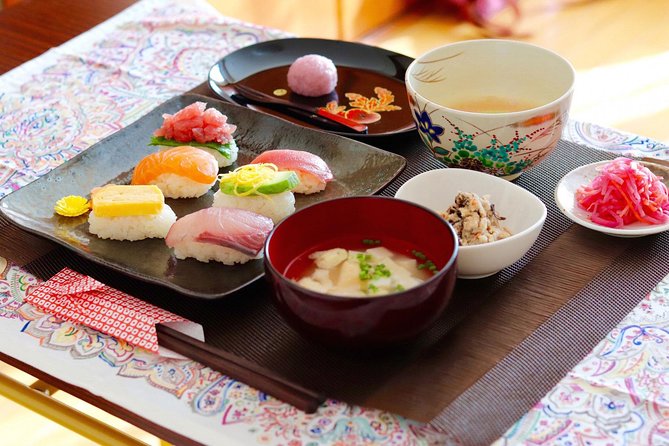
For the sushi portion, you’ll learn core steps you can take home. People often walk away surprised that sushi is not just a technique, it’s also about timing, temperature, and hand confidence.
From past experiences, the class commonly includes:
- Sushi rice preparation
- Miso soup
- Seasonal vegetable dishes
- Rolling and assembling your sushi, depending on the exact sushi style you select
You’ll also get guidance on how to handle ingredients and build each piece. Reviews repeatedly highlight how Emika is clear with instructions and patient while you practice.
And here’s the fun part. Sushi is one of those foods where you get to make something that looks good right away, even if you don’t have years of practice. The class doesn’t pressure you into perfection. It helps you finish proud.
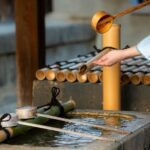
More bowls, poured the traditional way
Alcohol or Matcha Pairing: Keeping It Fun, Not Fancy
Included with the meal are local alcoholic drinks, usually 1 to 2 glasses. If you prefer, matcha is also part of the drink experience.
For value, this matters. It turns the class into an actual meal evening, not just a cooking demo with a small snack. You get food, teaching, and a drink pairing that fits the Japanese home dining feel.
If you’re choosing between alcohol and matcha, go with what helps you relax. Cooking gets more enjoyable when you feel comfortable.
Timing That Fits Real Travel Days
The full experience runs about 3 hours. The cooking portion may take around an hour, followed by the meal you prepare together.
This structure is smart for travel. You avoid the “three hours of waiting” problem that can happen with some tours. You cook, you eat, you learn, you close with tea ceremony. It’s a complete arc.
You can also pick lunch or dinner. That makes scheduling easier if you have temples in the morning and don’t want to waste your evening.
Tea Ceremony Wrap-Up: What You Learn From the Finish
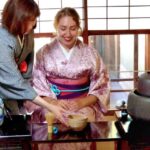
The meal ends with a tea ceremony. It’s not treated like a separate performance. It works like a gentle landing after eating.
You’re already in the mindset from the opening matcha. So the tea ceremony feels like a continuation of the same cultural thread, not an extra activity you have to jump into with full energy.
You’ll likely notice how the pace changes. You stop thinking like a tourist and start experiencing the moment like someone sitting down for calm conversation.
Optional Market Tour After Lunch: Learning Japanese Pantry Basics
If you choose the market option, Emika adds a 1 hour supermarket and produce market walk. Importantly, this happens after your cooking class and meal, not before.
The point is practical: you see what locals buy and where the common ingredients come from. Emika can point out Japanese food products and spices you might not recognize in a regular travel supermarket.
One useful way to think about it: you’re essentially buying ingredients with context. You already cooked the flavors today, so you know what to look for when you try again at home.
If you want to take something back, this option gives you help choosing ingredients you can actually use later.
Price and Value: Is $109 Worth It?
At $109 per person, this class sits in the mid-range of Kyoto cooking experiences. The real question is what you get for that money.
Here’s the value logic I see:
- You get a private, home-based class, not a large group kitchen.
- You get hands-on instruction for sushi and Obanzai style dishes.
- You use seasonal ingredients, including vegetables grown organically by Emika.
- You get drinks (local alcohol, typically 1 to 2 glasses) and a meal you made.
- You finish with a tea ceremony, which turns the event into a full cultural experience.
- If you choose it, the optional market walk can make the learning stick, because it supports ingredient shopping for later.
You should also consider the time saved. Kyoto has plenty of food options you can eat on your own. This experience is different because it adds skills and context, not just calories.
If you enjoy cooking, you’ll feel the value quickly. If you mainly want a sightseeing day, a cooking class may feel heavier than you want. But for people who love food and want something authentic, this is a strong deal.
Who This Class Suits Best (And Who Might Want a Different Plan)
This is a great fit if you:
- Want a true Kyoto home experience, not a restaurant lesson
- Like sushi and also want the vegetable side of Japanese food, not just fish
- Want a meal you can understand and recreate later
- Travel as a couple, family, or mixed ages and want a relaxed pace
It may be less ideal if you:
- Need a tour with hotel pickup and zero walking
- Prefer very structured, textbook-style cooking with no home atmosphere
- Don’t want to cook at all and mainly want to eat your way through Kyoto
The class also works for kids and teens. Past groups included family members who enjoyed the relaxed instruction style, with Emika guiding confidently.
Booking Tips That Will Make Your Class Smoother
A few practical moves that help:
- Decide in advance if you want a sushi menu or an Obanzai native Kyoto menu, and tell Emika when booking.
- If anyone has allergies, dietary restrictions, or specific preferences, advise at the time of booking so she can plan what you cook.
- If you’re doing the market option, plan your time accordingly. The walk happens after the meal, so don’t schedule long excursions right before your class ends.
Also, book early. This experience is commonly booked about 49 days in advance on average, which hints that people plan it as a highlight.
FAQ
Is this cooking class private?
Yes. It is a private tour/activity, and only your group participates.
How long does the experience last?
It runs about 3 hours.
Where do we meet Emika?
You meet at 31-30 Katsurainariyamachō, Nishikyo Ward, Kyoto, 615-8025, Japan. The activity ends back at the meeting point.
Do I need hotel pickup?
No. Hotel pickup and drop-off are not included.
What food will we cook?
You can cook sushi of your choice or a traditional main, plus two Obanzai style vegetable dishes. The class also includes miso soup and tofu dishes as part of the traditional menus described.
Does Emika offer drinks during the meal?
Yes. Local alcohol is included, typically 1 to 2 glasses. Matcha is also part of the experience.
Can I choose lunch or dinner?
Yes. You can choose from lunch or dinner options to fit your schedule.
What is the market tour option?
If you choose it, Emika takes you on a 1 hour supermarket and produce market walk. This happens after your cooking class and lunch, not before.
What if we have dietary restrictions or allergies?
Tell your host Emika at the time of booking. The experience asks you to advise of allergies, dietary restrictions, or cooking preferences.
How does cancellation work?
Free cancellation is available. You can cancel up to 24 hours in advance for a full refund.
Should You Book This Kyoto Sushi Cooking Class with Emika?
Book it if you want hands-on Kyoto food in a real home setting. The combo of sushi, Obanzai vegetable dishes, matcha, drinks, and a tea ceremony makes this more than a one-time meal.
Skip or reconsider if you need a super easy logistics day with pickup, or if cooking itself sounds like a chore. For most food-loving travelers, though, this class hits the sweet spot: practical skills you can repeat, ingredients you understand, and a meal that feels genuinely Kyoto.
If you tell Emika what you want to cook, show up a little early, and come hungry (and curious), you’re likely to leave with more than full plates. You’ll leave with techniques and ideas that make your next meal at home taste closer to Japan.
More Workshops in Kyoto
More Cooking Classes in Kyoto
New This Season
- Koyasan Day Trip by Private Car from Kyoto
- Old Port Town and Ultimate Sake Tasting Private Tour From Kyoto
- Kyoto’s Timeless Charm: 3hr Exploration of History and Peace
- Kyoto: 5 Types of Sushi Making
- Sacred Peak & Ancient Paths: Kurama-Kibune Hiking Experience
- Kyoto: Exclusive ZEN practice at Manpukuji temple in Uji
- Kyoto: Private Seasonal Aroma Yoga Class
- Traversing Kyoto’s Scenic West – Arashiyama to Kinkakuji
Tea Ceremonies, compared.
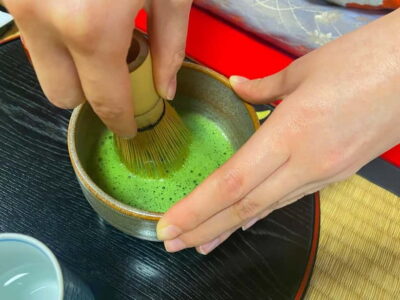
Tea Ceremony in a Traditional Tea House in Kiyomizu
Read our review →
Kimono Tea Ceremony at Kyoto Maikoya, NISHIKI
Read our review →
Tea Ceremony in 100-year-old Kyo-Machiya Townhouse
Read our review →