
Reviewed · SUSHI-MAKING WORKSHOPS
Sushi or Traditional Japanese Cuisine in a Kyoto Home with Emika
A Kyoto dinner in a real home beats restaurants. You’ll sit with Emika for a private meal that starts (or ends) with traditional matcha prepared right at the table, then shifts into Kyoto-style comfort food. It is one of those simple, human experiences where the food, the pace, and the conversation feel like part of daily life in Kyoto, not a performance.
I especially liked two things. First, the traditional tea moment, including a small tea ceremony component, helped everything feel grounded and calm. Second, the meal is built around Obanzai, Kyoto’s home cooking made with seasonal vegetables and seafood, and it often leans on locally sourced ingredients. The one main catch to plan around is that hotel pickup and drop-off are not included, so you’ll need to make your own way to the meeting address in Nishikyo Ward.
In This Review
- Key things to know before you go
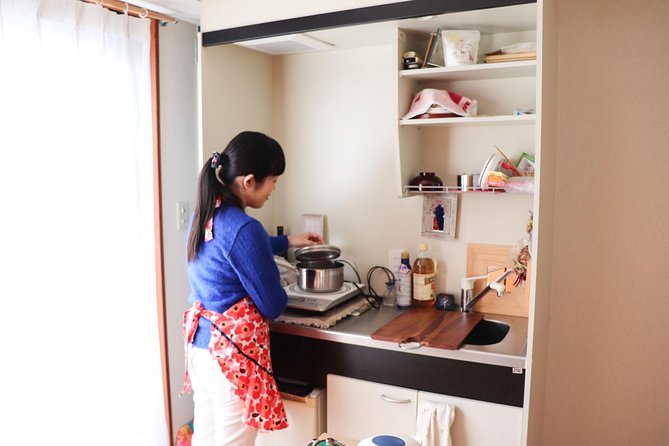
- Kyoto in Nishikyo Ward: Meeting Emika in a Real Neighborhood Home
- Matcha First: The Tea Ritual That Sets the Tone
- Obanzai Meal Courses: Seasonal Vegetables, Seafood, and Local Sourcing
- Sushi and Miso Soup, Taught the Traditional Way
- Lunch or Dinner in 1.5 Hours: How the Pacing Works
- What $79 Buys You: Value of a Private Kyoto Table
- Practical Tips: Dietary Needs, Timing, and Getting Ready
- Should you book the Kyoto Home Meal with Emika?
- FAQ
- How long is the experience?
- Is this experience private?
- Where do we meet Emika?
- What food is included?
- Can I request dietary accommodations?
- Is local alcohol included?
- Can I choose lunch or dinner?
- What is the cancellation policy for a full refund?
Key things to know before you go
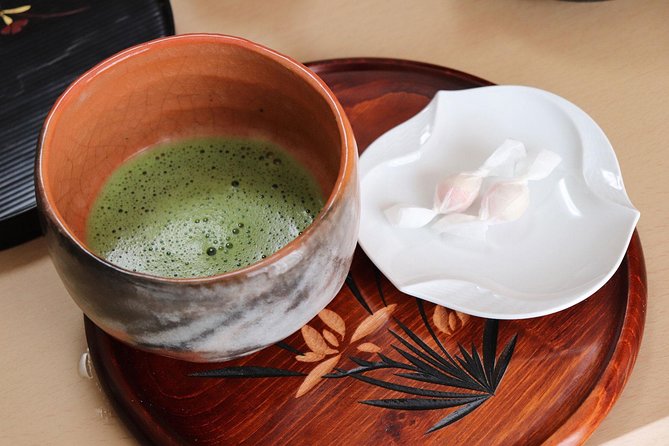
- Traditional matcha at the table, prepared by Emika or her father in a proper style
- Obanzai focused menu, with seasonal vegetables and seafood and lots of local sourcing
- Sushi and miso soup taught the traditional way, not just served
- Private, personalized table time, only your group with Emika in her home
- Lunch or dinner timing, so you can slot it into a busy Kyoto day
- Local alcohol included, paired with the meal course flow
Kyoto in Nishikyo Ward: Meeting Emika in a Real Neighborhood Home
This experience is built around one big idea, you get invited into a Kyoto home and you eat like a guest. You meet at 31-30 Katsurainariyamachō, Nishikyo Ward, Kyoto (615-8025), and the experience ends back at the same meeting point. It is not a multi-stop tour with constant travel, it is about getting your feet quiet and letting the meal set the rhythm.
It also matters that it is private. That means you can ask questions as they come up, from what you are eating to how Kyoto families think about food and seasonality. Service animals are allowed, and the location is described as near public transportation, which helps if you are navigating Kyoto without a car.
If you are used to hopping from sight to sight, this feels like a welcome pause. Kyoto rewards you when you slow down a little, and a home meal is one of the best ways to do that.
Matcha First: The Tea Ritual That Sets the Tone
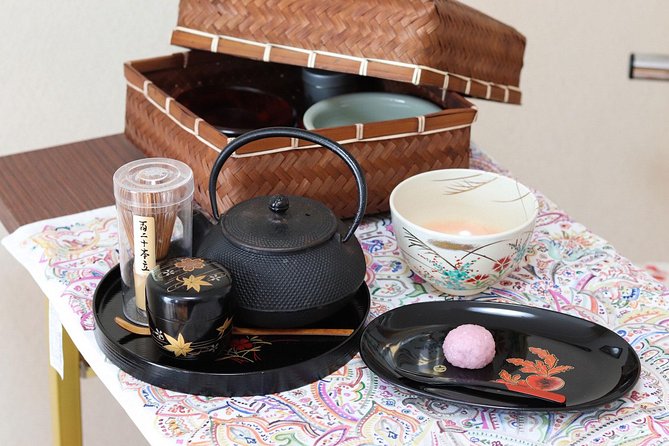
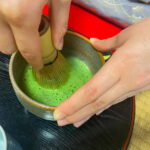
The experience starts (or ends) with a cup of green tea in the traditional style. In many cases, the matcha is prepared by Emika or her father, and the tea moment is not treated like a quick pre-meal drink. You get a short ritual feel, with attention to how the tea is made and served.
You will probably notice how the tea shapes the meal. Matcha is bold and earthy, but it is also clean-tasting, so it helps reset your palate before the richer comfort foods like miso and rice. Then, later, matcha ties back in again through sweets, which are meant to pair well with it.
One extra highlight: people often enjoy a small, charming tea ceremony component after the meal. Even if you have never seen one, it is explained through the flow of the experience, so you are not left guessing what you are looking at.
Learn to roll your own sushi
- Sushi Making in Kyoto! Same-day bookings welcome!
★ 5.0 · 713 reviews - The Original Small-Group Sushi Making Class in Kyoto
★ 5.0 · 436 reviews - Kyoto: Small-Group Authentic Sushi Making Workshop
★ 5.0 · 137 reviews - Sushi – Authentic Japanese Cooking Class – the best souvenir from Kyoto!
★ 5.0 · 93 reviews
Obanzai Meal Courses: Seasonal Vegetables, Seafood, and Local Sourcing
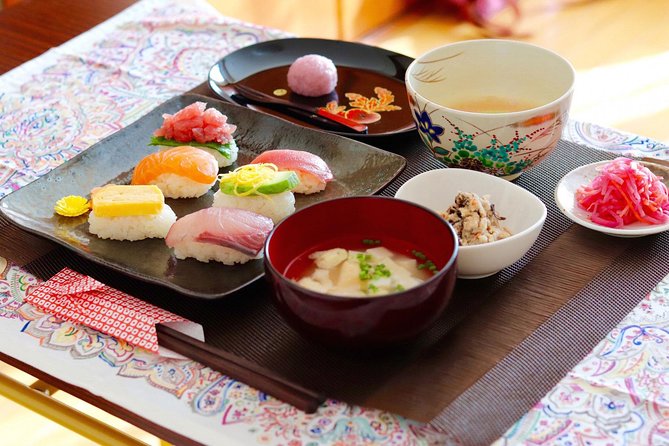
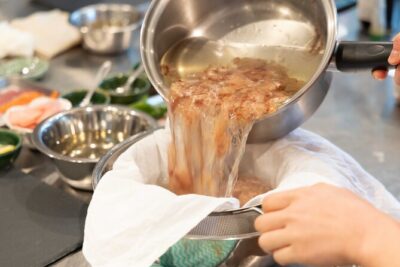
After tea, you sit down together at a dining table and share a traditional meal in the Obanzai style. Obanzai is Kyoto’s home cooking, usually built around seasonal vegetables and seafood, and it is designed for variety rather than one heavy centerpiece. That means you tend to get a mix of flavors, textures, and gentle sauces that feel practical and comforting.
The menu can include staples like miso soup, rice, and multiple traditional Obanzai dishes. You may also see a sweet that goes well with matcha, which helps keep the meal feeling cohesive instead of random. Since the menu may vary depending on the season, this is a good option for you if you like food that changes with time and weather, not a rigid checklist.
A standout detail from the experience is the attention to sourcing. Emika’s cooking often uses produce grown at home, and that usually translates to flavors that taste fresher and simpler, with less of that restaurant-style heavy seasoning. If you care about where ingredients come from, you’ll likely appreciate the way the meal connects to local life.
Sushi and Miso Soup, Taught the Traditional Way
The experience frames the meal as either sushi-focused or traditional Japanese cuisine, but either way, sushi and miso soup are part of the core food plan. The key difference is that you are not just eating, you are learning. Emika shares the traditional way to make sushi and miso soup, which turns the meal into a living lesson.
You get to see how the parts come together, and that is where the value really shows. Sushi can look straightforward from a distance, but the difference between okay and great is in how you treat ingredients, timing, and seasoning balance. Same with miso soup. Small choices, like how it is served and how you think about pairing it with rice and side dishes, change the entire experience.
If you are the kind of person who likes asking, what happens if you change X, how do you decide Y, this is a great setting. In a home kitchen, those questions sound natural. People also tend to enjoy talking through the dishes and the drinks, including how Kyoto families think about meal structure.
Lunch or Dinner in 1.5 Hours: How the Pacing Works
You can choose lunch or dinner time, and the whole experience runs about 1 hour 30 minutes. That timing is perfect for a Kyoto day because it is long enough to feel like a real meal with conversation, but short enough that you can still see a temple or walk a market street after.
The pacing usually follows a simple flow:
1) matcha tea moment
2) shared table meal with Obanzai dishes and staples like miso soup and rice
3) a sweet that pairs with matcha, plus conversation throughout
Because it is a private experience, the pace can flex a bit to your group. If your group wants more talk time, it can happen. If you prefer a quieter meal with fewer questions, you can keep it easy and just enjoy the food and the setting.
One practical note: since there is no hotel pickup, plan your route to the meeting point. In Kyoto, that can mean a bus or train plus a short walk, so build in some buffer.
What $79 Buys You: Value of a Private Kyoto Table
At $79 per person for about 1.5 hours, this is not a budget deal in the way a casual conveyor-belt sushi stop can be. But it is also not overpriced for what you get. The value comes from the structure.
You are paying for:
- a private, home-based meal
- traditional matcha and the tea element
- Obanzai dishes that reflect seasonality
- a chance to learn about sushi and miso soup in a real kitchen setting
- local alcohol included with the meal
The big difference versus a restaurant is access. In a home meal, you are not fighting for attention in a loud room. You sit, you talk, and you connect the food to the people and place that made it.
Also, menus can vary seasonally, which can feel like a benefit if you like surprises. It means you are more likely to get a meal that reflects what Kyoto is tasting right now, not what the kitchen always serves.
If you are traveling in a small group or you want one memorable cultural meal that is not based around a museum or market stall, this is a strong use of your food budget.
A day of temples goes further with something to break it up.
Practical Tips: Dietary Needs, Timing, and Getting Ready
Before you go, there are a few smart moves that keep the experience smooth.
Share dietary requirements early. The experience asks you to advise any specific dietary needs at the time of booking. That is the best moment to be clear about allergies, restrictions, and any preferences you want honored.
If you want lunch versus dinner, choose what best matches your Kyoto schedule. You have that option, and it makes planning easier when you already have temple time, day trips, or shopping on your list.
Bring your calm. This is not a rushed class. It is a meal, with tea, conversation, and cooking lessons built in. A quiet, patient attitude helps you get the most out of the experience.
And again, plan your transport. With no hotel pickup and drop-off, you should assume you will navigate to the meeting point on your own. The good news is that the location is described as near public transportation, so it should not be a nightmare if you use transit.
Should you book the Kyoto Home Meal with Emika?
Book it if you want a Kyoto-specific meal that feels personal, not generic. It is ideal if you care about Obanzai, enjoy matcha beyond just ordering a drink, and like learning through food rather than through a lecture.
Skip it if you need a big, sightseeing-heavy day with constant movement. This experience is about sitting down and tasting, so it works best when you give it space in your schedule.
If you like the idea of a private table, traditional matcha, and a home-cooked meal where Emika (and her father) guide you through what you are eating, this is the kind of Kyoto experience you will remember for years. It is simple, warm, and very much tied to daily life.
FAQ
How long is the experience?
It lasts about 1 hour 30 minutes.
Is this experience private?
Yes. It is a private experience, and only your group participates.
Where do we meet Emika?
You meet at 31-30 Katsurainariyamachō, Nishikyo Ward, Kyoto, 615-8025, Japan, and the experience ends back at the same meeting point.
What food is included?
You’ll enjoy a home-cooked Japanese meal, which may include sushi, miso soup, rice, traditional Obanzai dishes, and sweets that go well with matcha. The menu can vary by season.
Can I request dietary accommodations?
Yes. You should advise any specific dietary requirements in the Special Requirements box at the time of booking.
Is local alcohol included?
Yes. Local alcohol is included.
Can I choose lunch or dinner?
Yes. You can choose from lunch or dinner time.
What is the cancellation policy for a full refund?
Free cancellation is available. You can cancel up to 24 hours in advance for a full refund.
New This Season
- Koyasan Day Trip by Private Car from Kyoto
- Old Port Town and Ultimate Sake Tasting Private Tour From Kyoto
- Kyoto’s Timeless Charm: 3hr Exploration of History and Peace
- Kyoto: 5 Types of Sushi Making
- Sacred Peak & Ancient Paths: Kurama-Kibune Hiking Experience
- Kyoto: Exclusive ZEN practice at Manpukuji temple in Uji
- Kyoto: Private Seasonal Aroma Yoga Class
- Traversing Kyoto’s Scenic West – Arashiyama to Kinkakuji
Sushi-Making Workshops, compared.
Sushi Making in Kyoto! Same-day bookings welcome!
Read our review →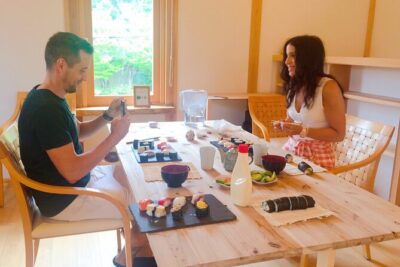
The Original Small-Group Sushi Making Class in Kyoto
Read our review →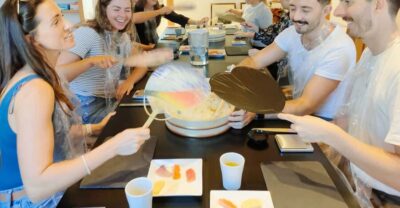
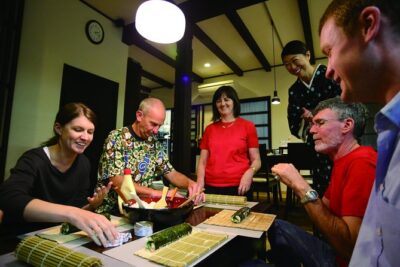
Sushi – Authentic Japanese Cooking Class – the best souvenir from Kyoto!
Read our review →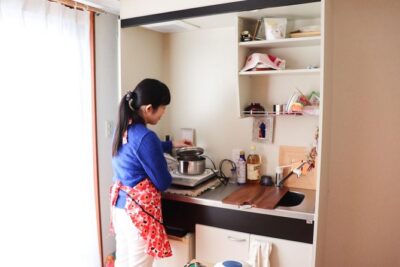
Private Kyoto Sushi Cooking Class & Tea Ceremony with Emika
Read our review →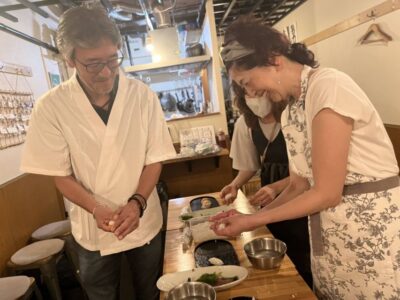
Enjoy Sushi & Market Tour! Best for Family & Couple!
Read our review →
Kyoto Sushi Making Experience with a Professional Sushi Chef
Read our review →Also filed under